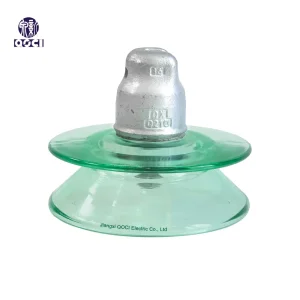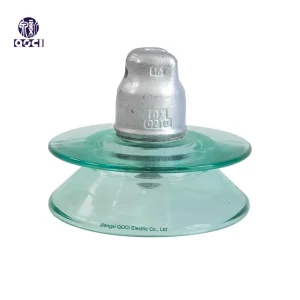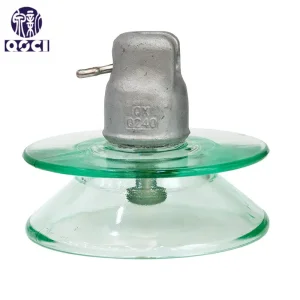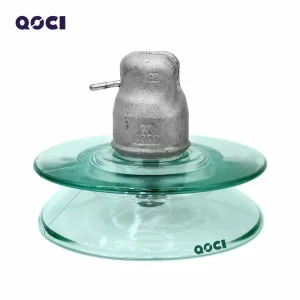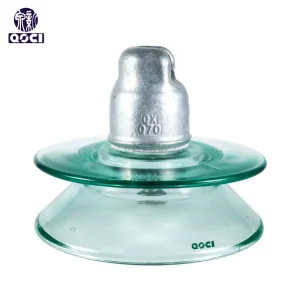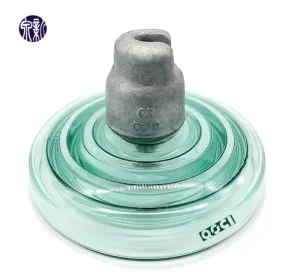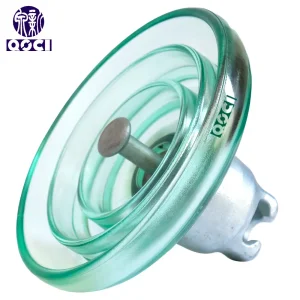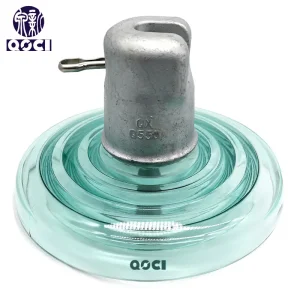
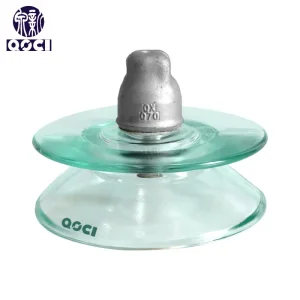
Optimized for the Atlantic coastal humidity of Lisbon and Porto regions.
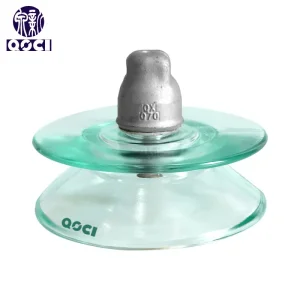
Superior anti-pollution performance for industrial zones in Setúbal.
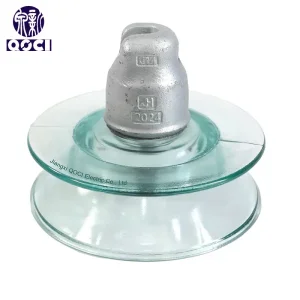
Robust mechanical strength for heavy-duty transmission networks.
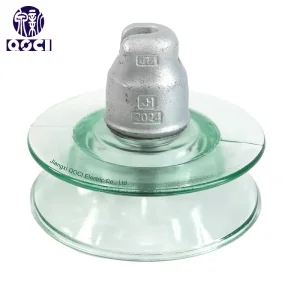
Designed for IEC standard compliance and long-term reliability.
As Portugal accelerates its transition toward a carbon-neutral economy by 2050, the national power grid (managed by REN - Redes Energéticas Nacionais) faces unprecedented challenges. The integration of massive solar parks in the Alentejo region and offshore wind farms along the Atlantic coast requires transmission infrastructure that can withstand extreme environmental stressors.
The Double-Shed Type Glass Insulator has emerged as the gold standard for these projects. Unlike standard profiles, the double-shed design provides an increased creepage distance without significantly increasing the string length. This is particularly vital in Portugal’s coastal areas where salt fog and industrial pollution can lead to flashover events. Our technical roadmap for Portugal focuses on hydrophobic glass surfaces and aerodynamic shed spacing to ensure self-cleaning properties during the rainy seasons in the north.
Current engineering trends in Portugal emphasize "Grid Resilience". Our R&D department has optimized the U-series (U70 to U550) to include advanced toughening processes that prevent spontaneous breakage. Looking forward, the "Smart Grid" integration in Lisbon requires insulators that not only provide mechanical support but also integrate with leakage current monitoring sensors. We are currently testing RTV (Room Temperature Vulcanization) silicone-coated glass insulators, which combine the mechanical stability of toughened glass with the superior pollution resistance of polymer materials—perfect for the Sines industrial complex.
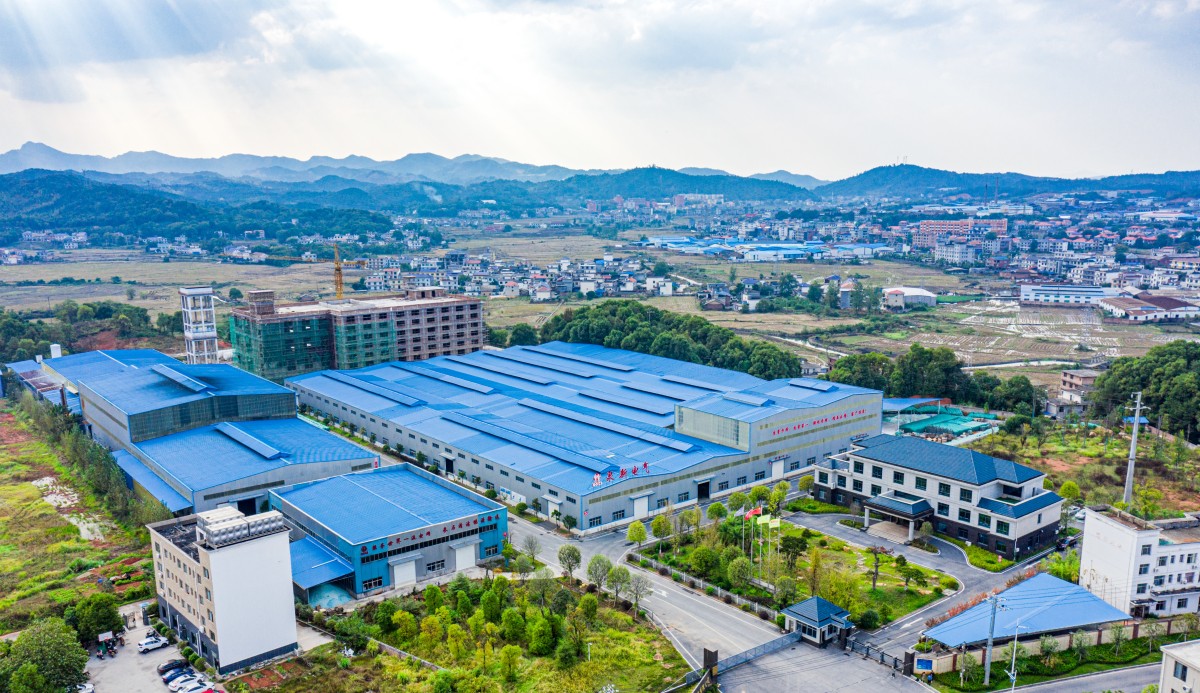
Jiangxi QOCI Electric Co. Ltd, founded in 2002 with 508 million Yuan capital, stands as a pillar of China Factory 4.0. Our facility in Luxi County spans 70,000 m², producing 39,000 tons of high-performance insulators annually. We don’t just manufacture; we engineer safety for world-class power grids.
For Portuguese EPC contractors and utility procurement managers, the resilience of the supply chain is as important as the product quality. QOCI Electric utilizes Total Oxygen Kiln technology and automated Forming Presses to ensure batch consistency. Our "Industry 4.0" approach includes real-time quality monitoring and 100% high-voltage testing before shipment.
Precision molding ensuring dimensional accuracy for quick installation on Portuguese pylons.
IEC 60383 and IEC 60305 compliant testing for dielectric and mechanical strength.
Strategic partnerships with shipping lines for rapid delivery to Port of Sines or Leixões.
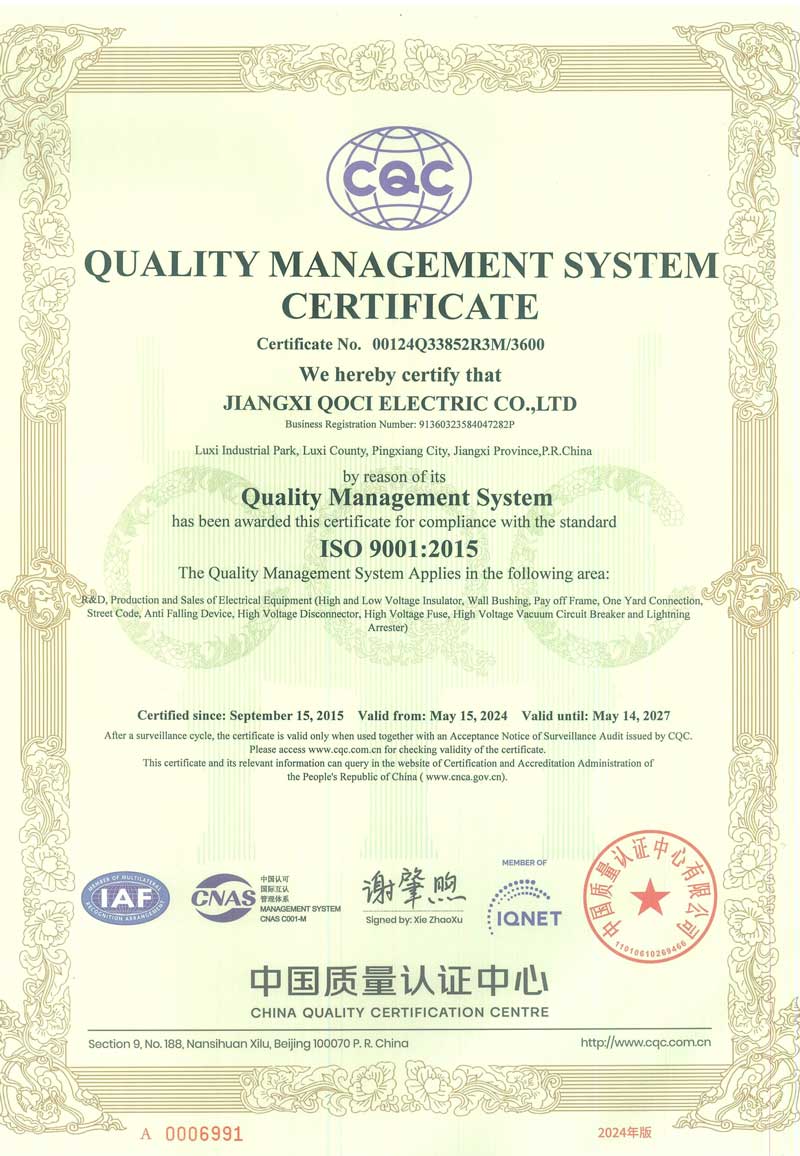
Operating in the European market requires strict adherence to CE marking and ISO 9001/14001/45001 standards. QOCI Electric provides comprehensive documentation for Portugal-based projects, including:
The Atlantic coastline has high salinity. The double-shed design increases the creepage distance by up to 20% compared to standard profiles, preventing leakage currents and tracking in salty air.
Yes, our products are designed according to IEC 60305 and 60383, which are the primary technical benchmarks for REN and the Portuguese energy sector.
With our Factory 4.0 capacity, we offer expedited production. Shipping to Portuguese ports typically takes 30-35 days, with full logistics tracking.
While composite is lighter, toughened glass is preferred in Portugal for its "fail-safe" property—if it breaks, the glass shatters but the mechanical string remains intact, allowing for easy visual inspection.
Connect with our expert team for a customized quotation and engineering consultation.