1. Sweden’s Industrial Power Grid Landscape
Sweden stands at the global forefront of the energy transition, aiming for a 100% renewable electricity system by 2040. This ambitious goal requires a robust, modernized transmission and distribution (T&D) infrastructure capable of handling fluctuating loads from wind and hydro power. For Standard Type Manufacturers & Factory in Sweden, the challenge is not just electricity delivery, but resilience against the unique Nordic climate.
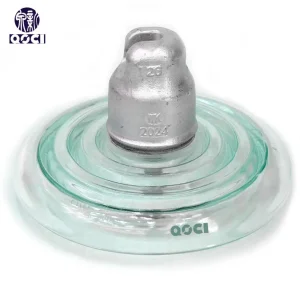
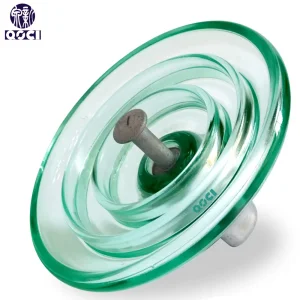
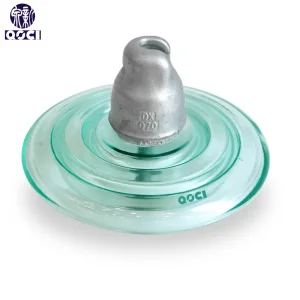
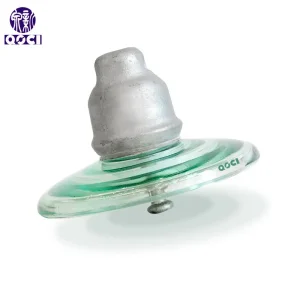
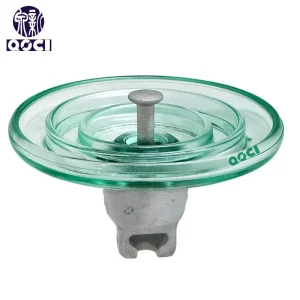
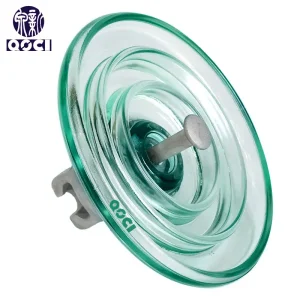
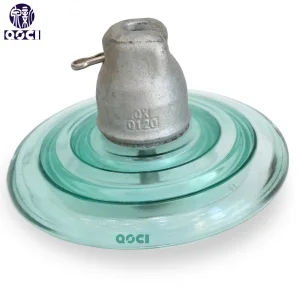
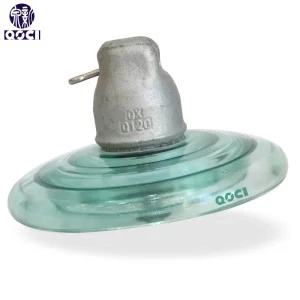
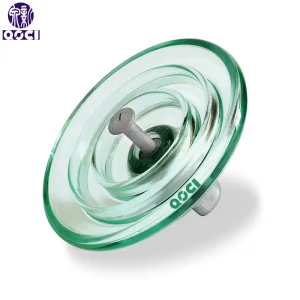
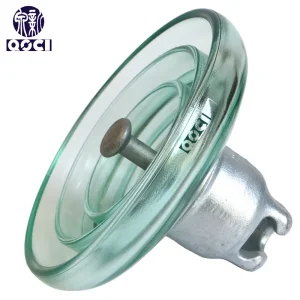
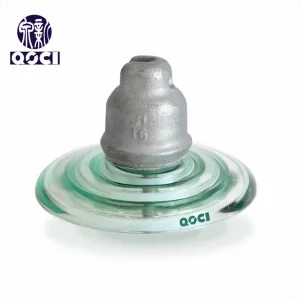
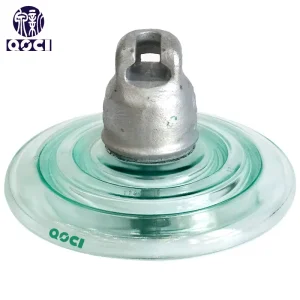
The Swedish National Grid (Svenska kraftnät) manages over 15,000 km of power lines, predominantly operating at 220 kV and 400 kV. In these high-voltage environments, the selection of Standard Profile Toughened Glass Insulators is critical. These components must withstand sub-zero temperatures, heavy snow accumulation, and the corrosive effects of the Baltic Sea salinity in coastal regions like Gothenburg and Stockholm.
2. Industry Trends and Global Procurement Requirements
Global procurement for power utilities is shifting toward Total Cost of Ownership (TCO) rather than initial purchase price. For Swedish infrastructure projects, this means prioritizing insulators with a lifespan of 40+ years. We are seeing a marked increase in demand for:
- Mechanical Reliability: High-tensile strengths (up to 550kN) to support longer spans between towers in mountainous terrains.
- Environmental Sustainability: Glass is 100% recyclable, aligning with Sweden's Circular Economy policies.
- Smart Integration: Compatibility with RTV (Room Temperature Vulcanization) coatings to mitigate pollution flashover without replacing entire strings.