
Whitepaper: High-Voltage Transmission Line Insulation Technology & Supply Chain Optimization
1. Introduction to High-Voltage Insulation Science
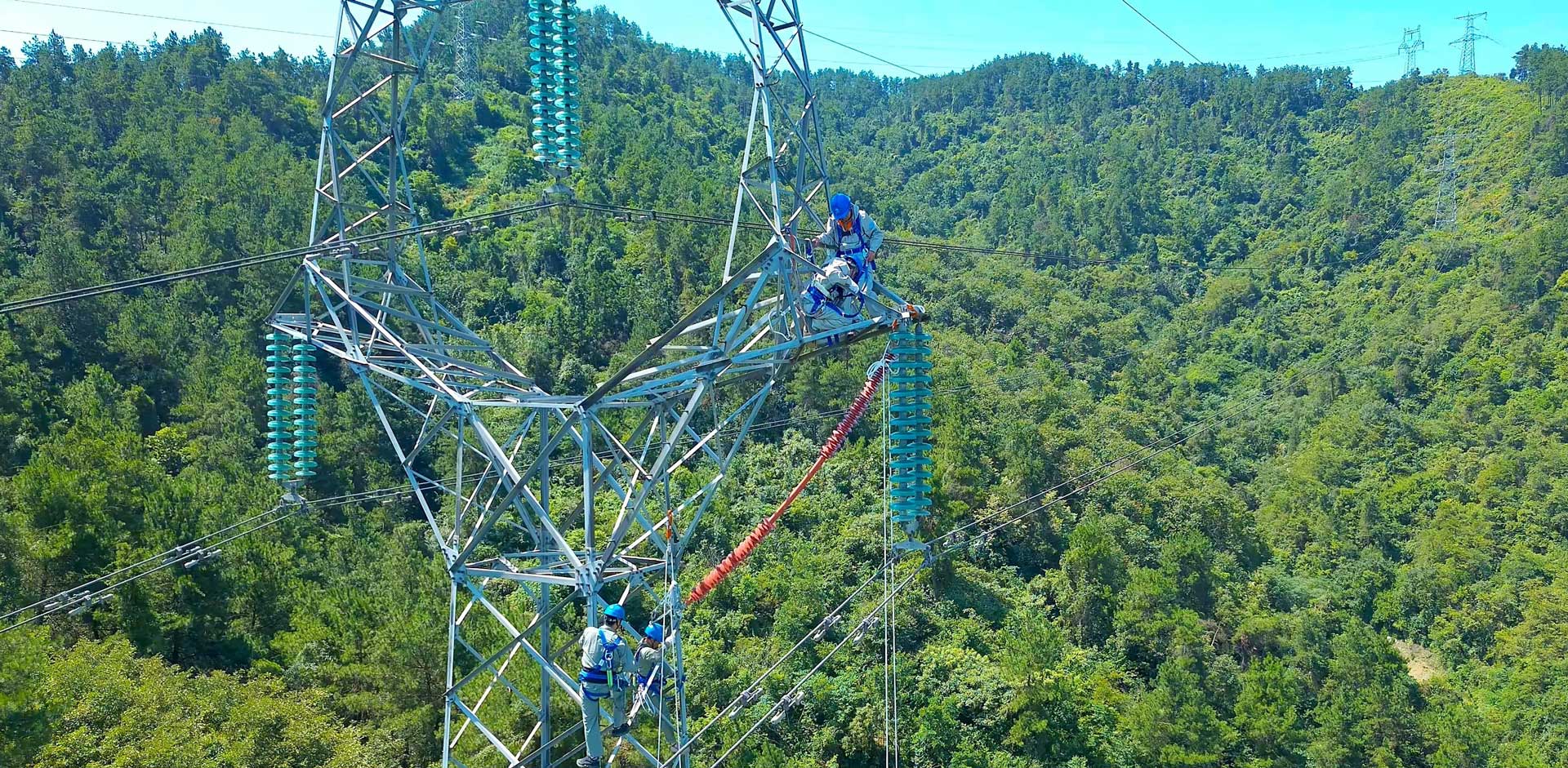
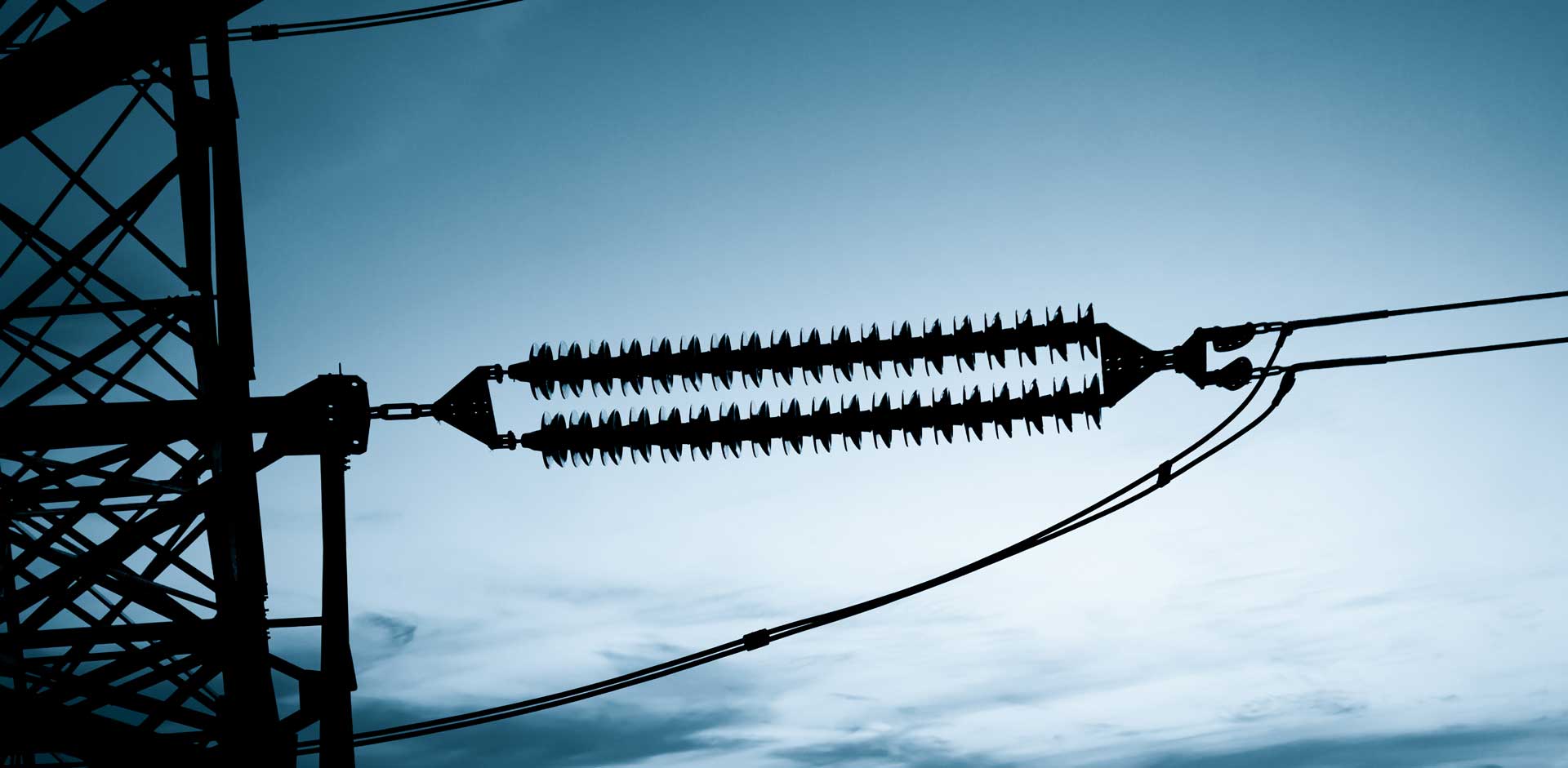
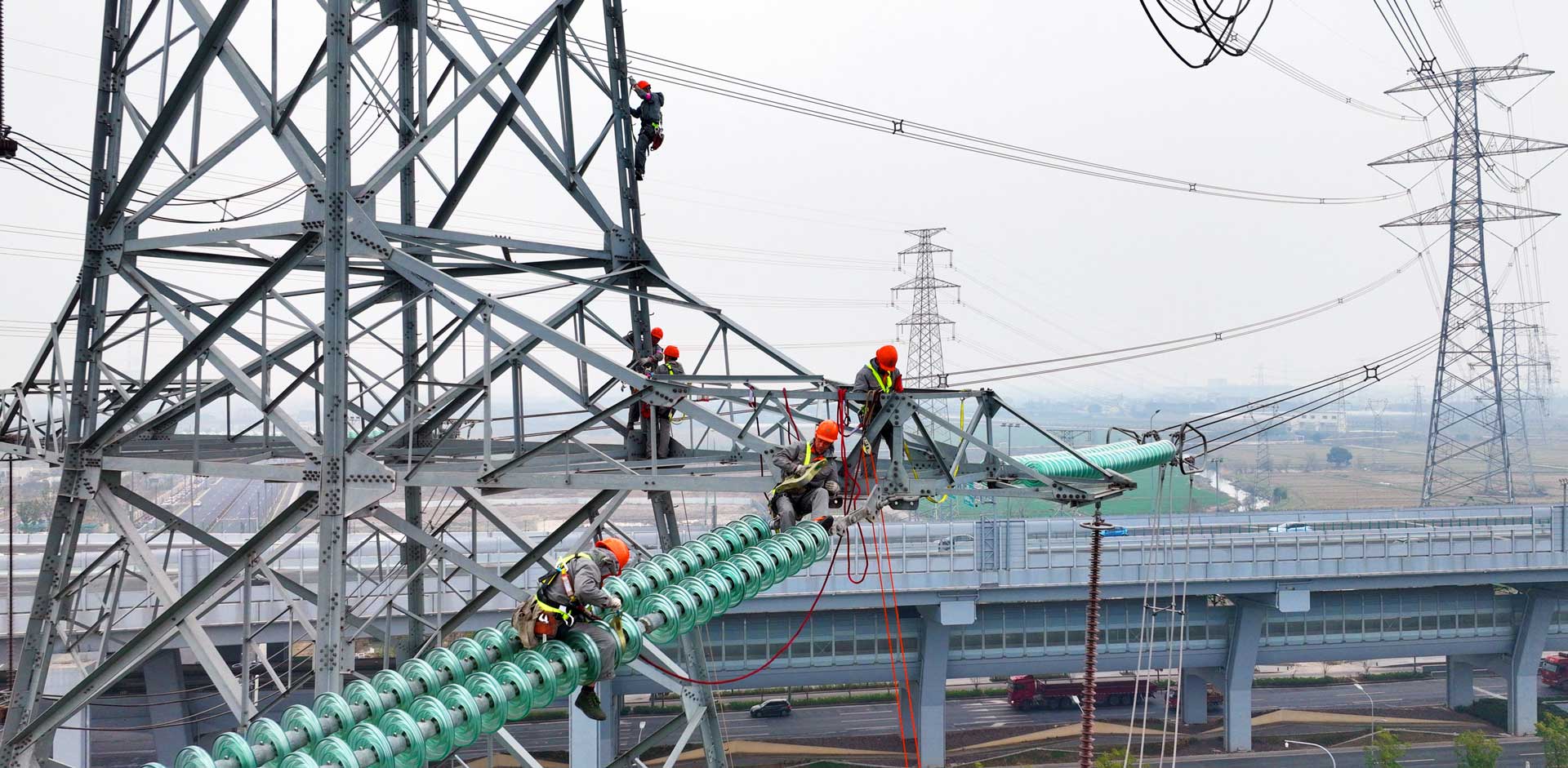
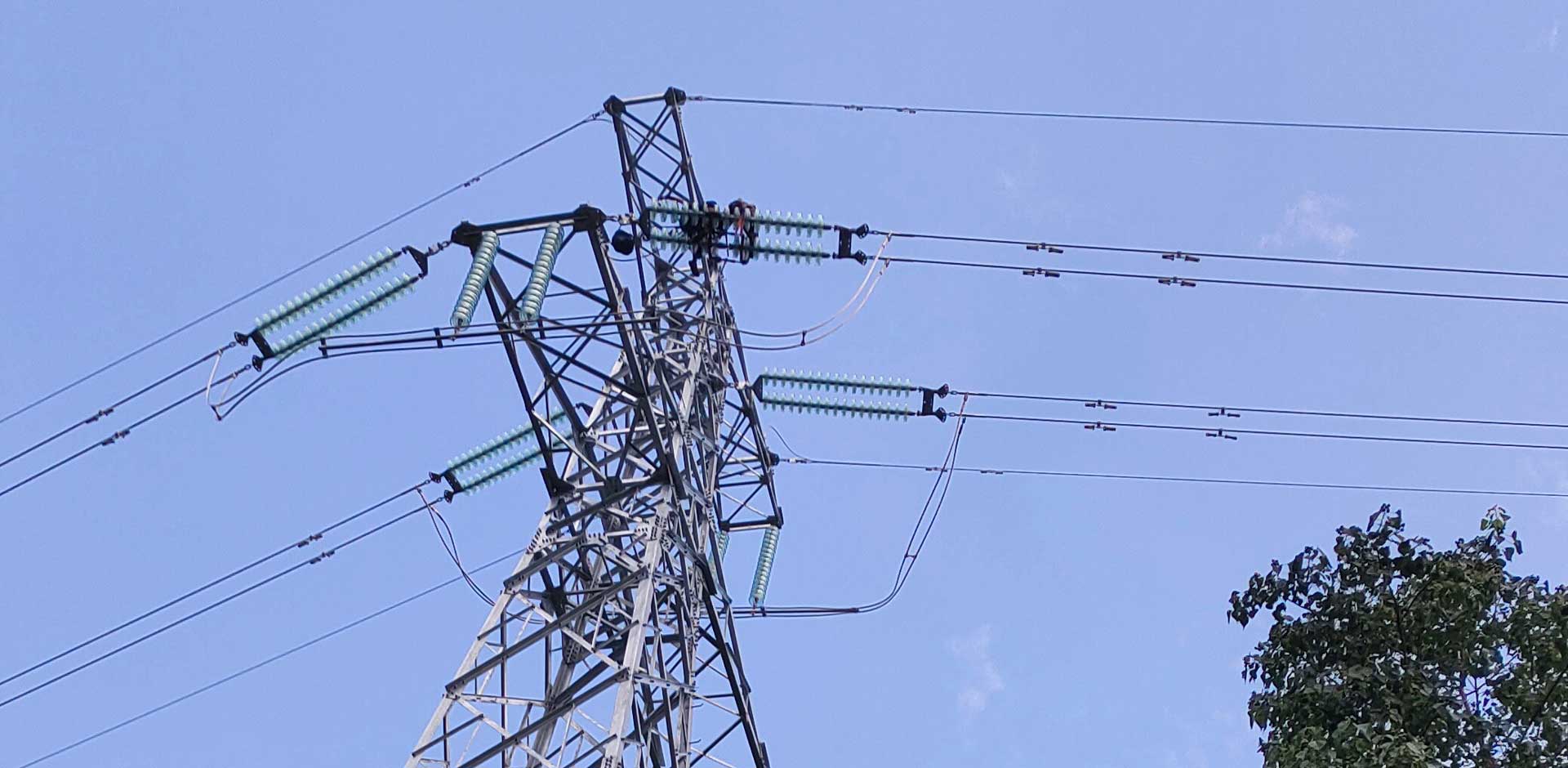
Electrical insulators are the critical mechanical and electrical links in power transmission and distribution (T&D) systems. They must withstand extreme mechanical loads—often exceeding 210kN or 300kN—while isolating high-potential conductors from grounded support structures. The choice of insulation material and structural profile directly determines the reliability, lifespan, and maintenance cost of overhead transmission lines, especially as grids push into UHV AC (1000kV) and UHV DC (±800kV/±1100kV) territory.
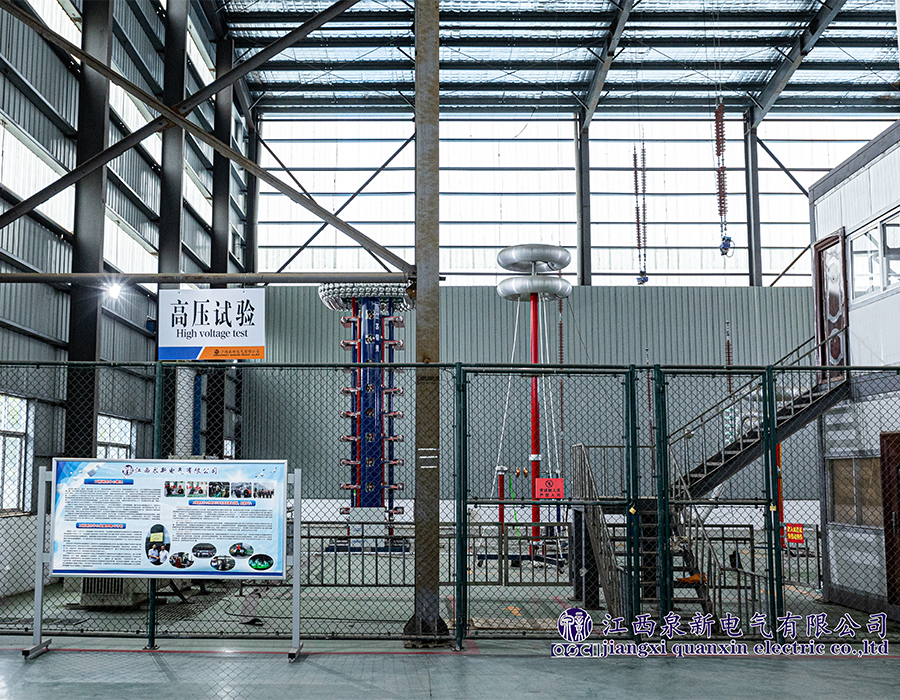
For decades, utility engineers faced a choice between electrical porcelain, toughened glass, and composite polymers. Each material features distinct aging mechanics and electrical properties. China has established itself as the global epicenter for insulator development, integrating raw material processing, precision kiln firing, and automated testing into one highly optimized export sector.
2. China Manufacturing Strengths: The Pingxiang Luxi Cluster
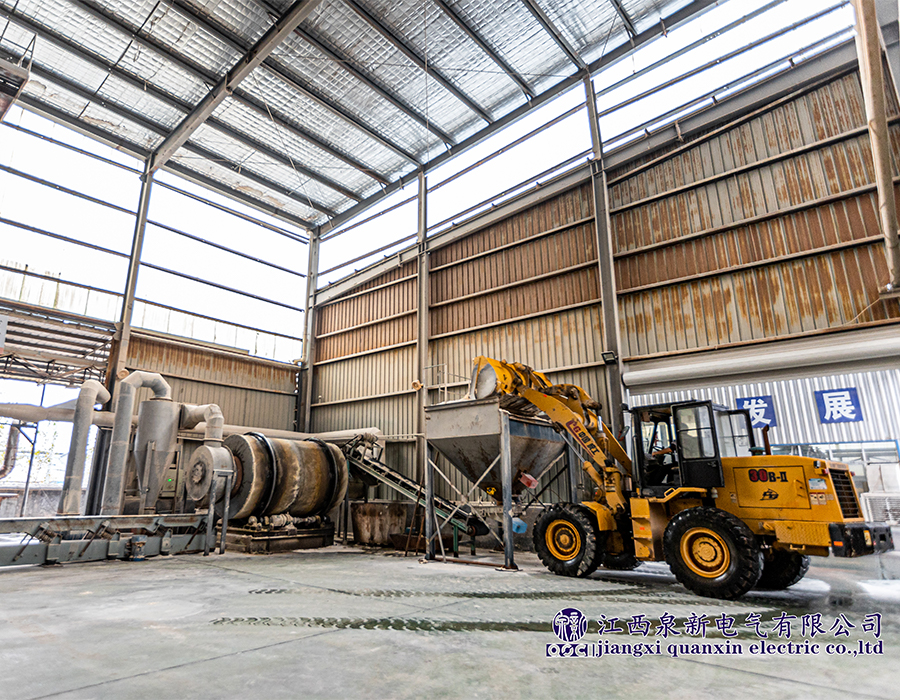
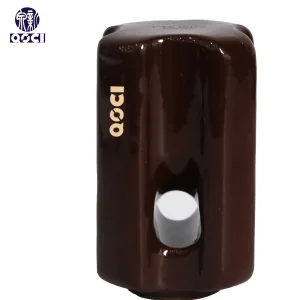
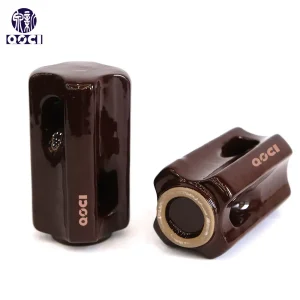
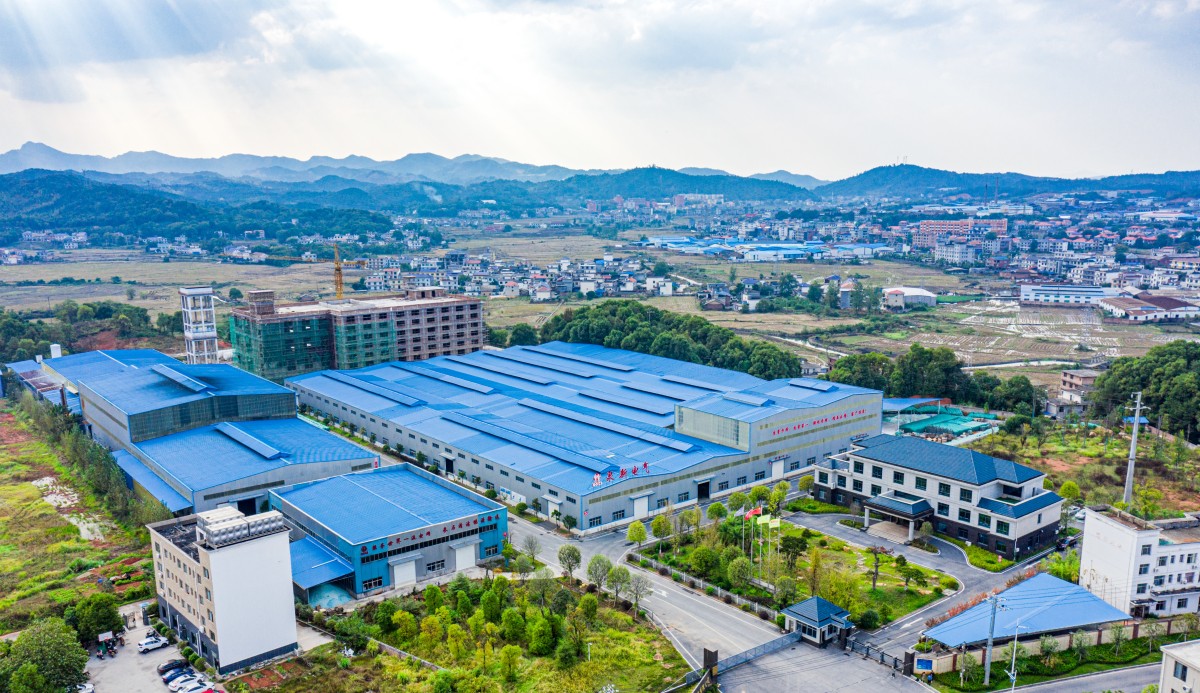
The concentration of insulator production in Luxi County, Pingxiang, Jiangxi Province, is a key geographic advantage. Drawing from local geological deposits of high-grade kaolin clay and feldspar, manufacturers like Jiangxi QOCI Electric combine local material supply with high-capacity processing. The Luxi cluster represents a mature supply chain that reduces the cost of production while maintaining rigorous quality control.
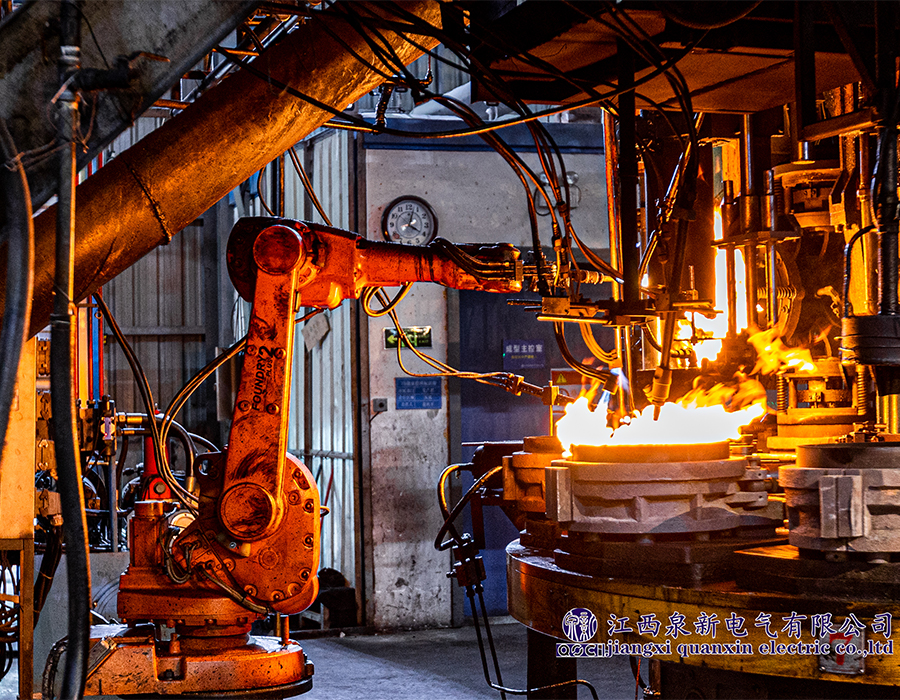
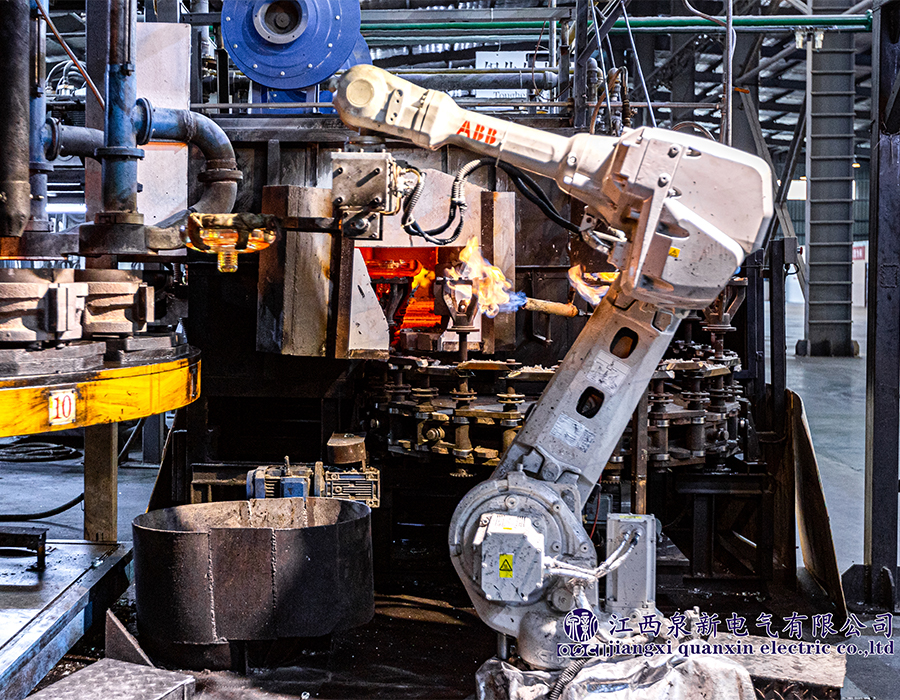
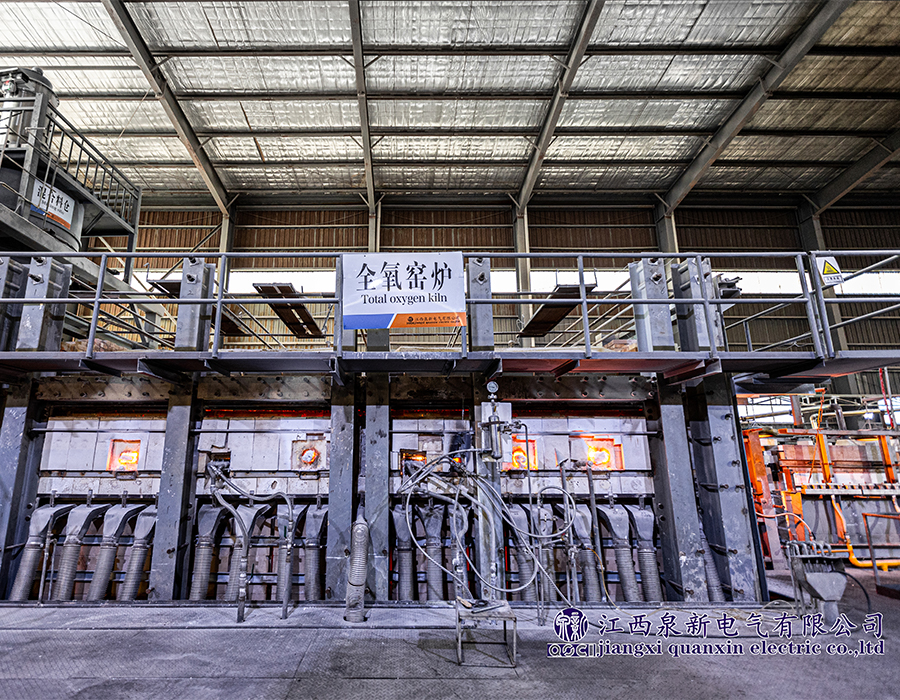
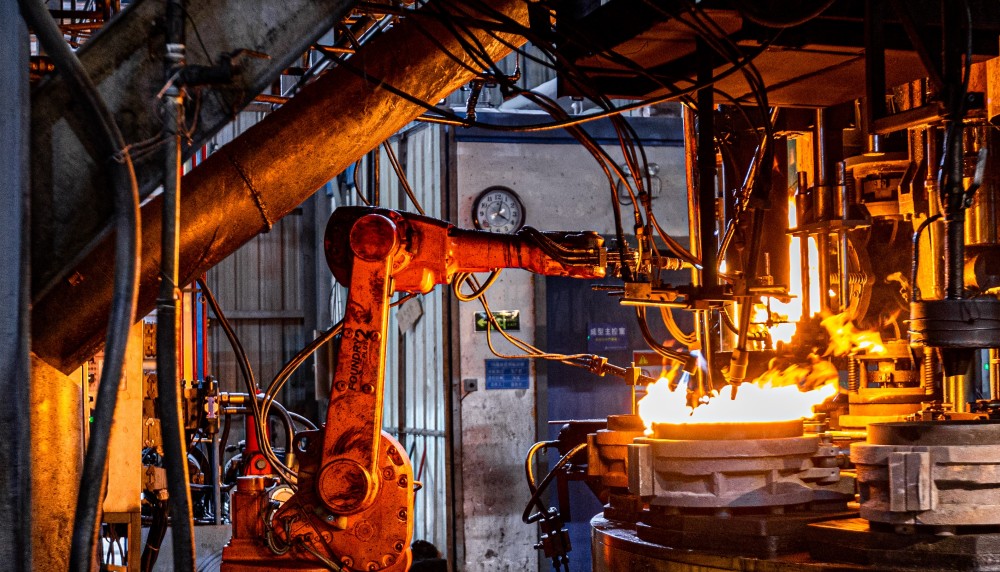
By using total oxygen kilns and automated forming presses, manufacturers achieve highly uniform thermal profiles during firing. This results in porcelain bodies with low porosity and high mechanical homogeneity. Additionally, localized secondary processing, such as hot-dip galvanizing for iron fittings, ensures that complete assemblies comply with international corrosion standards without transport delays.
3. Critical Performance Mechanics: Glass vs. Porcelain
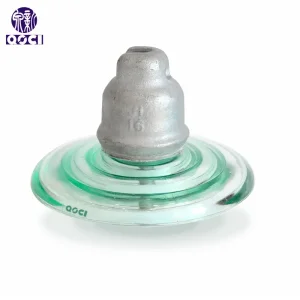
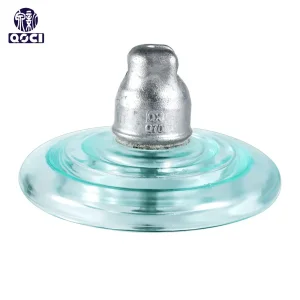
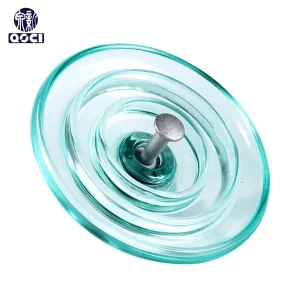
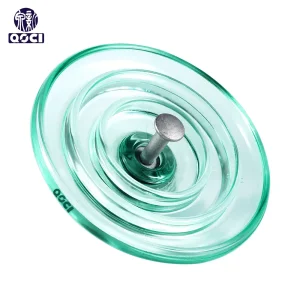
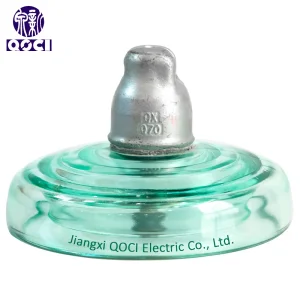
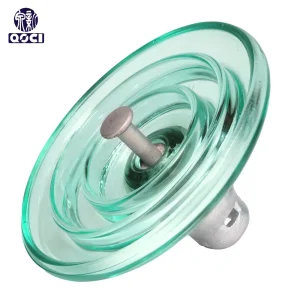
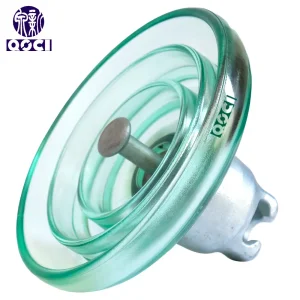
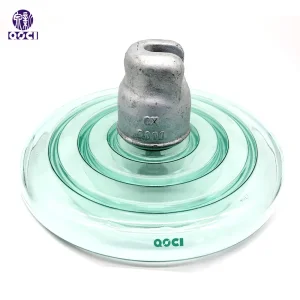
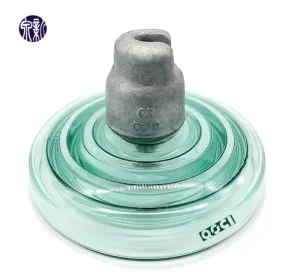
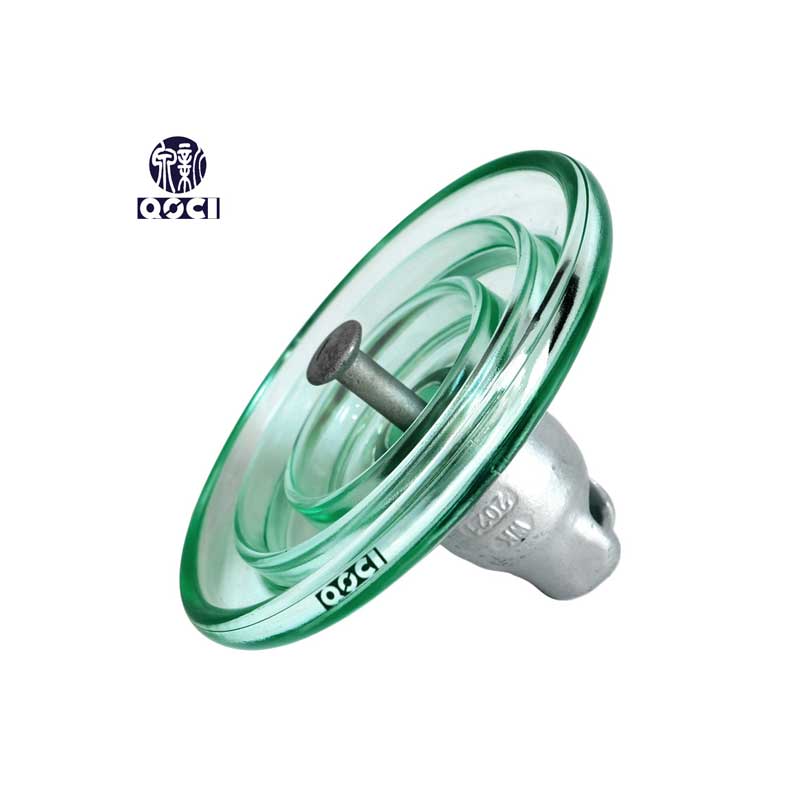
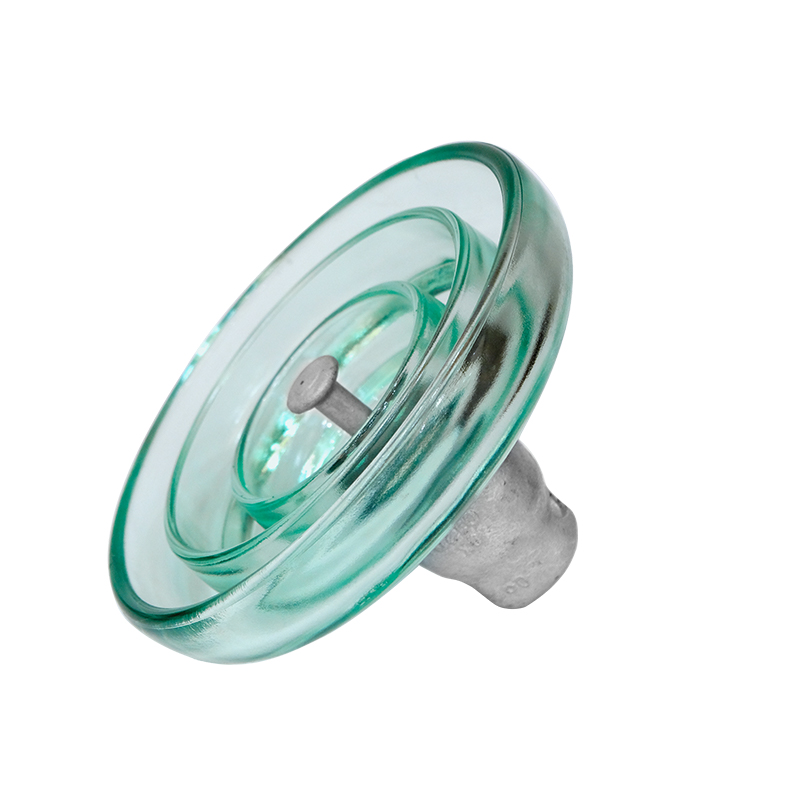
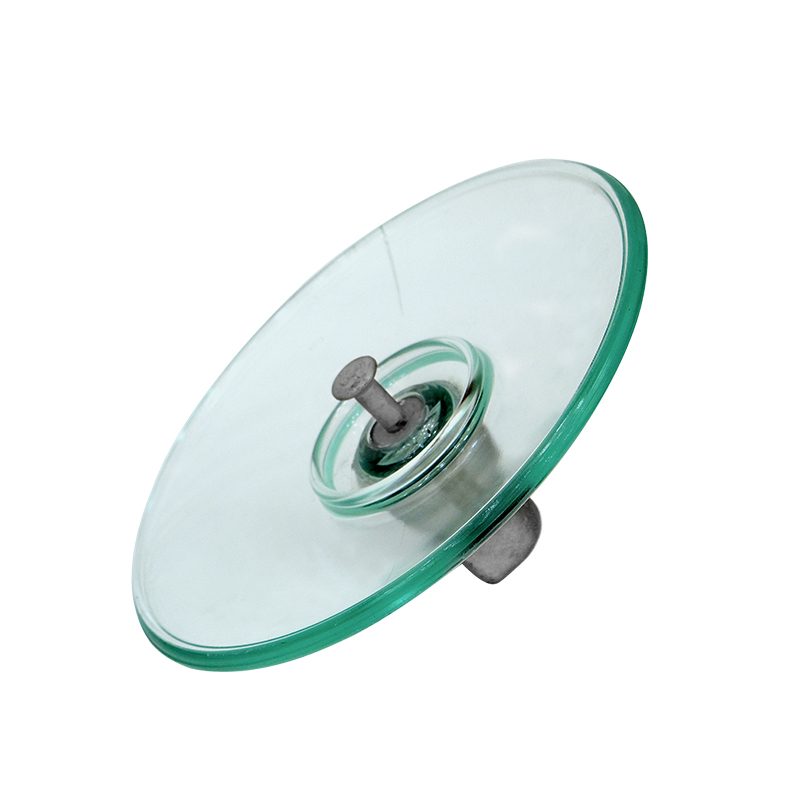
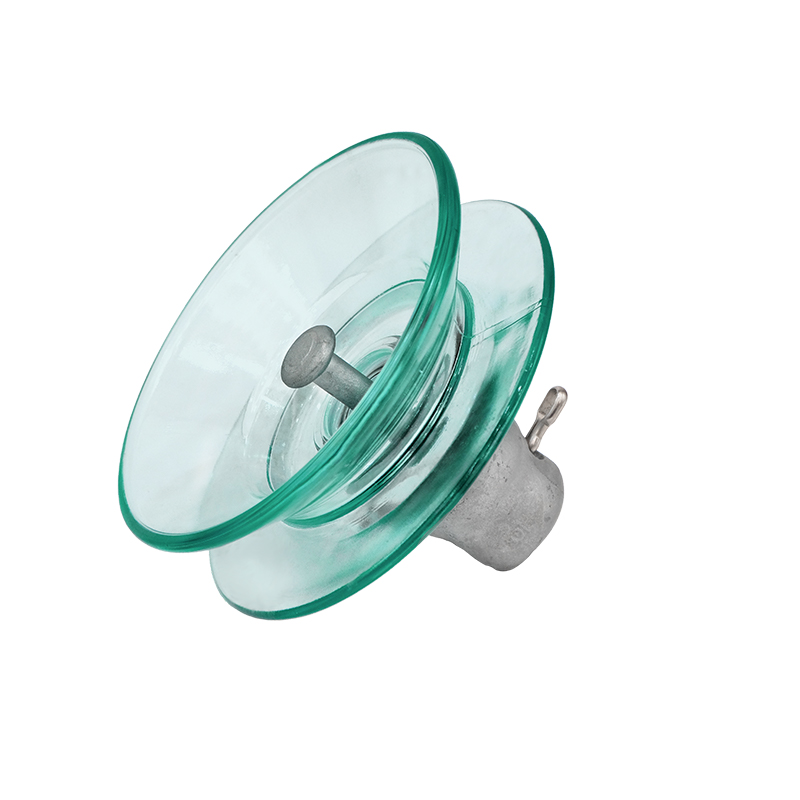
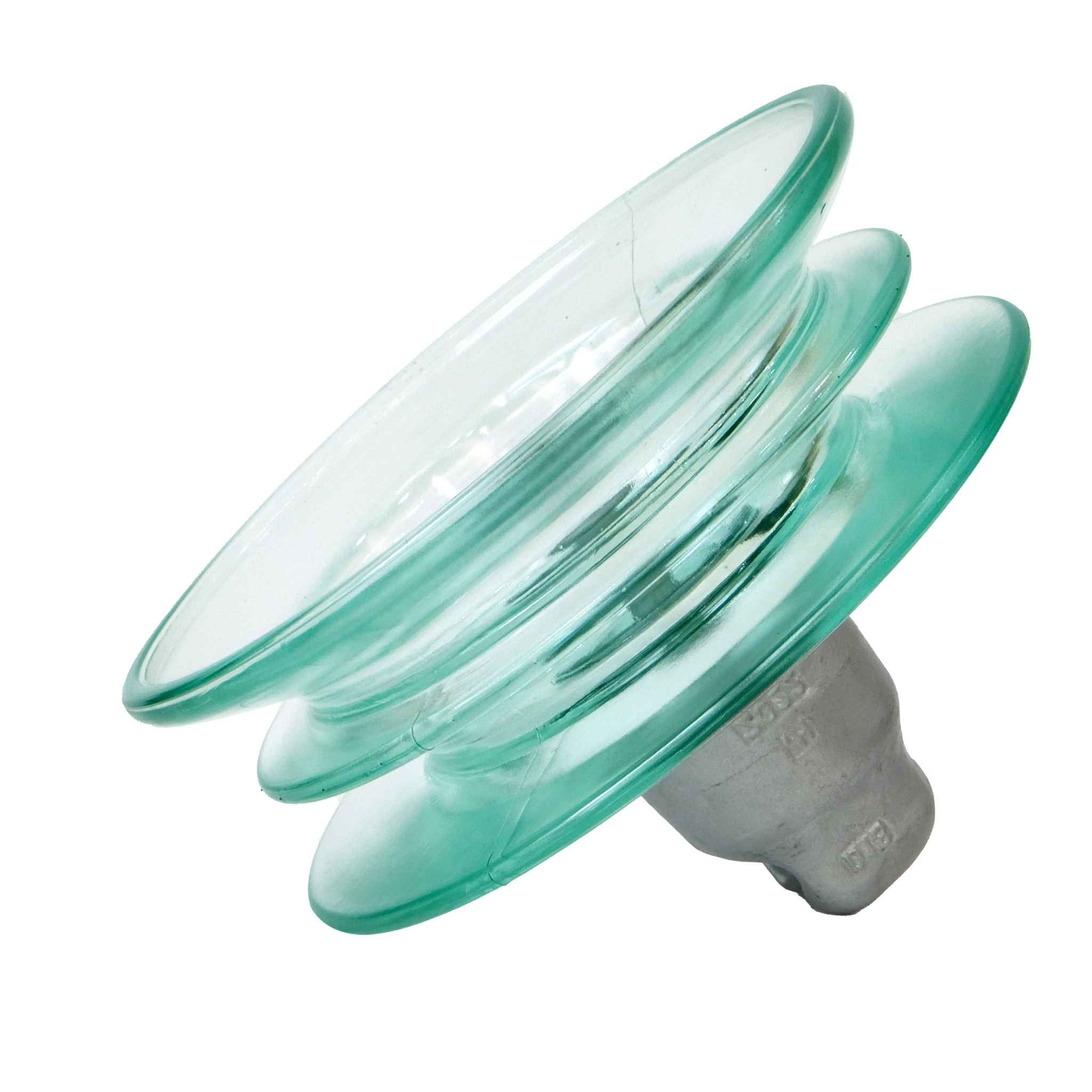
Understanding the failure modes of glass and porcelain is vital for network operators. Toughened glass insulators feature high mechanical stability. The tempered glass outer shell maintains compressive stress balanced by interior tensile stress. When glass fails, it shatters completely (known as "zero-value self-shattering"), making visual inspection from the ground or via drones simple and reliable.
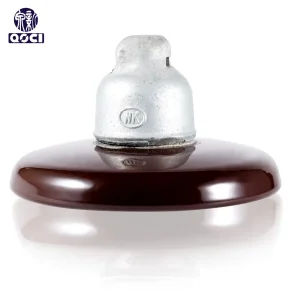
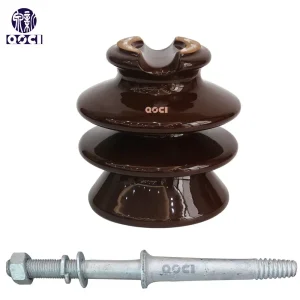
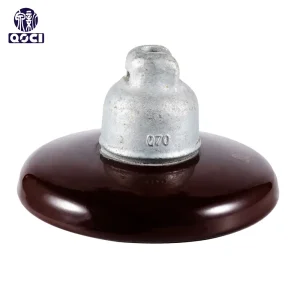
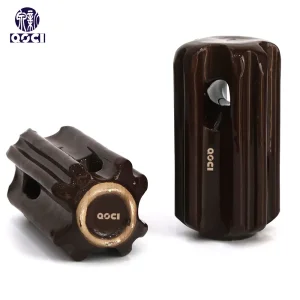
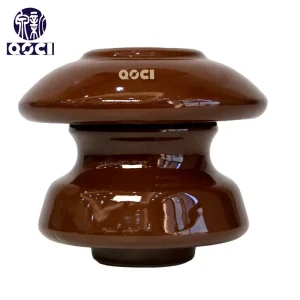
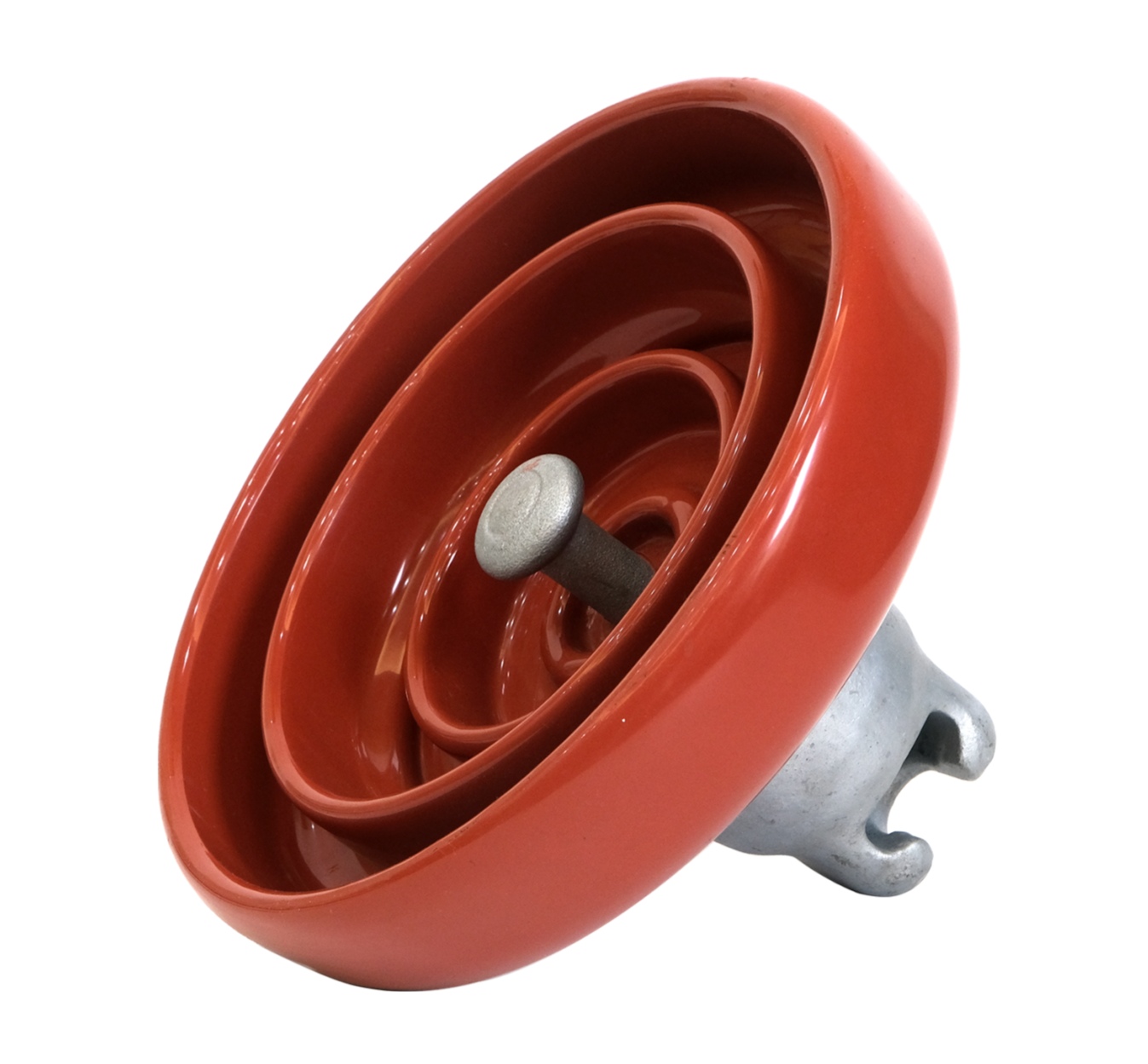
Porcelain, conversely, offers excellent thermal stability and resistance to puncture. Its high dielectric strength ensures reliable performance under continuous electrical stress. Fired porcelain bodies exhibit minimal leakage currents under dry conditions. However, detecting internal micro-cracks in porcelain requires specialized acoustic or electrical testing, making initial raw material purity and rigorous kiln control essential during production.
4. RTV Silicone Coating: The Next Generation Solution
For areas with high industrial or coastal pollution, Room Temperature Vulcanization (RTV) silicone coatings on glass or porcelain offer a reliable solution. The RTV coating creates a hydrophobic surface that prevents the formation of continuous water films, thereby mitigating leakage currents and dry band arcing.
The mineral fillers embedded in the RTV coating absorb energy from localized corona discharges, preventing the underlying glass from degrading. This technology significantly reduces grid maintenance by eliminating the need for manual washing of insulator strings in polluted regions, providing a cost-effective operational life cycle.
5. Global Purchasing & Technical Requirements
Procuring insulators for international grid contracts requires attention to mechanical and electrical parameters. Key factors include:
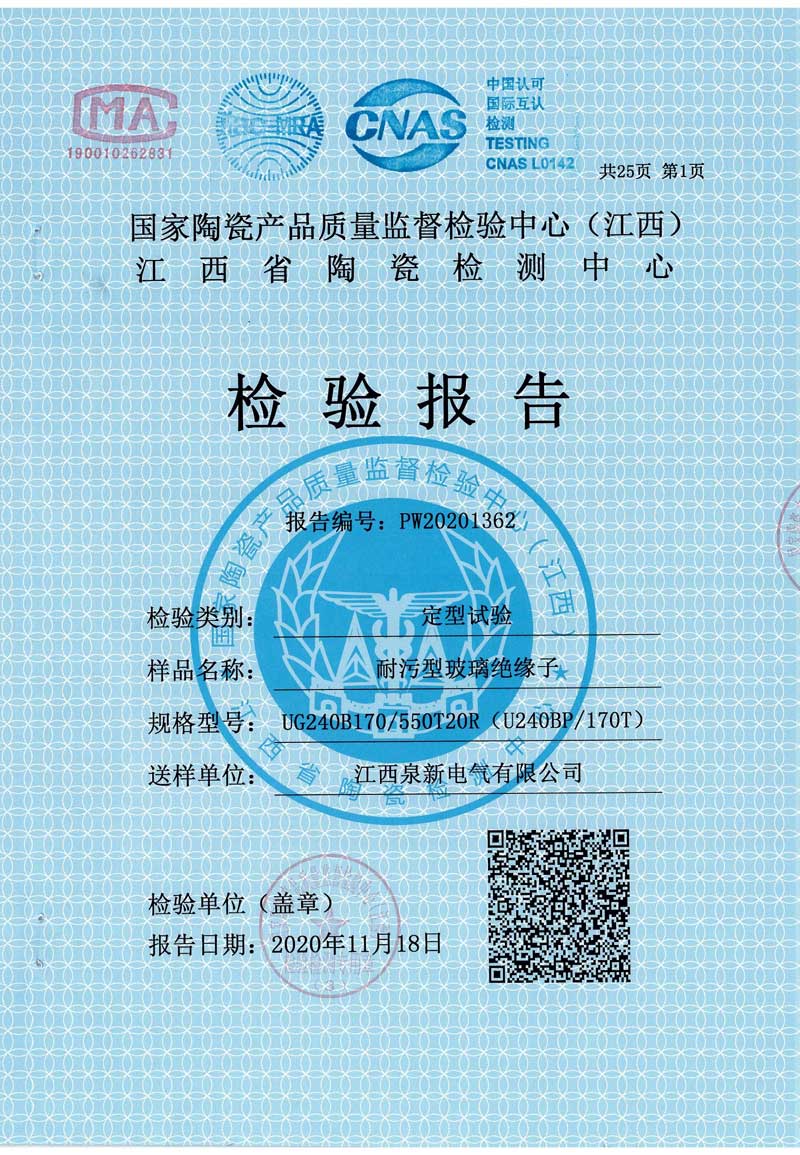
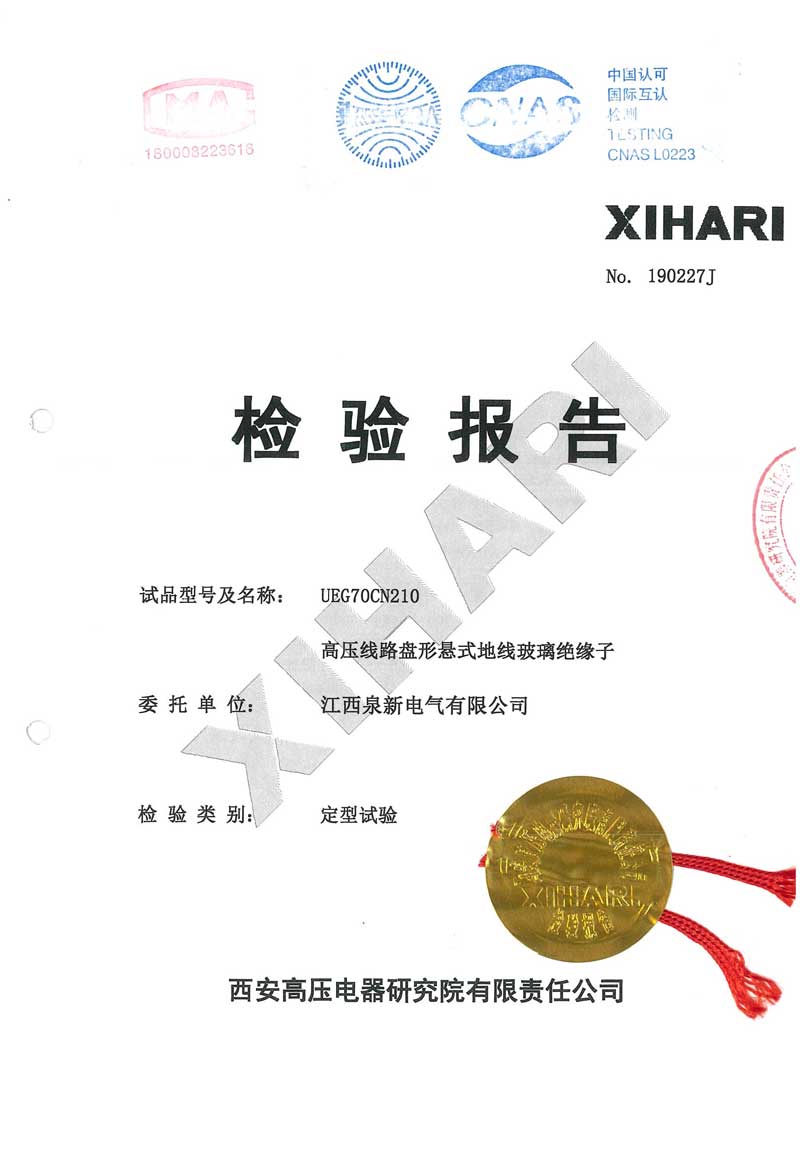
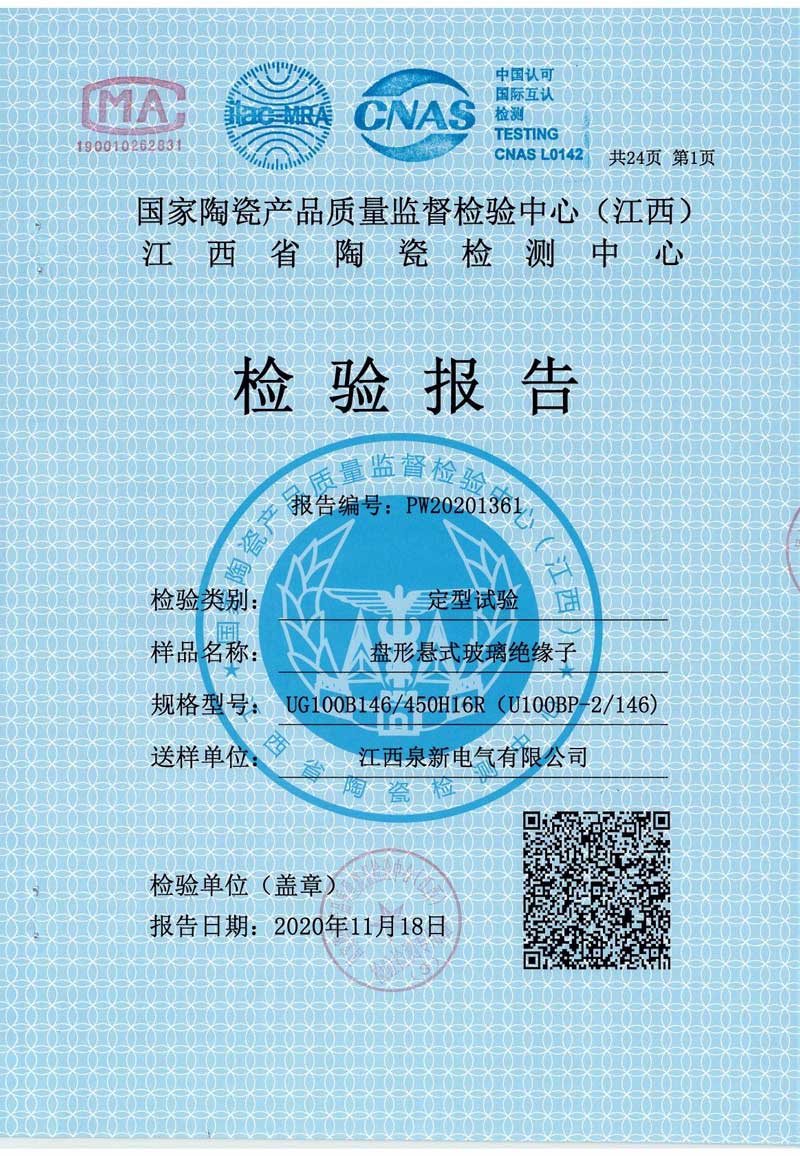
- Mechanical Strength: Rating classifications from 70kN, 120kN, up to 300kN, determined by vertical and horizontal conductor loads, plus ice and wind allowances.
- Creepage Distance: The shortest path along the insulator surface between conductive parts. High-pollution areas require creepage distances up to 31mm/kV or more.
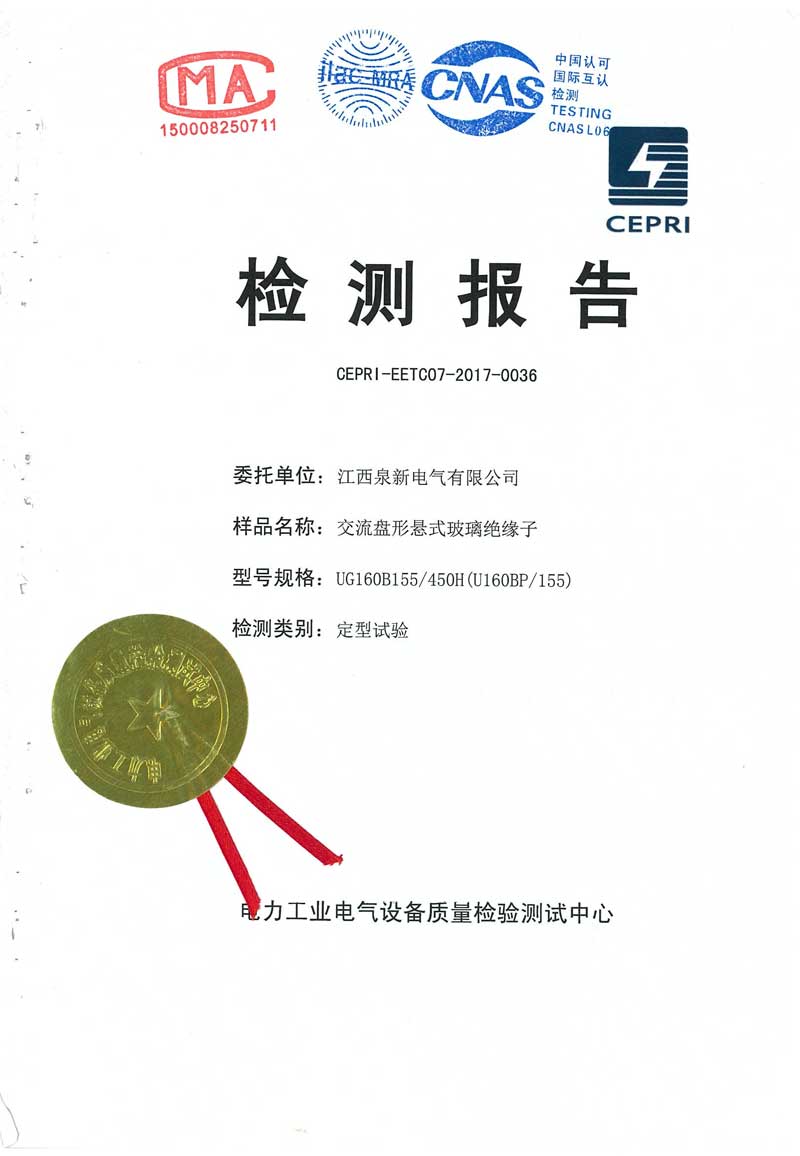
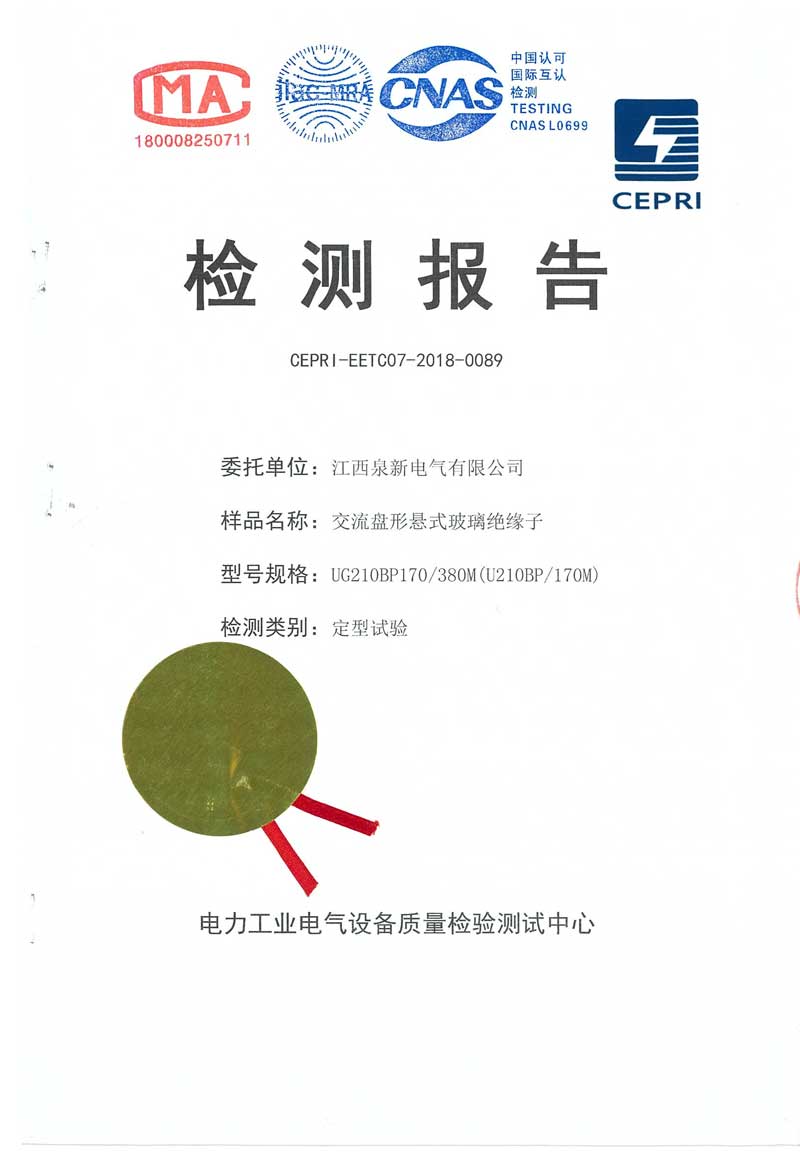
- Standard Compliance: Compliance with IEC 60305 (dimensions and characteristics of string insulator units) and ANSI C29 Series (wet/dry flashover and impulse ratings).