Reliable electrical insulation and structural support systems optimized for overhead transmission and distribution networks.
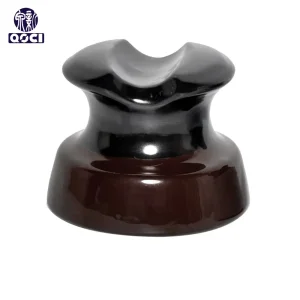
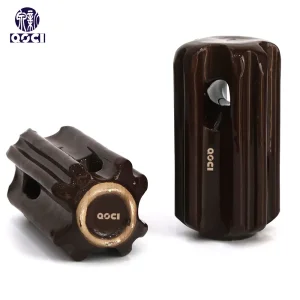
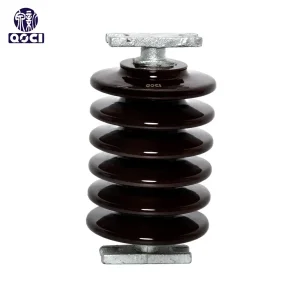
Chinese Manufacturer providing fast delivery times with optimal price-performance ratios.
Founded in December 2002 with a robust registered capital of 508 million Yuan, Jiangxi QOCI Electric Co. Ltd has established itself as an elite player in global power insulation manufacturing. Located in the Industrial Park of Luxi County, Pingxiang, Jiangxi Province—recognized worldwide as the core cluster for electrical ceramics and insulation materials—our facility spans a massive area of 100 mu (70,000 square meters).
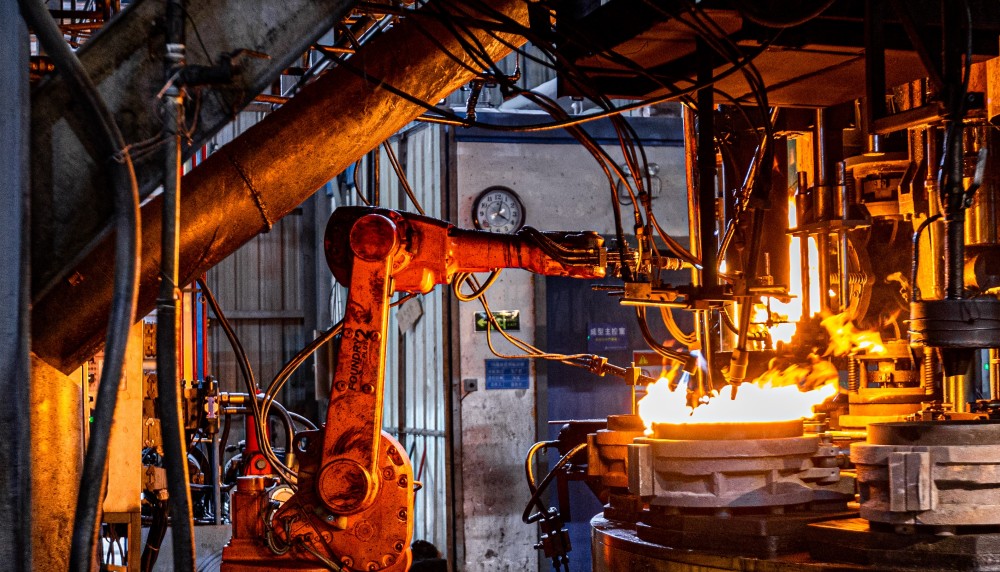
Equipped with state-of-the-art production systems, including automated total-oxygen kilns and precision hydraulic forming presses, QOCI manufactures high-voltage glass and porcelain suspension components. Our infrastructure supports an annual production capacity of 39,000 tons of insulation products, allowing us to supply large-scale global power transmission utilities.
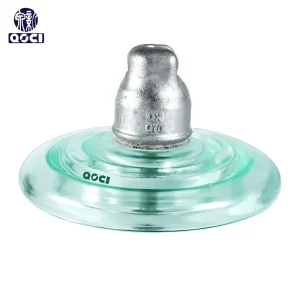
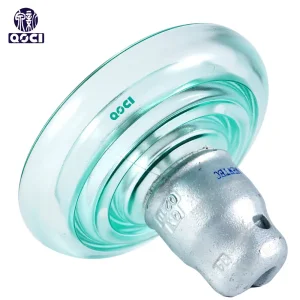
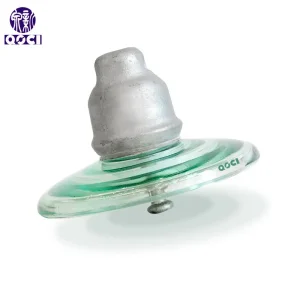
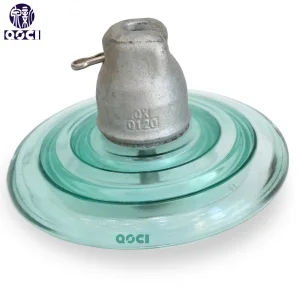
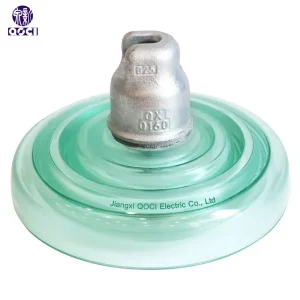
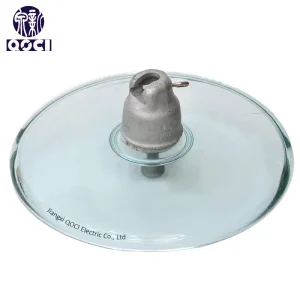
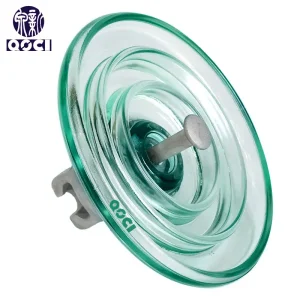
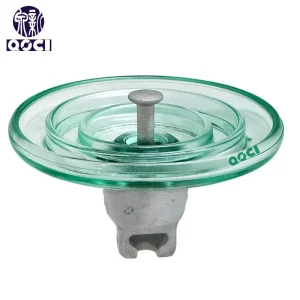
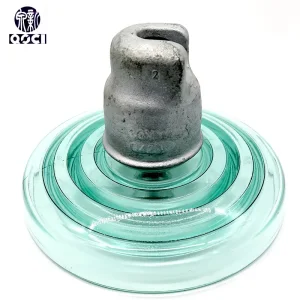
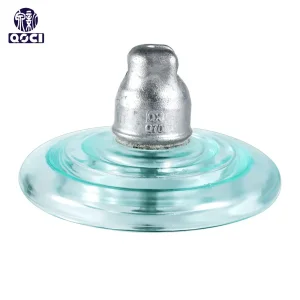
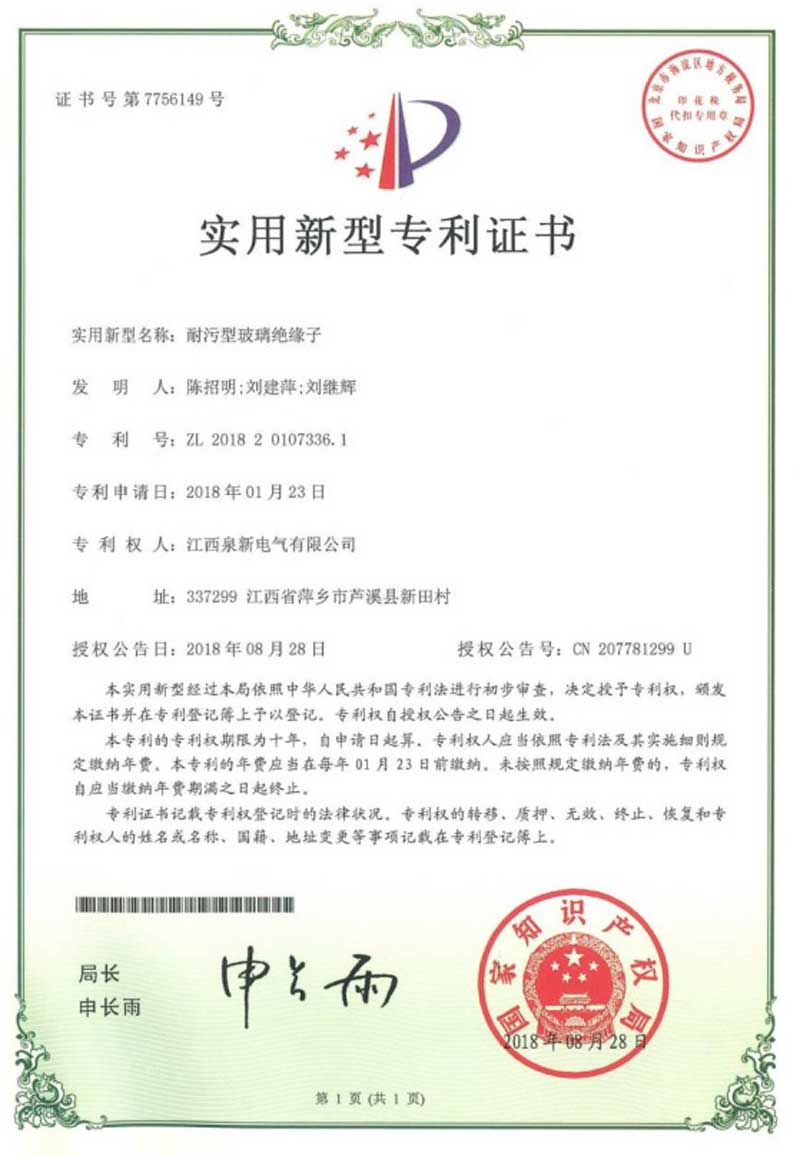
The production of high-strength toughened glass insulators—particularly the standardized U100BL (100kN mechanical failing load, ball-and-socket type)—requires specialized industrial environments. China’s supply chain offers significant manufacturing advantages that directly benefit overseas utility companies and EPC contractors:
Direct integration with high-purity silica sand, sodium carbonate, and dolomite mines ensures constant chemical consistency of glass melts, avoiding structure-weakening defects.
Advanced gas-oxygen combustion kilns maintain thermal stability, crucial for preventing crystalline formation in the amorphous glass body, lowering spontaneous shattering rates.
The iron caps and steel pins used in cap-and-pin insulators undergo strict structural validation, hot-dip galvanization, and ultrasonic testing to verify conformance to strict mechanical limits.
In high-voltage transmission engineering, glass insulators offer a major advantage over composite counterparts: visual inspection capability. While composite silicone rubbers can hide internal deterioration and tracking, toughened glass self-shatters completely upon structural or dielectric failure. This "shatter-on-fail" property significantly simplifies routine maintenance inspections via drone or helicopter.
Exploring the unique architectural geometries designed to survive specific climatic, environmental, and structural loads.
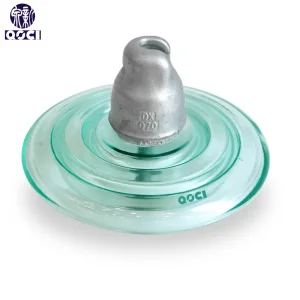
Features shallow, well-spaced ribs that promote wind and rain self-cleaning. Designed to exceed standard IEC 60305 leakage specifications, it is optimized for moderate-pollution regions.
Characterized by deep, long, widely-spaced under-ribs to prevent arc bridging under extreme condensation. Ideal for coastal zones prone to salt fog, industrial parks, and heavy soot areas.
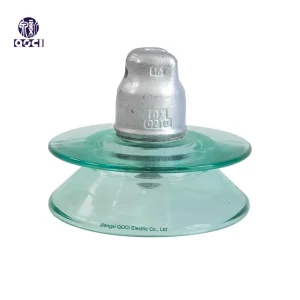
Designed without bottom ribs and featuring an extended disc diameter to prevent sand and dust accumulation. Highly suited for arid environments with rare rain events.
Equipped with dual external ribs that minimize particulate deposit build-up. Surfaces clear easily via natural wind flow, making manual cleaning straightforward when necessary.
Features three distinct layers of isolated umbrella discs. The open geometry provides longer creepage distances, preventing flashovers on ultra-high-voltage (UHV) lines.
Combines the high mechanical strength of toughened glass with a thin coating of Room Temperature Vulcanizing (RTV) silicone. This coating adds hydrophobic properties that eliminate the need for regular cleaning in heavily polluted locations.
Applying high-voltage components internationally requires satisfying strict local regulatory frameworks. Overseas utility operators require verified standards, localized technical support, and strict quality control before allowing glass insulators onto their networks. QOCI products are designed, tested, and certified to meet standard international requirements.
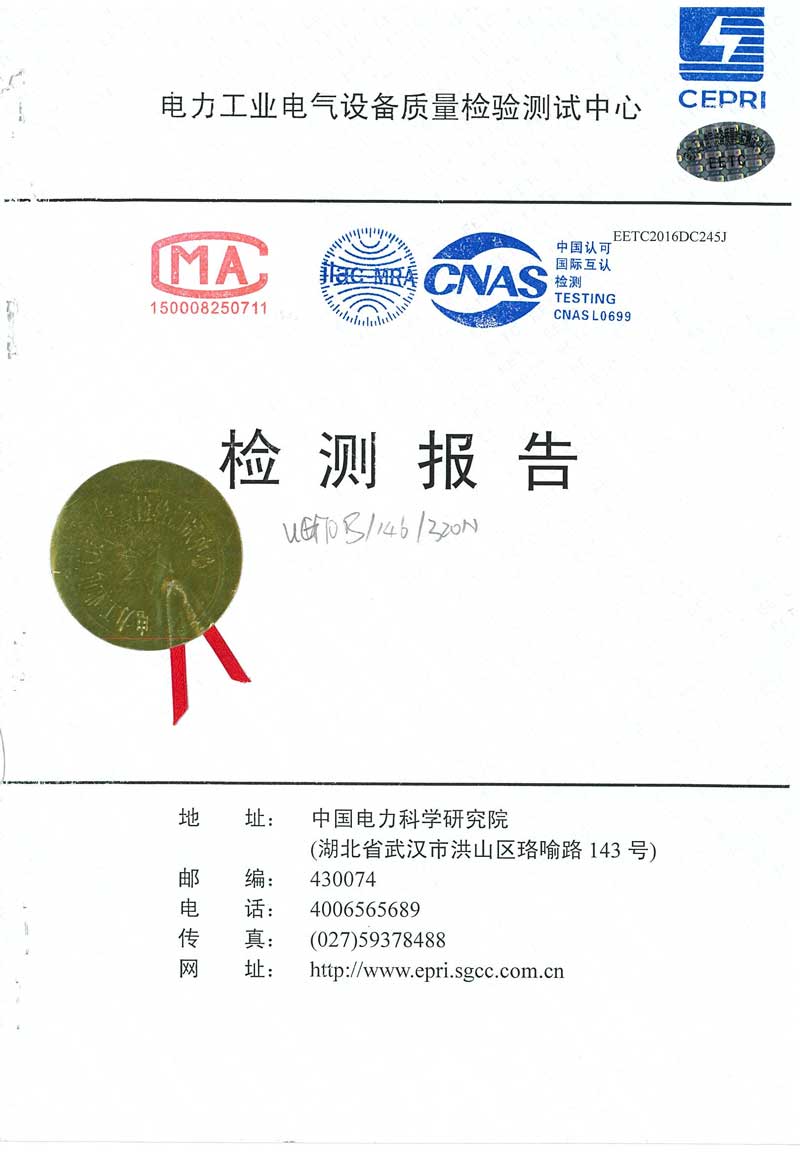
All U100BL and related disc suspension designs are certified to IEC 60305, IEC 60383, and ANSI C29.2B standards. This aligns electrical ratings (such as dry/wet power frequency withstand voltages and impulse lightning withstand voltages) and mechanical limits with international grid requirements. Our internal test laboratory executes standard routine testing, sample checking, and type validation—including thermal mechanical pre-stressing, steep-front wave impulse testing, and puncture examinations.
We provide complete technical documentation to assist utilities and project designers with network integration:
Modern equipment and strict processing controls ensure consistent mechanical and dielectric quality.
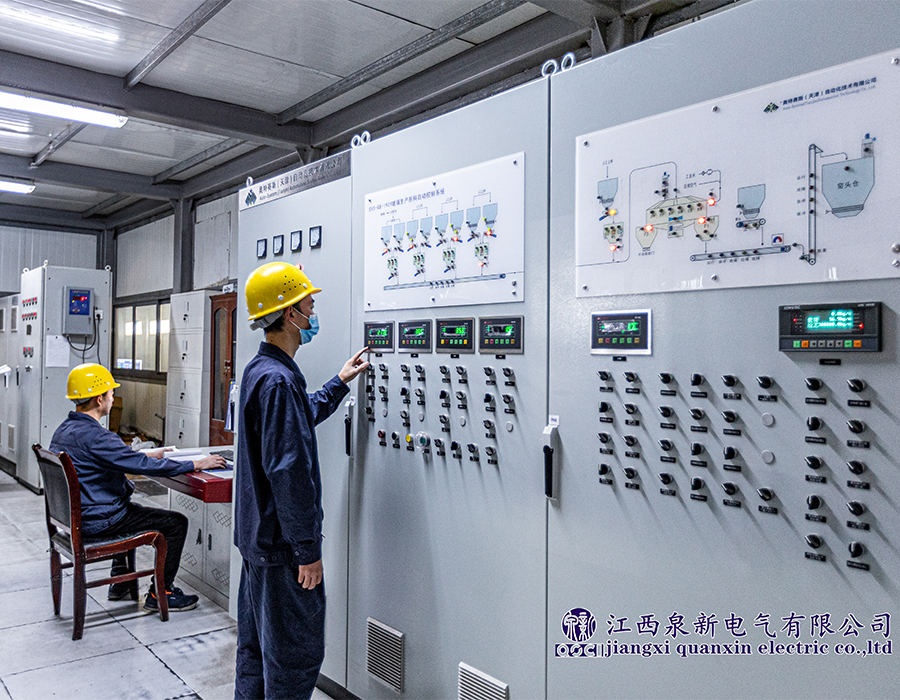
Direct supply tracking of silica sand, soda ash, and stabilizers to guarantee a high-purity glass formulation.
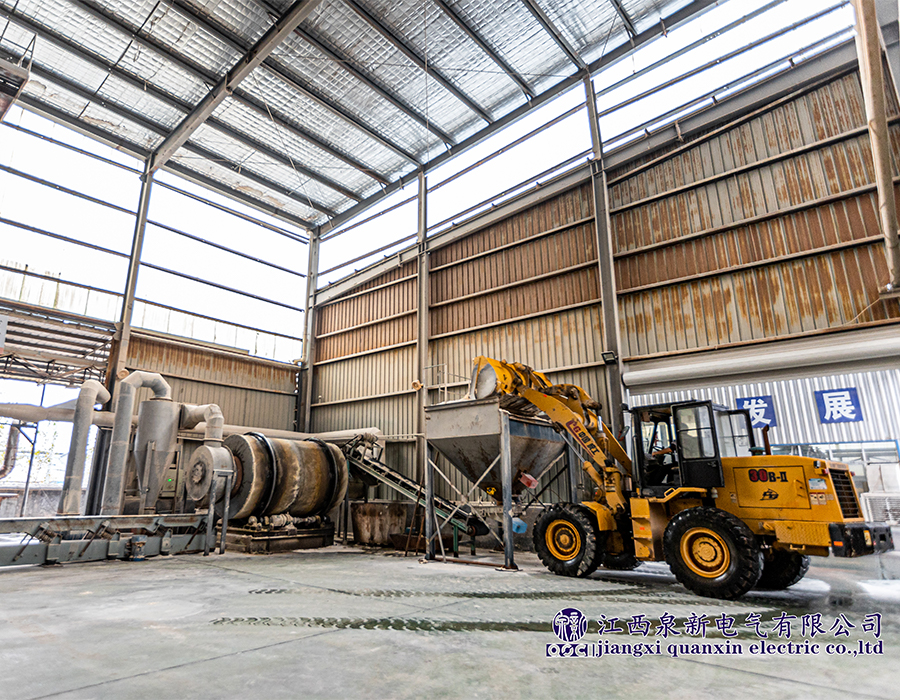
Homogeneous mixing of minerals prevents bubbles or chemical variance during molten processing.
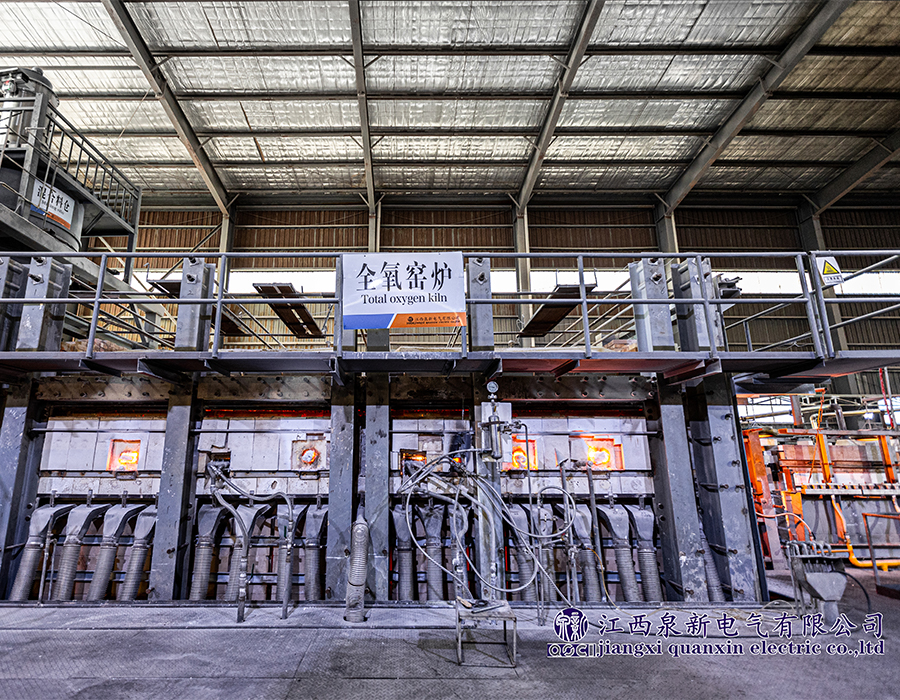
Melts batch components at temperatures exceeding 1500°C for clear, defect-free liquid glass.
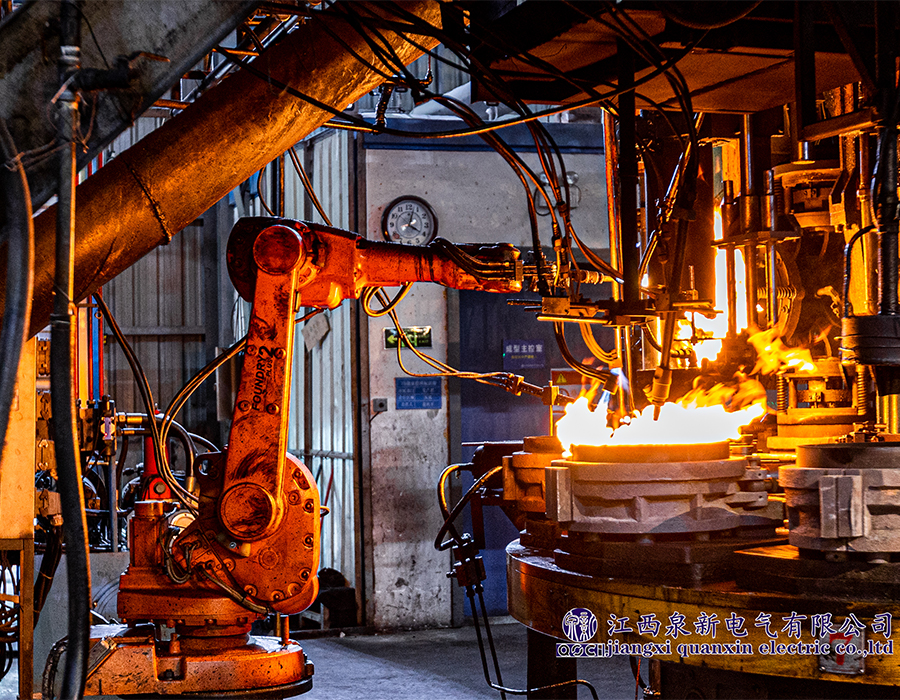
Shapes molten glass drops into defined insulator profiles using precision molds and uniform pressure.
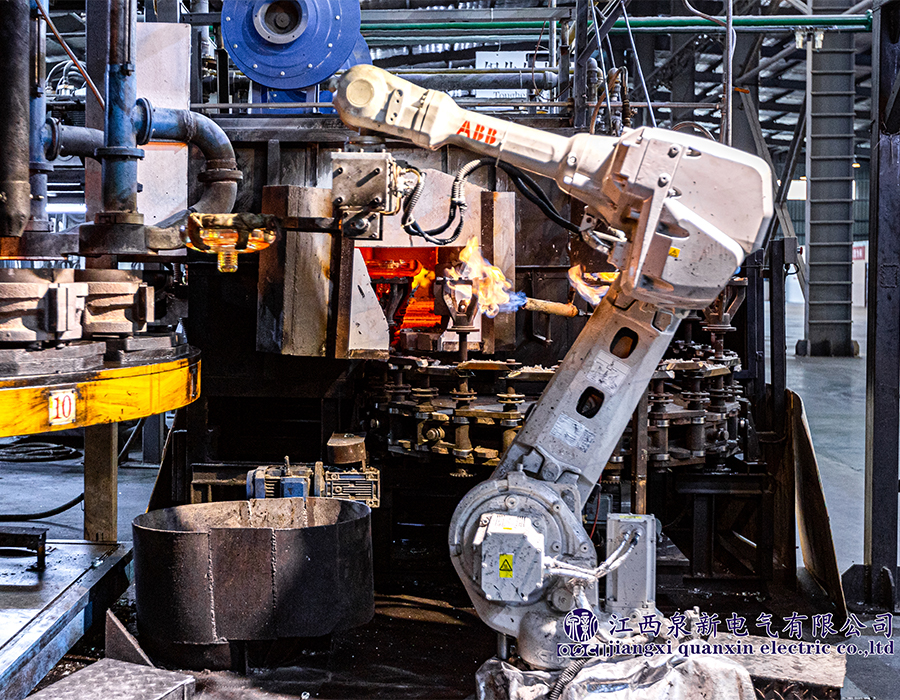
Rapid heating and quick cooling steps create surface tension layers for strong mechanical strength.
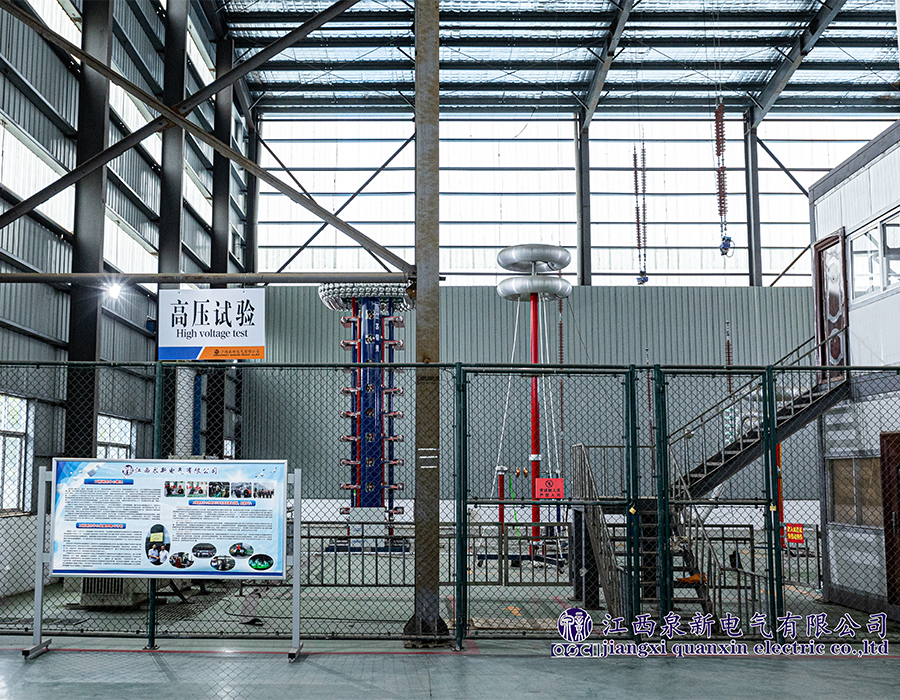
All finished products are tested under electrical and mechanical loads to verify structural integrity.
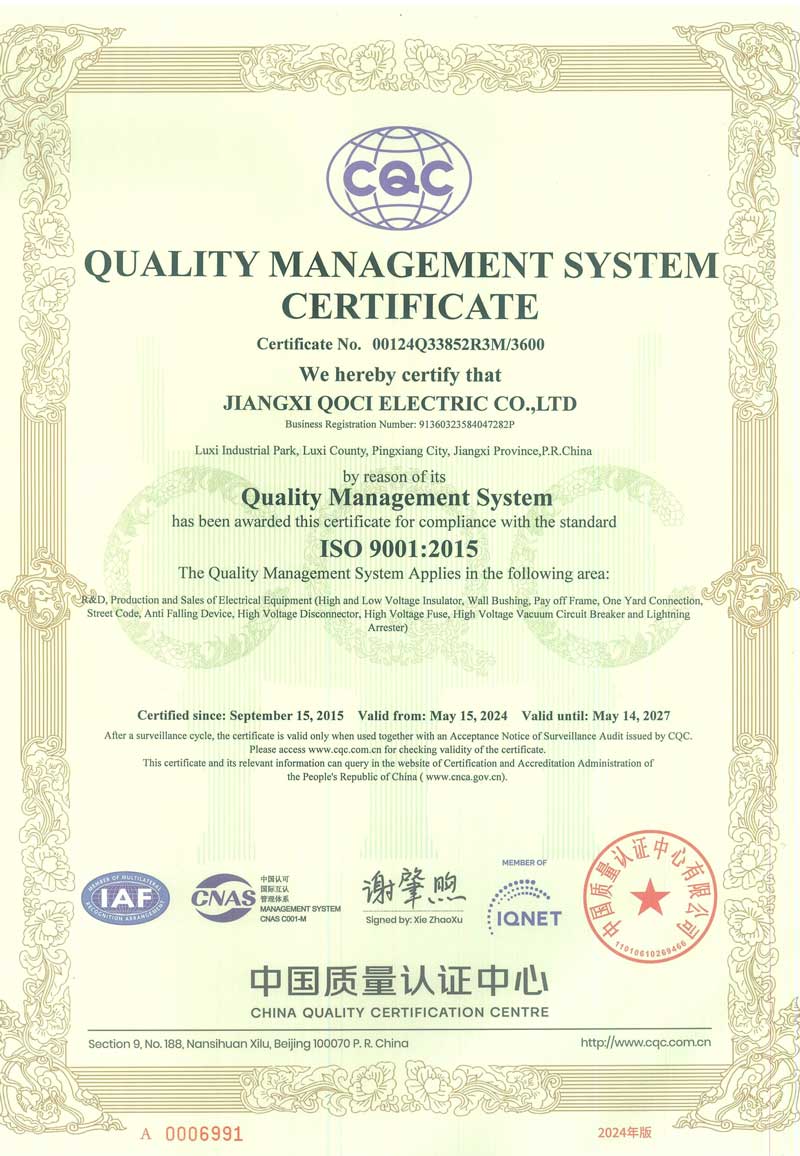
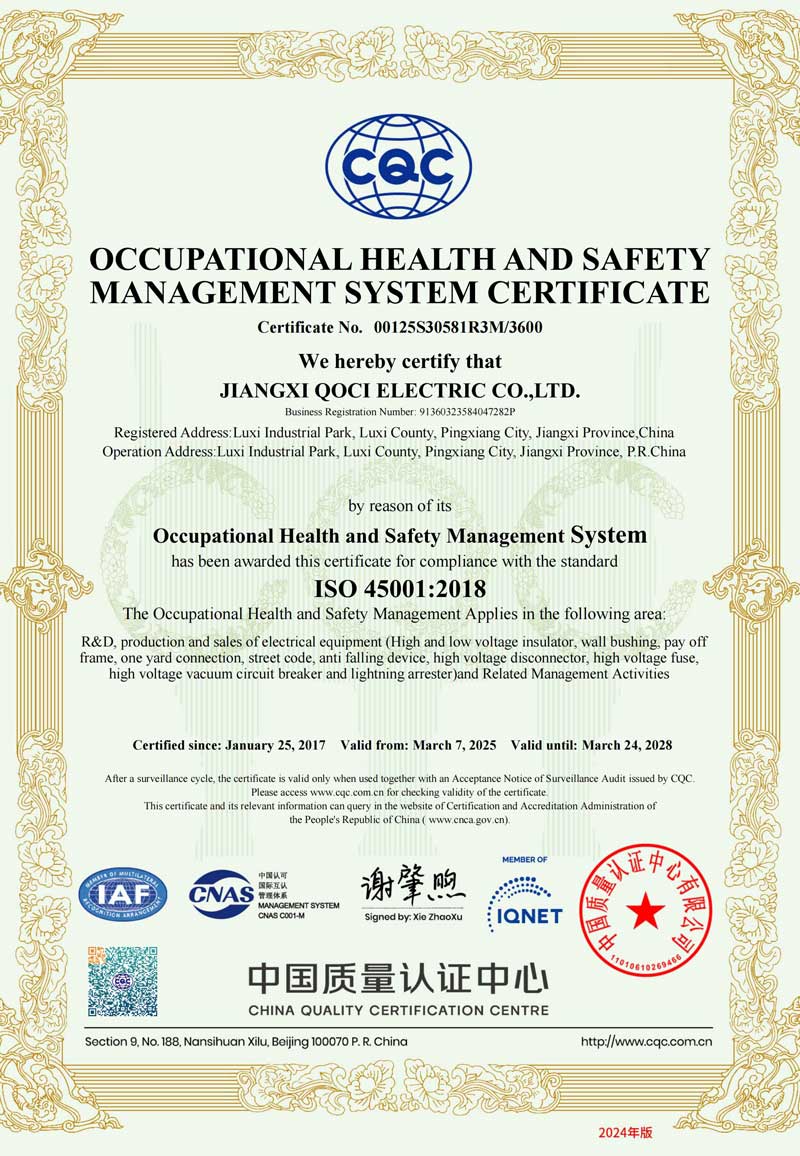
Our manufacturing and testing processes comply with international utility specifications, including ISO, IEC, and ANSI standards.
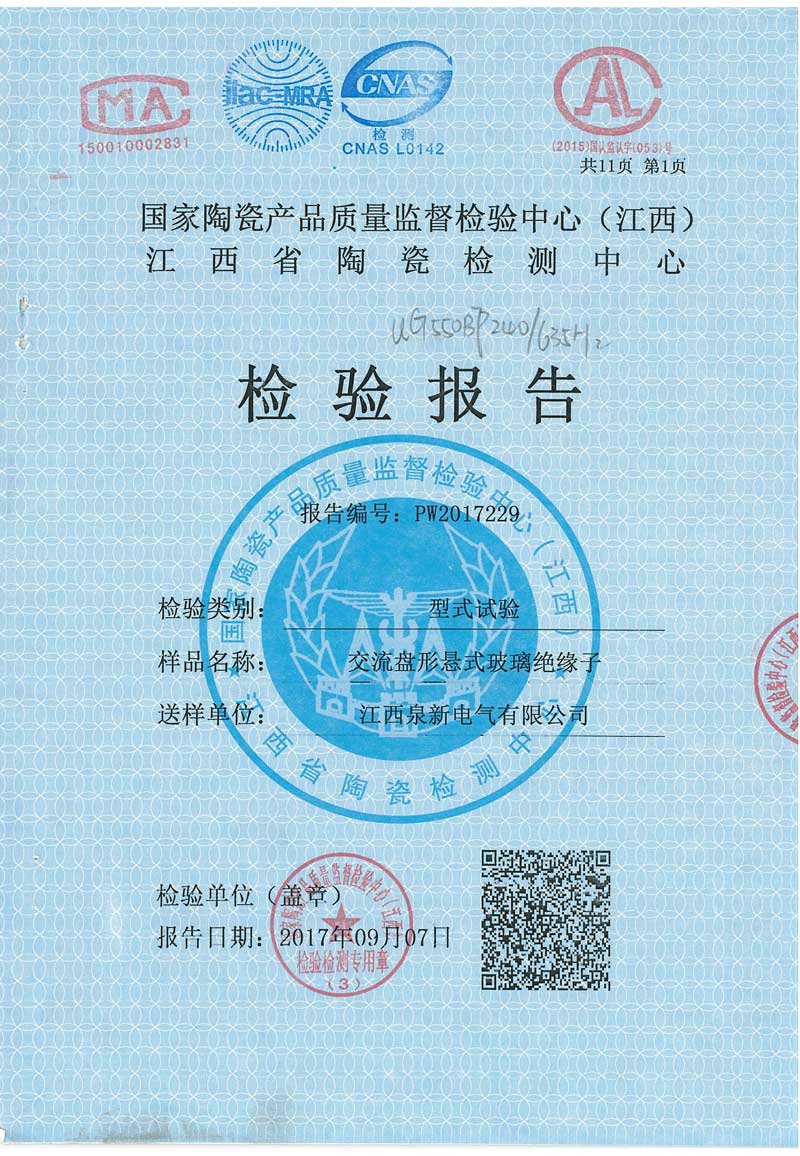
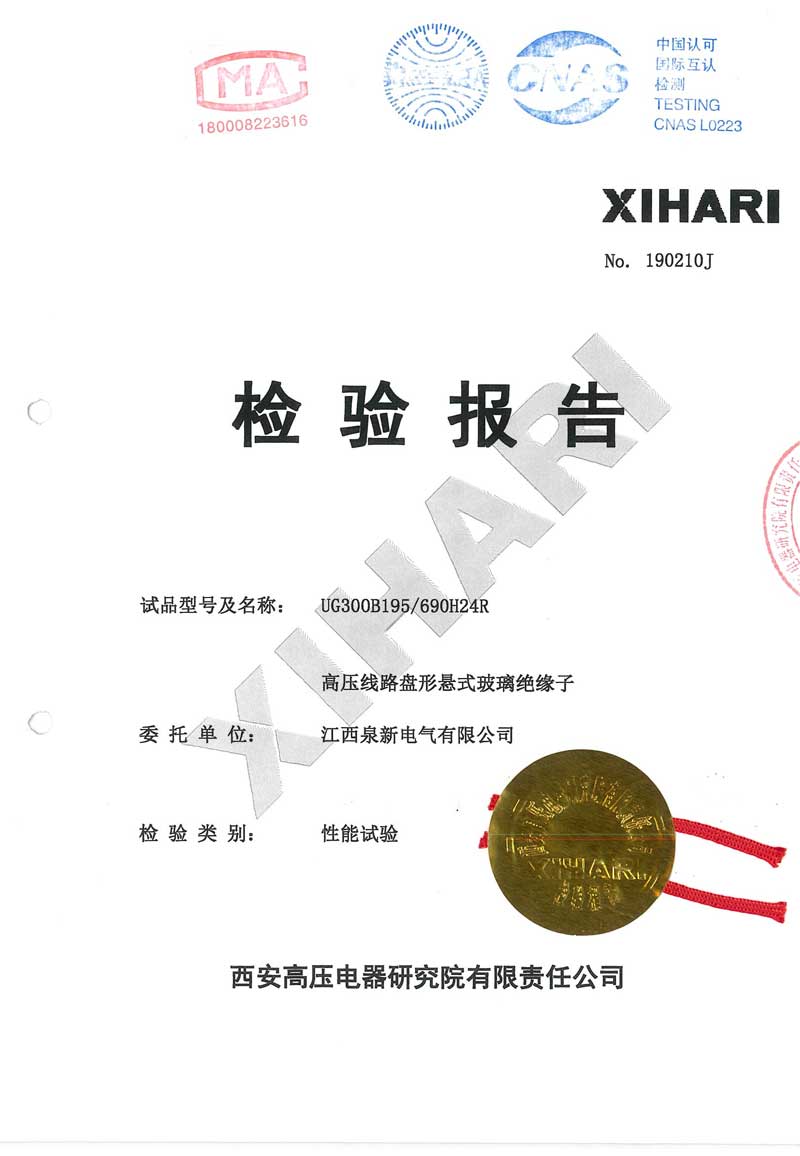
Our products are engineered for structural and insulating performance across low-voltage, high-voltage, extra-high-voltage (EHV), and ultra-high-voltage (UHV) AC & DC electric transmission networks.
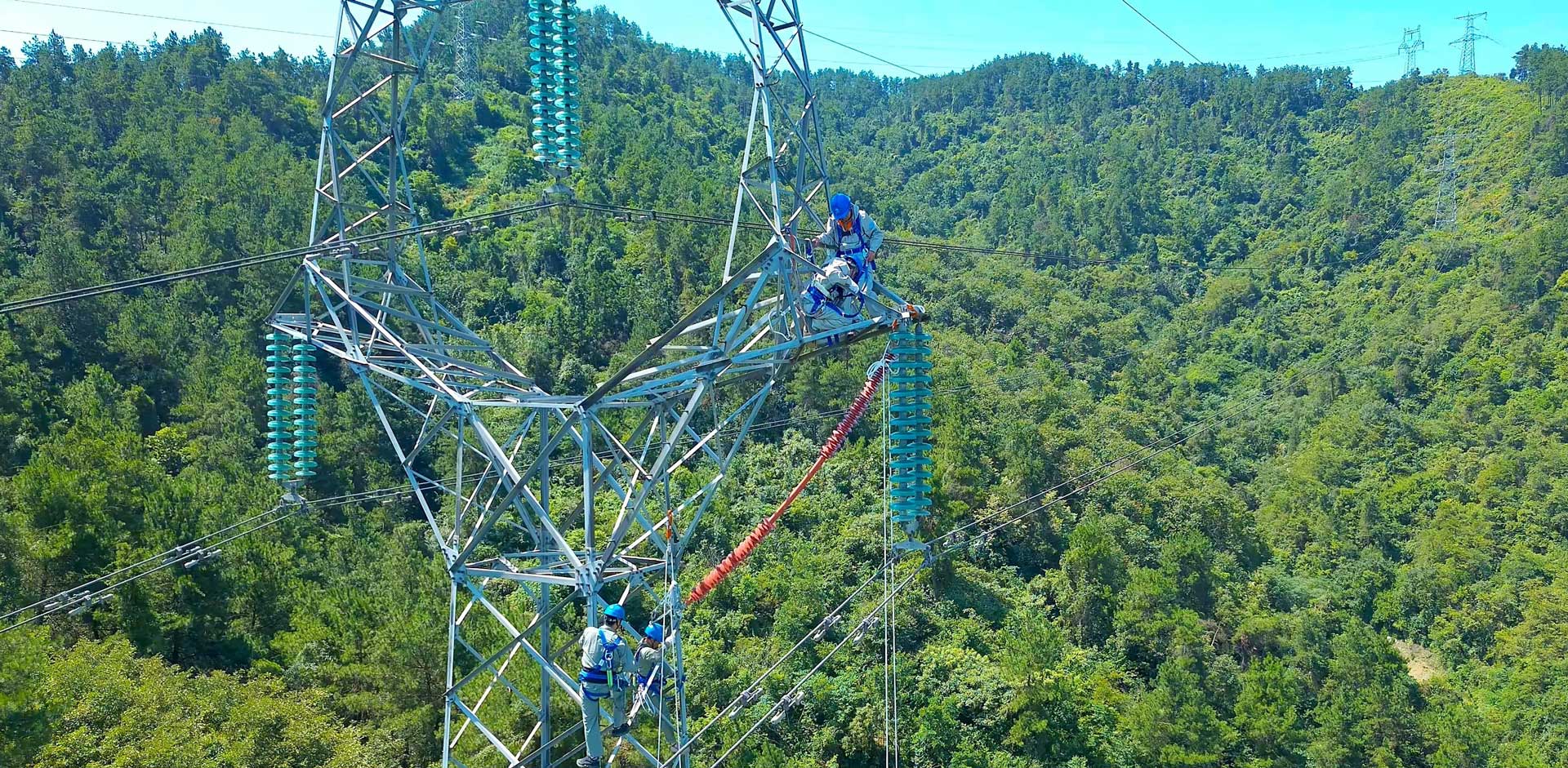
Designed to handle heavy environmental loads including high icing, high altitudes, seismic activity, and severe coastal storms.
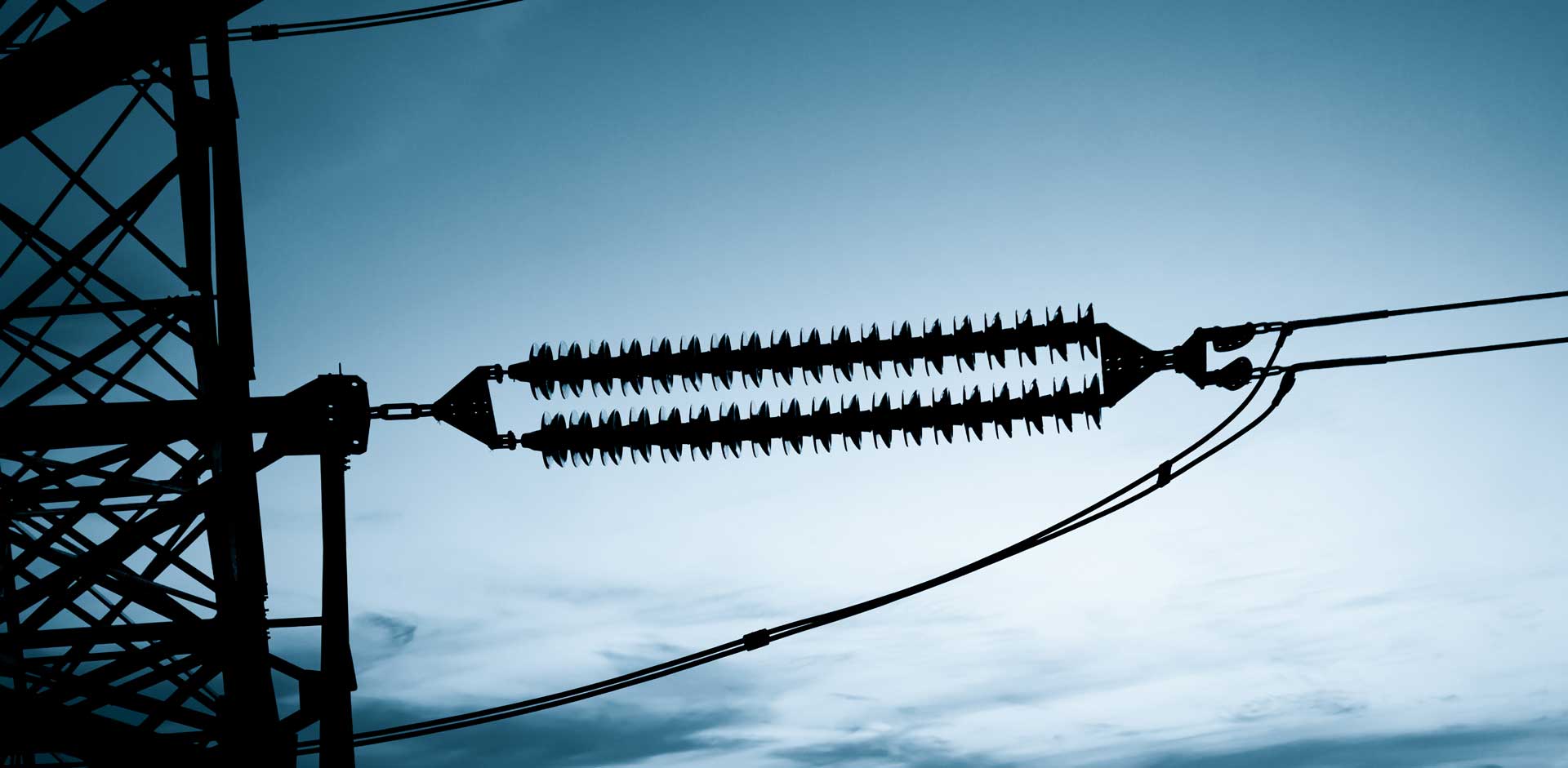
Reliable operation across high-voltage AC networks and long-distance high-voltage DC (HVDC) transmission lines.
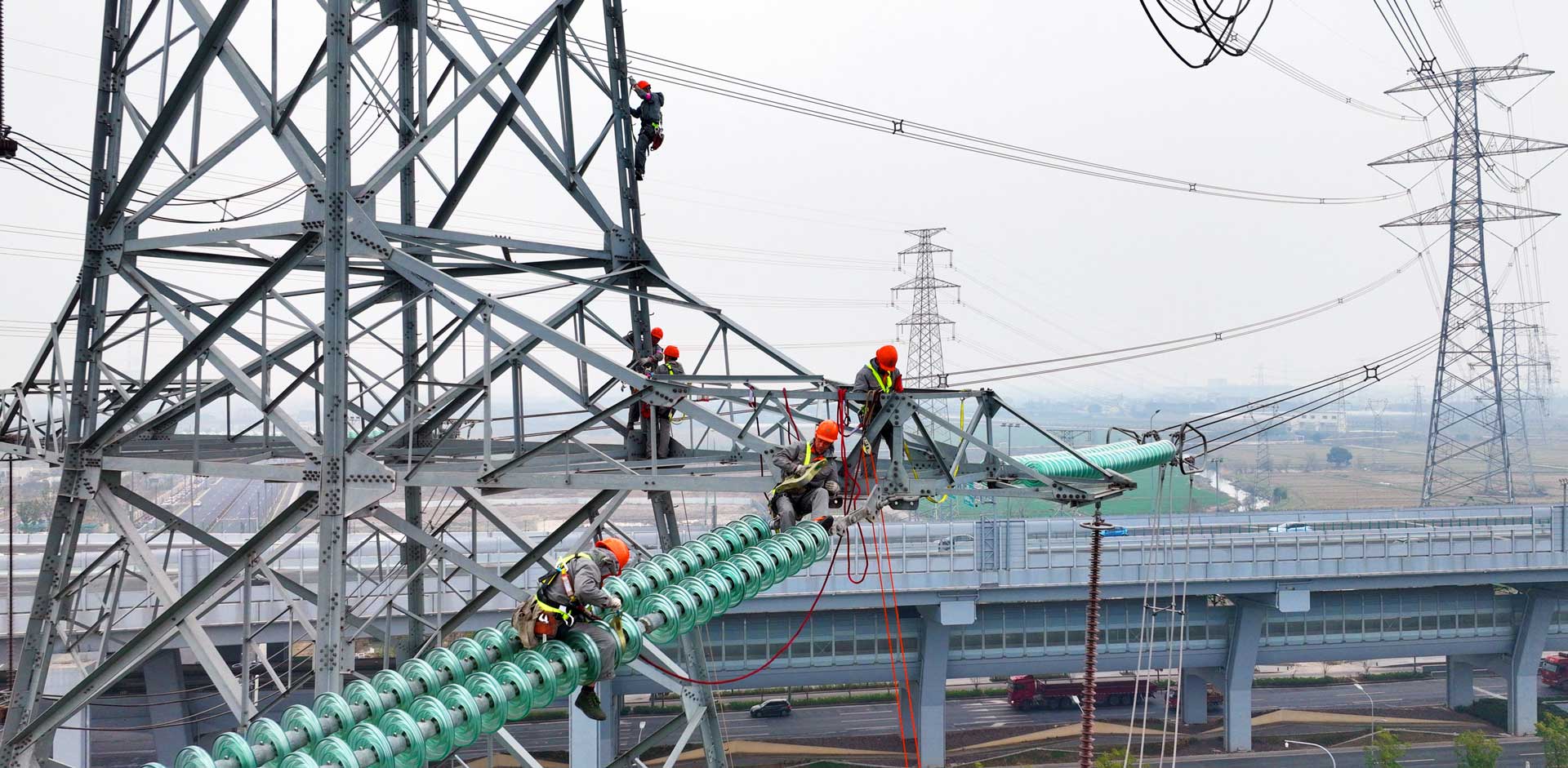
Maintains structural and insulating performance under high pollution load levels, saline humidity, and rapid temperature changes.
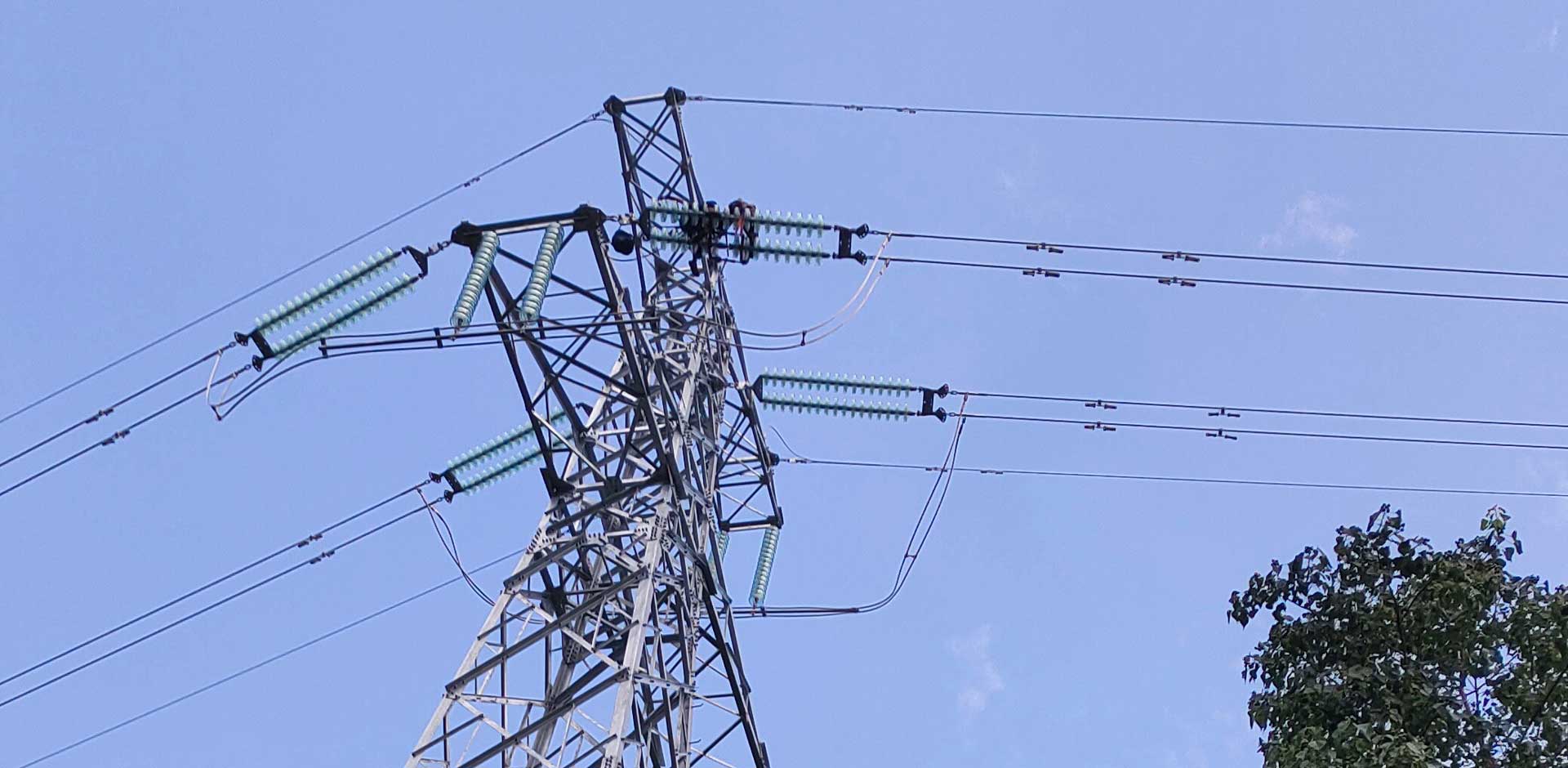
Optimized mechanical support solutions for chemical production plants, heavy smelting complexes, and coastal power generation sites.
Supplying high-strength electrical insulation systems to utility developers and contractors globally.


Articles and reviews documenting advancements in toughened glass suspension insulation engineering.
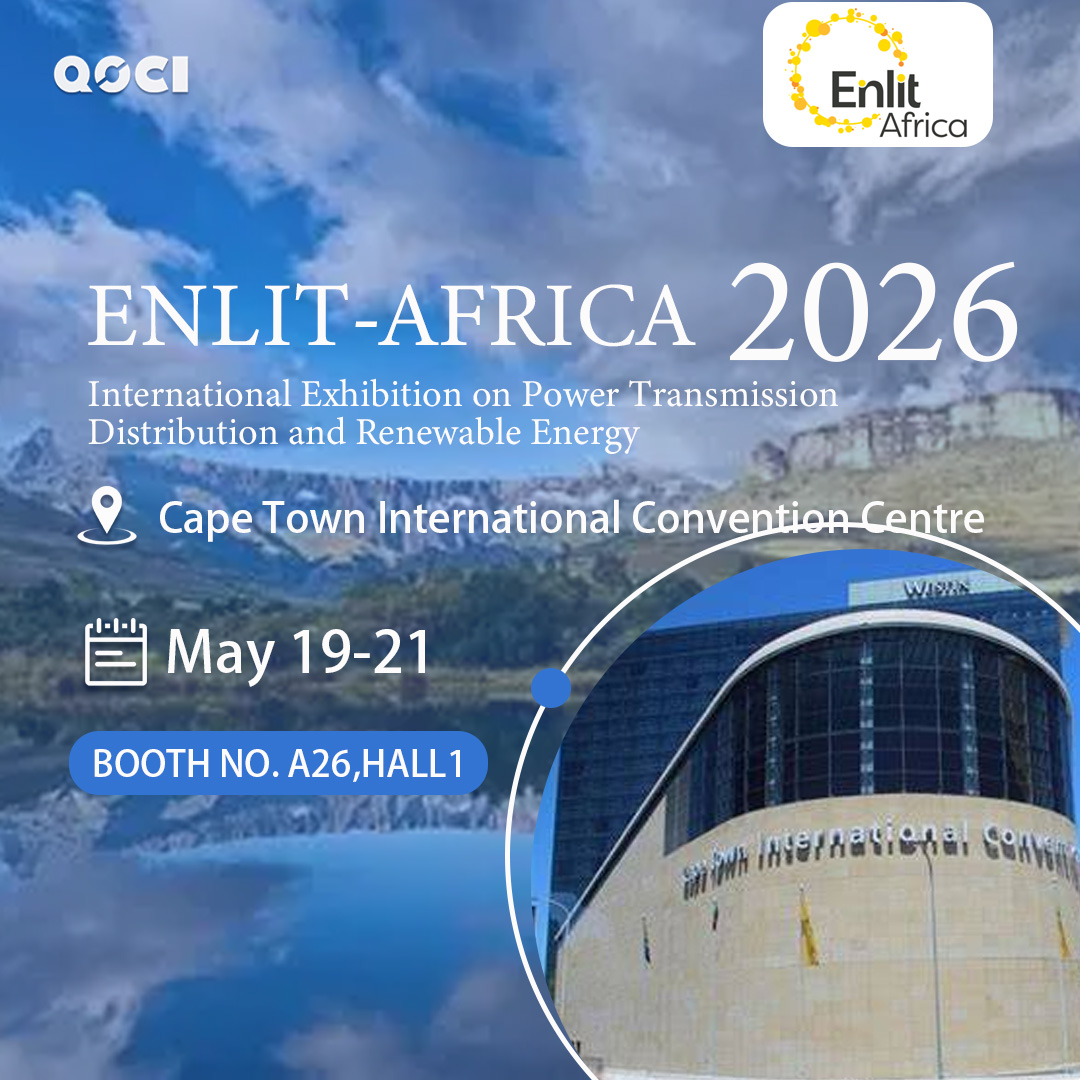
As the global energy transition accelerates, the importance of reliable electrical transmission network infrastructure, renewable energy systems, and storage integration becomes paramount.
Having withstood extreme global climatic conditions including heavy icing, high altitudes, high industrial pollution, earthquakes, and typhoons, China’s insulator industry is a recognized supplier for key international networks.
Our engineering division invites project managers and procurement professionals to meet with us at the IEEE PES T&D Conference, the premier forum for transmission and distribution technologies.
QOCI Electric, a global supplier of high-voltage insulation systems, confirms its participation in Iraq’s energy sector redevelopment program, presenting localized equipment options.
Addressing engineering, quality, compliance, and supply chain queries regarding toughened glass suspension insulators.
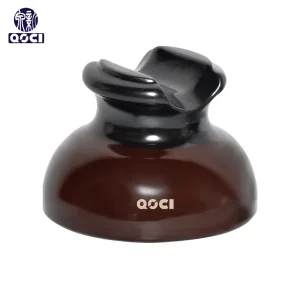
Explore our complete range of toughened suspension glass insulators, anti-fog profiles, and high-voltage porcelain insulators.