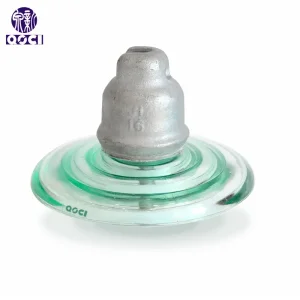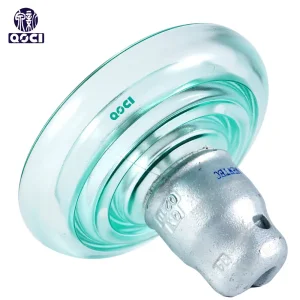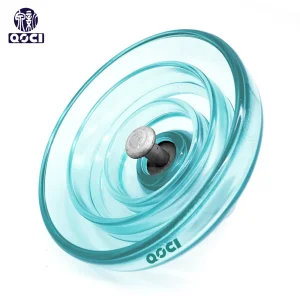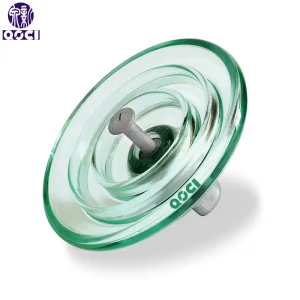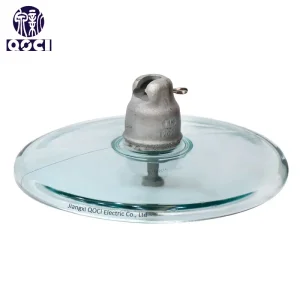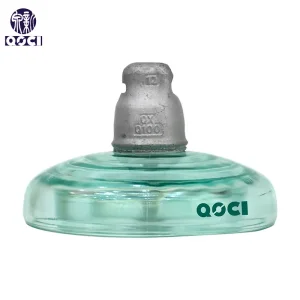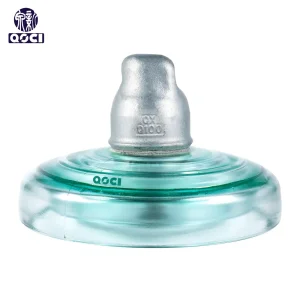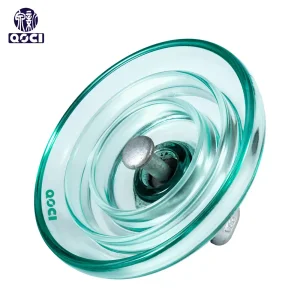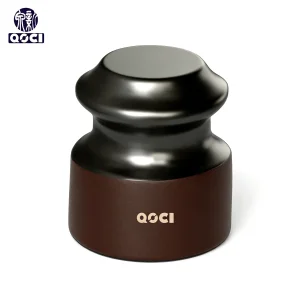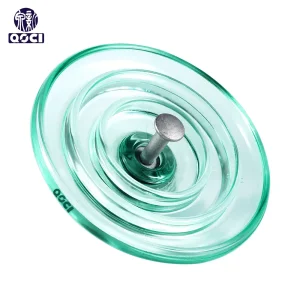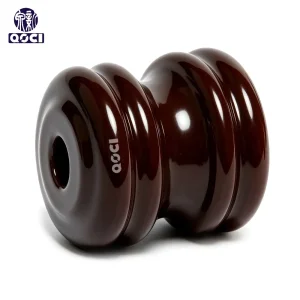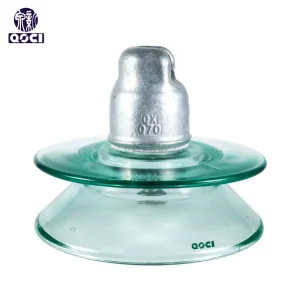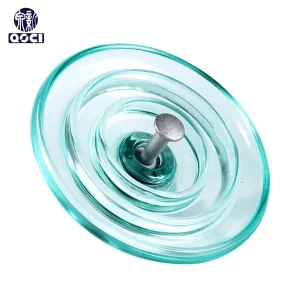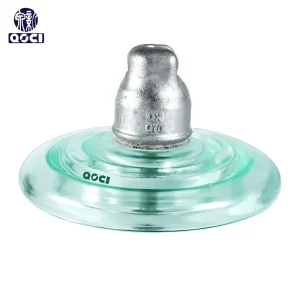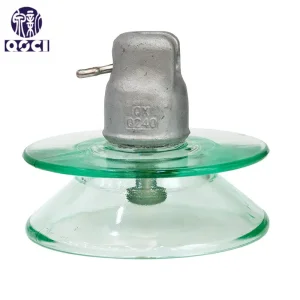
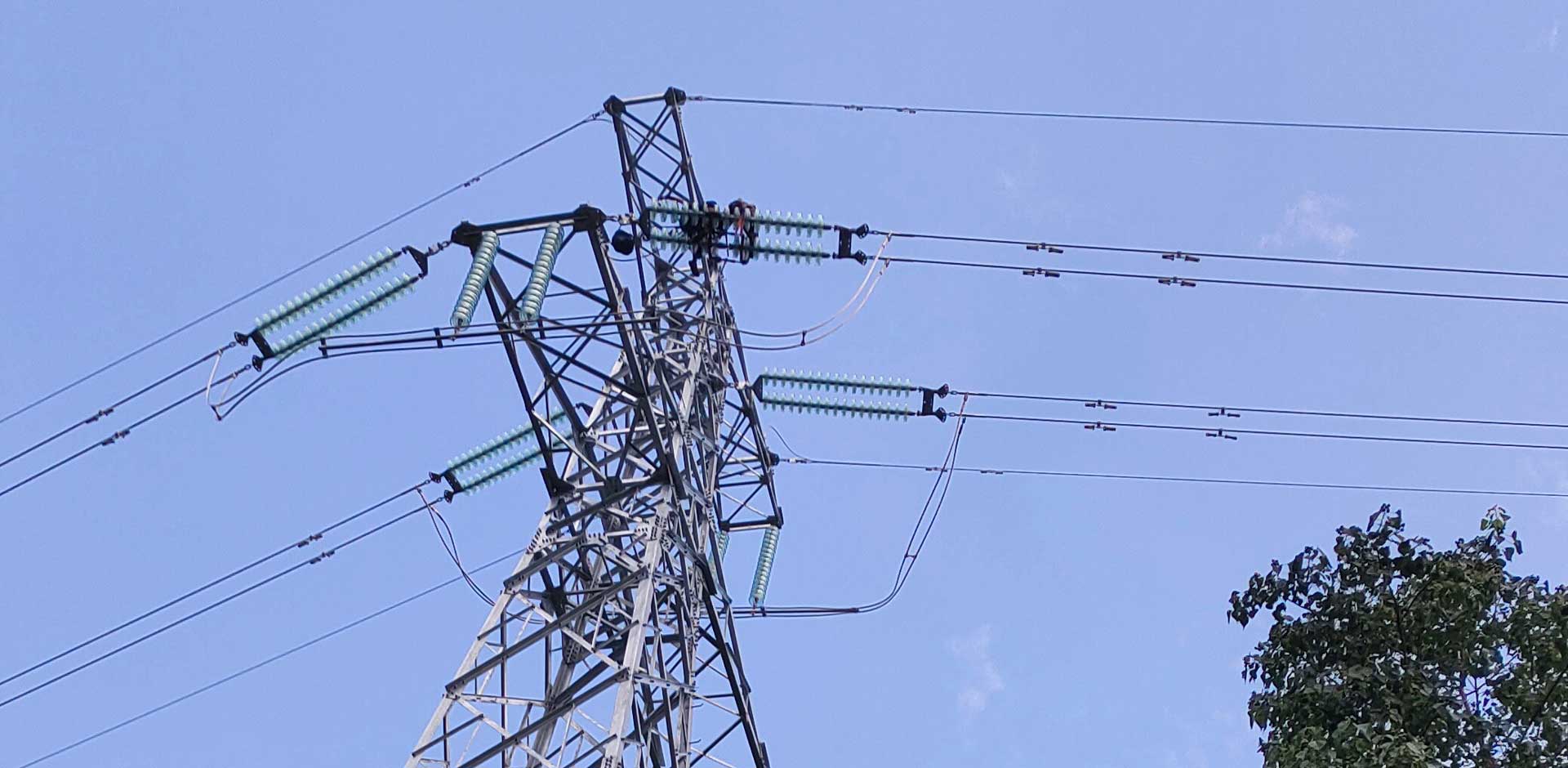
In the rapidly evolving landscape of global power transmission, the U210bla Glass Isolator represents a pinnacle of electrical engineering and material science. Designed to handle electromechanical failing loads of 210kN, this specific class of toughened glass insulator is essential for 330kV, 500kV, and Ultra-High Voltage (UHV) DC/AC transmission lines. As a leading China Glass Isolator U210bla Manufacturer, we integrate advanced tempering processes that ensure internal stress distribution is optimized for extreme longevity.
Unlike traditional porcelain, toughened glass offers a unique "self-shattering" characteristic. If a unit fails due to extreme mechanical stress or electrical puncture, the glass shell shatters into small, non-threatening fragments, while the remaining stub retains its mechanical integrity. This provides an immediate visual indicator for maintenance crews, drastically reducing the "hidden fault" risk associated with ceramic alternatives.
U210bla units provide superior resistance against steep-front impulse voltages, ensuring grid stability during lightning strikes or switching surges.
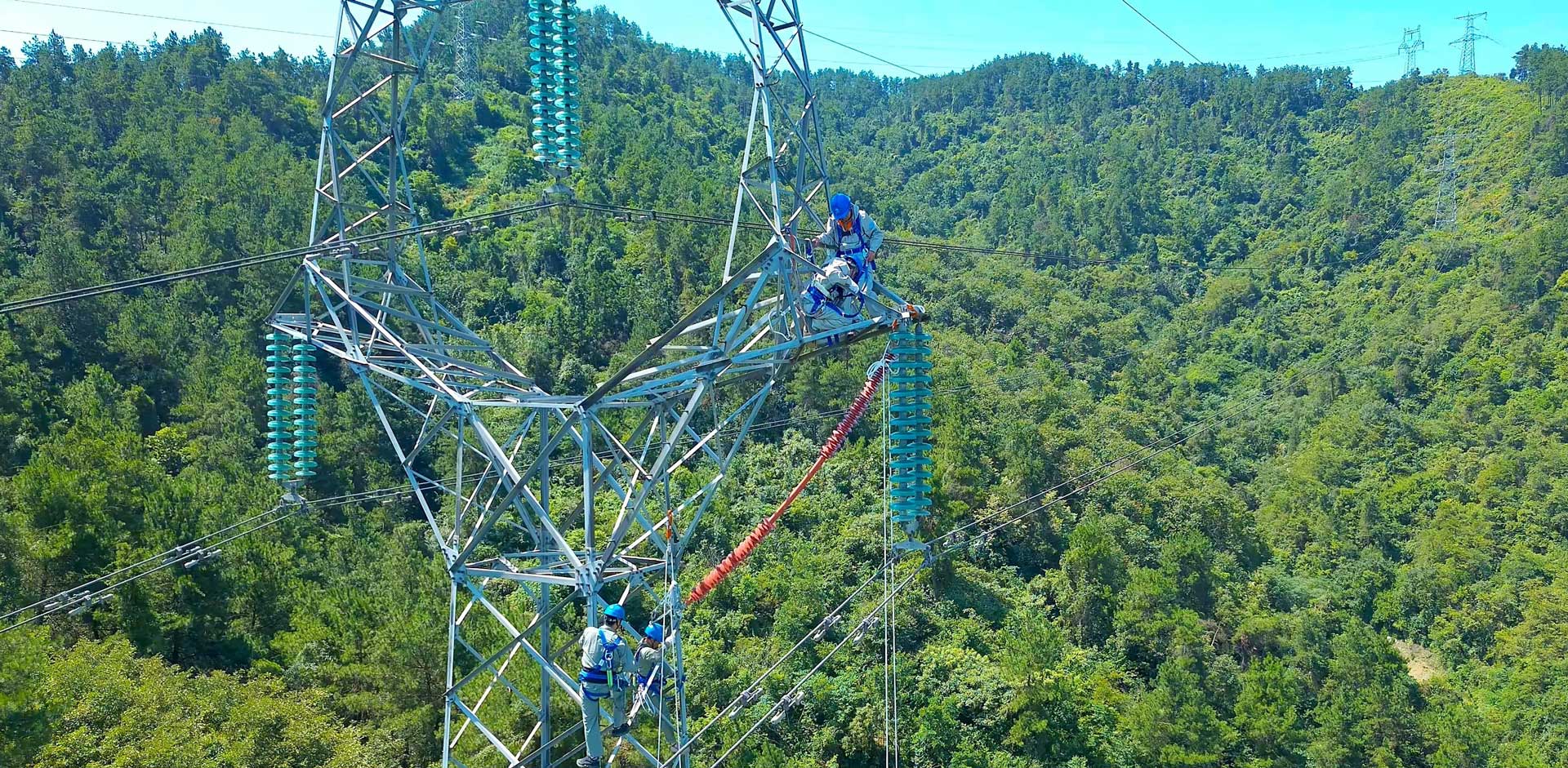
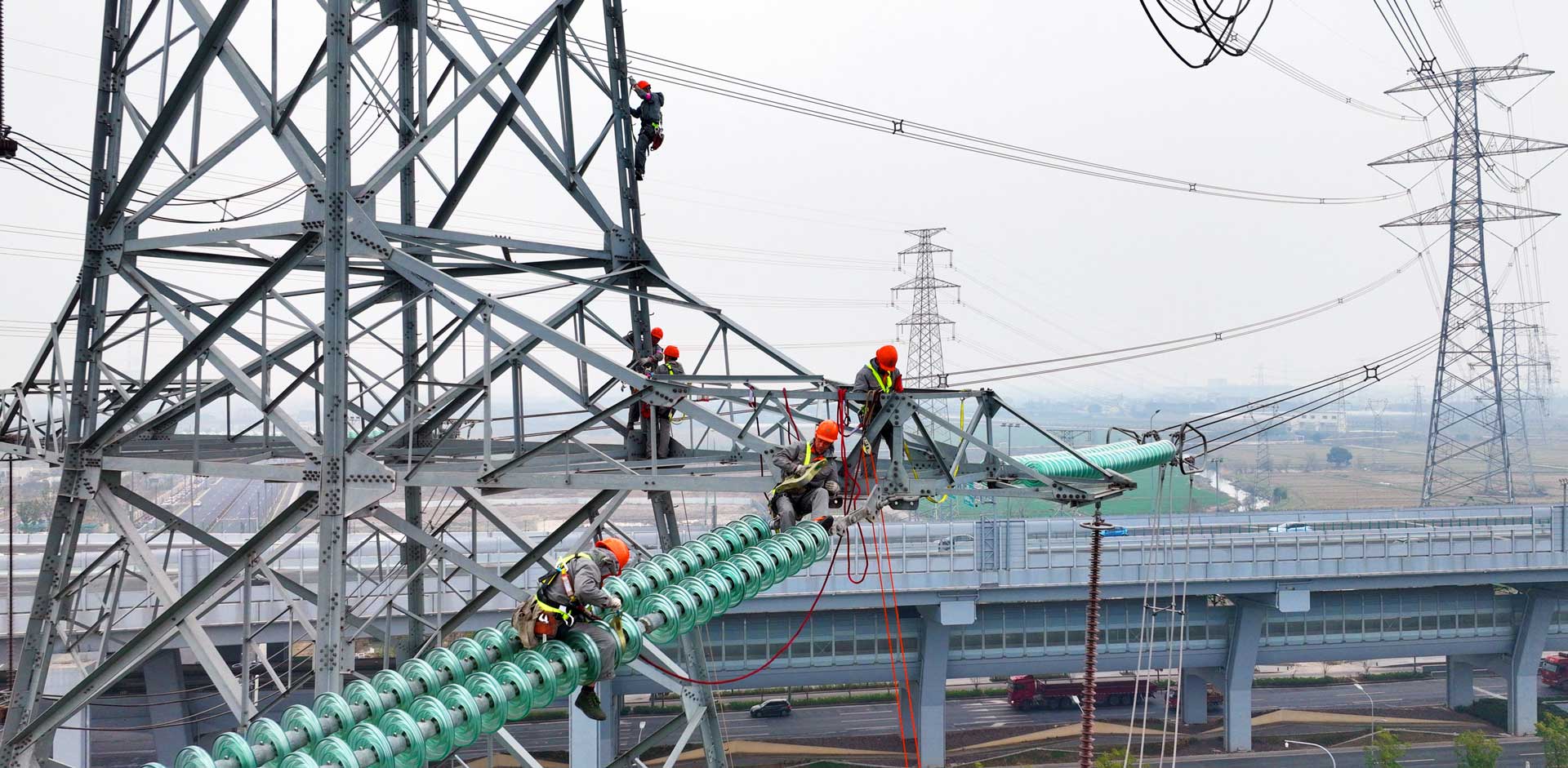
Engineered for heavy-duty suspension and tension strings, capable of supporting massive conductor spans in mountainous or cross-river terrains.
Maintains performance through extreme temperature cycles, from arctic freezes to desert heat, without the risk of cement growth or ionic migration.
The global energy transition requires a massive expansion of grid infrastructure. Current procurement demands for Glass Isolator U210bla are driven by three key factors:
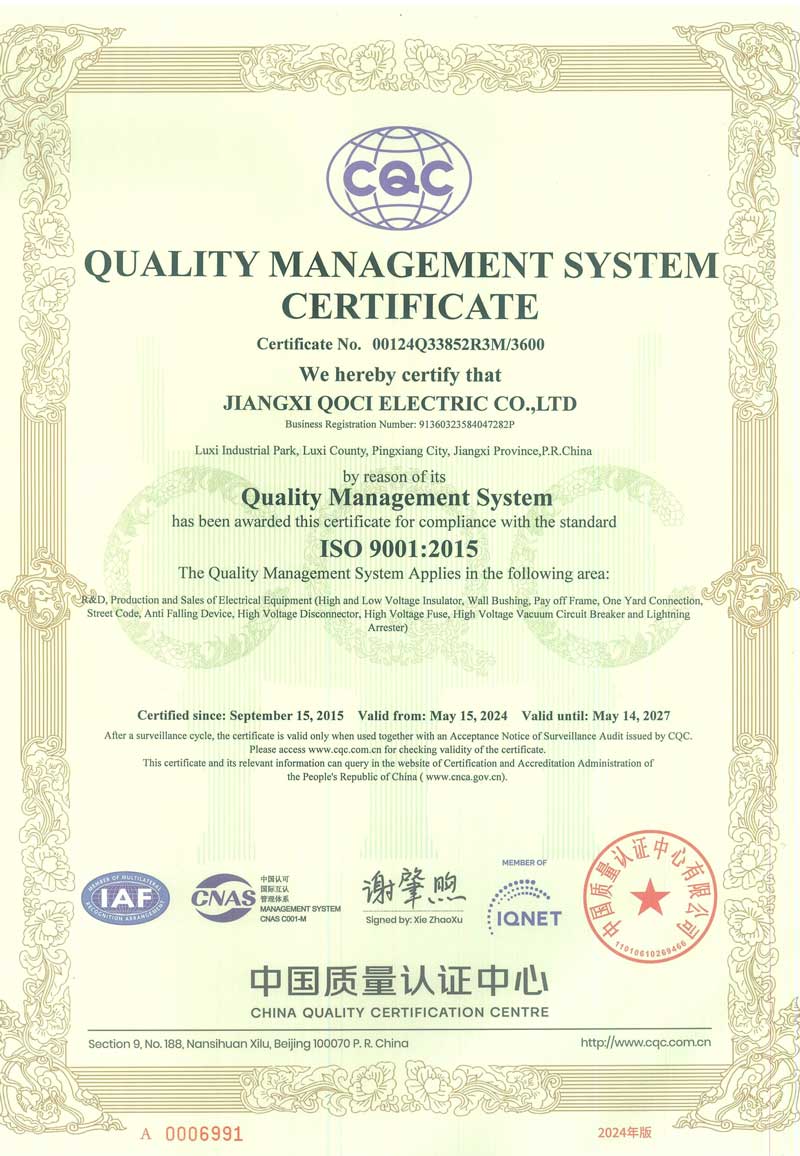
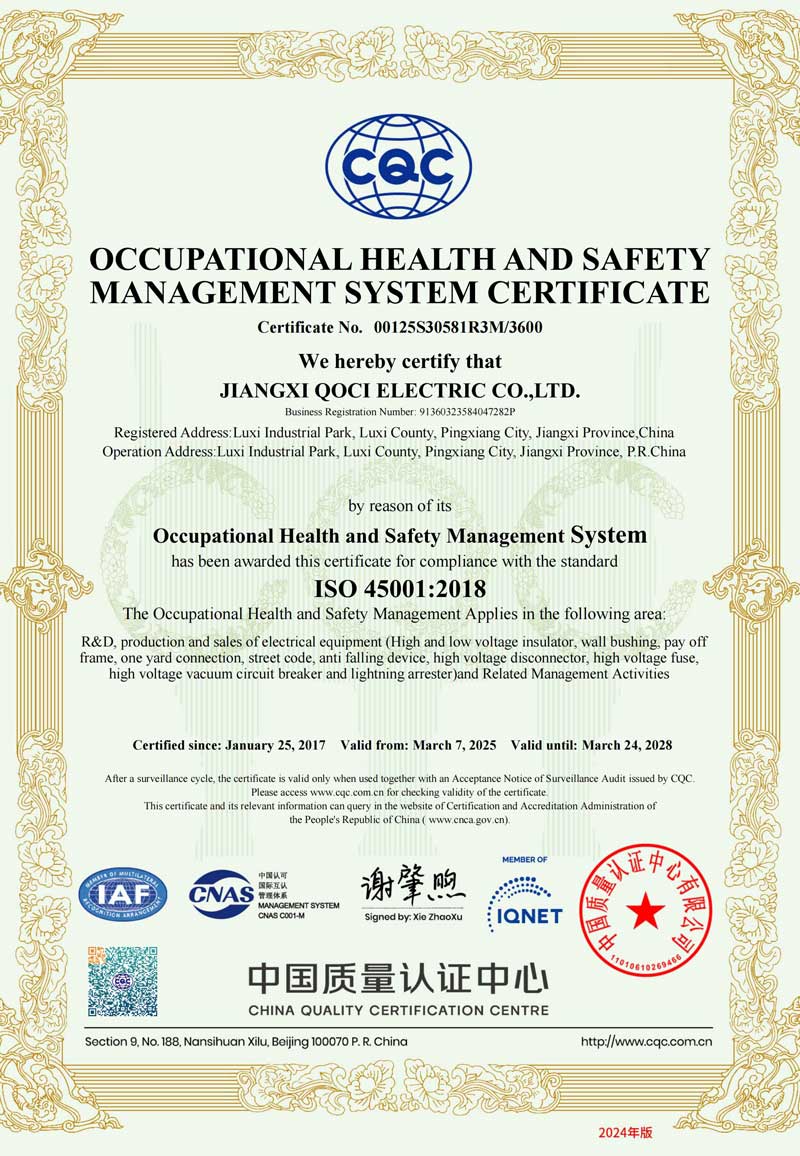
As a specialized supplier, Jiangxi QOCI Electric Co. Ltd offers the scalability needed for multi-national infrastructure projects, ensuring compliance with IEC, ANSI, and AS standards.
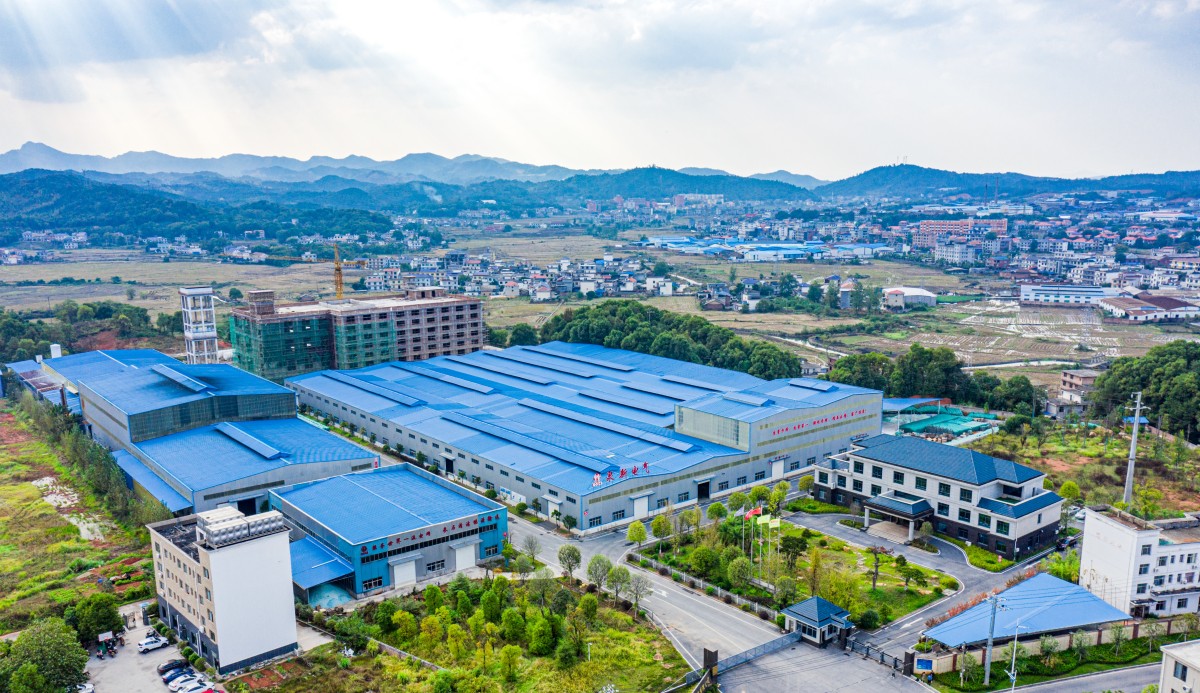
Located in the Industrial Park of Luxi County, Jiangxi, our facility represents the vanguard of Supply Chain Resilience. By utilizing total oxygen kilns and automated forming presses, we ensure that every U210bla unit meets stringent quality benchmarks while maintaining the competitive pricing that global EPC contractors demand.
Jiangxi QOCI Electric Co. Ltd was founded in Dec. 2002, with registered capital of 508 million Yuan. The Corporation is located at Industrial Park, Luxi County, Pingxiang, Jiangxi Province, covering area of 100 mu. We serve the world-class power grid with dedication, actively participating in the construction of green energy.
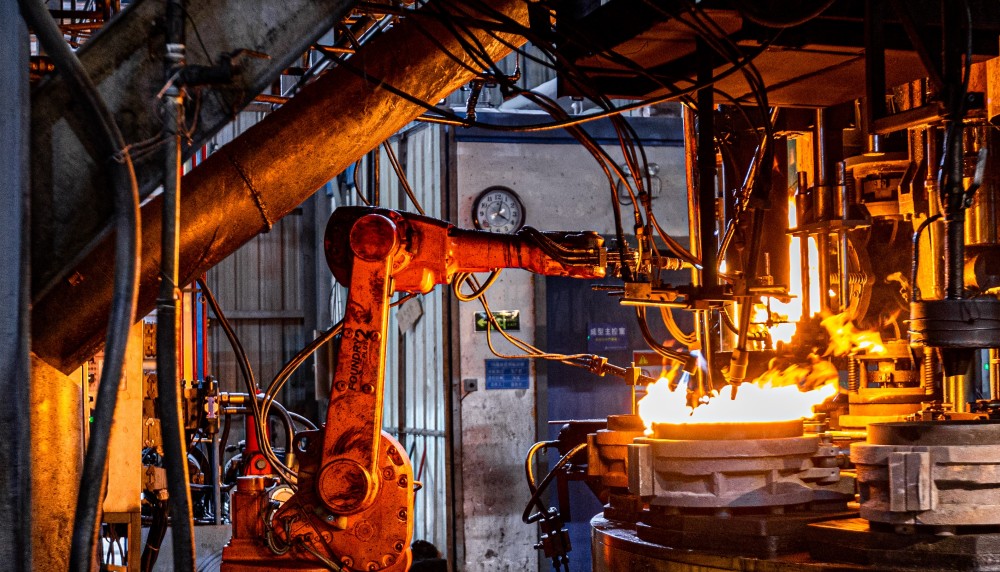
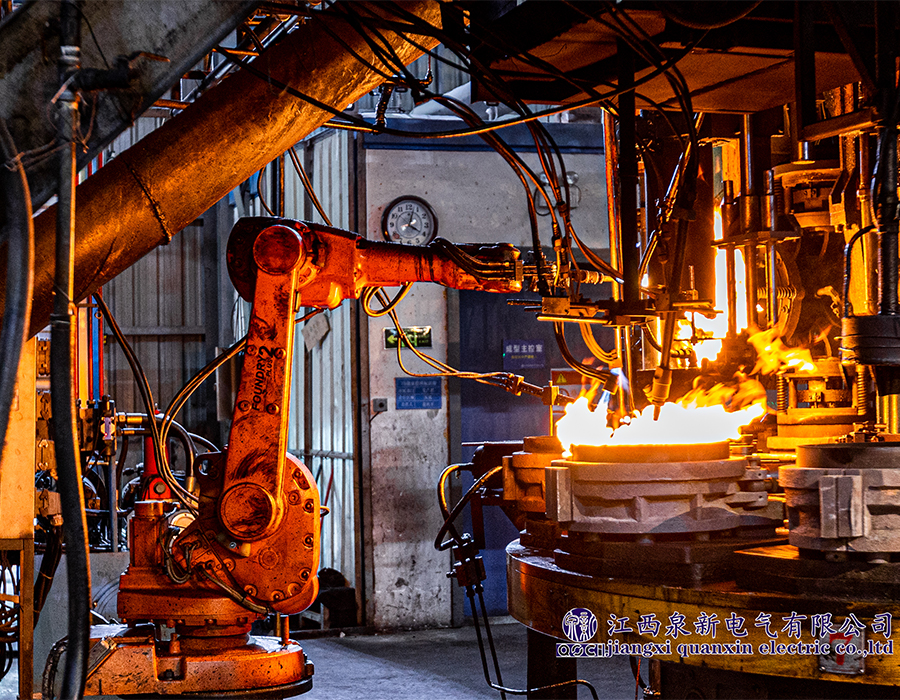
Forming Press
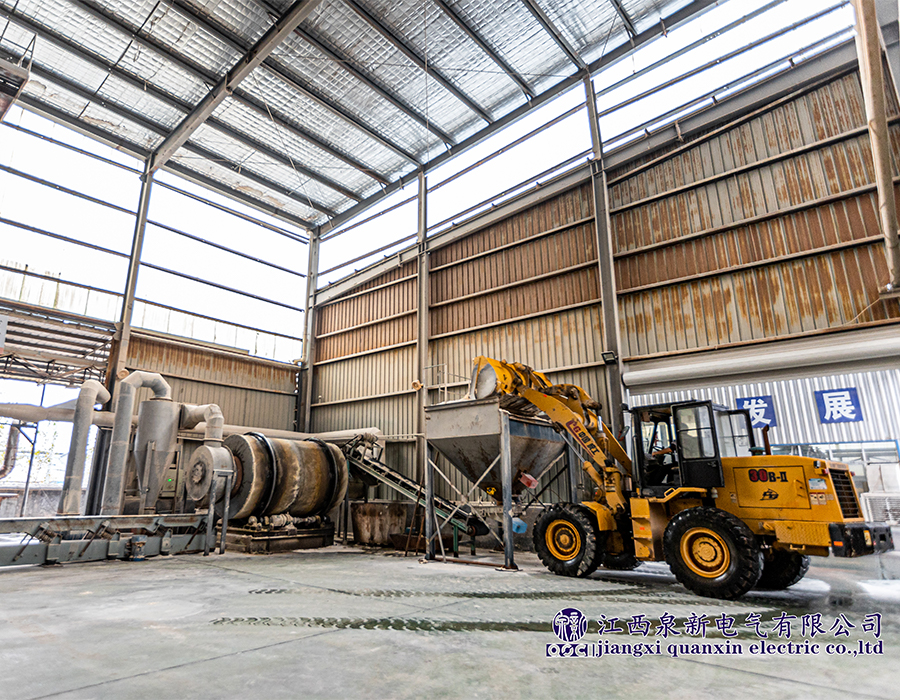
Mixer
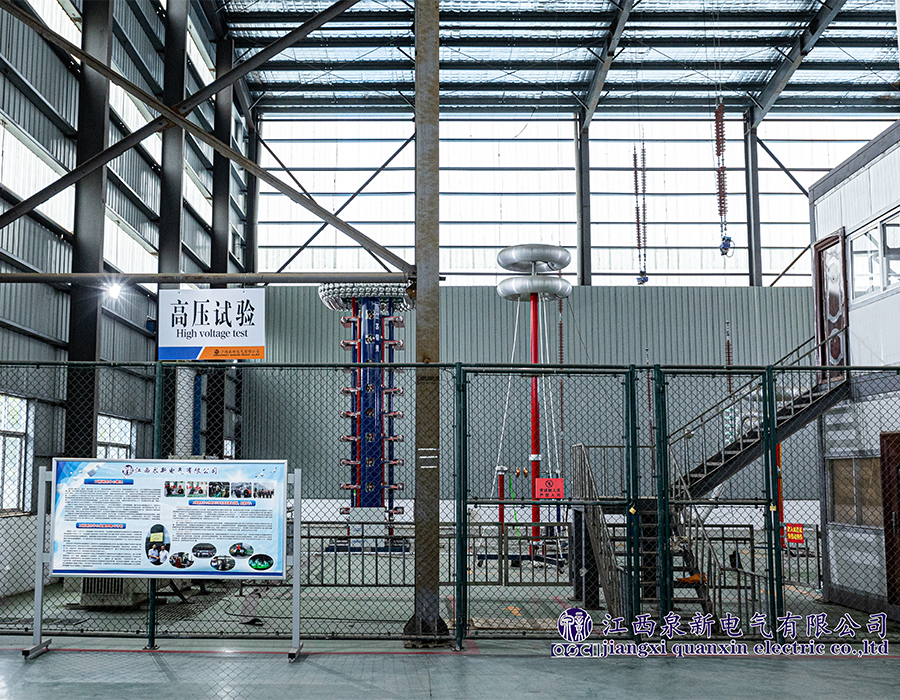
High Voltage Test
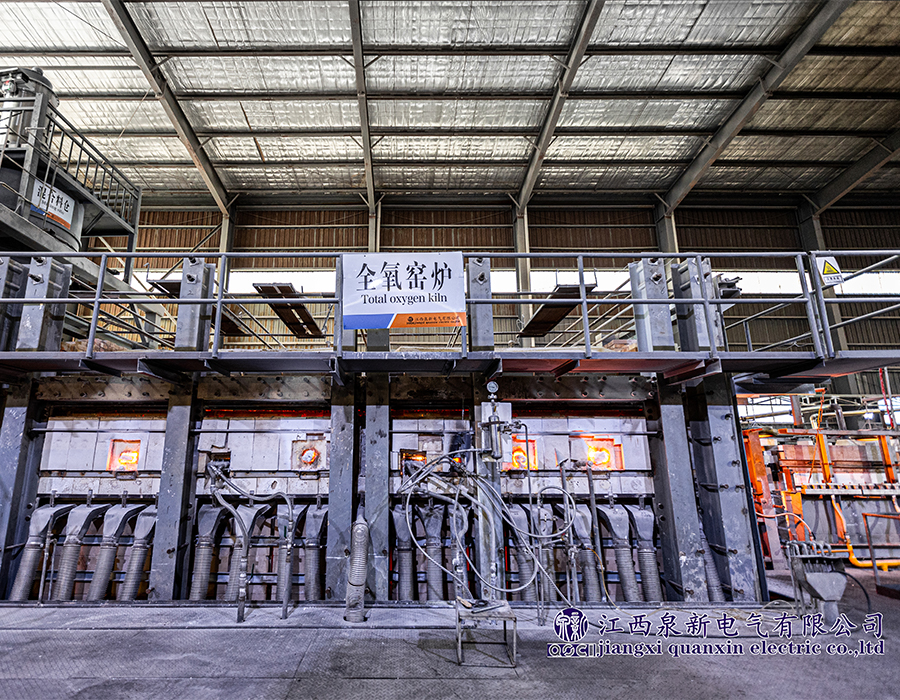
Total Oxygen Kiln
Tailored Solutions for Diverse Geographical Challenges
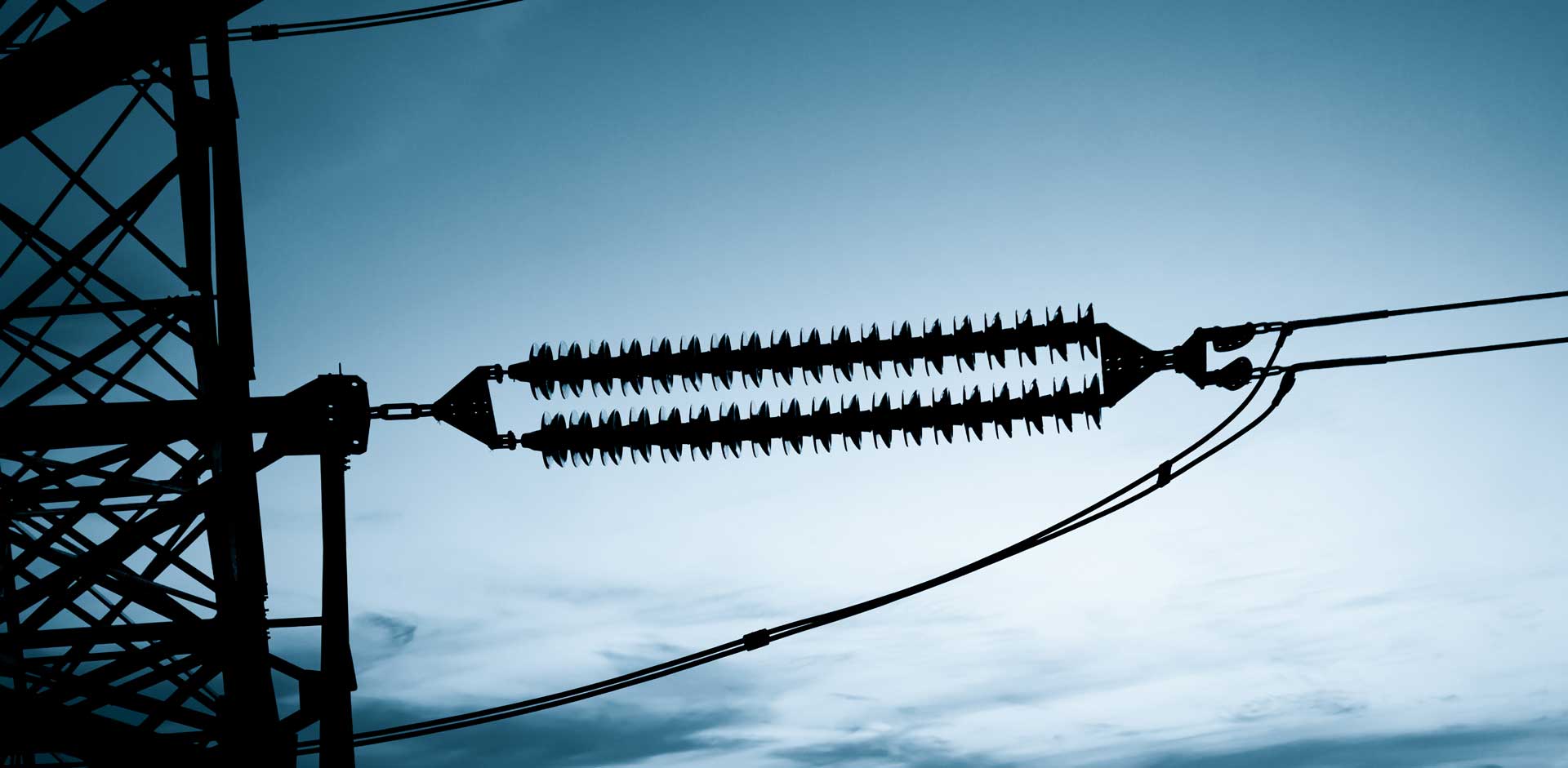
Our Anti-Fog profile insulators utilize long, widely-spaced under-ribs to prevent arc bridging in salt-heavy environments.
The Open profile (Aerodynamic) design eliminates under-ribs to prevent sand and dust accumulation, relying on wind for self-cleaning.
Silicone-coated (RTV) glass insulators provide extreme hydrophobicity, minimizing leakage currents in high-pollution areas.
The Triple-Shed Type offers extended creepage distance, essential for stable performance in low-pressure, high-altitude grids.
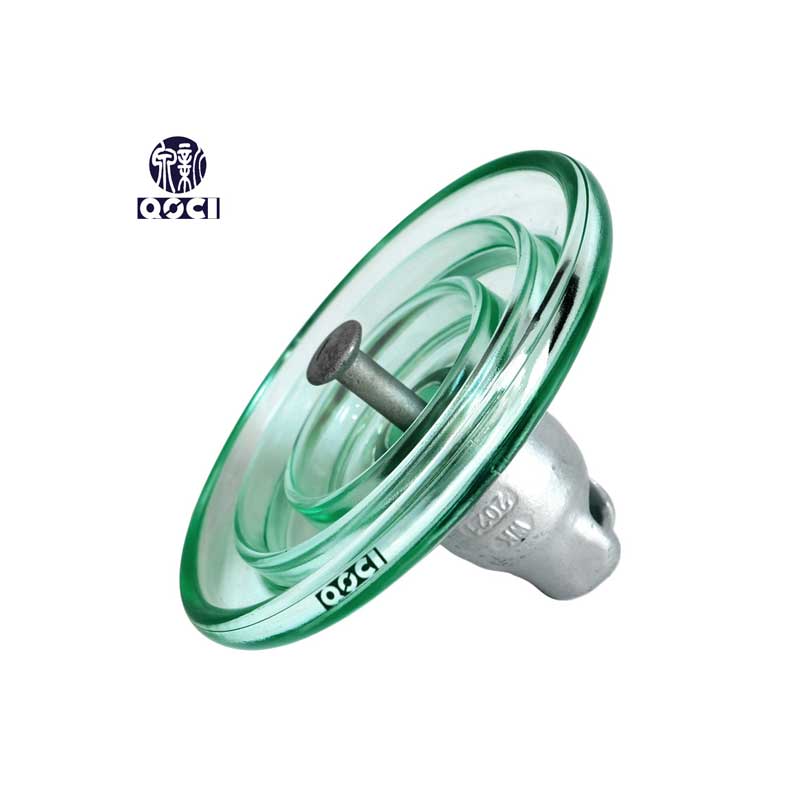
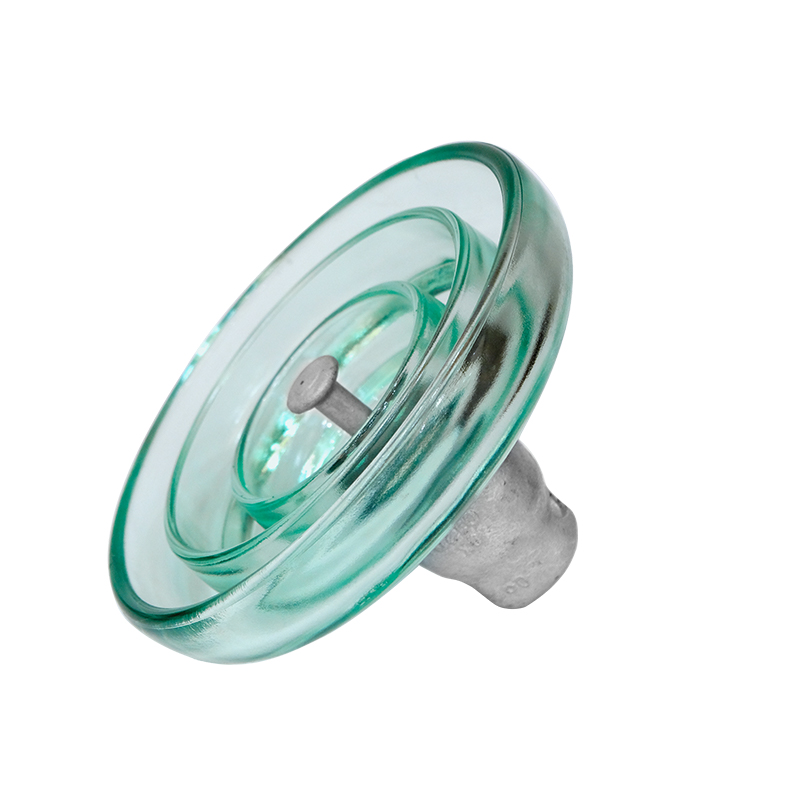
Features a leakage distance higher than IEC 60305 values. Designed with shallow, well-spaced ribs for natural self-cleaning via wind/rain.
Characterized by long under-ribs to avoid arc bridging. Ratio of leakage to spacing is ~3.2, ideal for salt fog and coastal zones.
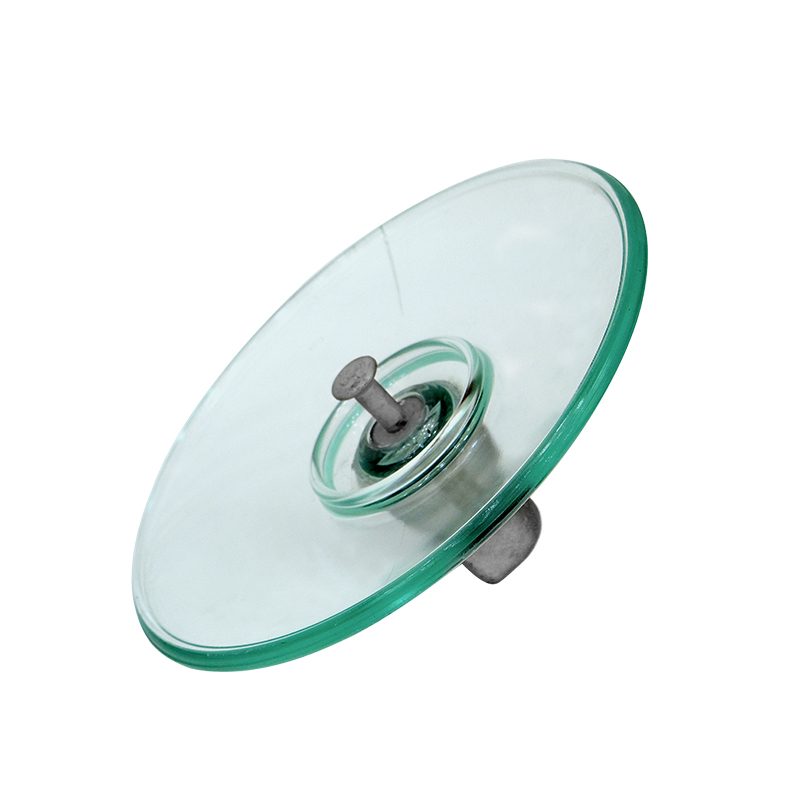
Marked by absence of under-ribs to prevent solid pollution buildup (sand/dust). Best for desert suspension and tension strings.
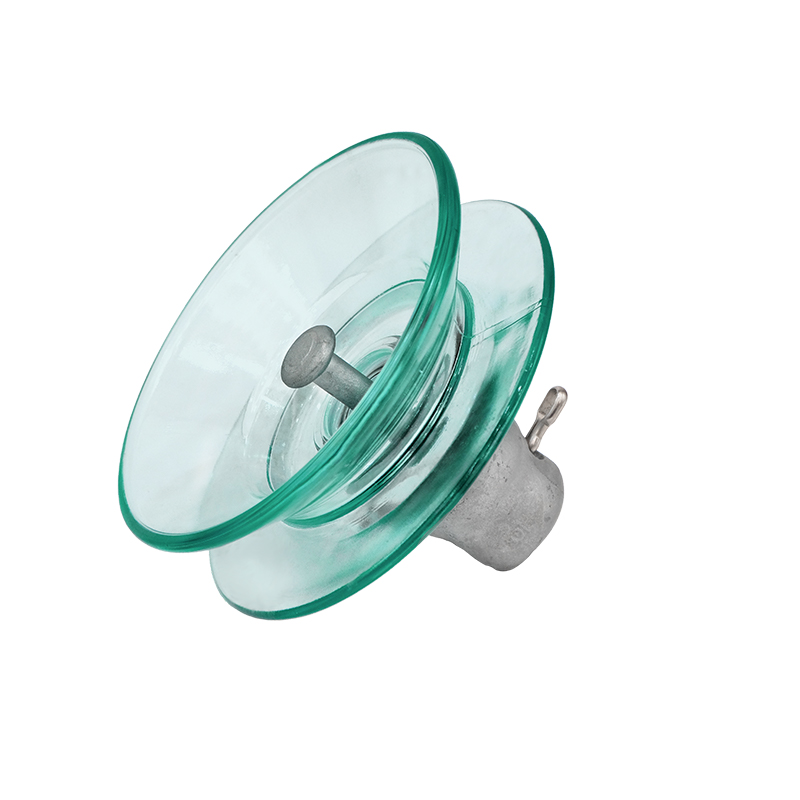
Includes two external ribs for high pollution performance. Eases manual cleaning and survives extreme saline soil conditions.
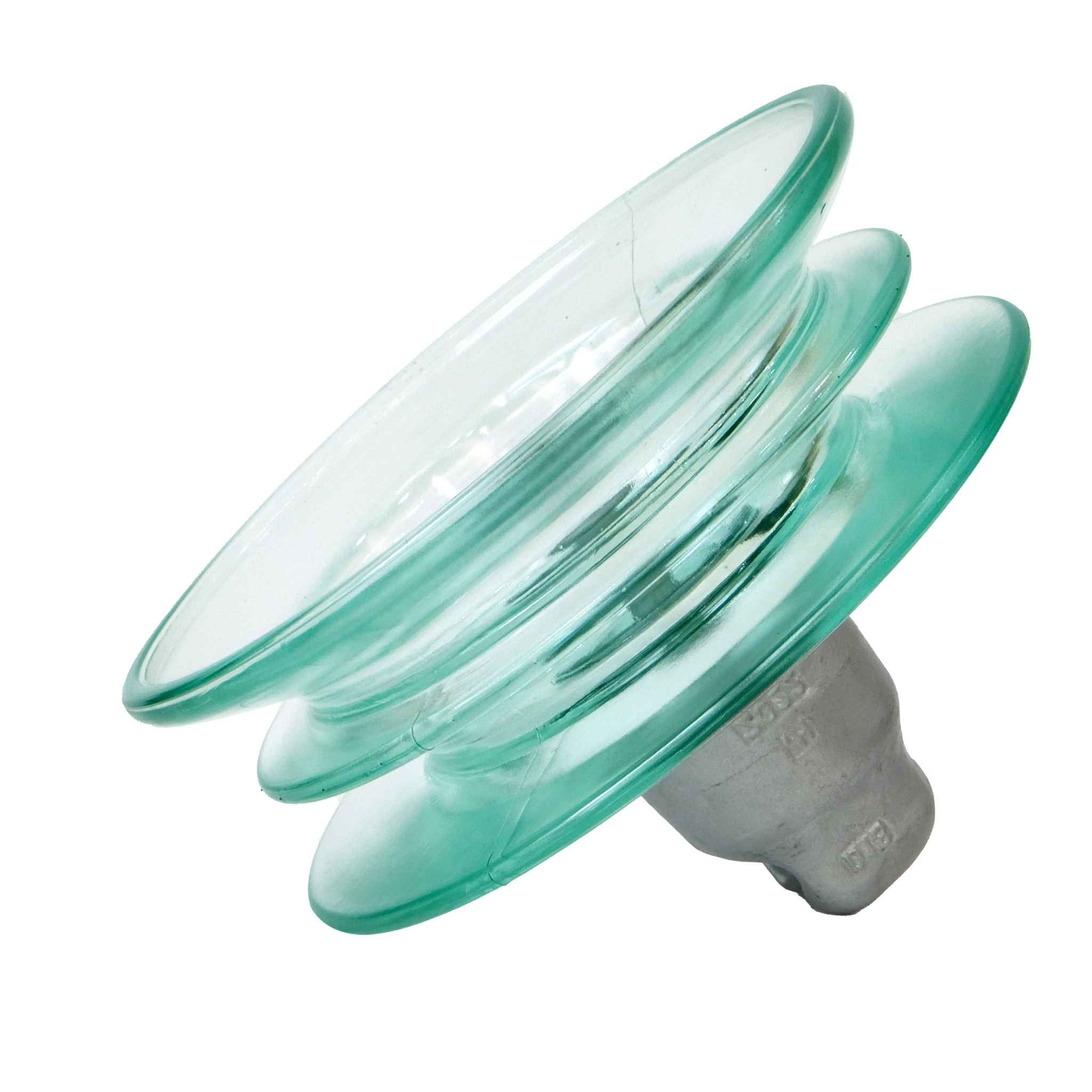
Key component for UHV lines. Three layers of umbrella discs provide maximum pollution flashover resistance.
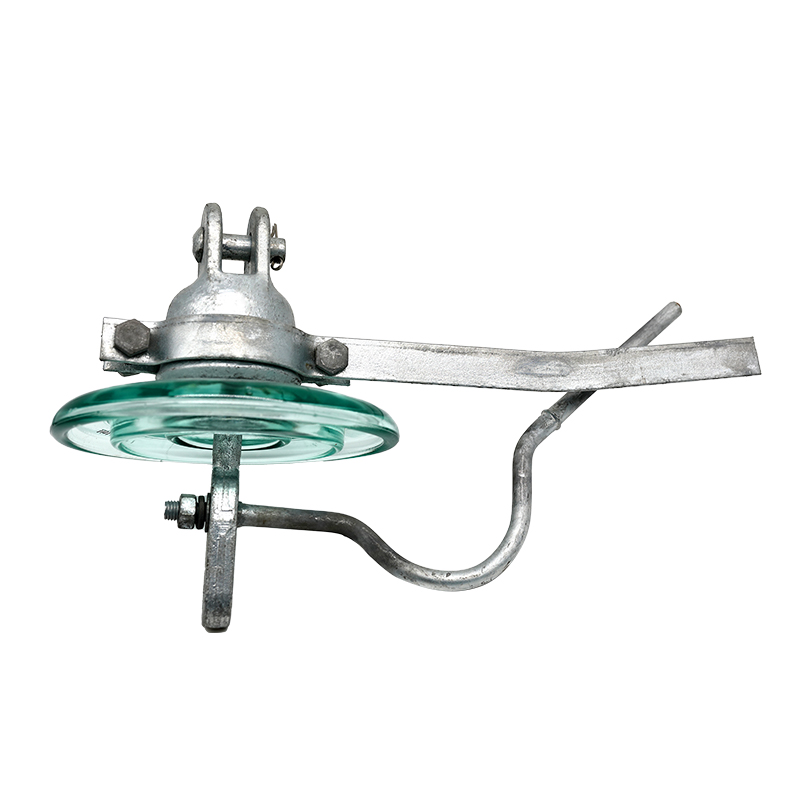
Reliable grounding via metal accessories (steel feet/flanges). Guides lightning current safely to protect line equipment.
Join QOCI ELECTRIC at Enlit Africa & IEEE PES T&D: We continue to showcase our breakthrough in anti-pollution glass technology across global energy expos.
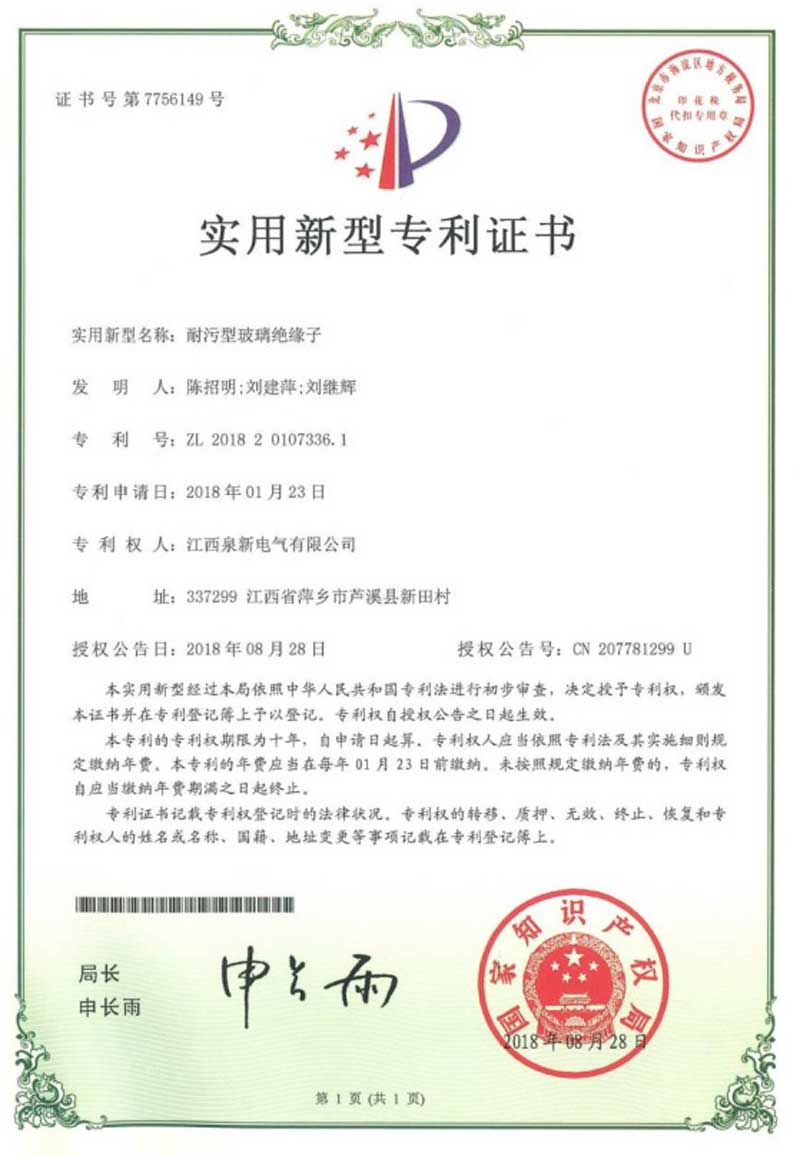
China's Insulator Technology Maturity: A portfolio that has withstood typhoons, earthquakes, and icing conditions in the world's most demanding power grids.