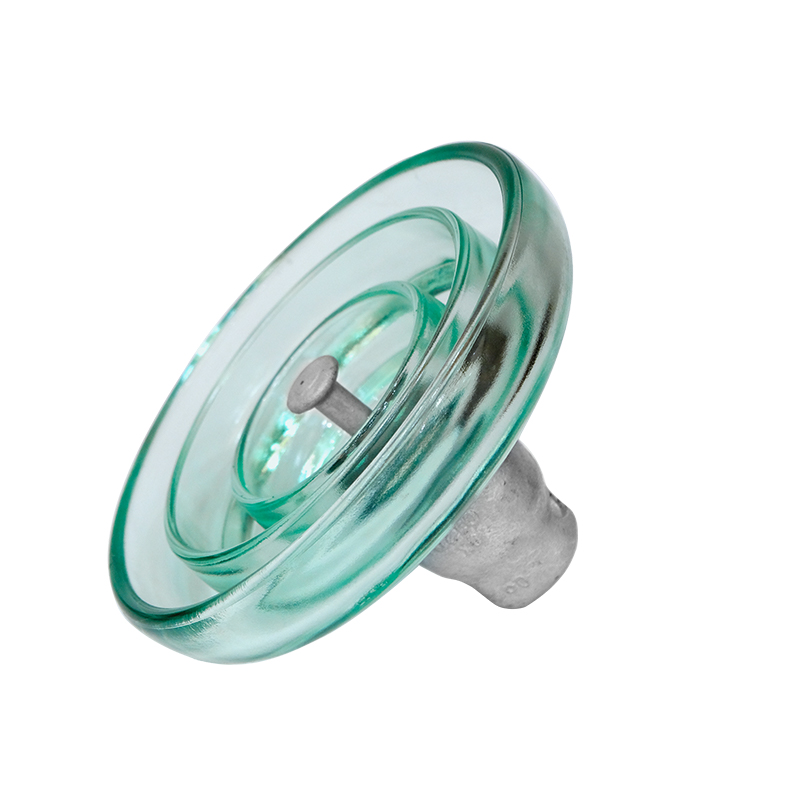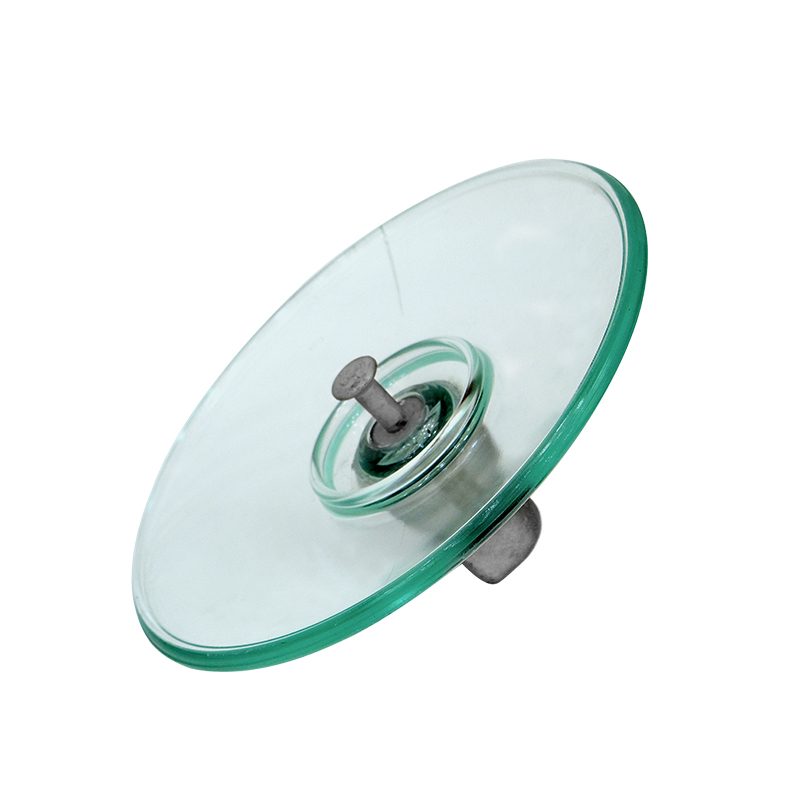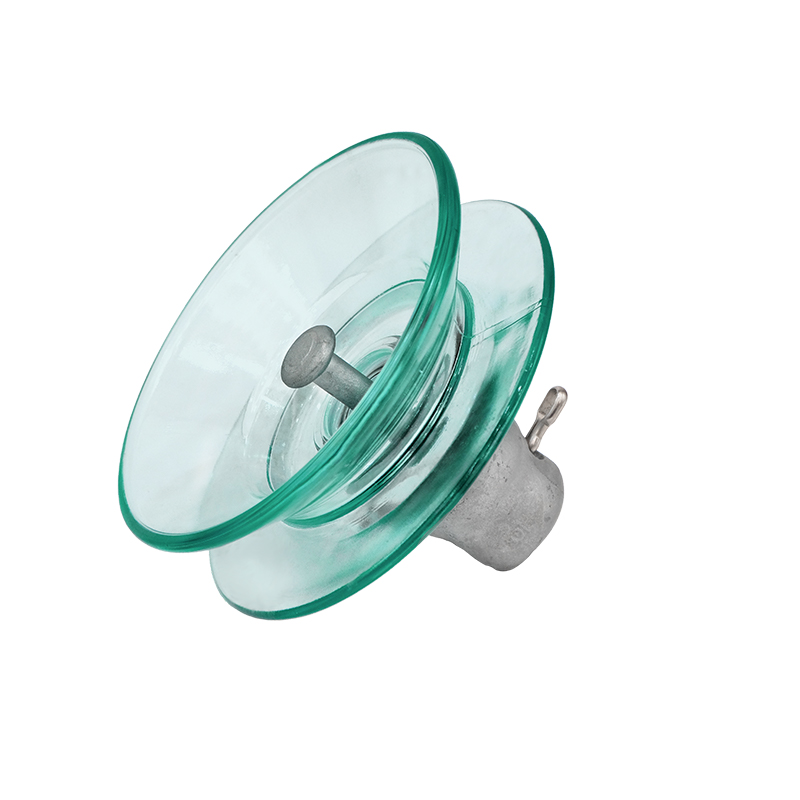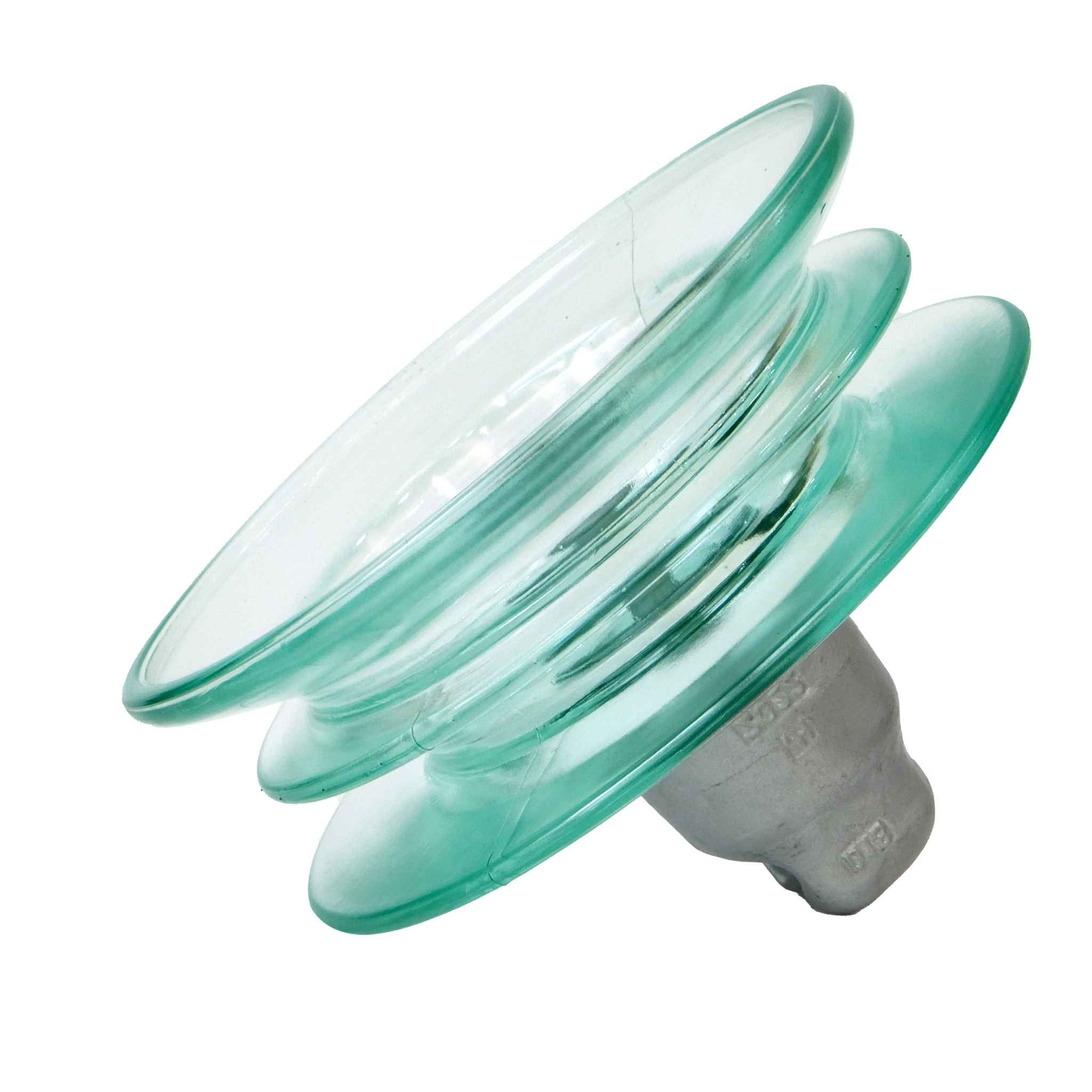
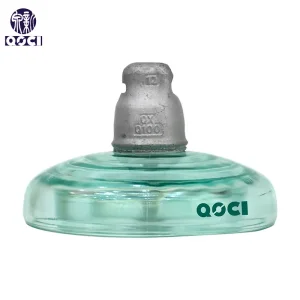
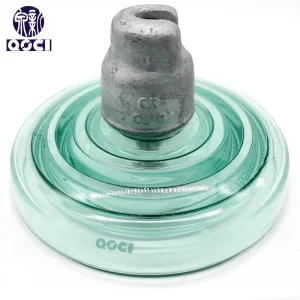
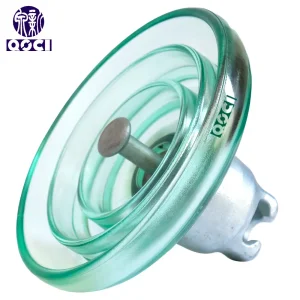
China Glass Isolator U210bma Manufacturer & Supplier

Premium Toughened Glass Suspension Insulators Engineered for Global Power Grids up to 1000kV UHV AC/DC Transmission Lines

Industrial Toughened Glass & Porcelain Insulators Portfolio

Explore our premium grade high-voltage insulator products engineered to withstand extreme mechanical tensile loads and electrical flashover stresses.

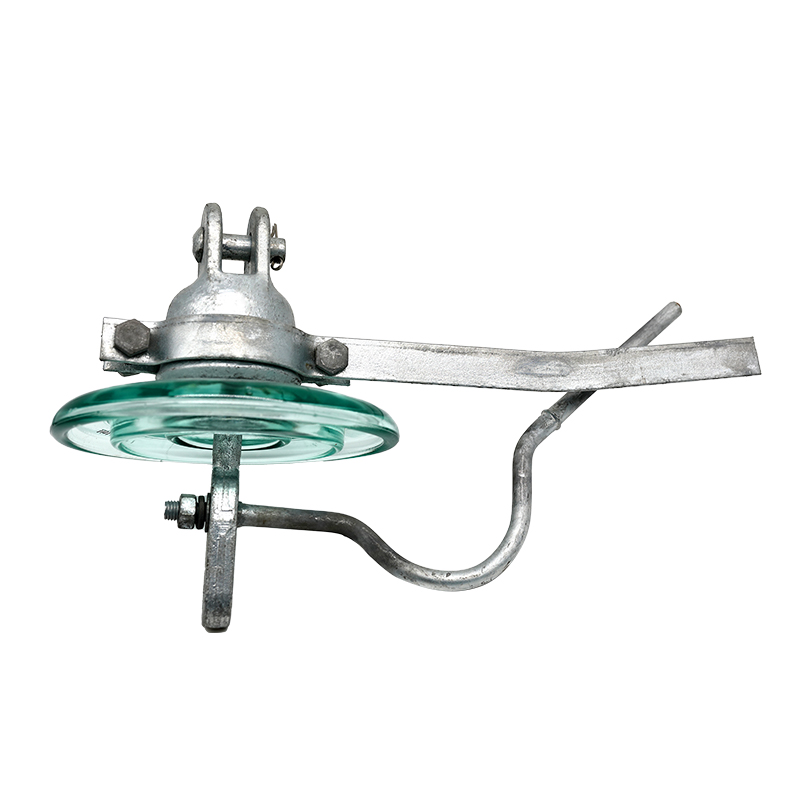
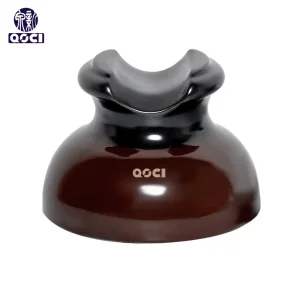
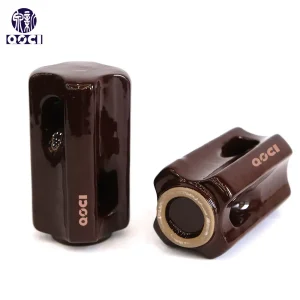
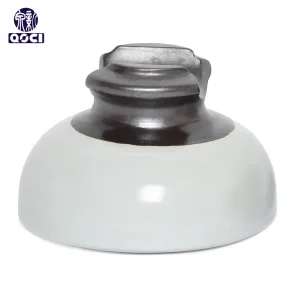
High-Quality ANSI 54-3 Porcelain Stay Insulators

High-Quality ANSI 54-3 Porcelain Stay Insulators

View Technical Specifications →
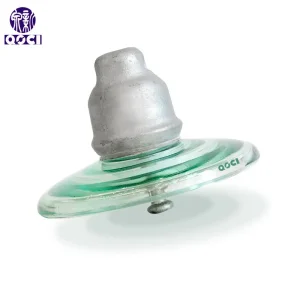
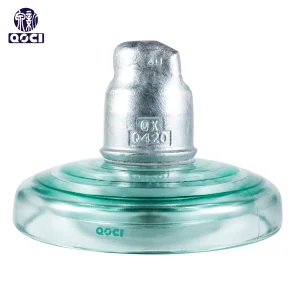
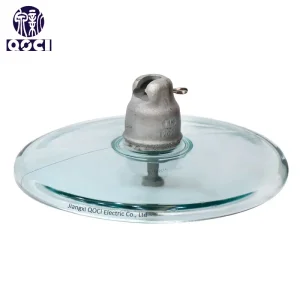
China U420B Glass Insulator

China U420B (205/360/550) Glass Insulator

View Technical Specifications →
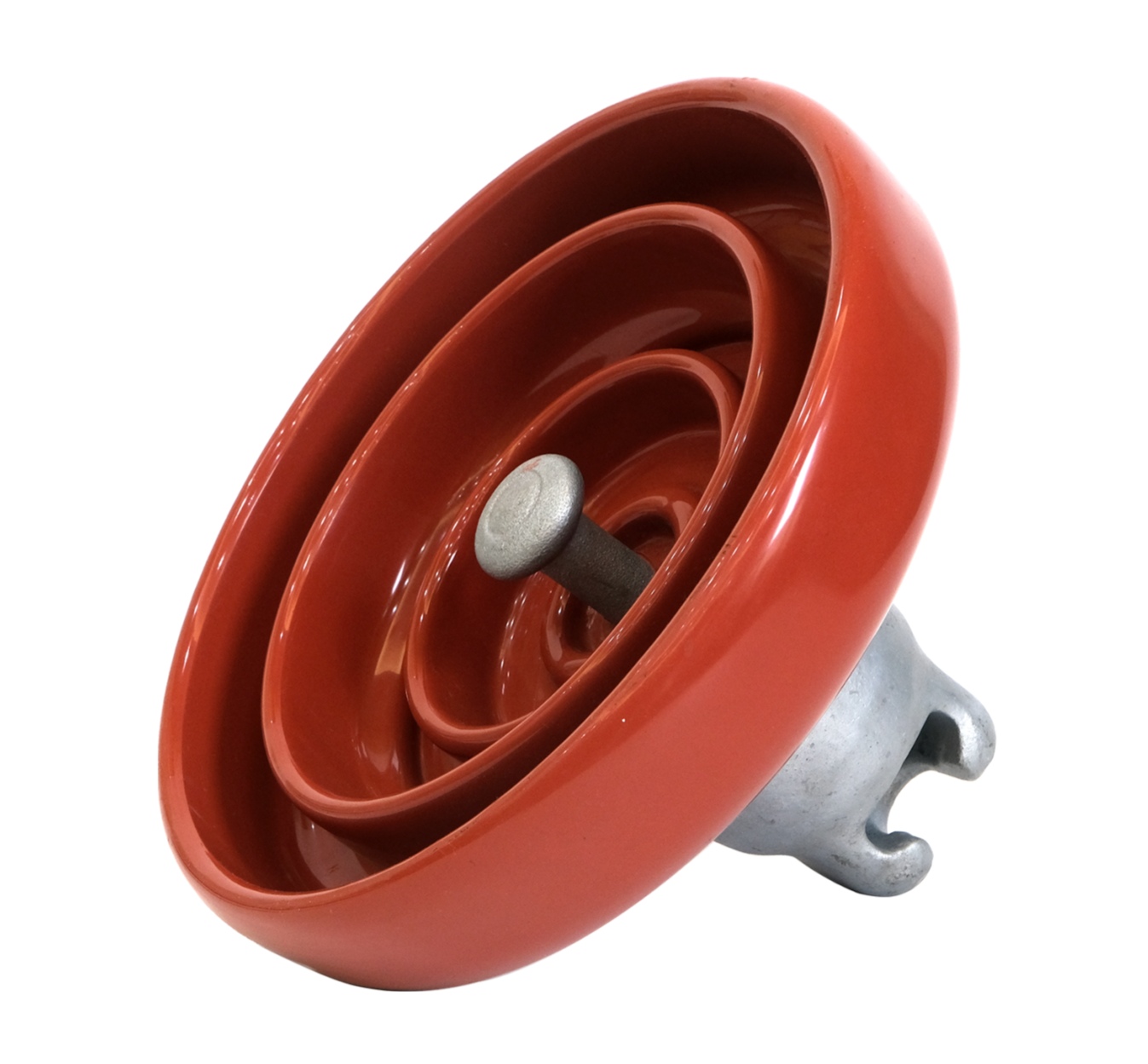
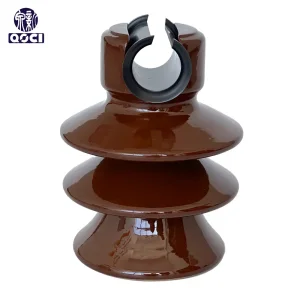
ANSI 55-6 Pin Type Porcelain Insulator

ANSI 55-6 Pin Type Porcelain Insulator

View Technical Specifications →
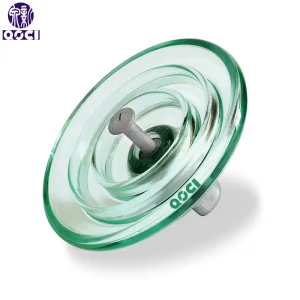
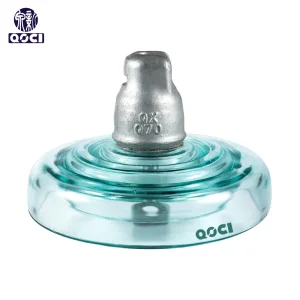
Wholesale U70BLP Anti-pollution Glass Insulator

Wholesale U70BLP (146/280/450) Anti-pollution Glass Insulator

View Technical Specifications →
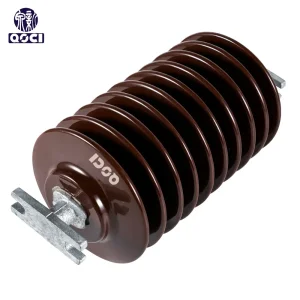
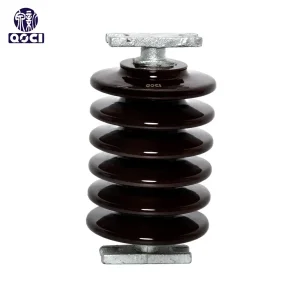
Wholesale P-70 Post Insulator

Wholesale P-70 (6 sheds) Post Insulator

View Technical Specifications →
China U100bla 70kN 220kv Open Air Aerodynamic Disc Glass Insulator

U100bla 70kN 220kv Aerodynamic Disc Glass Insulator

View Technical Specifications →
High-Quality 100kn Toughened Glass Insulator

100kn Toughened Glass Insulator Anti-Pollution

View Technical Specifications →
High-Quality 240kN U240B Standard Suspension Glass Disc Insulator

240kN U240B Standard Suspension Glass Disc Insulator

View Technical Specifications →

Global Industrial Landscape & The Importance of Glass Isolator U210bma

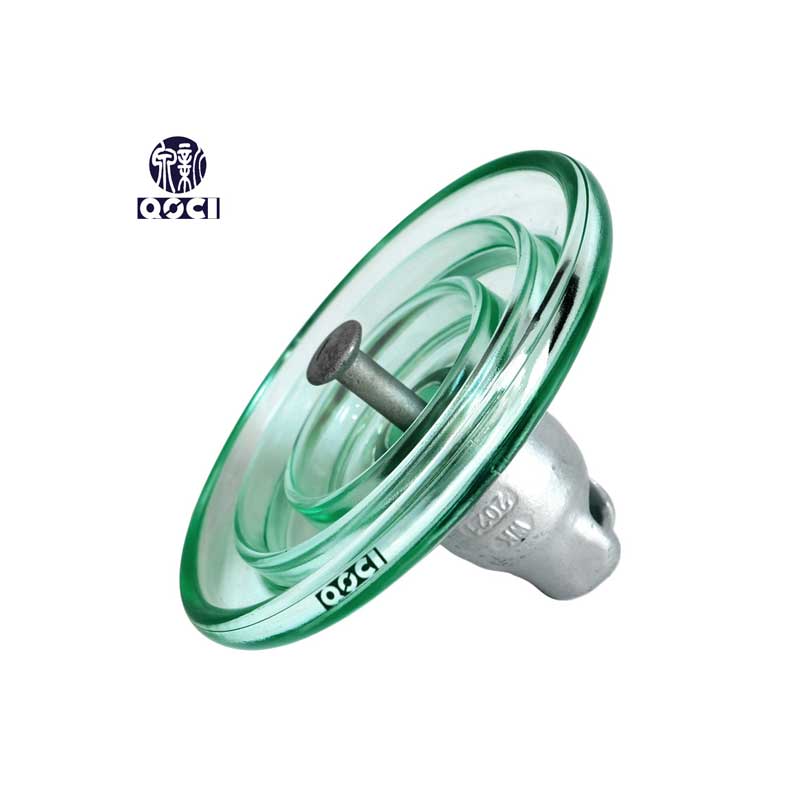
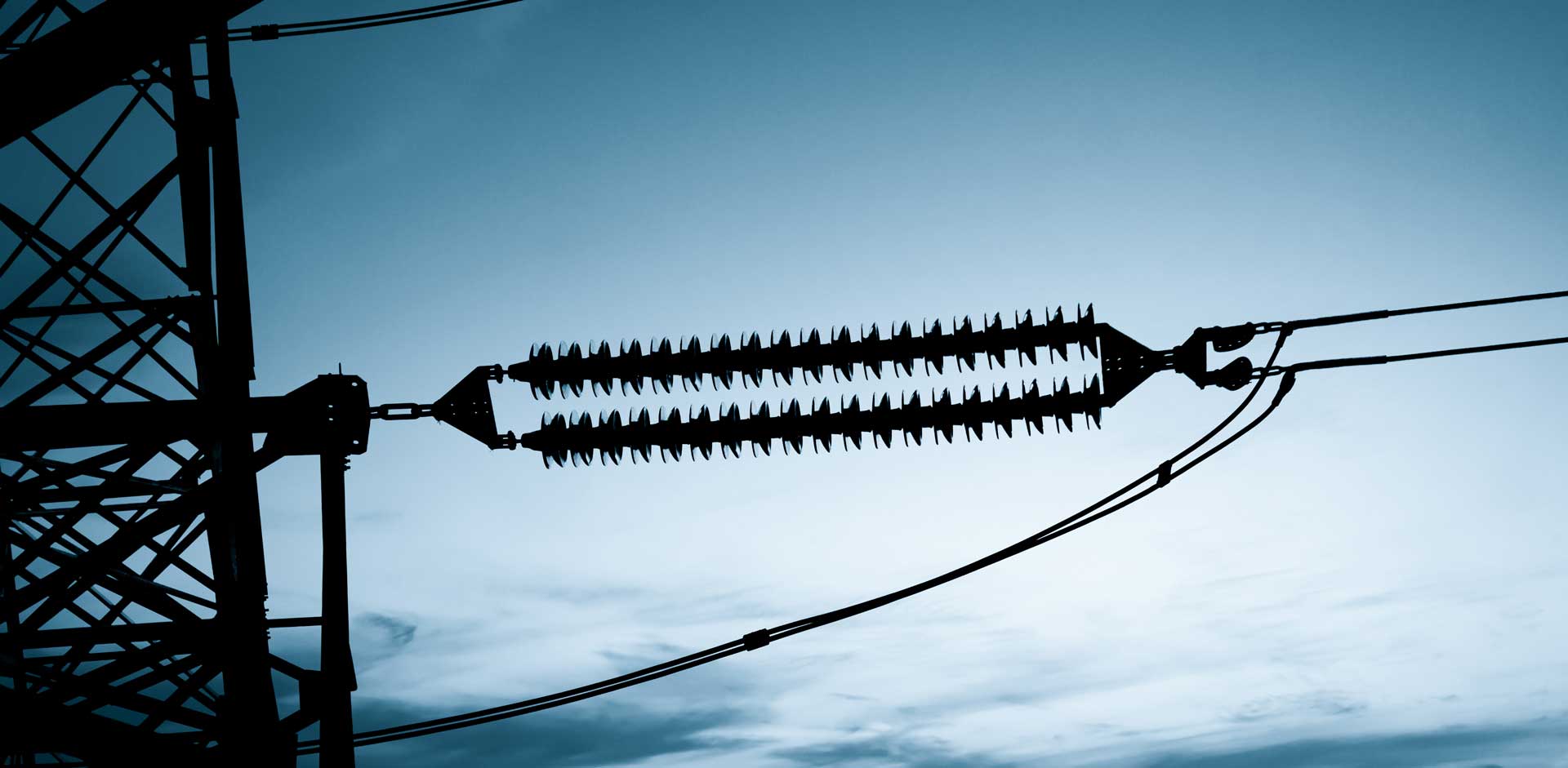
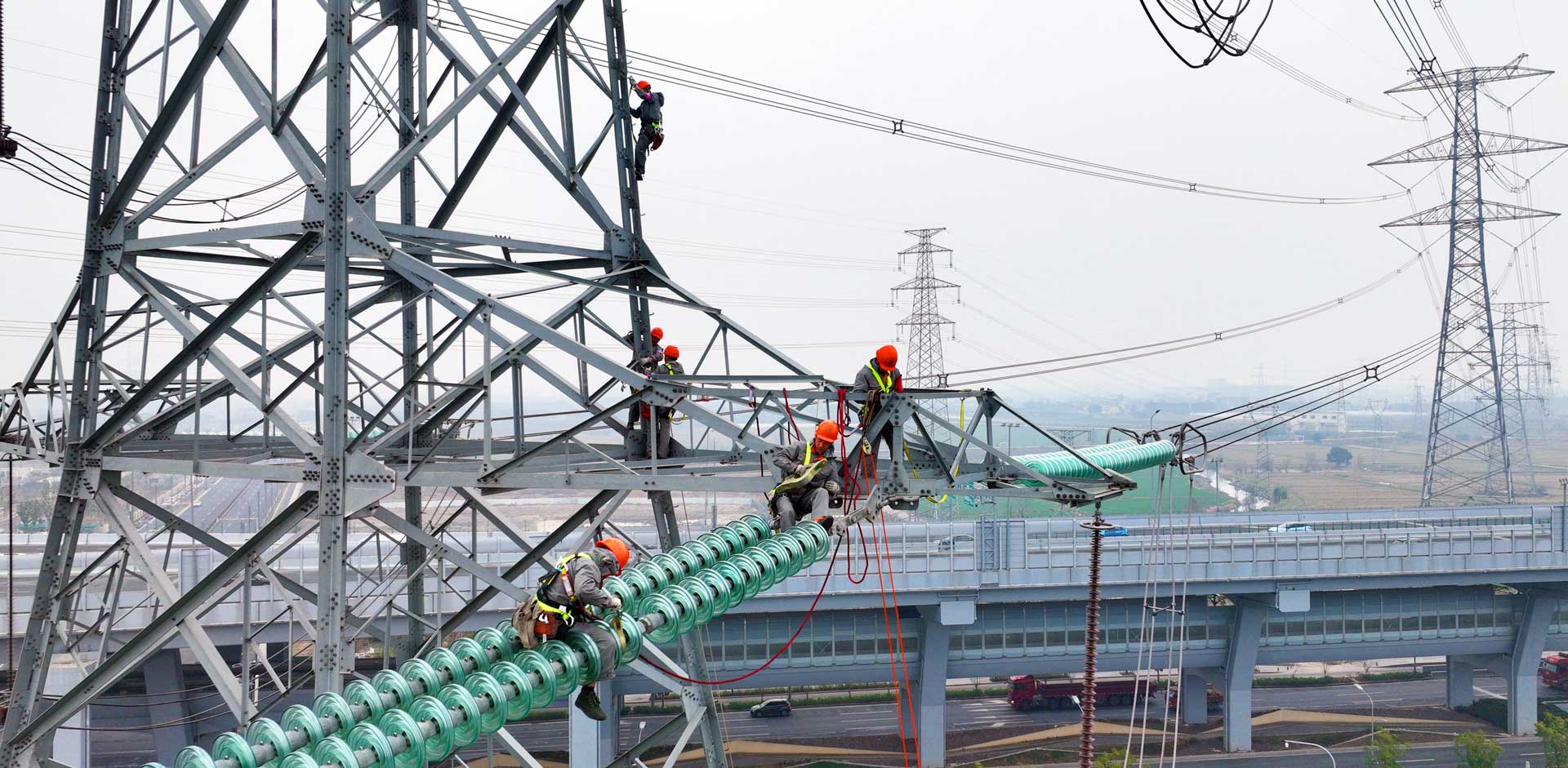
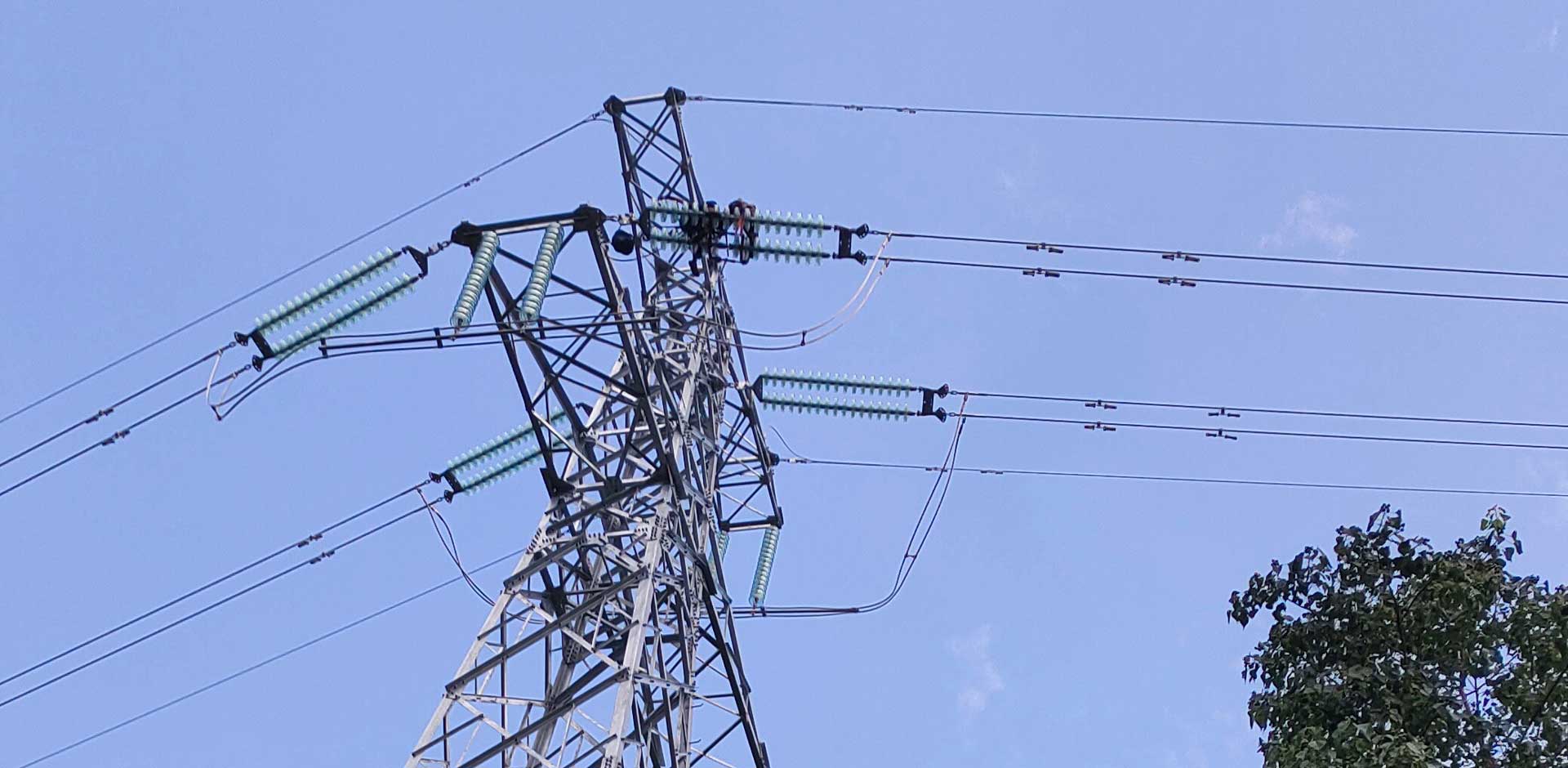
In the modern era of high-voltage transmission networks, clean energy integration, and cross-border power transmission, grid stability has emerged as a cornerstone of sustainable industrial infrastructure. As global utilities transition toward Extra-High Voltage (EHV) and Ultra-High Voltage (UHV) systems, the selection of robust, reliable, and zero-maintenance insulation technologies becomes critical. The Glass Isolator U210bma (specifically representing the 210kN mechanical class toughened glass disc suspension insulators) stands at the pinnacle of high-voltage dielectric design.

Worldwide electrical grid expansions require component installations that can comfortably withstand extreme environmental stress, mechanical tensile loads, and severe electrical potentials without deteriorating. Statistics from global power authorities show that insulator malfunctions contribute to over 50% of high-voltage transmission line outages. The U210bma series mitigates these risks, delivering outstanding dielectric strength, high mechanical security, and structural durability that synthetic polymers and porcelain variants struggle to match over decades of exposure.

Why the U210bma Glass Insulator is the Global Industry Benchmark

Unlike porcelain components, which are susceptible to internal micro-crack propagation that goes undetected under standard visual inspections, toughened glass insulators exhibit unique mechanical properties. If a glass insulator body suffers structural damage due to vandalism, lightning strikes, or mechanical overloading, it undergoes a controlled fracturing process. It shatters into tiny, non-sharp fragments, leaving a high-strength residual stub. This stub retains up to 80% of its mechanical tensile design strength, preventing transmission lines from falling to the ground.

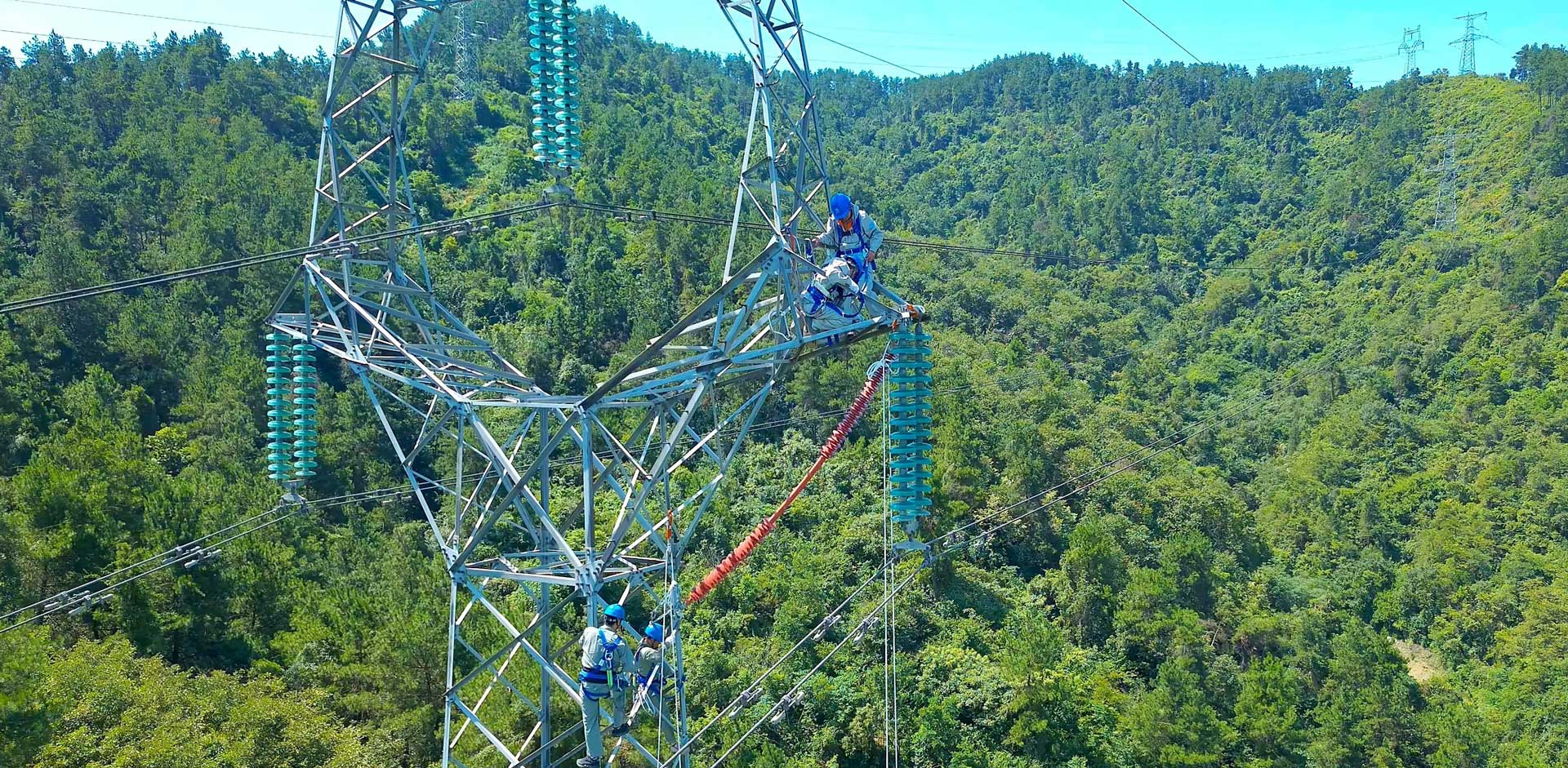
This "self-shattering" property is highly valued by grid operators worldwide. It eliminates the need for expensive, time-consuming diagnostic testing along thousands of kilometers of transmission towers. Operators can perform visual inspections using drones, helicopters, or ground personnel to identify shattered discs and schedule quick replacements, minimizing grid downtime.

Global Procurement Needs: What Grid Utility Engineers Seek

EPC contractors, state grid authorities, and industrial power system procurers evaluate several parameters when sourcing U210bma insulators:

  • Mechanical Failing Load: A certified rating of 210kN to support heavy conductor strings and withstand sudden wind, ice, or seismic loads.
  • Creepage Distance Optimization: Proper shed design matching regional environmental variables (such as salt spray, industrial soot, desert dust, or high humidity).
  • Compliance: Complete testing and manufacturing compliance with IEC 60305, IEC 60383, ANSI C29.2, and related international quality benchmarks.
508M¥
Registered Capital Invested in R&D and Manufacturing
70,000
State-of-the-Art Automated Production Base Area
39,000Tons
Annual Toughened Glass & Porcelain Insulator Output
26+
Invention & Utility Patents Driving High Voltage Innovation

China's Manufacturing Efficiency & Innovation Advantage

Analyzing how Jiangxi QOCI Electric Co. Ltd delivers world-class insulation products utilizing advanced thermal processes and cost-optimized supply chains.
As a leading Chinese designer and producer based in the Industrial Park of Luxi County, Pingxiang, Jiangxi Province—the historical capital of power insulation manufacturing—Jiangxi QOCI Electric Co. Ltd has established a world-class manufacturing blueprint. Through continuous investment, we have developed high-performance manufacturing lines that maintain strict quality standards while minimizing overhead costs.
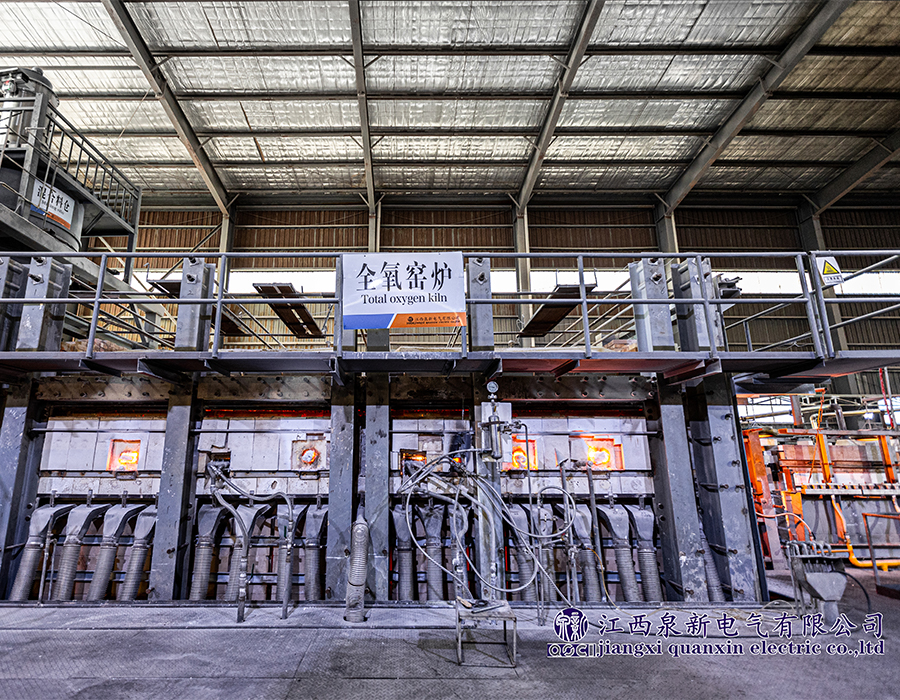
The Total Oxygen Kiln Technology

A key factor in the reliability of toughened glass insulators is the homogeneity of the glass melt. Standard gas or coal furnaces often suffer from localized temperature variations, which can introduce microscopic bubbles, cords, and stone inclusions into the glass body. When subjected to electrical and mechanical stress, these microscopic defects become points of failure, leading to electrical puncture.

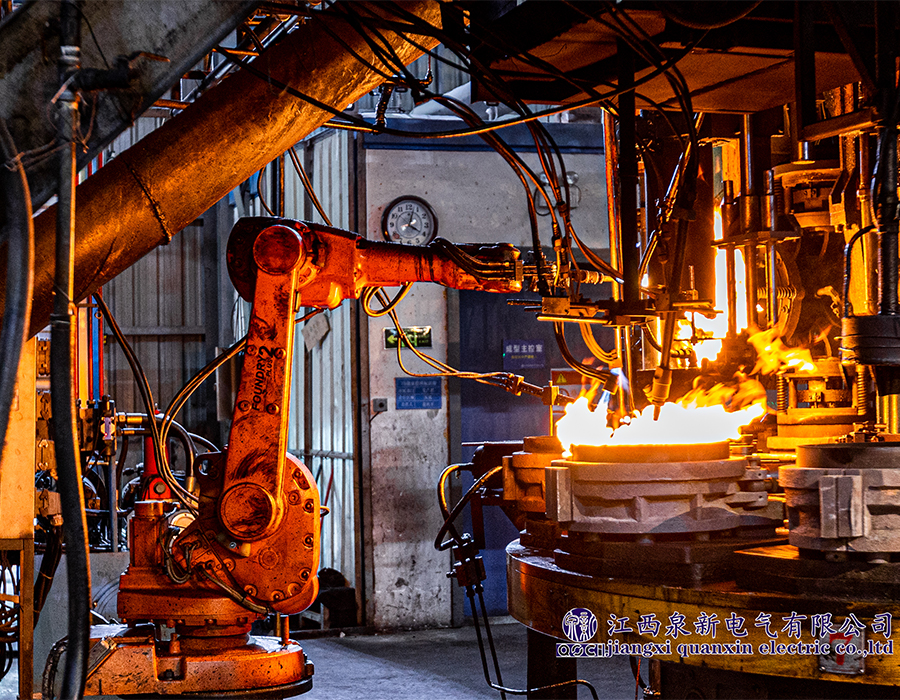
To prevent this, our production facility utilizes a Total Oxygen Kiln system. By using pure oxygen combustion, the kiln maintains a stable temperature profile. This removes microscopic gas inclusions and ensures the raw silica quartz melts uniformly, forming highly uniform glass. Consequently, each U210bma glass disc features excellent dielectric resistance and consistent mechanical strength.

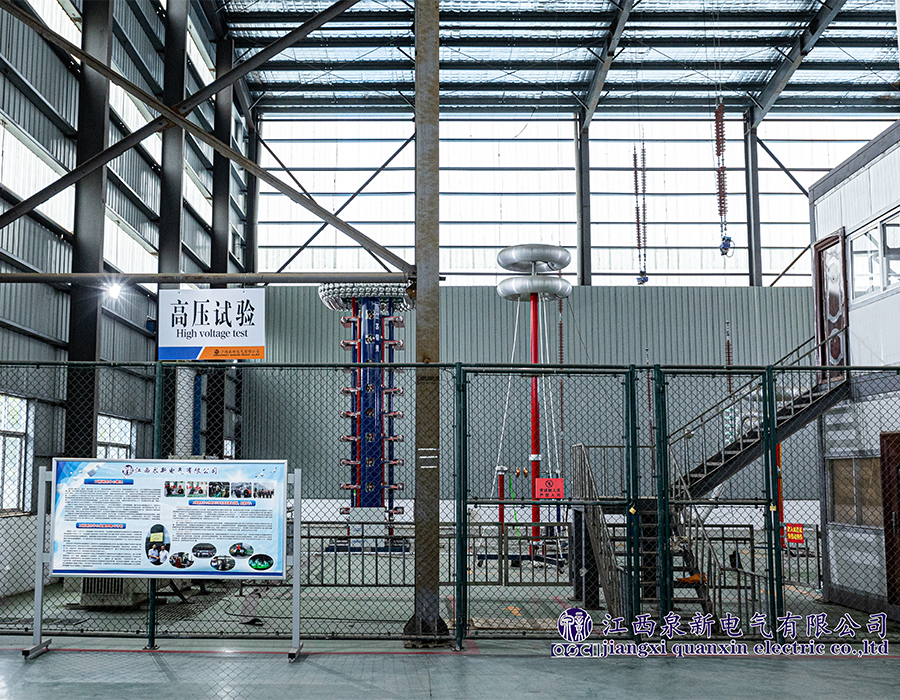
Robust Quality Control and High-Voltage Puncture Testing

Our Quality Assurance system subjects 100% of finished U210bma insulators to thermal shock testing, mechanical tensile testing, and high-voltage power-frequency testing. Every production batch undergoes strict quality gates, ensuring zero defect escapes. With 53 skilled engineering technicians and 26 utility patents, Jiangxi QOCI Electric produces high-strength glass and porcelain insulators that satisfy the demanding technical requirements of international grid projects.

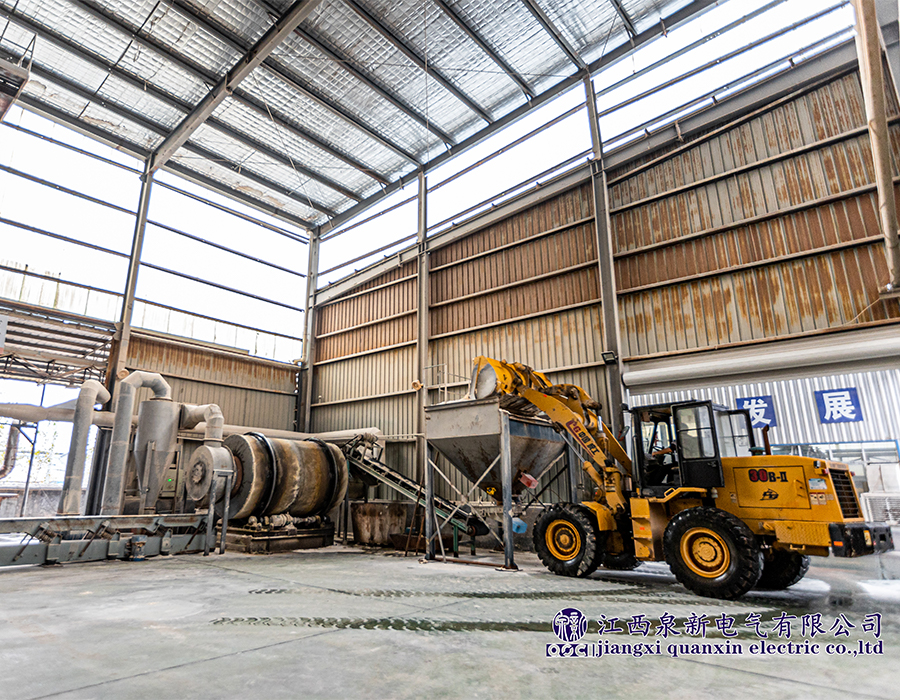
Automated Forming Press Equipment

Automated Forming Press

High Accuracy Raw Material Mixer

High-Accuracy Raw Material Mixer

High Voltage electrical testing facility

High-Voltage Electrical Test Facility

Total Oxygen Kiln System

Total Oxygen Clean Kiln

7 Toughened Glass Insulator Profiles for Diverse Environmental Applications

Our engineered profiles are optimized for specific climatic challenges, ensuring high reliability across global high-voltage grids.

Standard Profile Glass Insulator

1. Standard Profile Insulators

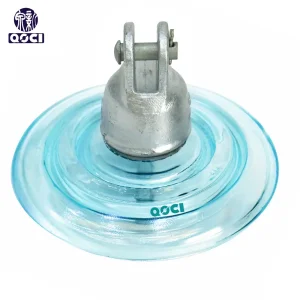
Features a leakage distance that exceeds the minimum standards specified in IEC 60305. The insulating body is designed with shallow, well-spaced ribs that promote natural self-cleaning via wind and rain, making it ideal for mild environmental conditions.

Anti-fog Profile Glass Insulator

2. Anti-Fog / Anti-Pollution Profile

Characterized by deep, widely spaced under-ribs that prevent electrical bridging between adjacent sections. Boasting a high leakage distance-to-spacing ratio of approximately 3.2, it is highly suited for coastal lines exposed to salt fog and industrial soot.

Open Profile Glass Insulator

3. Open Profile (Desert Application)

Designed without under-ribs to minimize the accumulation of dry windborne deposits, such as sand and dust, on the lower surface. Ideal for arid climates and desert grids, it also prevents ice bridging in cold regions when alternated with standard profiles.

External Shed Profile Glass Insulator

4. External Shed Profile

Features two large external ribs without internal ribs to reduce pollution accumulation. The smooth design allows wind to clean the surface naturally and simplifies manual maintenance. This profile delivers pollution resistance similar to anti-fog profiles, making it suitable for heavy industrial areas.

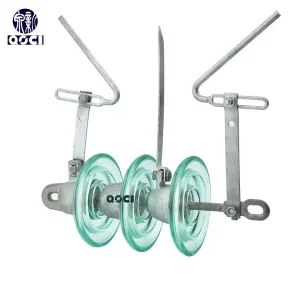
Triple-Shed Type Glass Insulator

5. Triple-Shed Profile

An innovative configuration featuring three separate umbrella discs on the insulation body. This open design provides a long creepage path and excellent self-cleaning, ensuring stable electrical performance in harsh environments like UHV lines and humid coastal zones.

Ground-wires Profile Glass Insulator

6. Ground-Wire Profile

Includes dedicated fittings to connect the grounding wire directly, helping to safely redirect lightning strikes away from the conductors. The smooth glass surface sheds dirt and contaminants easily, maintaining stable grounded operation.

Silicone-coated Glass Insulators (RTV)

7. Room Temperature Vulcanized (RTV) Silicone Coated Glass Insulators

Combines the mechanical durability of toughened glass with the hydrophobic properties of composite polymers. RTV silicone coating minimizes leakage currents and dry-band arcing, providing a maintenance-free solution that eliminates the need for regular insulator washing in coastal areas with severe salinity and industrial pollution.

Target Grid Applications & Geographic Adaptability Scenarios

Our insulation solutions perform reliably across diverse environmental conditions, including desert, marine, sub-zero alpine, and humid industrial regions.

Geographic Adaptability Scenarios

Geographic Adaptability

Power Systems and Special Environments

EHV / UHV AC & DC Power Systems

Grid Functional Requirements

Functional Power Grid Requirements

Special Industry Applications

Special Industrial Installations

Engineered for Challenging Grid Environments

Modern electrical grids operate in environments ranging from extreme sub-zero mountain ranges to humid, salty coastal corridors. Standard insulation systems often require complex maintenance to prevent flashovers and mechanical failures under these conditions. The U210bma glass insulator family is engineered to provide high reliability across these diverse settings:

  • Coastal & Marine Regions: High-salinity salt fog accelerates corrosion on caps and pins while promoting leakage currents. Our anti-fog and RTV-coated profiles prevent dry-band formation and flashovers, while the zinc-sleeve design on the steel pins limits galvanic corrosion.
  • Desert & Arid Environments: In regions with frequent sandstorms, standard ribs can trap particulate dust, creating conductive pathways. Our open-profile insulators remain clean through aerodynamic wind action, ensuring long-term insulation performance.
  • Industrial & Chemical Zones: Areas exposed to industrial emissions benefit from our RTV-coated and triple-shed profiles. The hydro-phobic silicone surface limits pollution accumulation, reducing maintenance overheads.

U210bma Insulator Technical Specifications & Standard Reference

Key parameters and dimensional designs of the 210kN Class toughened glass suspension insulators.

Insulator Type & Parameters Standard Type (U210B) Anti-Pollution Type (U210BLP) Double/Triple Shed (U210BP)
Mechanical Failing Load (Tensile) 210 kN 210 kN 210 kN
Nominal Spacing (Height) 170 mm / 155 mm 170 mm 195 mm
Disc Nominal Diameter 280 mm / 300 mm 320 mm 380 mm
Nominal Creepage Distance 380 mm / 450 mm 550 mm 670 mm
Power Frequency Wet Withstand Voltage 45 kV 50 kV 55 kV
Lightning Impulse Withstand Voltage 110 kV 120 kV 130 kV
Coupling Connection Standard (IEC 60120) 20 mm Socket / Ball 20 mm Socket / Ball 20 mm Socket / Ball

Technical FAQ: Toughened Glass Suspension Insulators

Addressing common queries from power system engineers, EPC buyers, and global grid operators.

Q1: What does the technical designation "U210bma" signify?
The designation follows standard high-voltage component conventions: "U" stands for suspension-type insulation; "210" represents the minimum rated mechanical failing load of 210 kilonewtons (kN); "B" denotes the cap-and-pin design configuration; "m" indicates a medium-profile or modified creepage path; and "a" specifies a ball-and-socket coupling connection compliant with IEC standards (typically 20mm diameter).
Q2: Why are toughened glass insulators preferred over porcelain for UHV lines?
Toughened glass provides superior thermal stability, high tensile resistance, and a reliable failure mode. Unlike porcelain, which can develop internal cracks that require ultrasonic detection, damaged glass shells shatter immediately while leaving the mechanical core intact. This makes visual inspections from helicopters or drones simple and cost-effective.
Q3: How does the Total Oxygen Kiln process improve glass insulator quality?
Standard air-combustion kilns can introduce temperature variations that lead to cord and stone inclusions in the glass. The Total Oxygen Kiln uses pure oxygen combustion to maintain a stable temperature profile. This removes microscopic gas bubbles and ensures the raw material melts uniformly, improving the glass's electrical and mechanical reliability.
Q4: What is the operational benefit of RTV silicone-coated glass insulators?
RTV (Room Temperature Vulcanizing) silicone coatings provide a hydrophobic surface on the glass. This coating keeps moisture from forming continuous water films, preventing leakage currents and flashovers in saline coastal or heavily polluted industrial areas. This limits maintenance costs by reducing the need for regular washing.
Q5: Can U210bma glass insulators withstand seismic events and mechanical shocks?
Yes. The tempering process puts the outer glass shell under deep compressive stress, which provides high resistance to thermal shock, mechanical impact, and vibration. This makes them highly suited for areas prone to high winds, ice accumulation, and earthquakes.
Q6: How do you prevent galvanic corrosion on the pins of glass insulators?
We cast a high-purity zinc sleeve around the steel pin's contact point with the cement. The zinc sleeve acts as a sacrificial anode, corroding first to protect the steel pin from galvanic oxidation, which extends the insulator's service life in damp or salty environments.
Q7: How do desert-type open profiles prevent dry dust accumulation?
The open-profile design lacks under-ribs, leaving a smooth lower surface. This prevents dust and sand from collecting underneath the disc. Aerodynamic wind currents naturally clean the surface, minimizing the risk of dry-sand pollution buildup.
Q8: What international testing standards do QOCI glass insulators meet?
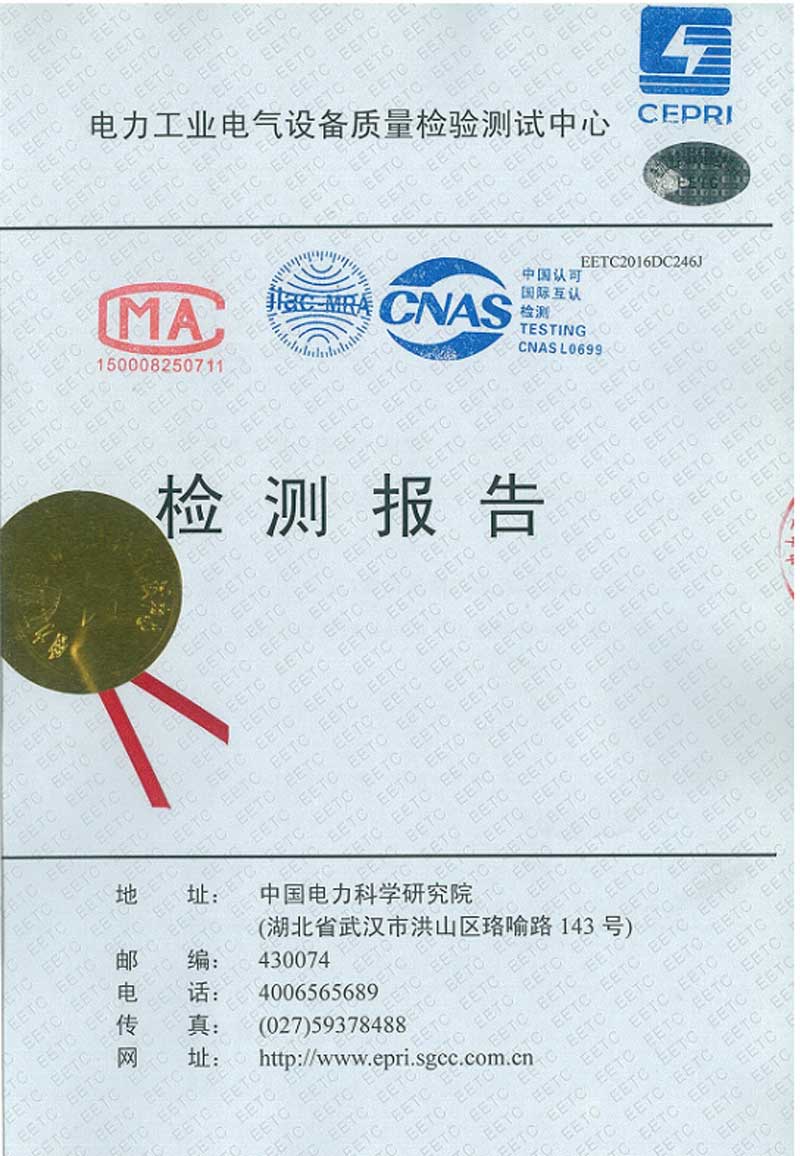
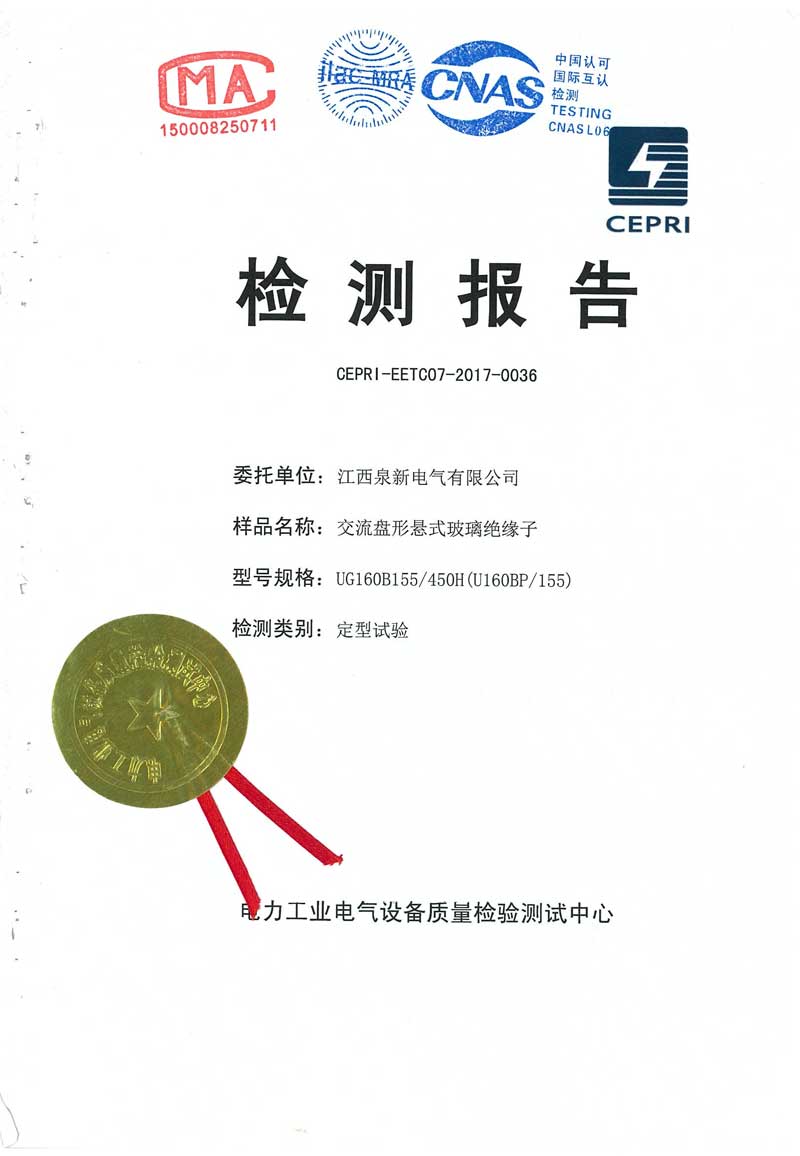
Our products are designed and certified to comply with IEC 60305, IEC 60383, IEC 60815, ANSI C29.2, BS 137, and GB/T 7253. We test our insulators in independent, internationally recognized high-voltage laboratories to verify compliance.

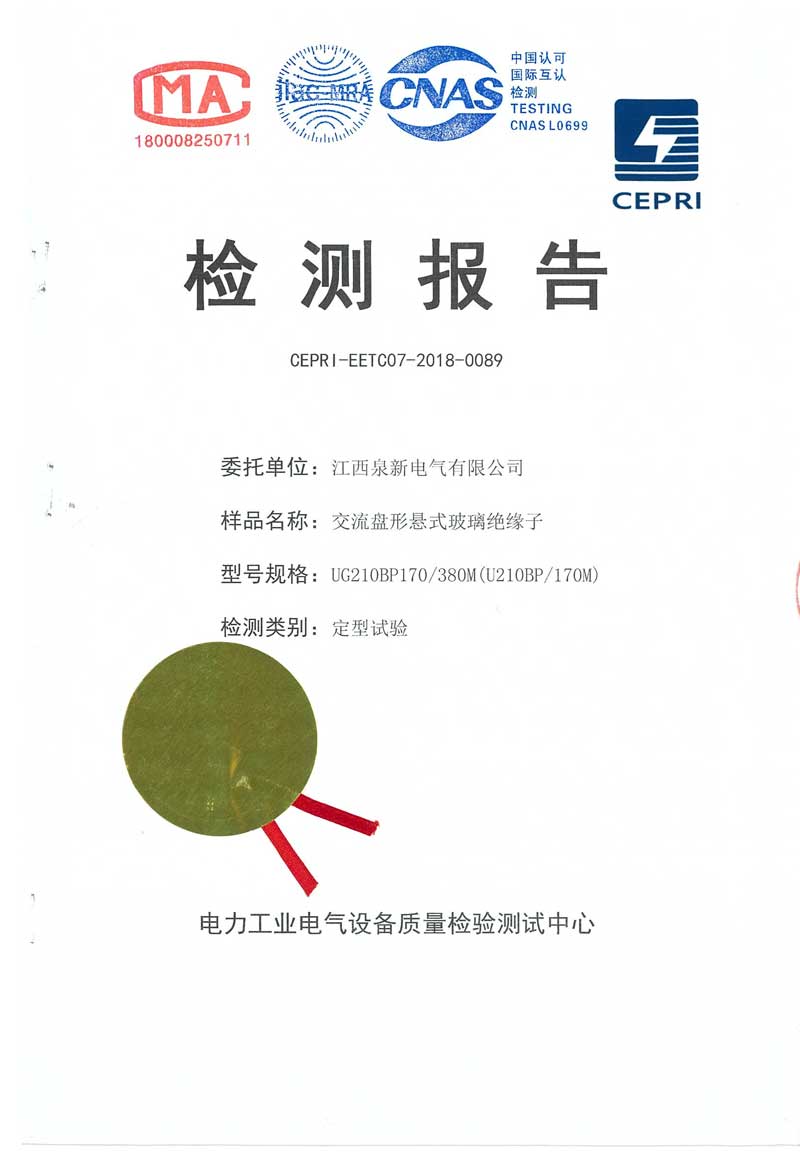
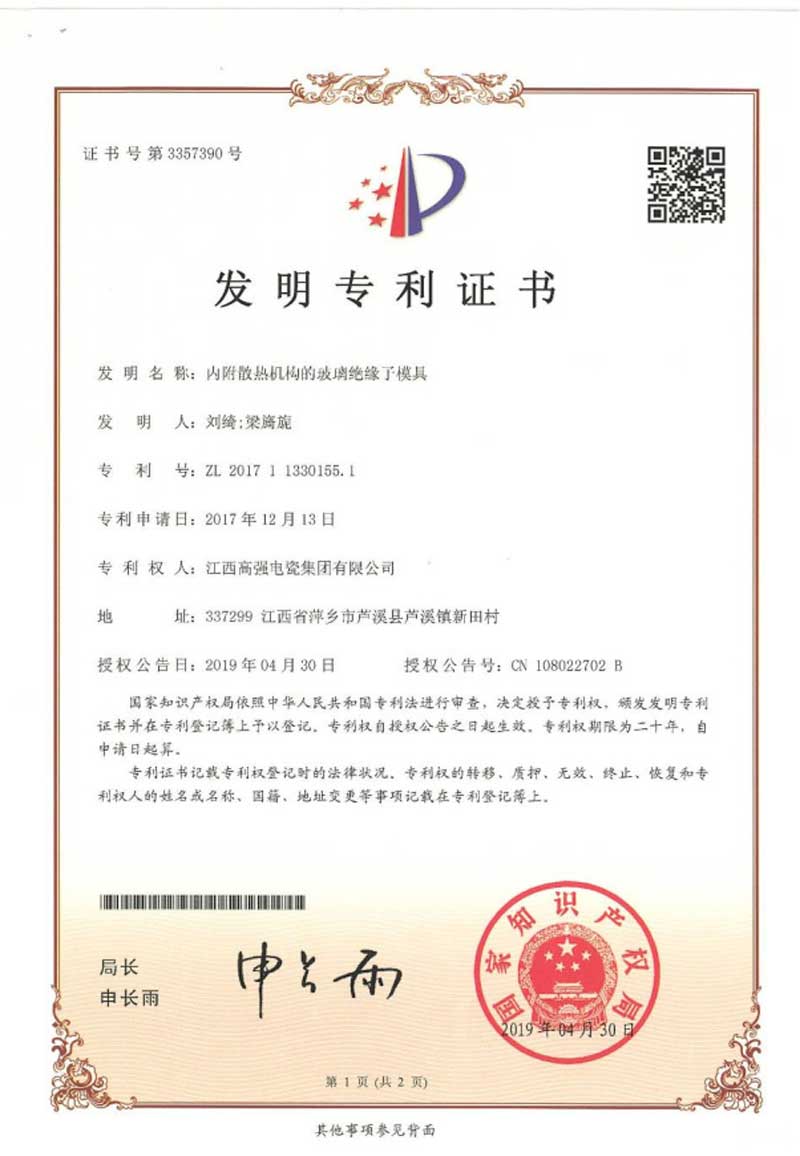
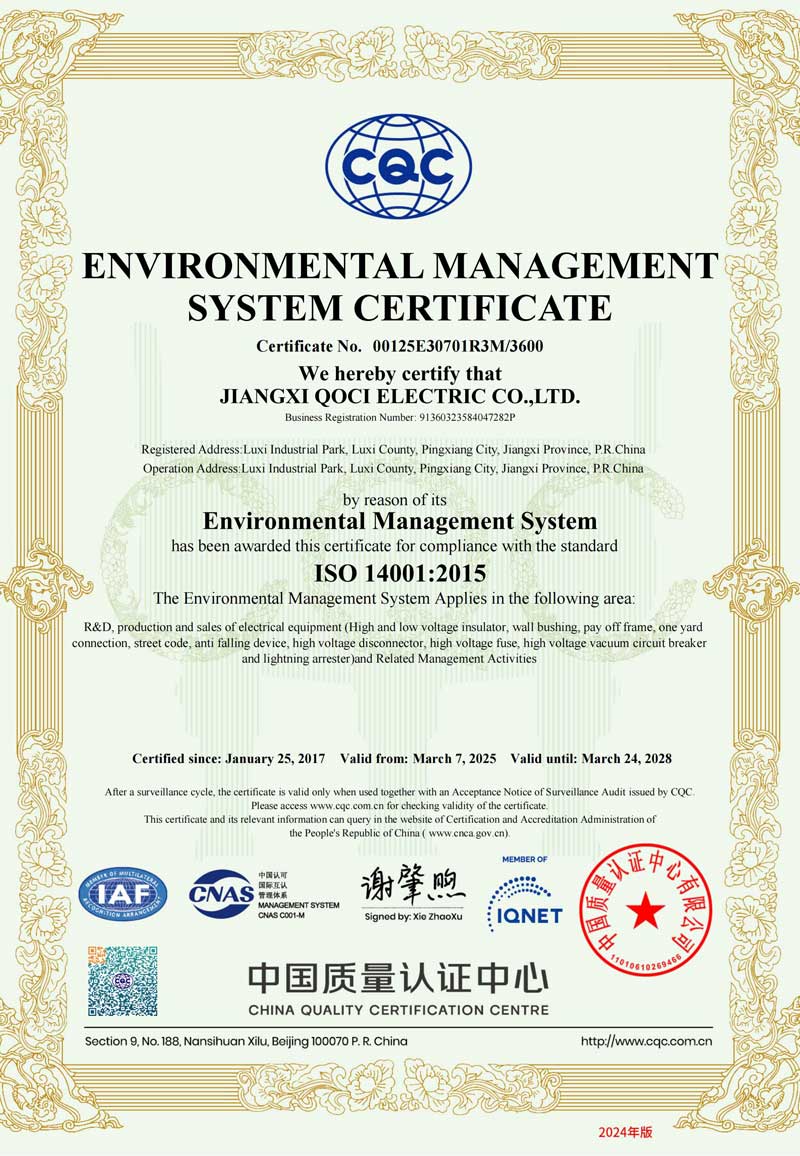
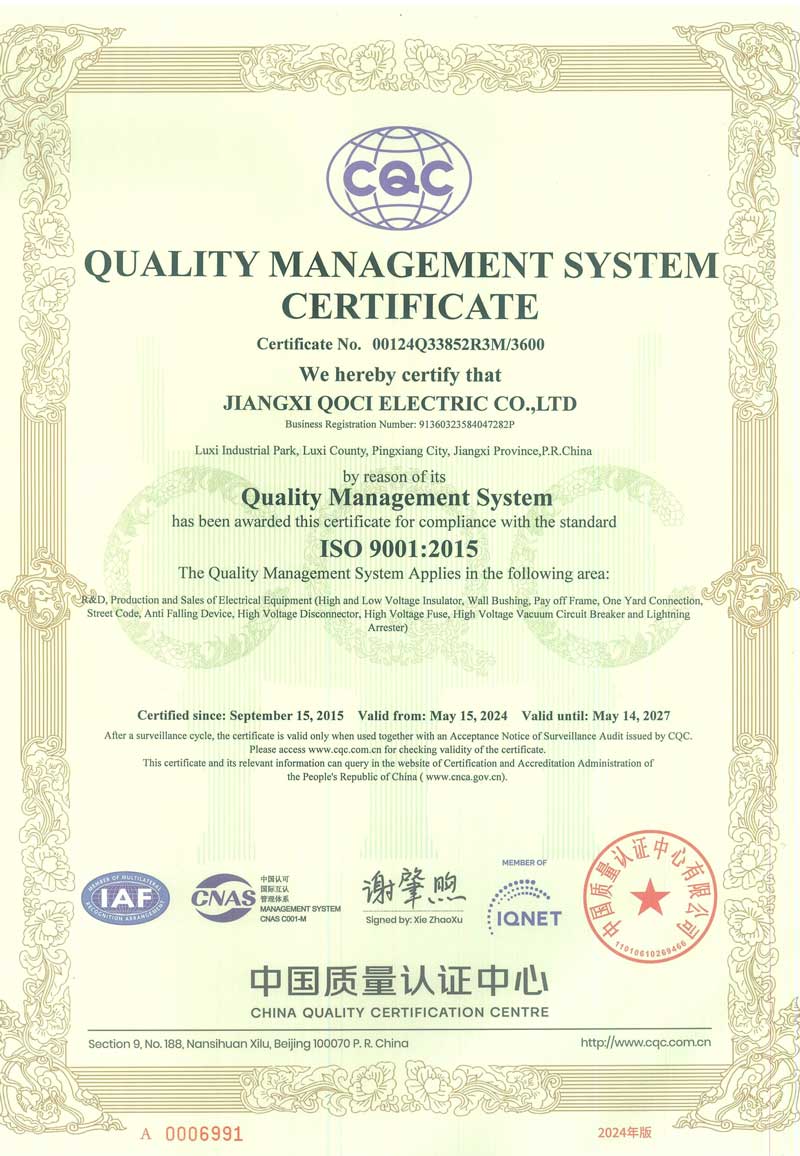
Certified High-Voltage Safety: Testing & Quality Accreditations

QOCI Electric meets strict quality standards, certified by international testing laboratories and verified by global utility partners.

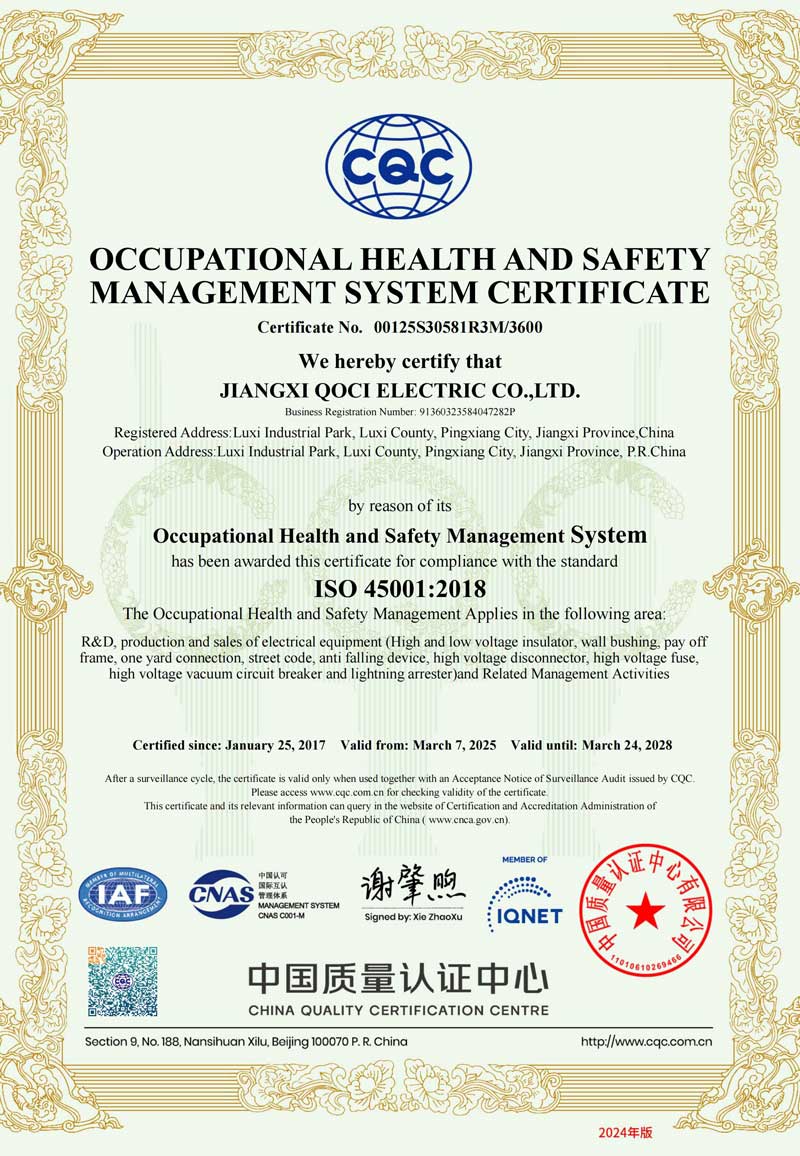
ISO Certification 1
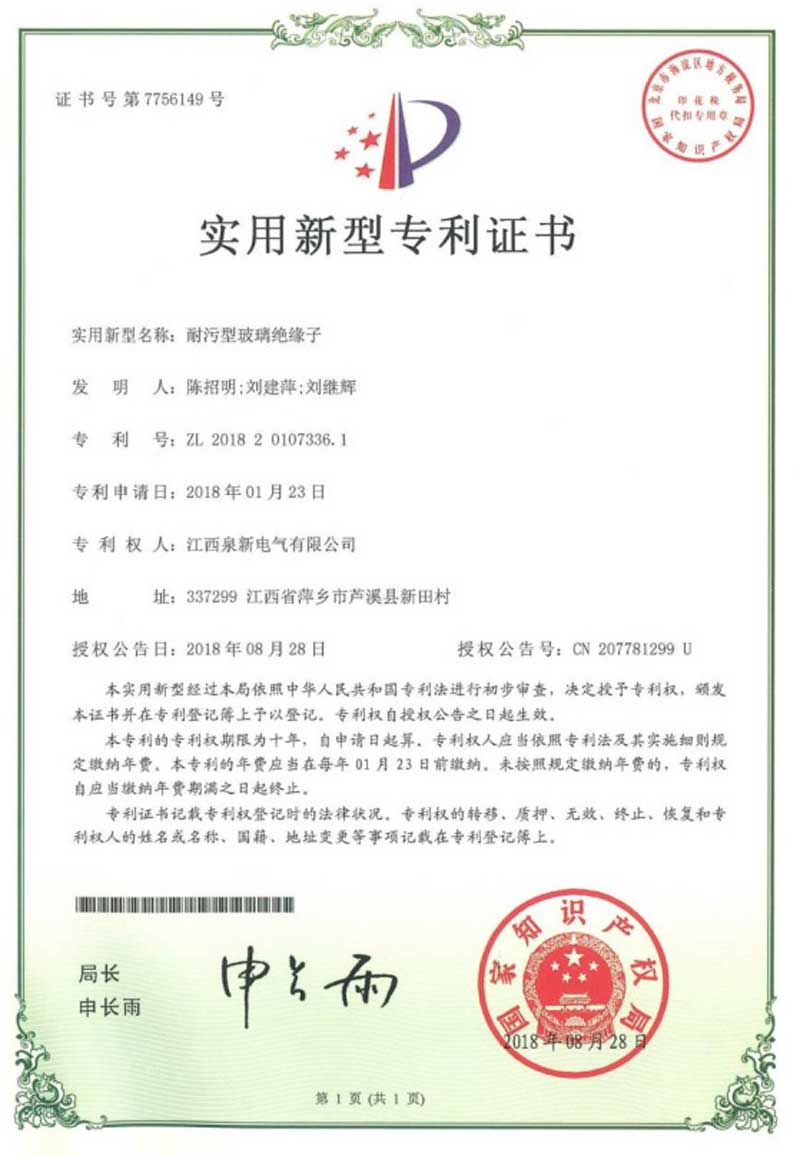
Quality Certificate 2
IEC Test Report 3
Test Document 4
Industrial Standard Approval 5
System Certificate 6
Safety Standard Certificate 7
High Voltage Test Document 8

Trusted by Global Energy Partners

Utility Partner Logo 1 Utility Partner Logo 2 Utility Partner Logo 3 Utility Partner Logo 4 Utility Partner Logo 5 Utility Partner Logo 6 Utility Partner Logo 7

QOCI Electric: News & Global Grid Industry Press Releases

Follow our global industry presence, technical exhibitions, and updates on energy transmission technologies.

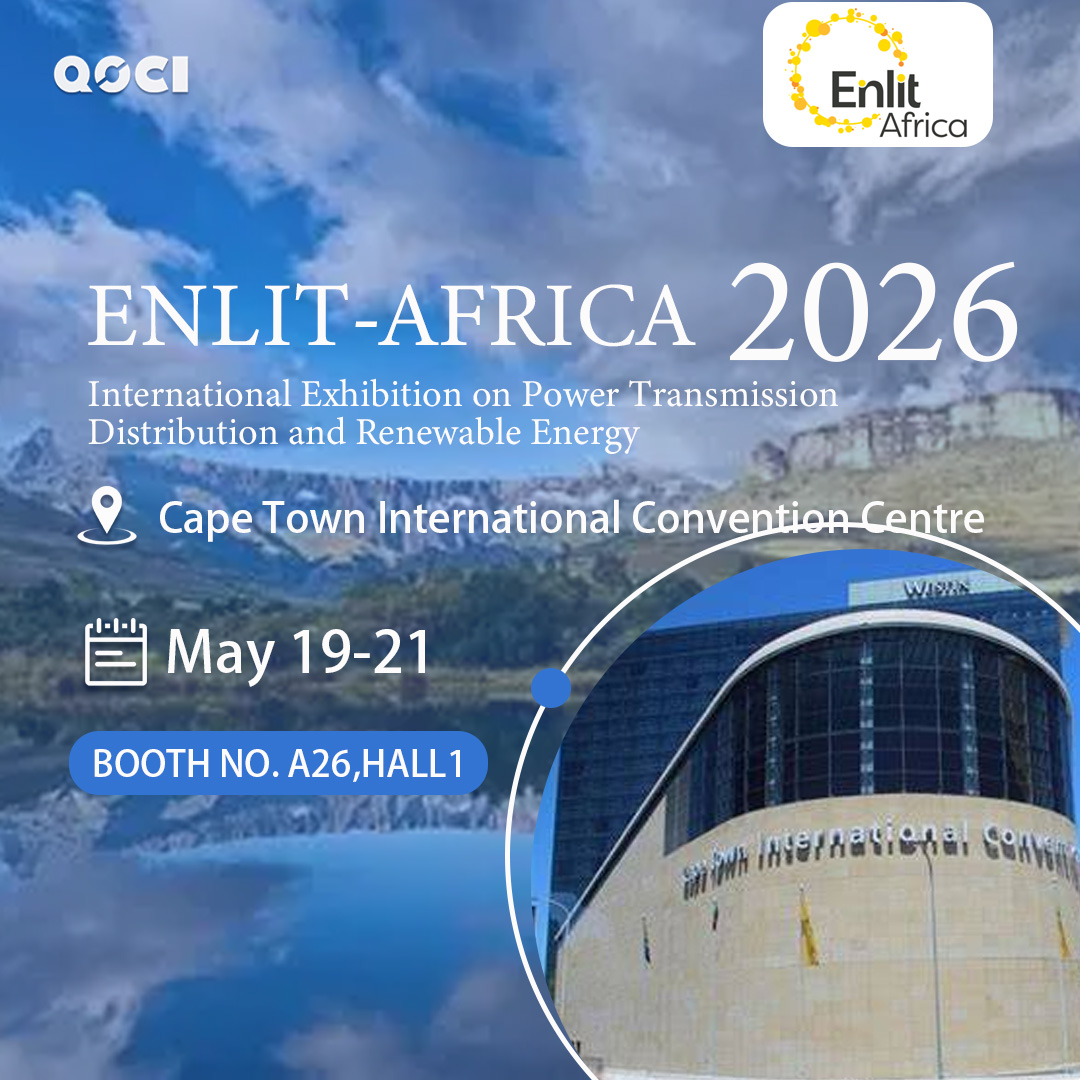
QOCI at Enlit Africa Exhibition

QOCI Electric to Attend Enlit Africa

As the global energy transition gains pace, we are showcasing our glass insulation solutions at Enlit Africa to support grid expansions across the continent.

May 2026
May 10, 2026

China's Insulator Technology: A Mature Portfolio

With decades of deployment in areas prone to icing, seismic activity, and industrial pollution, China's insulator technology is verified to support reliable power transmission.

Read Full Release →
April 22, 2026

QOCI at the IEEE PES T&D Conference

Jiangxi QOCI Electric Co. Ltd recently shared its latest advancements in UHV toughened glass insulation at the IEEE PES T&D Conference, engaging with engineers and developers.

Read Full Release →
December 30, 2025

QOCI Attends the 11th Iraq Energy Exhibition

We officially confirmed our participation in the Iraq Energy Exhibition, showcasing custom insulation solutions designed for grid development in the Middle East.

Read Full Release →

Additional Insulator Models & Specifications

Browse our complete catalog of suspension glass, porcelain post, and pin type insulators designed for diverse overhead utility line applications.

High-Quality SHF-20G1 Pin Insulator

High-Quality SHF-20G1 Pin Insulator Manufacturer

View Technical Specifications →
China ANSI 55-4 Porcelain Insulator

China ANSI 55-4 Porcelain Pin Type Insulator

View Technical Specifications →
Wholesale U40BL Tempered Glass Insulator

Wholesale U40BL 40kn Suspension Tempered Glass Insulator

View Technical Specifications →
China 70kn High Voltage Glass Insulator

China 70kn High Voltage Glass Insulator CTV 254 U70BL

View Technical Specifications →
High-Quality Tempered glass insulators CTV254

High-Quality Tempered Glass Insulators CTV254 Axis 14 & 16

View Technical Specifications →
High-Quality P-13 Disconnecting Switch Insulator

High-Quality P-13 Disconnecting Switch Post Insulator

View Technical Specifications →
Wholesale Glass Insulator Supplier U70C

Wholesale U70C 146/255/320 Glass Insulator Supplier

View Technical Specifications →
High Voltage Disc Glass Suspension Insulator

160kN U160BL Disc Glass Suspension Insulator

View Technical Specifications →