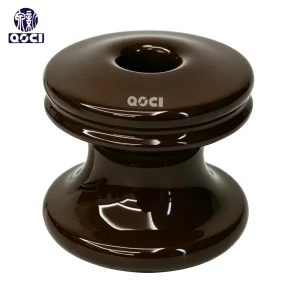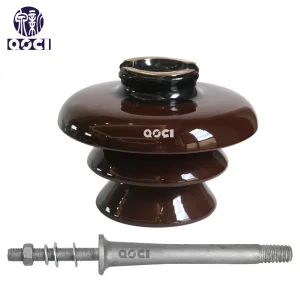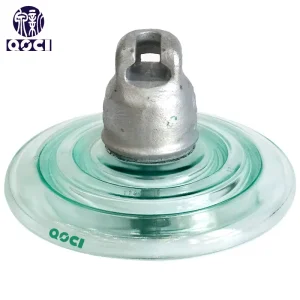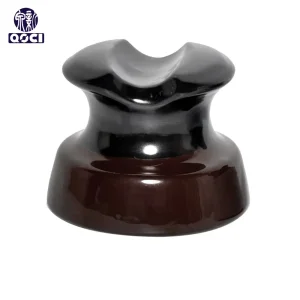
In the era of the Global Energy Interconnection (GEI), high-voltage transmission has become the backbone of modern civilization. As global power demand shifts toward renewable sources located in remote regions, the necessity for reliable, high-strength insulation has never been greater. China's high voltage ceramic and glass insulator manufacturers have emerged as global leaders, combining traditional craftsmanship with Industry 4.0 automation to deliver components that withstand the world's harshest environments—from salt-corroded coastlines to high-altitude seismic zones.
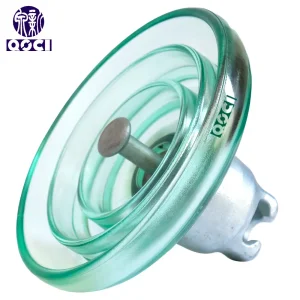
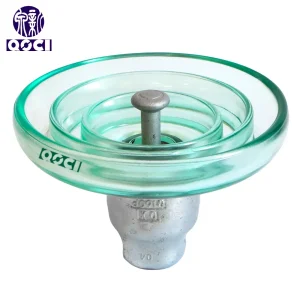
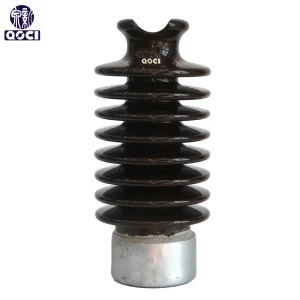
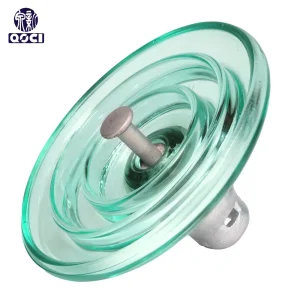
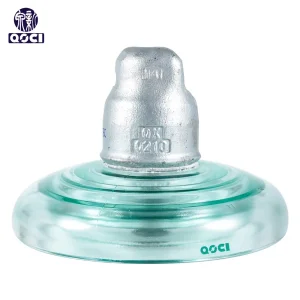
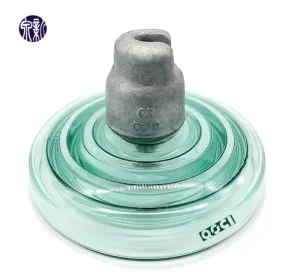
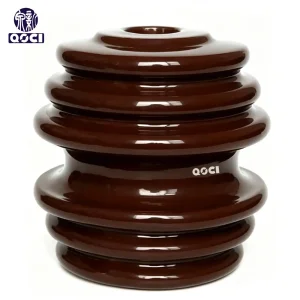
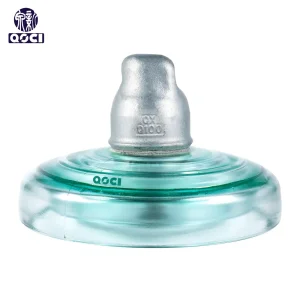
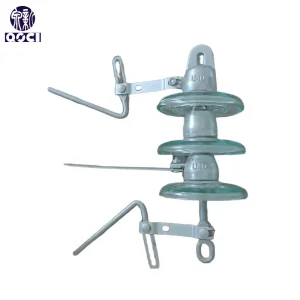
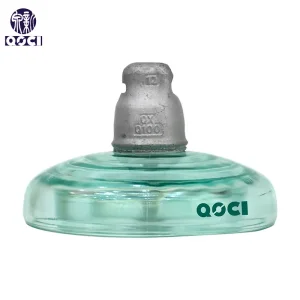
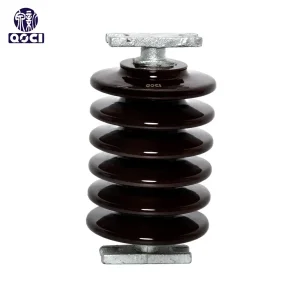
The choice between ceramic (porcelain) and toughened glass insulators is dictated by the specific technical roadmap of the transmission project. Porcelain insulators, with over 150 years of heritage, offer exceptional resistance to chemical erosion and thermal stability. However, the industry is increasingly leaning towards toughened glass for HV and UHV lines due to its superior mechanical consistency and "fail-safe" properties.
Glass insulators offer 20-30% higher residual strength than porcelain after damage, ensuring the string remains intact during extreme weather events.
Ceramic units are prone to "hidden defects" like micro-cracks. Toughened glass does not age electrically, maintaining performance for over 40 years.
RTV silicone coatings on glass combine the mechanical strength of inorganic materials with the hydrophobicity of polymers.
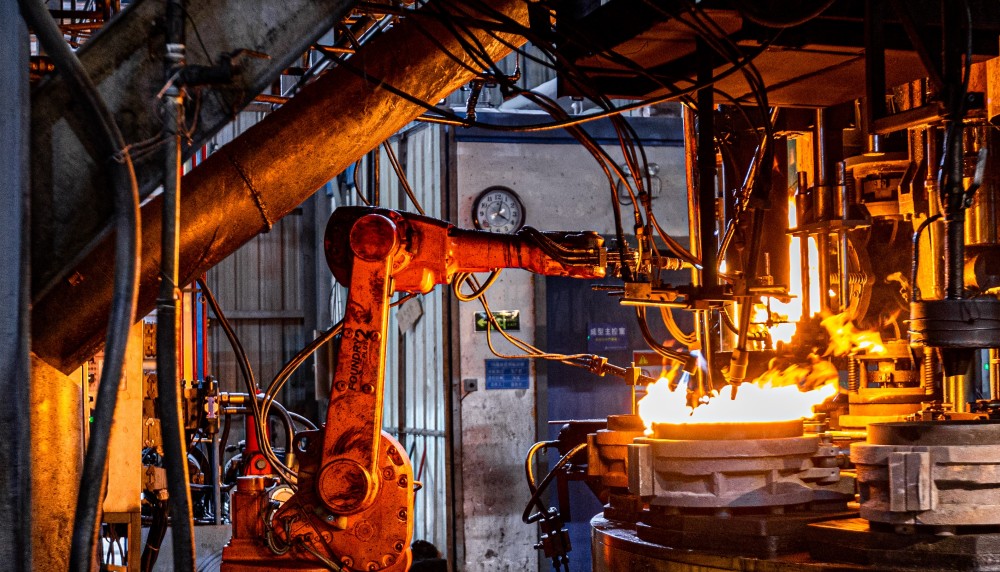
Founded in 2002, Jiangxi QOCI Electric Co. Ltd represents the pinnacle of Chinese insulator manufacturing. With a registered capital of 508 million Yuan and an expansive 70,000 m² facility in the Industrial Park of Luxi County, we have transitioned from a local supplier to a global powerhouse. Our factory integrates automated forming presses, total oxygen kilns, and high-voltage laboratories to ensure every unit meets IEC and ANSI benchmarks.
Our commitment to "Innovation, Quality, and Service" is backed by 26+ patents and a team of 53+ senior engineering technicians dedicated to solving complex grid challenges.
Tailored engineering for diverse environmental challenges
Utilizing anti-fog profiles and extended leakage distances to prevent flashovers in high-salinity maritime environments.
Optimized aerodynamic designs for Ultra-High Voltage lines (up to 1100kV) to mitigate corona discharge and ice bridging.
Providing essential grounding and suspension components for solar and wind farm substations connecting to the main grid.
Characterized by leakage distances higher than IEC 60305 requirements. Shallow, well-spaced ribs facilitate natural self-cleaning via wind and rain.
Featuring long, widely-spaced under-ribs to prevent arc bridging. Ideal for coastal areas with a leakage distance/spacing ratio of approximately 3.2.
Designed without under-ribs and with extended disc diameters to prevent the accumulation of sand and dust in arid desert environments.
Room Temperature Vulcanization (RTV) coatings improve hydrophobicity, minimizing leaking currents and maintenance costs in heavily polluted zones.
Key for UHV projects, providing three layers of umbrella discs for superior pollution flashover resistance and stable electrical performance.
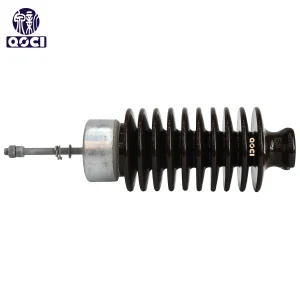
Ensures reliable grounding through internal/external metal accessories, guiding lightning current safely to protect equipment.
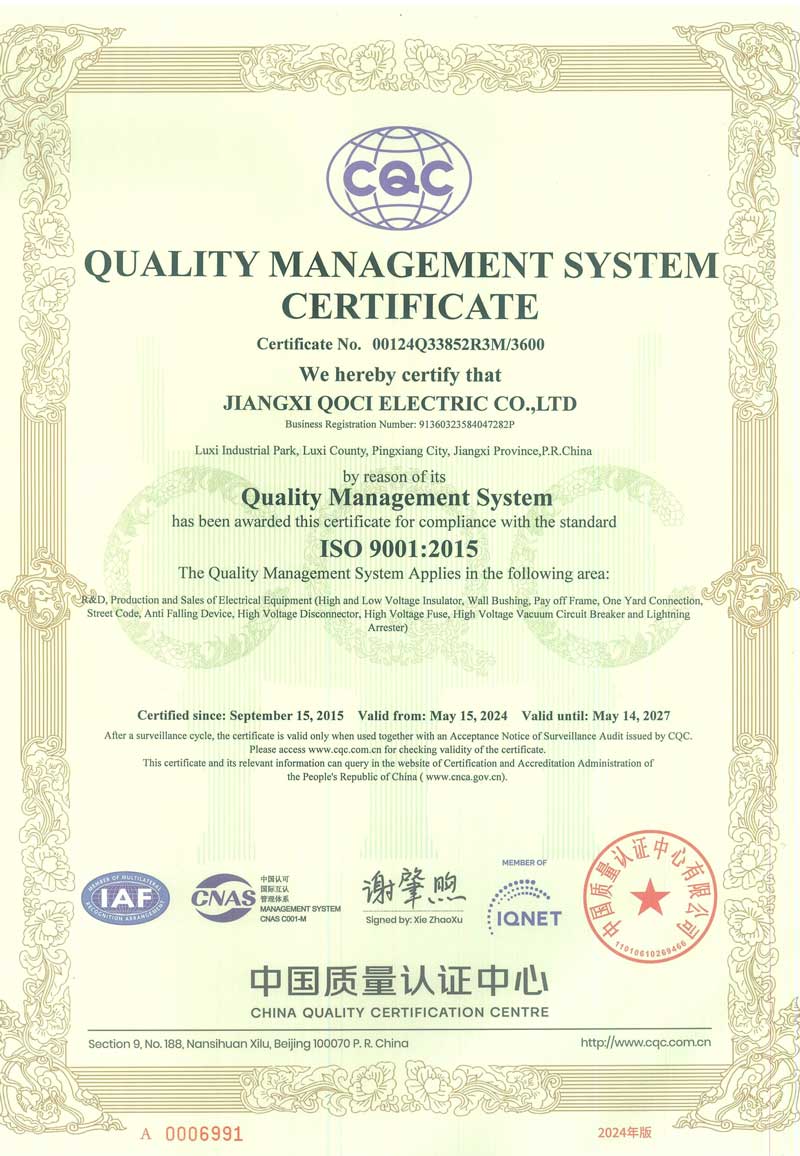
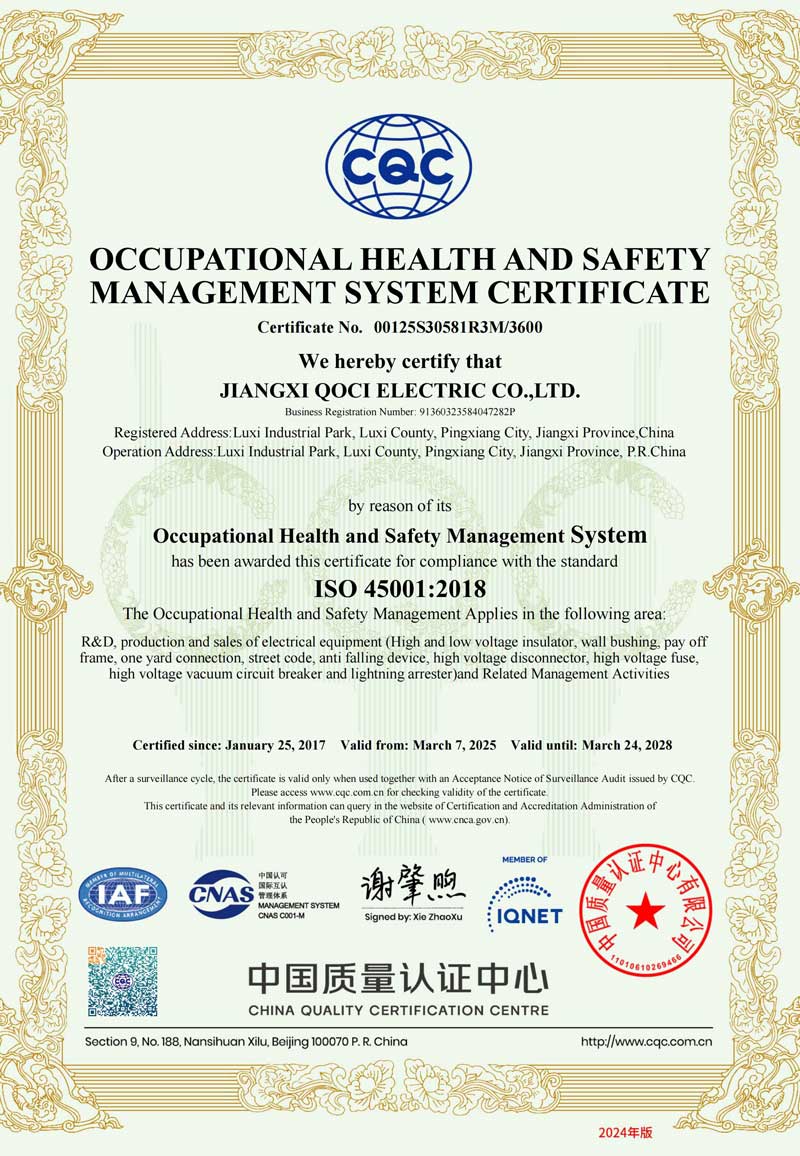
Procuring from China is no longer just about cost; it’s about global interoperability. At QOCI Electric, our manufacturing processes are strictly aligned with international standards including IEC 60305, ANSI C29.2, and AS standards. Our quality management system is ISO 9001 certified, ensuring that every batch of ceramic and glass insulators undergoes rigorous testing.
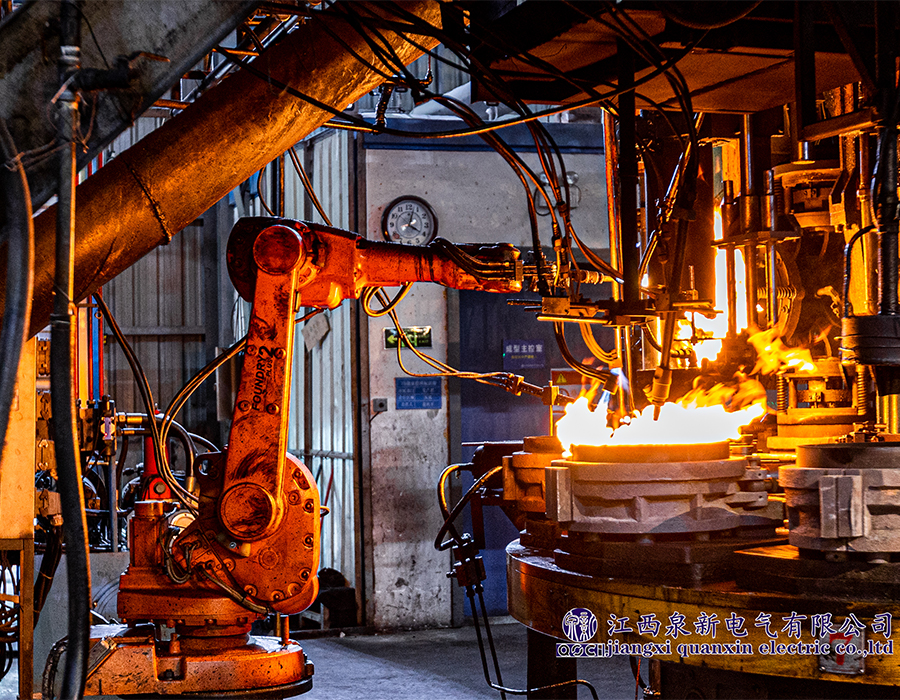
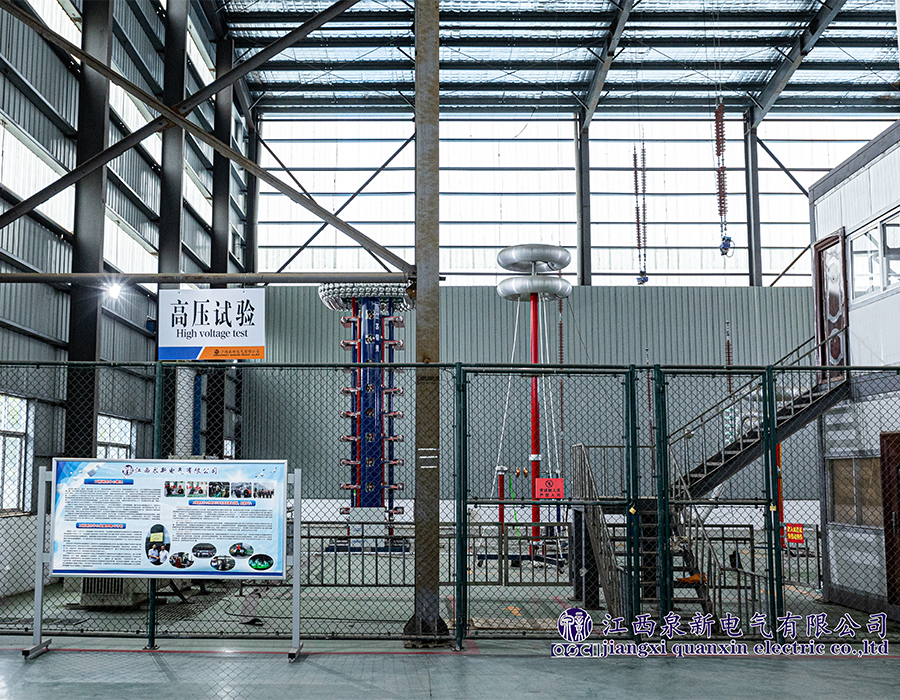
Our facility houses advanced Forming Presses, Mixers, and Total Oxygen Kilns to maintain the highest purity of ceramic and glass melt, essential for zero-defect insulation.
As the global energy transition accelerates, we are showcasing our latest renewable energy insulation solutions in Cape Town.
Having withstood extreme environmental conditions including icing, high altitude, and earthquakes, China’s insulator industry leads the world in UHV applications.
Join our team at the powerhouse of power delivery technology to discuss the future of grid resilience.