Explore our top-tier suspension glass, post, and pin insulators engineered to sustain high mechanical loads and withstand extreme environmental contamination.
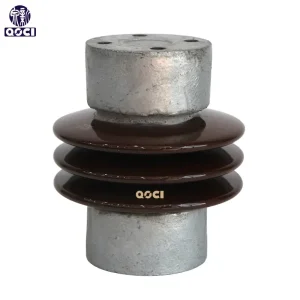
High-Quality TR-202 Porcelain Line Post Insulator for Thailand Manufacturer, Factory
View Technical Details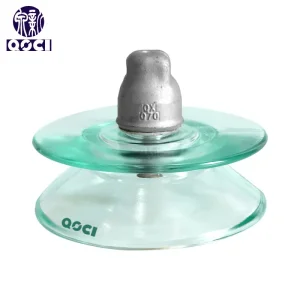
China Two-Winged Fog Type Glass Suspension Insulators Psd 70 E Type Manufacturer, Factories
View Technical Details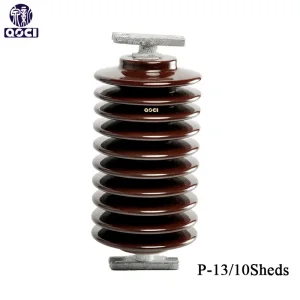
Wholesale 10 sheds Post Insulator P13 Supplier, Suppliers
View Technical Details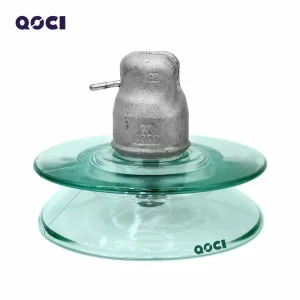
China U300BD High Voltage Cap and Pin Type Anti-Fog Glass Isolator Toughened Double Shed Glass Electric Insulator Manufacturer, Suppliers
View Technical Details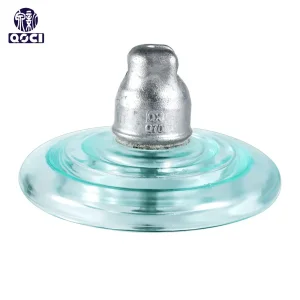
Wholesale U70BL 146/255/320 Glass Insulator Suppliers, Factories
View Technical Details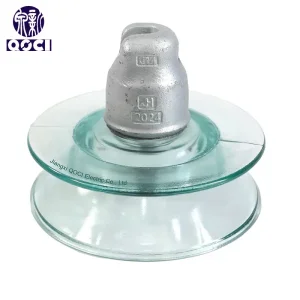
Wholesale 100kN U100BD Double-Shed Type Glass Insulators IEC Standard for High Voltage Lines Factory, Factories
View Technical Details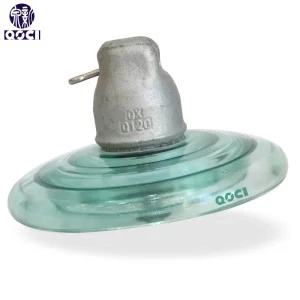
High-Quality 120kN High Voltage Transmission Line U120BS Cap and Pin type Toughened Disc Glass Insulator Manufacturer, Suppliers
View Technical Details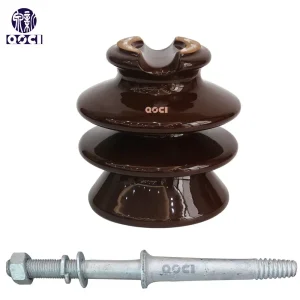
High-Quality 11kV Porcelain Insulator P-11-Y Pin Insulators with Spindle Manufacturer, Supplier
View Technical DetailsAt Jiangxi QOCI Electric Co. Ltd, we integrate active green energy transition support with robust insulation manufacturing.
Serve the world-class power grid with dedication. Actively participate in the construction of global green energy and HVDC supergrid initiatives.
Responsibility is the core guarantee of quality. Every disc insulator undergoes comprehensive electrical and mechanical testing prior to delivery.
Dedicated support for global power transmission industries, ensuring seamless logistics, localized type-testing coordination, and unmatched grid safety.
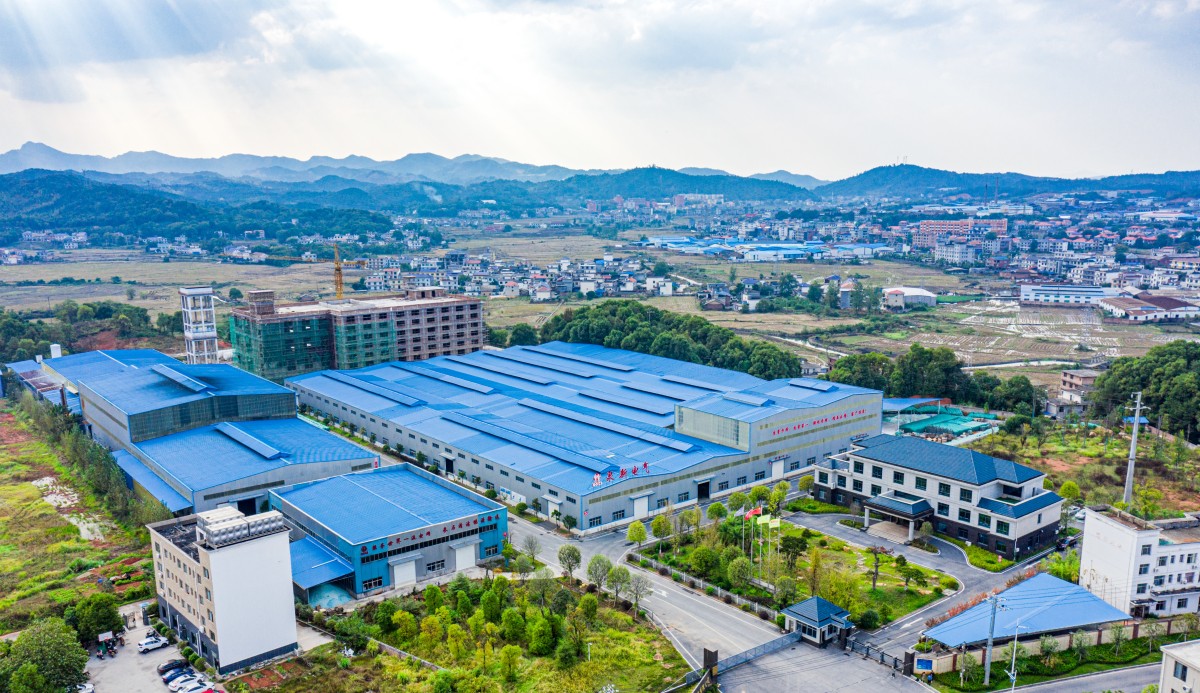

Jiangxi QOCI Electric Co. Ltd was founded in Dec. 2002, with a registered capital of 508 million Yuan. The Corporation is located at the state-recognized Industrial Park, Luxi County, Pingxiang, Jiangxi Province, covering an area of 100 mu.
Over the past two decades, we have optimized our metallurgical, glass science, and mechanical assembly setups. This allows us to supply electrical utilities in Europe, Southeast Asia, South America, and Africa with high-strength toughened glass insulators that strictly conform to international criteria.
In power distribution and transmission networks, the 33 kV voltage level represents a key link between primary transmission systems and local distribution infrastructure. Reliable insulation is critical to ensure grid resilience, prevent power loss, and protect equipment from damage. Standard suspension and tension insulator strings utilize 33 kV disc units, also known as cap and pin insulators, as their foundational components.
These disc assemblies must withstand high mechanical loads (typically ranging from 70kN up to 240kN or more) while maintaining electrical dielectric stability. The choice of insulation material directly impacts long-term operations. Environmental threats like moisture, industrial dust, salt mist, and temperature extremes can trigger electrical tracking and flashovers.
"Understanding local atmospheric parameters, mechanical loads, and environmental pollution levels is essential when selecting the appropriate profile design for 33 kV disc systems. Standardized specifications from the IEC (International Electrotechnical Commission) and ANSI (American National Standards Institute) help match insulation properties to local environmental demands."
Power utilities select materials based on their life-cycle cost, diagnostic convenience, and durability. Below is a comparative overview highlighting the properties of toughened glass, porcelain, and composite insulation materials:
| Parameters | Toughened Glass Insulator | Porcelain Insulator | Composite / Polymeric Insulator |
|---|---|---|---|
| Material Lifespan | Up to 40-50 years (unaltered by aging) | 30-40 years (vulnerable to internal micro-cracks) | 15-25 years (susceptible to UV degradation & tracking) |
| Maintenance Diagnostics | Visual detection (Zero-value units shatter automatically, leaving visible caps) | Manual puncture test required (labor-intensive detection) | Requires advanced thermographic or corona diagnostics |
| Mechanical Reliability | High tensile strength; consistent tempered glass load characteristics | Brittle; prone to internal structural voids | Vulnerable to core rod moisture ingress and brittle fracture |
| Environmental Resistance | Excellent resistance to ozone, acid rain, and coastal salinity | Good overall resistance, but glaze can erode over time | Hydrophobic properties decay in highly polluted regions |
To ensure high performance in critical transmission lines, QOCI manufactures glass insulators according to global standards like IEC 60305, IEC 60383, and ANSI C29.2B. Key design parameters include:
We design customized profile geometries to manage contamination and meet specific geographic challenges.
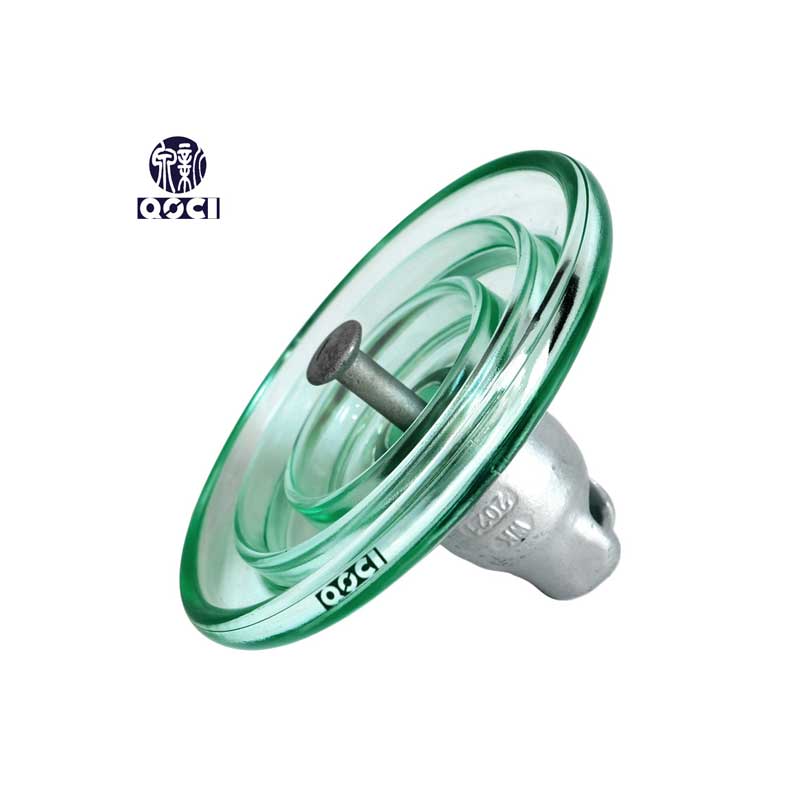
The leakage distance exceeds standard IEC 60305 parameters. Designed with shallow, well-spaced small ribs, this profile enables natural wind and rain self-cleaning to prevent particulate build-up.
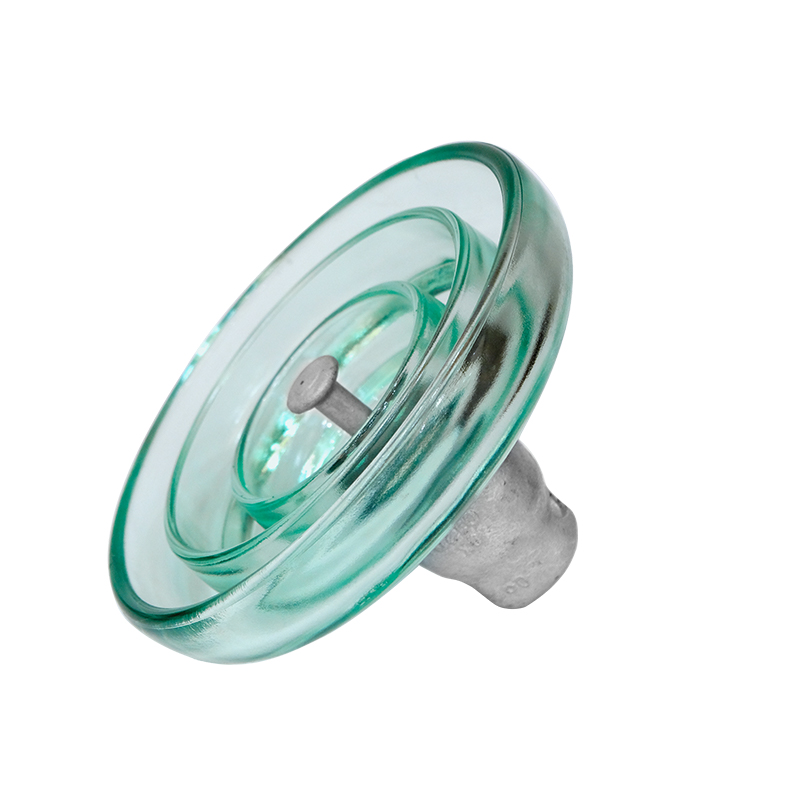
Featuring long, widely spaced under-ribs to prevent arc bridging, this design achieves a high leakage-to-spacing ratio of ~3.2. It is highly effective in coastal regions and industrial zones.
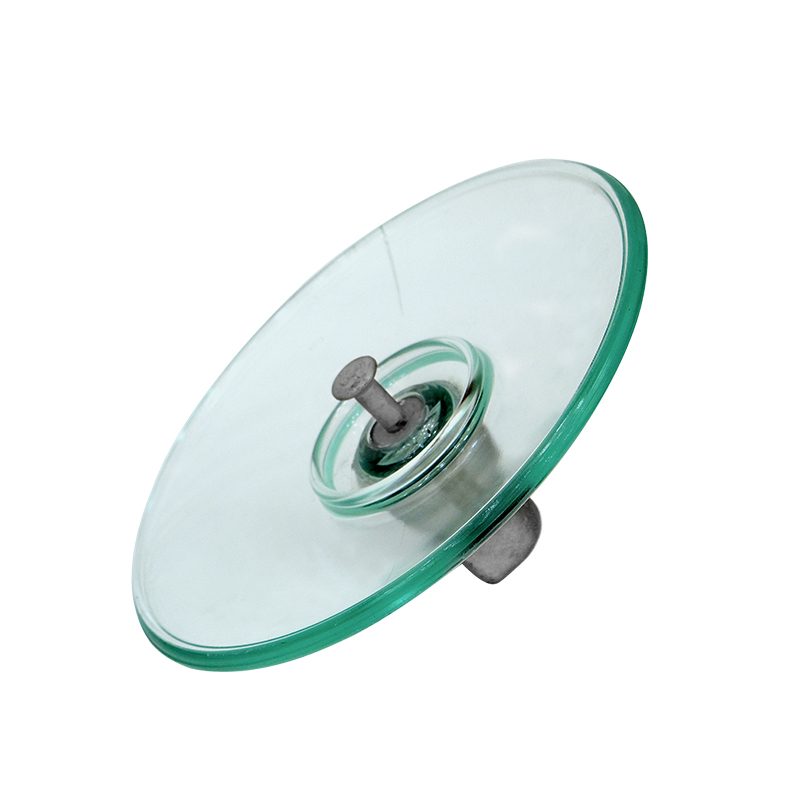
Designed without under-ribs to minimize sand and dust accumulation. Highly suited for desert regions, it leverages wind action to self-clean and helps mitigate ice-bridging issues.
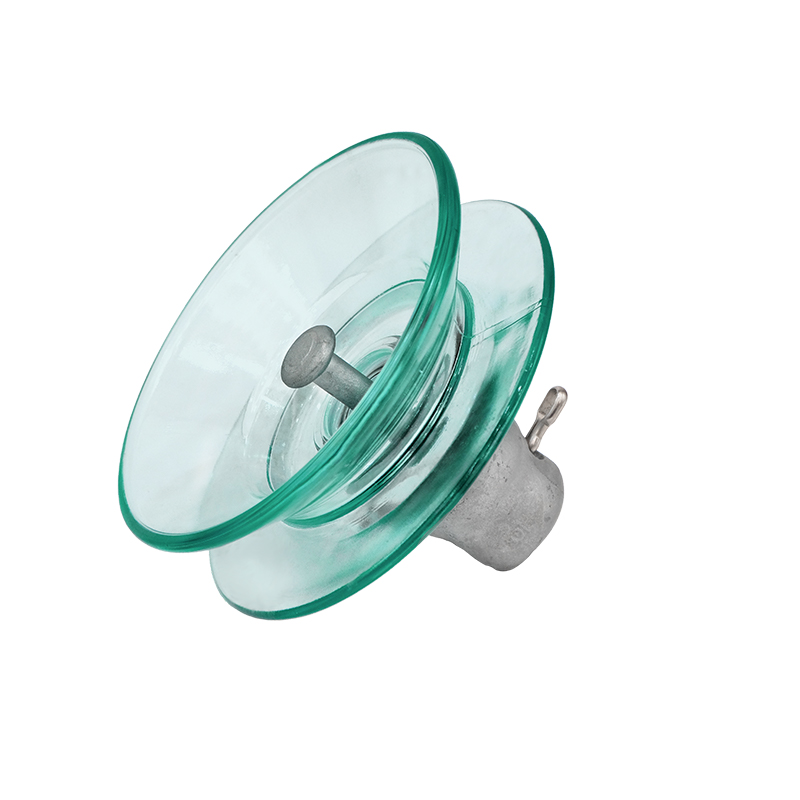
Features two external ribs to limit pollution build-up and facilitate manual washing. This design provides leakage distances comparable to anti-pollution models, suited for industrial zones.
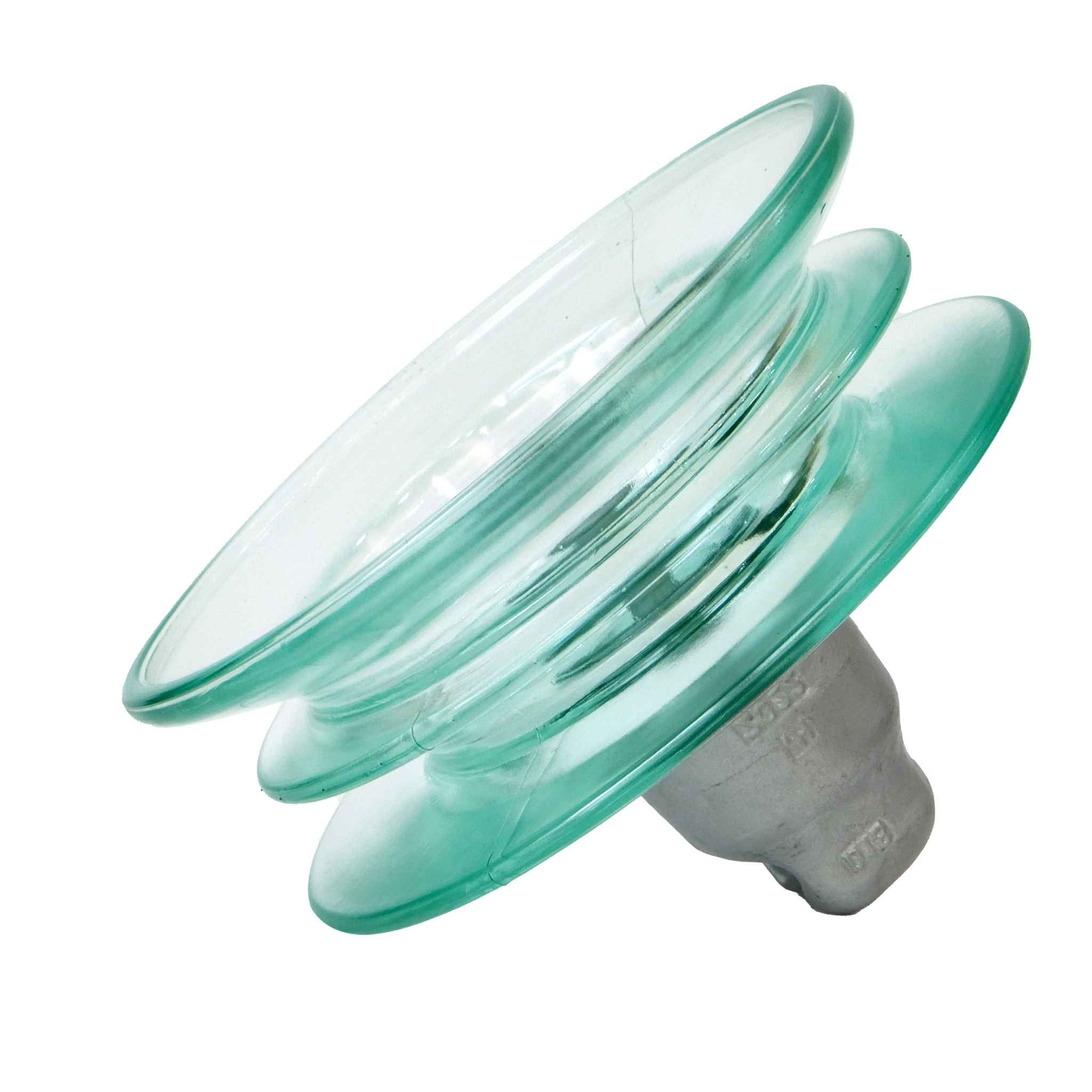
Constructed with three layers of umbrella discs to extend the creepage distance. This layout delivers excellent flashover resistance under high humidity and in high-altitude environments.
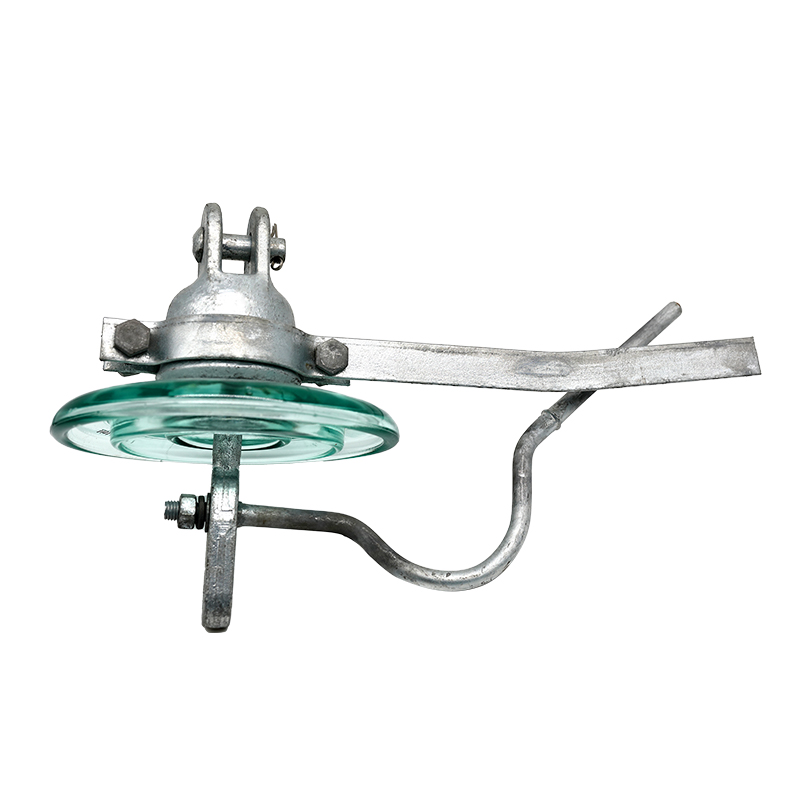
Integrates metal accessories with the grounding wire to dissipate lightning currents. Smooth glass surfaces resist contaminant adhesion and maintain low hydrophilicity.
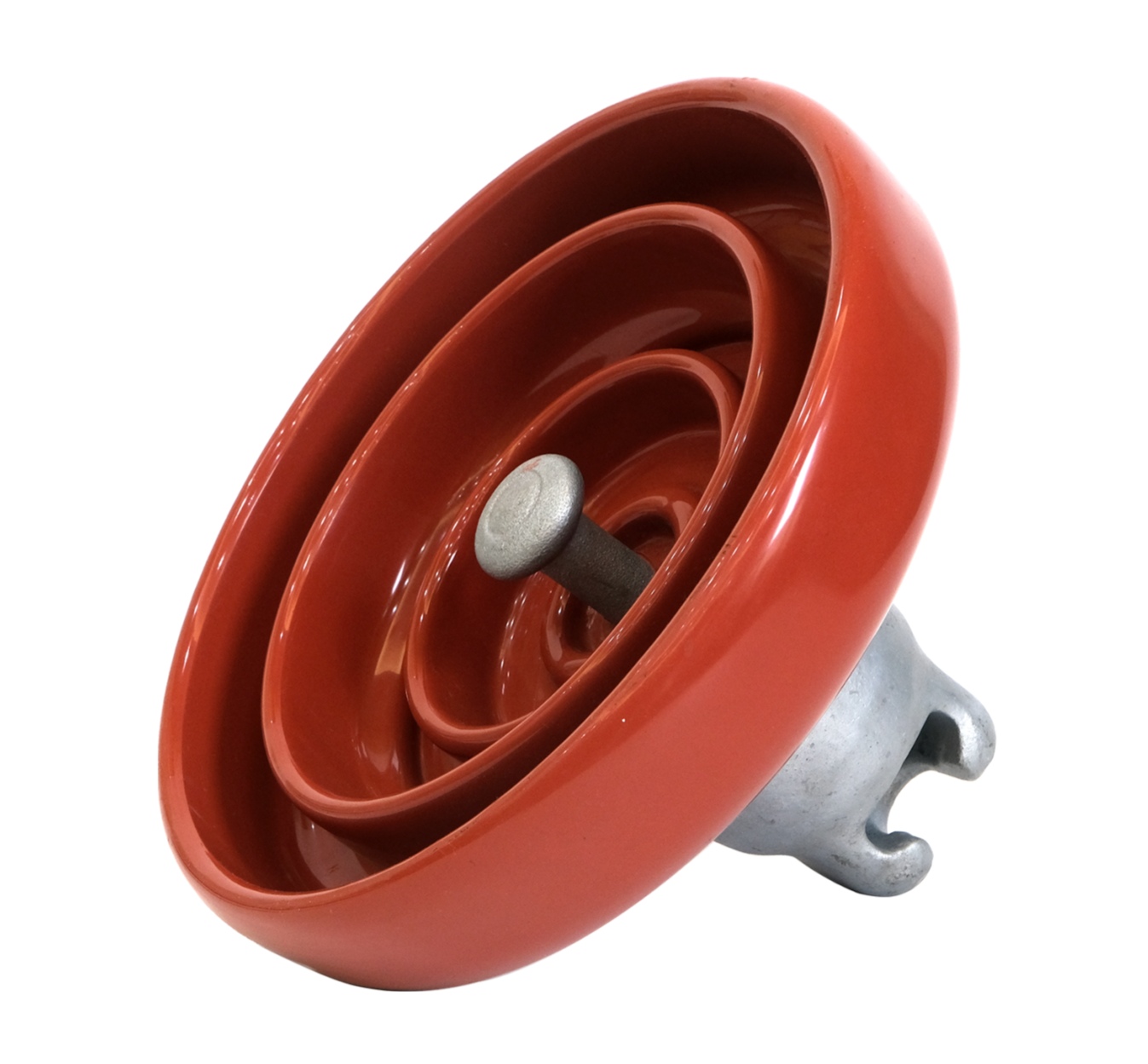
Combines the mechanical strength of toughened glass with the hydrophobicity of RTV silicone. Minimizes leakage currents, eliminates the need for periodic cleaning, and reduces maintenance costs.
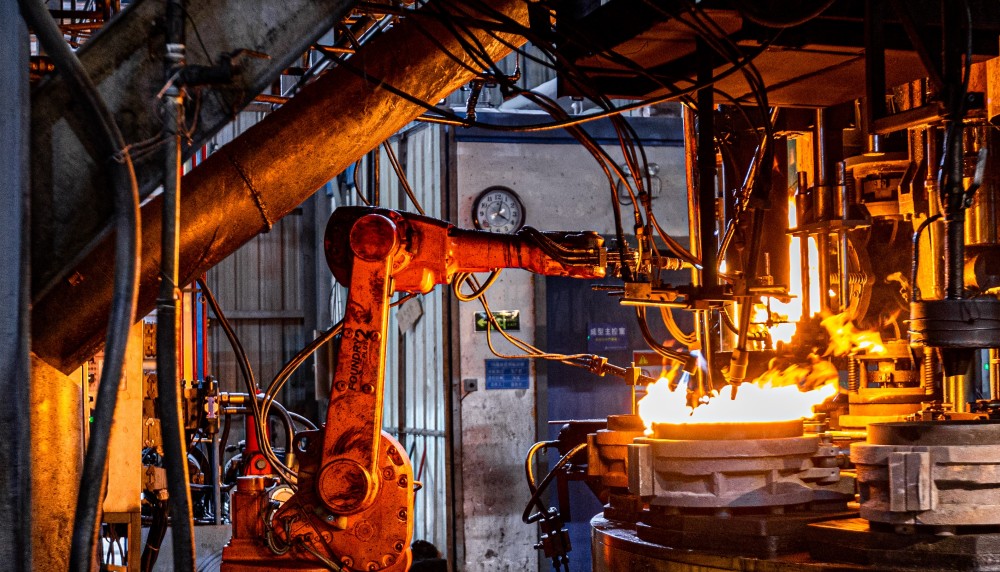
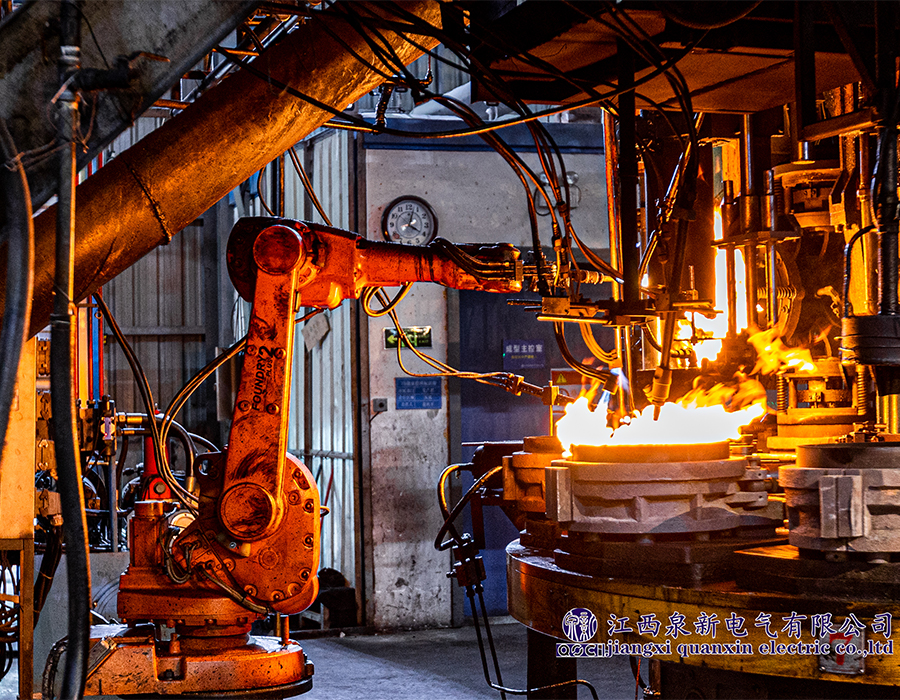
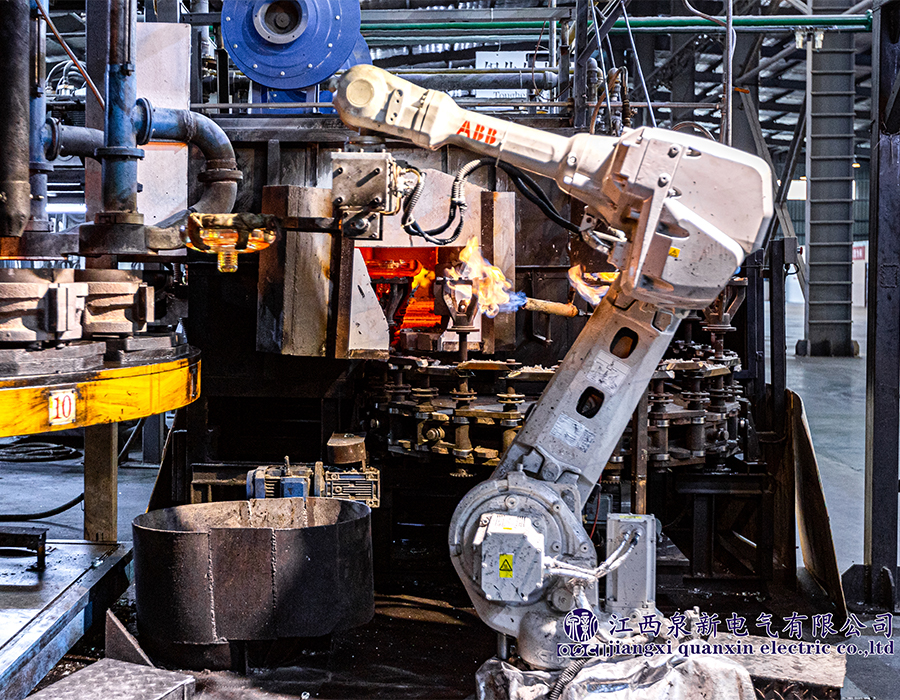
Modern electrical infrastructure demands consistent mechanical performance and reliability. In response, QOCI has upgraded its manufacturing facility in Luxi County, Jiangxi, to meet Industry 4.0 standards. Advanced automation supports raw material batching, furnace control, press molding, thermal tempering, and testing.
Our computerized mixing processes keep raw chemical compositions consistent. Automated total oxygen kilns maintain uniform thermal profiles during melting. Computer-controlled temperature regulation prevents micro-voids, crystallization points, and thermal gradients that can weaken glass insulation shells under mechanical stress.
Quality assurance includes thermal tempering and routine testing on the assembly line:
With an annual output of 39,000 tons, QOCI maintains a robust supply chain to support large projects. We keep strategic reserves of key raw materials, including quartz, feldspar, and specialized caps/pins, ensuring stable pricing and reliable delivery times during global logistics challenges.
Direct factory access to highly demanded models optimized for MV, HV, and EHV transmission strings.
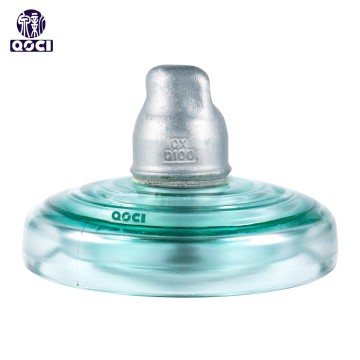
100kN mechanical failing load with an anti-pollution profile, designed for harsh coastal and industrial environments.
Offers high creepage distance and mechanical strength, optimized for medium-voltage 33 kV distribution lines.
Compact design for space-limited configurations requiring high mechanical strength and pollution flashover protection.
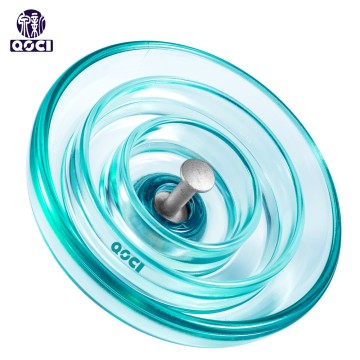
120kN rating, designed for heavy-duty transmission lines exposed to industrial contamination and environmental stress.
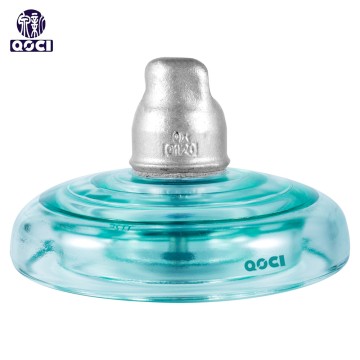
Optimized height profile to manage line tension while preventing leakage currents on high-voltage networks.
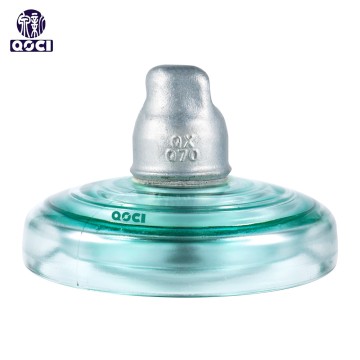
70kN rated suspension disc featuring a deep-skirt design for protection against fog, dampness, and salinity.
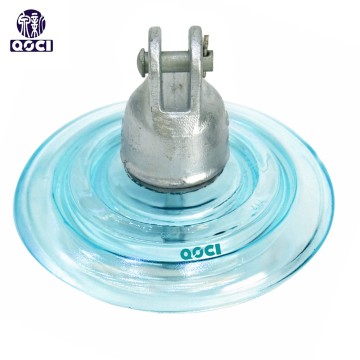
A standard configuration widely used in global medium-voltage distribution systems, including 33 kV lines.
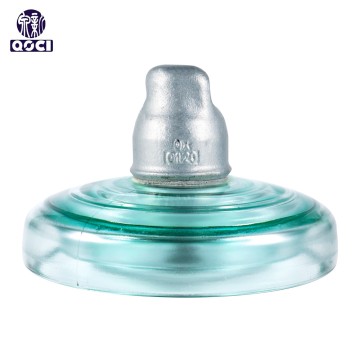
Designed for heavy industrial contamination areas, featuring high-capacity creepage paths and mechanical load resistance.
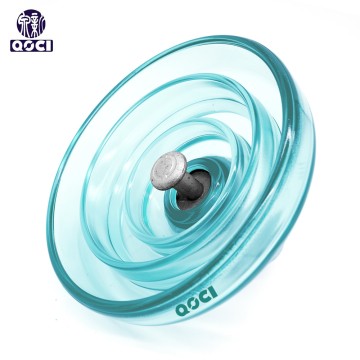
Offers reliable protection against particulate build-up and flashover risks in dry, dusty environments.
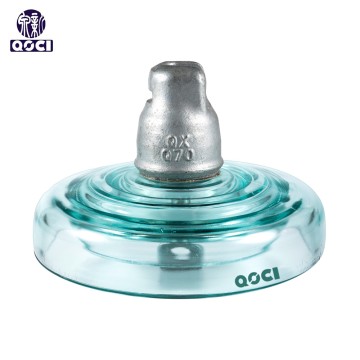
Ensures electrical stability and resistance to rain wash in tropical regions with high seasonal humidity.
Our high-strength glass insulators are designed for low, high, ultra-high, and extra-high voltage AC & DC transmission lines.
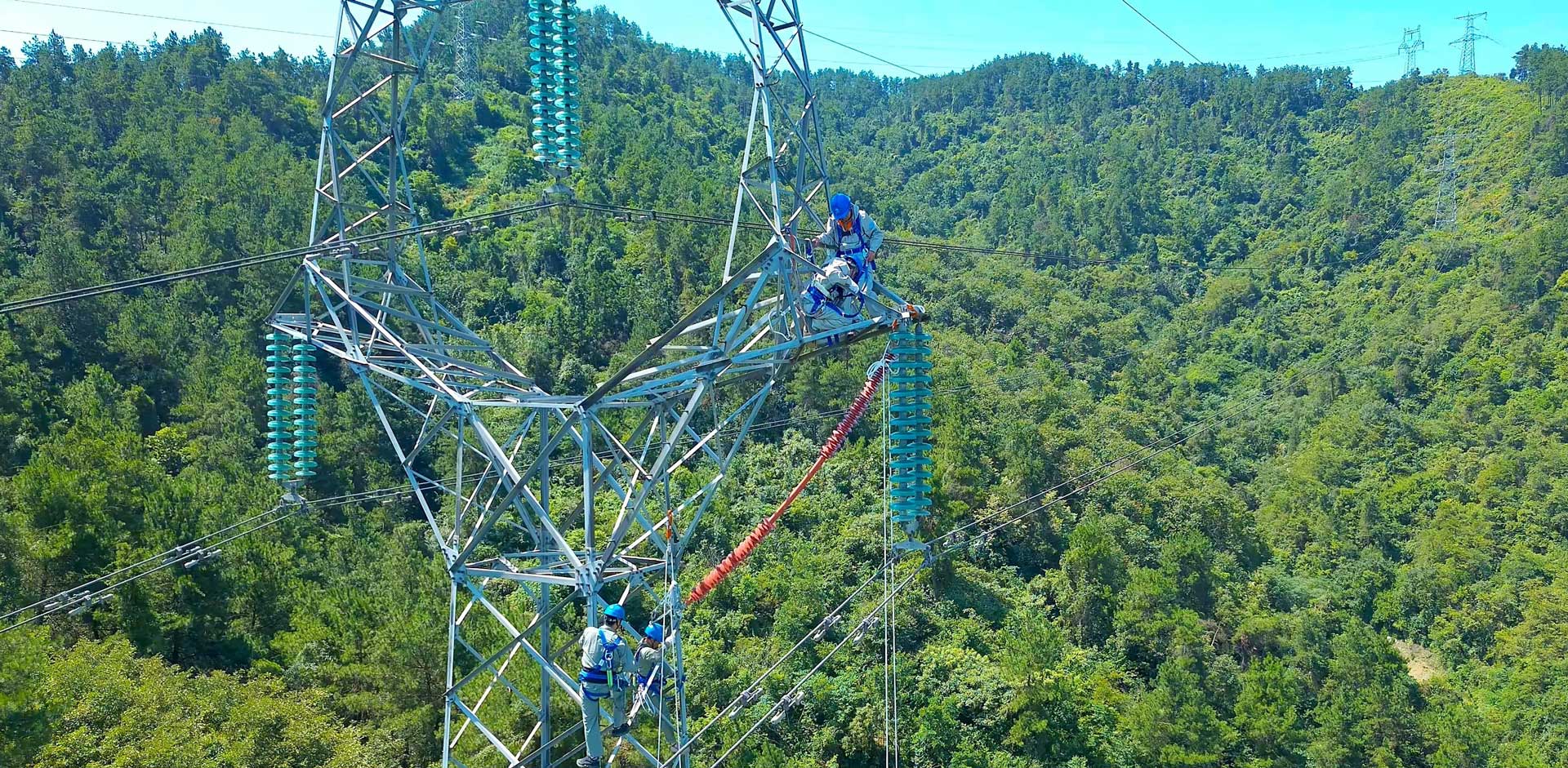
Geographic Adaptability
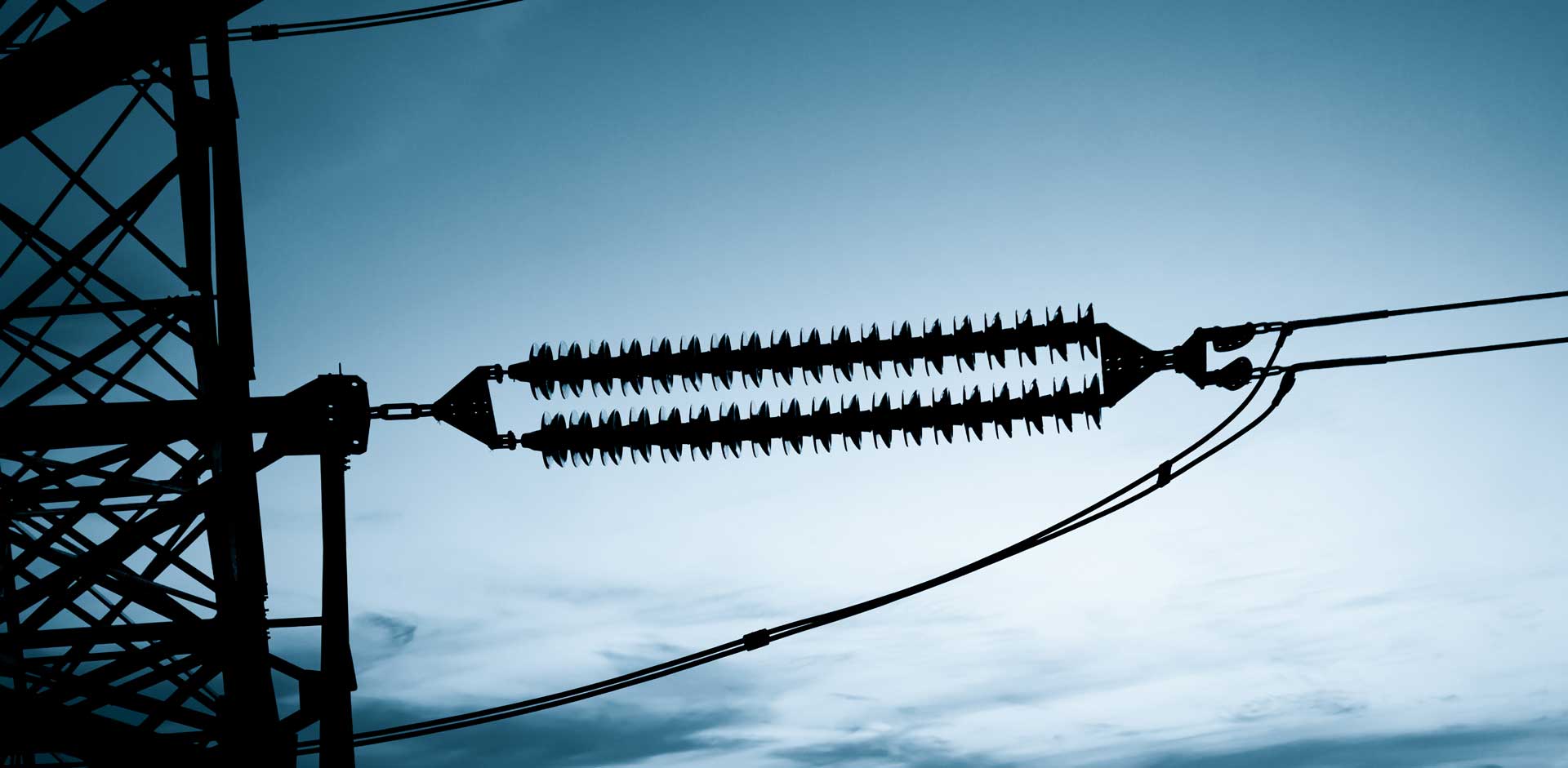
Power Systems
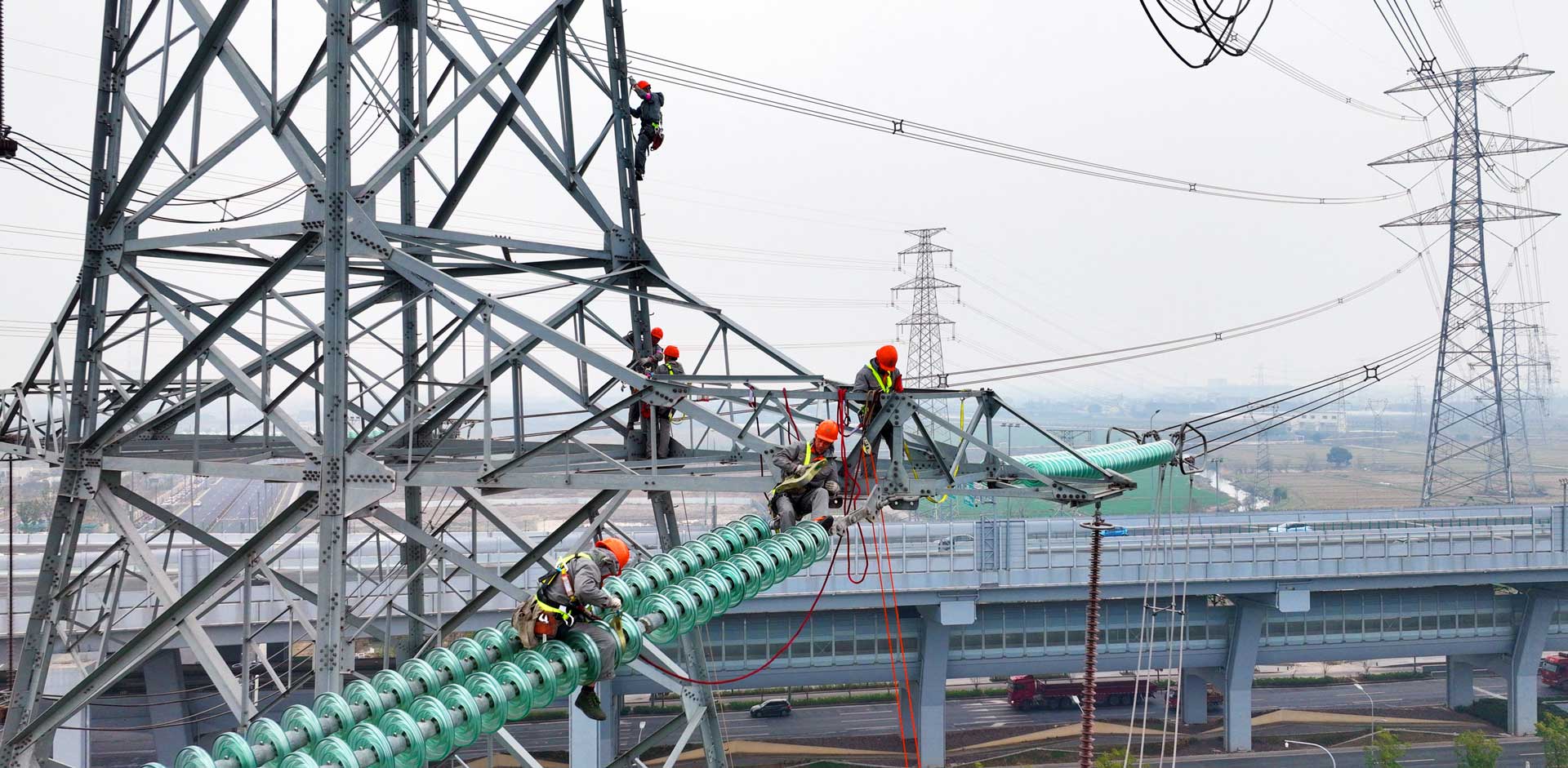
Power Grid Functional
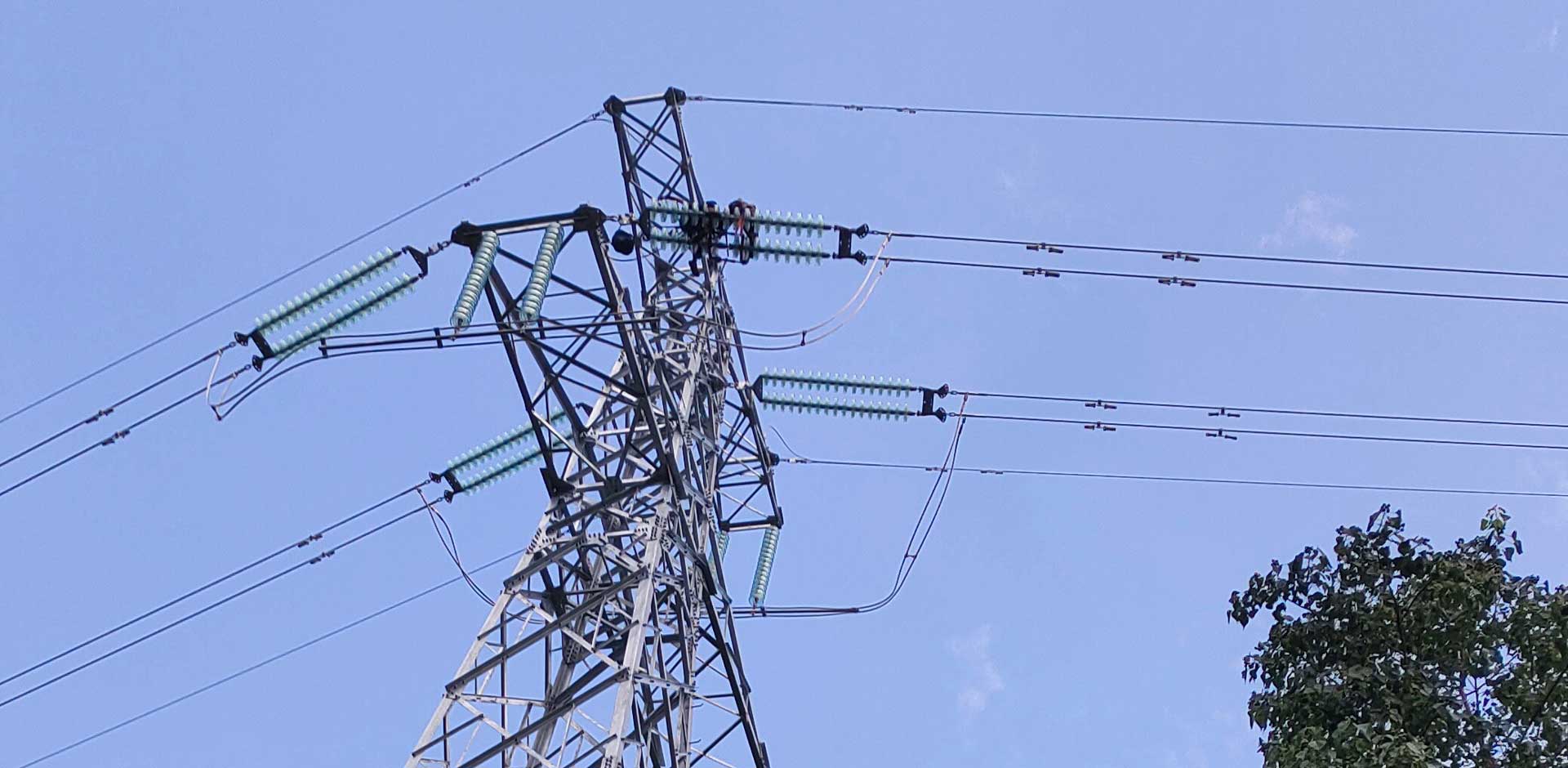
Special Industry
Saline deposits on insulator surfaces can become highly conductive when damp, leading to leakage currents and dry band arcing. For marine and coastal transmission networks, utilities require insulators with extended creepage profiles. QOCI's double-shed, triple-shed, and RTV silicone-coated glass insulators help prevent salt-fog flashovers and reduce maintenance overheads.
In desert regions, airborne dust and sand accumulate on insulator surfaces. Rain or high humidity can then cause flashovers. QOCI's open-profile aerodynamic glass insulators feature a smooth, rib-free lower surface, allowing natural wind action to prevent dust buildup.
High-altitude transmission lines face reduced air density, which lowers dielectric breakdown strength. In cold climates, ice and snow accumulation can also bridge the gaps between insulator sheds, leading to short circuits. Selecting alternating glass profile configurations helps break up ice paths and maintain insulation performance.
A look inside our manufacturing facility, highlighting our machinery, raw materials, and high-voltage testing systems.
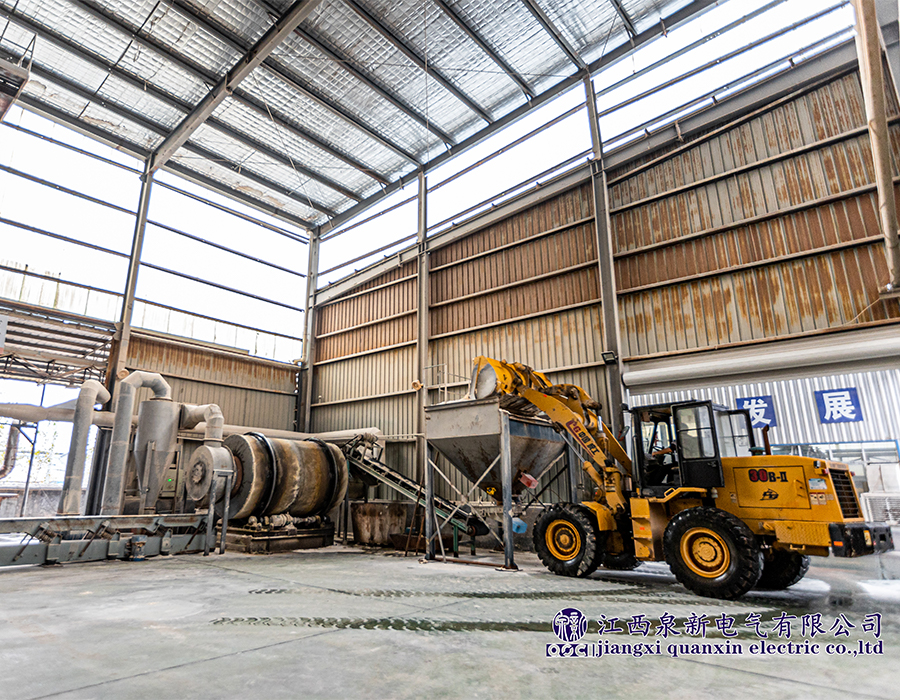
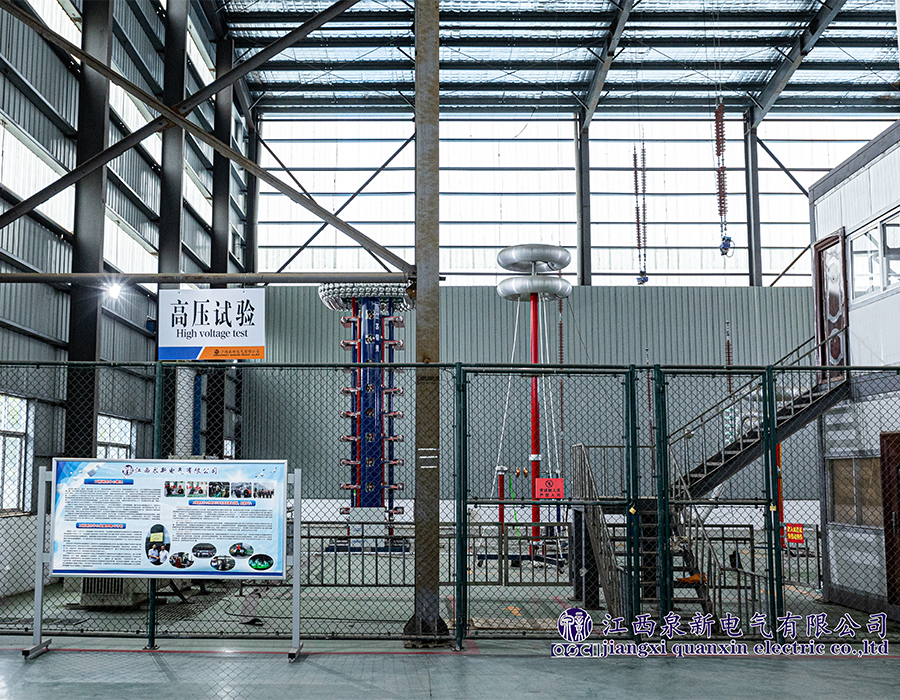
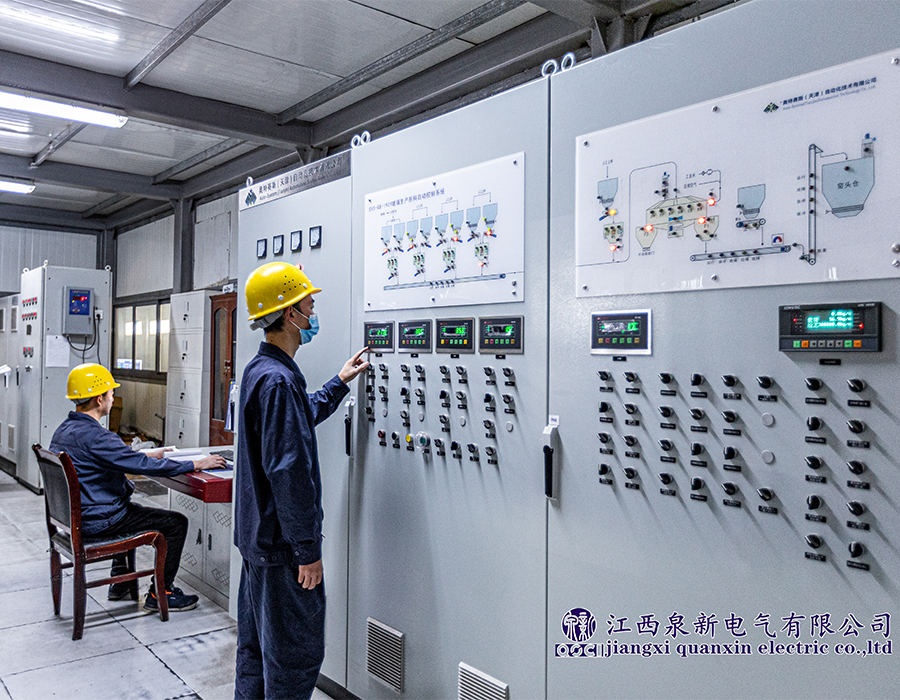
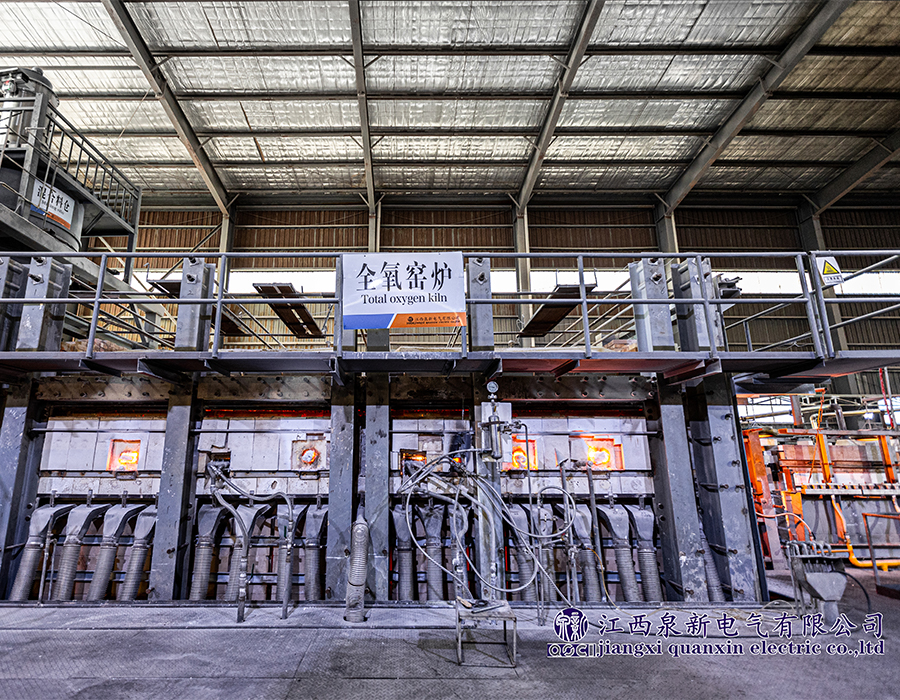
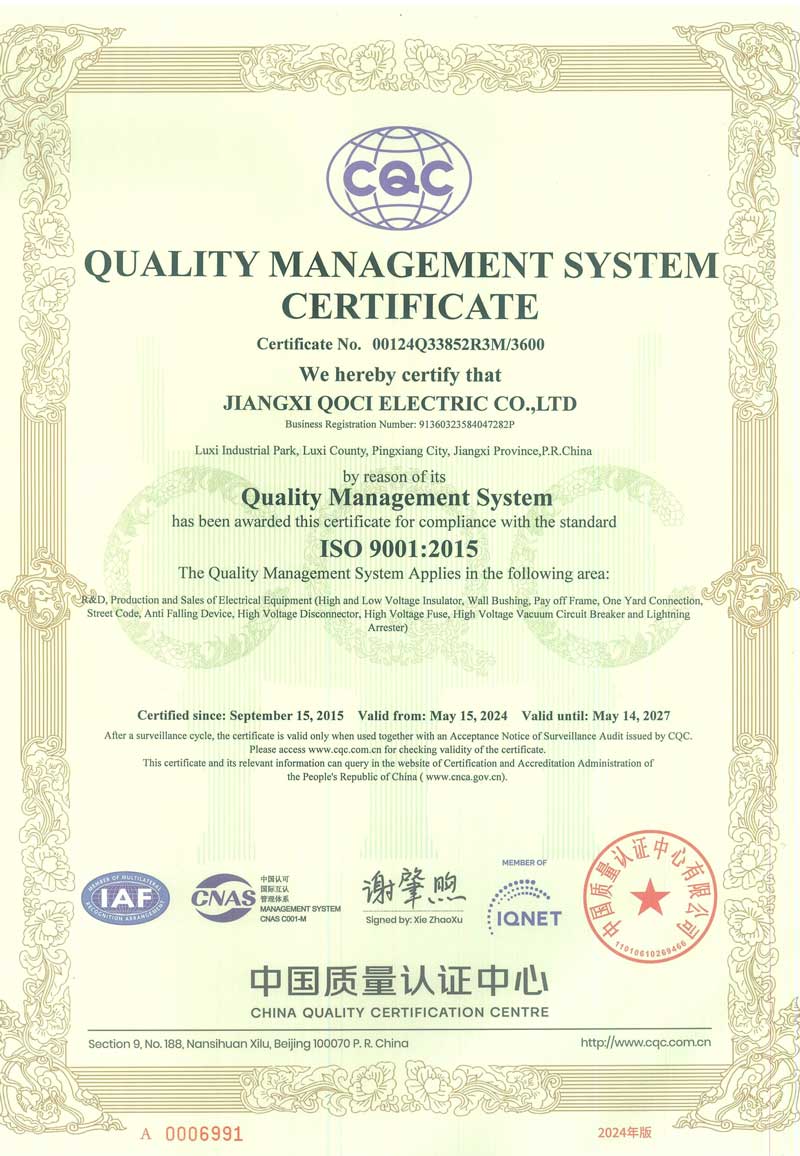
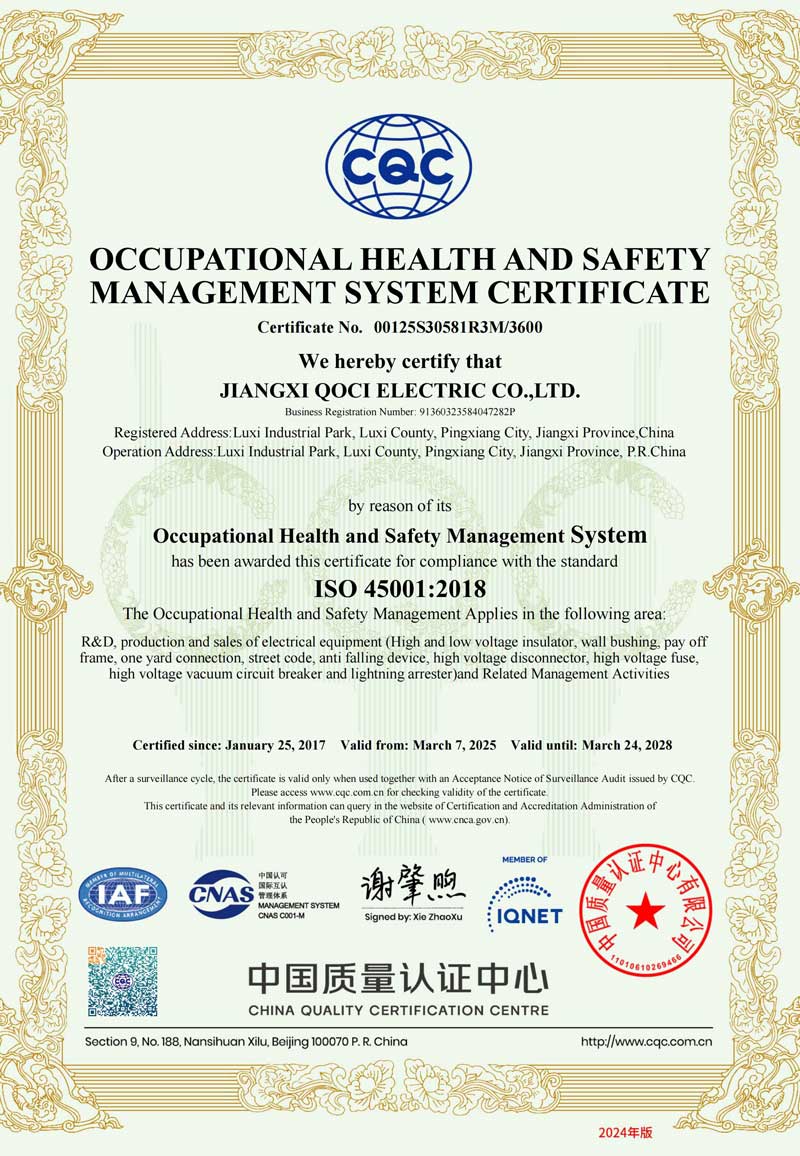
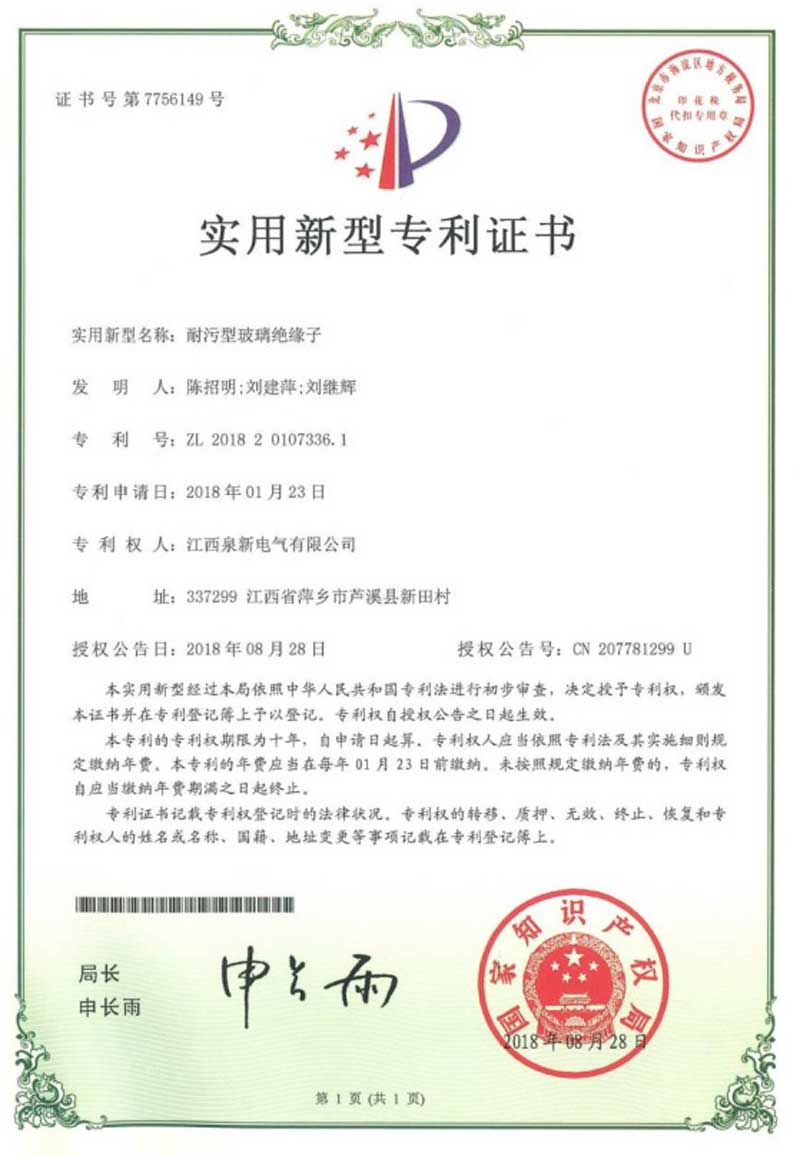
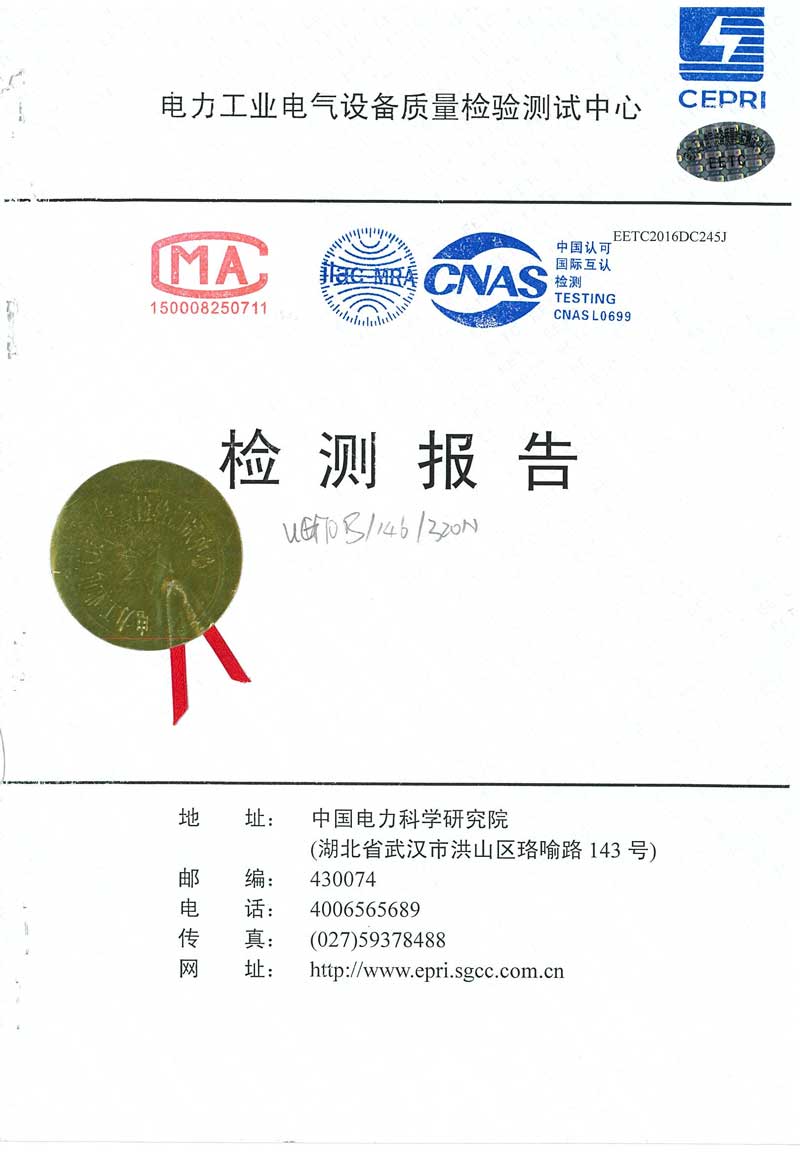
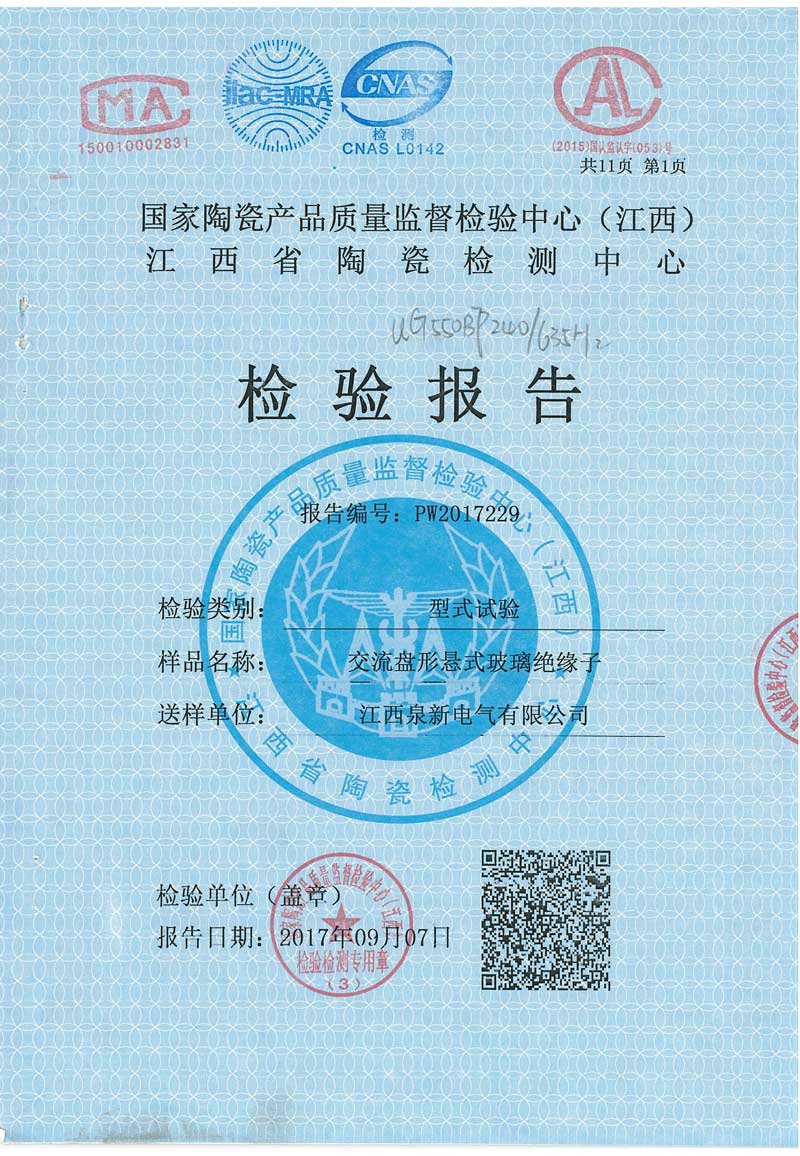
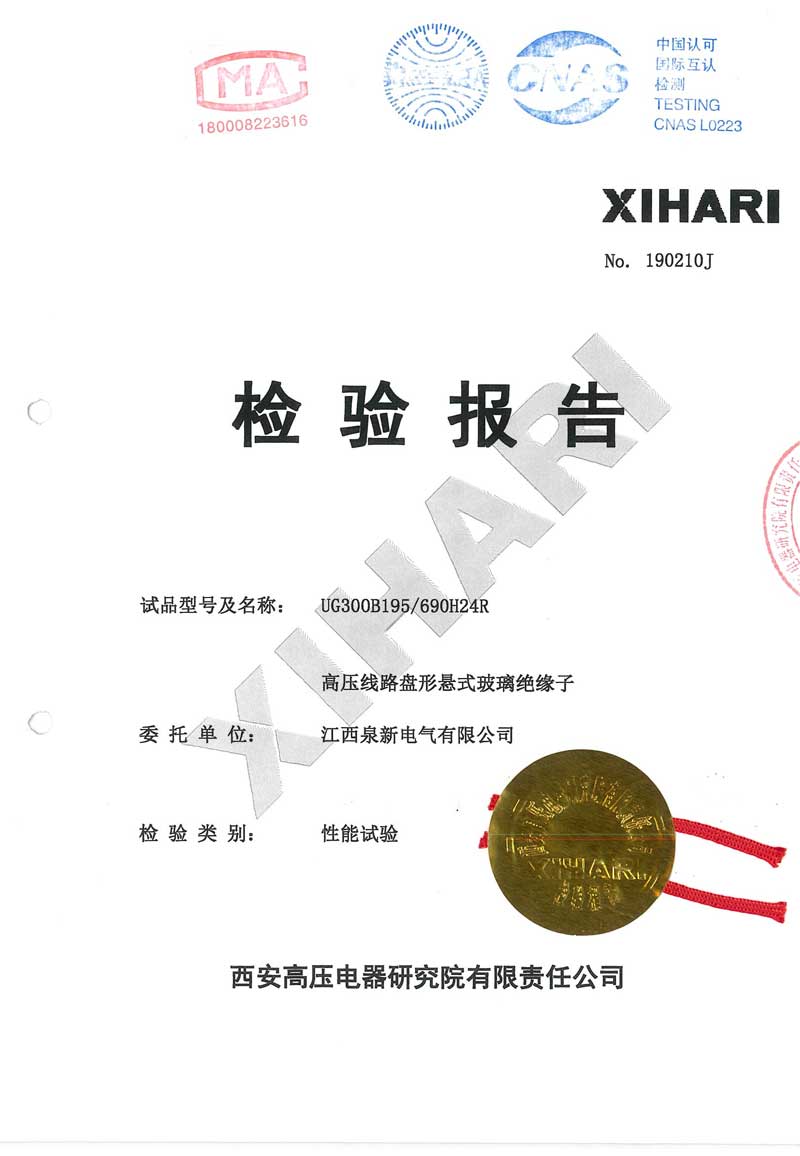
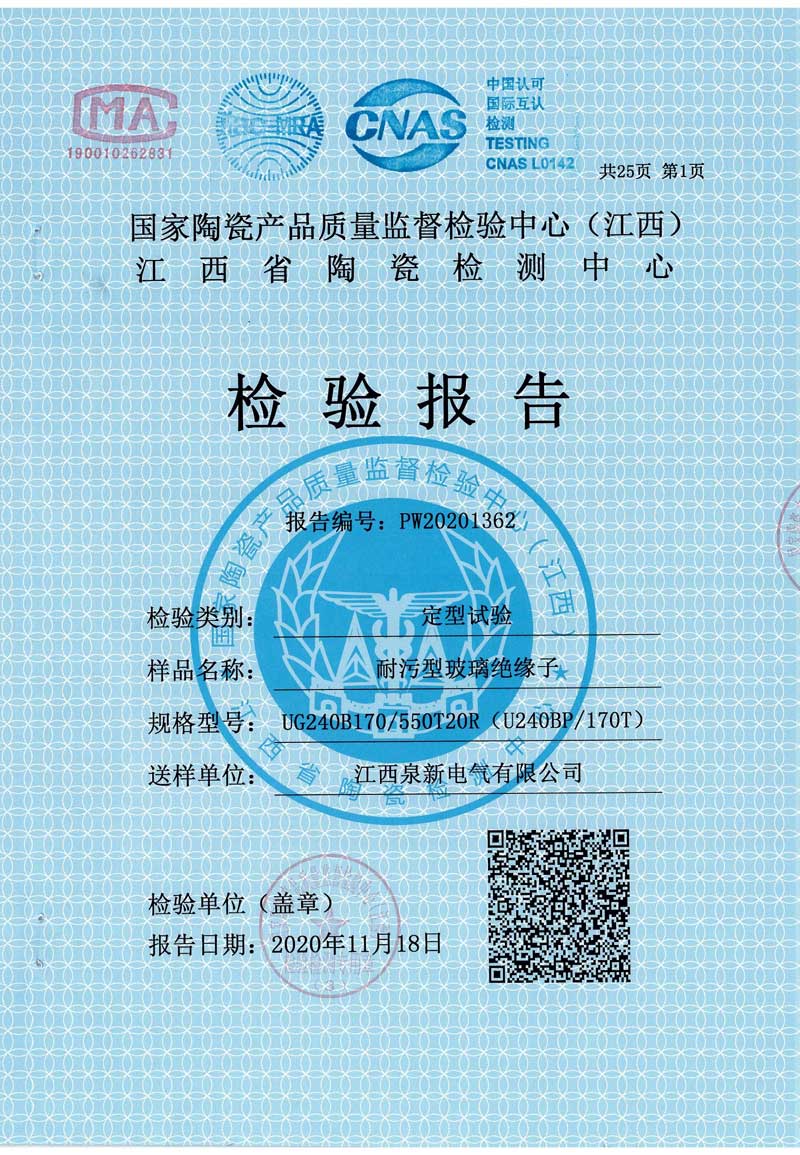
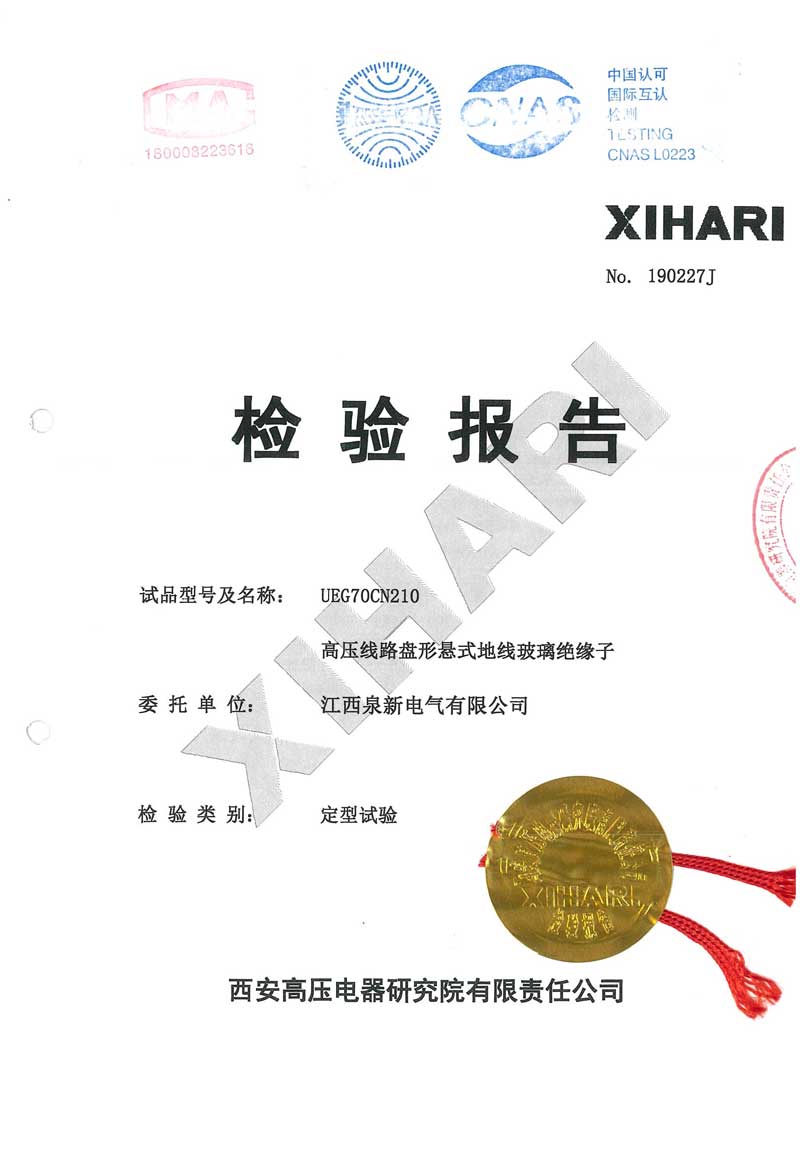
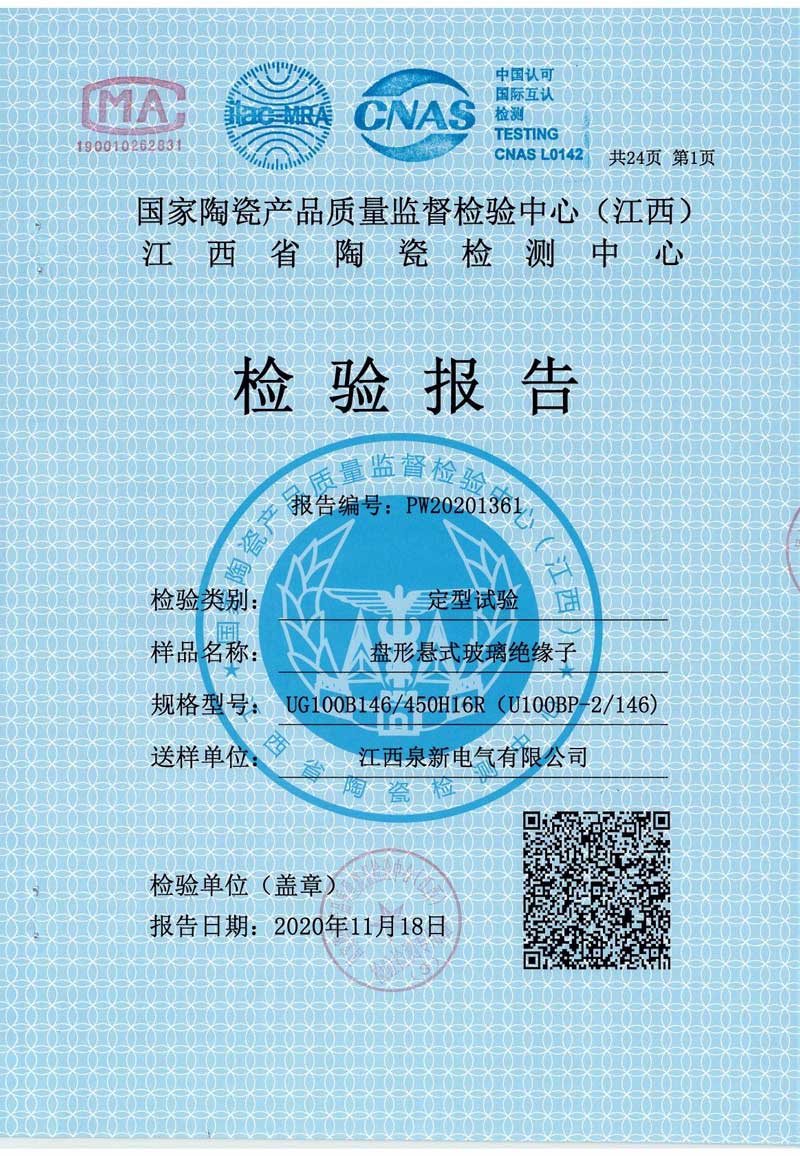
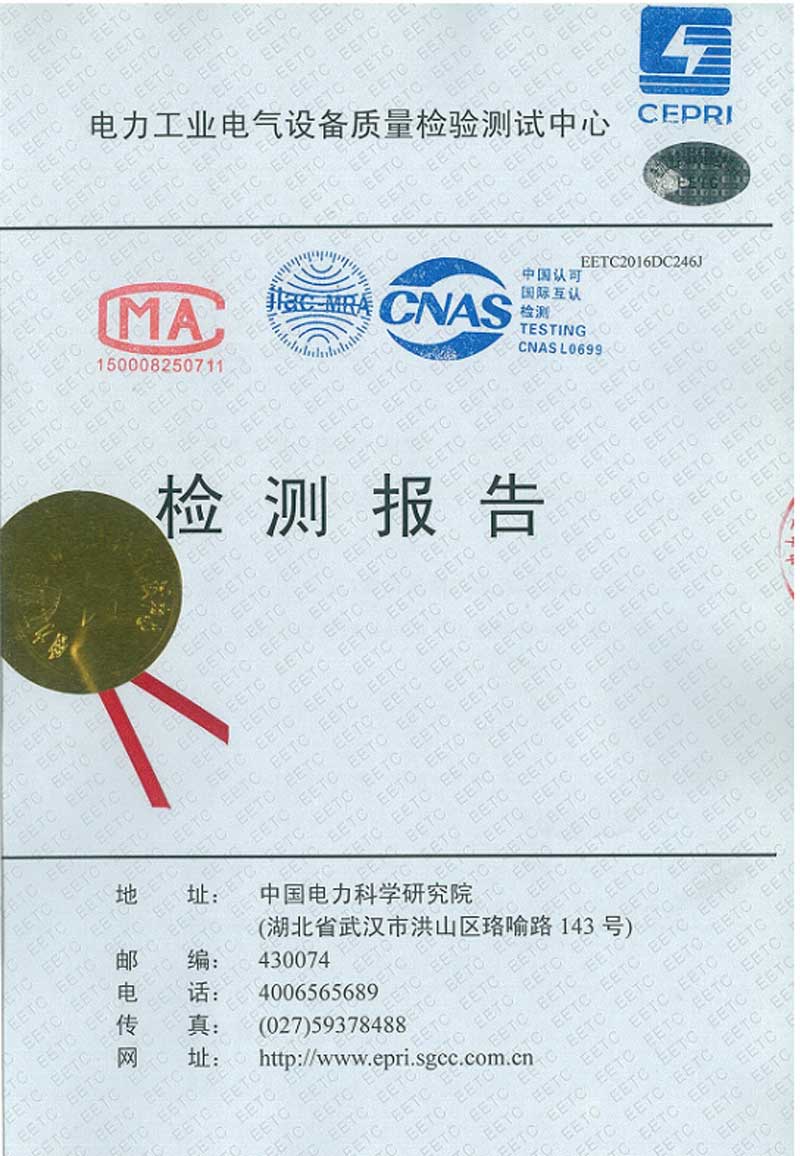
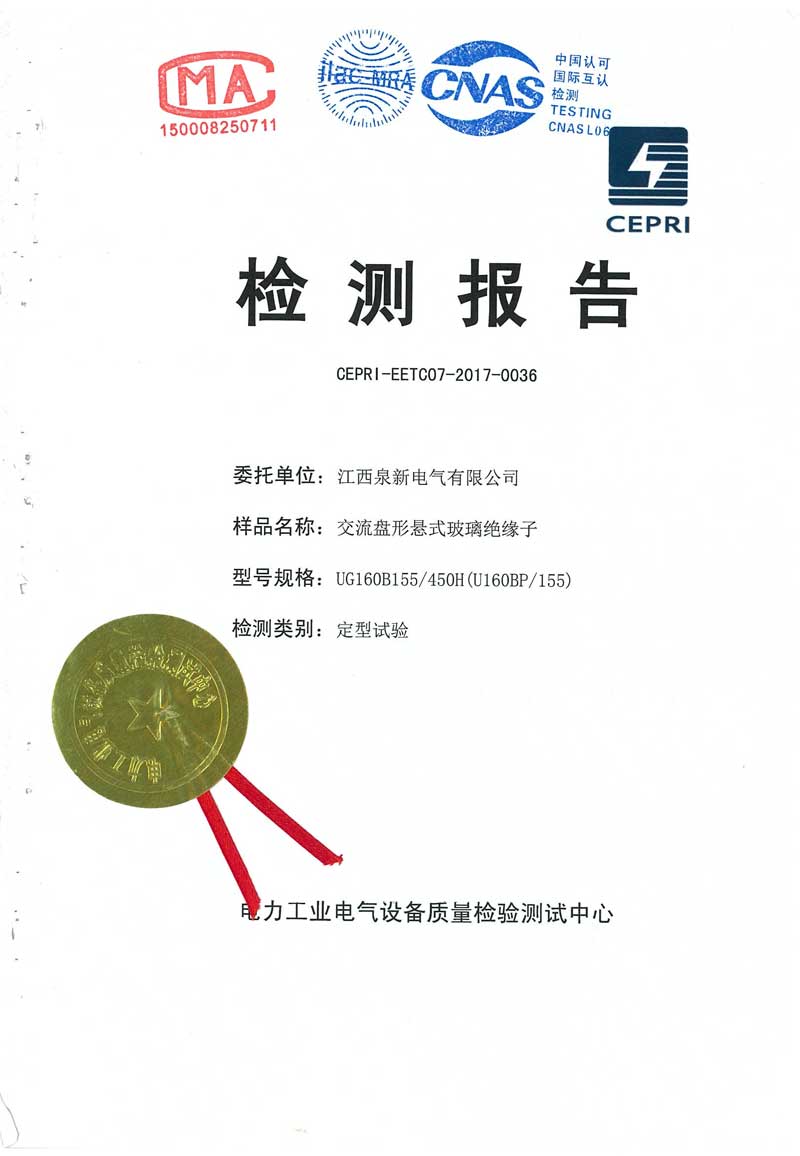
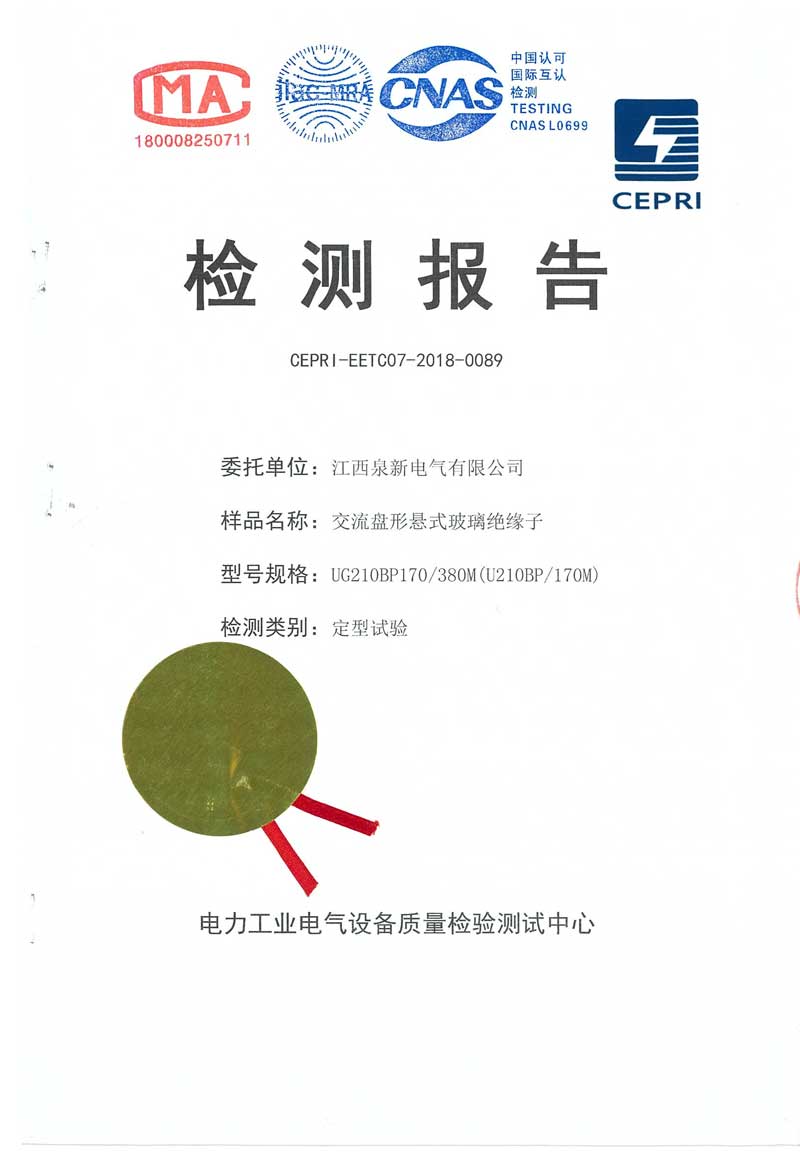
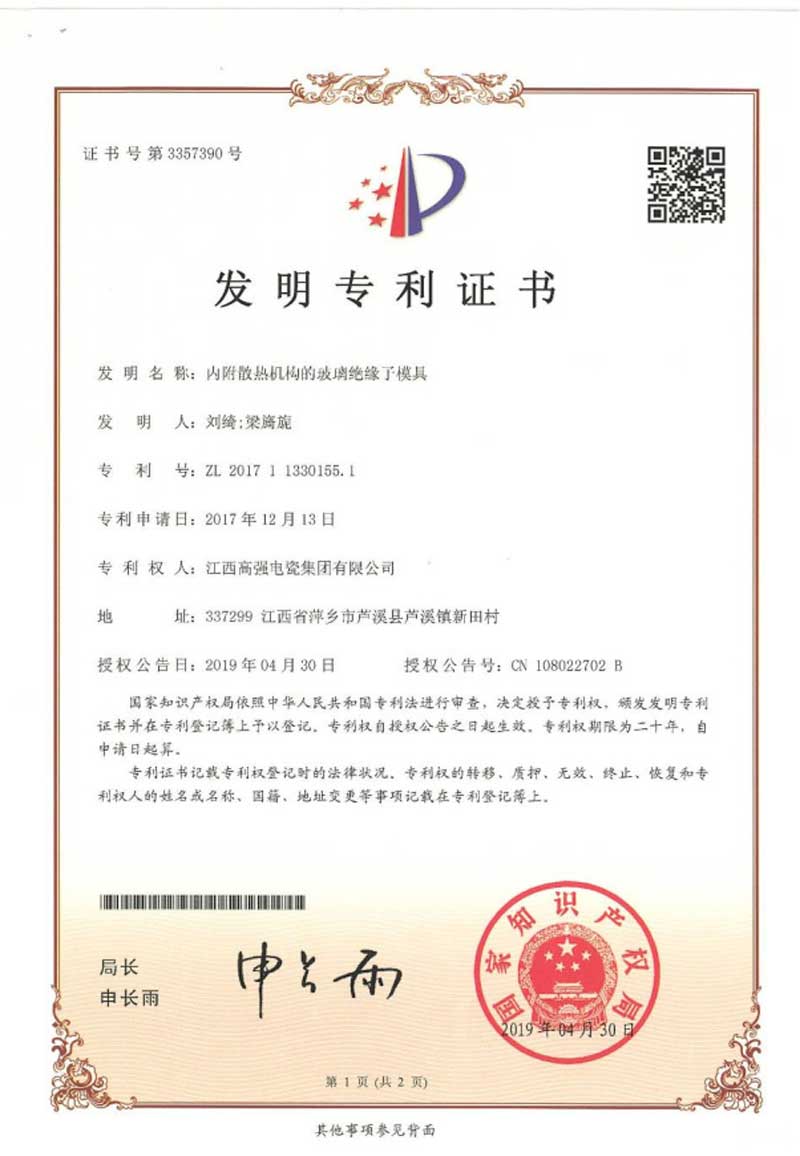
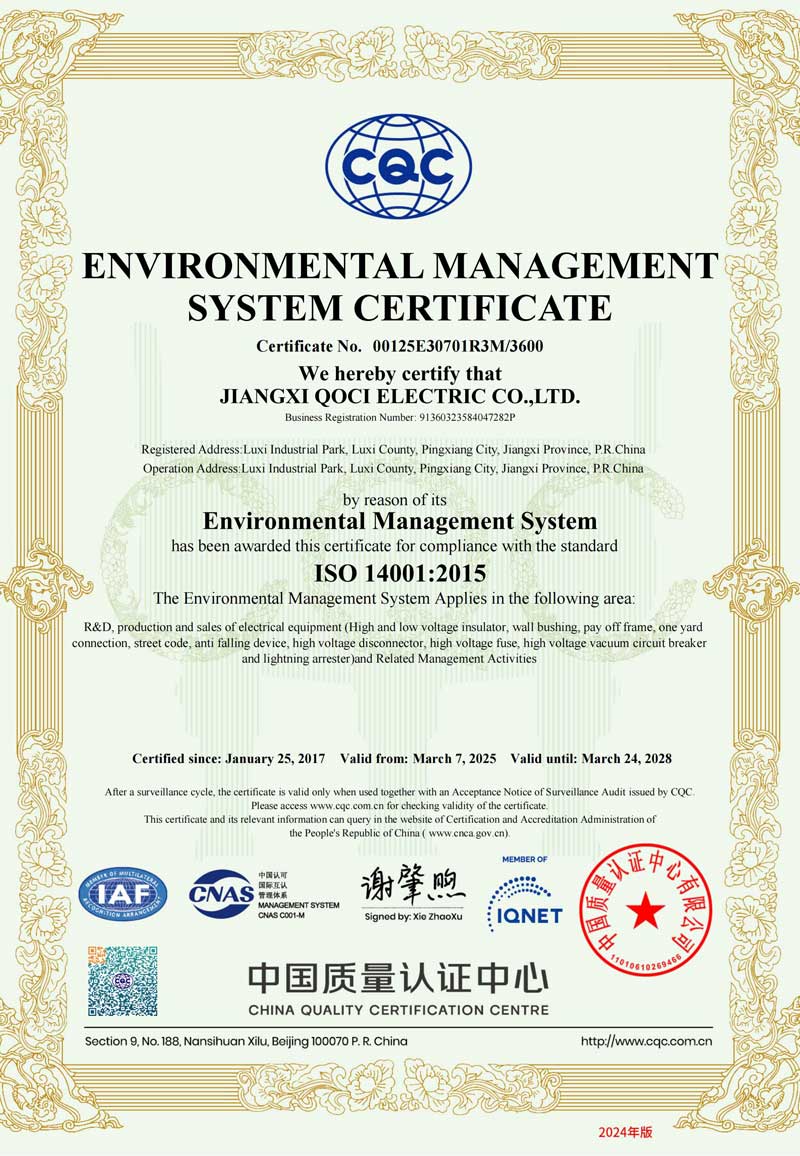
Our products are tested and certified to comply with international power utility requirements.

Note: It has an annual output of 160,000 cubic meters of plywood for concrete formwork.
Answers to common technical questions about 33 kV disc insulators, standard compliance, and environmental selection.
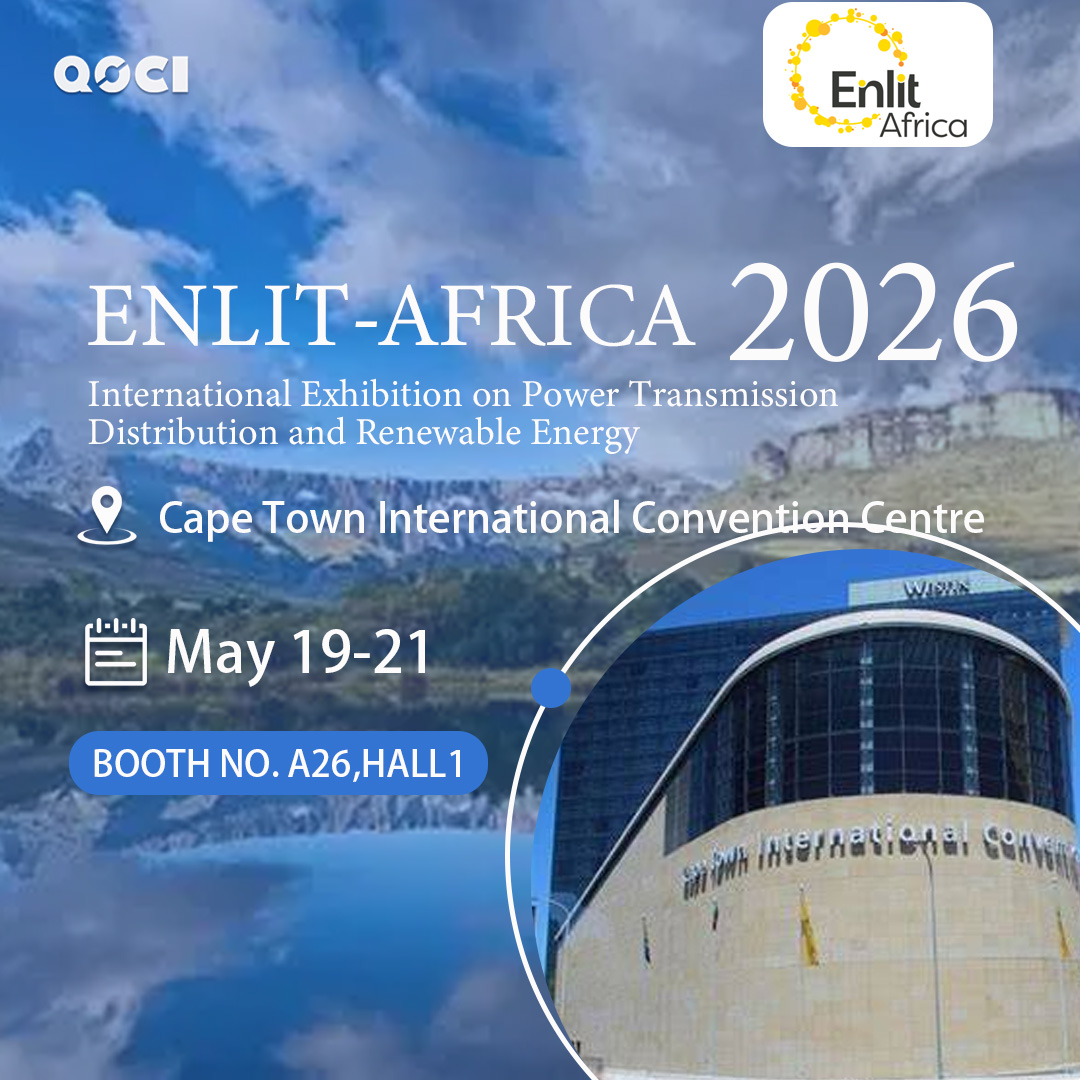
Stay informed about our latest exhibition appearances, industry insights, and manufacturing developments.
As the global energy transition accelerates, the importance of electricity, renewable energy, and energy storage technologies is becoming increasingly critical...
Having withstood extreme environmental conditions including icing, high altitude, pollution, earthquakes and typhoons, China's insulator industry is now supplying major projects worldwide...
On behalf of our team at Jiangxi QOCI Electric Co., Ltd, we encourage you to join us at the IEEE PES T&D Conference & Exposition 2026, the powerhouse of energy tech...
Pingxiang, China - QOCI Electric, a global supplier of power equipment and high-voltage line insulators, officially confirmed participation in this key Middle East energy trade summit...
Review our additional range of glass and composite insulators developed for specialized applications.
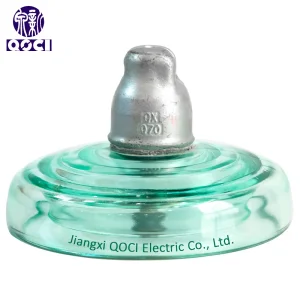
High-Quality 70kN U70bp/U70blp Anti-Pollution Fog Type Glass Insulator IEC Standards for High Voltage Lines Manufacturers, Supplier
View Technical Details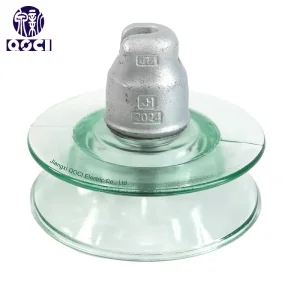
High-Quality 120kN U120BD Double-Shed Type Glass Insulators IEC Standard for High Voltage Lines Suppliers, Factory
View Technical Details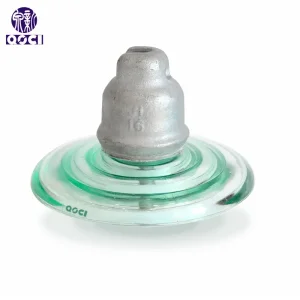
High-Quality U40B Glass insulator Supplier, Factories
View Technical Details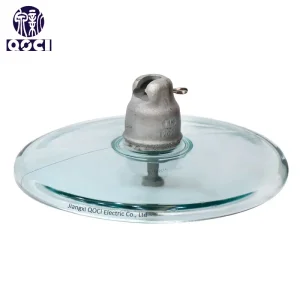
China U100bla 70kN 220kv Open Air Aerodynamic Disc Glass Insulator for High Voltag Manufacturers, Factories
View Technical Details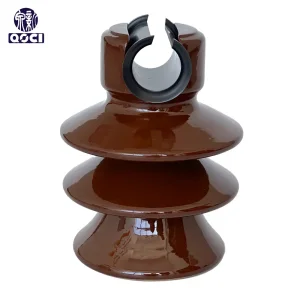
High-Quality SHF-20G1 Pin Insulator Manufacturer, Supplier
View Technical Details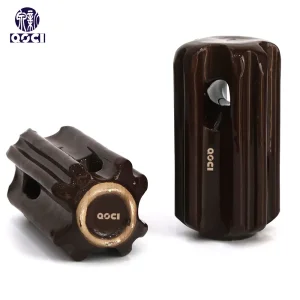
Wholesale 33kv ANSI 54 Series Stay Porcelain Insulators ANSI 54-4 Factory, Factories
View Technical Details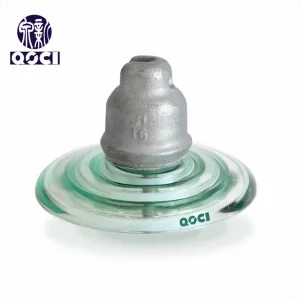
China U40B Glass Insulator CTV175 for HVDC Overhead Transmission Line Manufacturer, Factory
View Technical Details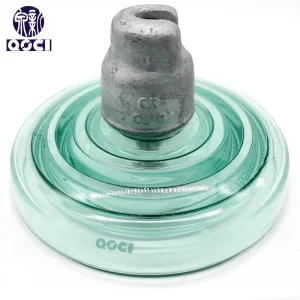
High-Quality 240kN U240B Standard Suspension Glass Disc Insulator for Overhead Transmission Line Manufacturers, Factory
View Technical Details