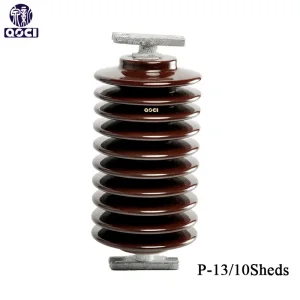
Explore our core high-voltage insulator inventory. Engineered to standard and specialized environments, assuring mechanical and electrical protection under maximum load conditions.
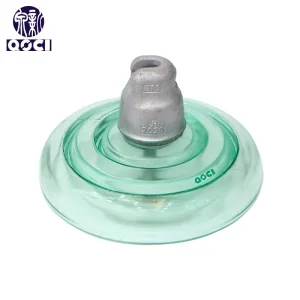
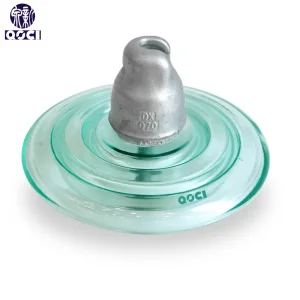
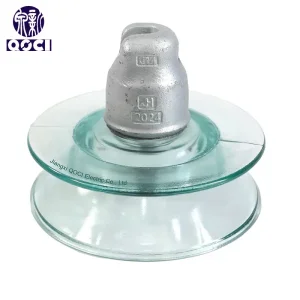
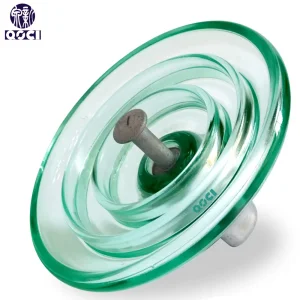
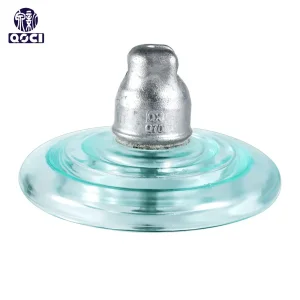
In modern electrical transmission networks, high-voltage overhead lines form the arteries of regional development. The integrity of these power systems relies heavily on passive insulation interfaces designed to withstand severe electrical stress, mechanical loads, and environmental deterioration. The ANSI 52-11 toughened glass suspension insulator represents a benchmark design standard governed under ANSI C29.2. It specifies mechanical and electrical requirements for wet-process porcelain and toughened glass insulators.
From the high-voltage grids of North America to the distribution loops of Latin America and East Asia, utility developers rely on the ANSI 52-11 design standard. Its specific dimensions, mechanical ratings, and ball-and-socket connection sizes provide a standardized interface compatible with existing steel-tower configurations. Globally, the energy transition requires existing lines to be upgraded to carry higher current capacities. Toughened glass insulators meet this need with their unique combination of structural strength and visual maintenance simplicity.
Historically, high-voltage corridors operated on porcelain designs. However, today's grid requirements favor the technical advantages of toughened glass. Glass insulators show high resistance to puncture under steep-front lightning surges and maintain electrical properties in humid climates. When thermal cycling occurs, glass handles sudden temperature swings without creating structural micro-fissures.
International grid expansions in regions like Sub-Saharan Africa, Latin America, and South Asia face tough environments, including high dust levels, coastal salt fog, and severe rainstorms. For engineering procurement teams, sourcing ANSI 52-11 compliant glass insulators from a certified manufacturer is crucial to minimizing outage risks. Today's procurement focus has moved from low initial product costs to total lifecycle cost analysis. Glass insulators help reduce long-term costs because they can be quickly inspected from the ground—a broken glass shell is immediately visible, eliminating the need for expensive diagnostic tests on individual discs.
How our China-based mega facility delivers cost efficiency, high output, and international quality standards.
Founded in December 2002 with a registered capital of 508 million Yuan, Jiangxi QOCI Electric Co., Ltd. has established itself as an international manufacturer of high-strength glass insulators. Located in the Industrial Park of Luxi County, Pingxiang, Jiangxi Province, our manufacturing center spans over 70,000 square meters. Our facility features advanced vertical integration, from raw material selection to automated glass melting and assembly testing.
Our manufacturing center uses total oxygen-fueled glass kilns, which allow precise temperature control up to 1550°C. This setup produces high glass purity, free from bubbles and structural inclusions. Using automated forming presses and thermal tempering lines, we treat each glass shell to build up uniform surface compression.
Before assembly, our components undergo thermal shock tests, structural load screenings, and high-voltage power-frequency tests to verify electrical performance under load. Our caps are made of hot-dip galvanized steel, and the pins are forged high-tensile steel, attached with high-grade aluminous cement. This ensures the mechanical strength of the ANSI 52-11 units remains stable under long-term tension loads.
Understanding the engineering reasons behind standard, anti-pollution, open, and silicone-coated configurations.
Different operating environments require specific insulator configurations. Clean, windy zones need different surface profiles than coastal corridors exposed to salt fog or industrial dust. Selecting the right insulator geometry prevents pollution flashovers and extends the lifespan of the transmission line.
Designed with shallow, spaced small ribs. This shape allows natural wind and rain to clean the surface, making it suitable for regions with standard atmospheric conditions and regular precipitation.
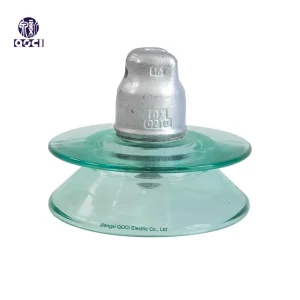
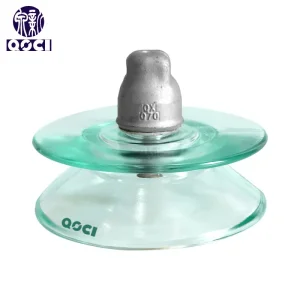
Features deep under-ribs that prevent dry bands and leakage arcs from bridging. Useful in coastal zones exposed to salt spray or humid agricultural valleys where fog is common.
Constructed without deep under-ribs. The smooth design prevents sand, dust, and dry contaminants from building up on the underside, making it ideal for arid, desert settings.
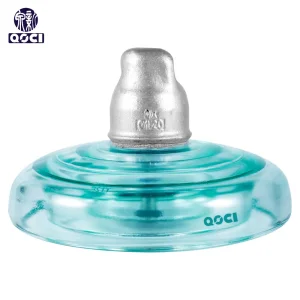
Includes two external ribs that shield the core. This profile combines self-cleaning properties with high creepage distances, suitable for high-pollution industrial corridors.
Uses three spaced glass discs to create a long creepage distance. Ideal for Ultra-High Voltage (UHV) lines, high-altitude regions, and damp coastal sites.
Features a factory-applied Room Temperature Vulcanizing (RTV) silicone layer on the glass surface. This adds hydrophobicity, reducing leakage currents in heavily polluted areas.
The mechanical and electrical characteristics of transmission line fittings must meet exact parameters to prevent service interruptions. Glass insulators are designed to fail "safe". When a glass disc is damaged, it shatters into small fragments rather than breaking apart completely. The remaining stub retains its mechanical load strength, preventing the conductor from dropping and ensuring the mechanical safety of the span.
Our factory processes conform to international standards such as ANSI C29.2 and IEC 60305. We test mechanical and electrical ratings to ensure reliable performance across the standard voltage range.
Our standard designs are rated for 70kN mechanical and electrical strength. The glass shells are assembled with hot-dip galvanized steel fittings and high-strength aluminous cement. This ensures the insulator string remains stable under static loads, dynamic wind forces, and heavy ice accumulation.
We design our products with high power-frequency puncture resistance. The dielectric strength of tempered glass ensures the disc can handle overvoltages from lightning or system switching, reducing the risk of internal breakdown.
Technical answers to help engineering and procurement teams choose and specify high-voltage glass insulators.
Select models from our catalog to view detailed drawings, mechanical load charts, and test certificates.
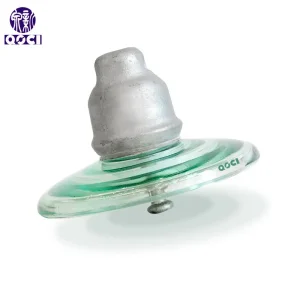
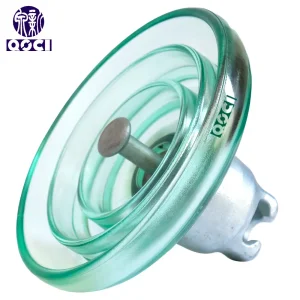
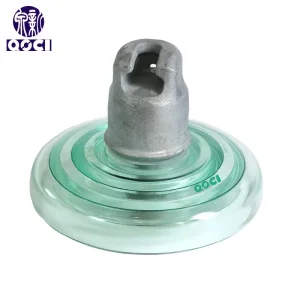
A look into our manufacturing operations, automated equipment, and certified quality control processes.
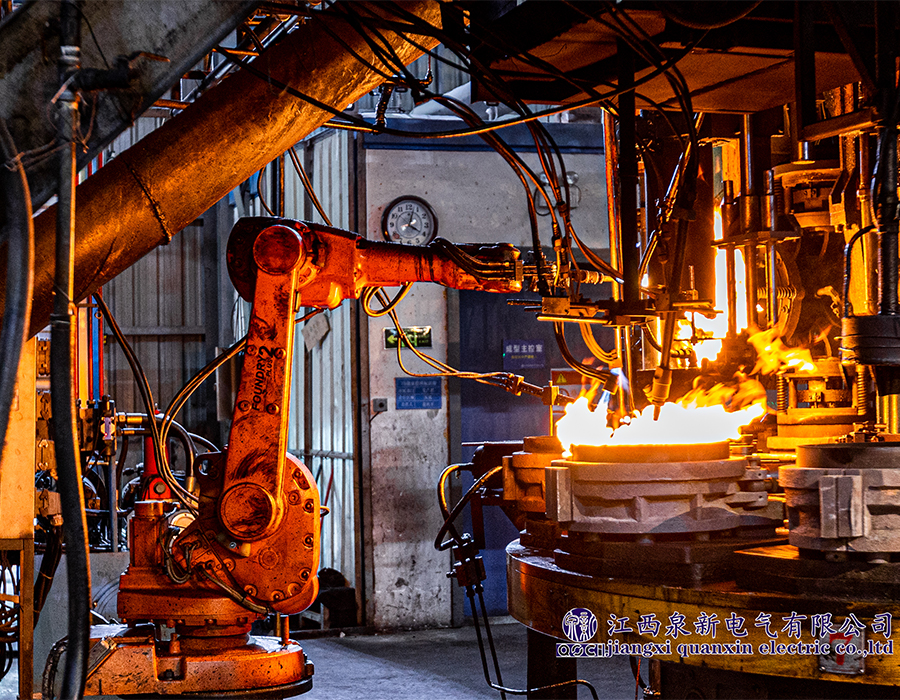
Automated hydraulic presses form glass shells with uniform thickness, minimizing structural anomalies in the glass body.
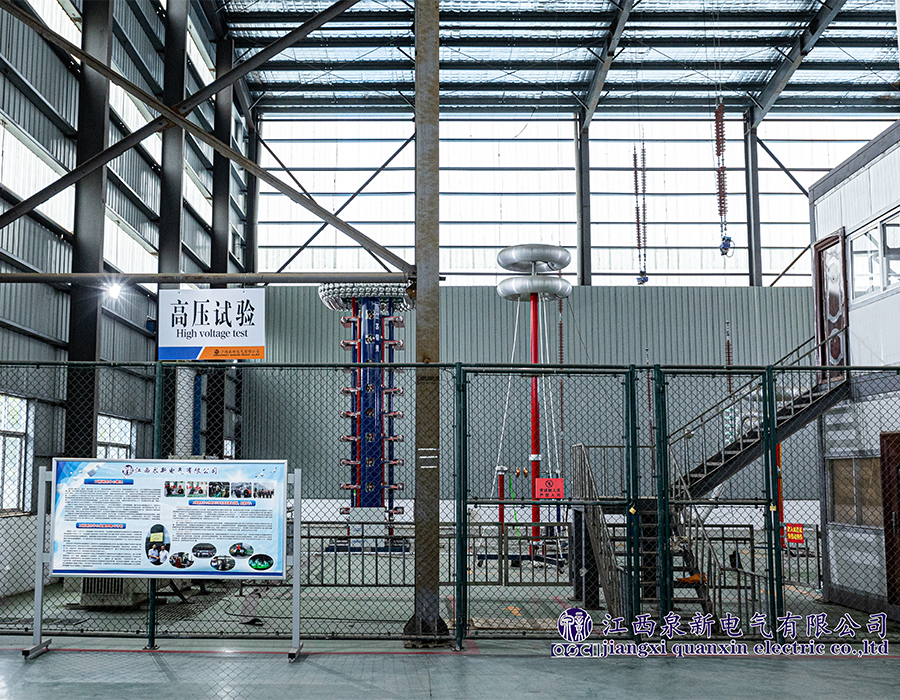
Units undergo power-frequency testing and steep-front lightning impulse tests to verify electrical performance.
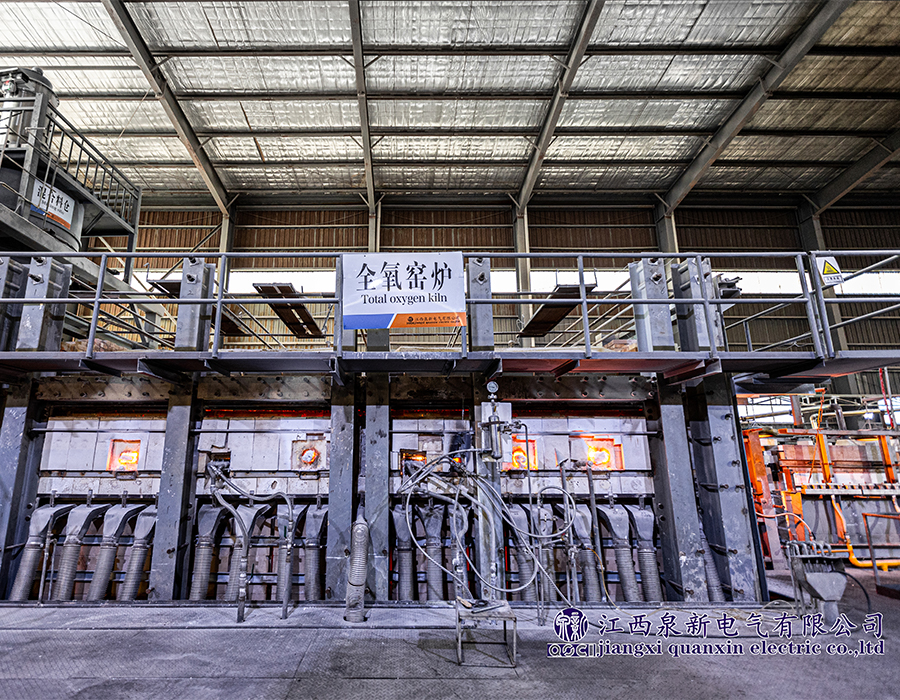
Our automated, clean-fuel furnace processes raw materials at high temperatures, ensuring consistent glass composition.
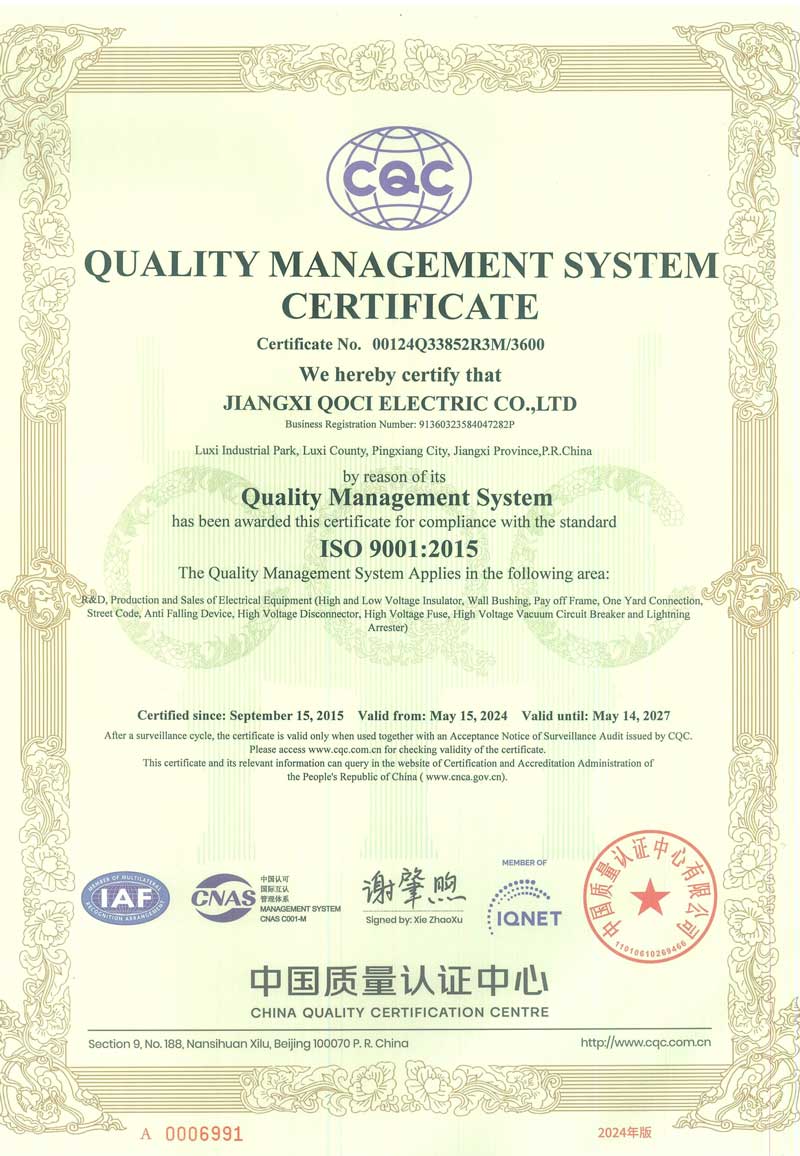
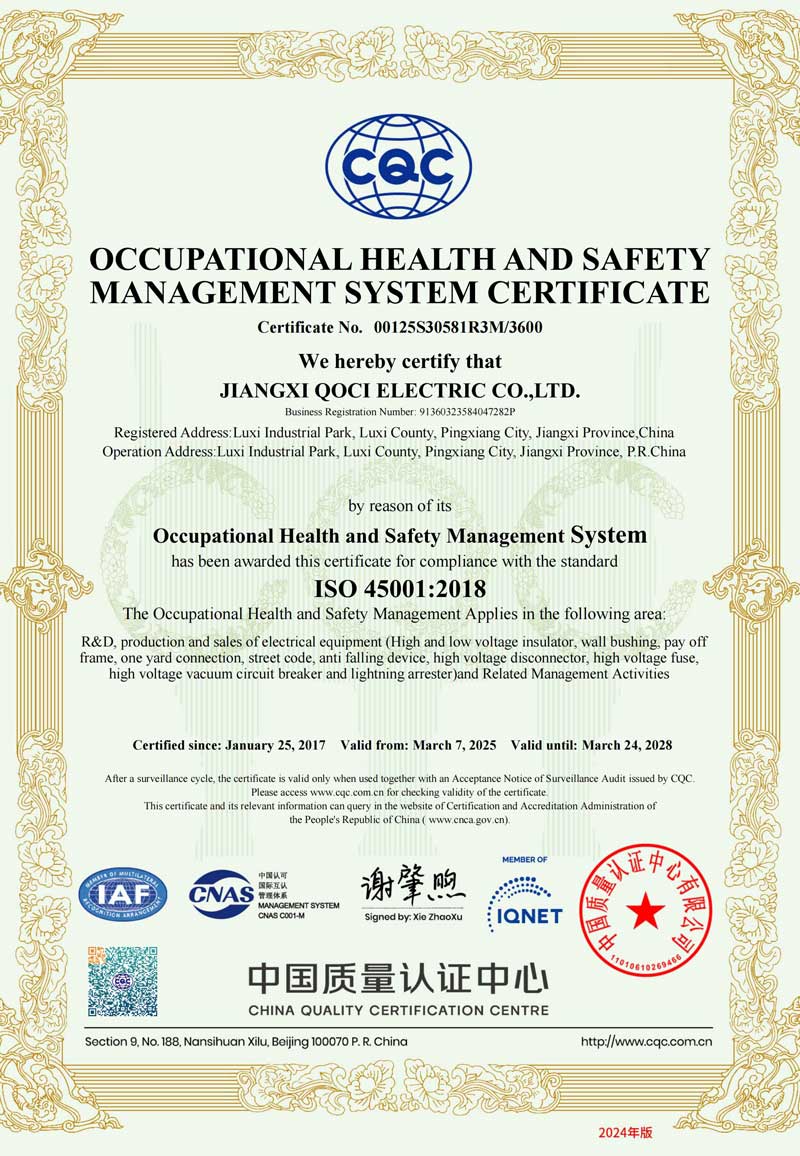
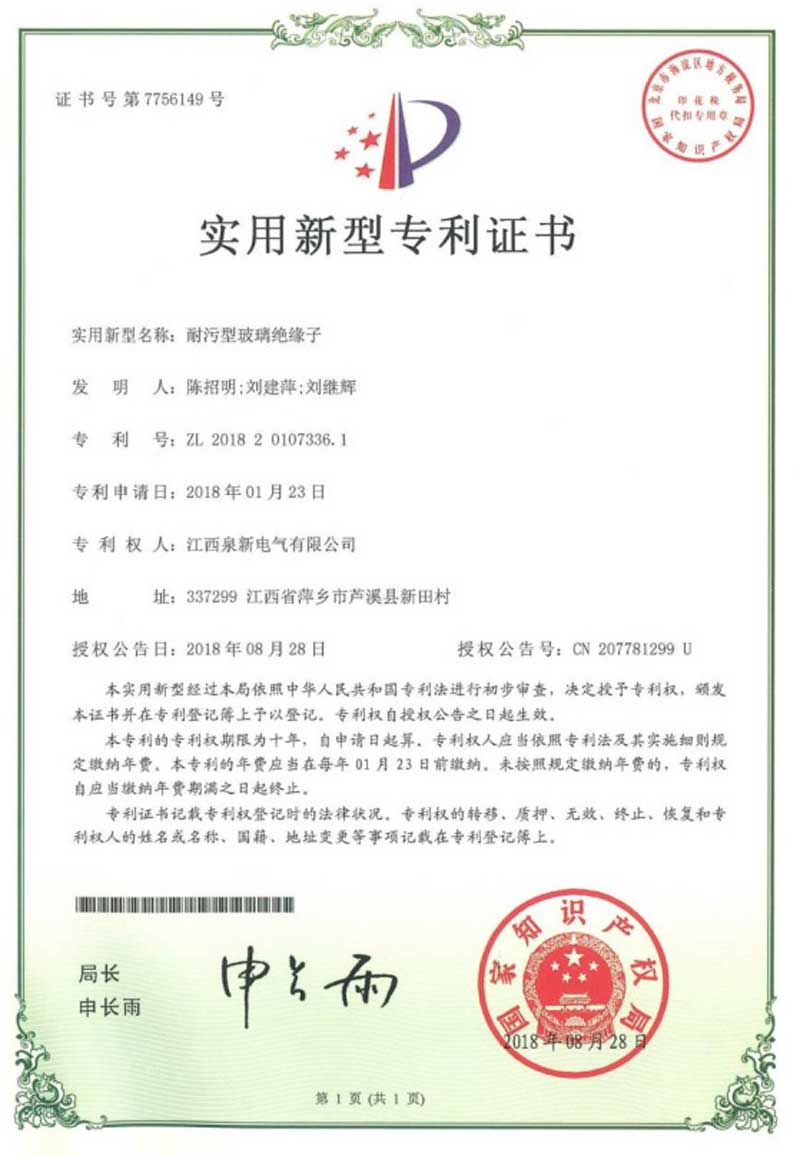
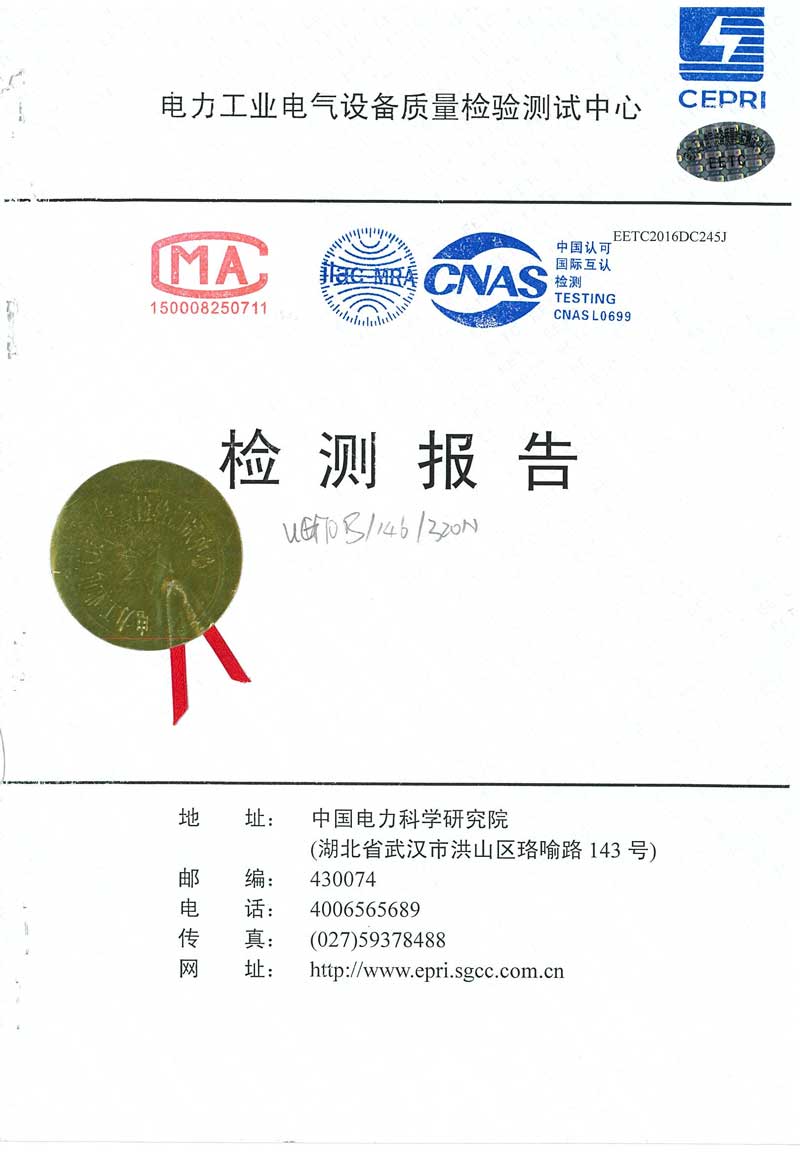
Stay updated on our technical papers, global energy exhibitions, and product innovations.
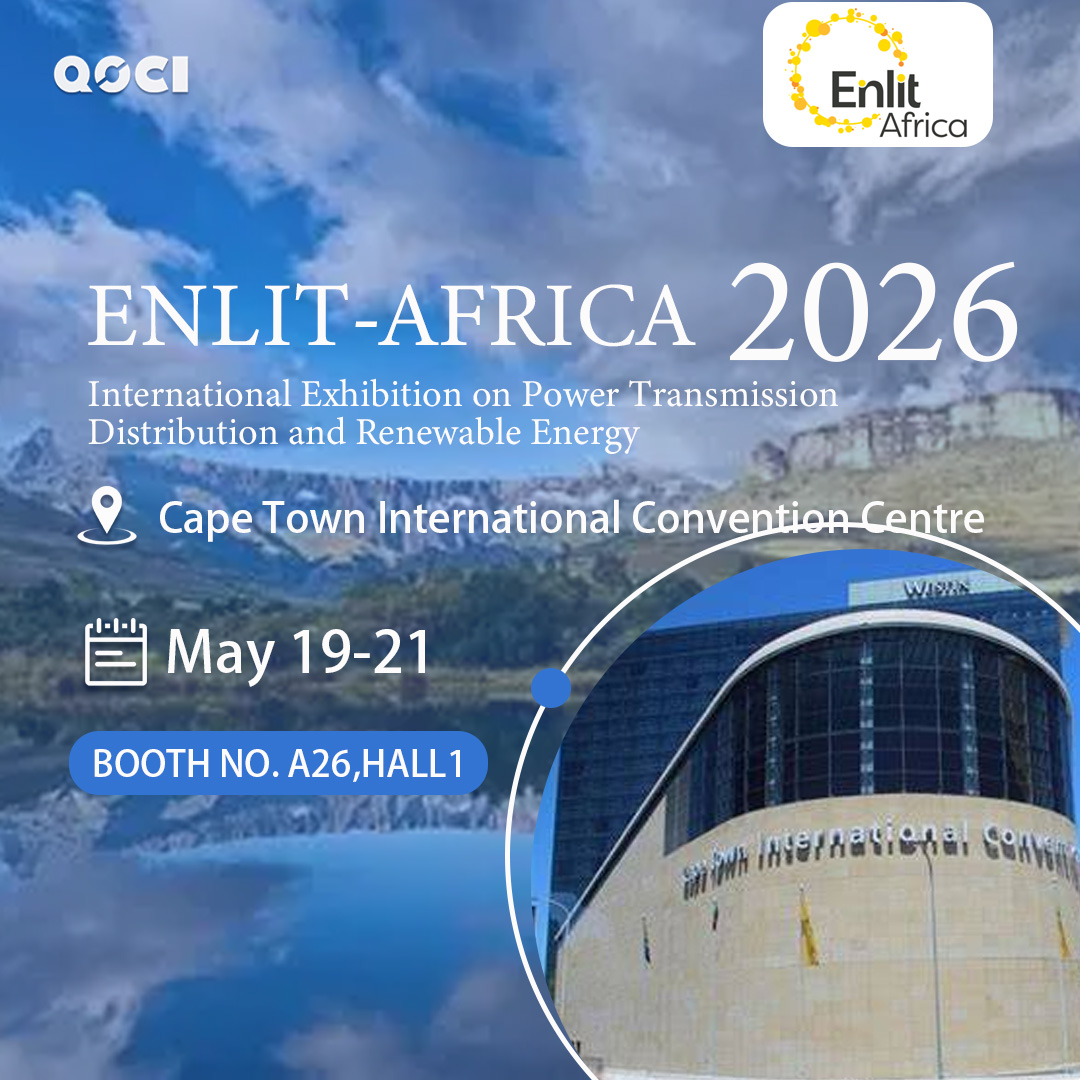
QOCI Electric participated in Enlit Africa, showcasing our high-strength toughened glass insulator models designed for challenging African grid terrains.
We presented our technical paper on glass tempering stresses and insulation configurations at the IEEE PES T&D Conference.