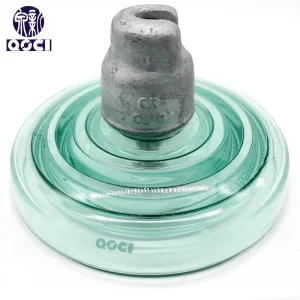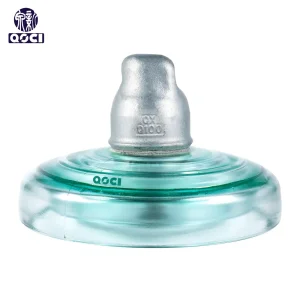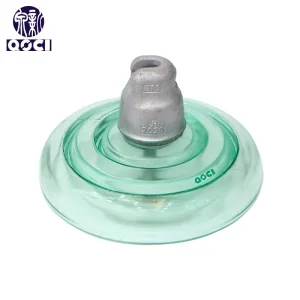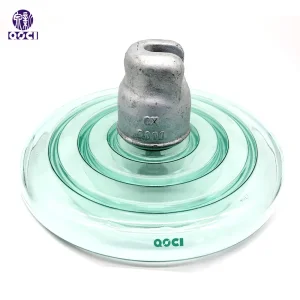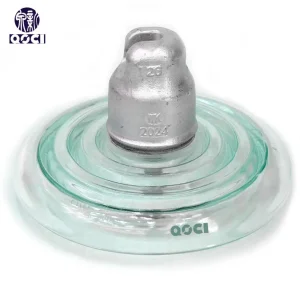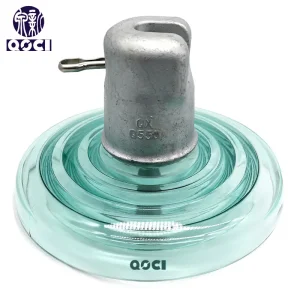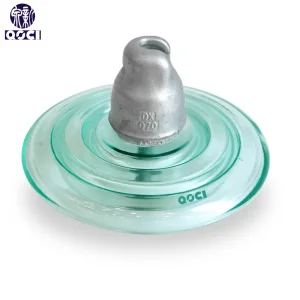
The Comprehensive Guide to U210BM Toughened Glass Insulator Systems
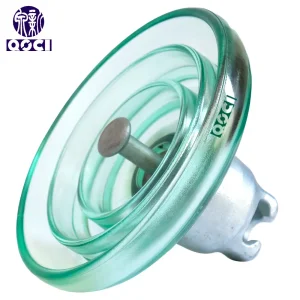
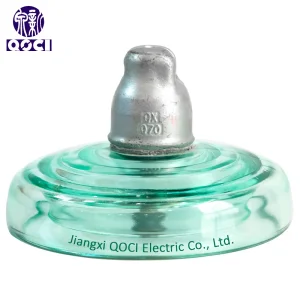
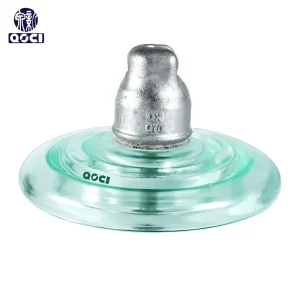
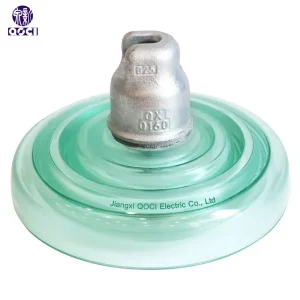
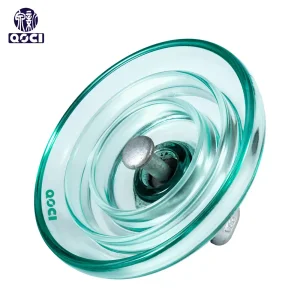
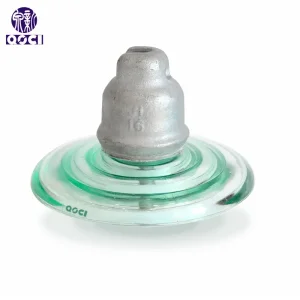
As the global demand for electricity surges, power transmission networks are being pushed to their physical and electrical limits. The transition to Ultra-High Voltage (UHV) and Extra-High Voltage (EHV) systems requires insulation components that can withstand extreme mechanical tension, environmental degradation, and electrical stress. The U210BM Glass Insulator stands at the pinnacle of this technological evolution. Unlike traditional porcelain, toughened glass offers a unique "residual strength" property—even if the glass shell is damaged, the internal tempered core maintains mechanical integrity, preventing line drops.
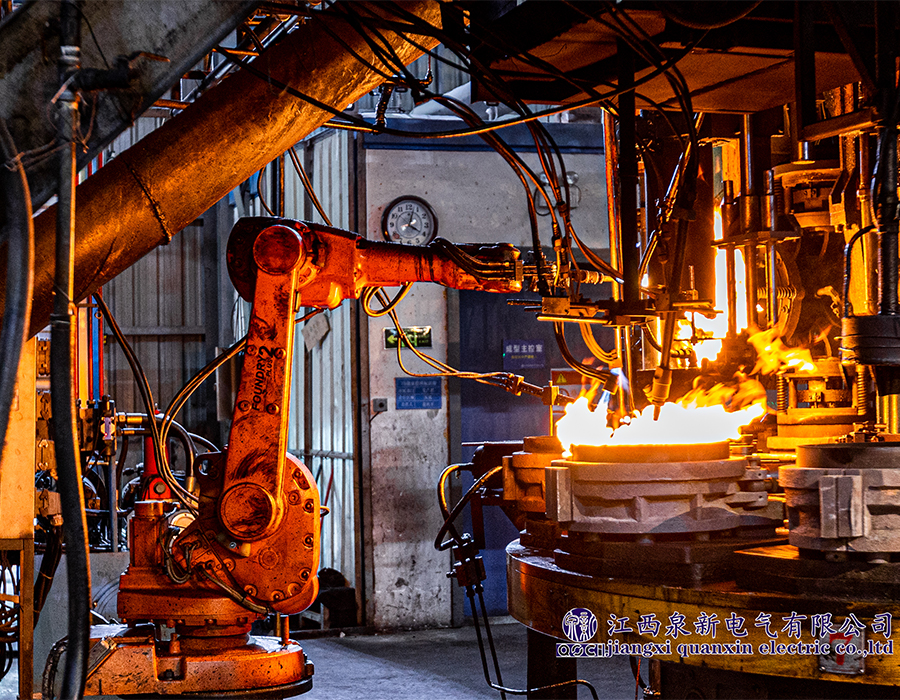
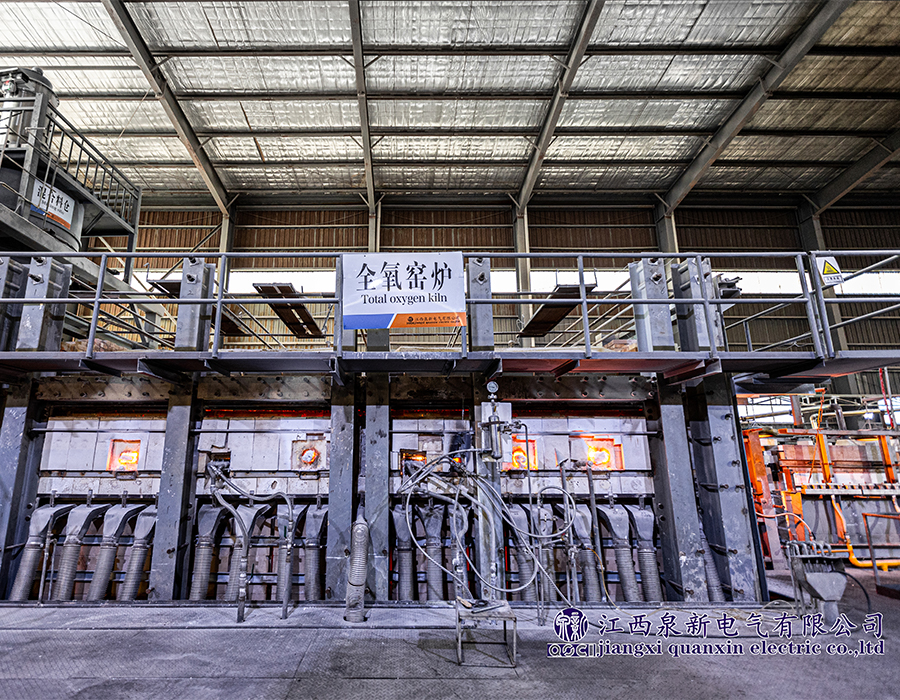
Jiangxi QOCI Electric Co. Ltd utilizes an advanced total-oxygen kiln melting process to ensure the highest purity of raw materials. Our U210BM series is engineered with a mechanical failing load of 210kN, specifically designed for heavy-duty suspension and tension applications. The toughening process creates a pre-stressed surface layer that significantly increases resistance to thermal shock and mechanical impact. This "zero-puncture" design ensures that any electrical failure results in the visible shattering of the glass shell, allowing maintenance crews to identify faulty units via aerial drones or ground inspection without expensive diagnostic tools.
20+ years of manufacturing experience with 53+ senior engineers and 26+ patents.
39,000-ton annual output ensuring stable global supply chain resilience.
Integrating AI-driven material analysis for next-gen RTV silicone coatings.
Full compliance with IEC 60305, ANSI, and global utility standards.
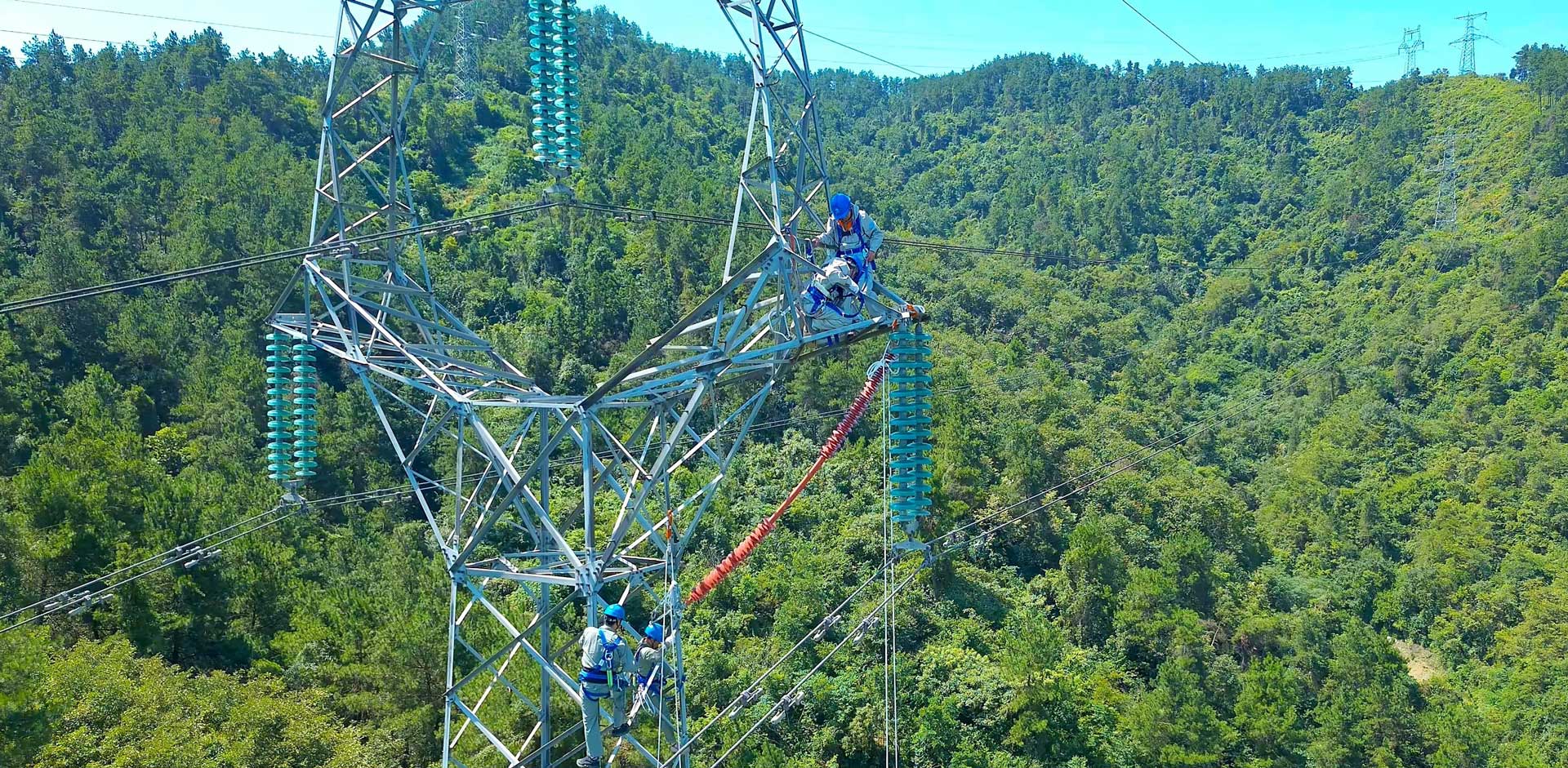
1. Coastal and High Salinity Areas: For regions like the Persian Gulf or Southeast Asian coastlines, our Anti-pollution (Fog type) U210BM variants provide extended creepage distances. The smooth glass surface naturally resists salt crust formation, significantly reducing flashover risks.
2. Desert and Arid Zones: In the Middle East and North Africa, sand erosion is a critical factor. Our aerodynamic profile design prevents the accumulation of sand and dust, utilizing natural wind currents for "self-cleaning."
3. High-Altitude Power Corridors: At altitudes exceeding 3,000 meters (e.g., the Andes or Himalayan projects), the air density drops. Our triple-shed and large-diameter glass insulators are calibrated to maintain dielectric strength under low-pressure conditions.
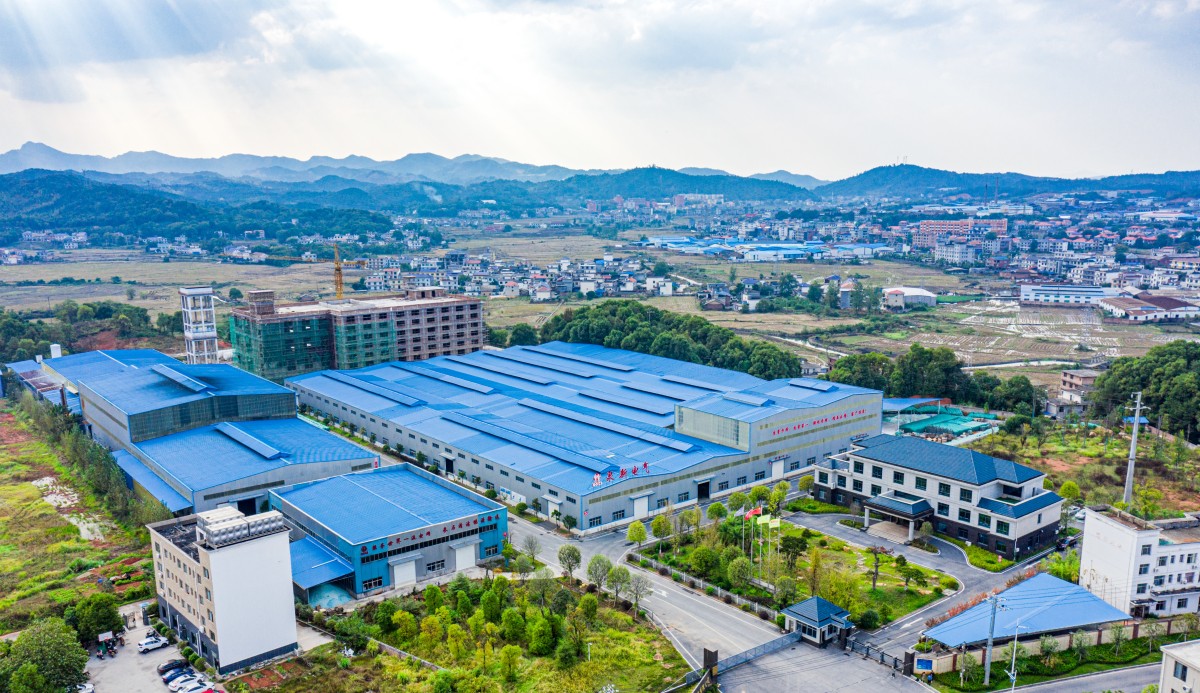
Located in the heart of China's electrical porcelain and glass cluster in Pingxiang, Jiangxi, QOCI Electric leverages a mature industrial ecosystem. This concentration allows for rapid procurement of high-purity silica and precision-engineered steel caps, reducing lead times by 30% compared to global competitors. Our integrated logistics network ensures that U210BM insulators are delivered to international ports within days, maintaining project timelines for major utility providers.
The future of insulation lies in "Smart Grid Integration." QOCI is currently developing sensor-embedded U210BM insulators capable of real-time monitoring of leakage currents and mechanical strain. Furthermore, our RTV (Room Temperature Vulcanization) silicone coating technology is evolving to include self-healing properties, extending the lifespan of glass insulators in the most aggressive industrial environments. We are also committed to a "Green Energy Factory" initiative, reducing the carbon footprint of our glass melting process by 15% over the next three years.
U210BM toughened glass offers superior mechanical stability. Unlike porcelain, which may have internal micro-cracks that lead to "silent" punctures, glass will shatter if the tempered stress is compromised, making failed units immediately visible during routine inspections.
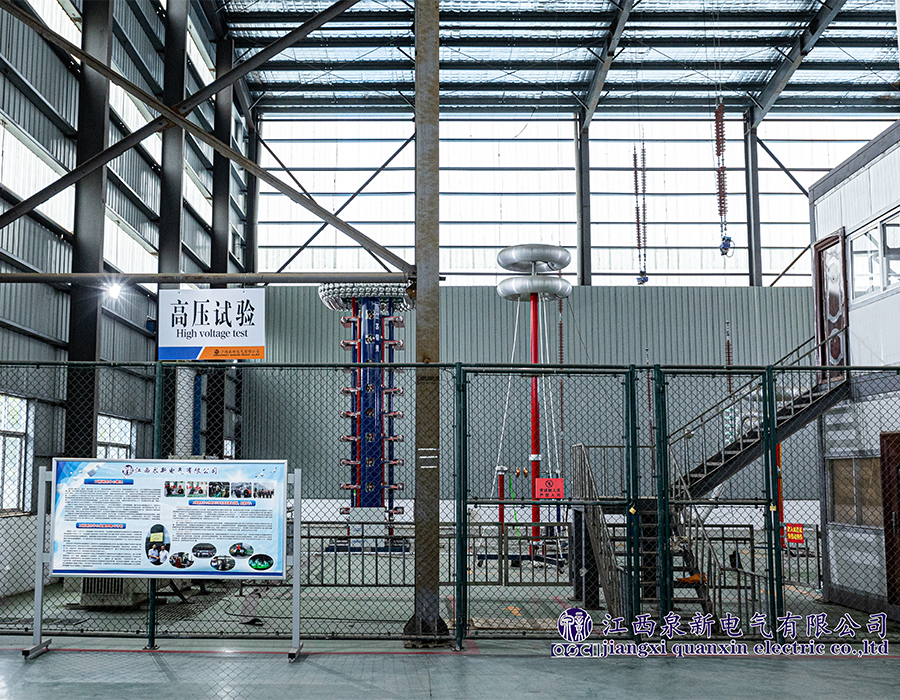
Yes, all our glass insulators, including the U210BM and U160BL series, are manufactured and tested in strict accordance with IEC 60305, IEC 60383, and ANSI standards to ensure global interoperability.
We provide full-service logistical support, including sea-worthy packaging in reinforced wooden crates. We manage all export compliance, HS code classification (854610), and provide comprehensive testing reports for customs clearance.
While standard U210BM is designed for AC, we offer specialized DC-resistant glass formulations that mitigate ion migration, specifically for HVDC projects.