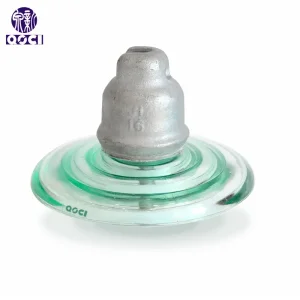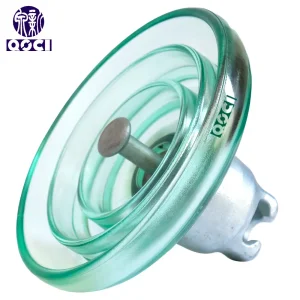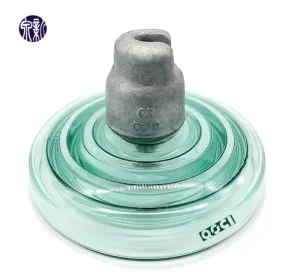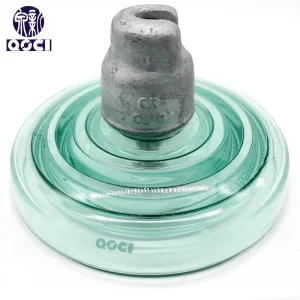
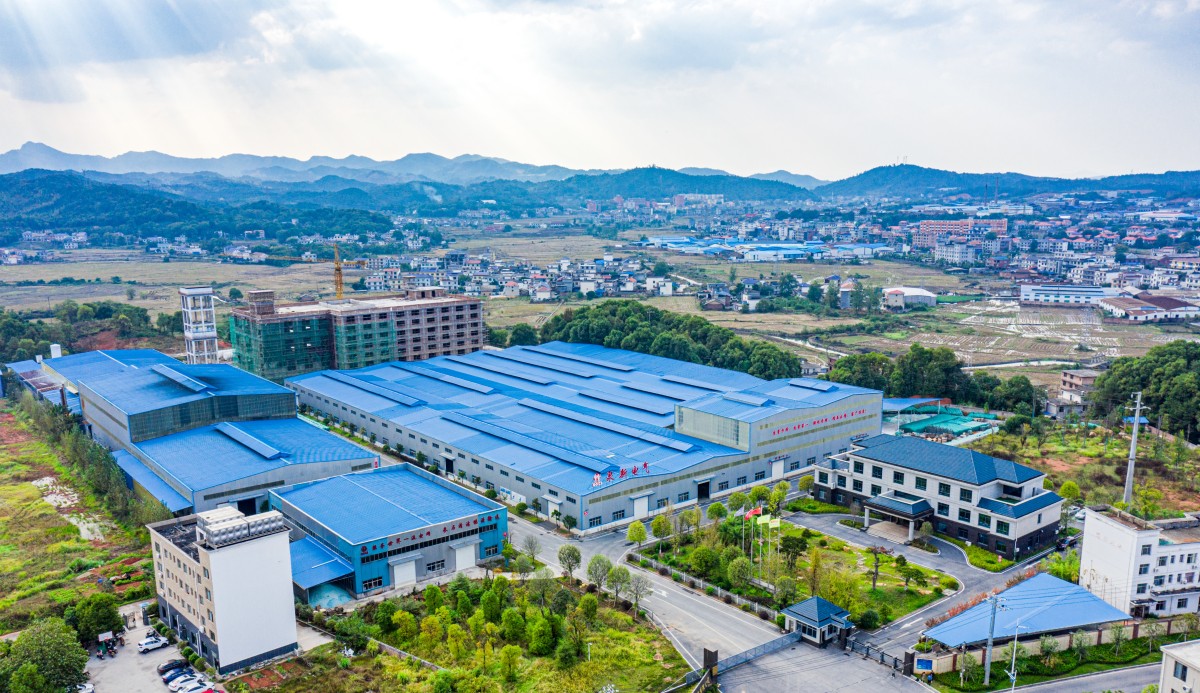
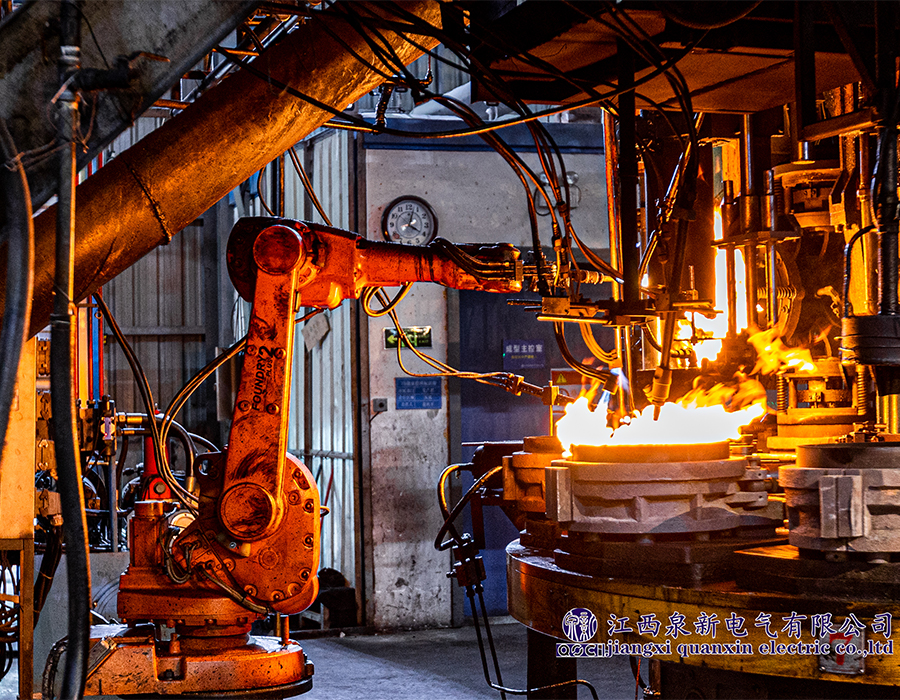
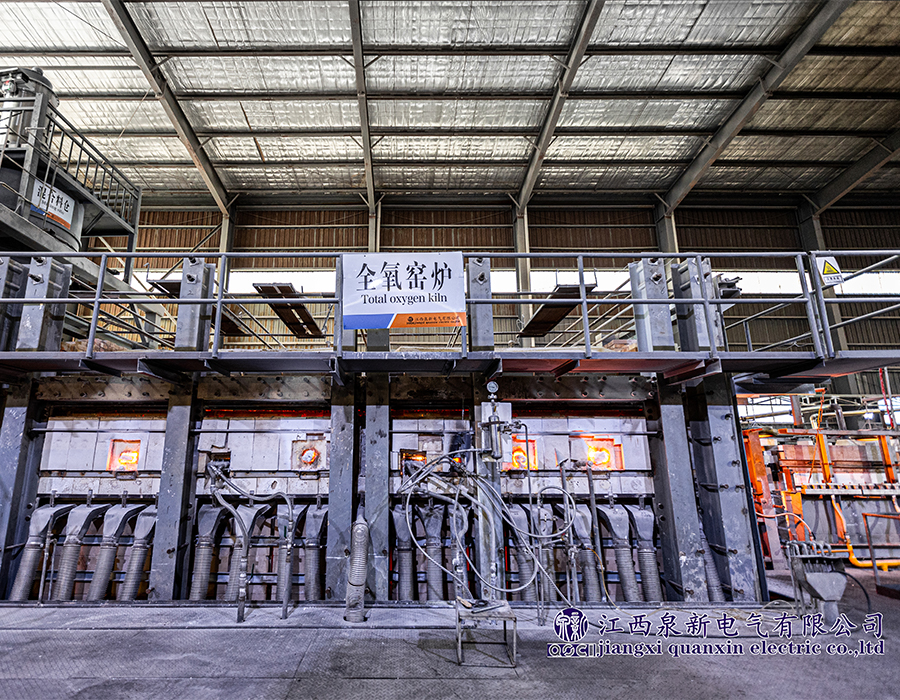
Jiangxi QOCI Electric Co. Ltd, established in 2002, stands at the forefront of the global electrical infrastructure industry. With a registered capital of 508 million Yuan and an expansive 70,000 m² facility in Jiangxi Province, we have dedicated over two decades to perfecting the isolator fiche technique for ultra-high voltage (UHV) and extra-high voltage (EHV) transmission lines.
The global demand for high-performance insulators is undergoing a seismic shift. As nations transition toward Green Energy and decentralized power grids, the role of the isolator fiche technique (technical data sheet) becomes the primary benchmark for reliability. In 2024, the industrial landscape is defined by the integration of renewable sources—solar and wind—located in remote, often harsh environments. This necessitates insulators that exceed traditional IEC 60305 standards.
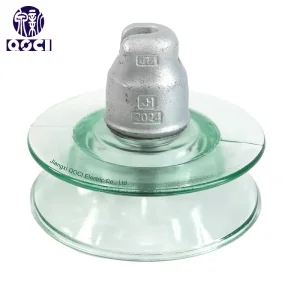
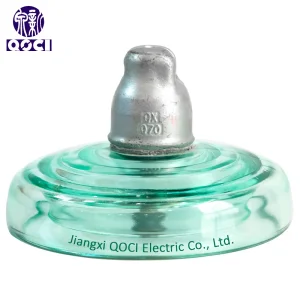
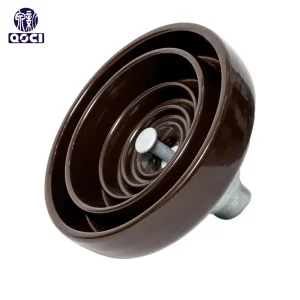
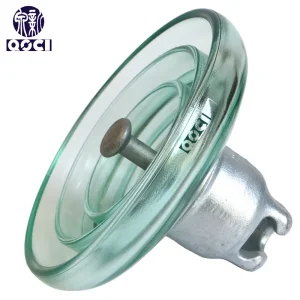
From the salt-heavy coastal regions of Southeast Asia to the high-altitude, ice-prone corridors of Northern Europe, manufacturers must now provide Information Gain through superior material science. Toughened glass insulators have emerged as the preferred medium due to their "zero-fault" visibility—where a failure results in the characteristic shattering of the glass shell, making aerial inspections significantly more efficient than porcelain counterparts.
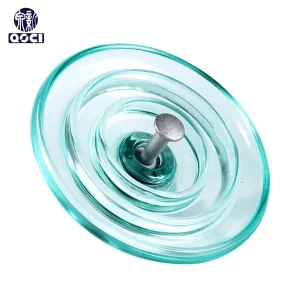
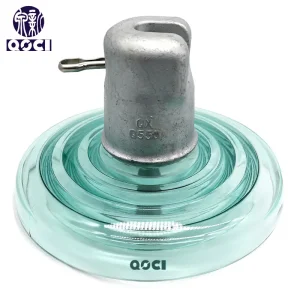
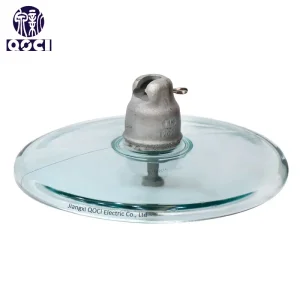
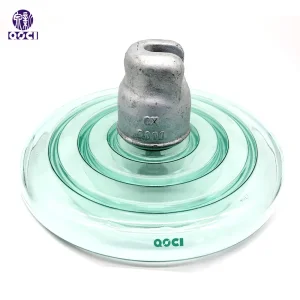
High-strength toughened glass offers a homogeneous structure that eliminates internal porosity, a common failure point in porcelain.
Designed to withstand mechanical loads up to 550kN, ensuring stability during extreme typhoons and seismic events.
Glass is 100% recyclable, aligning with global ESG initiatives for a lower carbon footprint in grid construction.
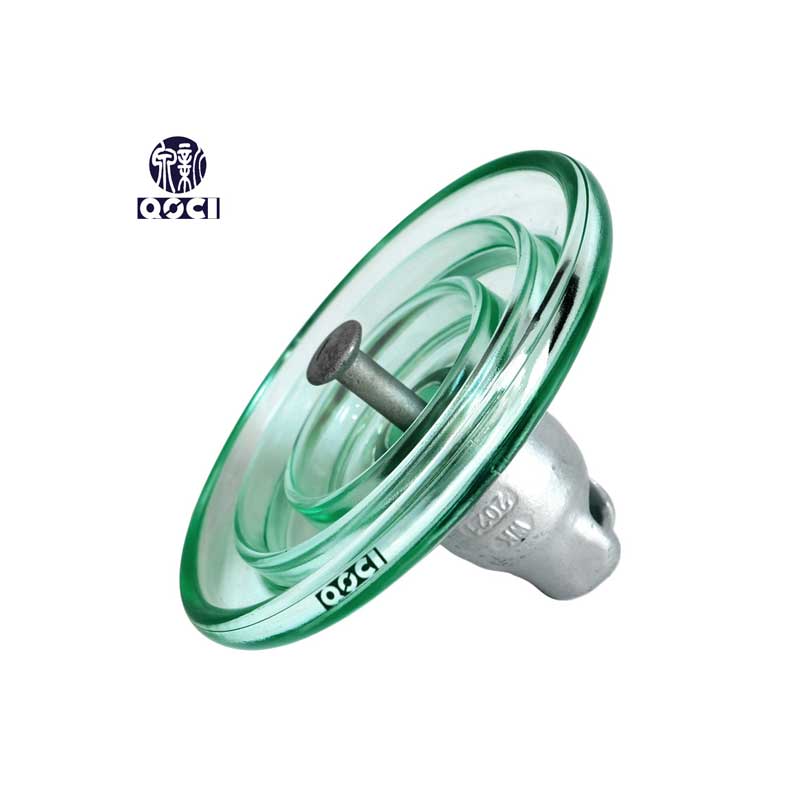
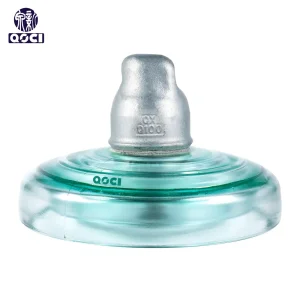
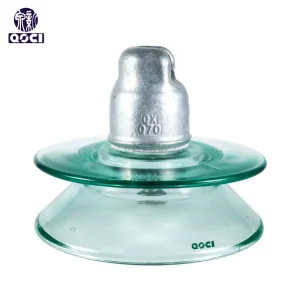
Exceeds IEC 60305 leakage distance values. Features shallow, well-spaced ribs for optimal self-cleaning in temperate wind and rain environments.
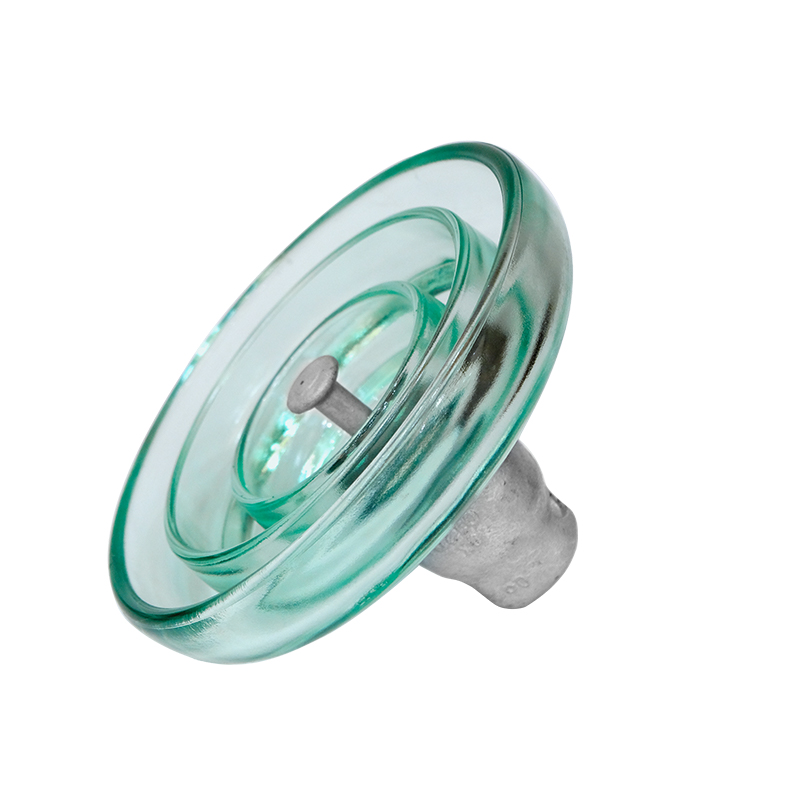
Characterized by long, widely-spaced under-ribs. With a leakage distance/spacing ratio of ~3.2, it is the gold standard for coastal salt-fog mitigation.
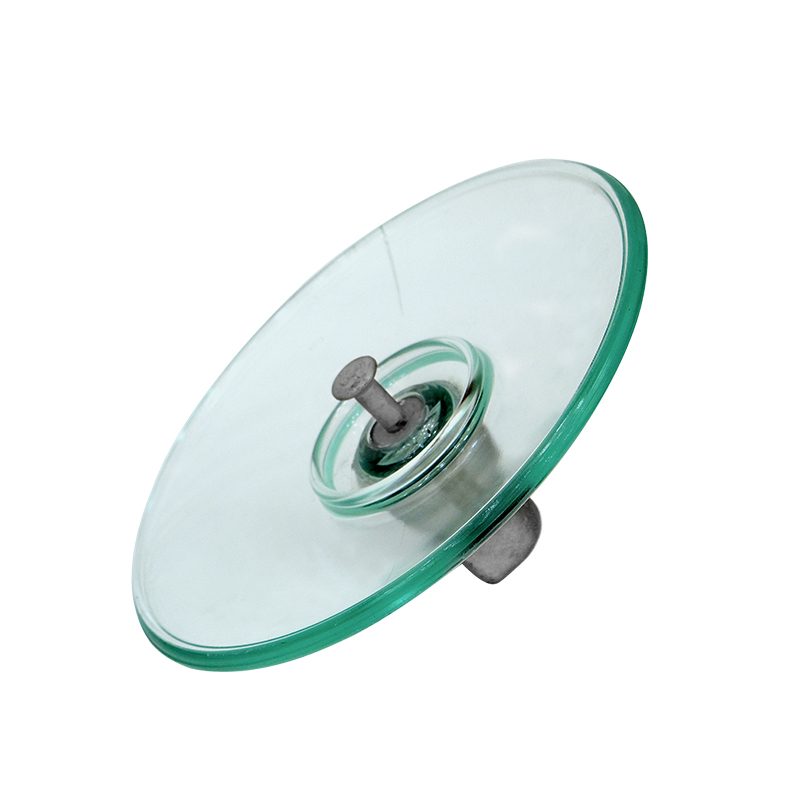
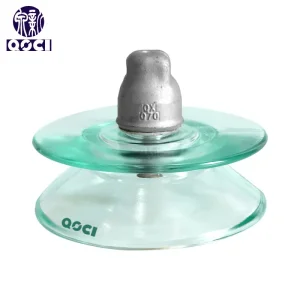
Designed for desert environments. The absence of under-ribs prevents sand and dust accumulation, solving ice-bridging issues in arid zones.
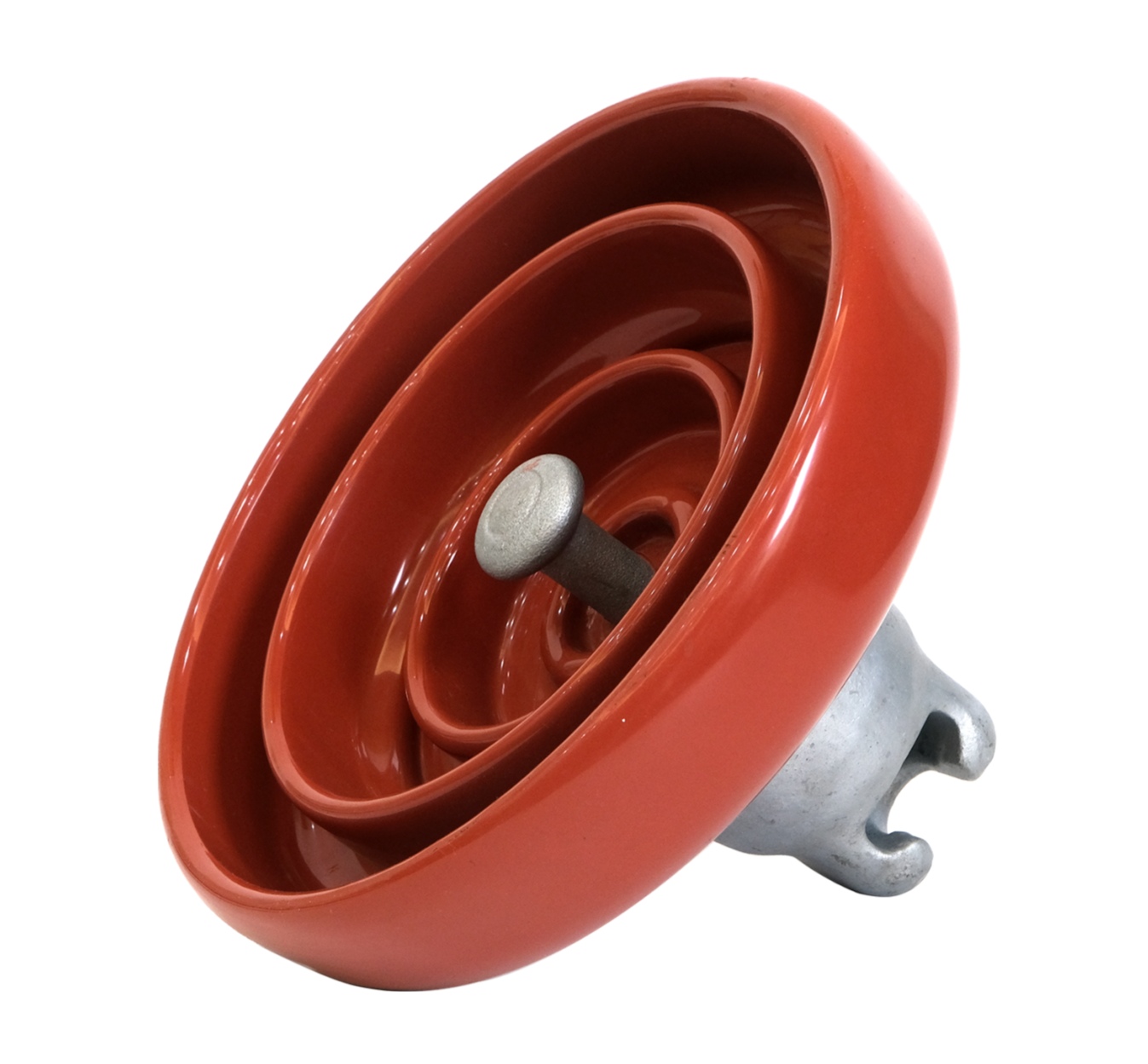
Room Temperature Vulcanization coating provides permanent hydrophobicity, eliminating the need for manual cleaning in heavy industrial pollution areas.
Focus on nanostructured glass surfaces to increase mechanical impact resistance and thermal stability beyond current UHV requirements.
Development of "Smart Insulators" with embedded sensors for real-time monitoring of leakage current and mechanical tension, feeding directly into AI-driven grid management systems.
Engineering isolators specifically for ±1100kV UHVDC lines, focusing on ion migration resistance in glass dielectric bodies.
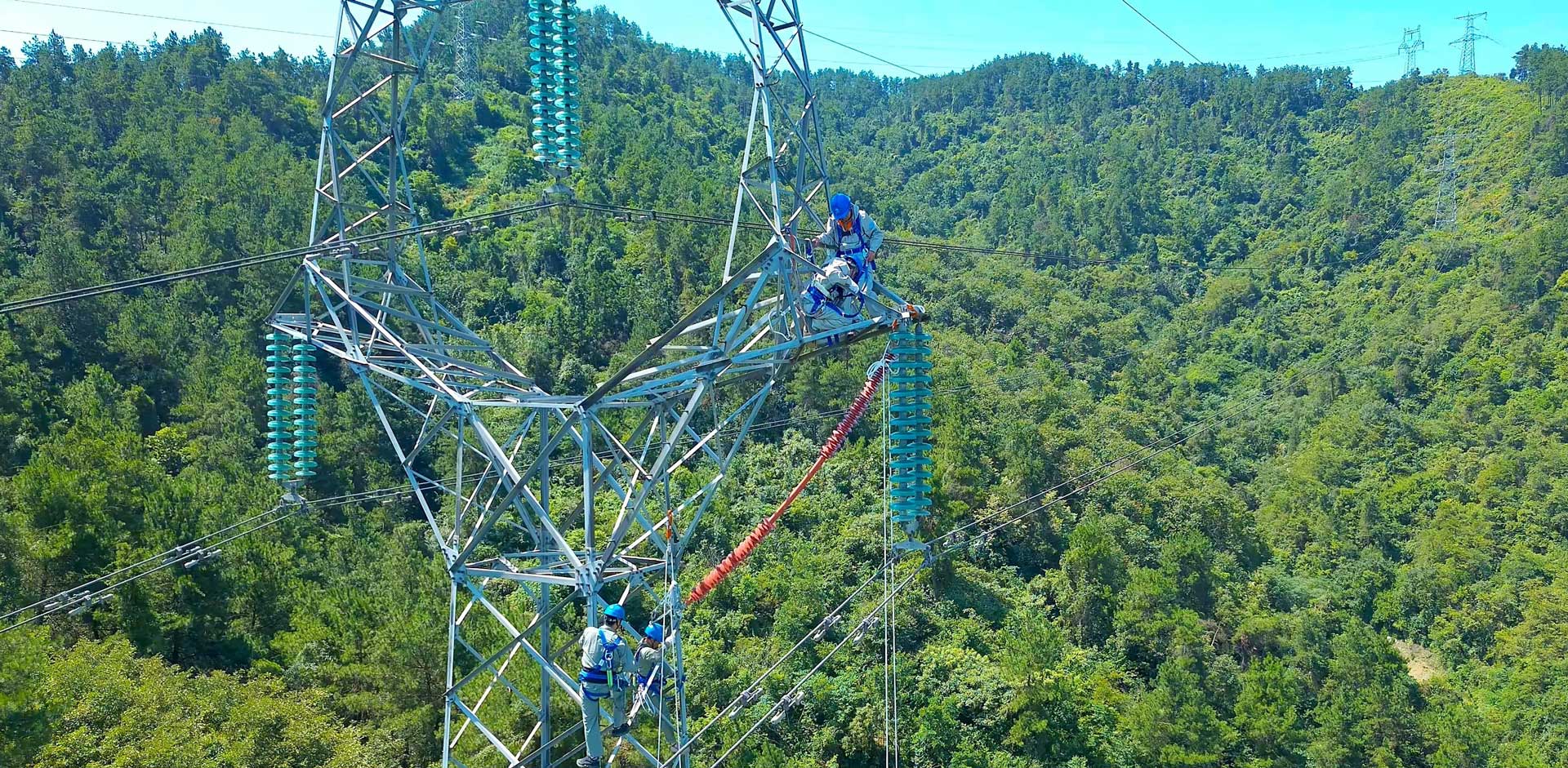
Customized solutions for extreme cold (-60°C) and tropical heat (+50°C), ensuring dielectric integrity across all latitudes.
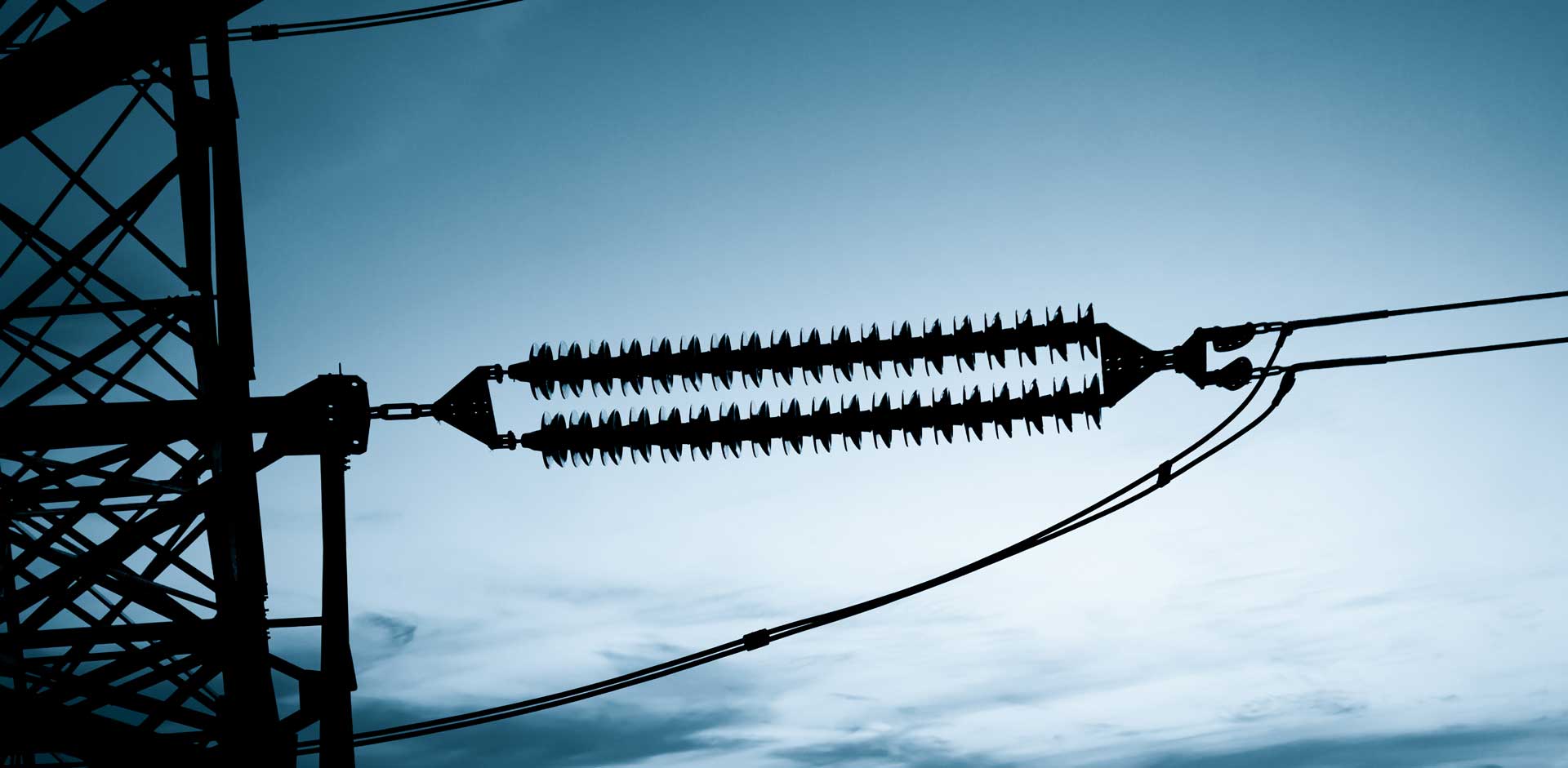
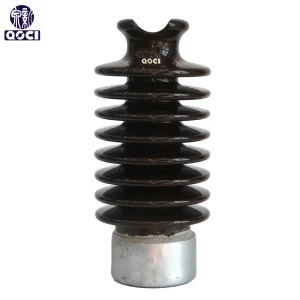
Standardized components for AC and DC systems, including suspension, tension, and post applications for substations.
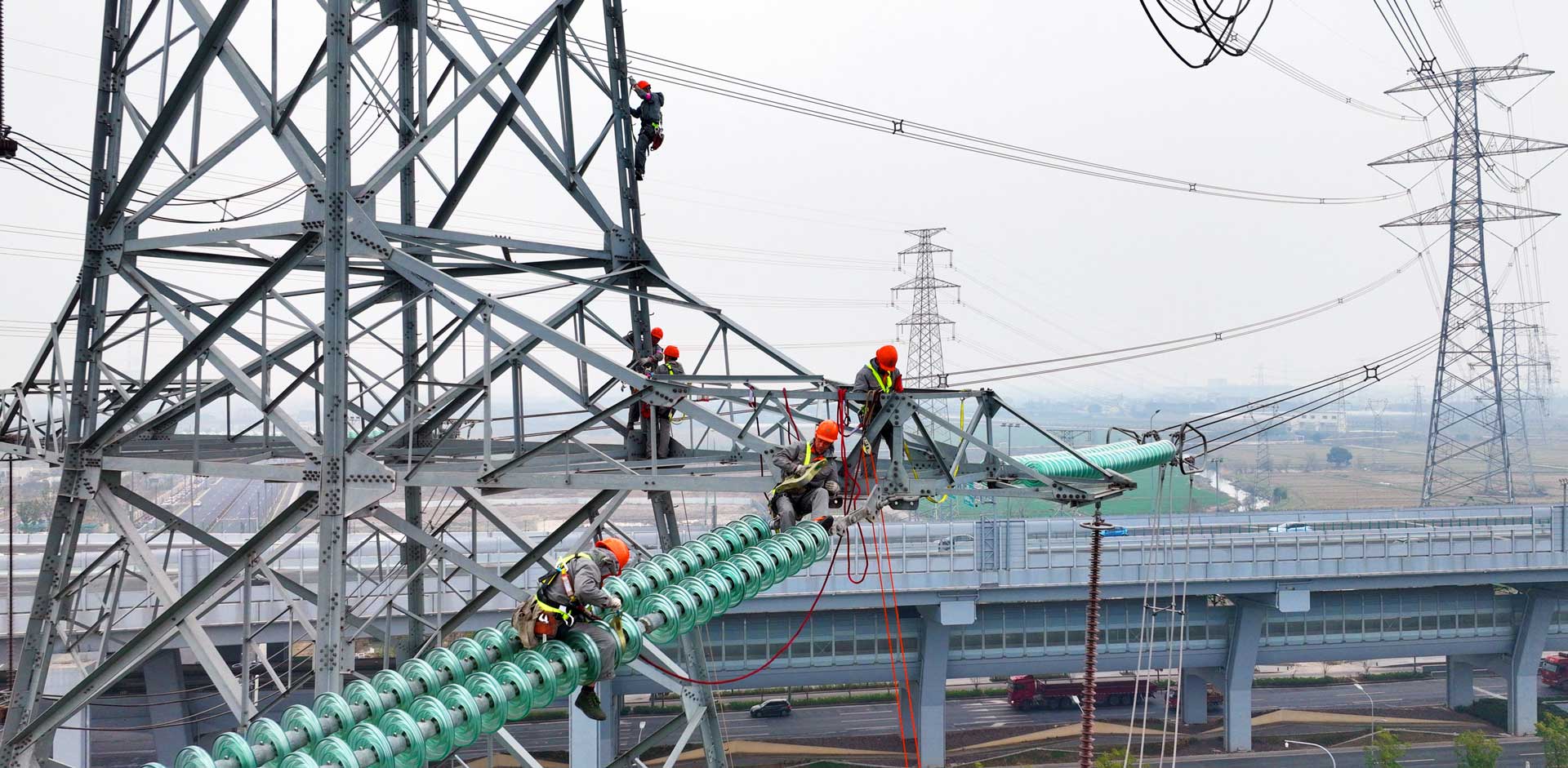
Anti-pollution and anti-icing designs specifically engineered for high-altitude mountain corridors and heavy industrial zones.
A: The technical data sheet (fiche technique) for toughened glass insulators highlights their superior mechanical strength and the "self-shattering" property. This allows for immediate visual detection of faulty units without the need for expensive diagnostic equipment, drastically reducing maintenance costs.
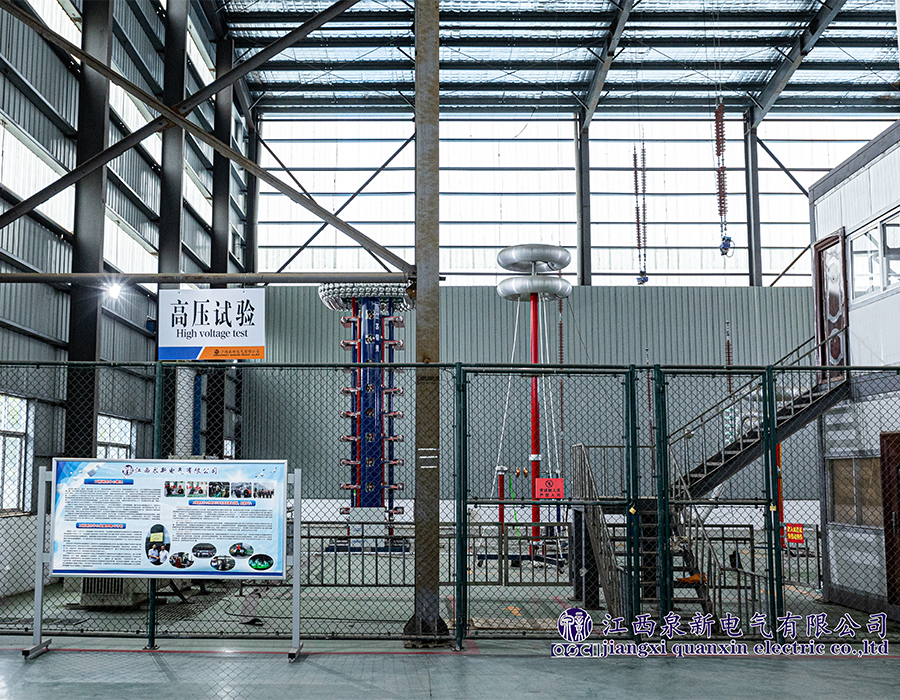
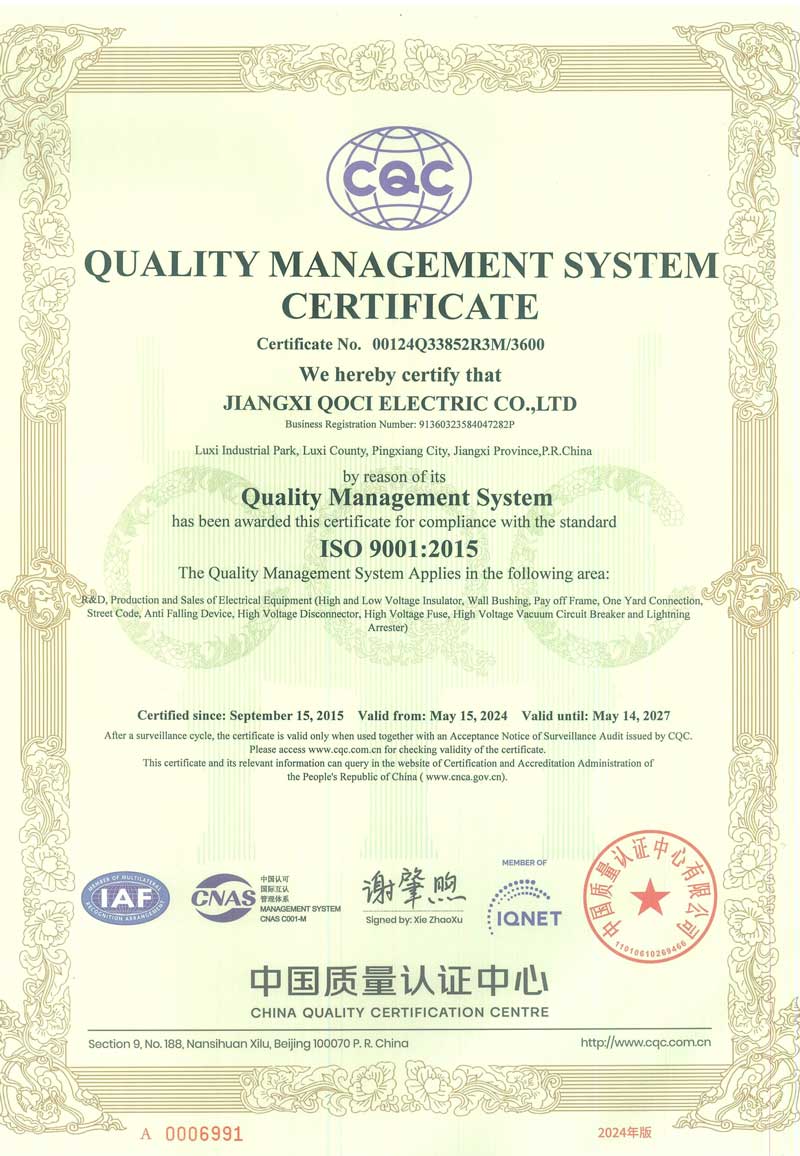
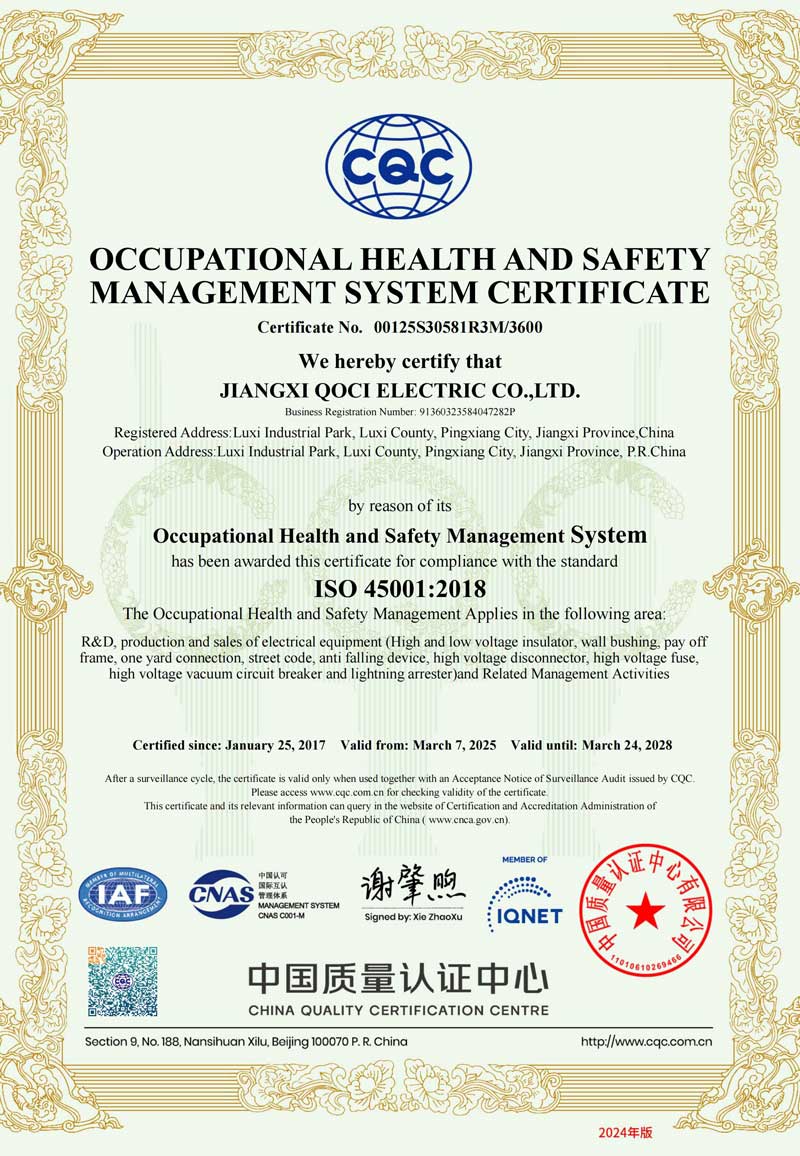
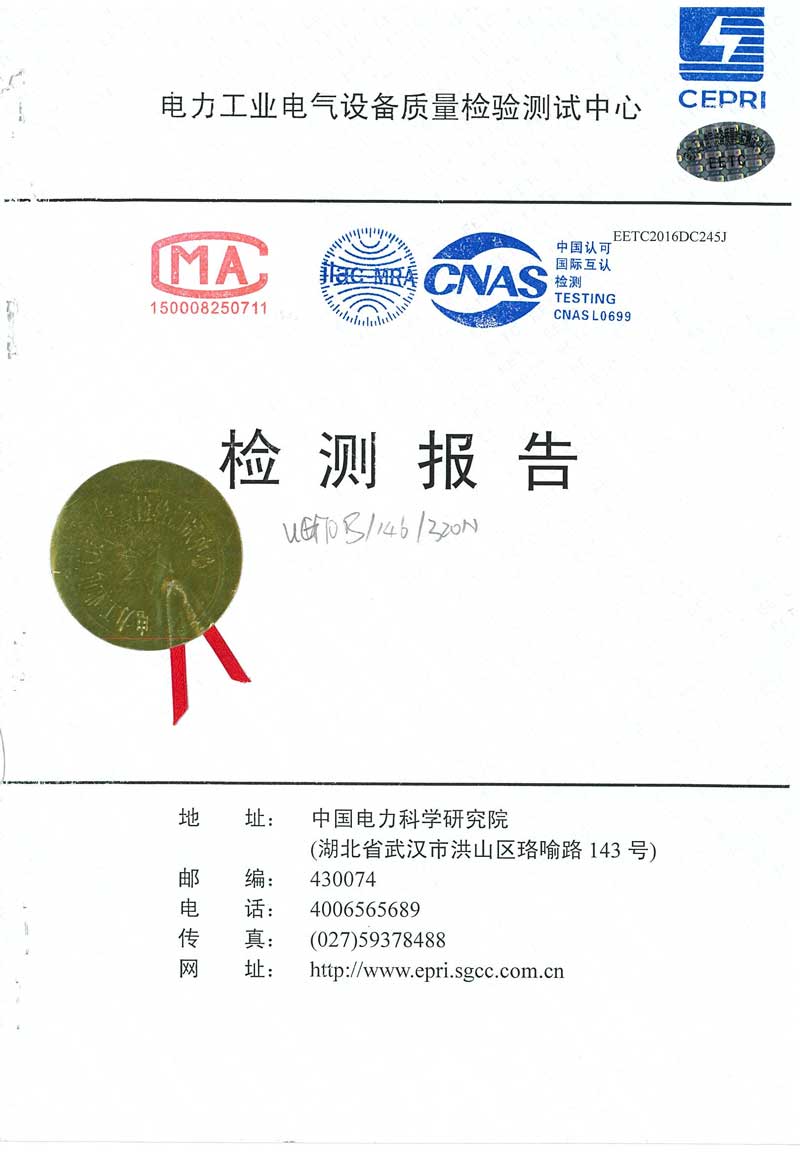
A: All our products are manufactured and tested according to IEC 60305, IEC 60383, and ANSI standards. Our facility is ISO 9001 and ISO 14001 certified, ensuring every "fiche technique" reflects accurate, lab-tested data.
A: Yes. RTV (Room Temperature Vulcanization) silicone coating can be applied to standard, anti-fog, and aerodynamic profiles to enhance hydrophobic performance in extreme pollution areas where manual washing is not feasible.
Accelerating the global energy transition with advanced energy storage and transmission solutions...
Withstanding extreme conditions including icing, high altitude, and earthquakes...