Engineered for Extreme Electrical and Mechanical Stresses in Global Transmission Networks
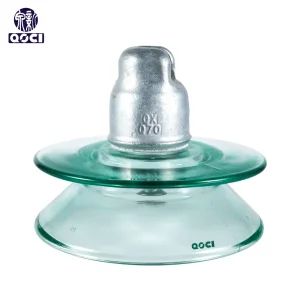
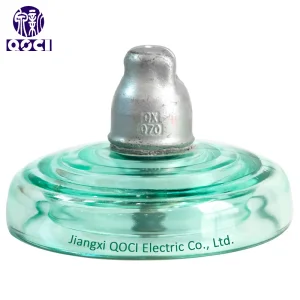
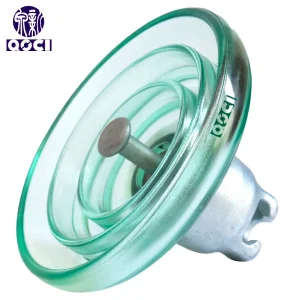
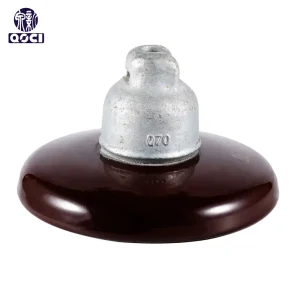
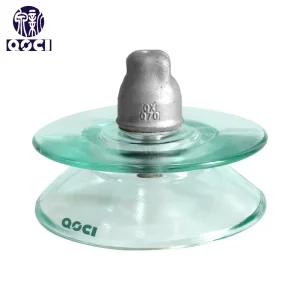
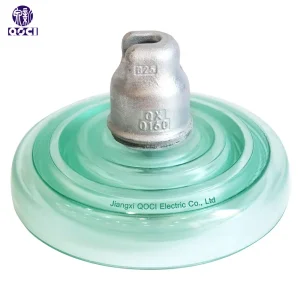
The global transmission infrastructure is undergoing an unprecedented digital and green transition. With renewable energy integration scaling rapidly across continents, high-voltage direct current (HVDC) and ultra-high-voltage (UHV) AC grids demand critical components capable of withstanding extreme electromechanical loads. Among these, the Glass Insulator 210 (IEC U210BP) has established itself as an indispensable benchmark for high-capacity overhead transmission lines.
Market demand is heavily influenced by grid modernization initiatives in North America, Europe, Southeast Asia, and the Middle East. Utilities are increasingly replacing aging porcelain lines with toughened glass suspension insulators due to their superior safety margins, self-shattering properties upon failure (allowing effortless drone-based inspection), and high resistance to environmental degradation.
Advanced Manufacturing Plant
Annual Production Capacity
Senior Engineering Experts
Core Innovation Patents
As the epicenter of global insulator production, Chinese manufacturing hubs—particularly Jiangxi—have perfected the art and science of toughened glass insulator production. Leveraging advanced total oxygen kilns, automated forming presses, and rigorous high-voltage testing rigs, factories like Jiangxi QOCI Electric Co., Ltd. deliver unmatched production efficiency and cost-effectiveness without compromising international quality benchmarks.
The production of the 210kN anti-fog tempered glass insulator requires precise thermal tempering to create permanent surface compression layers. Chinese manufacturing excellence ensures uniform glass crystallization, minimal internal impurities, and exact mechanical coupling dimensions that comply strictly with IEC 60305, ANSI, and BS standards. Global enterprise procurement teams benefit from reduced lead times, high-volume scalability, and rigorous quality control protocols that include thermal mechanical performance testing and electrical flashover verification.
Serving World-Class Power Grids with Dedication and Innovation
Serve the world-class power grid with dedication and actively participate in the global construction of green energy systems through continuous R&D.
Responsibility is the core guarantee of quality. Every Glass Insulator 210 undergoes stringent mechanical breakdown and thermal shock testing.
Dedicated to serving the global electric power industry, ensuring structural safety, stability, and operational continuity of transmission grids.
Electrical transmission lines traverse diverse and hostile topographies. The Glass Insulator 210 (IEC U210BP) is engineered specifically to excel in demanding environments:
High salt-fog concentrations require extended creepage distances. Anti-fog and external shed profiles prevent pollution flashovers through natural wind and rain self-cleaning mechanisms.
Chemical and particulate accumulations are neutralized by aerodynamic and RTV silicone-coated glass variations, minimizing leakage currents and maintenance intervals.
Comprehensive High-Voltage Solutions Manufactured to International Standards
Expert Insights on Procurement, Technical Specifications, and Factory Standards
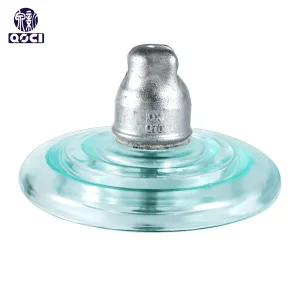
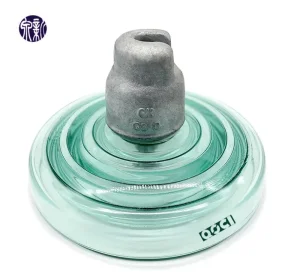
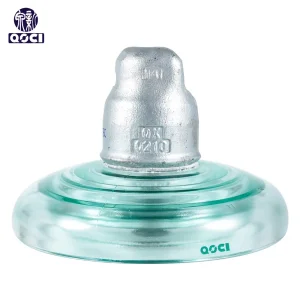
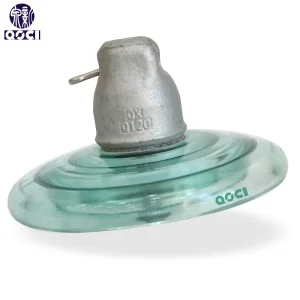
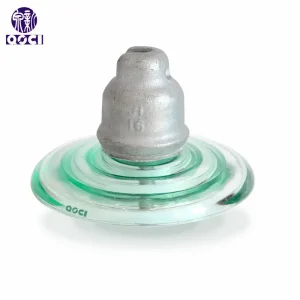
The U210BP features a 210kN mechanical rating and an anti-fog profile optimized for high pollution and heavy condensation environments. Its toughened glass structure ensures high residual strength and clear visibility during routine inspections.
Chinese factories offer advanced automated production lines, large-scale annual outputs (such as 39,000 tons), strict compliance with IEC and ANSI standards, and highly competitive pricing combined with reliable global logistics.
Every batch undergoes electromechanical breaking load tests, thermal mechanical performance testing, routine electrical spark tests, and verification of galvanization thickness on metal caps and pins.
Yes. For regions with extreme industrial or coastal contamination, Room Temperature Vulcanization (RTV) silicone-coated glass insulators are available to maximize hydrophobicity and eliminate regular washing requirements.