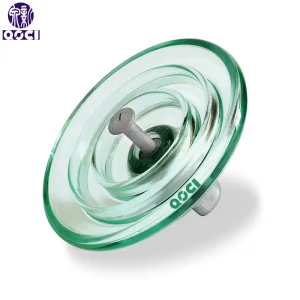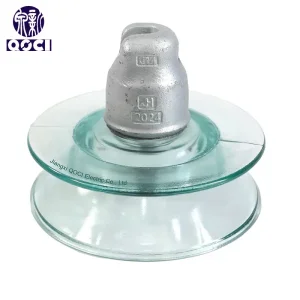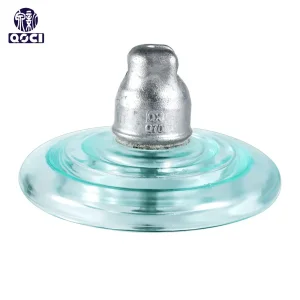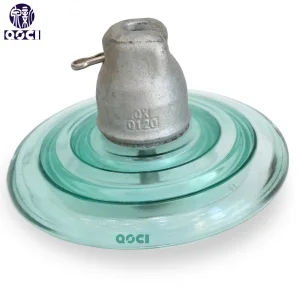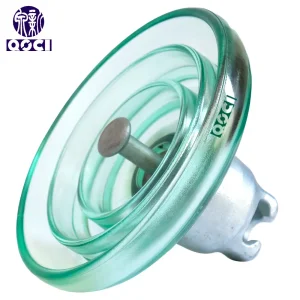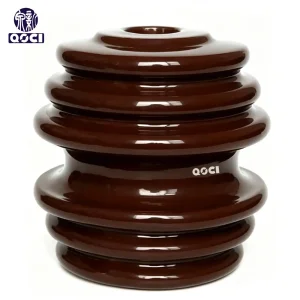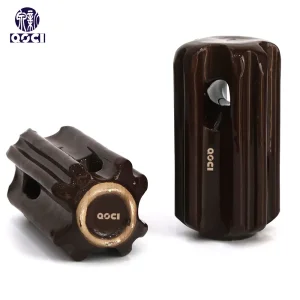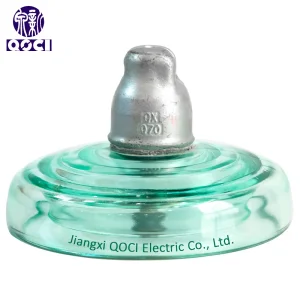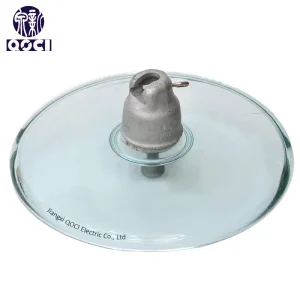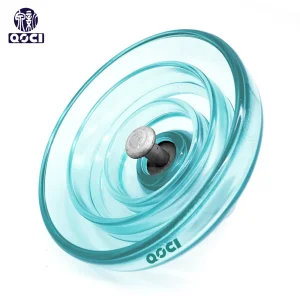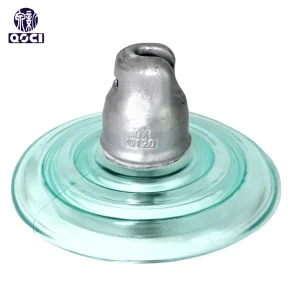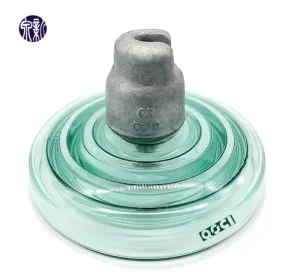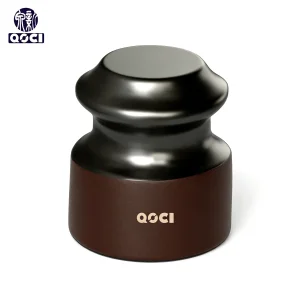
The Glass Insulator 420B (commonly associated with the U420B rating) represents the pinnacle of suspension insulator technology for Ultra-High Voltage (UHV) and Extra-High Voltage (EHV) AC/DC transmission lines. As global power consumption shifts toward renewable energy sources—often located in remote areas far from urban centers—the need for insulators that can withstand mechanical loads exceeding 420kN has skyrocketed.
Unlike traditional porcelain units, the toughened glass 420B offers a unique "self-shattering" characteristic. In the rare event of a defect, the glass shell shatters into small, non-threatening fragments while the internal cap-and-pin remain intact, maintaining the mechanical string's integrity. This provides "Information Gain" for maintenance crews: a broken unit is visible from the ground, eliminating the need for complex electrical testing on-site.
Current industrial status shows a massive surge in procurement from the Middle East, Southeast Asia, and Sub-Saharan Africa. National utilities are moving away from legacy systems toward "Grid Resilience." Procurement directors now prioritize suppliers who can offer 420B units with specialized RTV (Room Temperature Vulcanization) coatings for coastal high-salinity zones.
The global industrial status reflects a shift toward 4.0 production. Reliable 420B suppliers are no longer just manufacturers; they are strategic partners integrated into the digital twin of the power grid, providing traceable performance data for every batch produced.
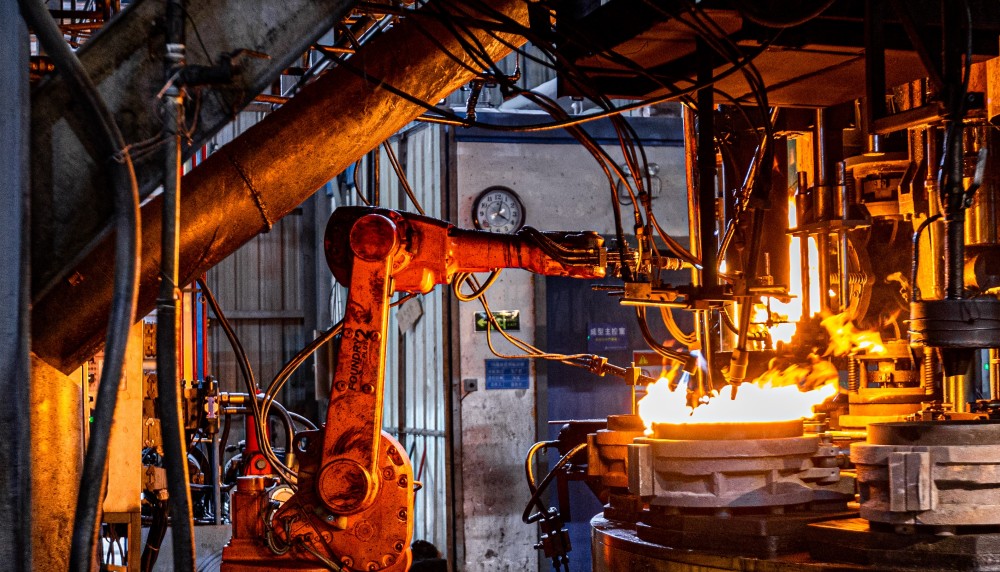
Located in the heart of Pingxiang, Jiangxi—China's electrical porcelain and glass capital—Jiangxi QOCI Electric Co. Ltd has redefined the manufacturing of 420B insulators through "Factory 4.0" initiatives. Our 70,000 m² plant utilizes Total Oxygen Kiln technology, significantly reducing carbon emissions while ensuring a more homogeneous glass melt for superior dielectric strength.
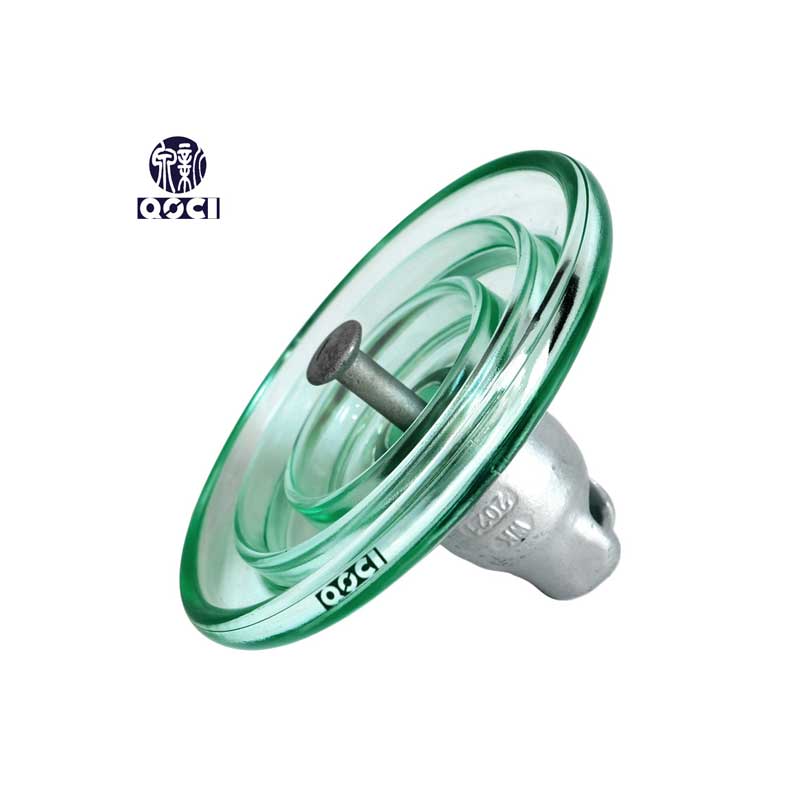
Designed with shallow, well-spaced ribs for effective self-cleaning by wind or rain. Ideal for areas with moderate pollution and stable climatic conditions.
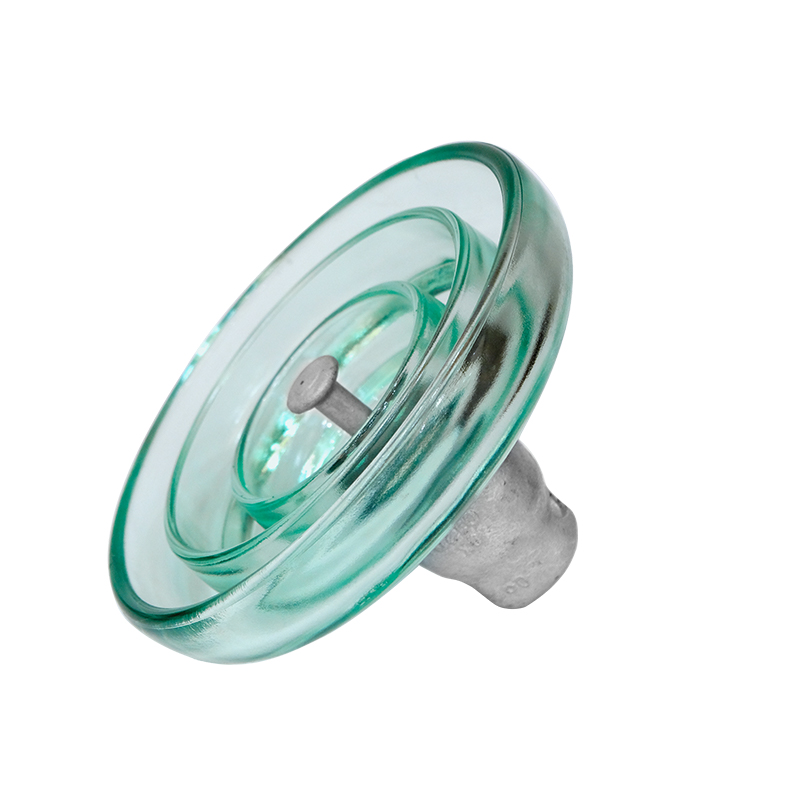
Characterized by long, widely-spaced under-ribs to prevent arc bridging. Essential for coastal areas (salt fog) and industrial zones with heavy particulate matter.
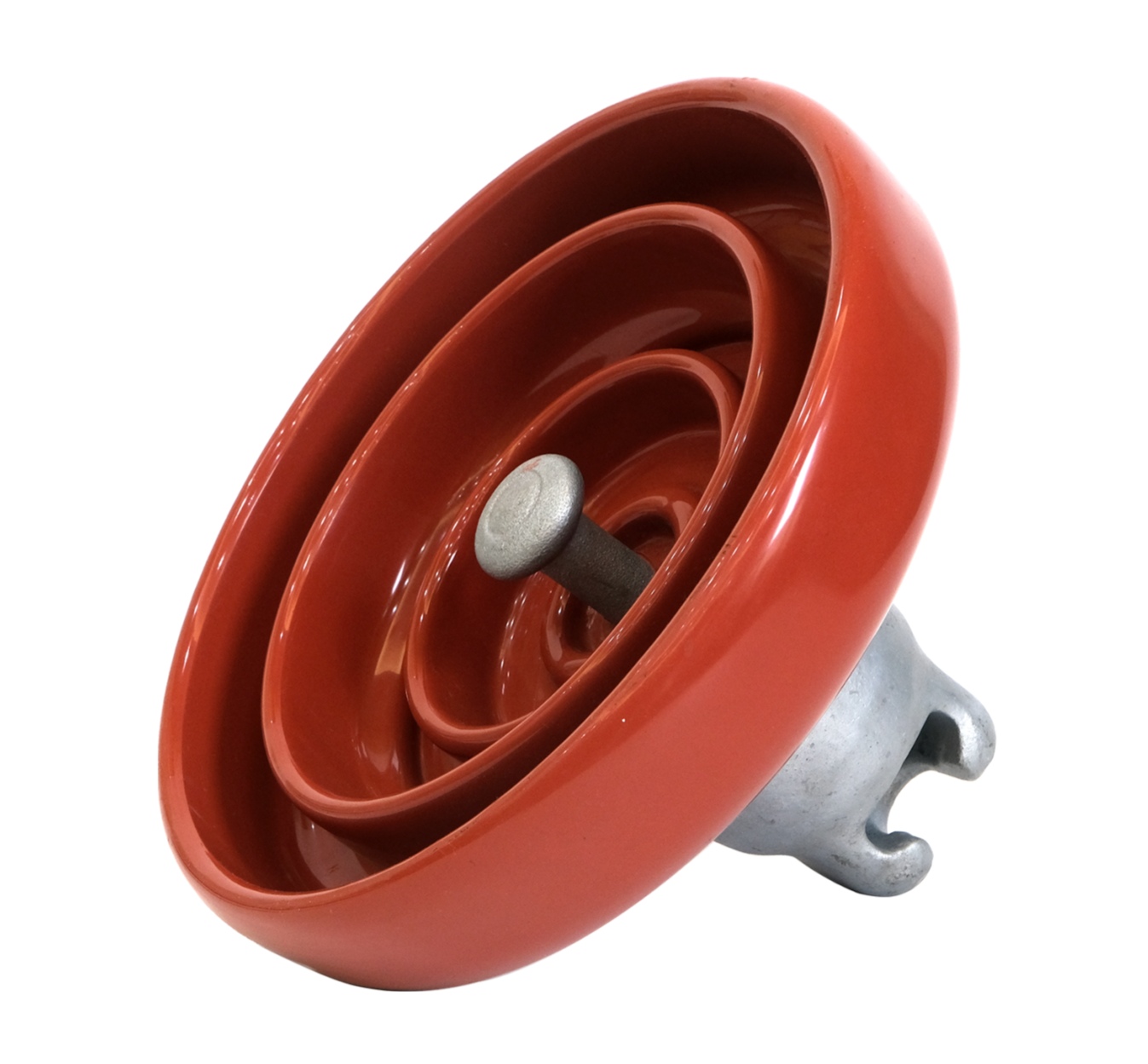
A hybrid solution combining the mechanical strength of glass with the hydrophobicity of silicone. Minimizes leakage current in extreme industrial pollution.
In regions like the MENA (Middle East North Africa), sandstorms create a unique challenge. The Aerodynamic/Open Profile glass insulator is utilized to prevent sand accumulation. The U420B's high mechanical rating allows for longer spans between towers, reducing the total footprint of the project.
At altitudes above 3,000 meters, air density decreases, affecting the insulation properties. Our Triple-Shed Type glass insulators are engineered to provide extended creepage distances, ensuring stable performance despite the lower dielectric strength of thin air.
Industrial zones with chemical emissions require the chemical stability of toughened glass. Glass is non-porous and resists aging significantly better than composite or porcelain alternatives when exposed to acid rain or corrosive industrial gases.
Case Study: QOCI 420B units installed in heavy industrial clusters have shown zero mechanical failure over 15 years, reducing maintenance OPEX by 40% compared to legacy porcelain strings.
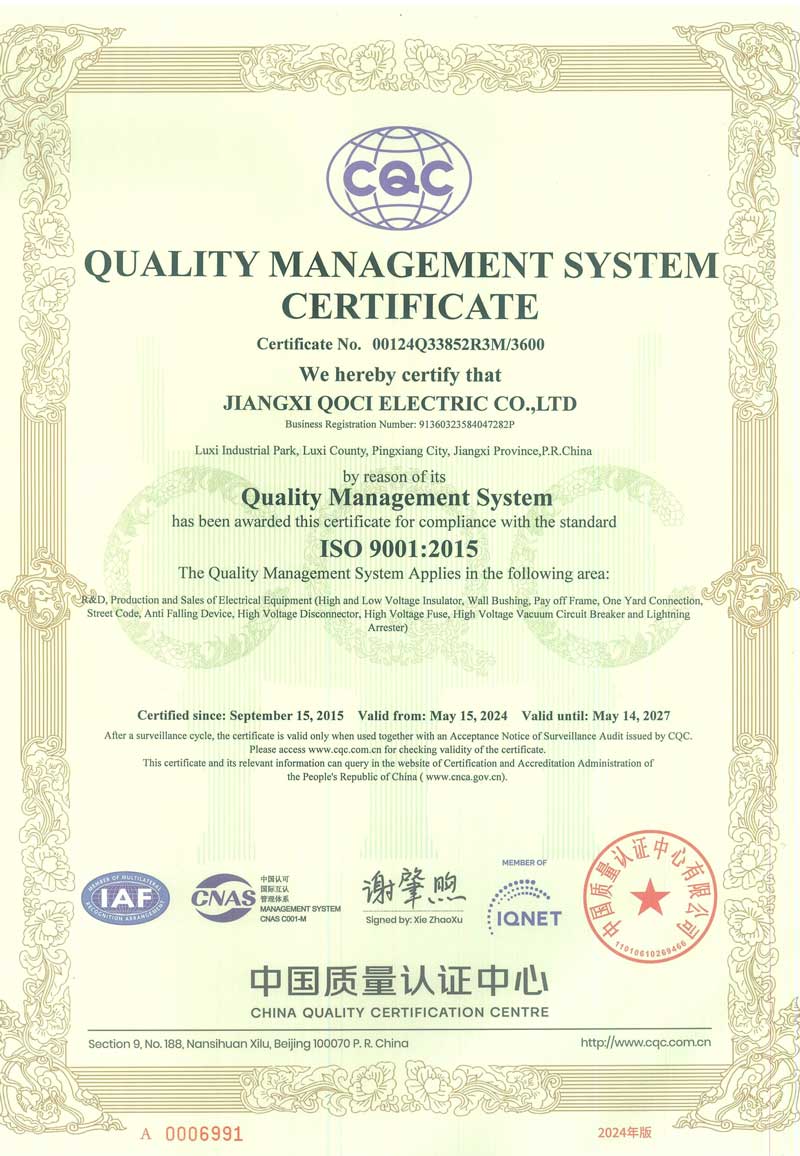
ISO 9001:2015 Quality Management
ISO 14001 Environmental Standard
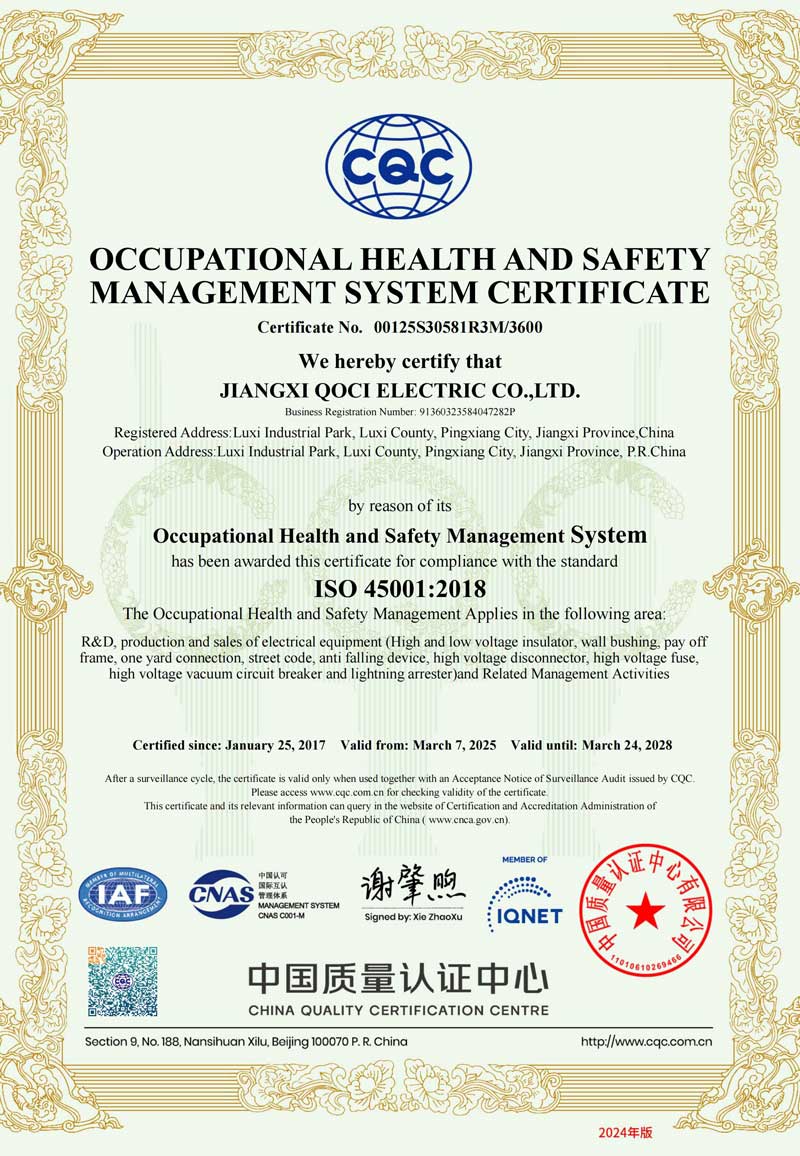
OHSAS 18001 Certified Safety