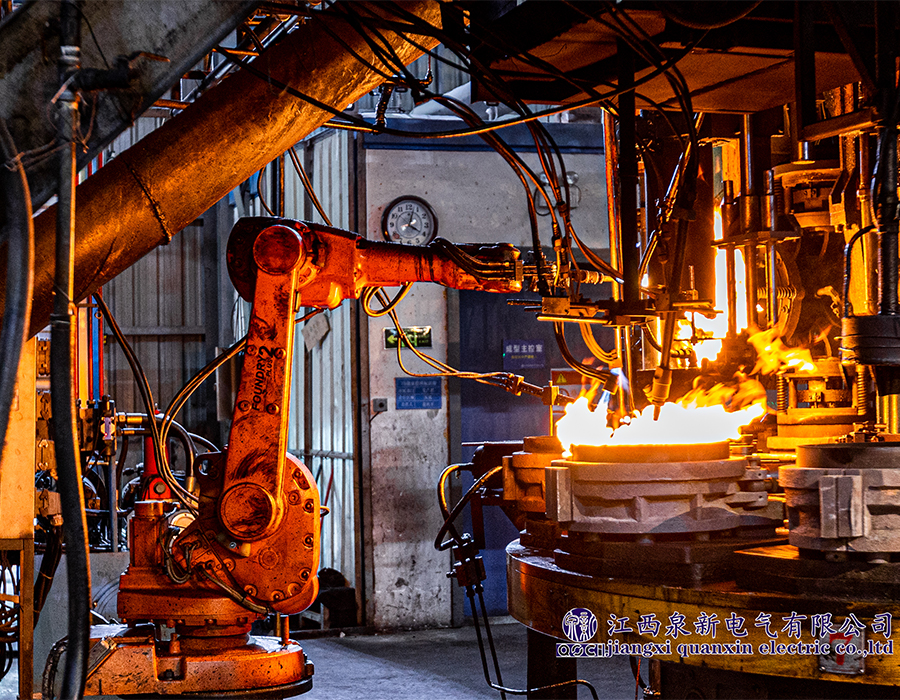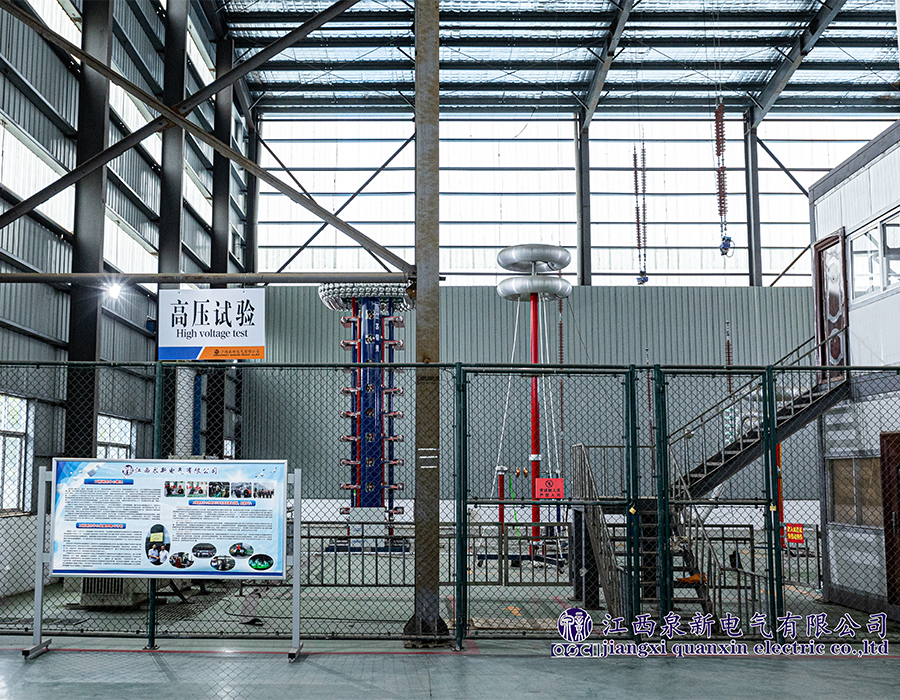
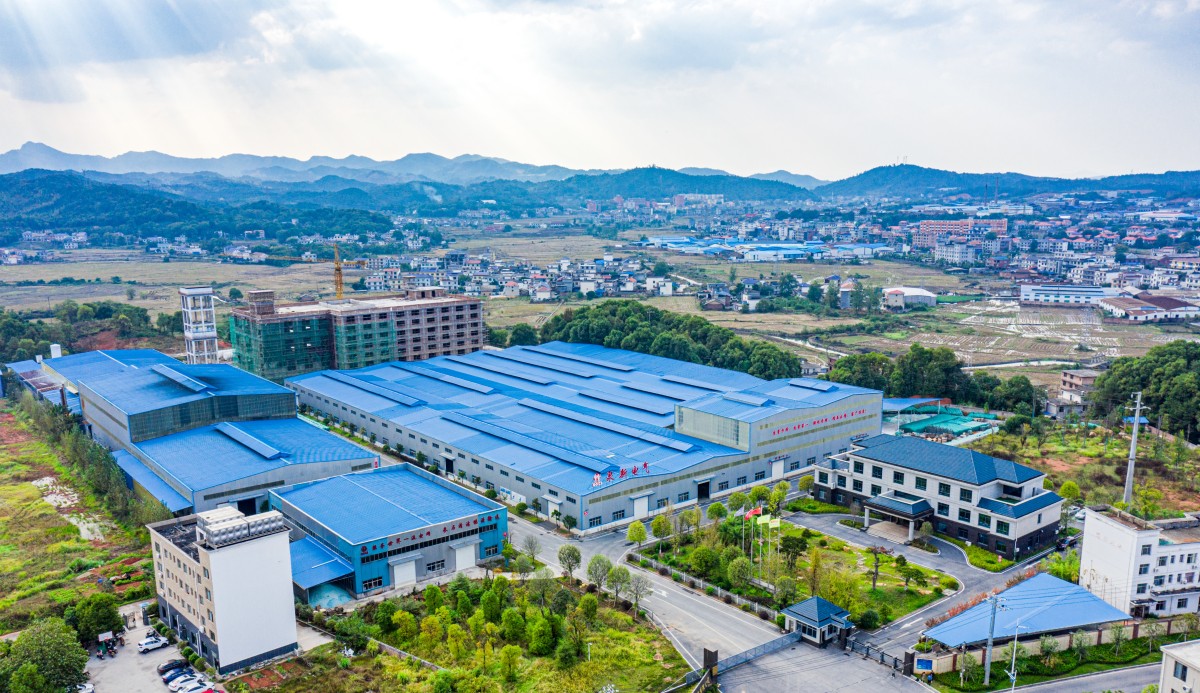
Founded in December 2002, Jiangxi QOCI Electric Co. Ltd has emerged as a cornerstone of the global power grid supply chain. With a registered capital of 508 million Yuan and an expansive 70,000 m² facility in Pingxiang, we represent the pinnacle of Chinese manufacturing excellence.
Our commitment is simple: Serve the world-class power grid with dedication and actively participate in the construction of green energy infrastructure through high-performance toughened glass insulators.
Plant Area (m²)
Annual Output (Tons)
Engineering Technicians
National Patents
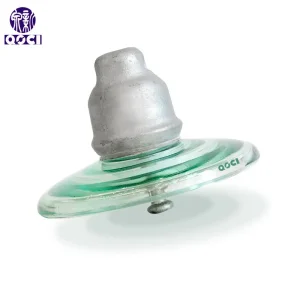
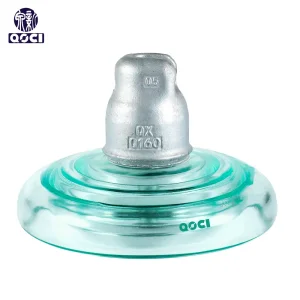
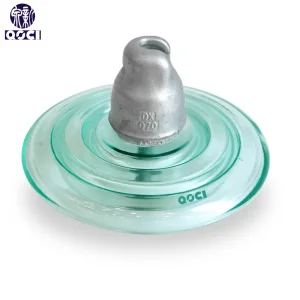
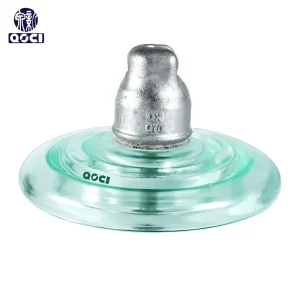
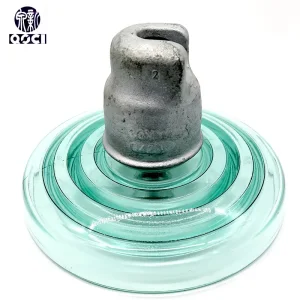
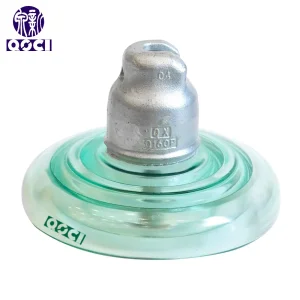
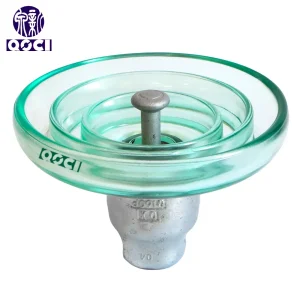
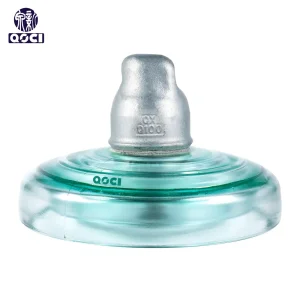
The U160BLD Glass Insulator (160kN electromechanical strength) represents a critical evolution in overhead transmission technology. As global energy demands shift toward Ultra-High Voltage (UHV) and Extra-High Voltage (EHV), the material science behind insulators has undergone a radical transformation. Traditional porcelain is increasingly being replaced by toughened glass due to its superior mechanical stability and self-cleaning properties.
Transitioning from the 1990s standard 70kN/120kN lines to today's 160kN and 210kN requirements driven by longer span lengths and higher conductor weights.
Toughened glass provides a "fail-safe" mechanism. When damaged, the glass shatters into small granules while maintaining mechanical integrity, allowing for easy visual inspection from the ground (the "shattered disc" phenomenon).
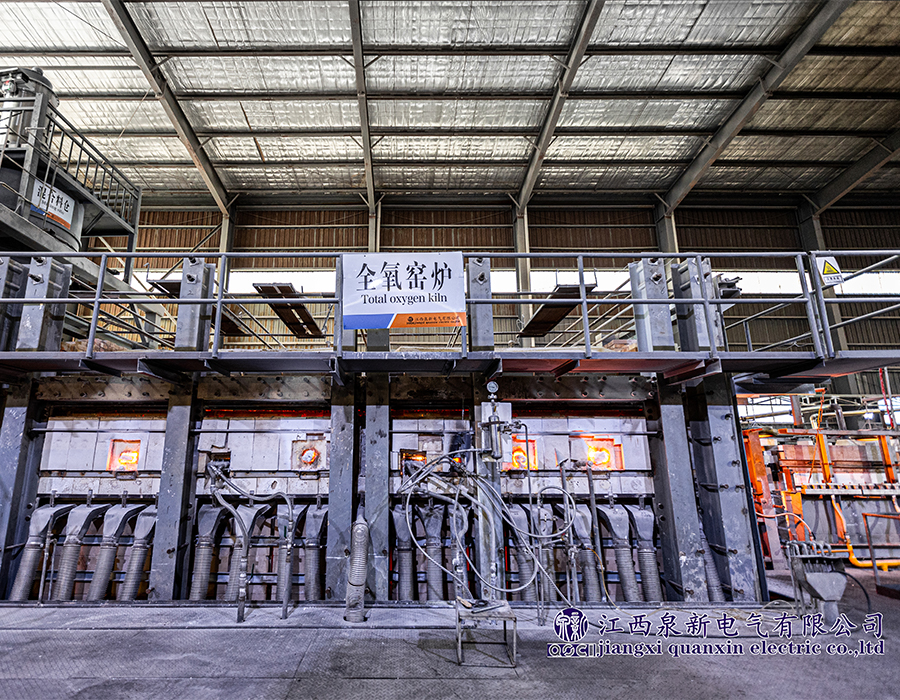
Modern U160BLD production now utilizes Total Oxygen Kiln technology, significantly reducing carbon emissions and energy consumption during the melting process.
Tier-1 EPC contractors in the Middle East and Africa now demand IEC 60305 compliance and rigorous Type Testing. Procurement cycles are shifting toward "factory-direct" models to ensure traceability.
Buyers are prioritizing suppliers with a 500M+ Yuan capital base to mitigate supply chain risks in multi-year national grid projects.
Demand for localized technical support and JIT (Just-In-Time) delivery is rising. QOCI provides comprehensive documentation for customs and grid authority approval.
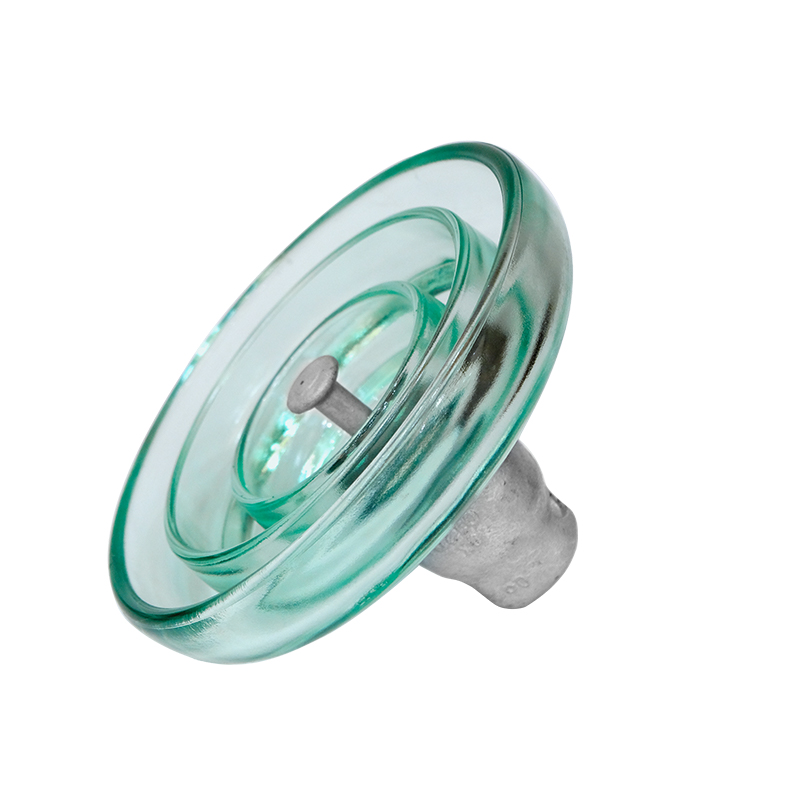
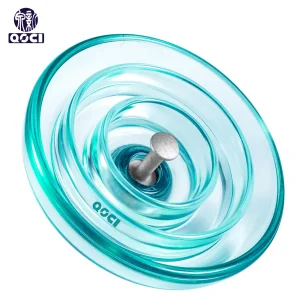
The fog type profile features long, widely-spaced under-ribs to avoid arc bridging. Essential for salt-heavy coastal environments.
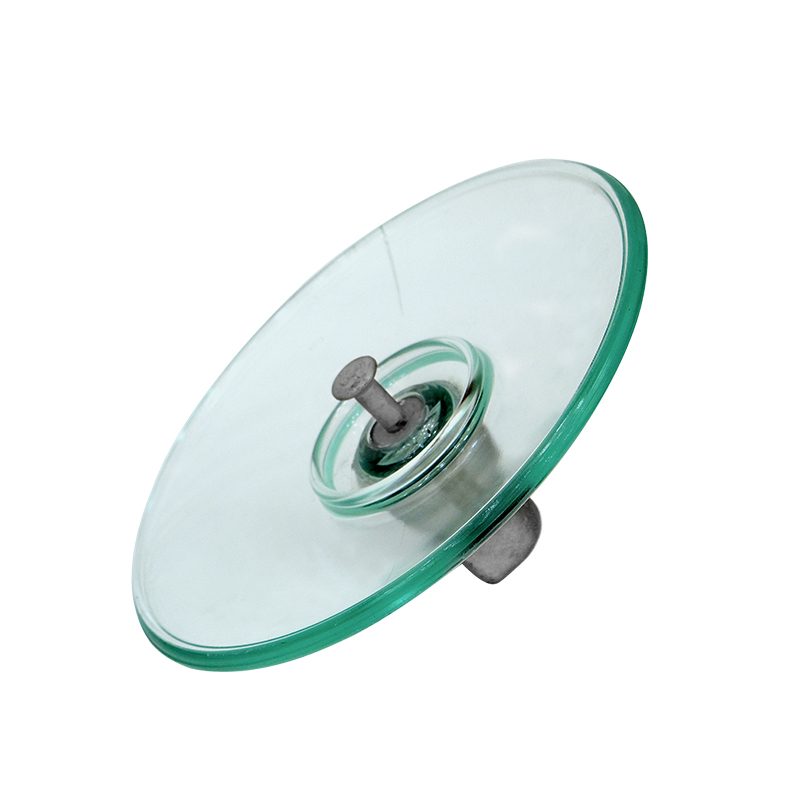
Absence of under-ribs prevents sand and dust accumulation. Ideal for areas with frequent sandstorms and infrequent rain.
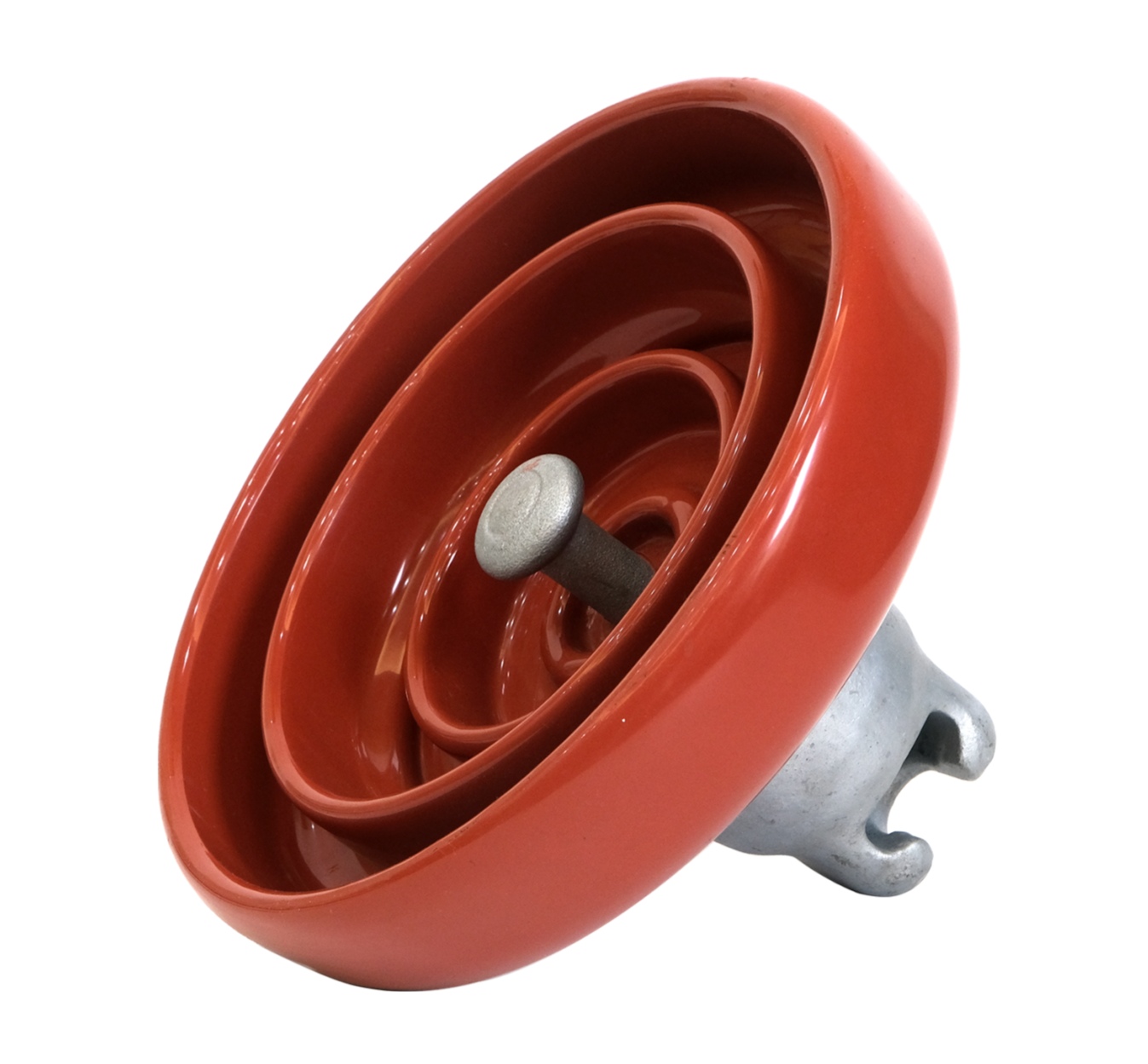
Combining the mechanical strength of glass with the hydrophobicity of silicone. A high-performance solution for heavy industrial pollution.
The future of the U160BLD series lies in Intelligence Integration. We are currently researching the integration of IoT Sensors directly into the cap-and-pin assembly to provide real-time leakage current monitoring and mechanical tension data.
Utilizing neural networks to detect micro-cracks during the cooling phase of toughened glass.
Developing insulators with conductive surface coatings for active flashover prevention.
100% recyclable glass components to meet global ESG (Environmental, Social, and Governance) mandates.