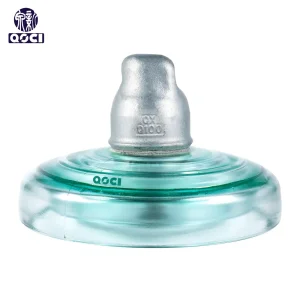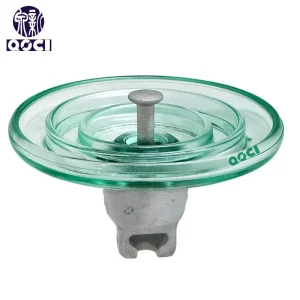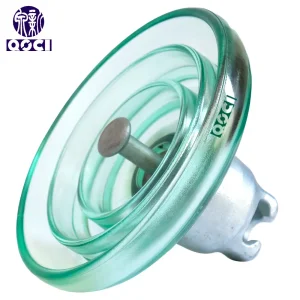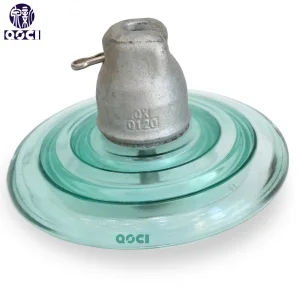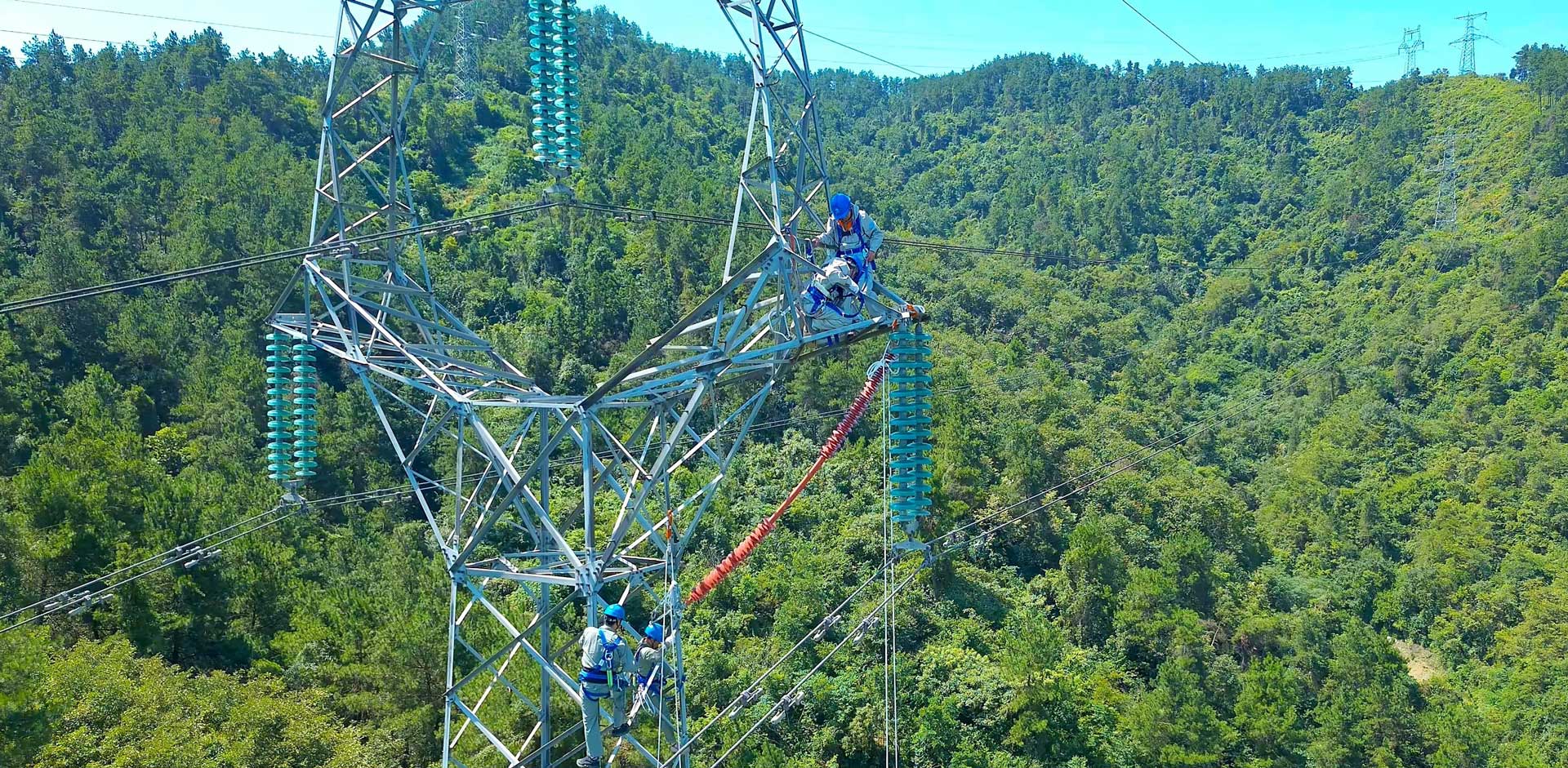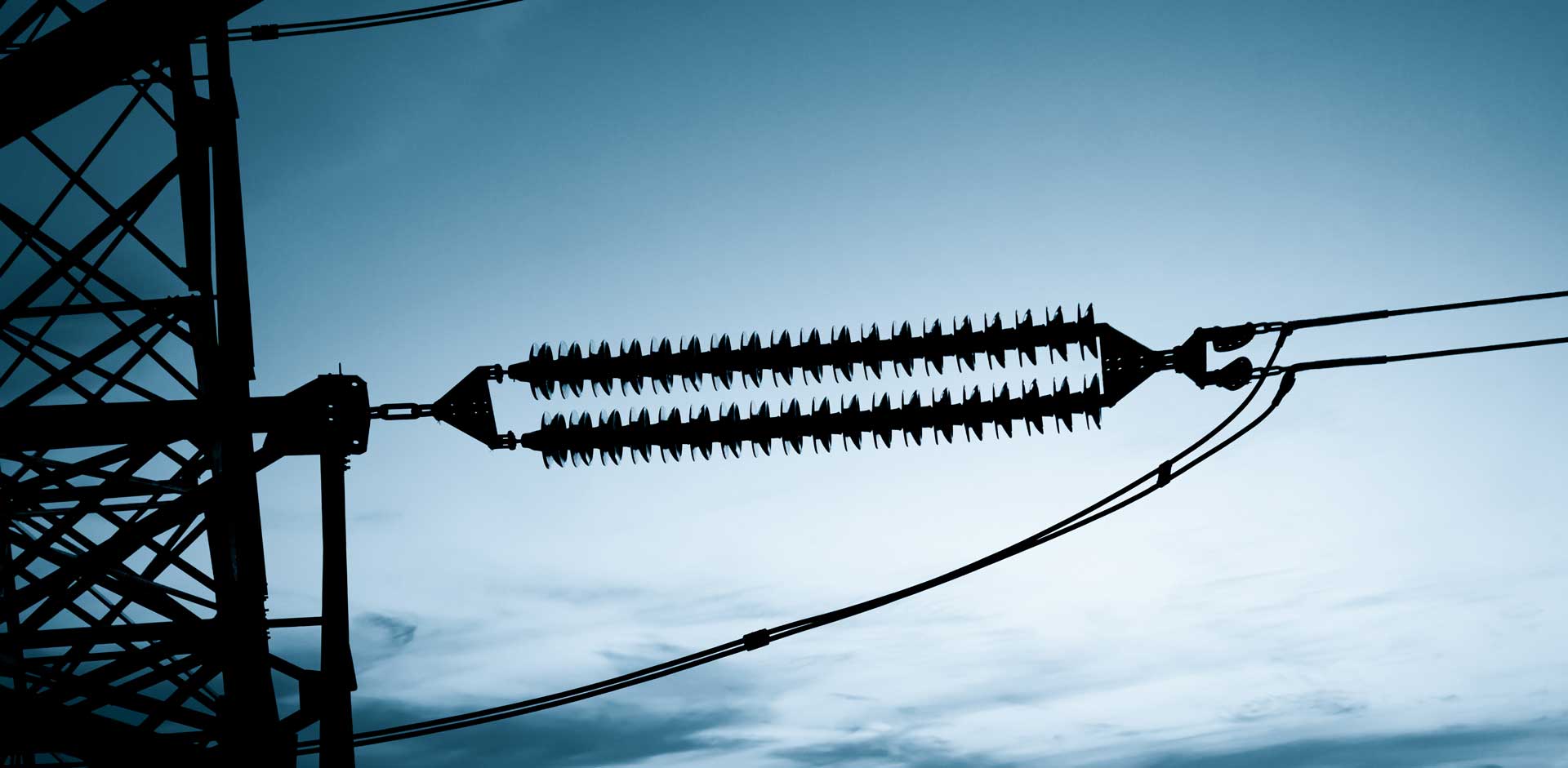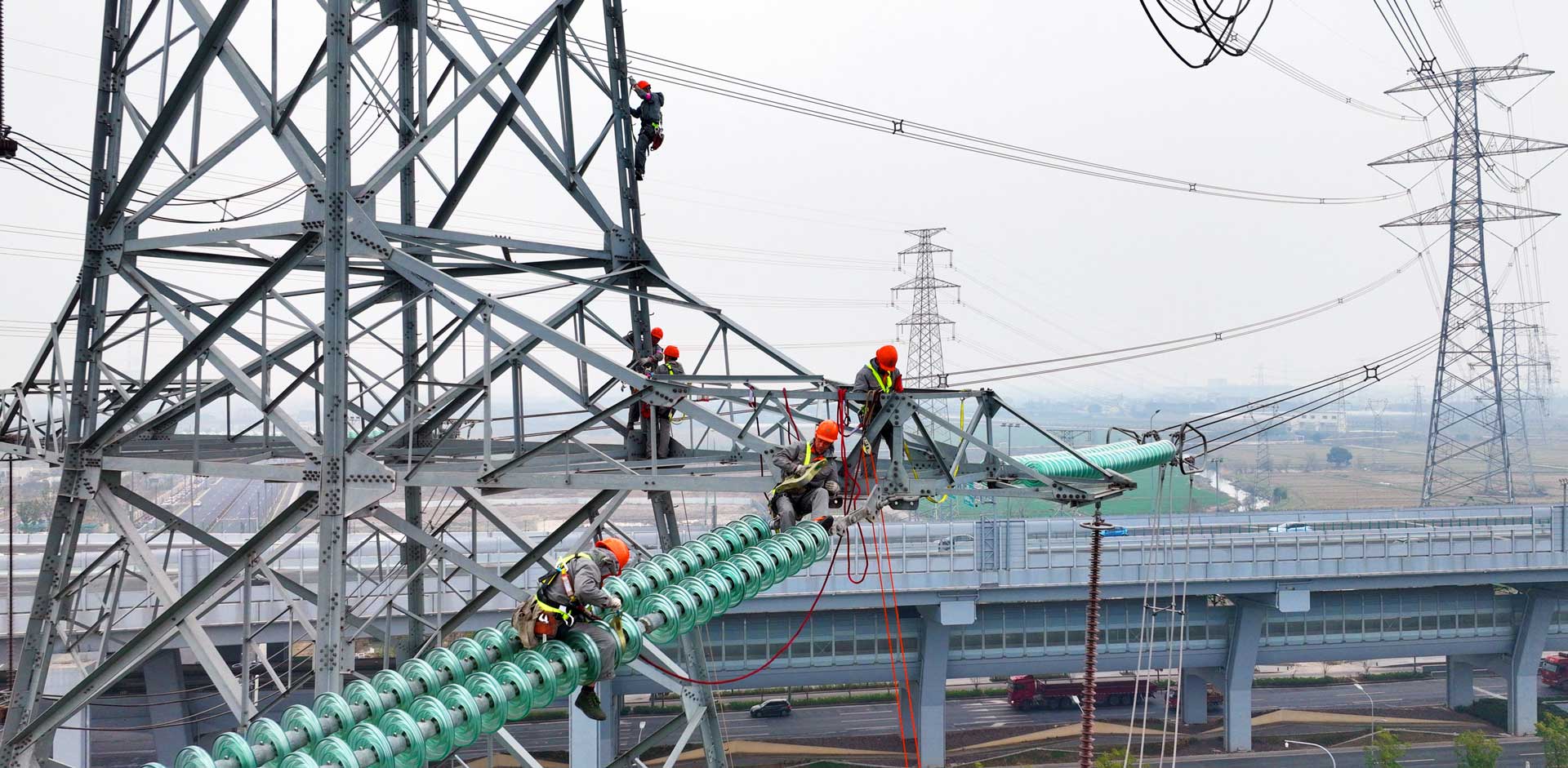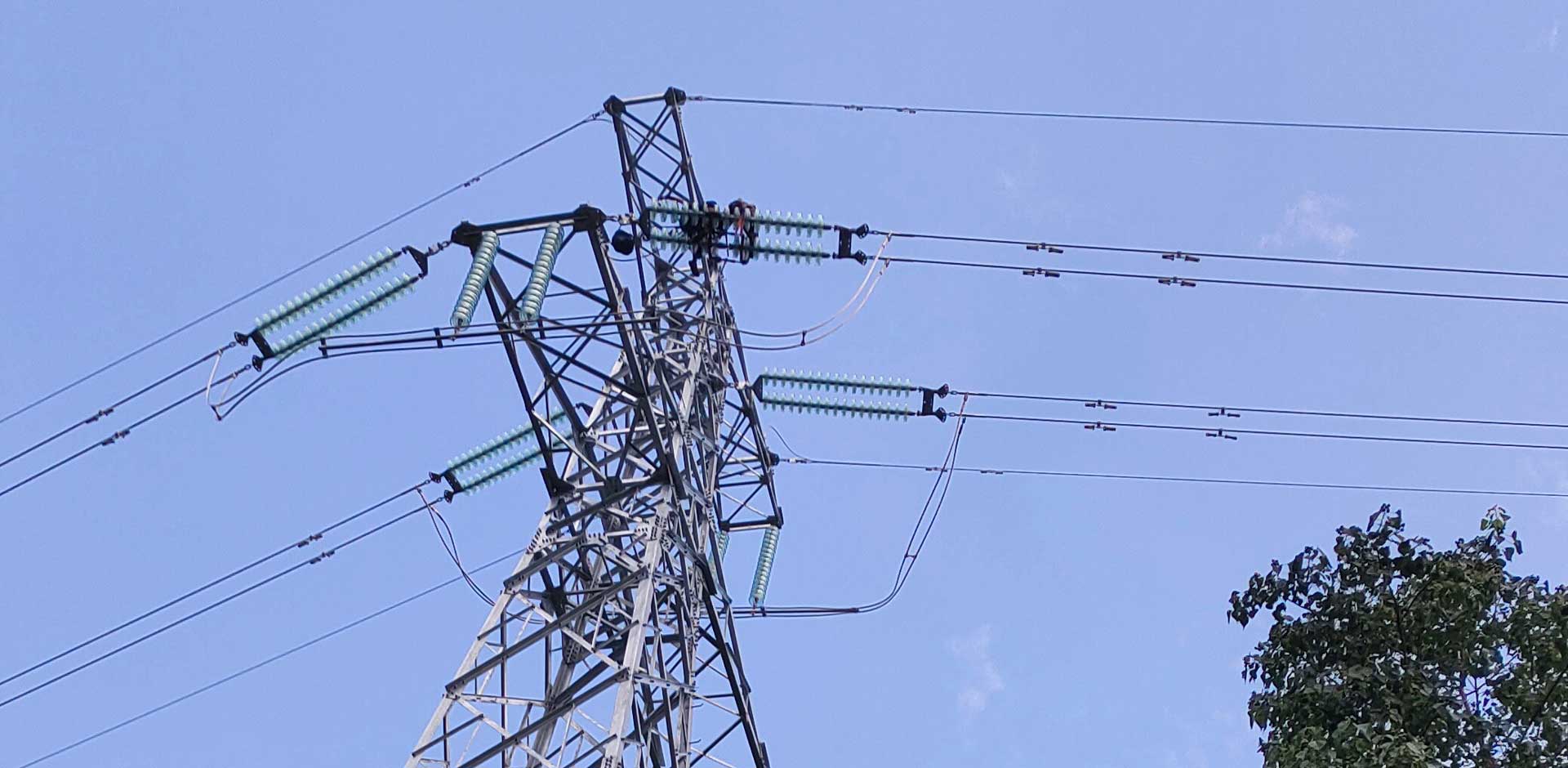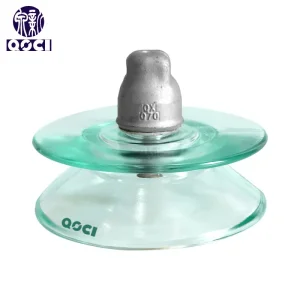
Engineered to deliver exceptional mechanical strength and robust insulation performance under extreme environmental conditions.
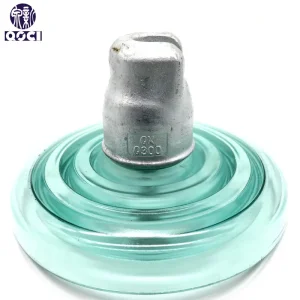
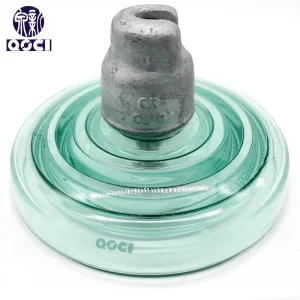
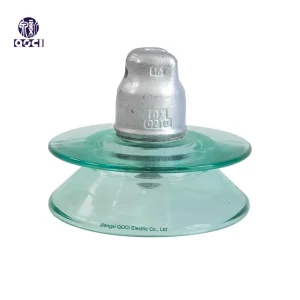
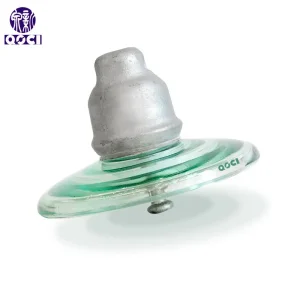
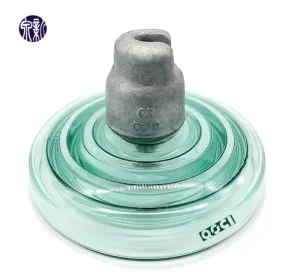
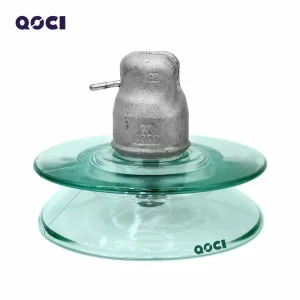
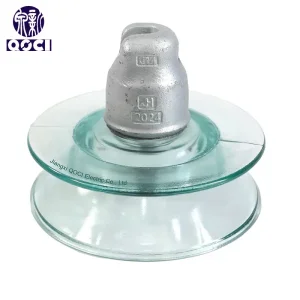
In high-voltage power transmission networks, insulating components must withstand complex mechanical forces, thermal cycling, and high electrical stress. The Wholesale Glass Isolator U100BLA has emerged as an industry benchmark for distribution and transmission lines up to ultra-high voltage levels. Characterized by its 100kN electromechanical failing load, cap-and-pin design, and toughened glass body, this component ensures continuous grid reliability.
Toughened glass isolators provide critical structural safety. Unlike traditional porcelain, which can develop micro-fractures, toughened glass undergoes a thermal tempering process. This process creates a uniform compressive stress layer on the glass surface. If the glass body experiences mechanical overloading or electrical puncture, it shatters into small fragments without dropping the line, allowing maintenance crews to easily identify failed units from the ground.
The manufacturing process of the U100BLA toughened glass isolator utilizes premium-grade raw materials, including high-purity silica sand, soda ash, and feldspar. These are melted in a continuous, state-of-the-art oxygen-fired furnace. Once molded, the glass shells undergo a precise thermal toughening process. This involves heating the glass to a semi-fluid state and rapidly cooling it with controlled air jets. This thermal treatment produces highly balanced internal stresses, resulting in mechanical strength, resistance to thermal shock, and high dielectric strength.
| Technical Parameter | Standard Specification (U100BLA) | Test Standard (IEC/ANSI) |
|---|---|---|
| Electromechanical Failing Load | 100 kN | IEC 60305 / IEC 60383 |
| Nominal Spacing (Height) | 127 mm / 146 mm | IEC 60305 |
| Nominal Disc Diameter | 255 mm / 280 mm | IEC 60305 |
| Creepage Distance (Standard) | 290 mm / 320 mm | IEC 60305 |
| Creepage Distance (Anti-Pollution) | 450 mm / 550 mm | IEC 60815 Compliance |
| Power Frequency Withstand Voltage (Wet) | 45 kV | IEC 60383-1 |
| Lightning Impulse Withstand Voltage | 110 kV (Positive/Negative) | IEC 60383-1 |
The metal fittings of the U100BLA isolator are designed to transfer high tensile loads without concentration points:
Leveraging continuous technology integration, automated kiln systems, and extensive testing to supply global transmission networks.
Founded in December 2002, with a registered capital of 508 million Yuan, Jiangxi QOCI Electric Co. Ltd is a global manufacturer of toughened glass insulators. Located in the Luxi County Industrial Park, Pingxiang, Jiangxi Province, our manufacturing facility spans 70,000 square meters. The Pingxiang region is a historical center of electrical porcelain and glass insulation innovation, offering access to high-quality raw materials and specialized technical expertise.
Dedicated to serving world-class power grids by actively participating in the construction and design of green energy transmission structures.
Responsibility is the foundation of quality. Strict QA protocols govern every melting, pressing, tempering, and curing stage.
We support global utilities and power construction grids, ensuring long-term grid safety with responsive technical support.
Matching critical line aerodynamics and profile shapes to environmental stressors prevents flashovers and outages.
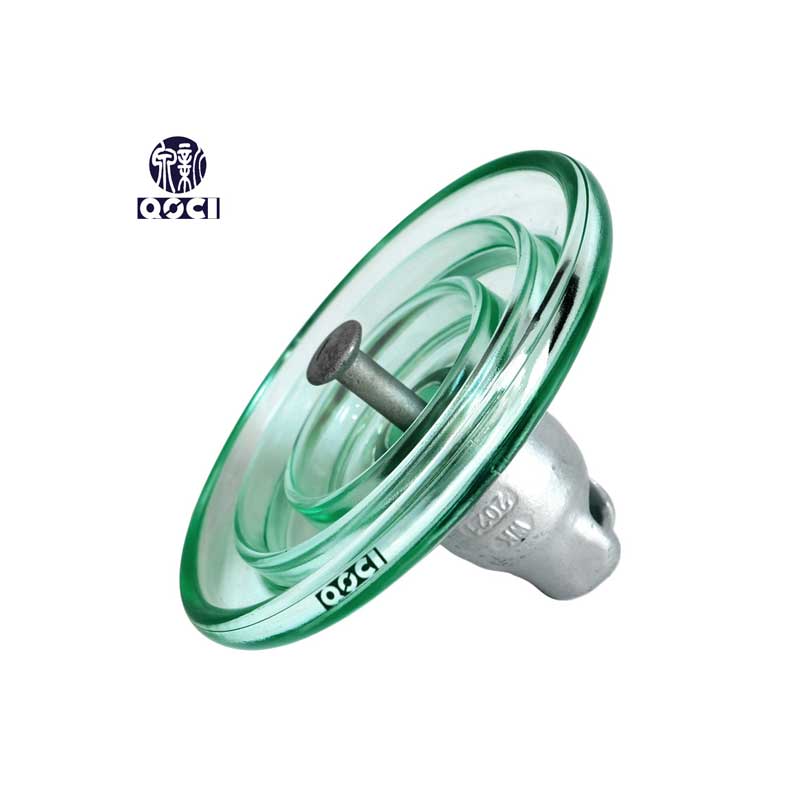
Our standard profile features shallow, well-spaced ribs that allow for self-cleaning by wind and rain. Designed with a leakage distance exceeding standard IEC 60305 requirements, it is suited for agricultural, inland, and low-pollution zones.
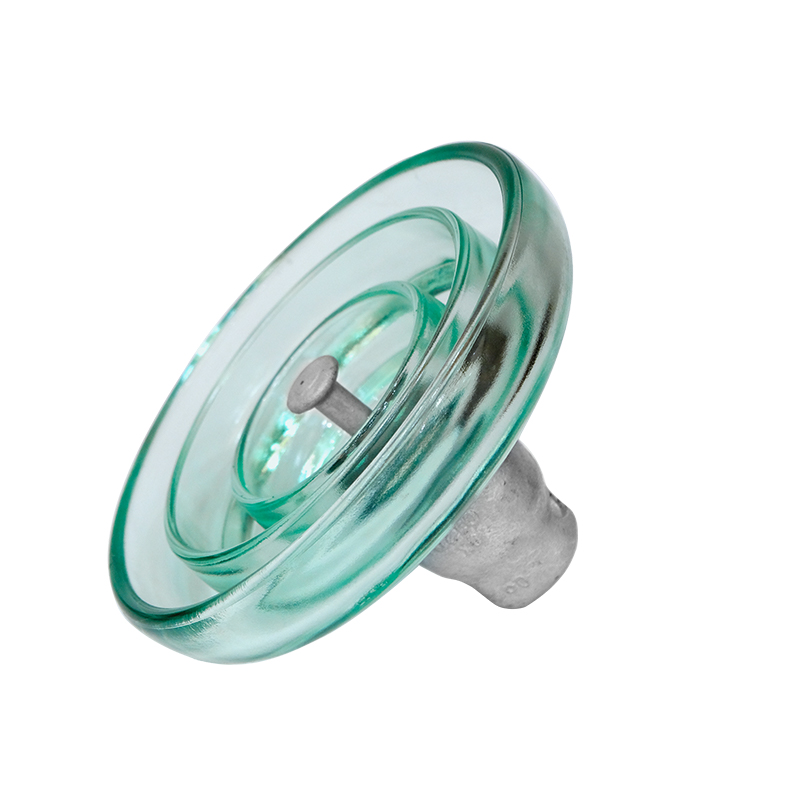
Designed with deep, widely-spaced under-ribs to prevent arc bridging under heavy pollution. Featuring a leakage distance-to-spacing ratio of approximately 3.2, it is suitable for coastal zones exposed to saline mist and heavy industrial corridors.
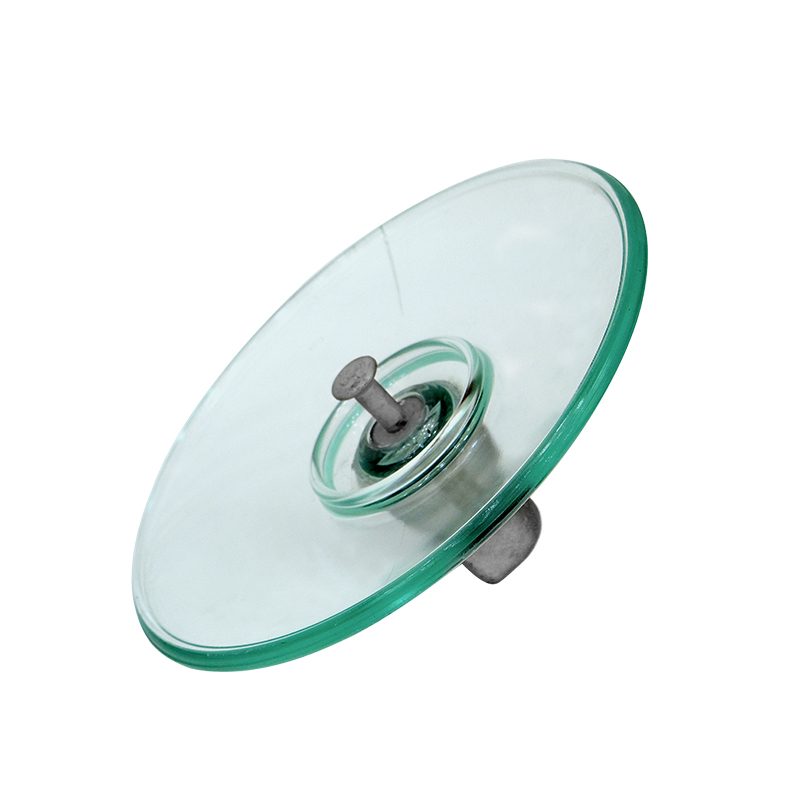
This profile features an open design without under-ribs, minimizing the accumulation of windborne particulates like sand and dust. It is suited for desert climates, dry terrains, and cold regions prone to ice-bridging.
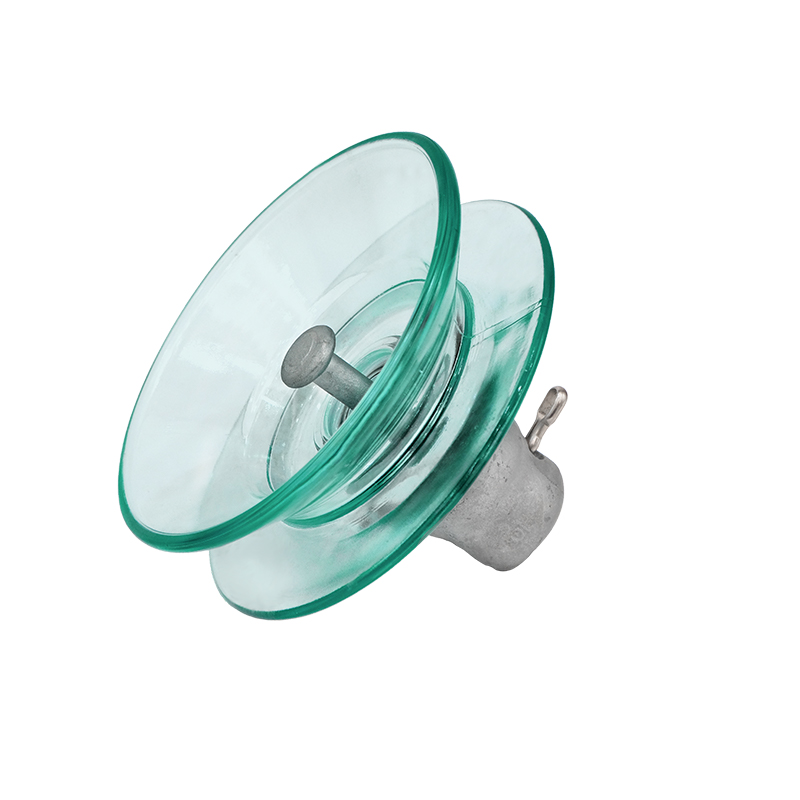
Featuring two extended external ribs, this design reduces dust accumulation and facilitates natural cleaning in heavy industrial and saline soil environments. The absence of deep under-ribs makes manual washing easier when maintenance is required.
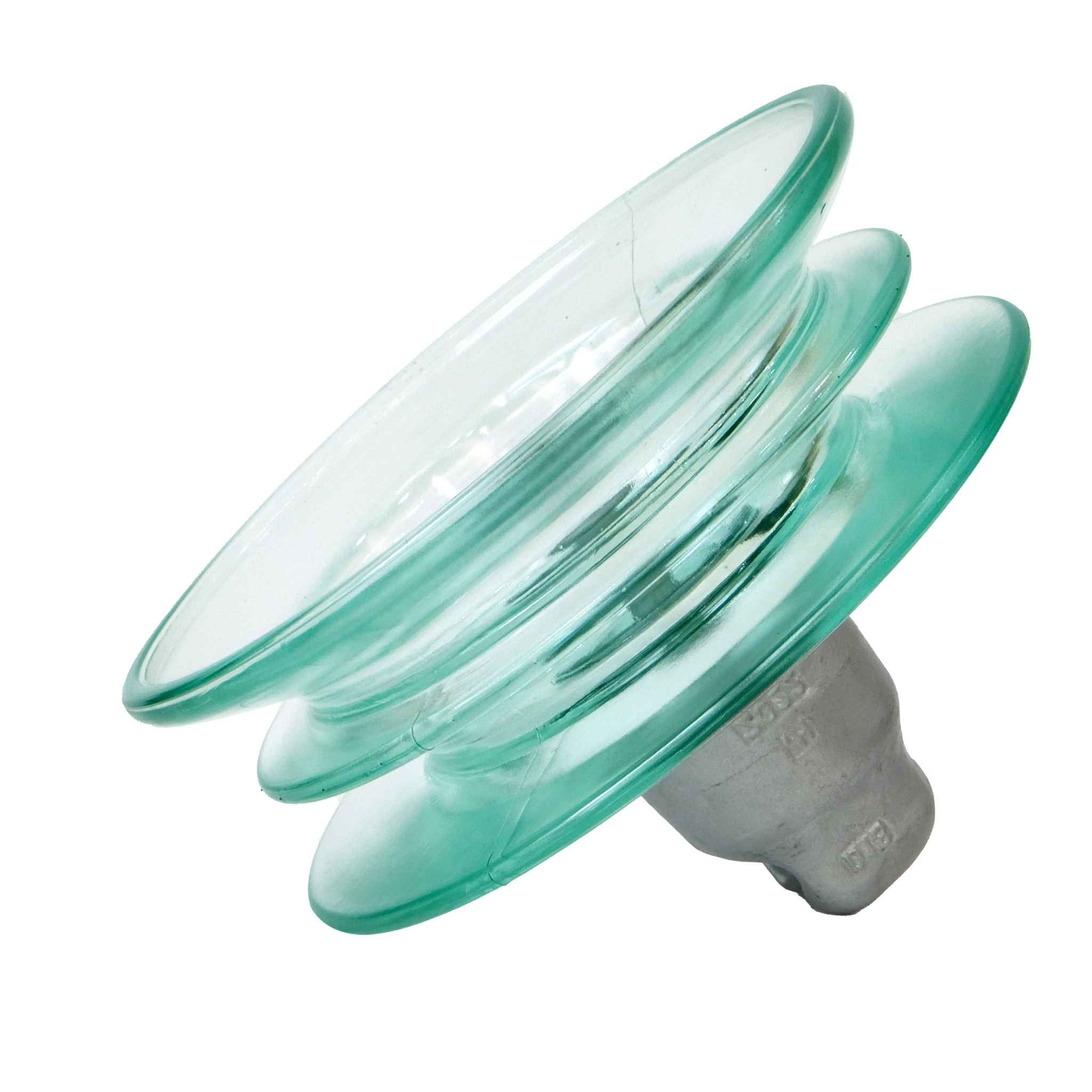
Designed with three layers of alternating diameter discs, the triple-shed profile provides an extended creepage path. This configuration prevents pollution flashovers in high-voltage and ultra-high-voltage (UHV) lines operating in high-pollution or high-altitude areas.
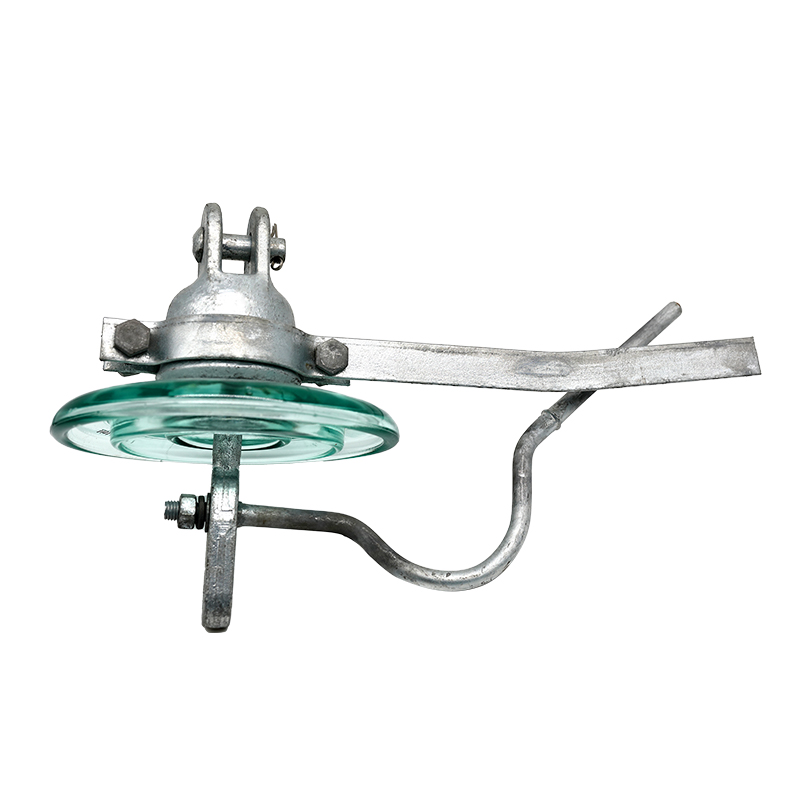
Equipped with dedicated connection elements, this profile connects shielding and grounding wires. It helps channel lightning surge currents into the grounding grid, protecting active lines and hardware from direct-strike overvoltages.
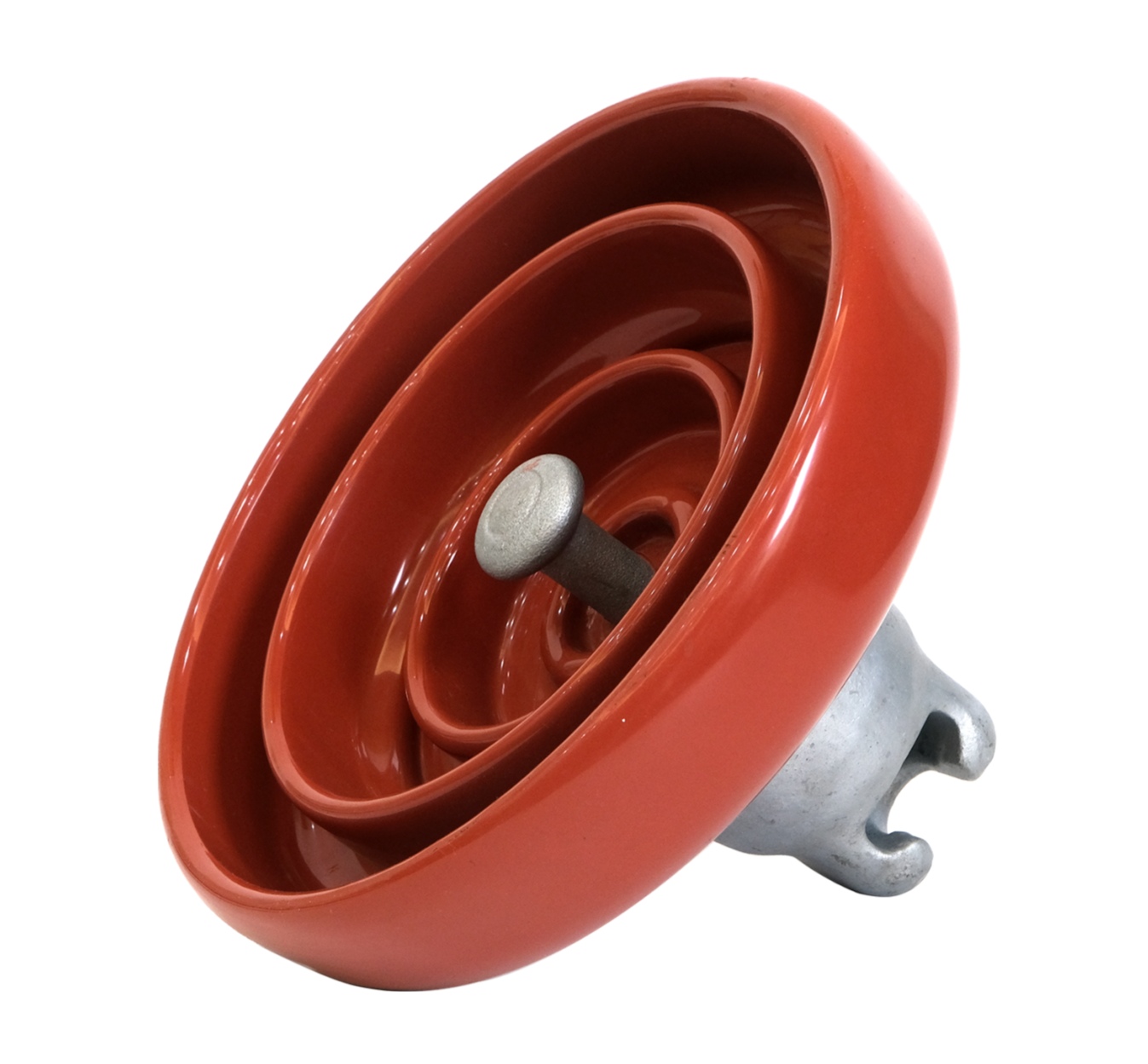
Combining the mechanical reliability of toughened glass with the surface hydrophobicity of polymers, our RTV-coated glass insulators minimize leakage currents and dry-band arcing. This coating eliminates the need for periodic washing in highly polluted industrial and coastal regions, reducing long-term maintenance costs.
Featuring our most requested models, optimized for anti-pollution performance, mechanical strength, and international standards.
Specially designed anti-pollution profile for medium salt-fog regions.
Inquire Now
127mm spacing height variant optimized for tension and suspension strings.
Inquire Now
120kN rated electromechanical strength for high tension requirements.
Inquire Now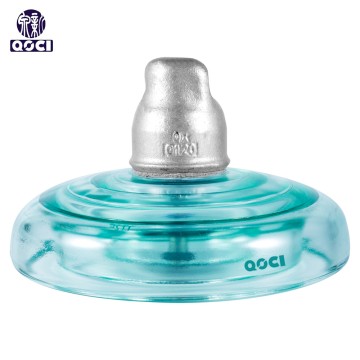
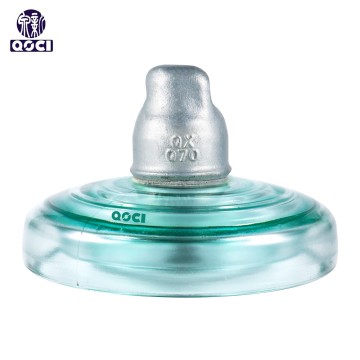
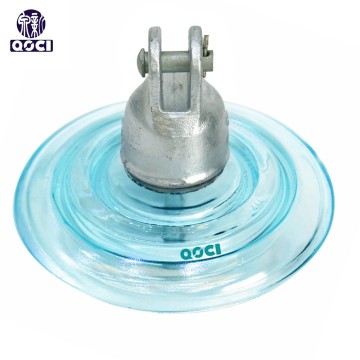
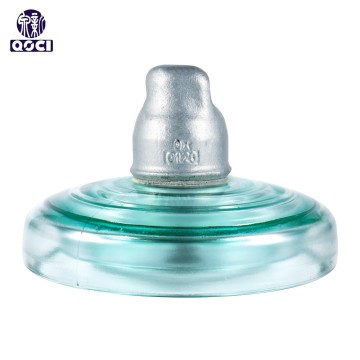
Designed for installation across diverse geographic environments, from coastal salt belts to high-altitude zones.
Transmission systems cross varied environmental terrains, requiring high adaptability. In coastal ocean paths, marine salt spray can settle on insulator surfaces. When combined with moisture, this salt layer forms a conductive film that leads to leakage currents and risk of flashover. Under these conditions, the anti-fog and RTV-coated models maintain surface dielectric integrity.
In contrast, desert areas experience high sand accumulation and low rainfall. Standard ribbed designs can trap airborne dust. For these arid environments, the aerodynamic open profile uses wind movement to clear sand from the glass shell, reducing maintenance needs.
From raw batching to thermal shock testing, our production line utilizes automated processes to ensure product reliability.
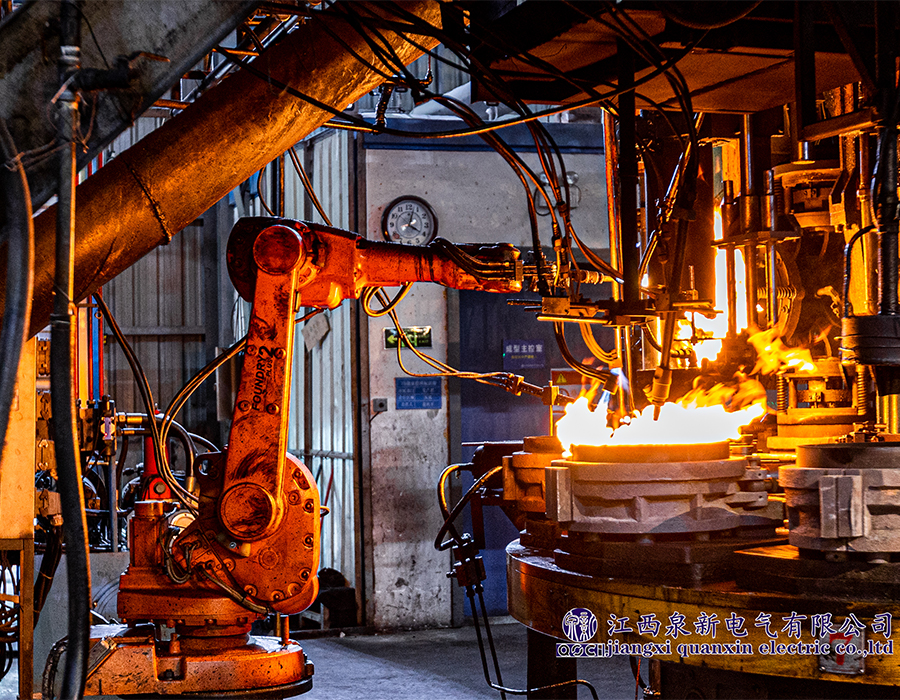
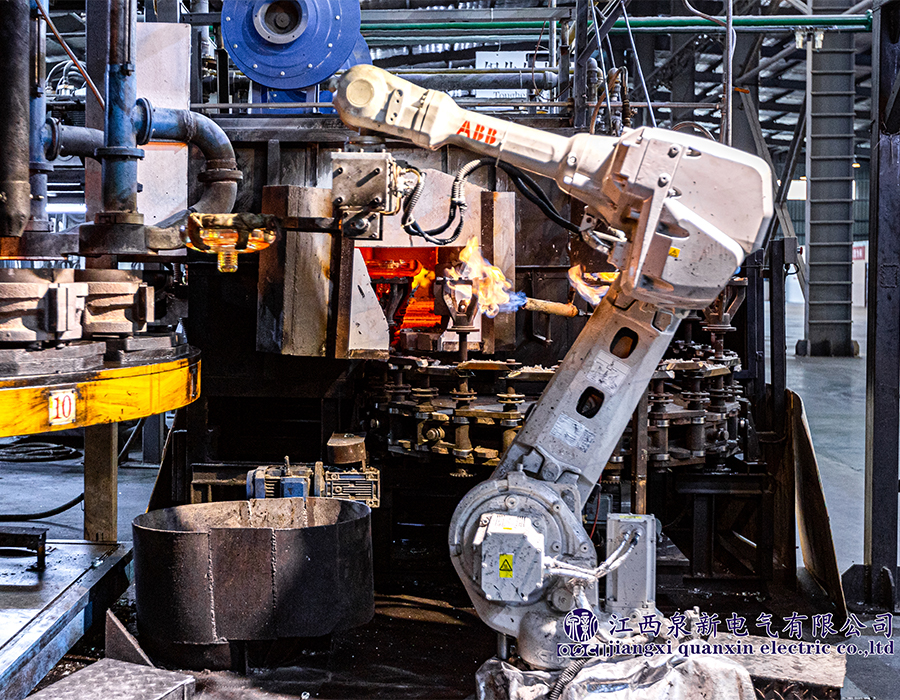
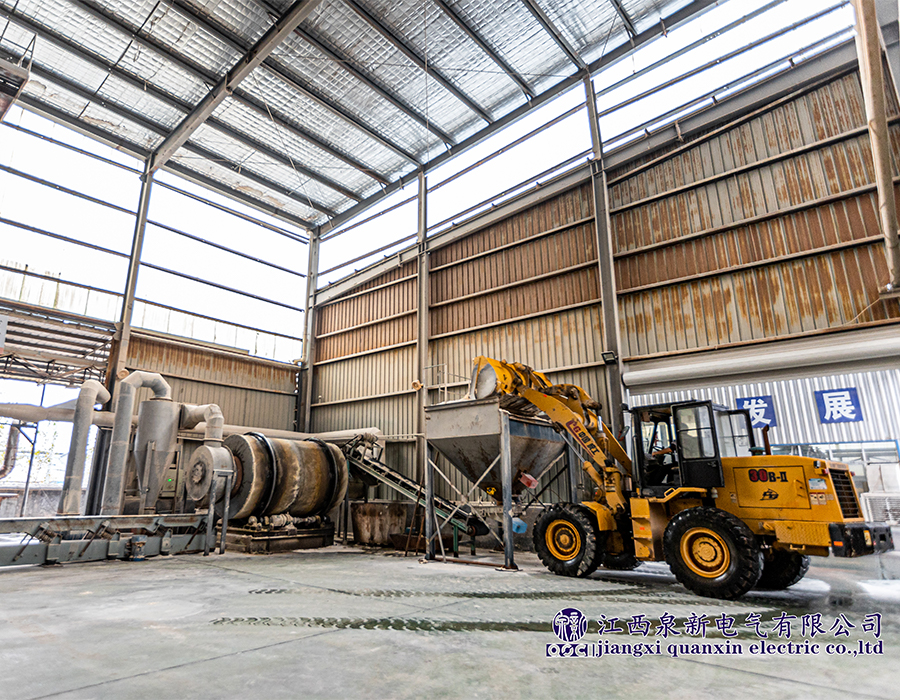
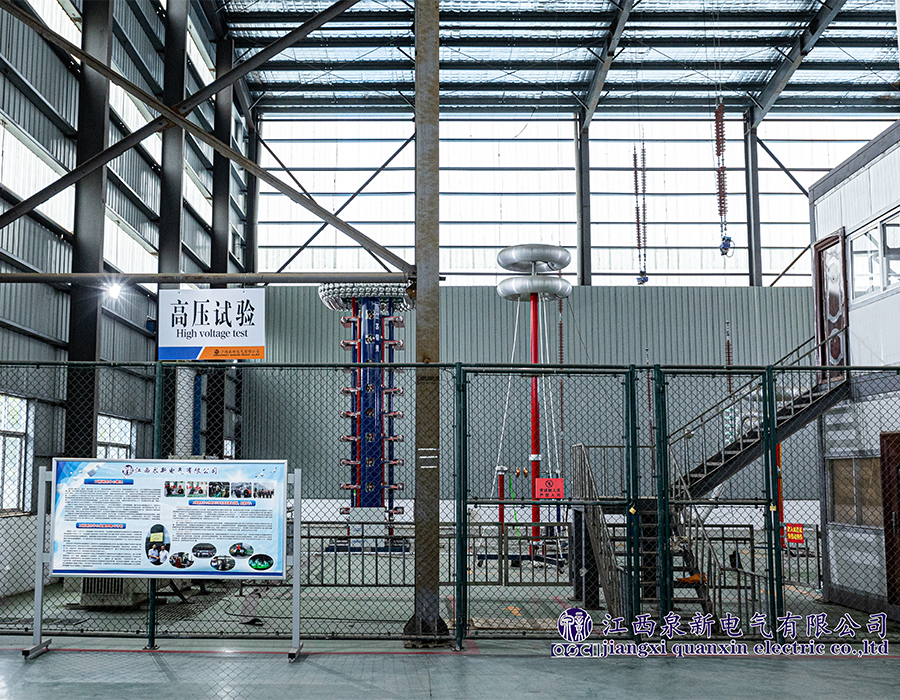
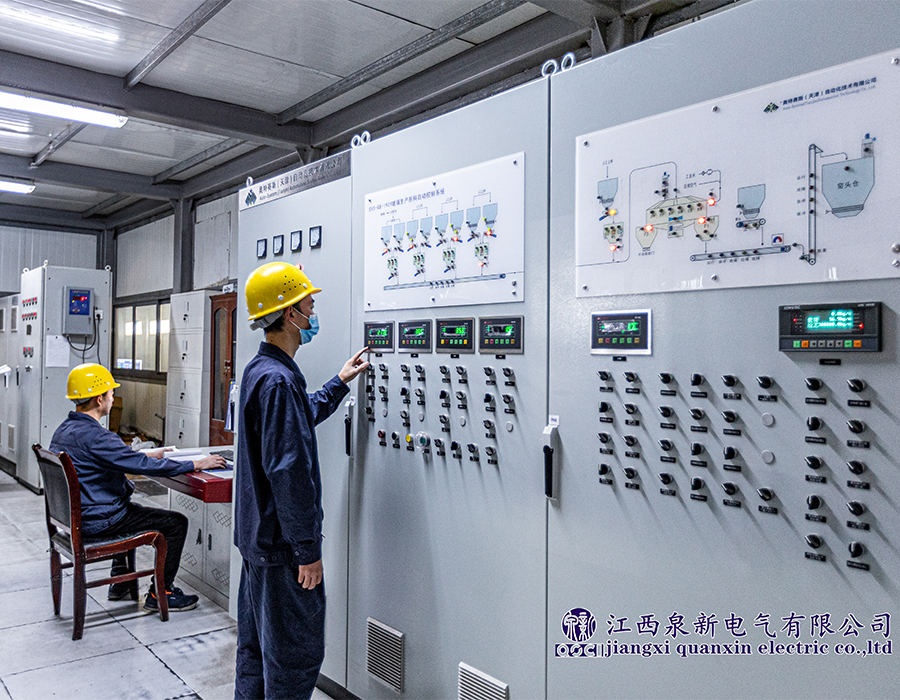
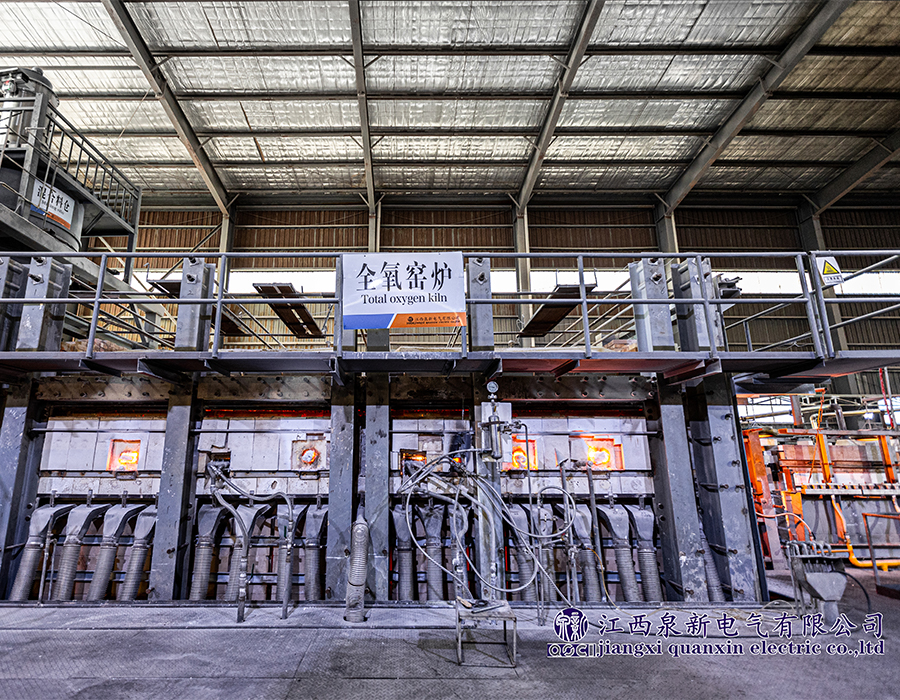
At Jiangxi QOCI Electric Co. Ltd, quality control is integrated throughout the production workflow. Every batch of U100BLA toughened glass isolators undergoes a series of standardized tests prior to dispatch:
Compliance with international standards is essential for global high-voltage transmission projects.
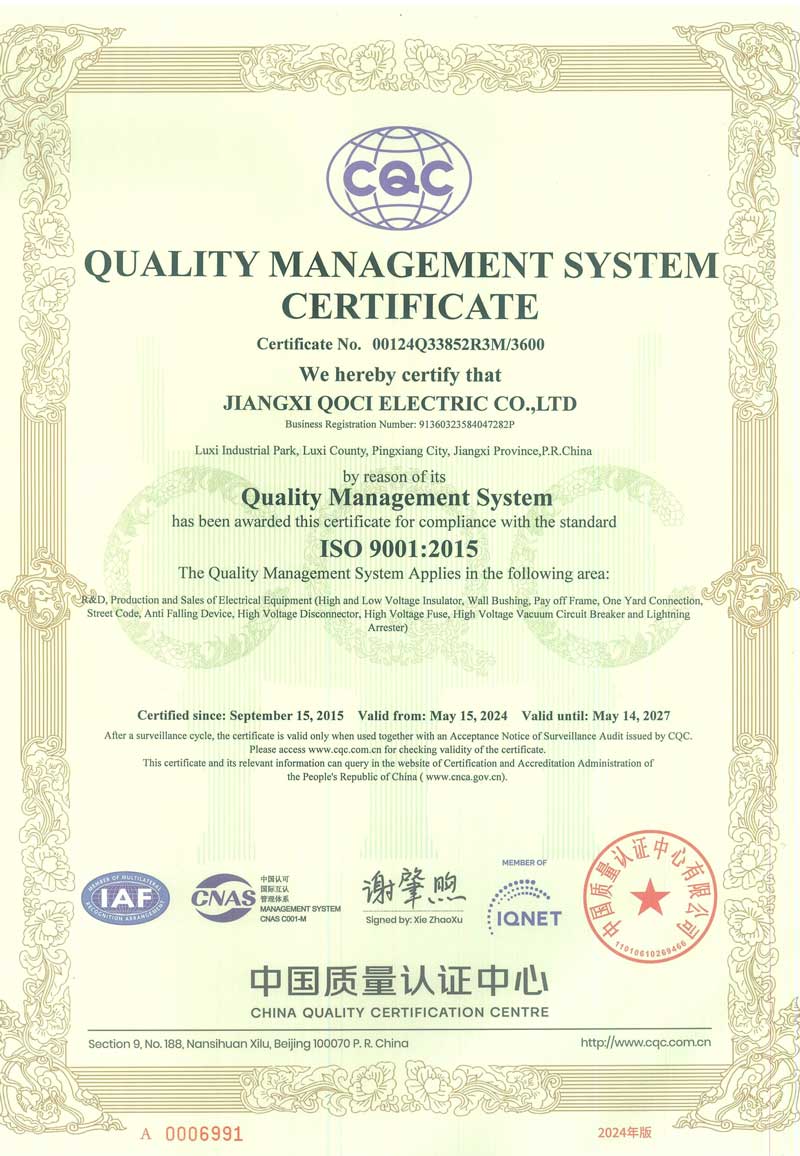
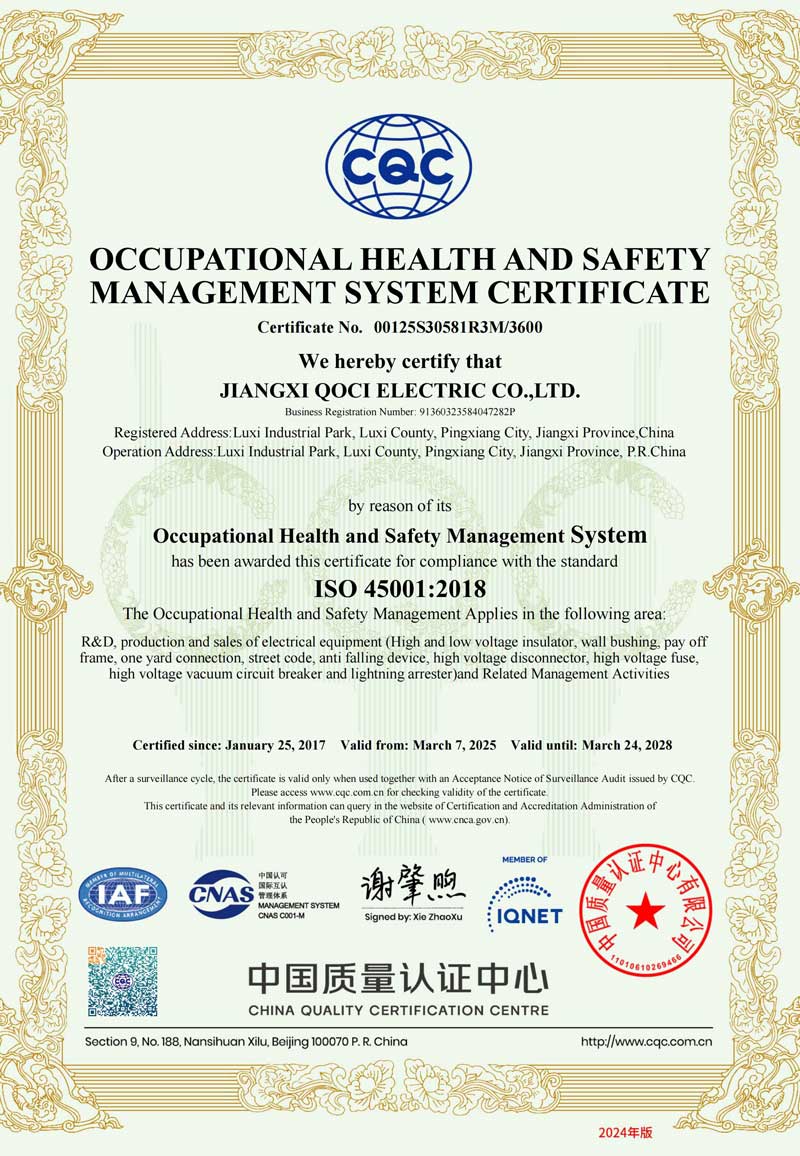
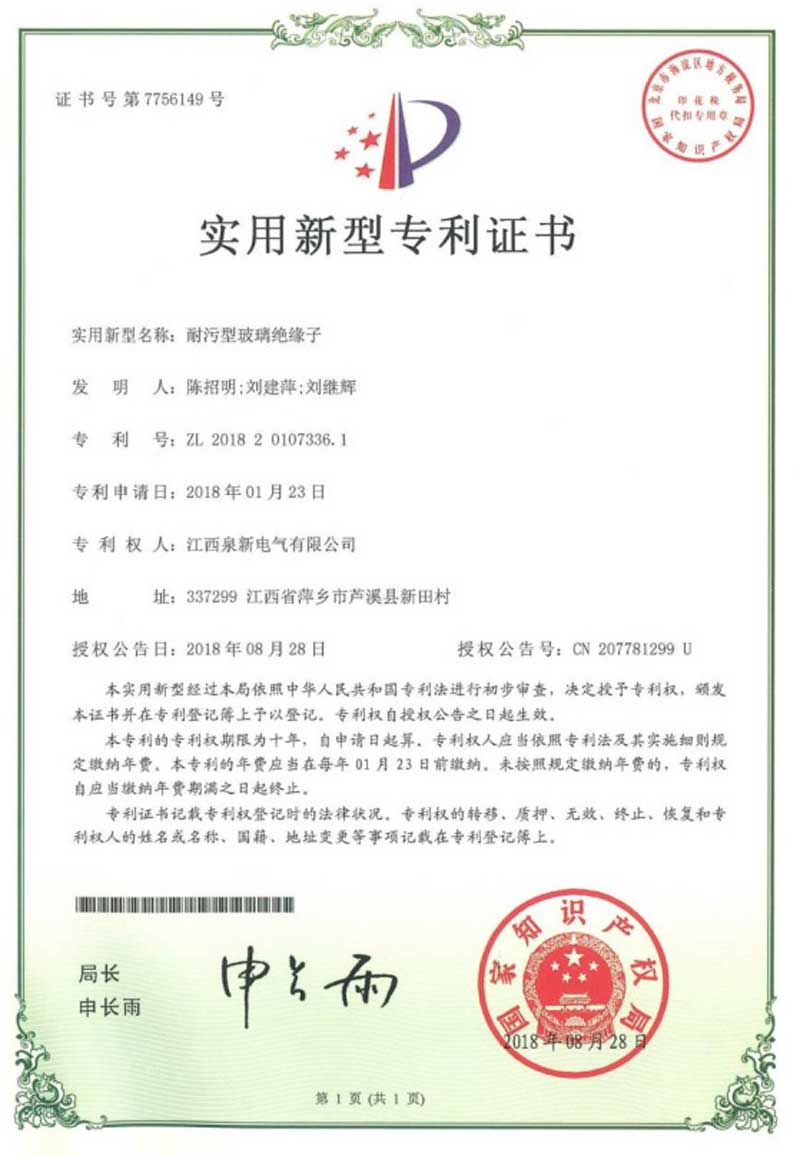
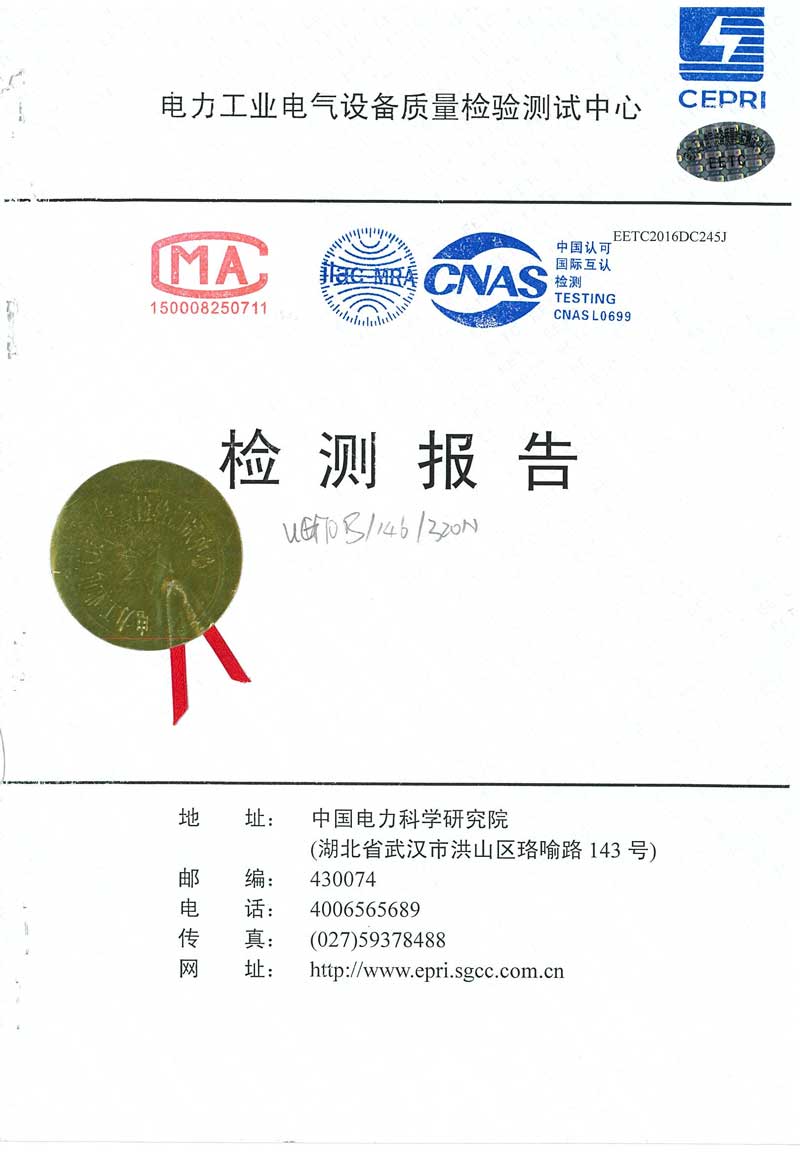
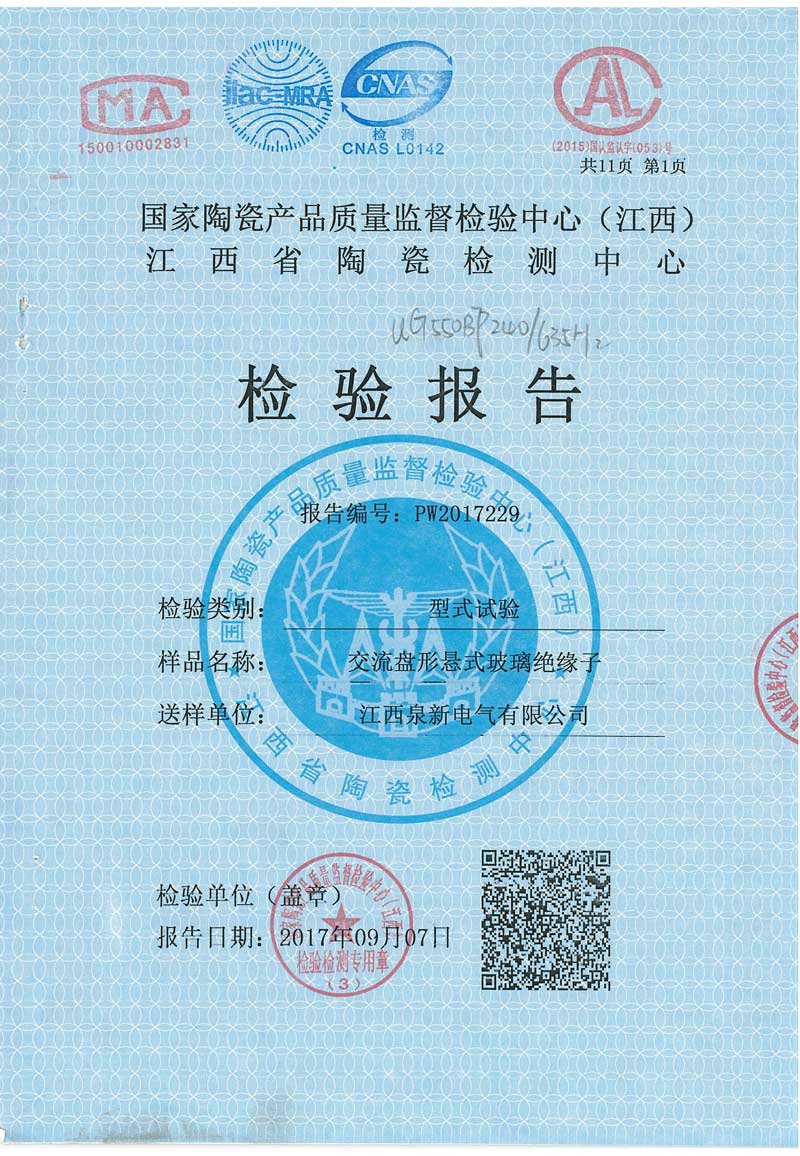
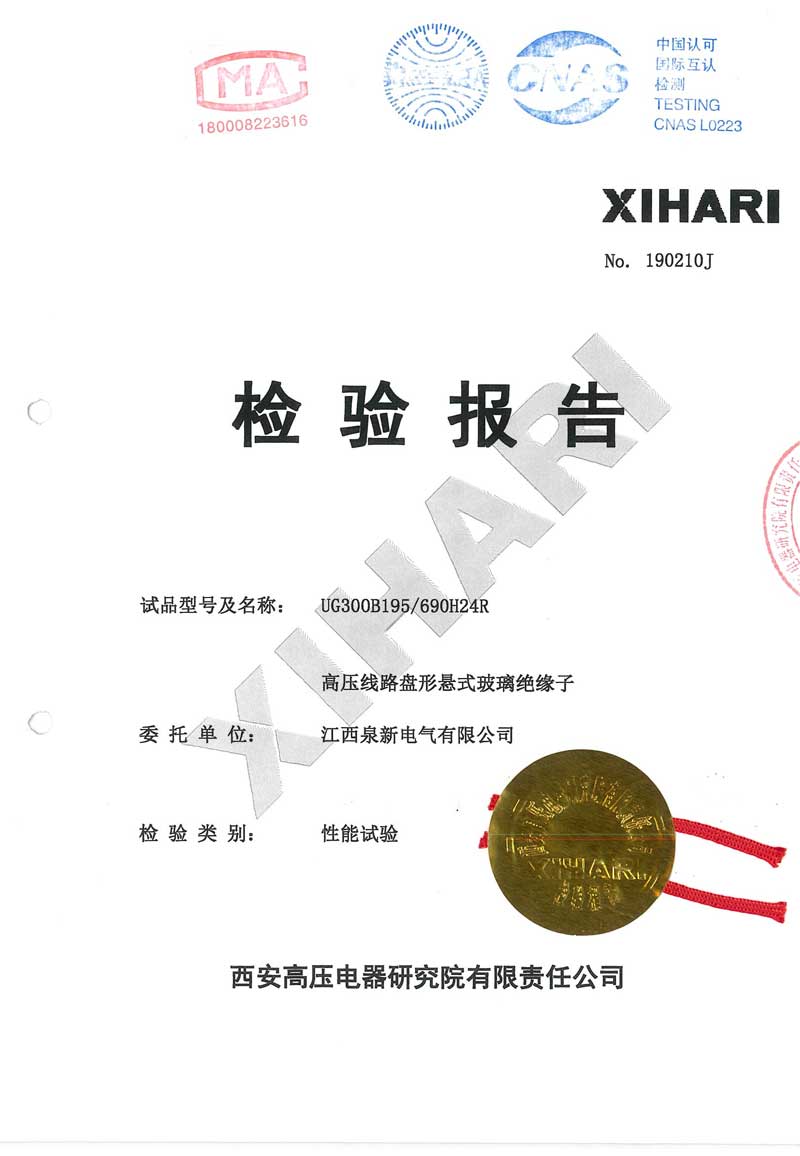
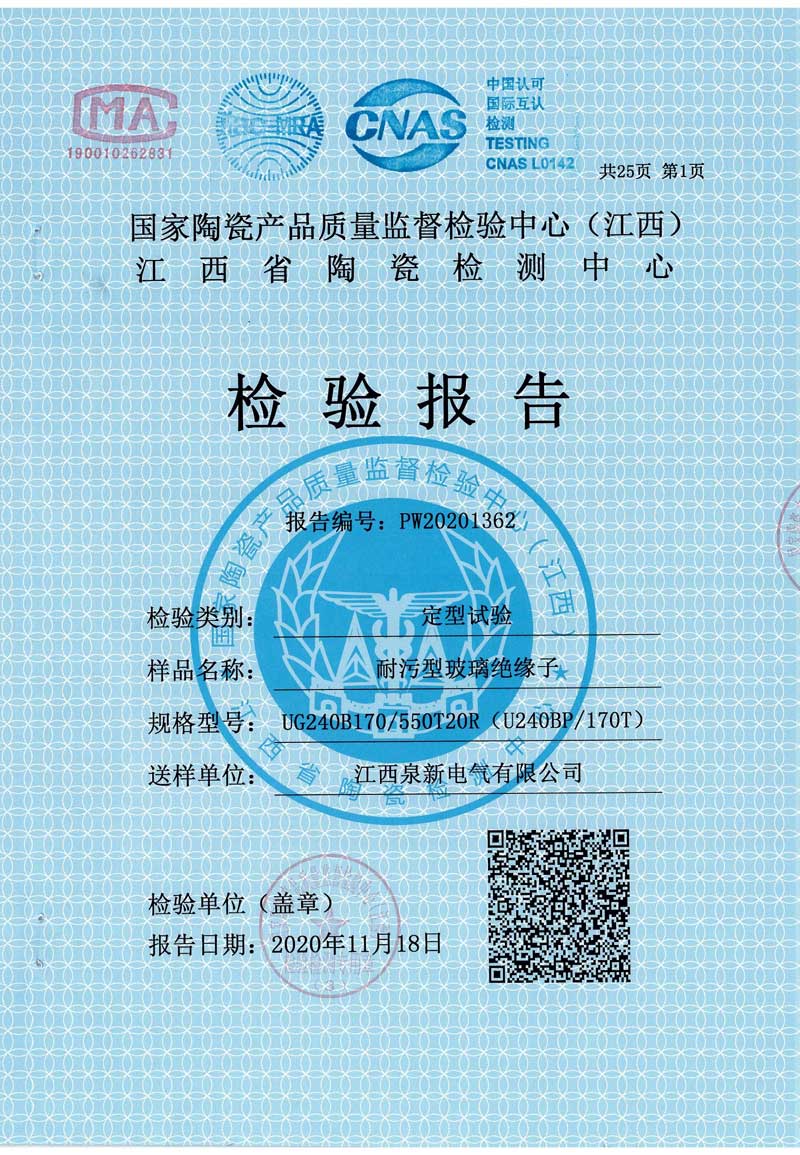
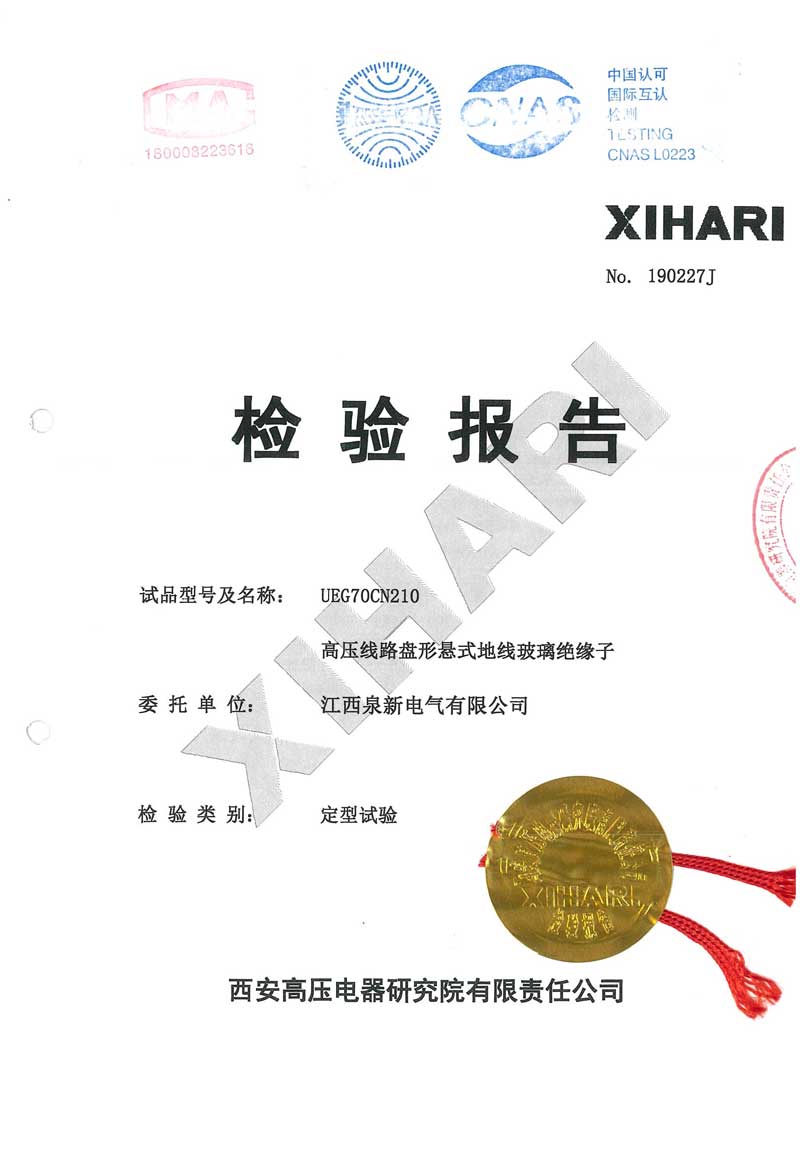
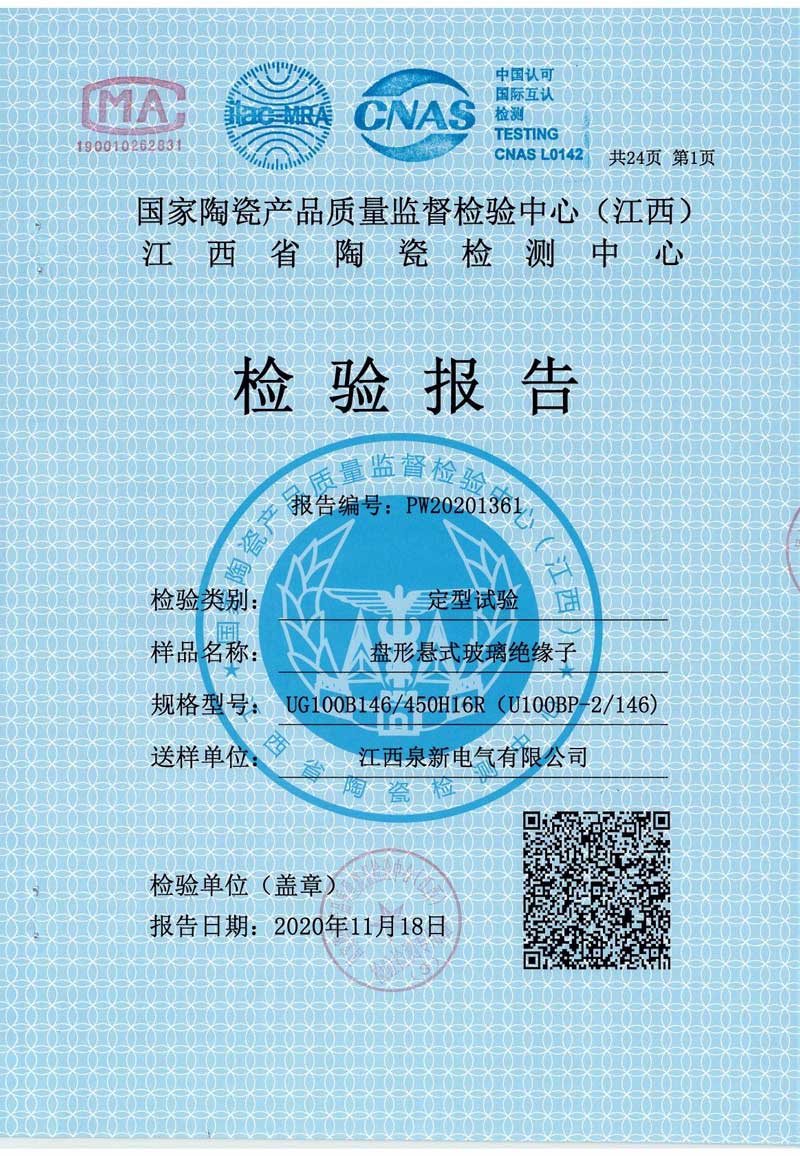
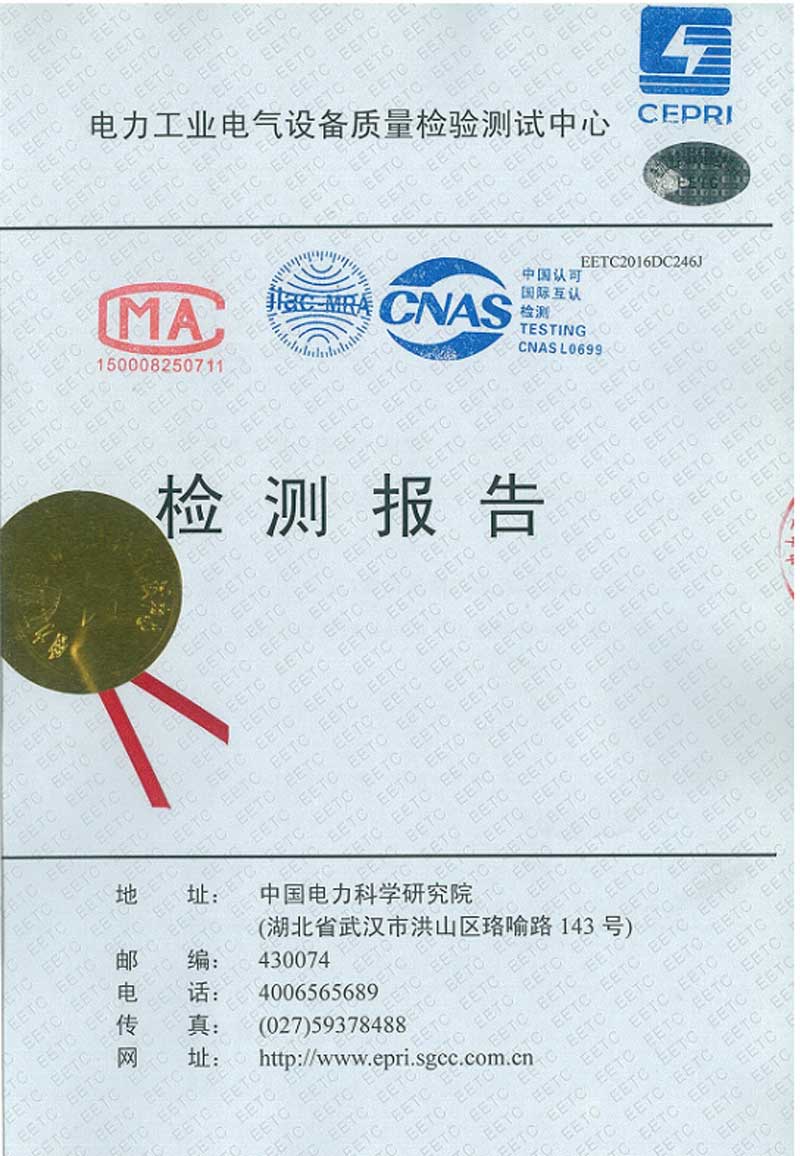
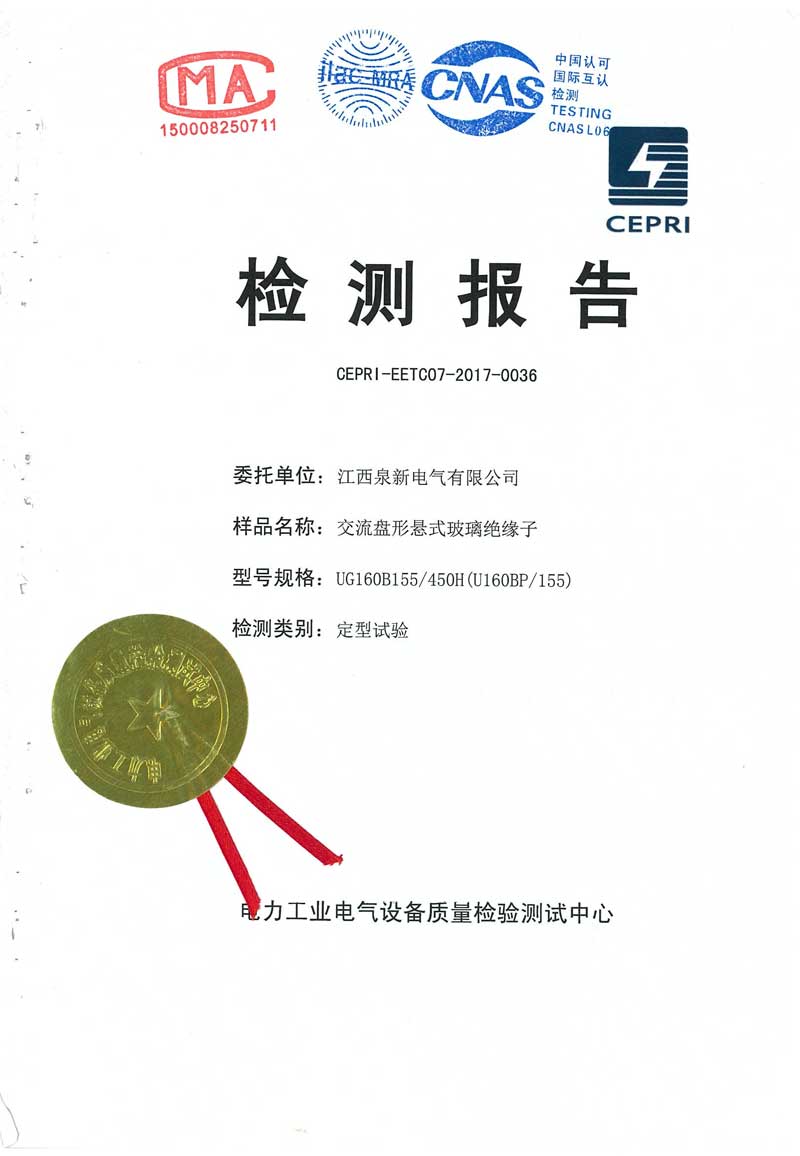
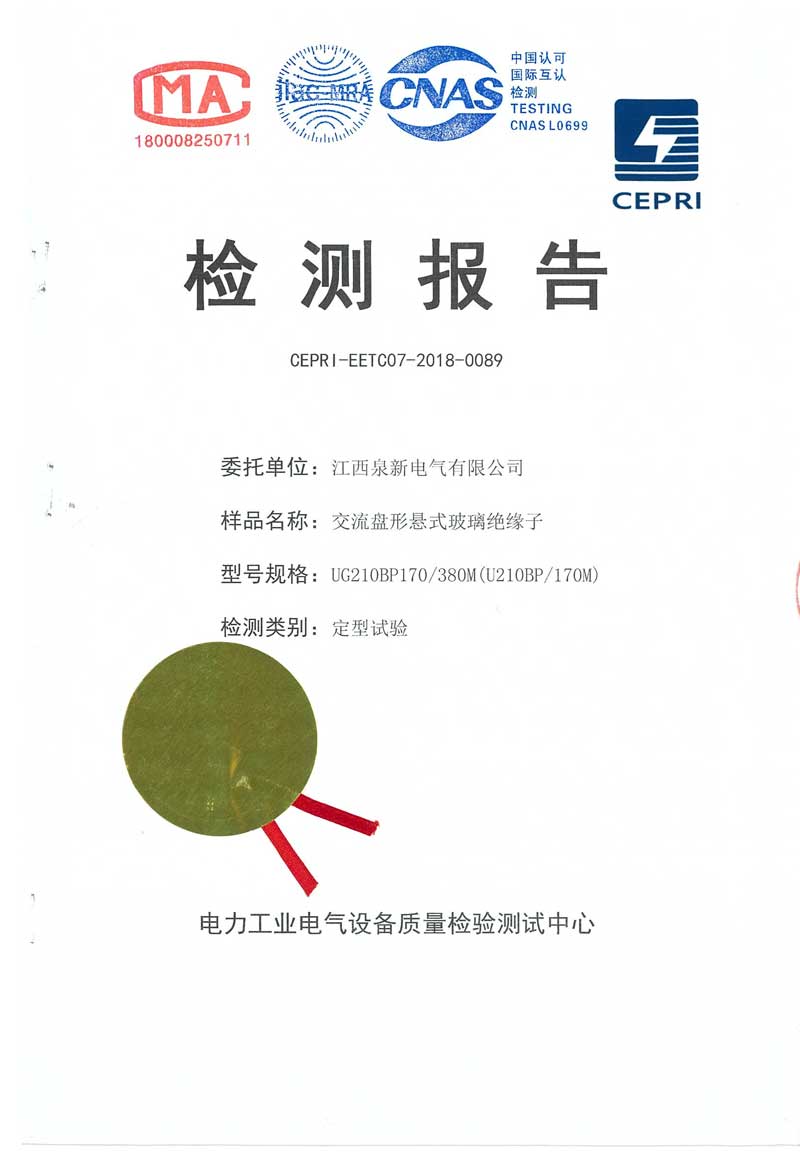
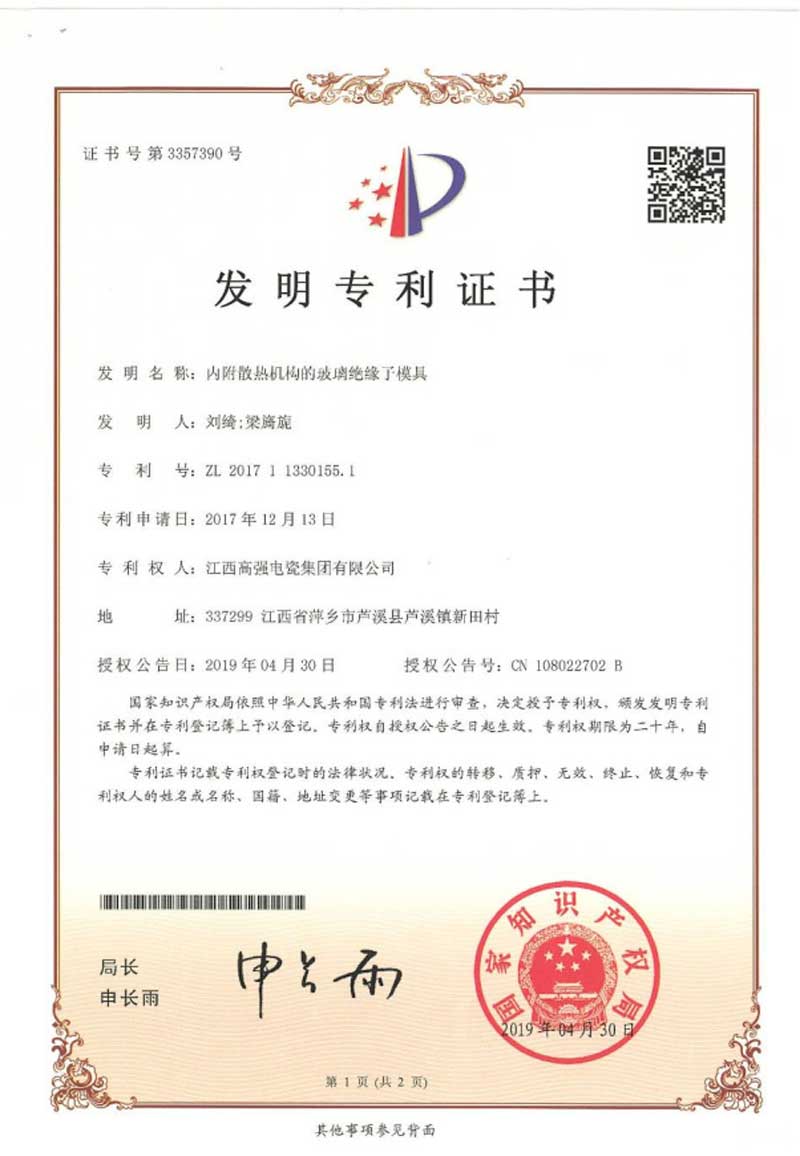
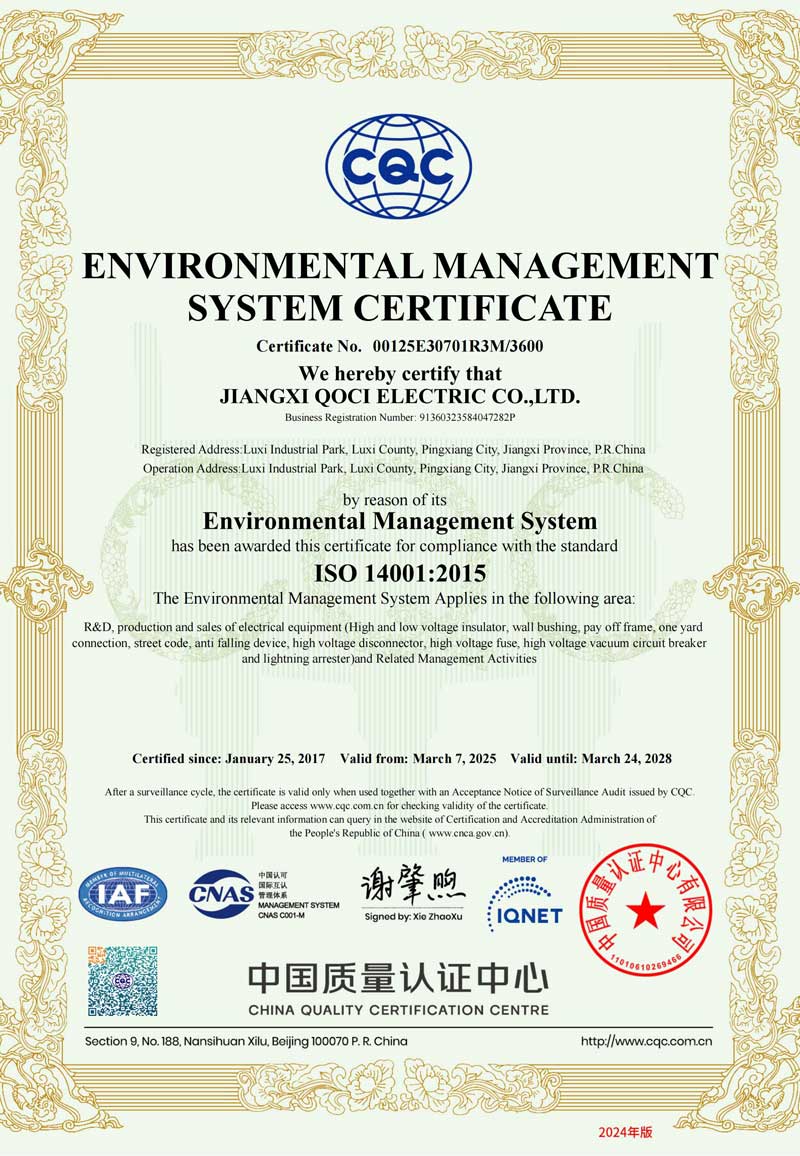
Our production facilities maintain ISO 9001, ISO 14001, and ISO 45001 certifications. Our products have undergone type testing and design verification at independent electrical laboratories, ensuring they meet the requirements of international utilities.
Collaborating with global power utilities, grid builders, and supply chain partners to support infrastructure development.

Stay informed on our exhibition schedules, technical developments, and global grid expansion projects.
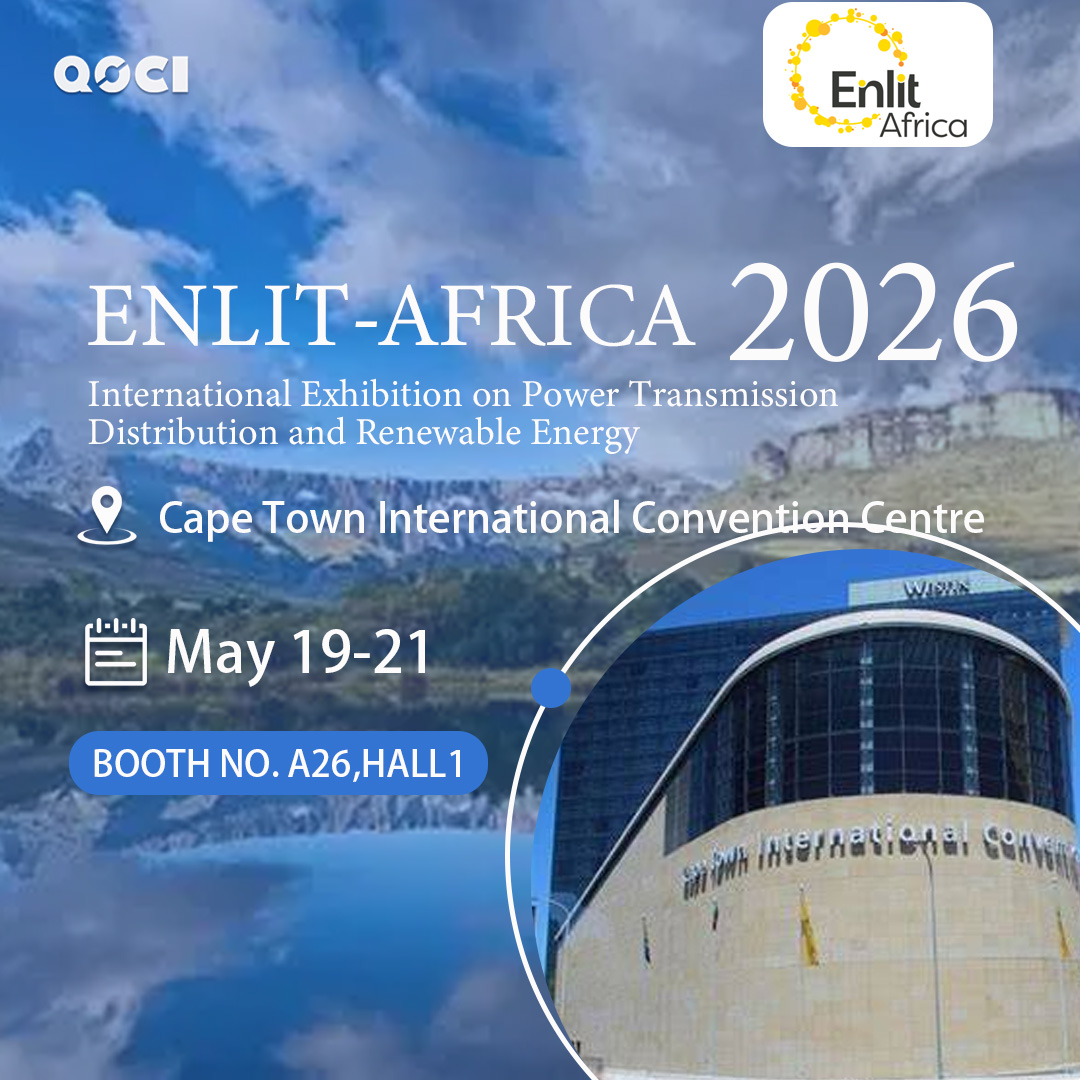
As the global energy transition accelerates, the importance of electricity, renewable energy, and energy storage technologies increases. QOCI Electric is presenting its high-voltage glass insulation solutions at Enlit Africa, engaging with regional utilities and grid partners.
Withstanding extreme environmental conditions including icing, high altitude, pollution, earthquakes, and typhoons, China's insulator industry has developed reliable solutions. Key facilities like QOCI provide verified technology for these challenging environments.
On behalf of our team at Jiangxi QOCI Electric Co. Ltd, we welcome you to connect with us at the IEEE PES T&D Conference & Exposition 2026 to discuss options for high-voltage and ultra-high-voltage glass transmission designs.
QOCI Electric, a global supplier of power equipment and line materials, has confirmed participation in the Iraq Energy Exhibition to support the modernization of Middle Eastern grid networks.
Expert answers addressing the selection, performance characteristics, and maintenance of toughened glass insulators.
Supporting diverse grid requirements with alternative ratings, leakage profiles, and connection systems.