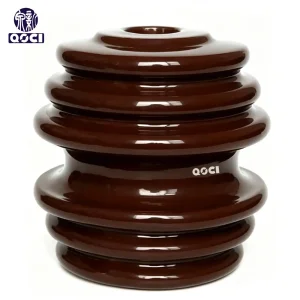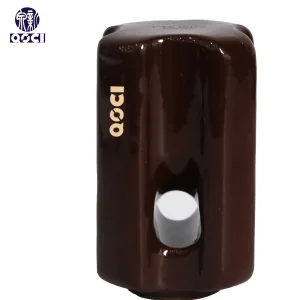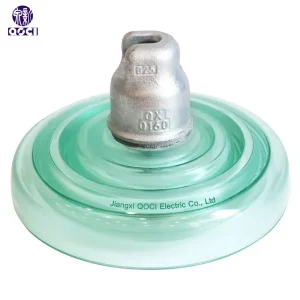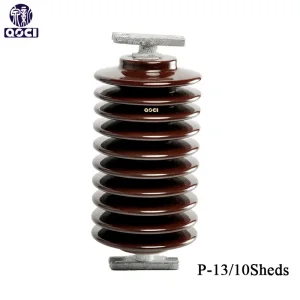
Explore our premium selection of ANSI standard, suspension, and distribution line insulators manufactured with zero-defect glass tempering technologies.
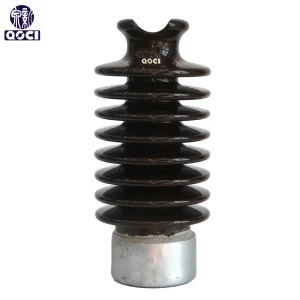
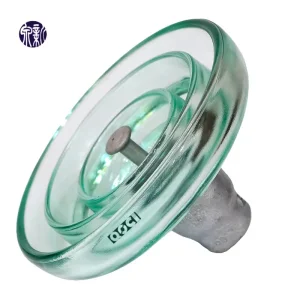
Analyzing technical benchmarks, engineering metrics, and manufacturing standards for modern electrical grid components.
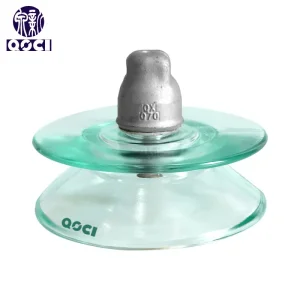
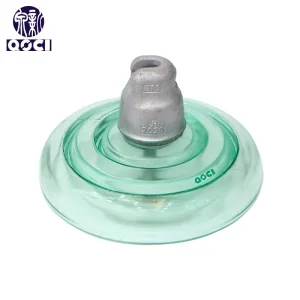
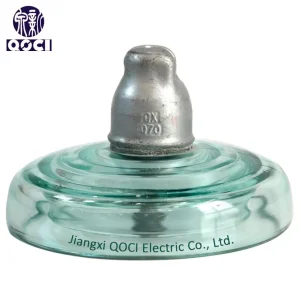
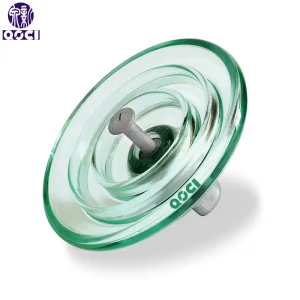
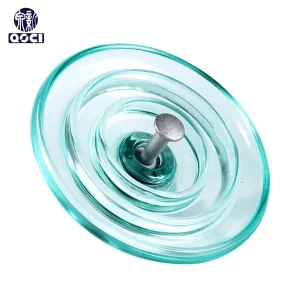
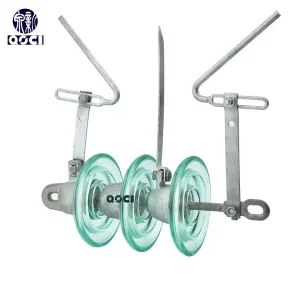
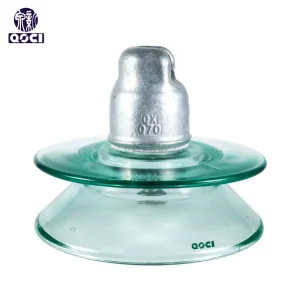
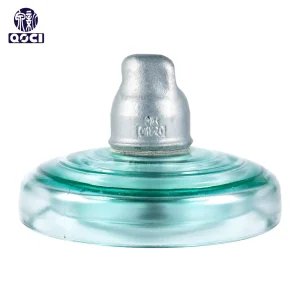
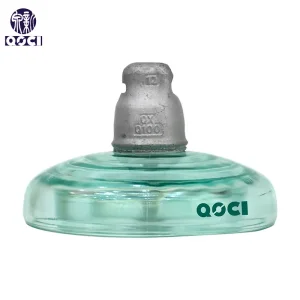
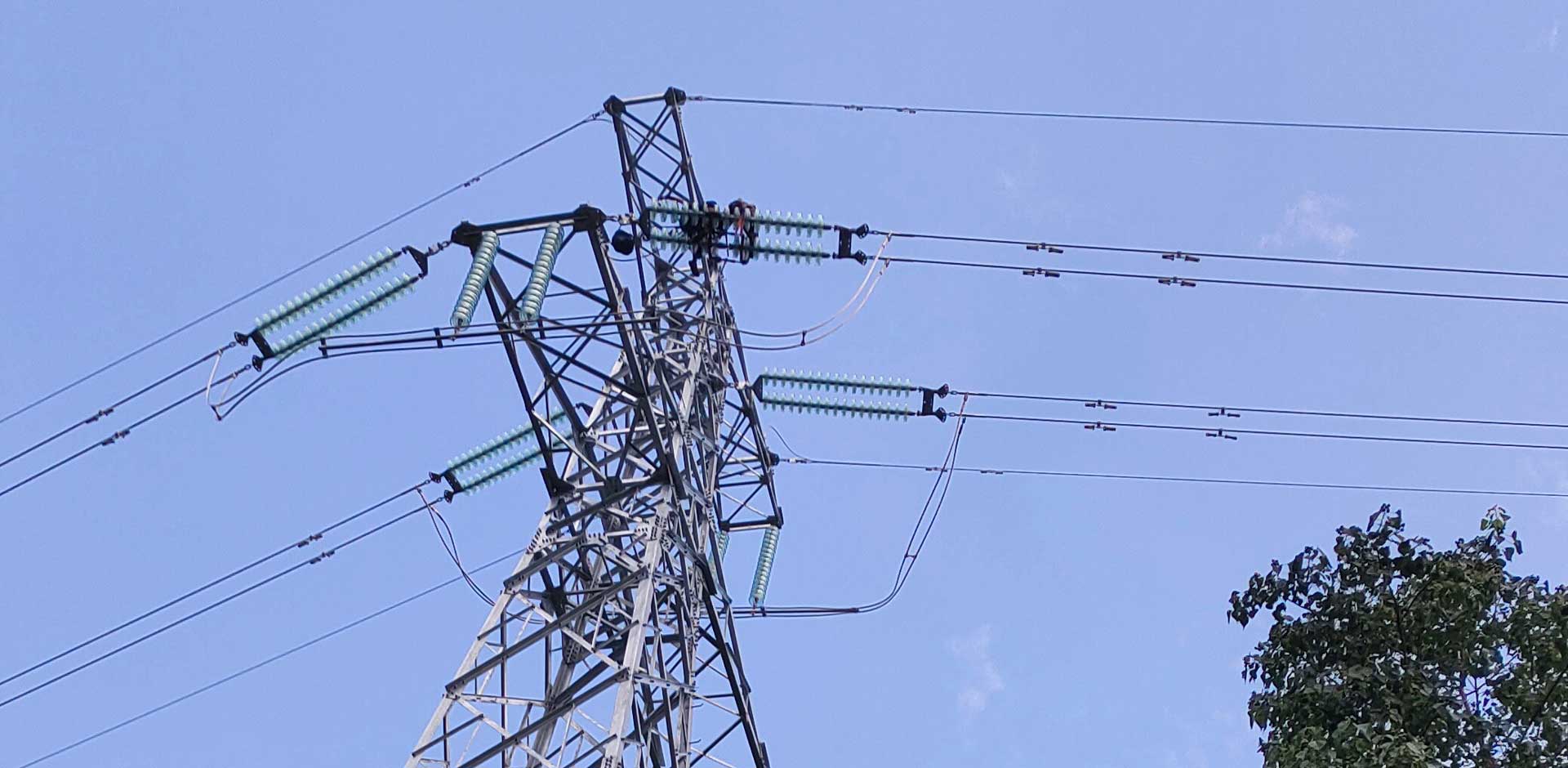
In modern electrical distribution and transmission systems, high-voltage overhead lines demand absolute reliability. The Isolateur Ctv 255 U70b (also known as the U70B toughened glass suspension insulator with a 255mm spacing or diameter configuration) represents a key mechanical and electrical engineering solution. Designed to endure high mechanical tension load parameters up to 70kN, this disc-type insulator profile is crucial for safeguarding live conductor lines. Toughened glass, as the primary insulating medium, offers superior mechanical resistance to thermal degradation, cyclic environmental stress cracking, and electrical puncture compared to traditional porcelain options.
Under IEC 60305 standards, the designation U70B corresponds to a rated mechanical failing load of 70 kN, with the "B" classification designating standard cap-and-pin coupling measurements. When integrated into high-voltage strings (ranging from 11kV to ultra-high-voltage AC/DC structures), the physical layout of the glass shell prevents catastrophic structural failures. If an electrical or physical surcharge causes glass shattering, the tempered nature of the material triggers complete fracturing into small fragments without structural separation. The mechanical residual strength of the remaining stub keeps the conductor securely suspended until maintenance crews can execute planned repairs.
"Tempered glass chemistry offers a self-diagnostic characteristic. Visual monitoring is simple, eliminating the need for expensive, time-consuming close-up manual checking or high-voltage testing along hundreds of miles of transmission line towers."
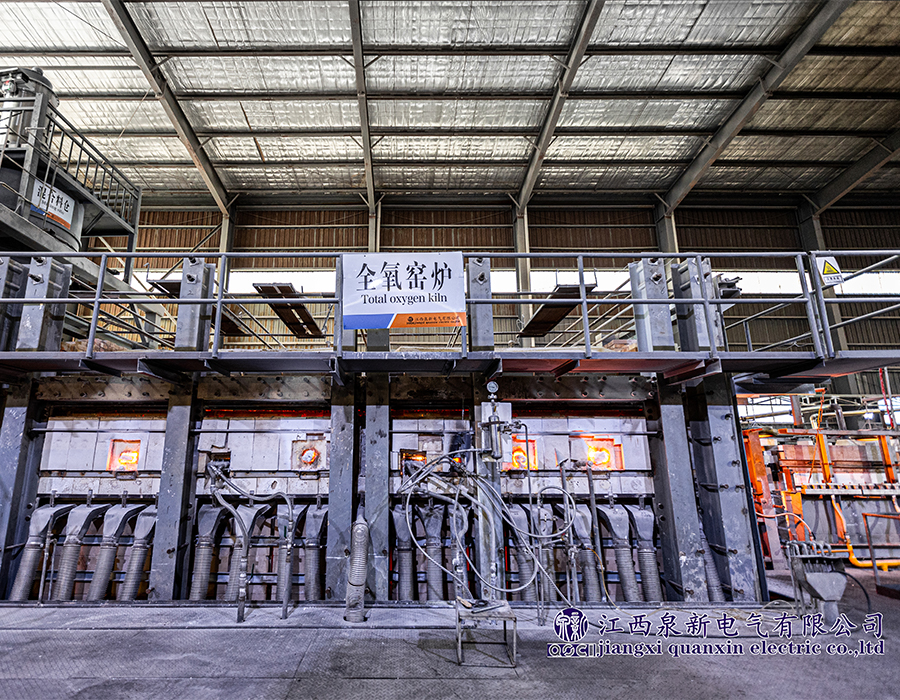
China's transition to manufacturing automation, specifically within the electrical insulation sector, has dramatically improved product consistency. Organizations like Jiangxi QOCI Electric Co. Ltd, located in Pingxiang, Jiangxi Province, leverage total oxygen glass melting kilns and computerized tempering chambers to eliminate microscopic inclusions (such as nickel sulfide) that lead to spontaneous shattering in glass components.
With a registered capital of 508 million Yuan and an annual output capacity of over 39,000 tons of glass insulation materials, our facilities implement continuous acoustic emission monitoring and automated hydraulic mechanical testing at 50% of the nominal tensile capacity on 100% of the assembly line. By integrating robots into the metal cap-and-pin cementing phase, we ensure concentric alignment and zero mechanical eccentricity, keeping the mechanical failure rates of our CTV 255 and U70B components well below 1 in 100,000 per year.
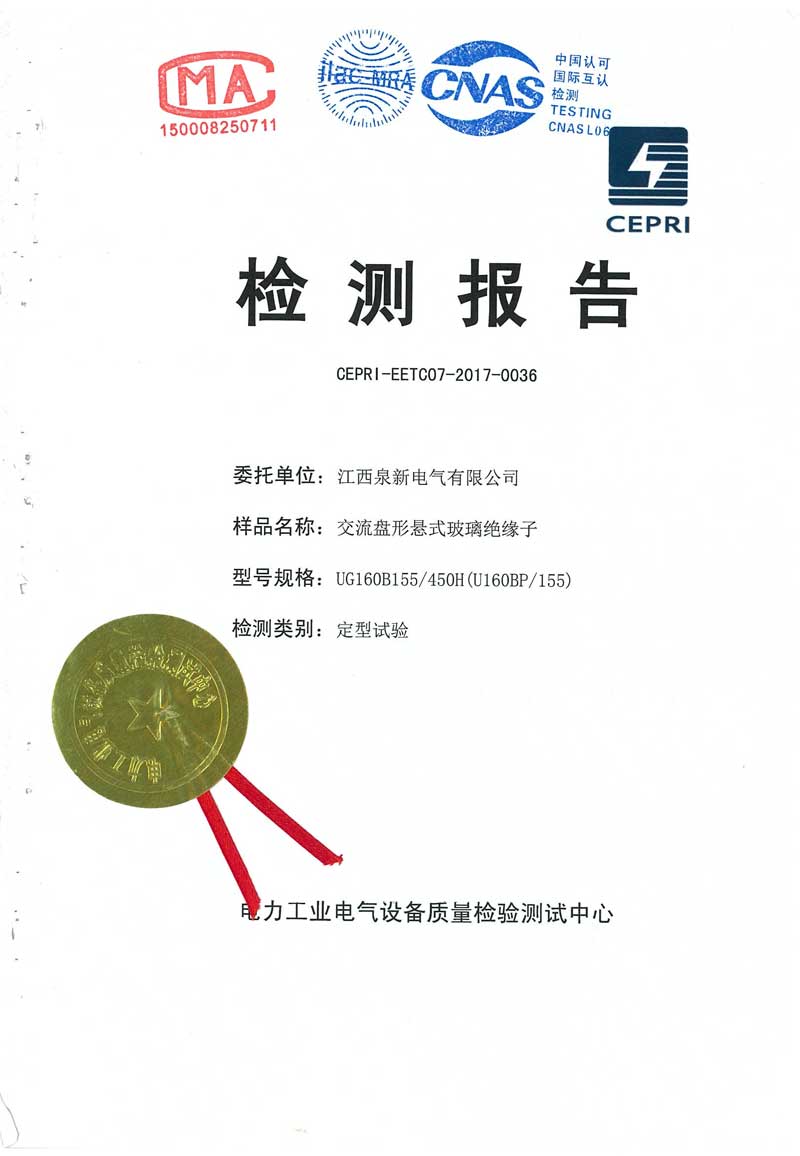
Procurement managers and engineering consultants working on grid modernization projects in Europe, South America, and Africa face severe logistics and reliability challenges. Sourcing from a certified manufacturer with type-test reports from independent laboratories (such as KEMA or CESI) is essential for project acceptance and long-term risk reduction.
Our supply model combines specialized seaworthy container packaging (reinforced wooden crates preventing internal friction and impact damage during maritime transport) with precise port logistics from Shanghai or Shenzhen. Additionally, the availability of specialized profiles, such as anti-pollution profiles (U120BLP) and silicone-coated (RTV) glass configurations, allows EPC companies to build transmission networks that resist environmental stresses without requiring frequent maintenance washings.
Choosing the correct profile configuration ensures long-term operational integrity and prevents line outages under extreme environmental conditions.
Characterized by a leakage distance exceeding standard IEC 60305 baselines. Features shallow, widely spaced ribs that promote wind and rain self-cleaning, making it ideal for mild areas without high industrial pollution.
Designed with deep, long under-ribs to prevent electrical bridging. Offers a high leakage-to-spacing ratio of approximately 3.2, perfect for heavy industrial smog, desert condensation, and high-salinity coastal areas.
Eliminates under-ribs to minimize sand and dust accumulation. Widely deployed in hot, windy desert regions where natural rain washing is rare, preventing the accumulation of conductive contaminant layers.
Integrates vulcanized silicone directly on the glass body. This treatment prevents water accumulation and minimizes leakage current losses, representing an economical solution by eliminating the need for periodic manual washing.
Features three distinct protective rings for exceptional creepage distances. Popularly used in ultra-high-voltage (UHV) systems, heavily polluted mining operations, and humid high-altitude environments.
Founded in December 2002 with a registered capital of 508 million Yuan, Jiangxi QOCI Electric Co. Ltd has established itself as an industry leader in manufacturing high-strength tempered glass suspension insulators. Located in Luxi Industrial Park, Jiangxi Province, our manufacturing site covers more than 70,000 square meters.
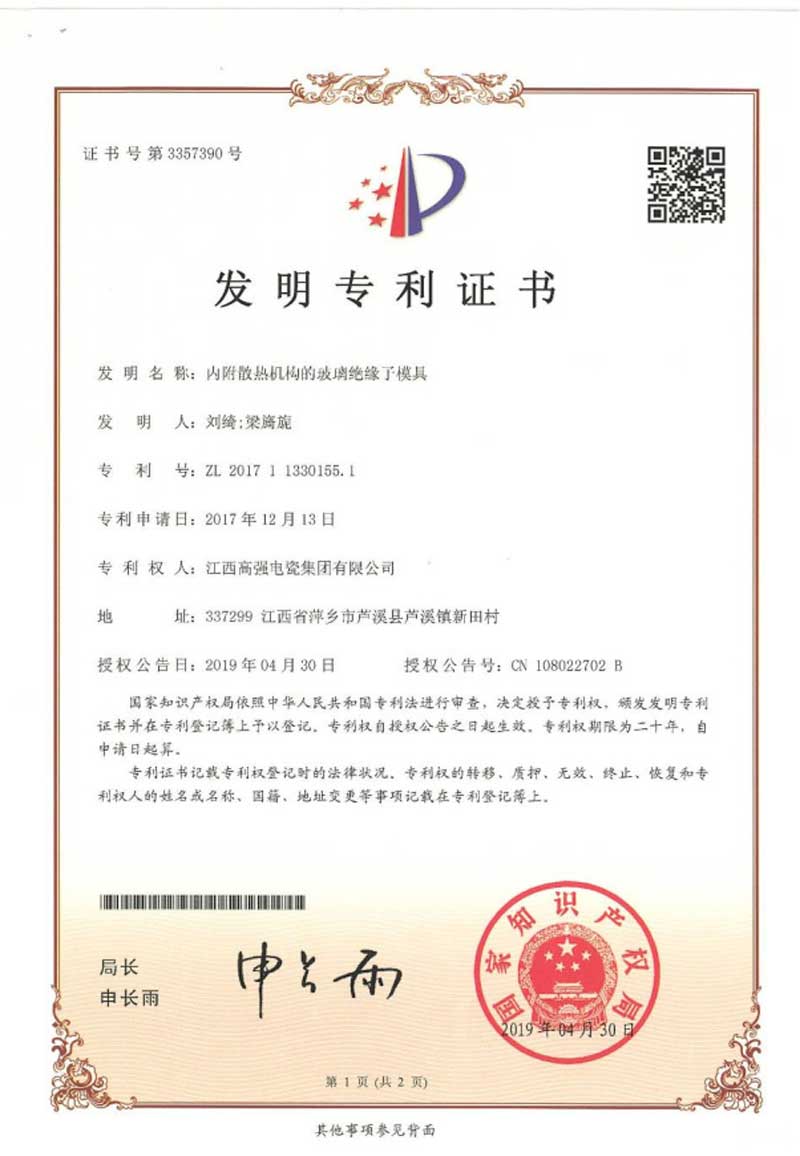
We focus on green manufacturing processes, using energy-efficient total oxygen kilns to feed our automated pressing and shaping systems. Driven by 53 specialized engineers and backed by 26 national patents, we supply high-performance insulating solutions for low-voltage, medium-voltage, and extra-high-voltage AC/DC power transmission systems worldwide.
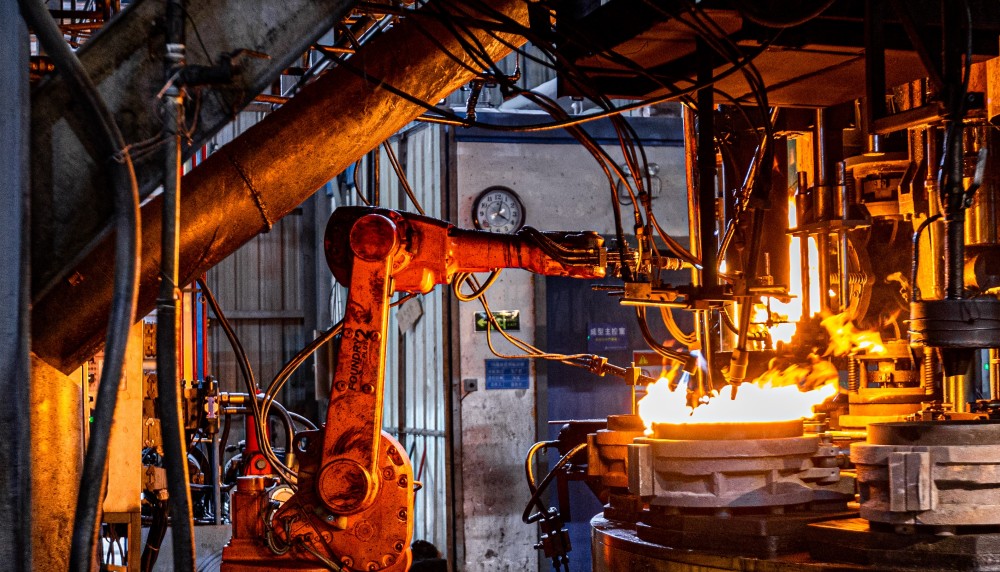

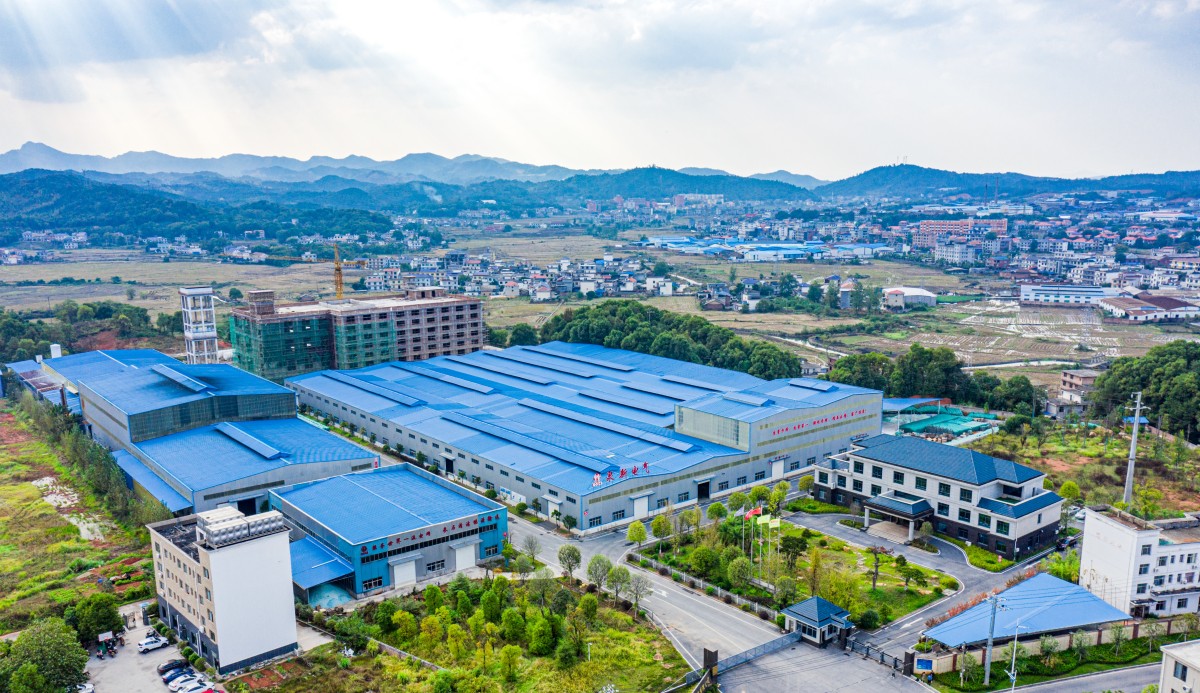
A closer look inside our automated production lines, testing laboratories, and raw material preparation zones.
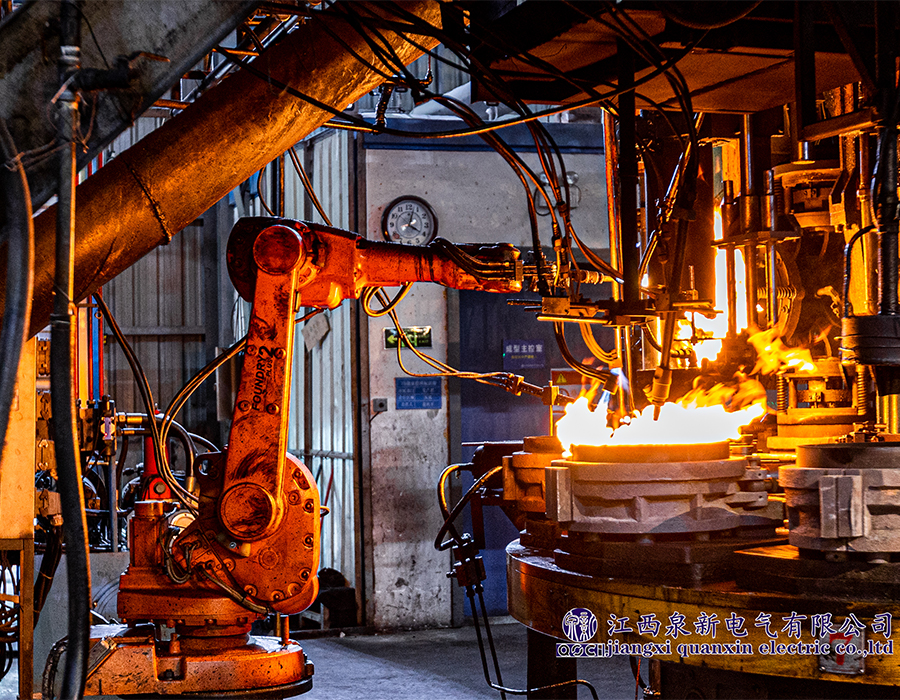
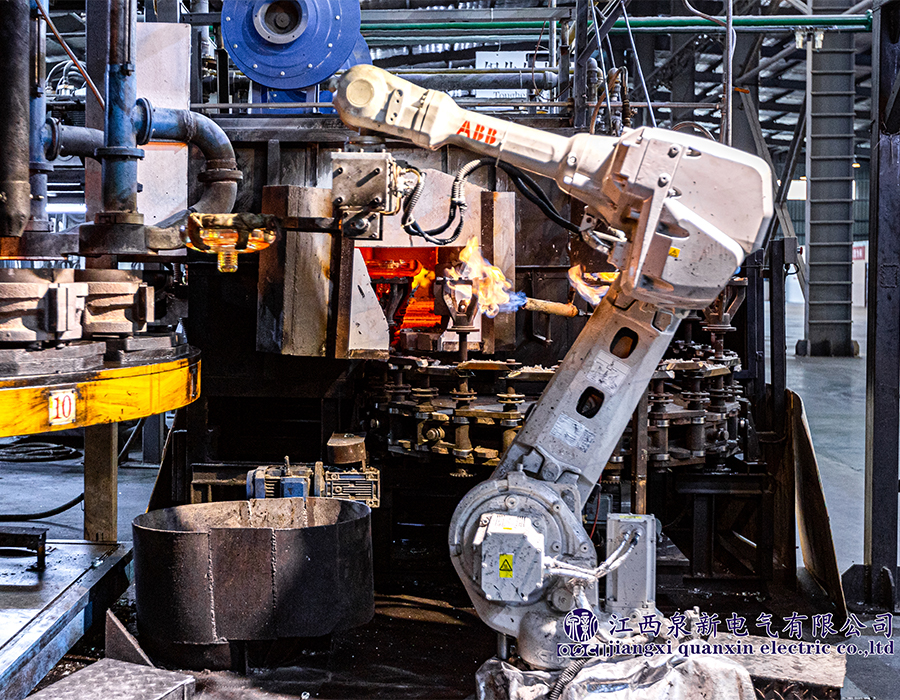
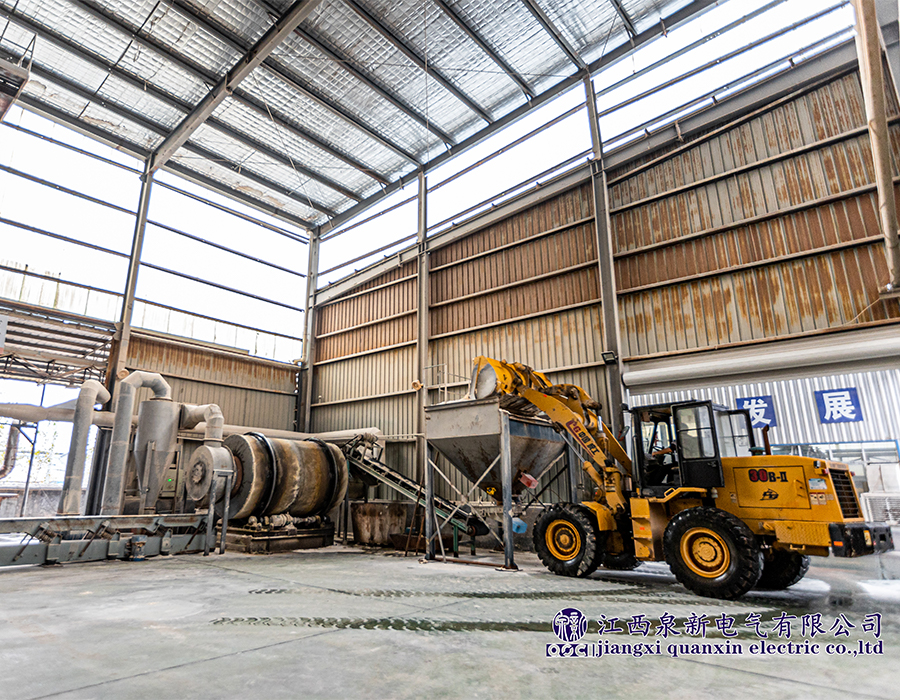
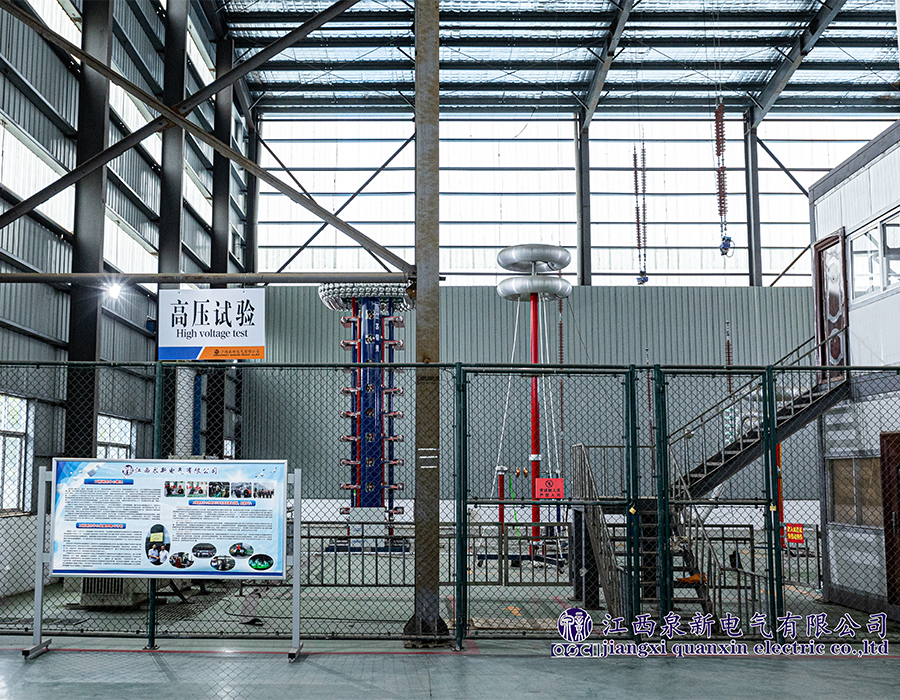
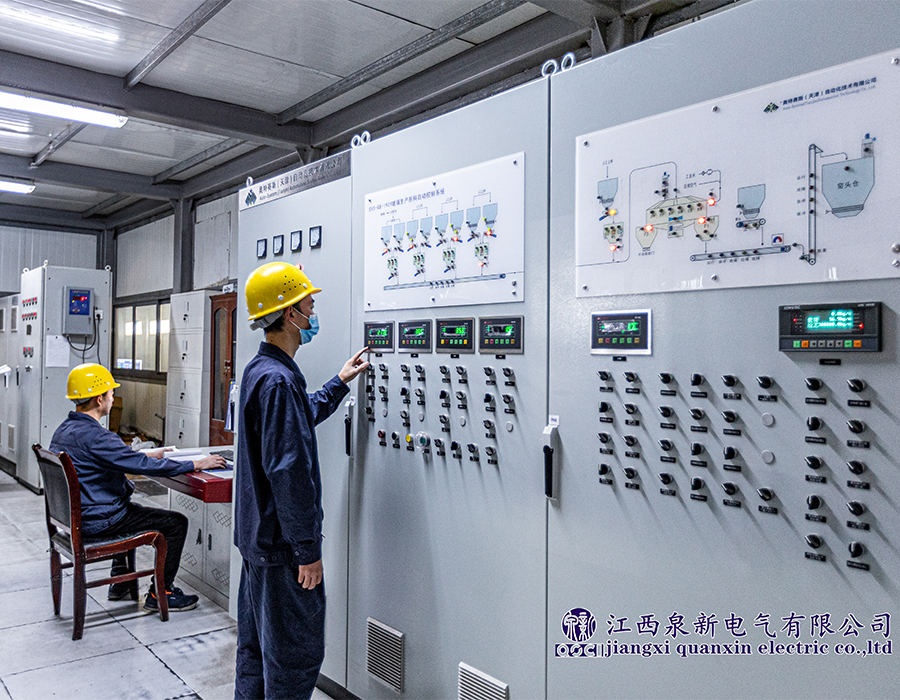
We work closely with global utility departments, substation builders, and distribution engineering partners.

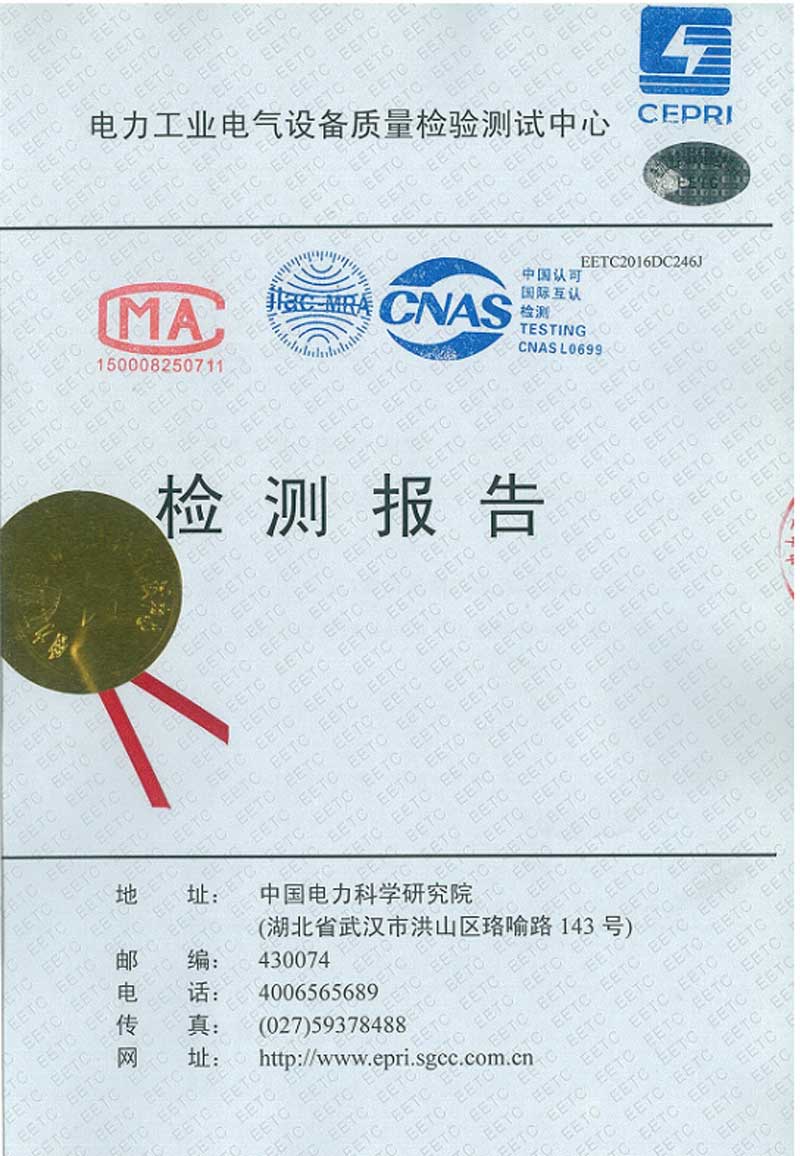
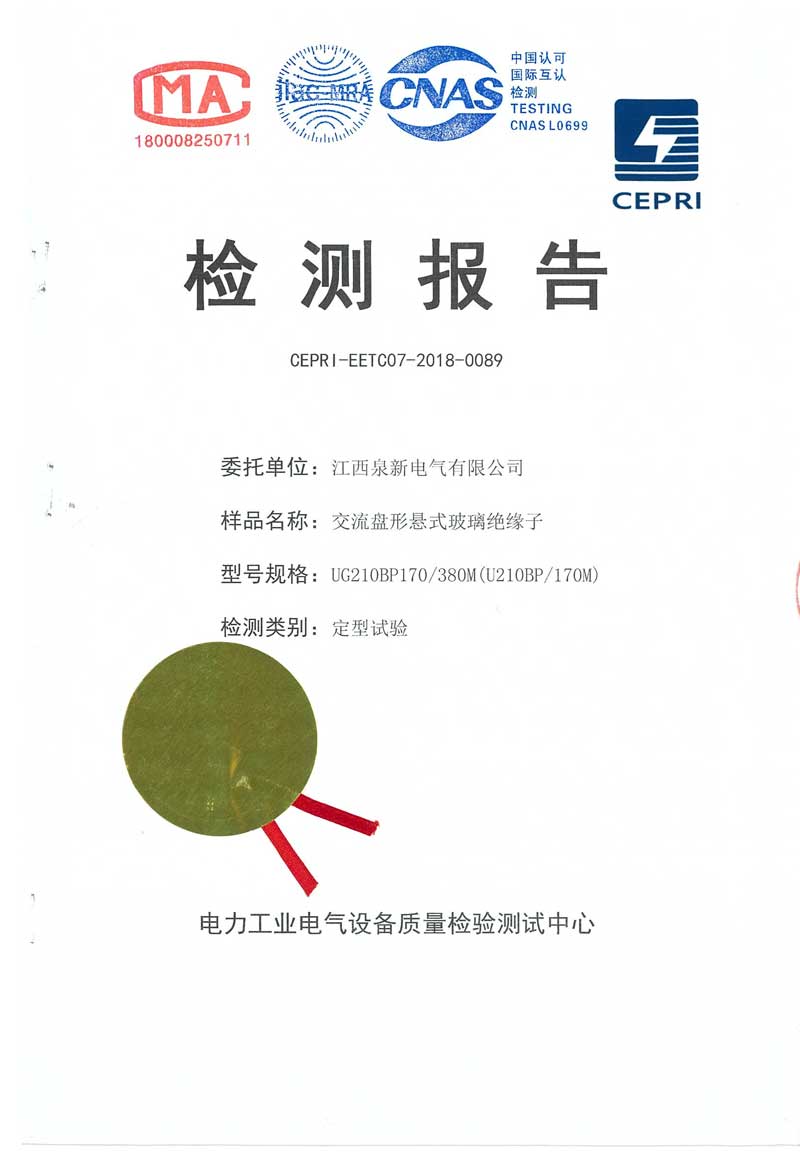
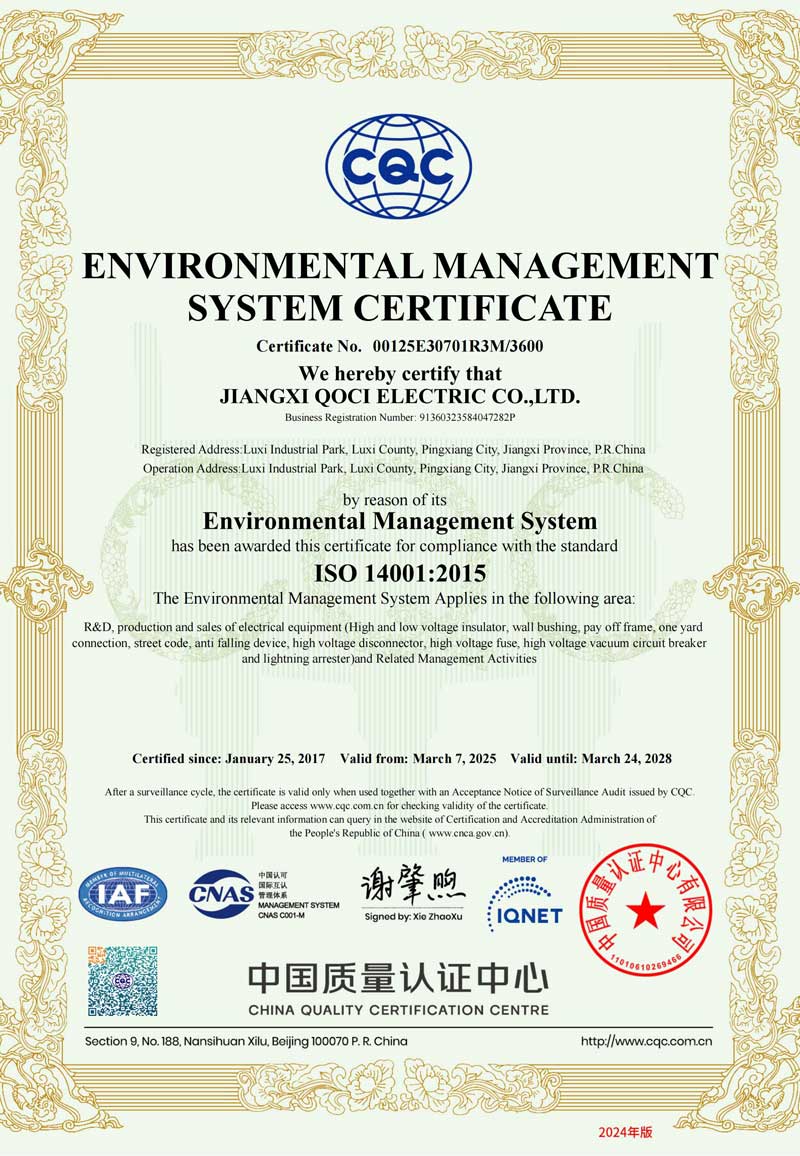
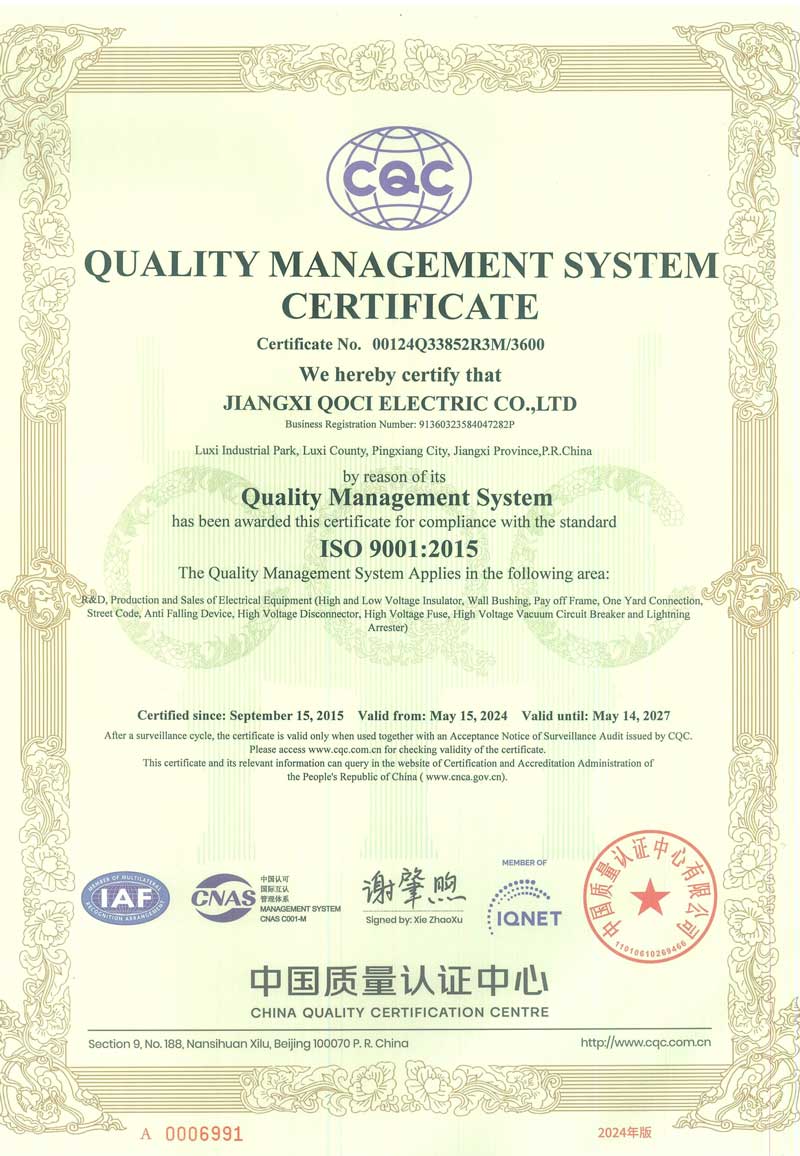
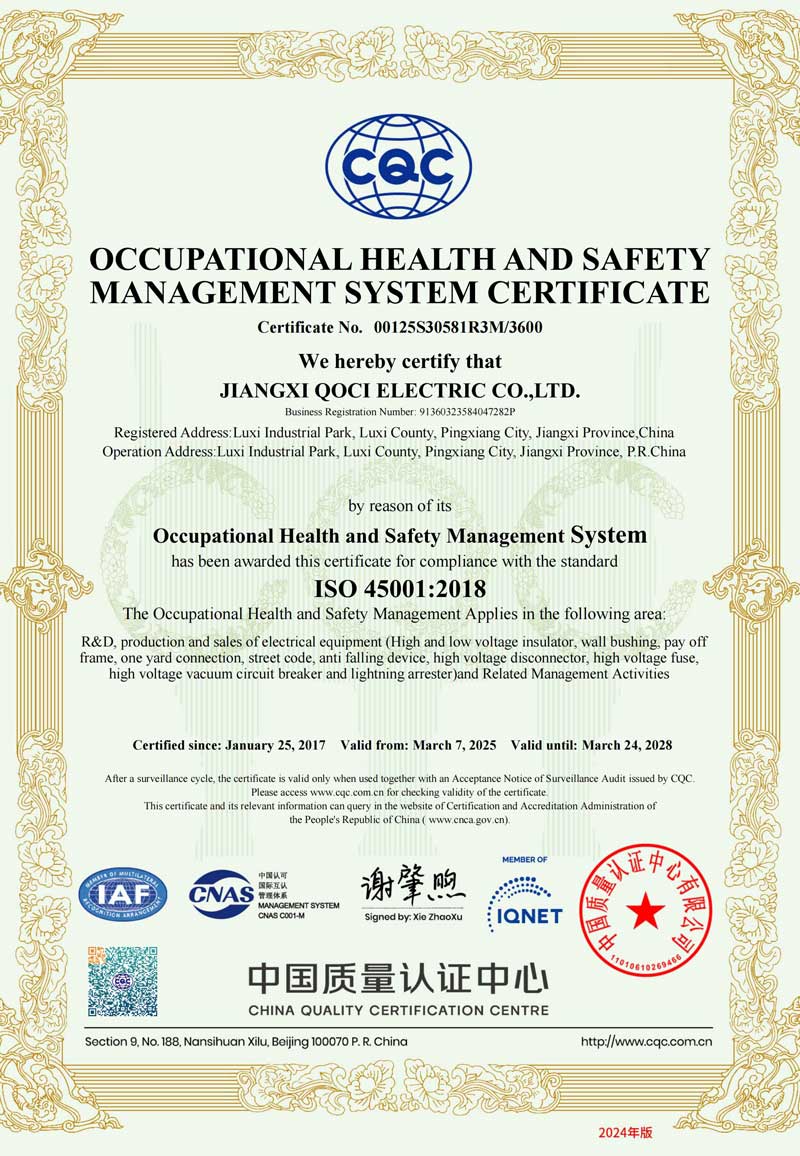
Our production lines operate under ISO 9001, ISO 14001, and ISO 45001 standards, holding certifications from international testing organizations.
Get professional answers to technical and commercial questions about toughened glass suspension insulators.
Our products are mainly high-strength glass insulators used in low voltage, high voltage, ultra-high voltage, extra-high voltage AC (DC) electric transmission line.
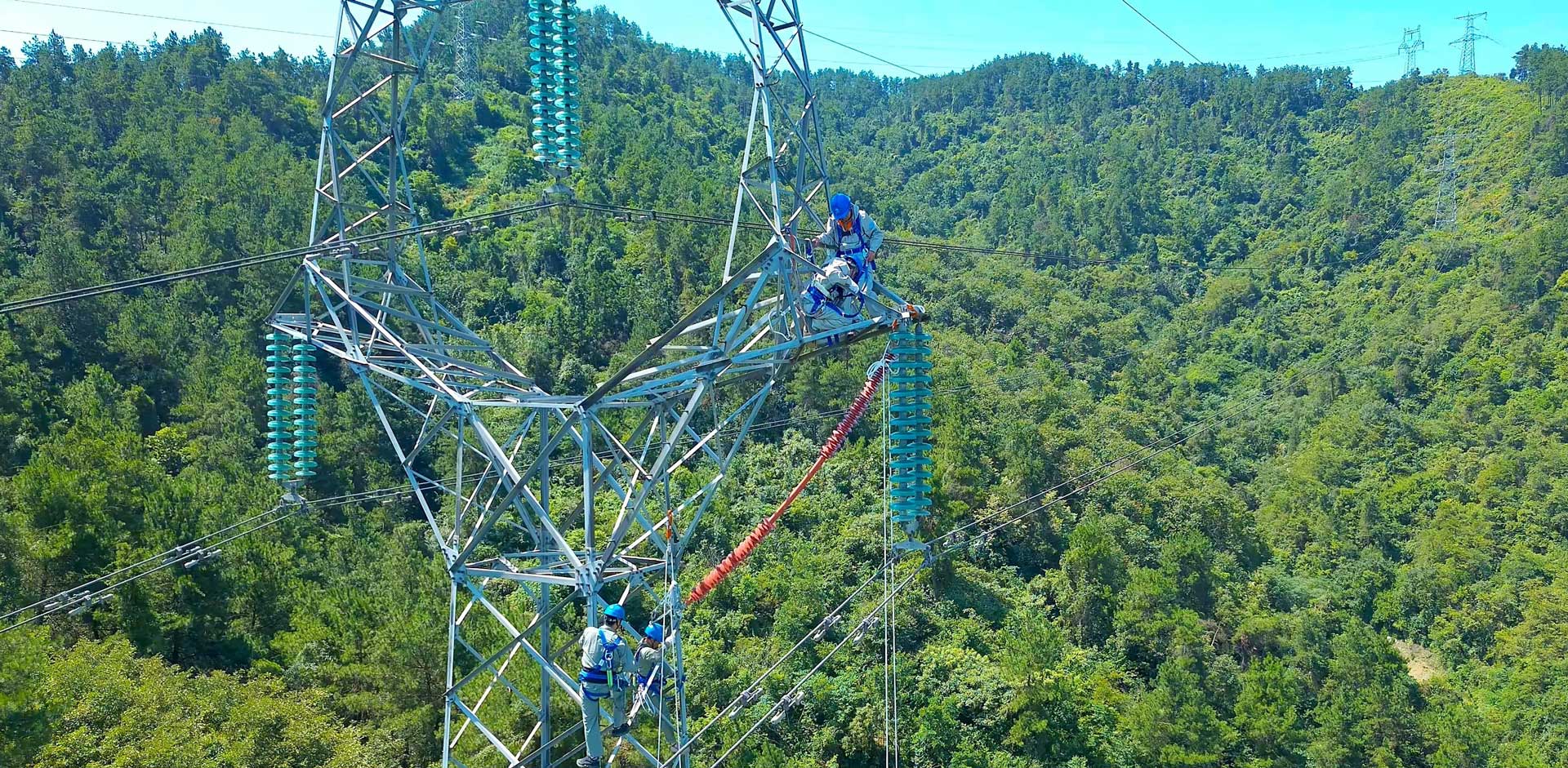
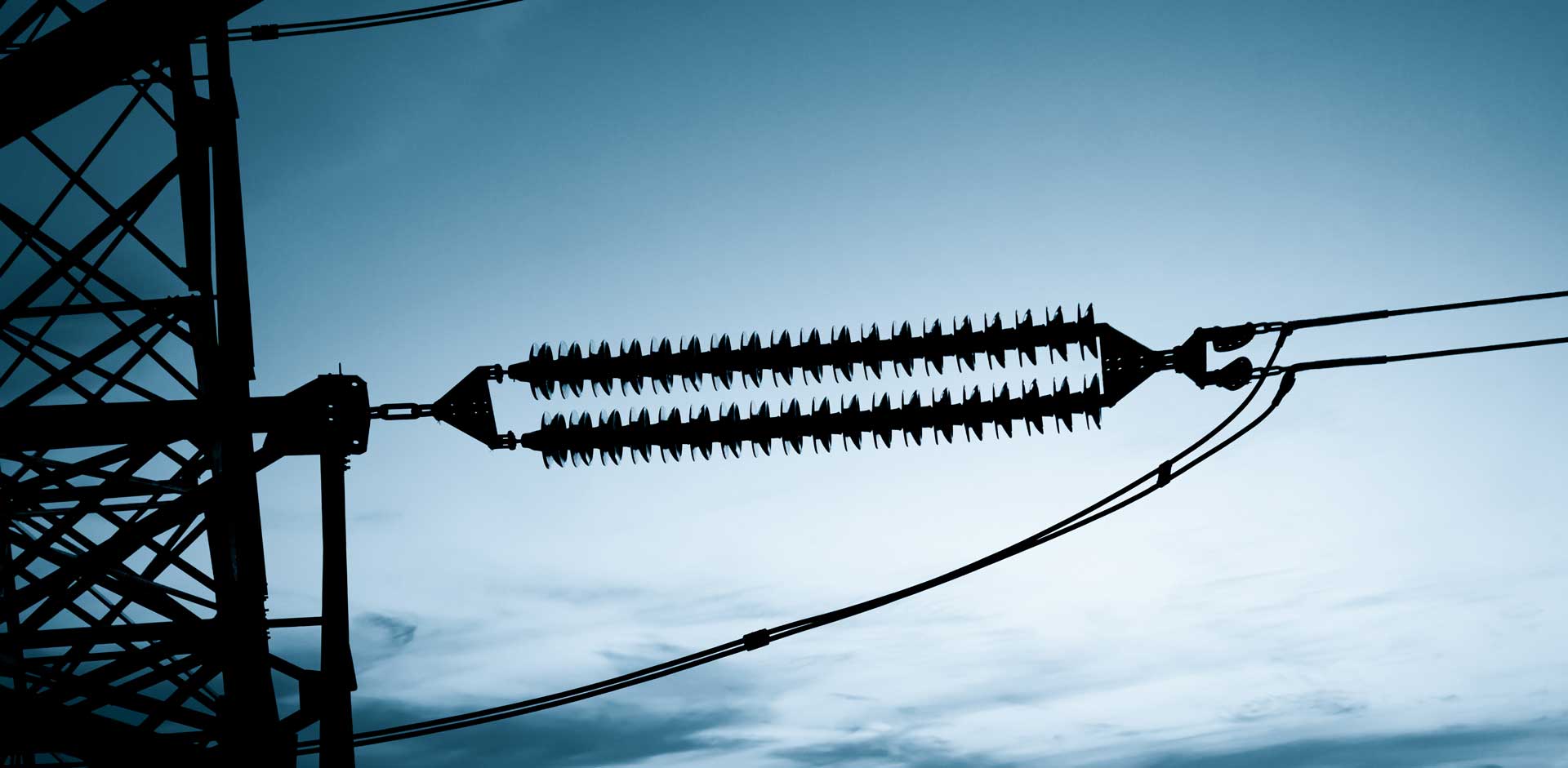
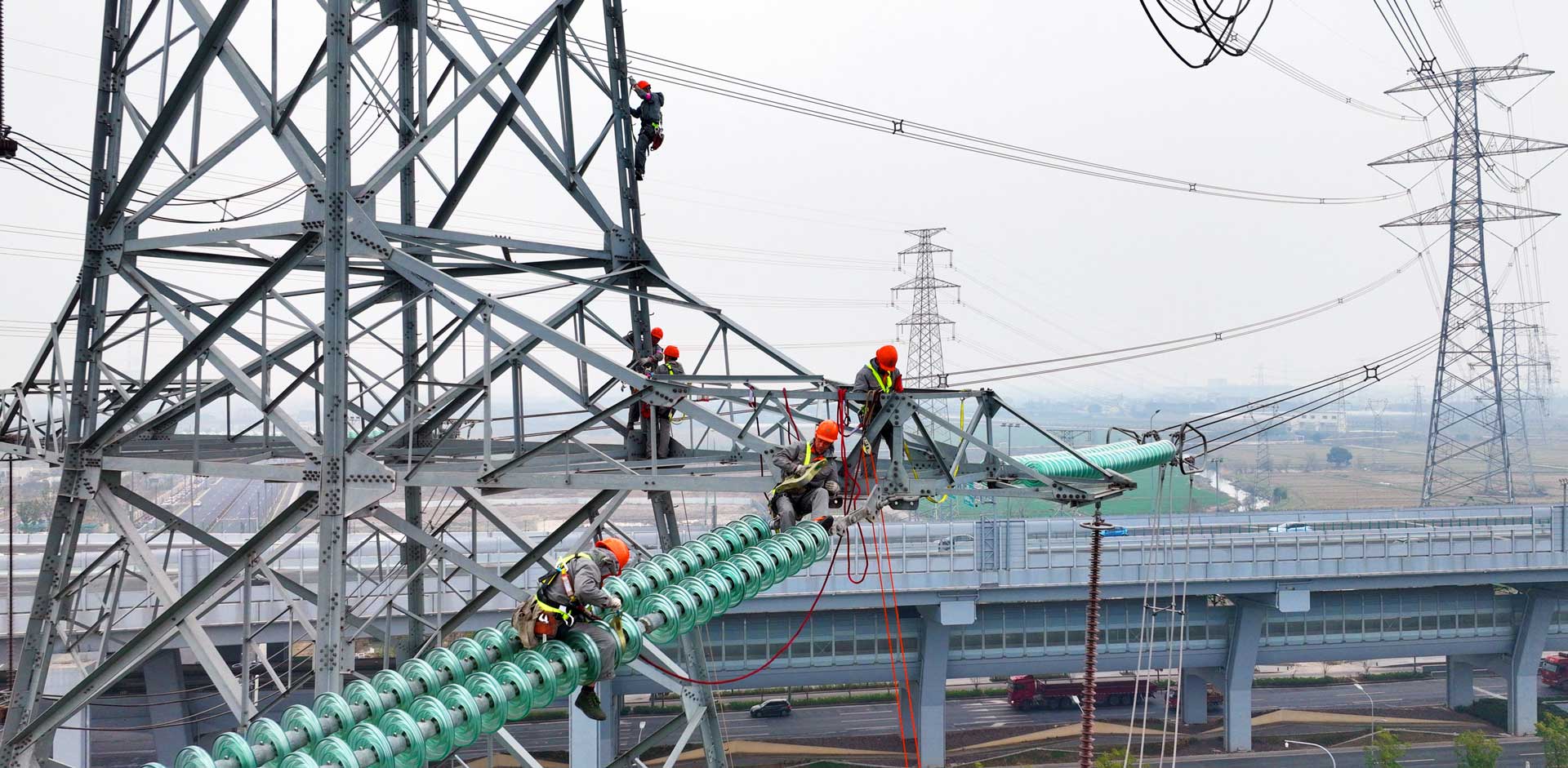
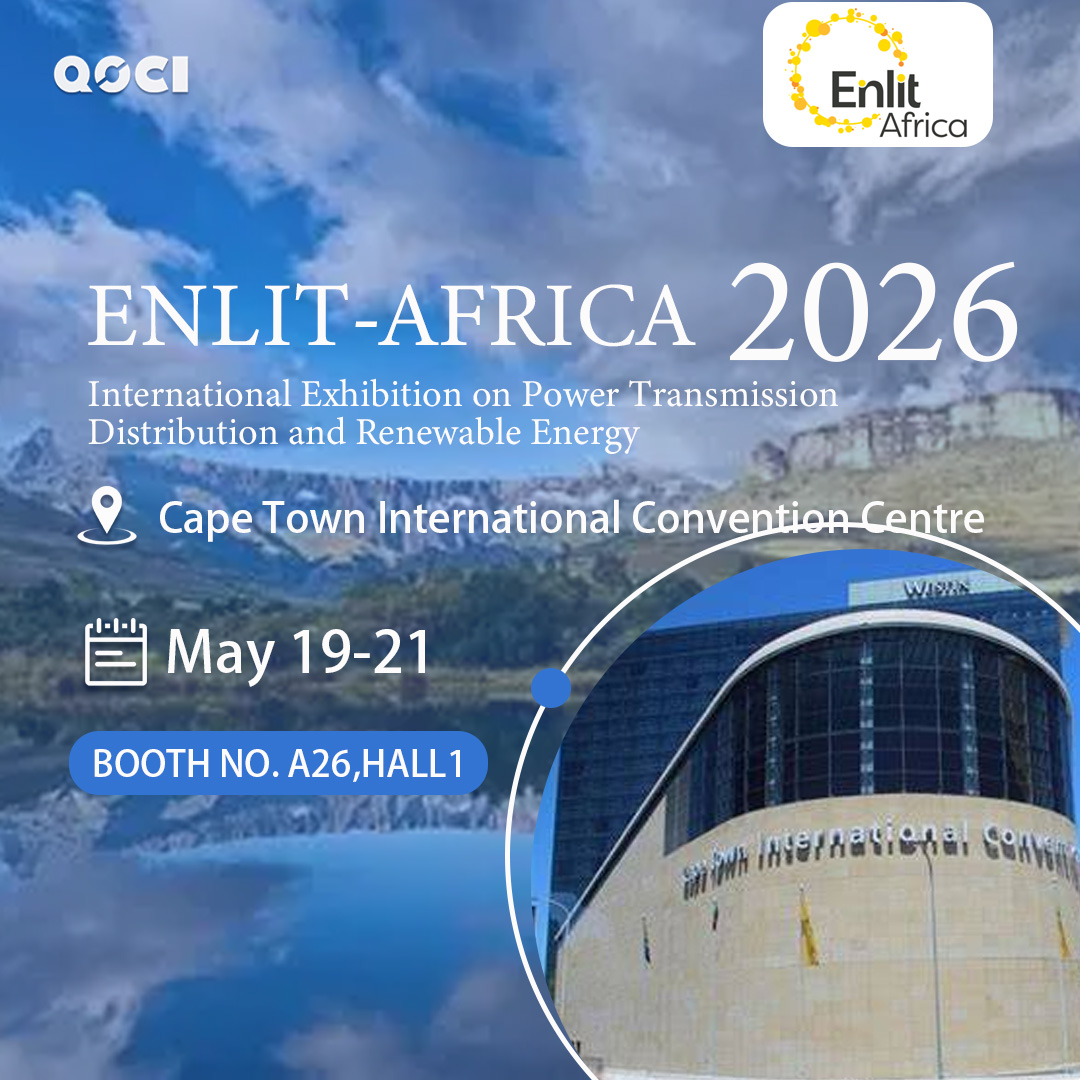
Keep up with our latest international trade shows, global energy conferences, and technical updates.
Analysis of how domestic glass and porcelain manufacturers maintain structural stability under extreme environmental conditions.
Jiangxi QOCI Electric Co. Ltd confirms attendance at the prominent IEEE power grid equipment exhibition.
Partnering to build and modernize grid networks and distribution setups in the Middle East.
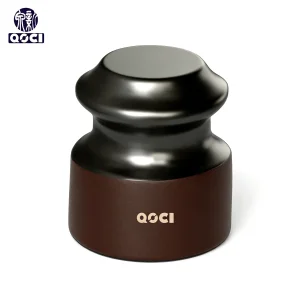
Explore the remainder of our specialized high-voltage glass disc line, customized anti-fog assemblies, and pin type isolators.