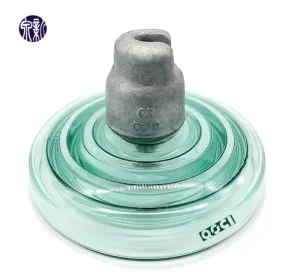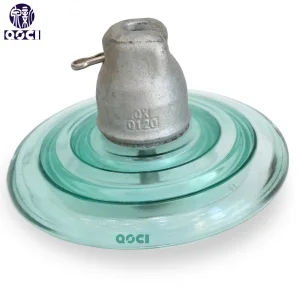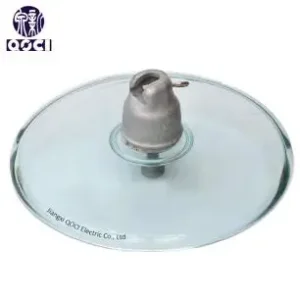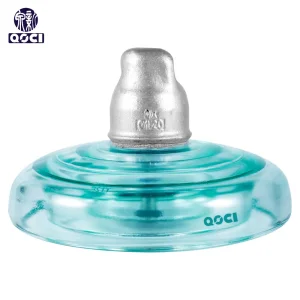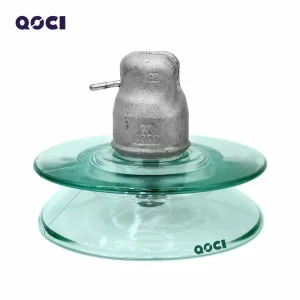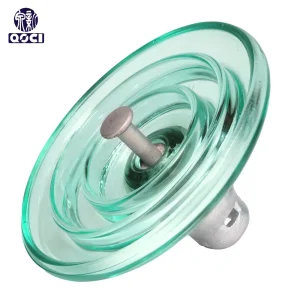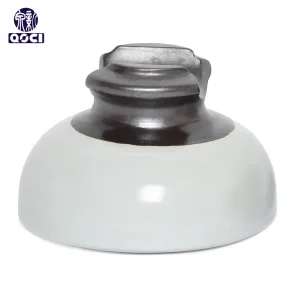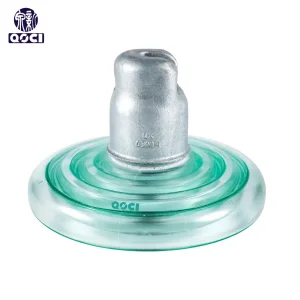
In the contemporary global energy framework, tempered glass requirements for electrical insulation have evolved from simple dielectric components to sophisticated engineering solutions. The demand for toughened glass insulators is surging, driven by the expansion of Ultra-High Voltage (UHV) transmission networks across Asia, Africa, and South America.
Unlike traditional porcelain, toughened glass offers a unique "self-shattering" characteristic when damaged, allowing maintenance crews to visually identify faulty units without specialized testing equipment—a critical requirement for wholesale procurement in remote grid locations.
Current technical standards require glass insulators to withstand thermal shocks ranging from -40°C to +50°C. Our manufacturing process ensures that the residual stress layers in the tempered glass provide maximum resistance to electromechanical fatigue.
Founded in December 2002, with a registered capital of 508 million Yuan, Jiangxi QOCI Electric has established itself as a titan in the tempered glass insulator sector. Located in the Industrial Park of Luxi County, Jiangxi Province, our facility spans 100 mu of high-tech production space.
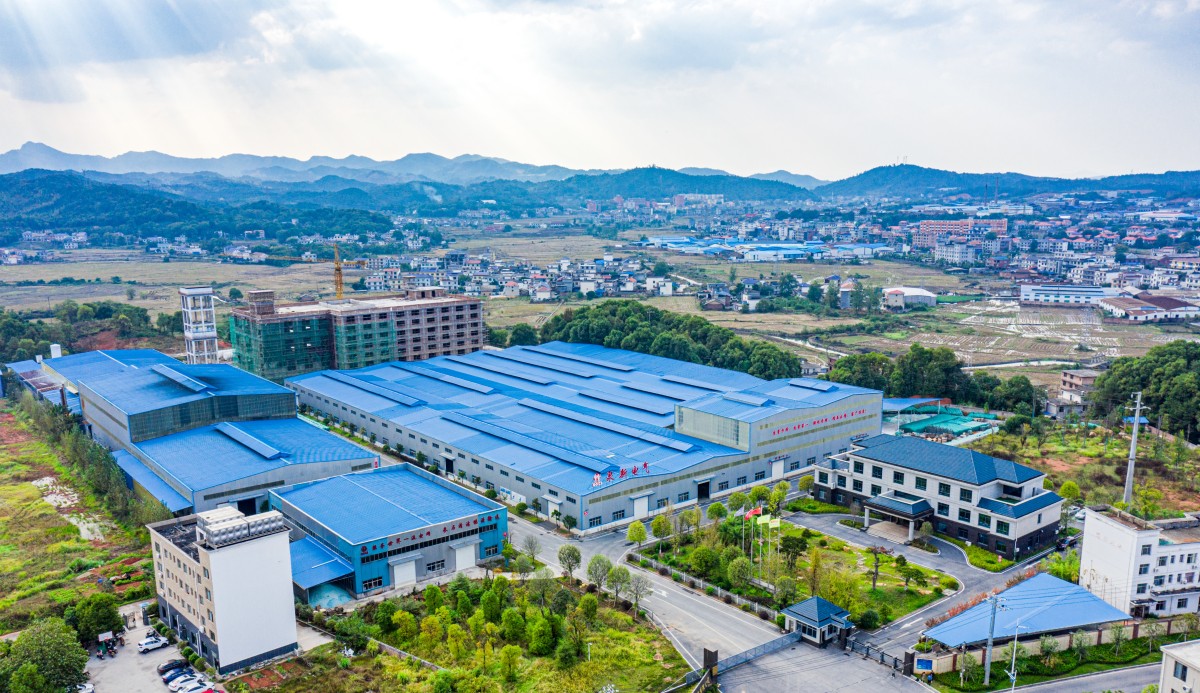
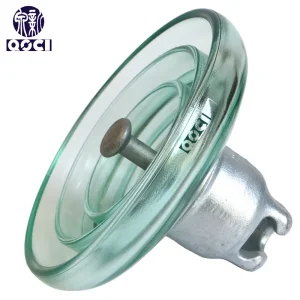
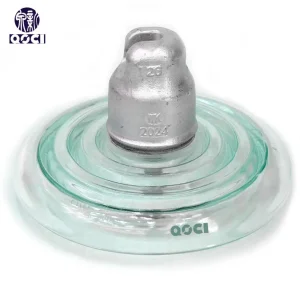
Higher leakage distance than IEC 60305. Shallow ribs for wind/rain self-cleaning.
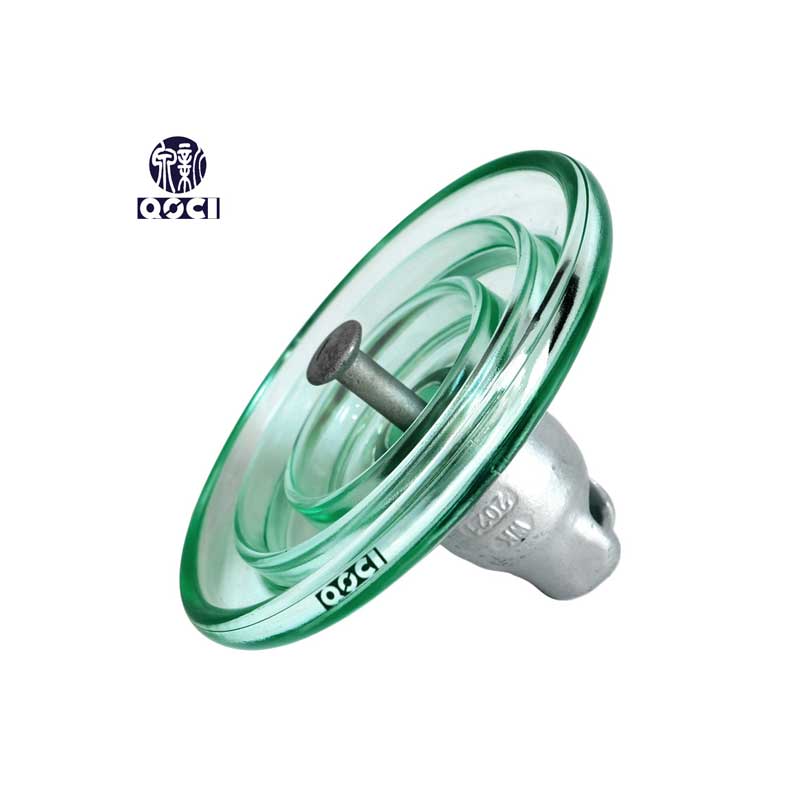
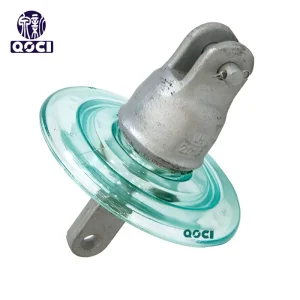
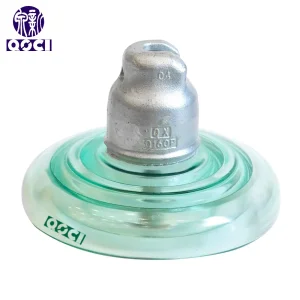
Long, widely-spaced under-ribs. Ideal for coastal salt fog and heavy industrial pollution.
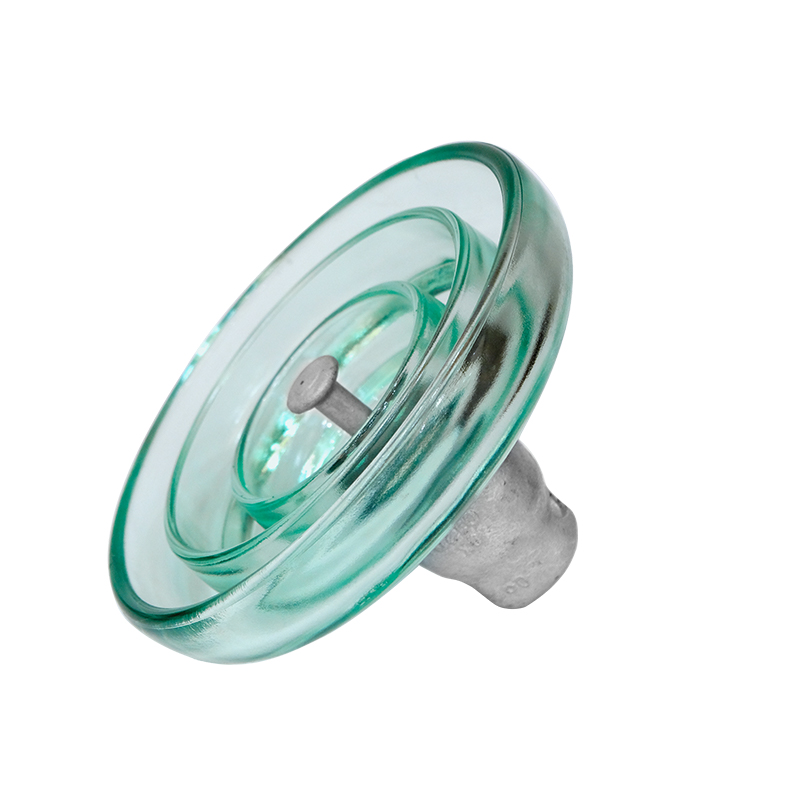
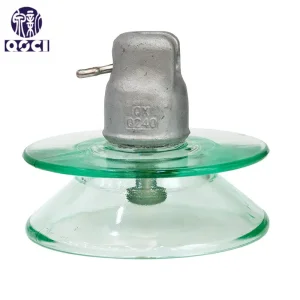
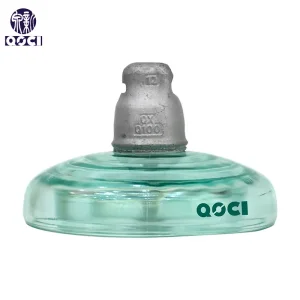
Eliminates under-ribs to prevent dust/sand accumulation in desert environments.
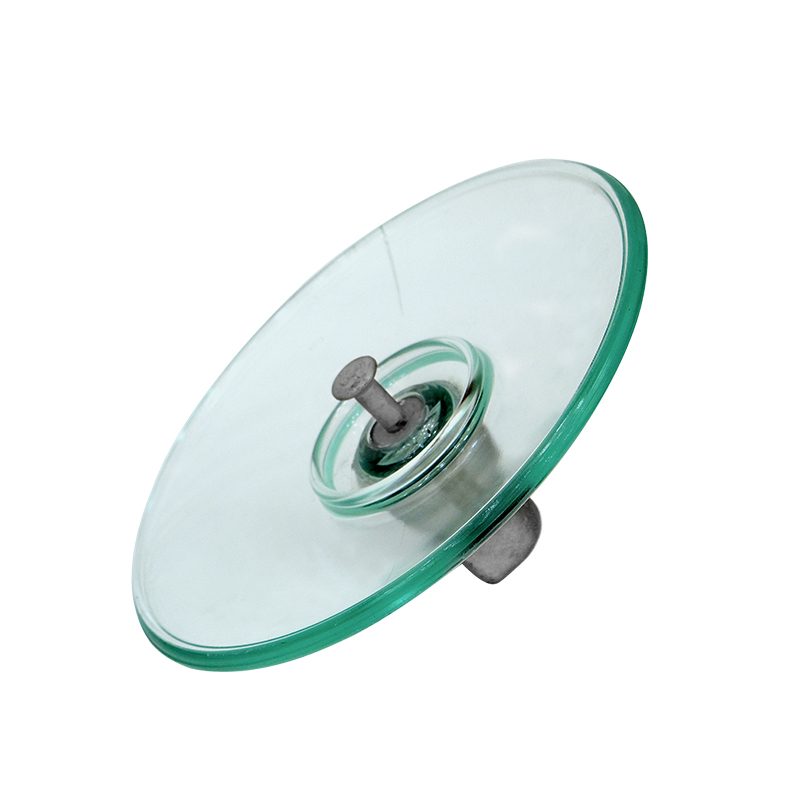
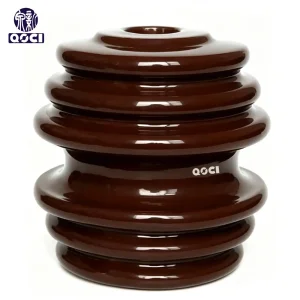
Combines mechanical strength of glass with the hydrophobicity of silicone.
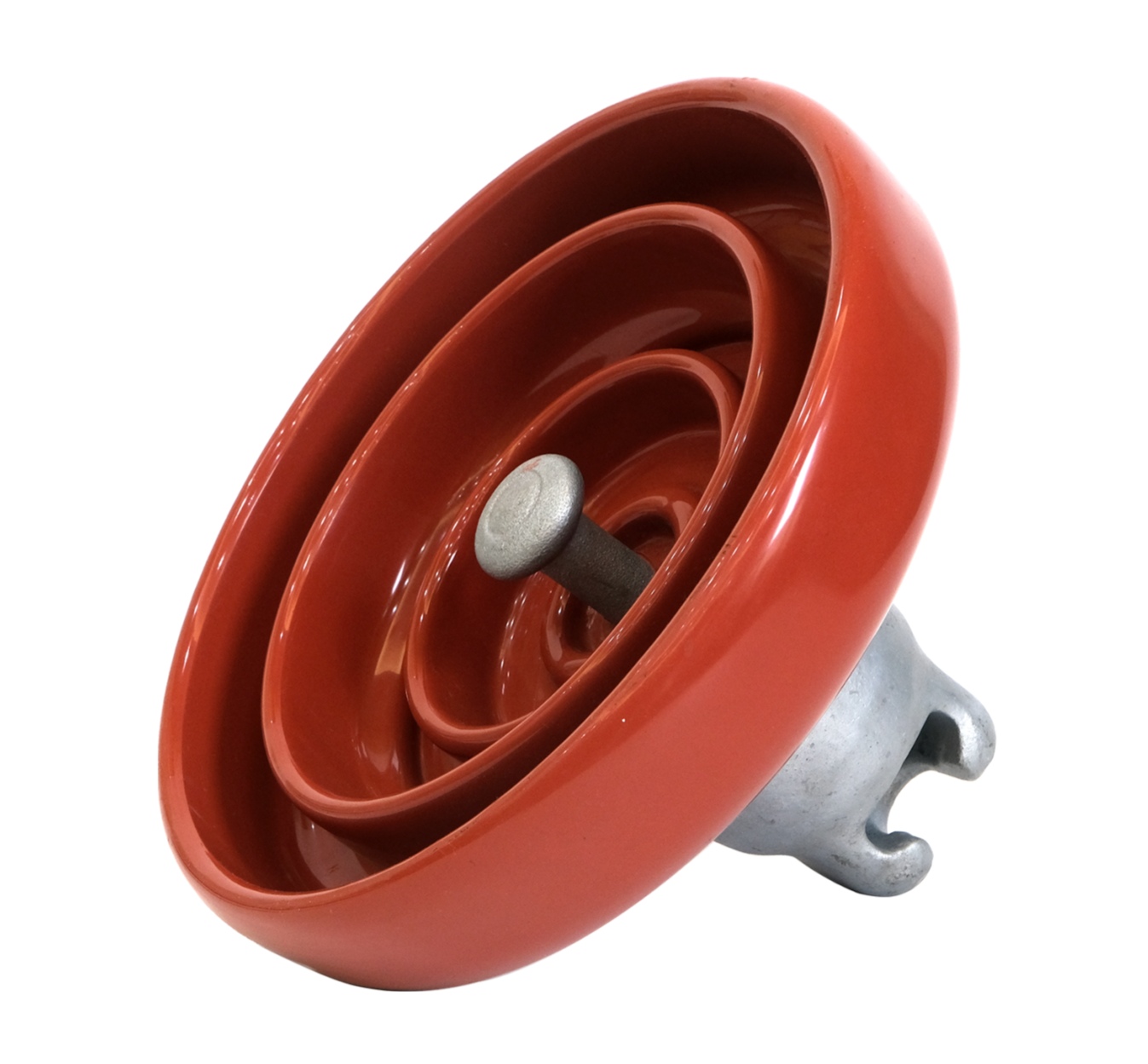
Our Triple-Shed types are specifically engineered for Ultra-High Voltage (UHV) lines in mountainous regions where ice-bridging is a major risk.
Open profile insulators utilize wind dynamics to clear sand deposits, reducing the need for manual maintenance in the Middle East and Saharan regions.
External shed profiles and RTV coatings provide superior flashover resistance against conductive industrial dust and chemical pollutants.
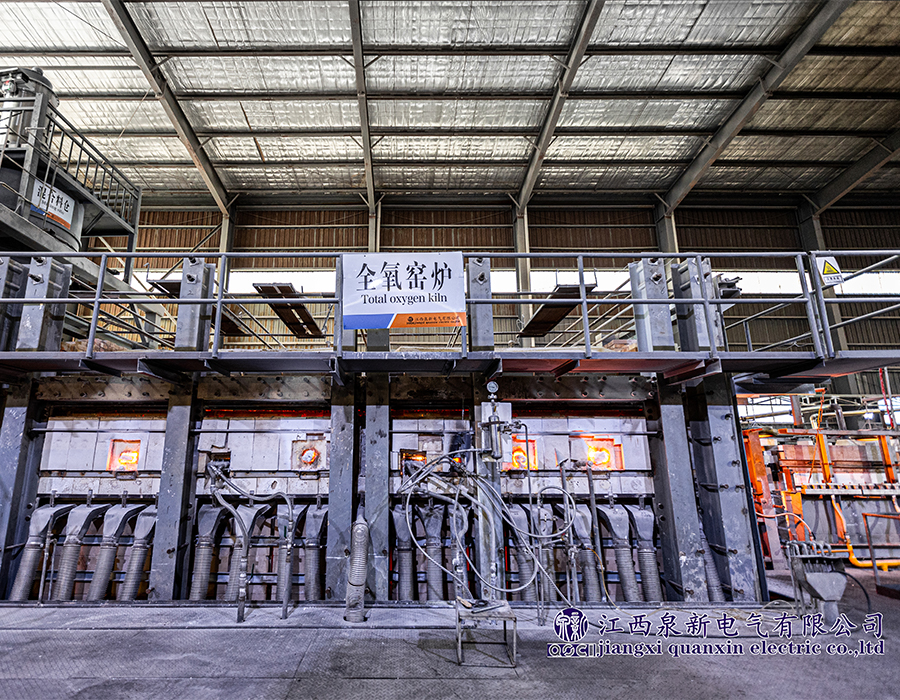
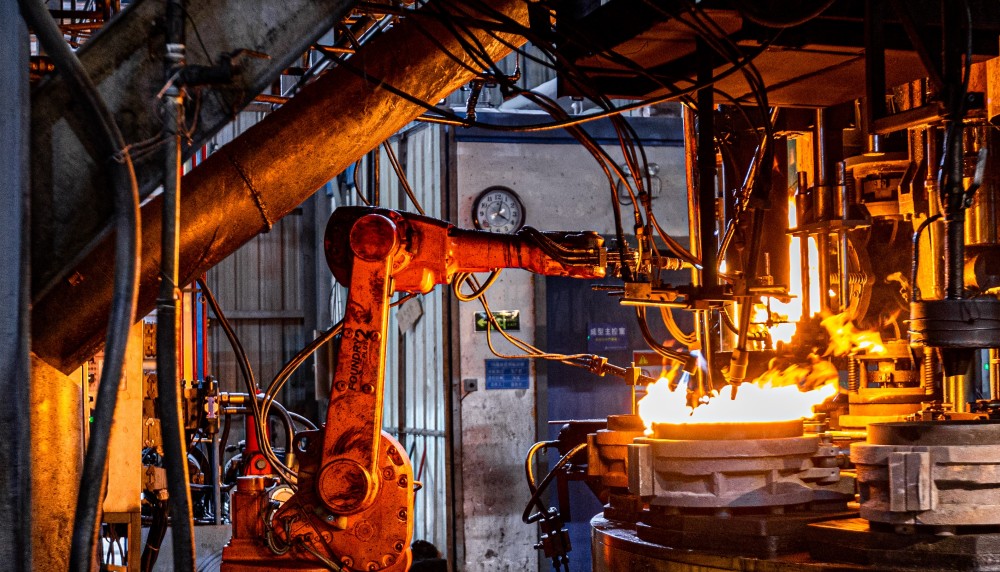
Advanced smelting for higher glass purity.
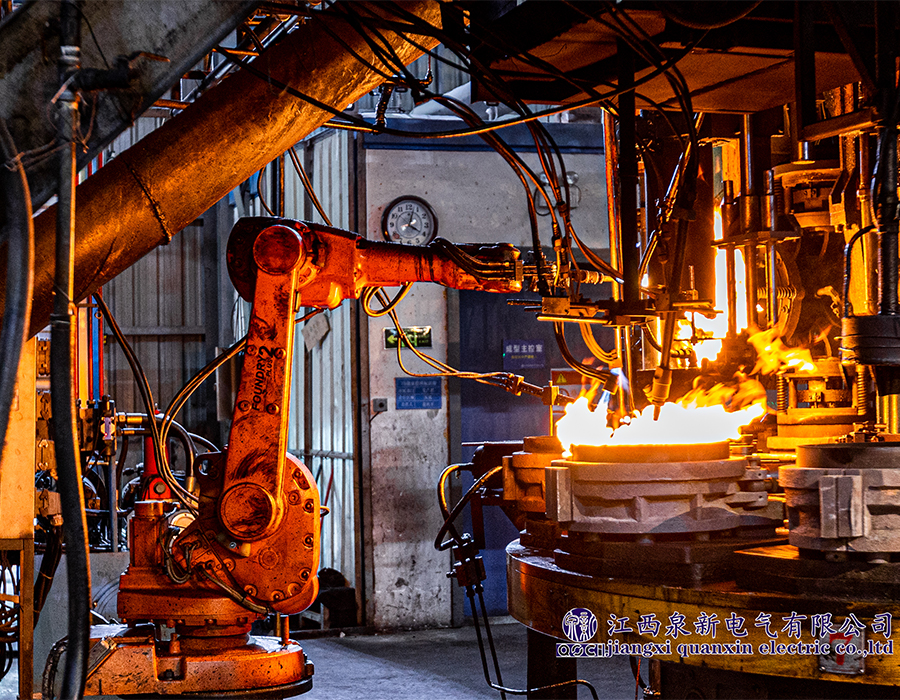
Automated pressing for consistent dimensions.
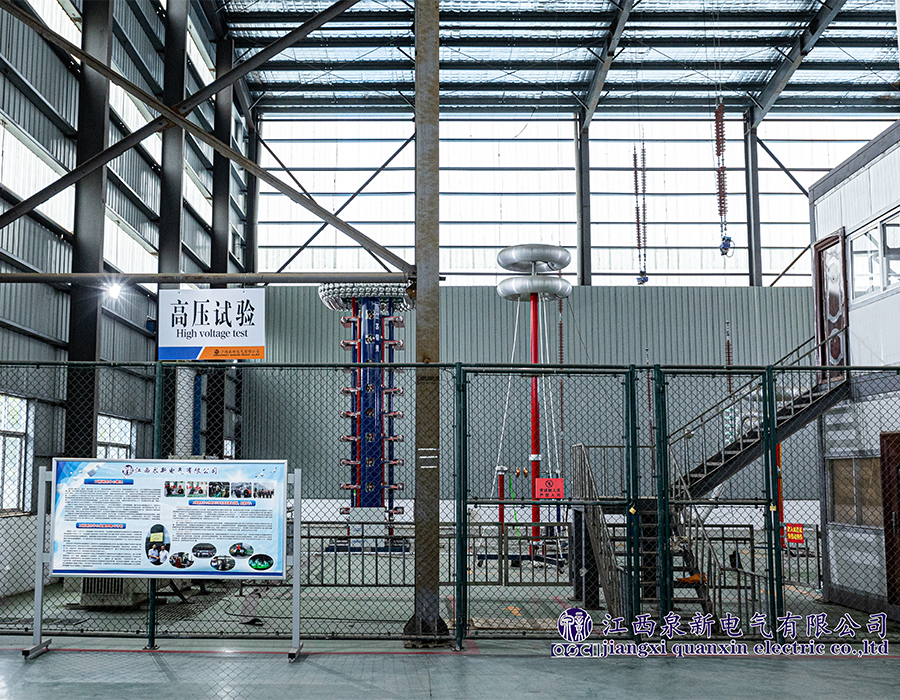
Every unit undergoes rigorous dielectric tests.
Toughened glass provides superior visual inspectability. If the glass shell is damaged, it shatters into small pieces but maintains its mechanical integrity, making "zero-value" units easy to spot from the ground.
Our products strictly adhere to IEC 60305, ANSI C29.2, and ISO 9001 standards, ensuring global compatibility for wholesale distribution.
Room Temperature Vulcanization (RTV) silicone adds a hydrophobic layer to the glass, preventing water films from forming and significantly reducing leakage current in polluted environments.
The roadmap for toughed glass insulator technology includes the integration of IoT sensors for real-time stress monitoring and the development of even higher-strength glass for the next generation of 1100kV UHVDC projects. As a leading supplier, Jiangxi QOCI is committed to green manufacturing, utilizing oxygen-fuel combustion technology to reduce carbon footprints during the smelting process.