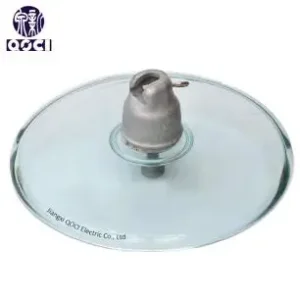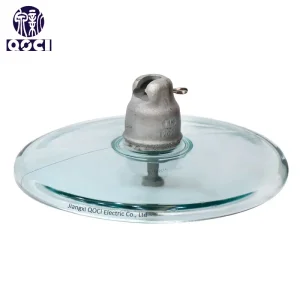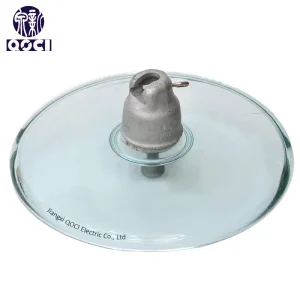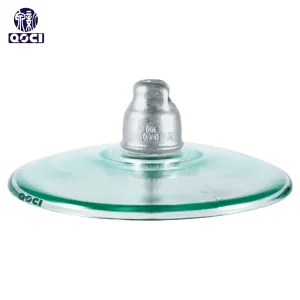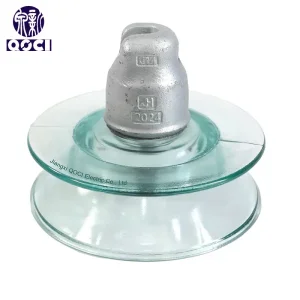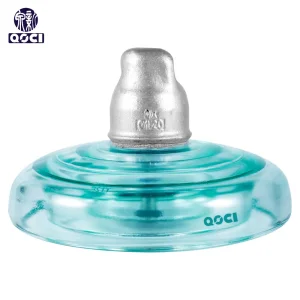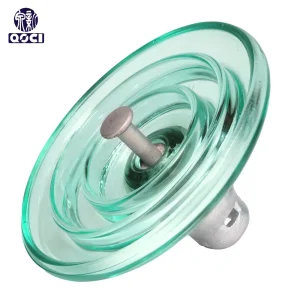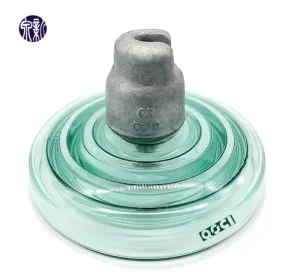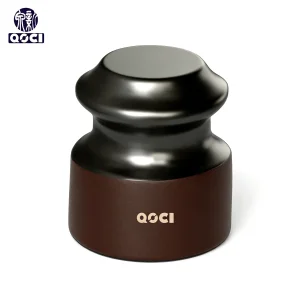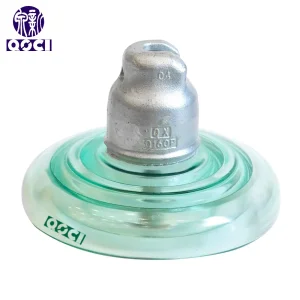
In the evolving landscape of global energy transmission, the demand for Aerodynamic Type Glass Insulators has surged, particularly in metropolitan hubs like Chicago. As a critical node in the North American power grid, the Chicago market presents unique challenges: high wind loads from Lake Michigan, heavy industrial pollution, and extreme seasonal temperature fluctuations. Our Aerodynamic Type (also known as "Open Profile" or "Ribless") insulators are specifically engineered to mitigate these factors by utilizing natural wind currents for self-cleaning, preventing the accumulation of conductive pollutants that cause flashovers.
Chicago's aging infrastructure and the "Windy City" climate require insulators that resist salt-fog and industrial particulates without frequent manual washing.
The global shift toward Ultra-High Voltage (UHV) and Extra-High Voltage (EHV) AC/DC lines is driving the adoption of toughened glass over porcelain for better mechanical reliability.
Unlike standard profiles, aerodynamic designs feature a ribless under-surface, reducing the specific leakage distance requirement in areas where rain is infrequent but wind is prevalent.
For the Chicago market, our supply chain caters to a variety of scenarios:
Globally, these insulators are the preferred choice for Desert Areas (preventing sand accumulation) and Mountainous Regions (managing ice-bridging issues through alternate profile stringing).
As a leading Aerodynamic Type Glass Insulator manufacturer based in Jiangxi, China, Jiangxi QOCI Electric Co. Ltd leverages massive economies of scale and advanced R&D to provide the Chicago market with premium products at competitive prices. Our facility is a testament to modern industrial capacity.
Plant Area (m²)
Annual Output (Tons)
Senior Technicians
New Patents
Our "Information Gain" lies in our Total Oxygen Kiln technology and automated Forming Presses, ensuring every disc meets the rigorous IEC 60305 and ANSI standards. For global enterprises, procurement from our factory means reduced Lead-Time and increased TCO (Total Cost of Ownership) savings through superior durability.
The industry is moving toward Smart Insulation. We are currently researching the integration of RTV (Room Temperature Vulcanization) Silicone Coatings with Aerodynamic profiles. This hybrid approach combines the "Self-Cleaning" physical shape of the aerodynamic disc with the "Hydrophobicity" of silicone, creating a nearly maintenance-free solution for the most extreme pollution environments.
When sourcing for the Chicago grid, engineers should prioritize:
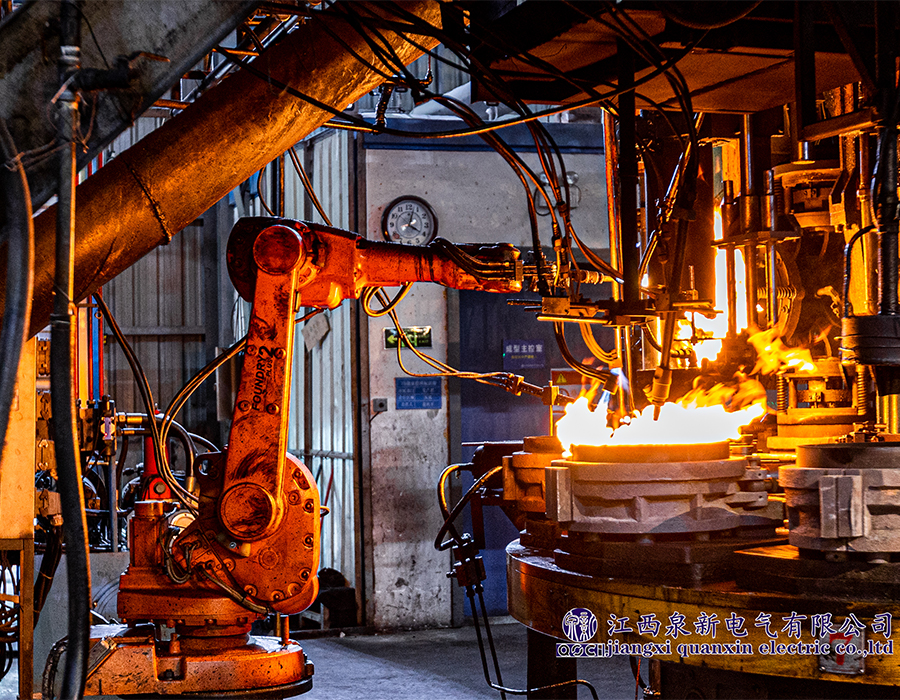
Precision molding for aerodynamic profiles.
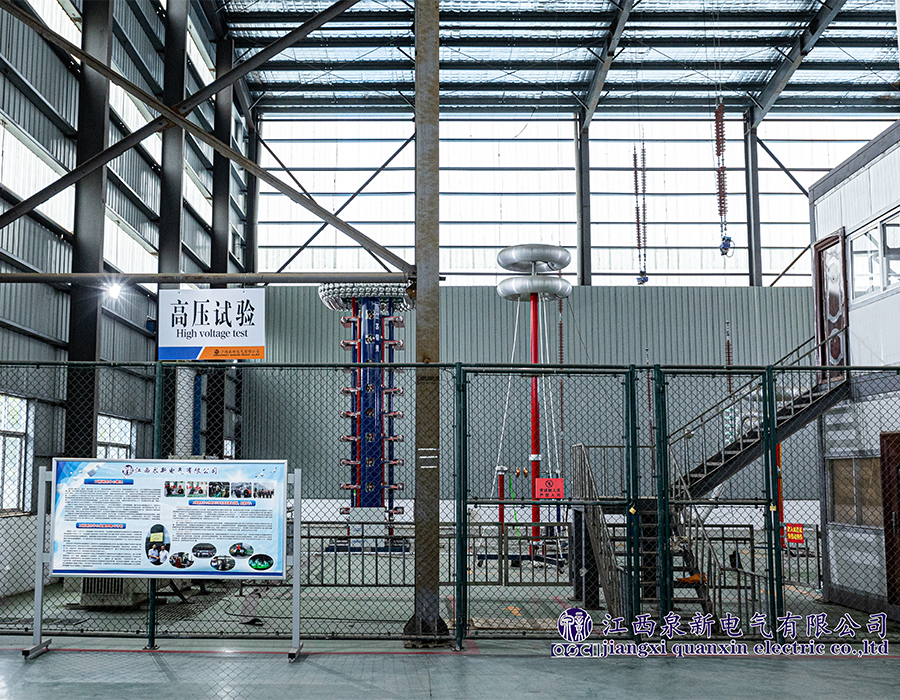
Ensuring zero-defect delivery.
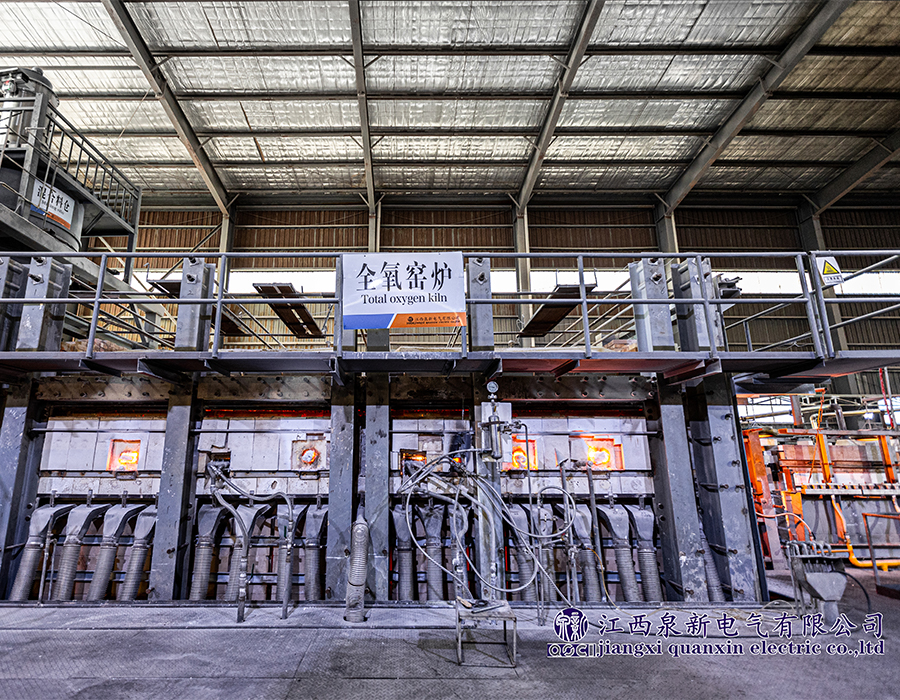
Advanced glass tempering technology.
A: The Aerodynamic Type features an "Open Profile" without under-ribs. This prevents the "dead zone" where dust and salt usually accumulate. In windy regions like Chicago, the wind flows smoothly over the surface, effectively blowing away contaminants that would otherwise lead to leakage currents.
A: Toughened glass has excellent thermal stability. Our insulators can withstand sudden temperature changes (Thermal Shock) from boiling to freezing, which is essential for Chicago's volatile winter weather where ice-storms are common.
A: With an annual output of 39,000 tons, we offer high-volume consistency. We utilize standardized container packaging that ensures zero breakage during long-haul maritime transport, backed by our rigorous quality inspection certificates.
A: Yes, we provide specific Aerodynamic designs for HVDC lines, which incorporate specialized glass formulas to resist ion migration, a common issue in high-voltage DC transmission.