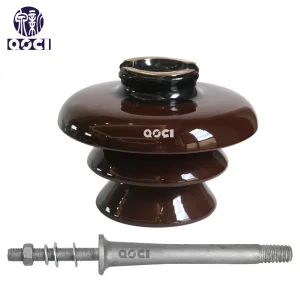
Optimized aerodynamic disc profiles engineered to prevent salt crust build-up and dry-band arcing in humid marine island environments.
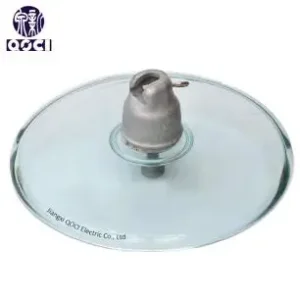
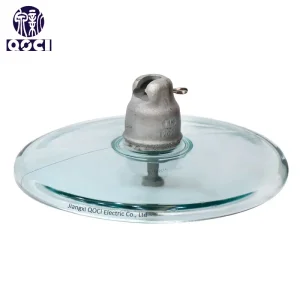
An engineering guide on using Aerodynamic and Open-Profile Toughened Glass Insulators to secure sub-tropical grid reliability.
Kiribati, a nation consisting of 32 atolls and one raised coral island scattered across millions of square kilometers in the central Pacific Ocean, represents one of the world's most challenging operational environments for overhead high-voltage power transmission and distribution lines. The combination of intense marine salt spray, continuous equatorial solar radiation (UV), high relative humidity (frequently exceeding 85%), and localized sand/dust wind currents causes rapid degradation of standard grid components.
The primary electrical issue faced by the Public Utilities Board (PUB) in South Tarawa and other outer islands is the deposit of highly conductive salt-fog layers on traditional insulator profiles. Under high humidity, these salt deposits dissolve to form a conductive film. This film increases leakage current, leading to dry-band arcing and eventual flashovers. Standard suspension insulators with deep under-ribs trap airborne salt and coastal dust, preventing natural rain wash. This demands a specialized technological approach: the Aerodynamic / Open-Profile Toughened Glass Insulator.
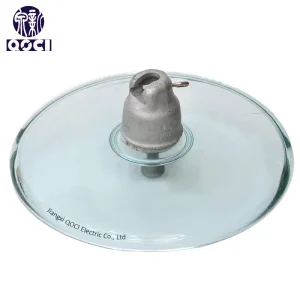
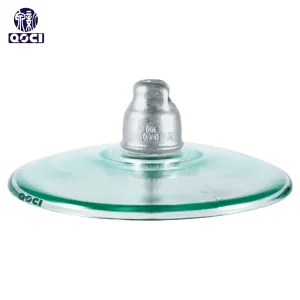
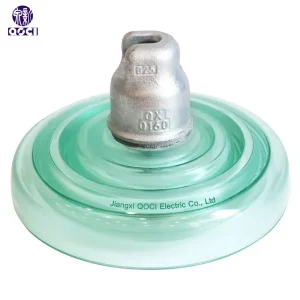
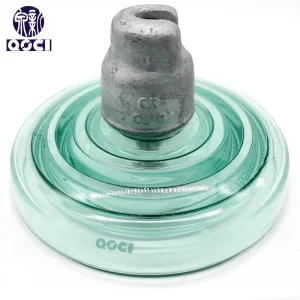
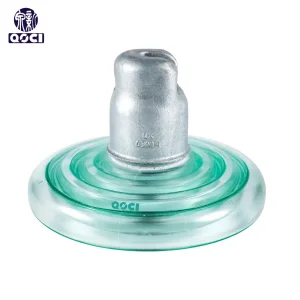
Unlike standard profile insulators designed for inland areas, Aerodynamic Type Glass Insulators (such as the U70BLA and U100BLA) feature a simplified, smooth, and open lower surface without deep structural under-ribs. The engineering design is deliberately optimized using fluid-dynamics principles:
For coastal regions like Kiribati, tempered glass offers significant advantages over porcelain:
Mechanical Fail-Safe: If a glass shell is damaged by vandalism or electrical stress, it shatters into small fragments. The residual mechanical strength of the cap-and-pin core remains intact (often up to 80% of rating), preventing line drops. This visual warning simplifies visual inspection from ground level without requiring physical line testing.
Resistivity & Aging Resistance: Glass is an inorganic, non-porous material that does not absorb moisture or degrade under intense UV radiation. It avoids the micro-cracking common in porcelain glazes in high-temperature marine environments, ensuring a service life exceeding 40 years.
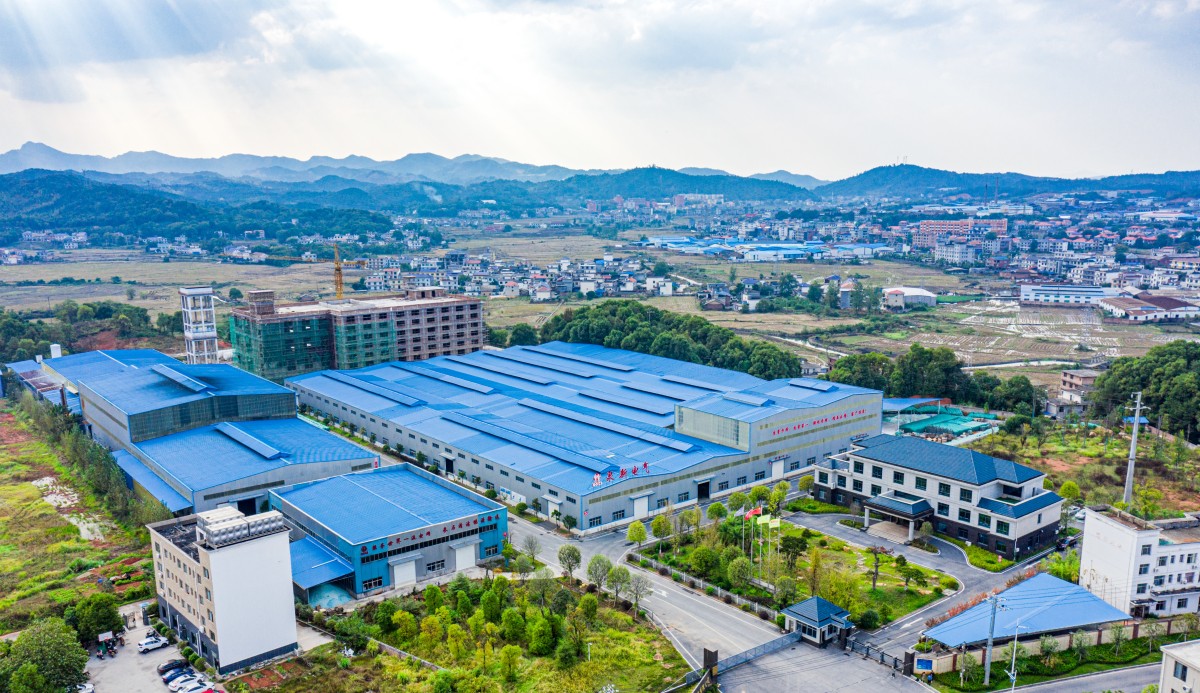
Founded in December 2002 with a registered capital of 508 million Yuan, Jiangxi QOCI Electric Co., Ltd. is a global developer and manufacturer of high-strength toughened glass insulators. Located in the Luxi County Industrial Park, Pingxiang, Jiangxi Province, our state-of-the-art facility covers over 70,000 square meters.
With an annual output capacity of 39,000 tons and a team of over 53 senior engineering technicians, we are dedicated to serving world-class power grids. We actively participate in the development of green energy infrastructure globally, offering reliable, long-life insulation solutions for low voltage, high voltage (HV), ultra-high voltage (UHV), and extra-high voltage (EHV) AC and DC transmission systems.
Our commitment is driven by three core pillars: Innovation (powering global green energy), Quality (guaranteeing power grid safety), and Service (supporting global projects from factory floor to coastal deployment).
Explore our range of profile designs developed to meet specific atmospheric challenges worldwide.
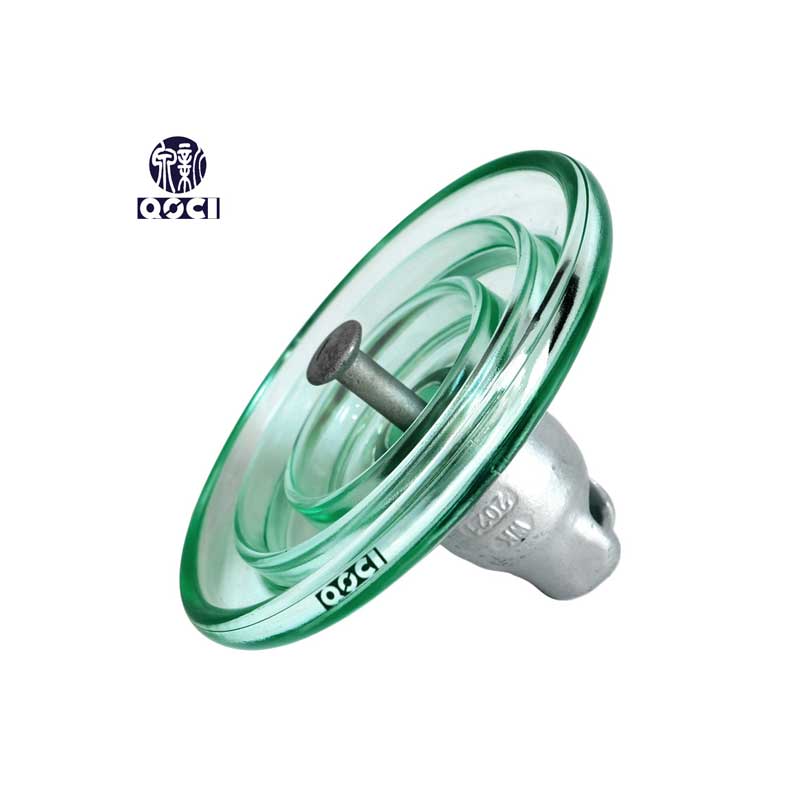
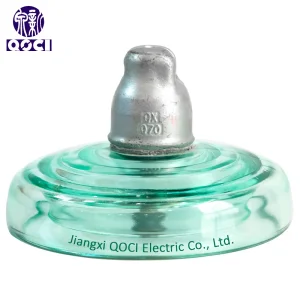
The characteristic of our standard profile is a leakage distance higher than the values indicated in the IEC 60305 standards. Designed with shallow, well-spaced ribs, the insulation surface is naturally self-cleaned by wind and rain, making it ideal for mild environments.
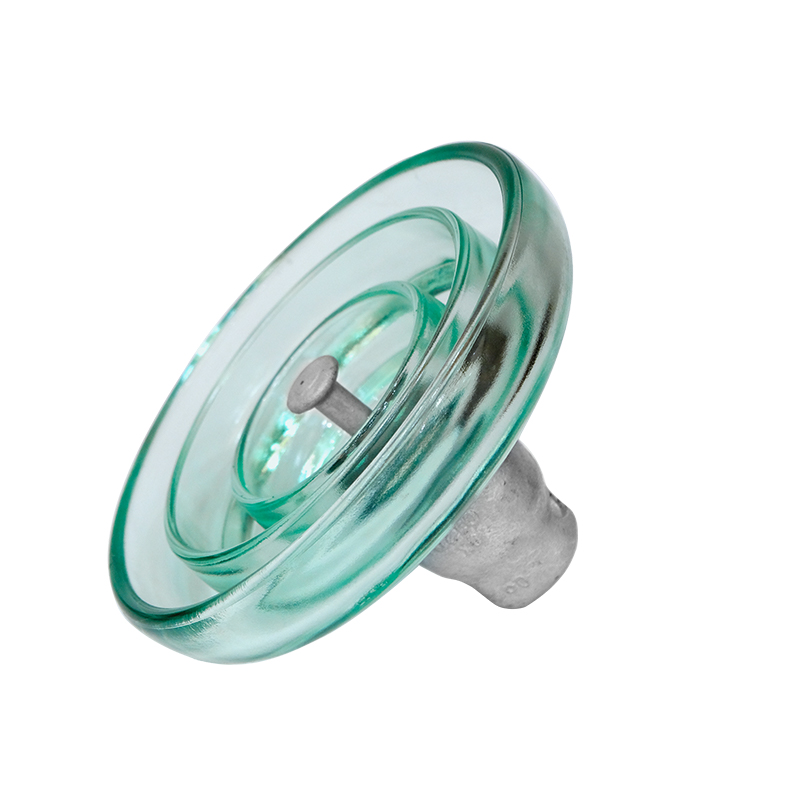
Characterized by long, widely spaced under-ribs to avoid electrical arc bridging between adjacent ribs. Featuring a leakage distance-to-spacing ratio of approximately 3.2, it is highly effective in coastal salt-fog regions and industrial areas with high pollution levels.
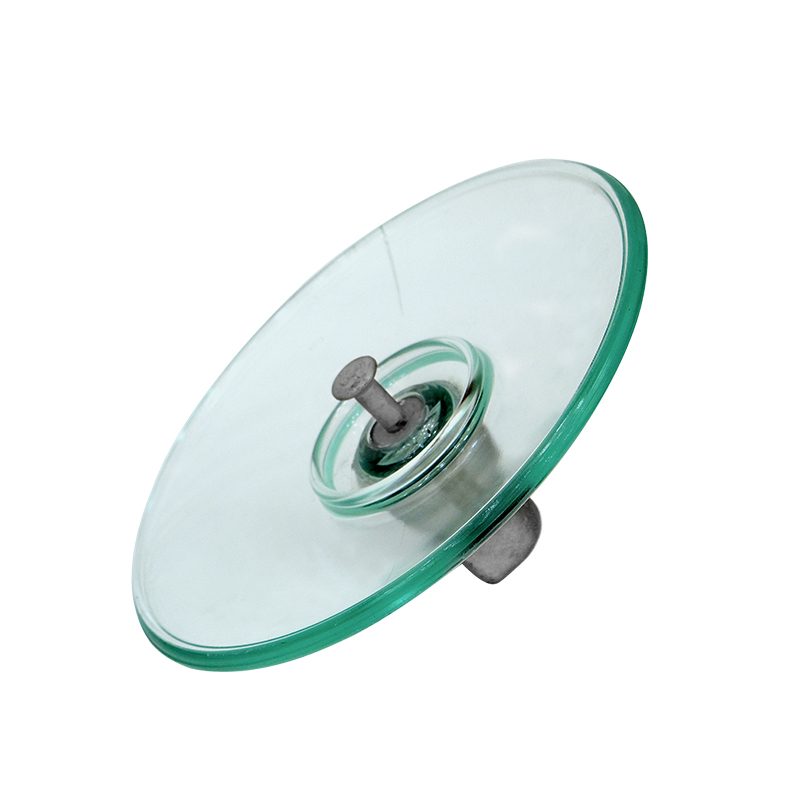
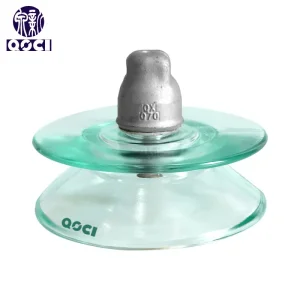
Features a clean lower surface without under-ribs and an extended disk diameter. The absence of under-ribs prevents the accumulation of wind-blown dust and sand. Highly recommended for arid desert regions and tension/suspension applications exposed to high winds.
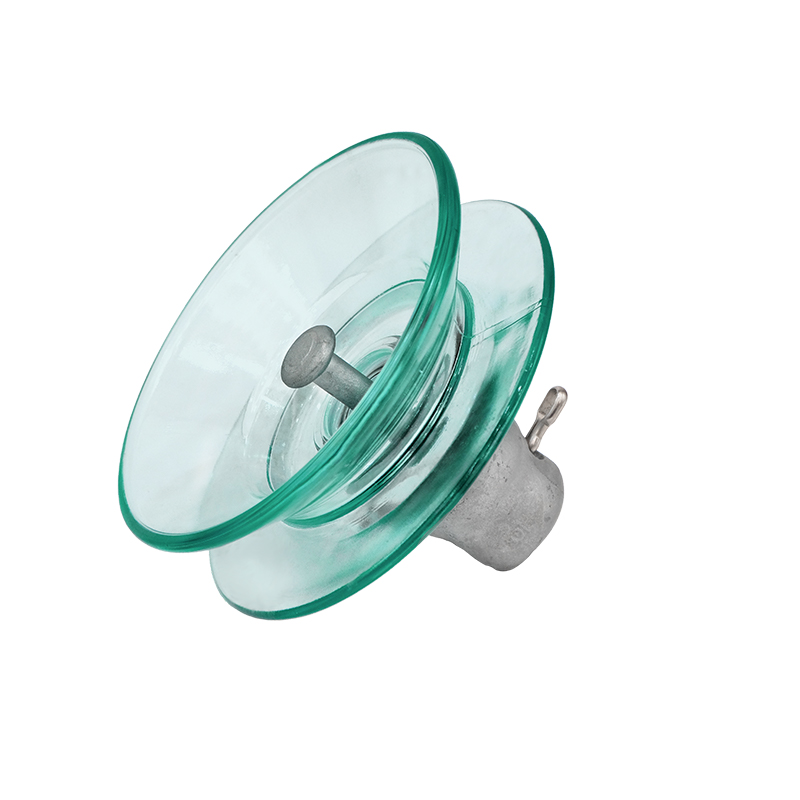
Designed with two prominent external ribs. The lack of traditional under-ribs minimizes solid deposit accumulation and facilitates washing by wind or rain. It provides equivalent leakage distance to anti-pollution profiles while handling heavy industrial dust.
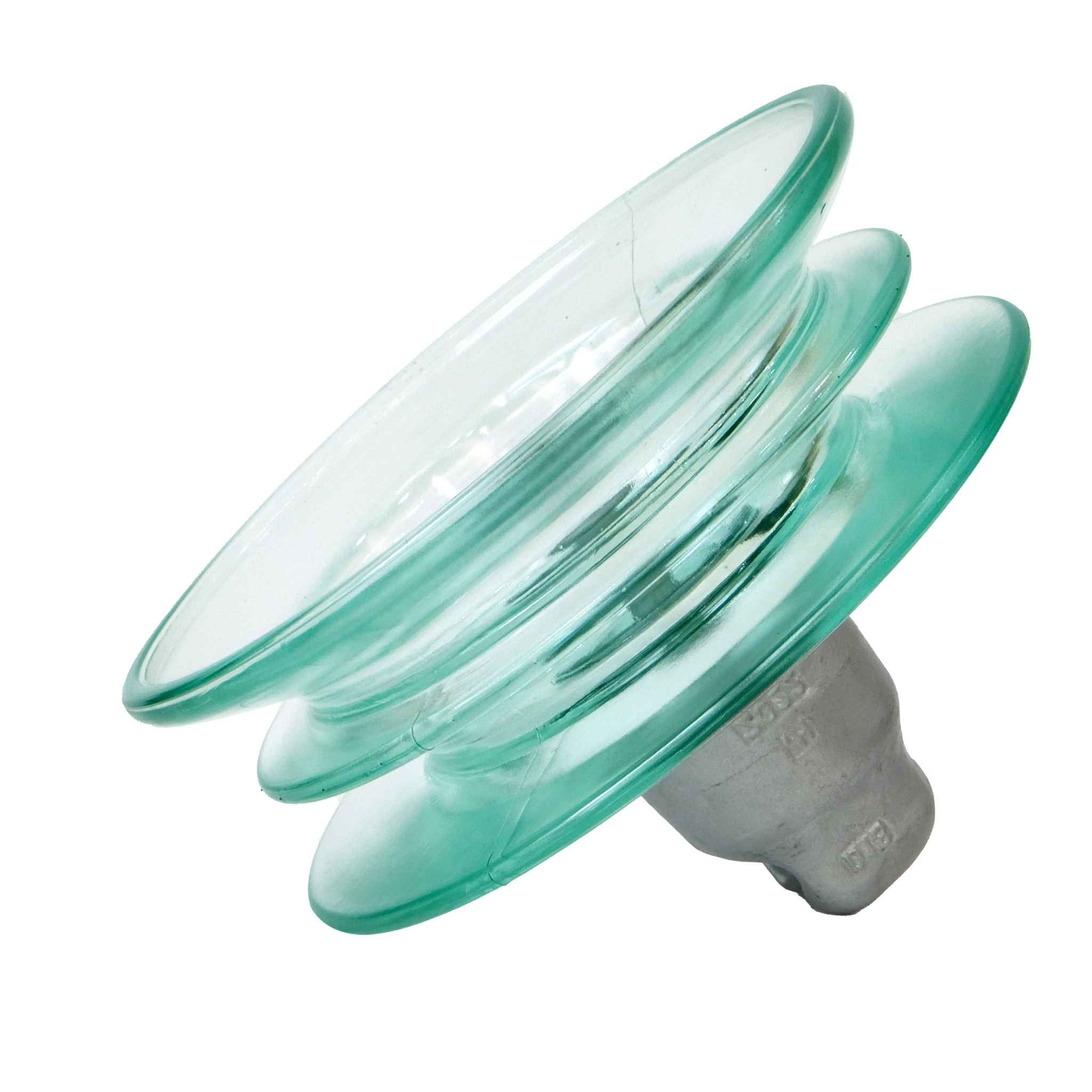
Features three independent layers of umbrella discs on the insulation body. This design provides an extended creepage distance and strong pollution flashover resistance, ensuring stable performance in high-altitude and coastal zones.
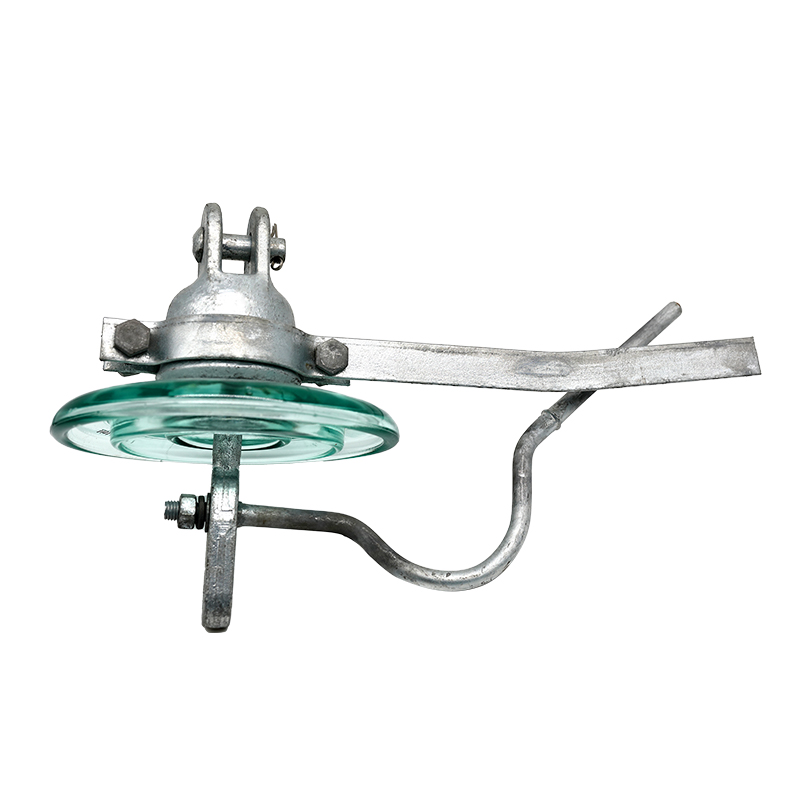
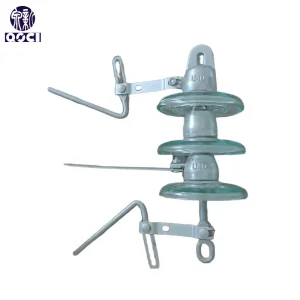
Designed for overhead ground lines to connect metal accessories directly with the grounding wire. This helps route lightning current safely to the earth, minimizing line damage. The smooth glass surface facilitates easy dirt shedding.
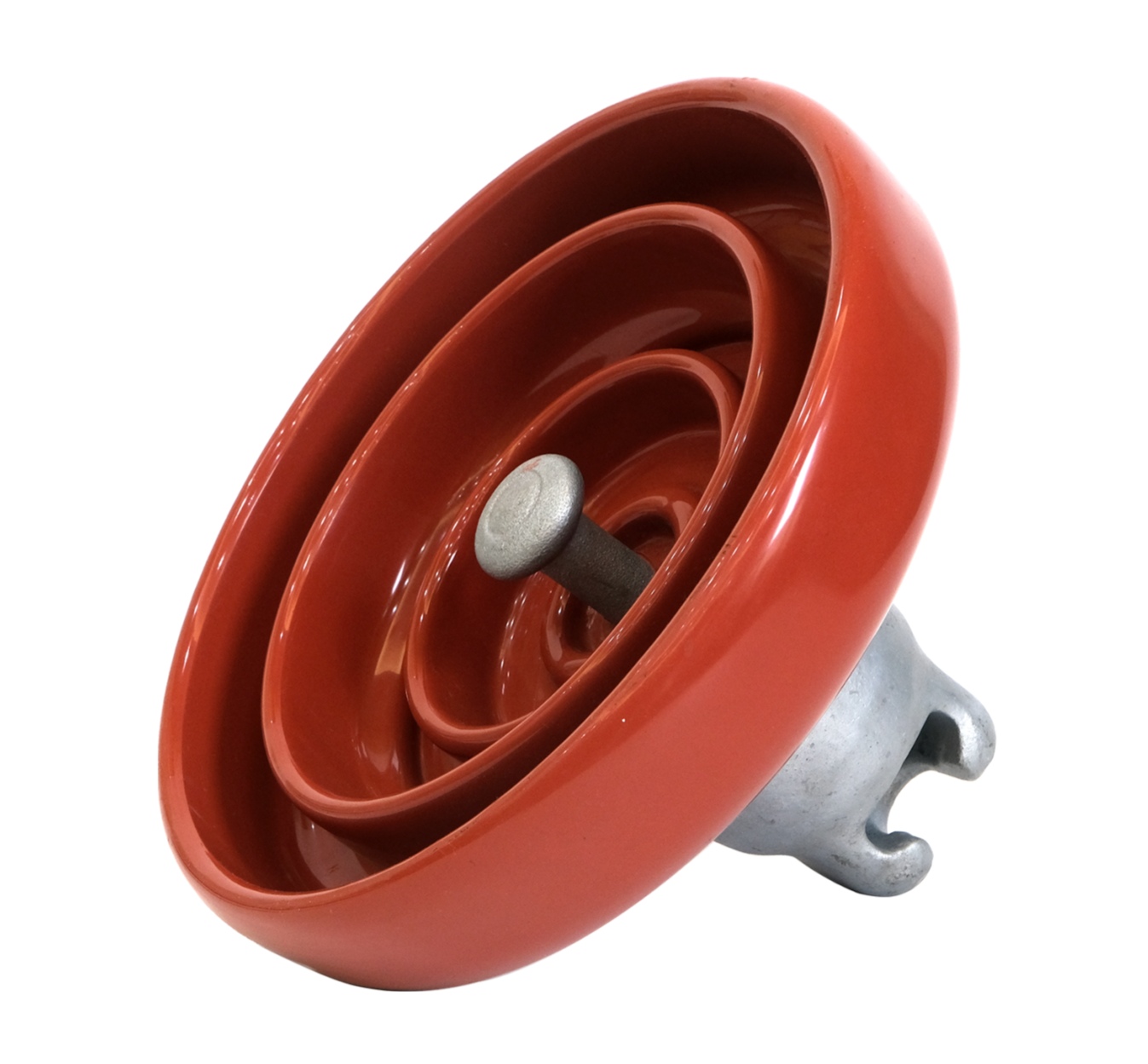
Coated with Room Temperature Vulcanization (RTV) silicone. This coating adds hydrophobic properties to the glass, preventing water films from forming and minimizing leakage currents. It eliminates the need for manual washing in high-salinity zones.
Engineered for high mechanical loads and tested under demanding international testing standards.
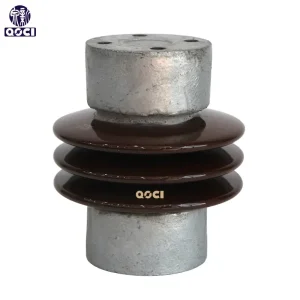
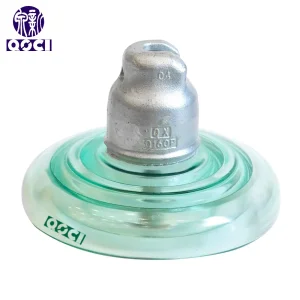
How Jiangxi QOCI Electric serves specific conditions and global network designs.
Engineered for coastal zones with high salt-fog, arid desert areas prone to sandstorms, and sub-tropical regions exposed to heavy rainfall.
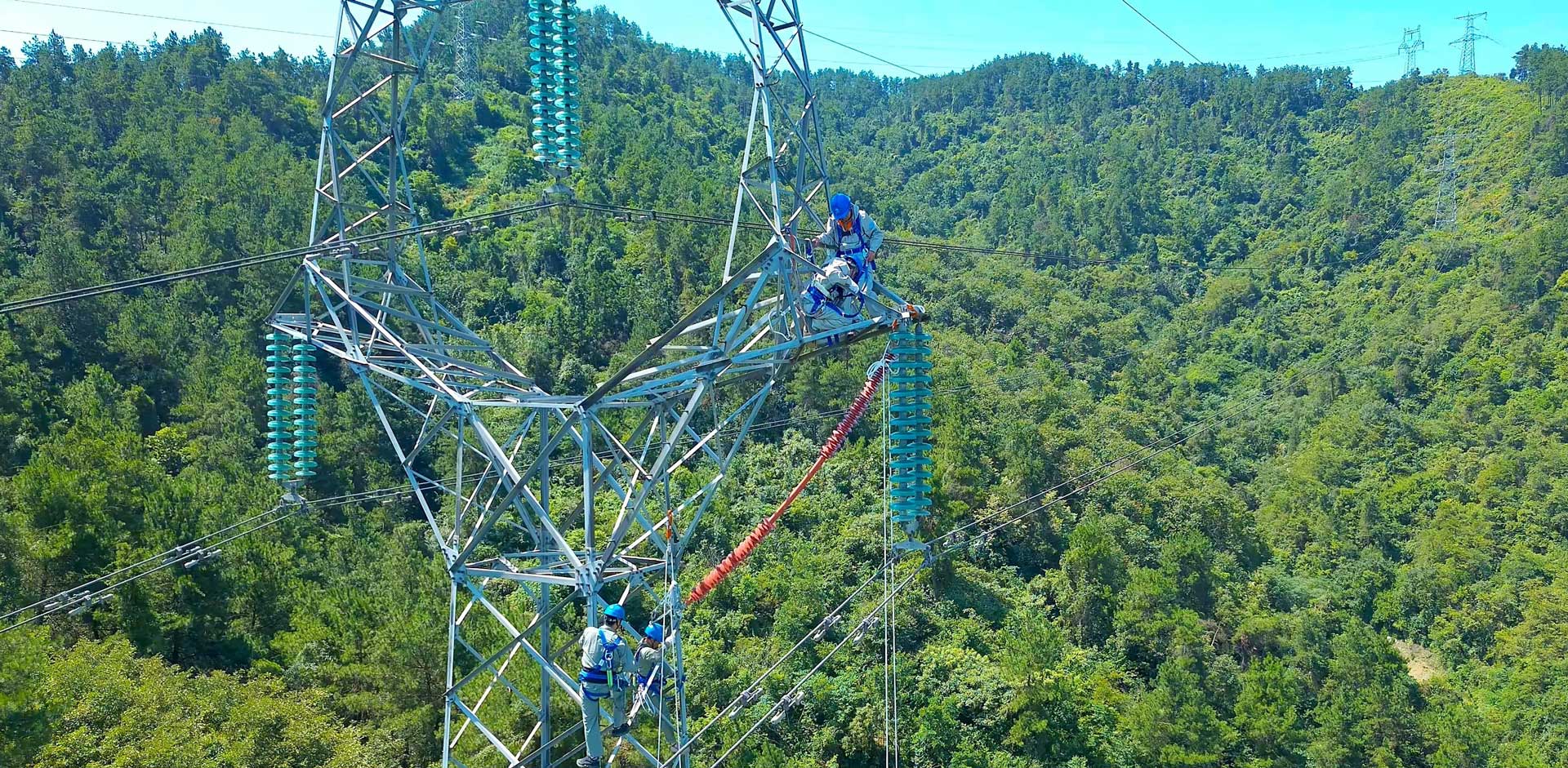
Suitable for low, medium, high, and extra-high voltage transmission networks, ensuring voltage stability across long spans.
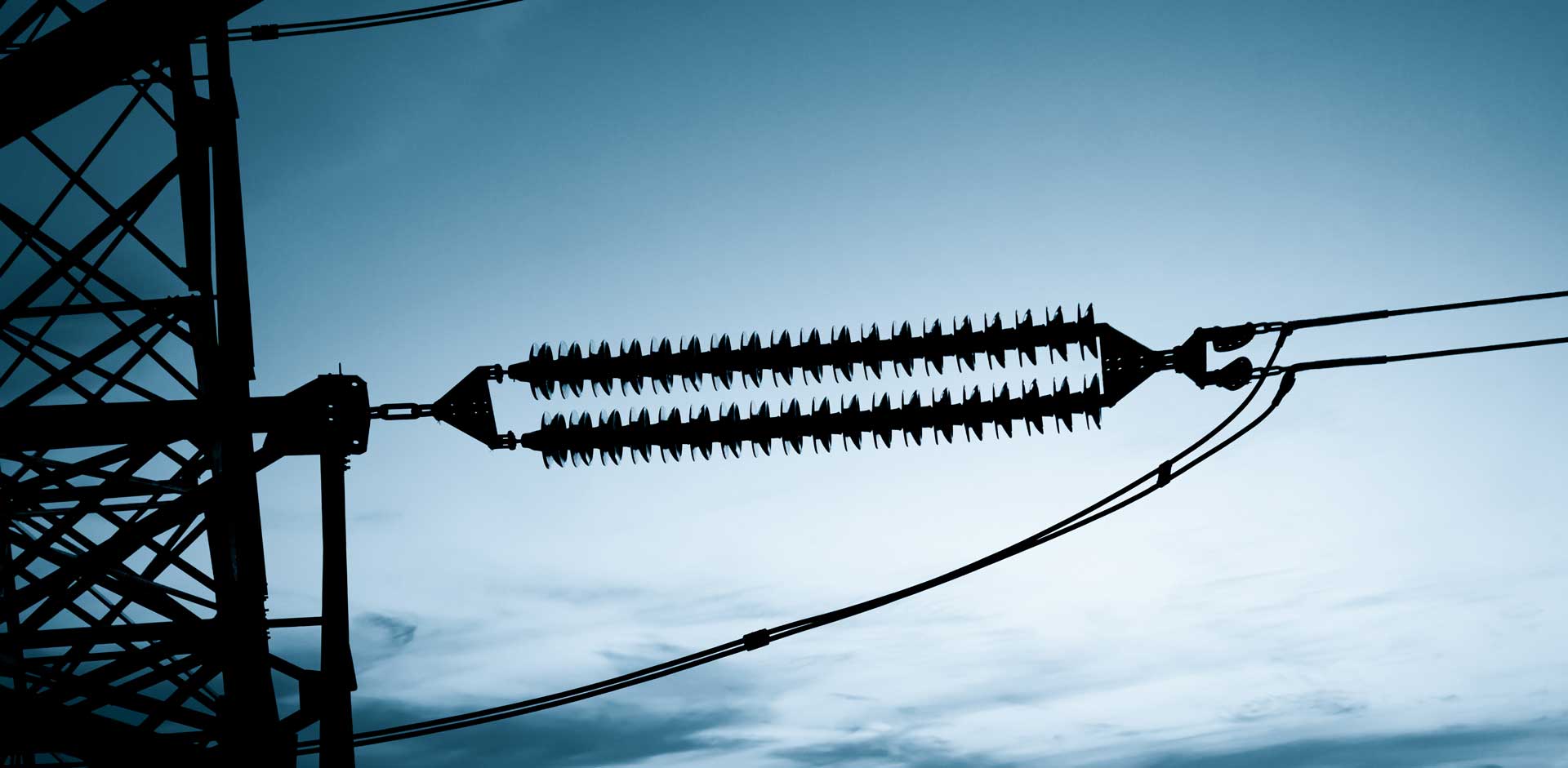
Designed to reduce lightning line breaks and prevent line drops through tempered glass fragments that retain core tensile strength.
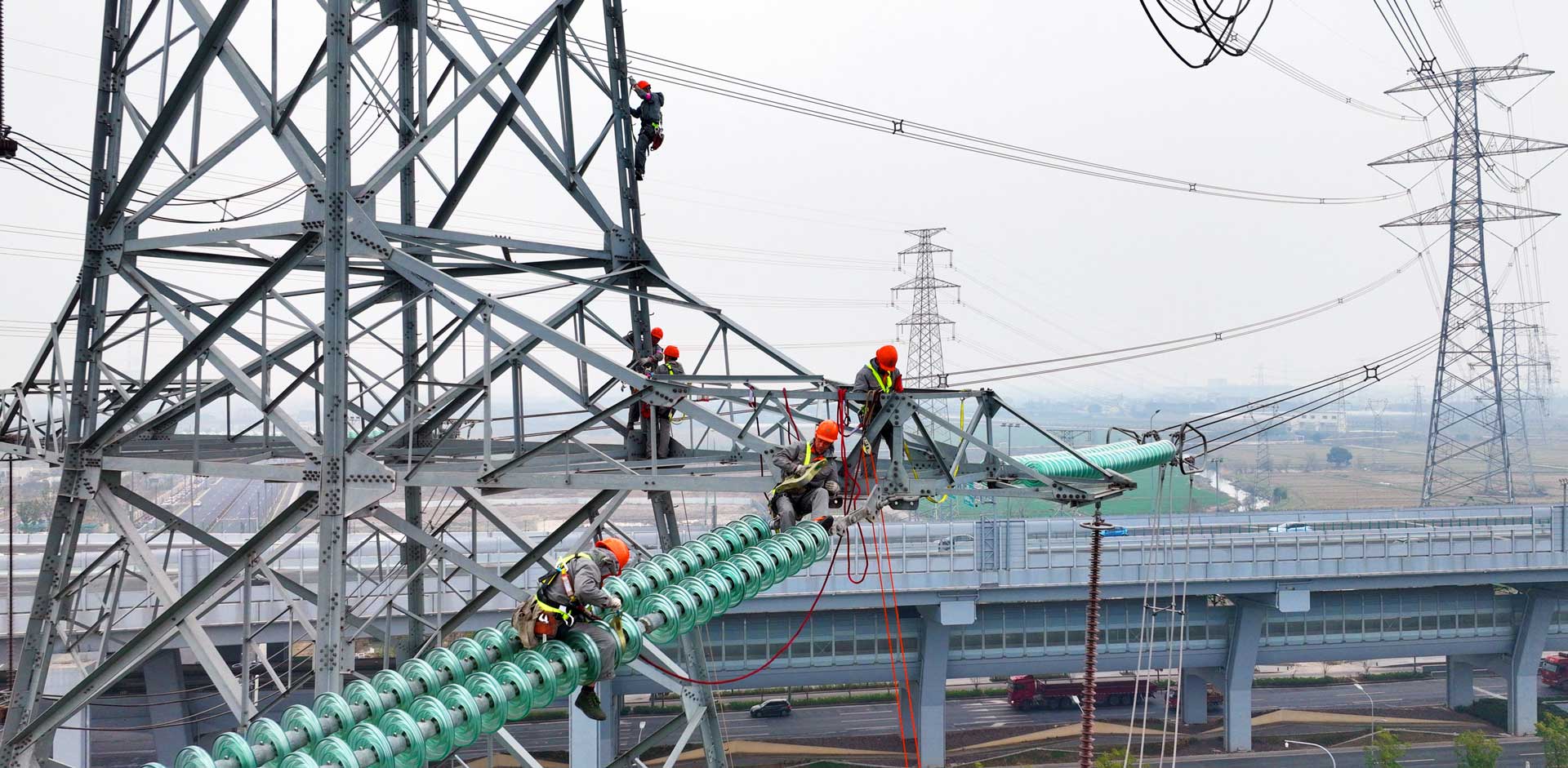
Built for demanding operations such as heavy chemical zones, electrified railways, and heavy-load river crossings.
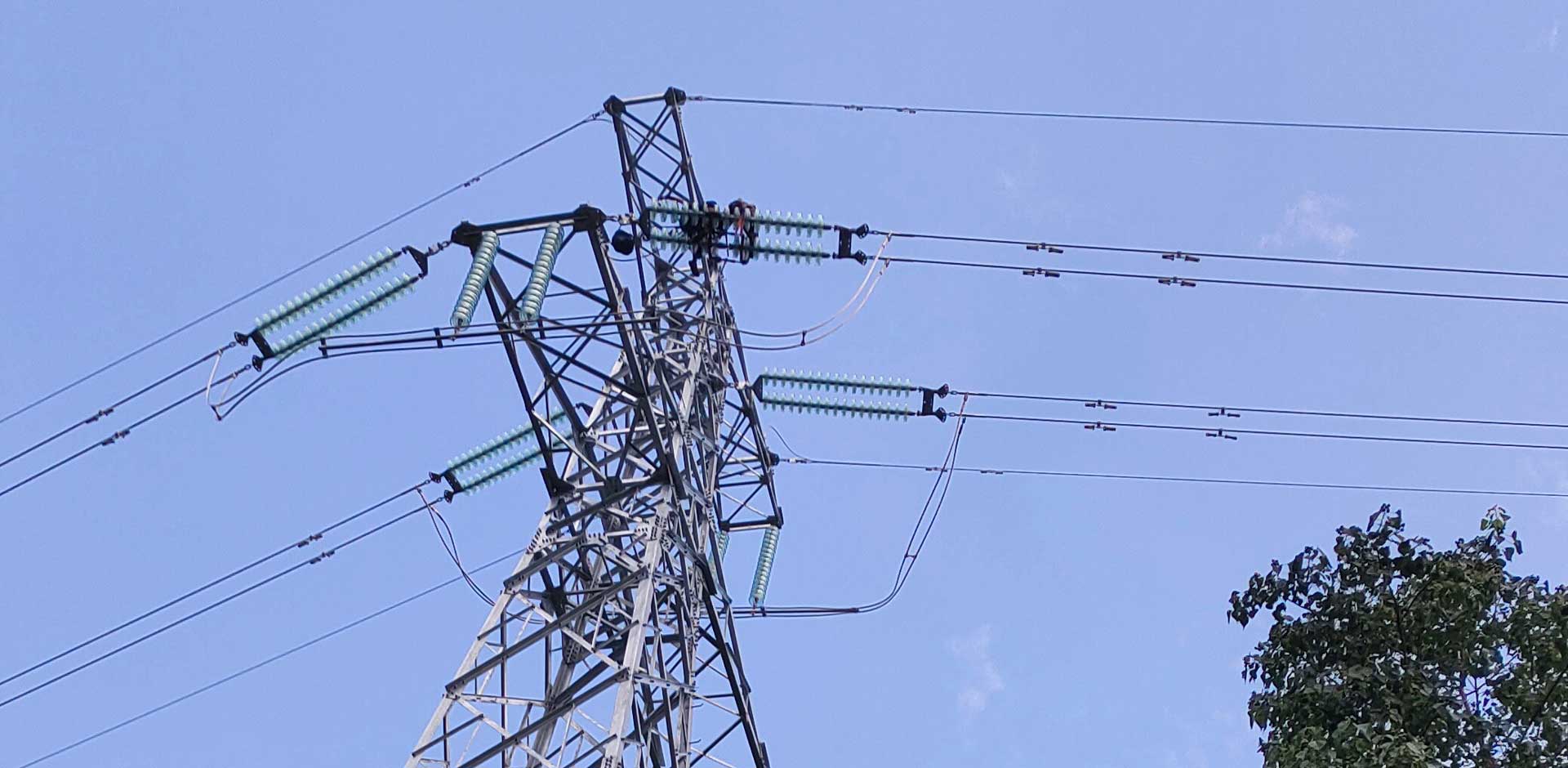
Explore our manufacturing processes that ensure quality in every unit delivered.
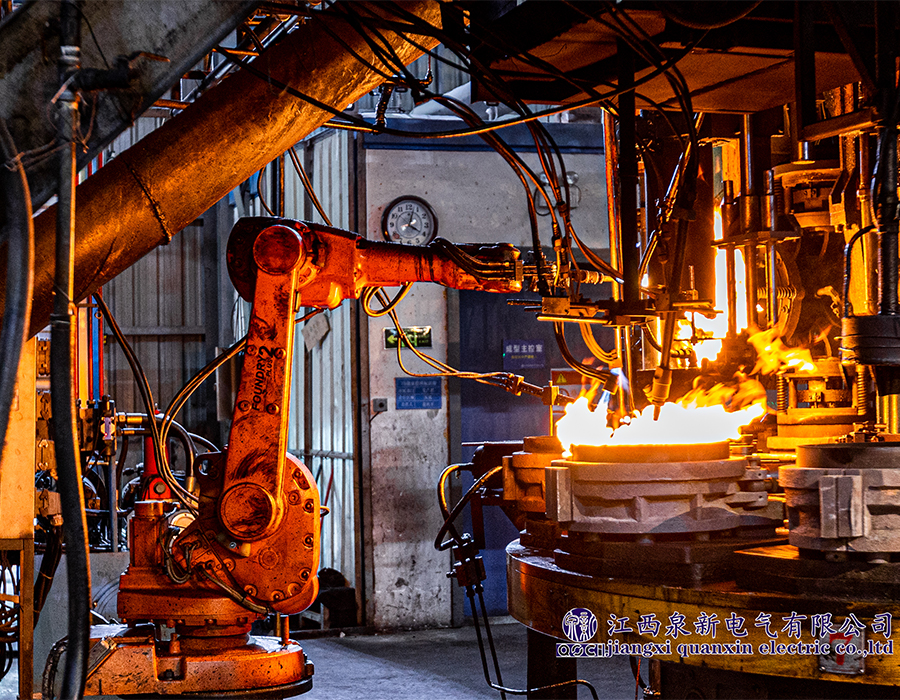
Hydraulic forming presses shape the molten glass mixture to exact profile parameters before heat treatment.
Controlled rapid cooling builds high surface compressive stress, ensuring mechanical toughness.
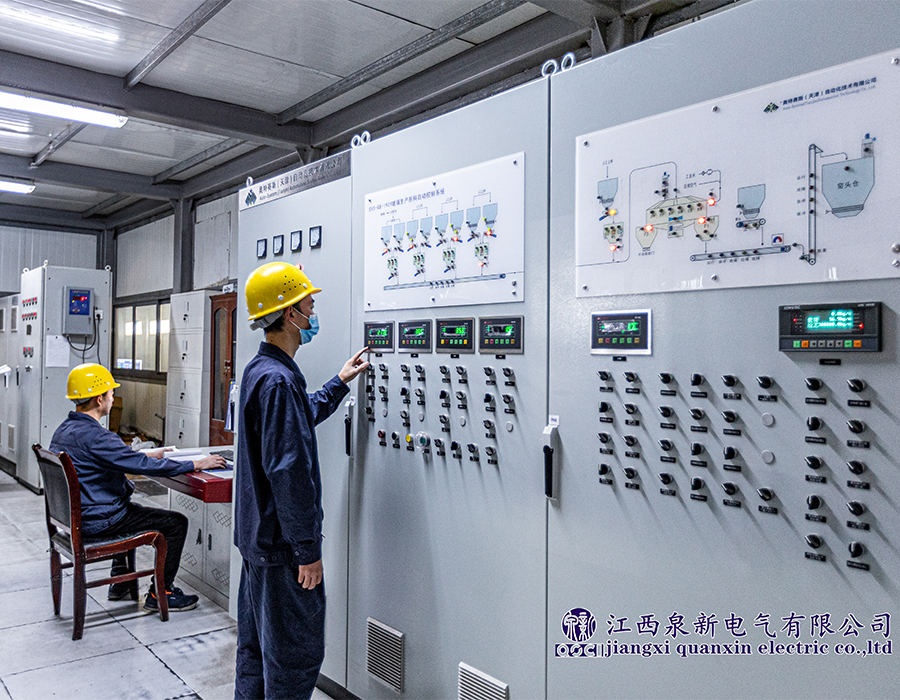
Computer-controlled mixing of silica, feldspar, and soda ash ensures chemical consistency.
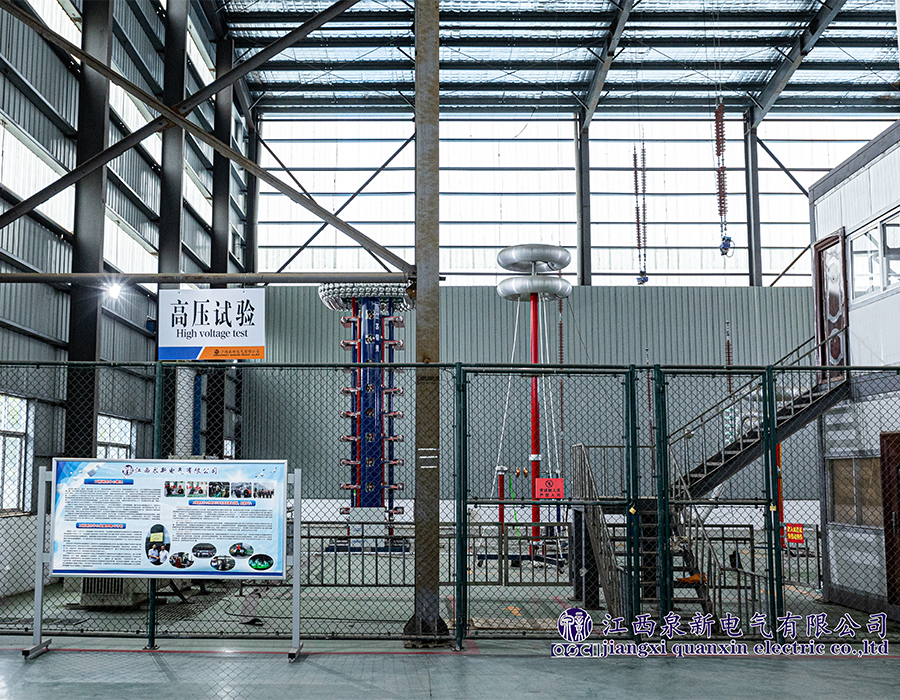
Every glass shell undergoes electrical spark and mechanical pull tests prior to assembly.
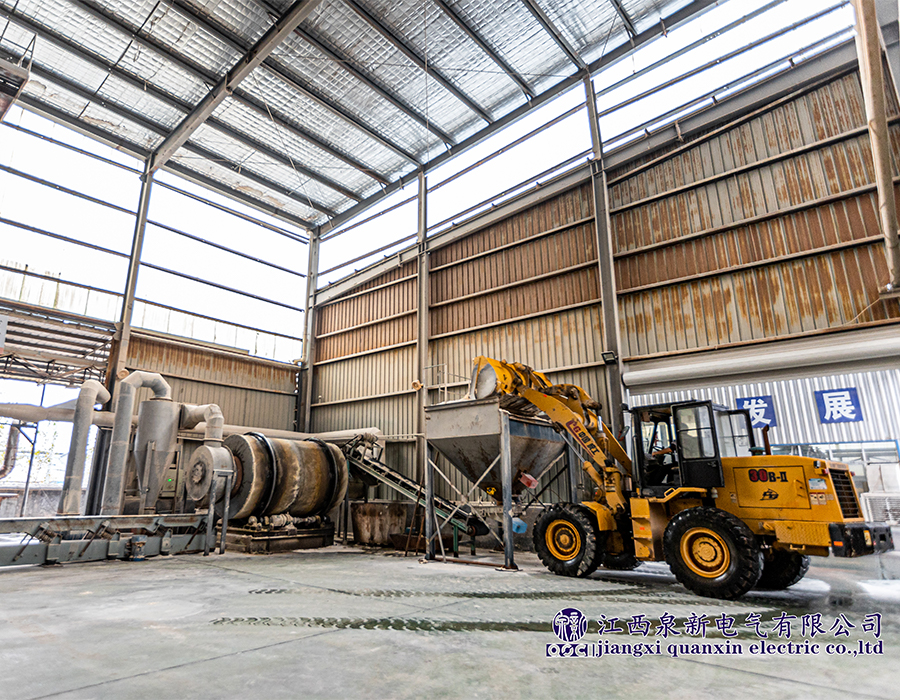
Refined minerals are stored in climate-controlled environments to prevent moisture contamination.
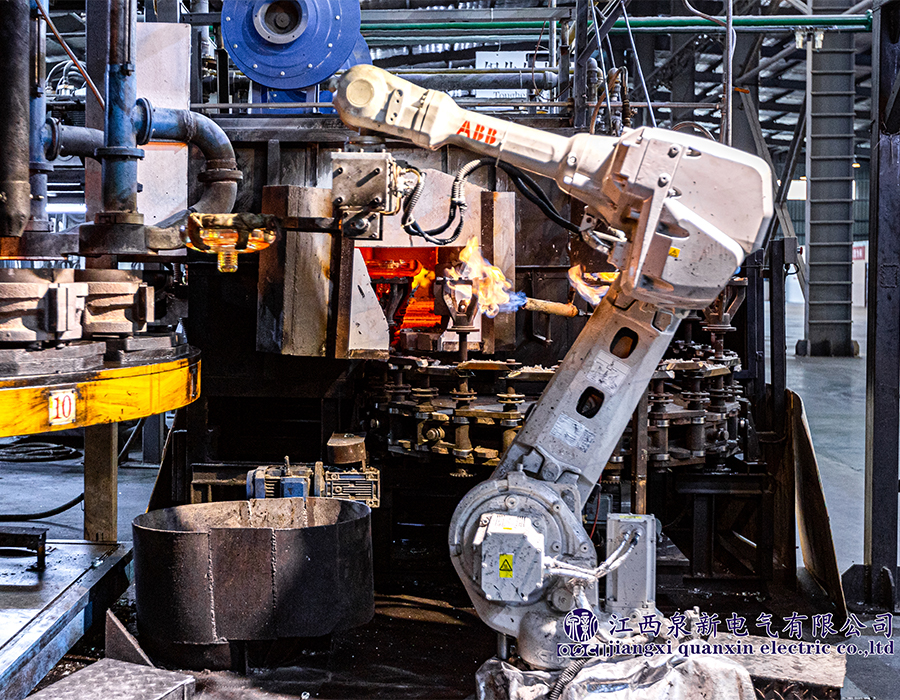
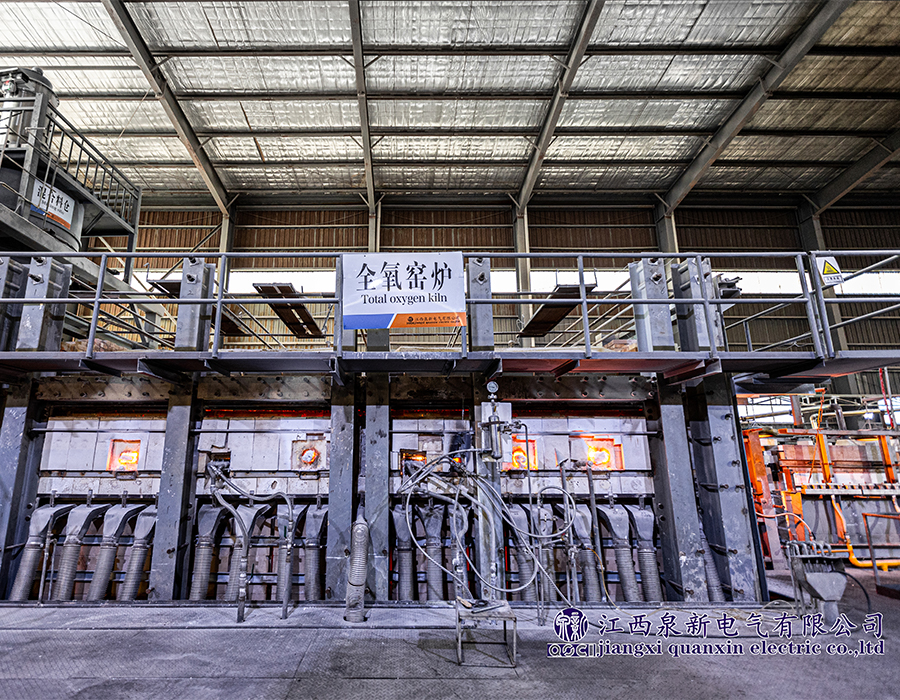
An environmentally friendly oxy-fuel furnace operates continuously to melt the raw batch at high temperatures.
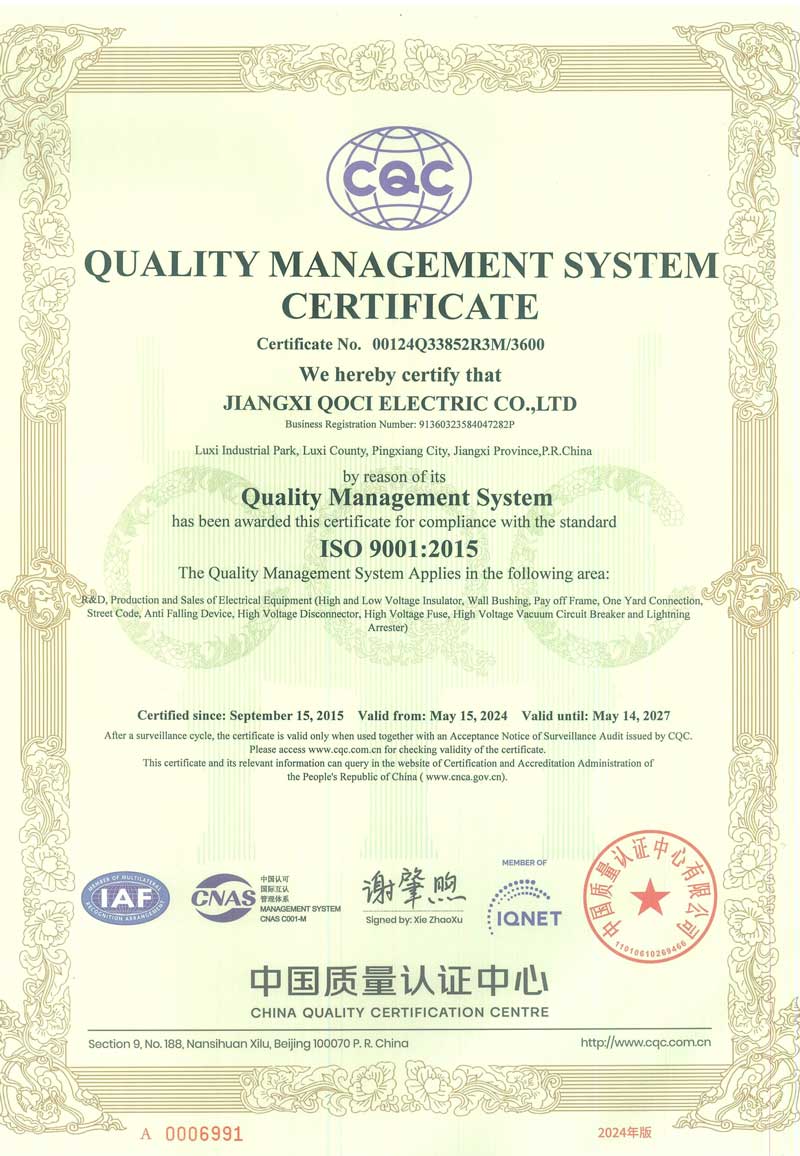
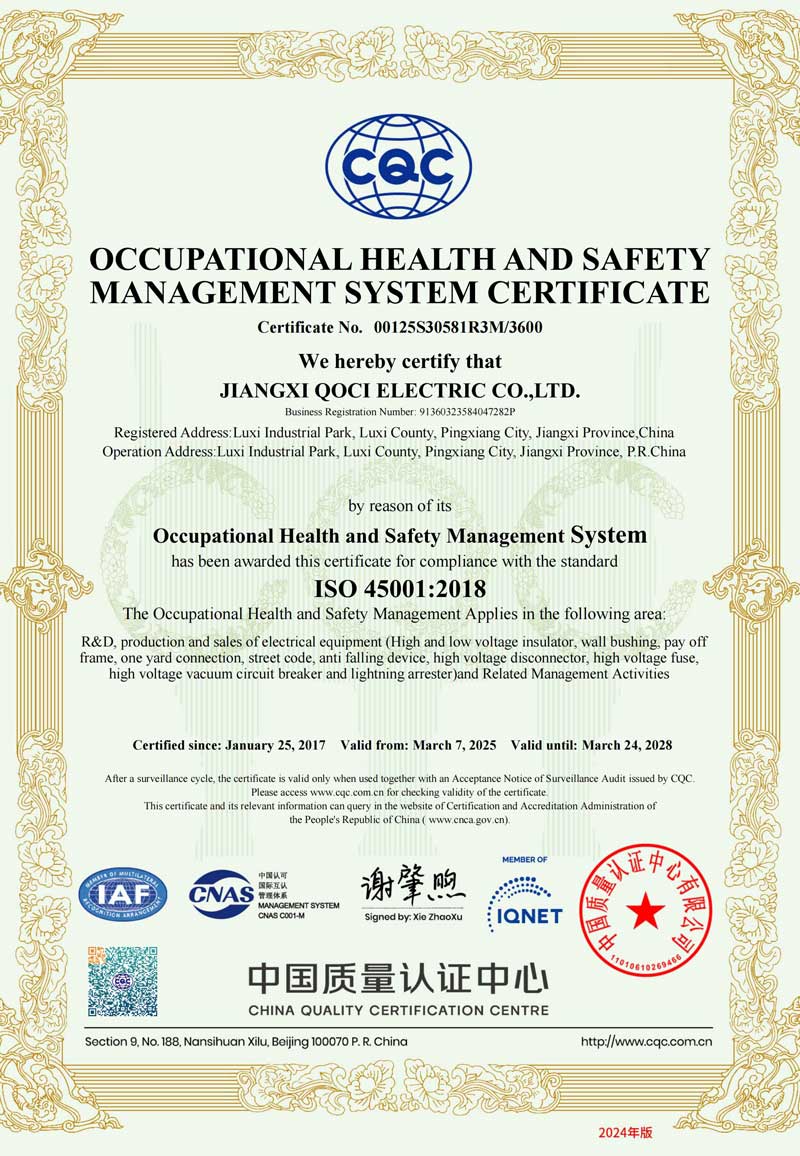
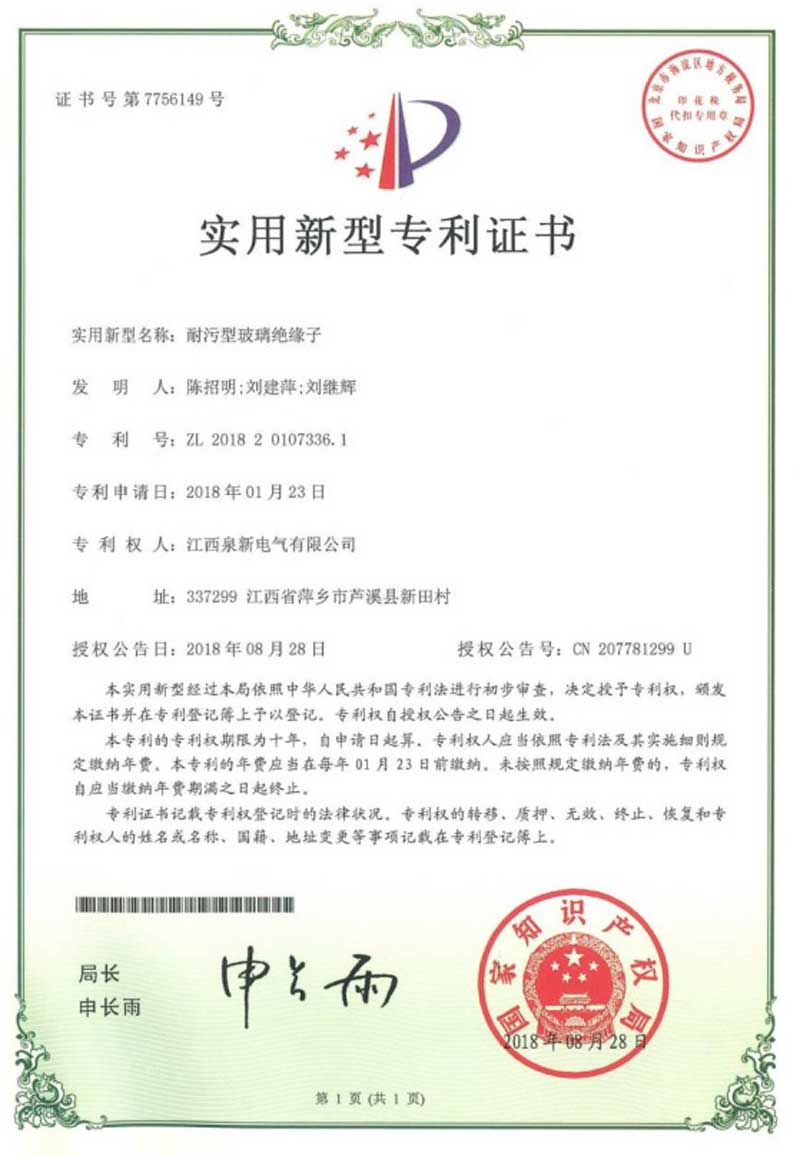
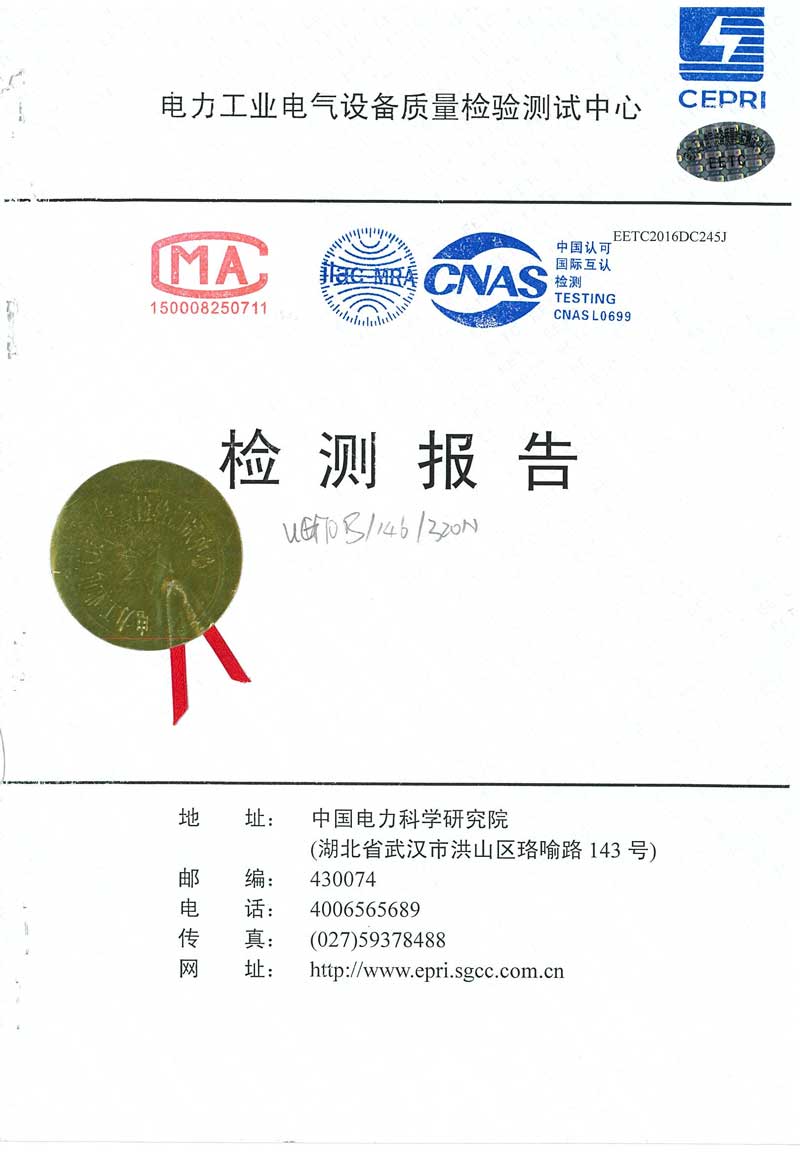
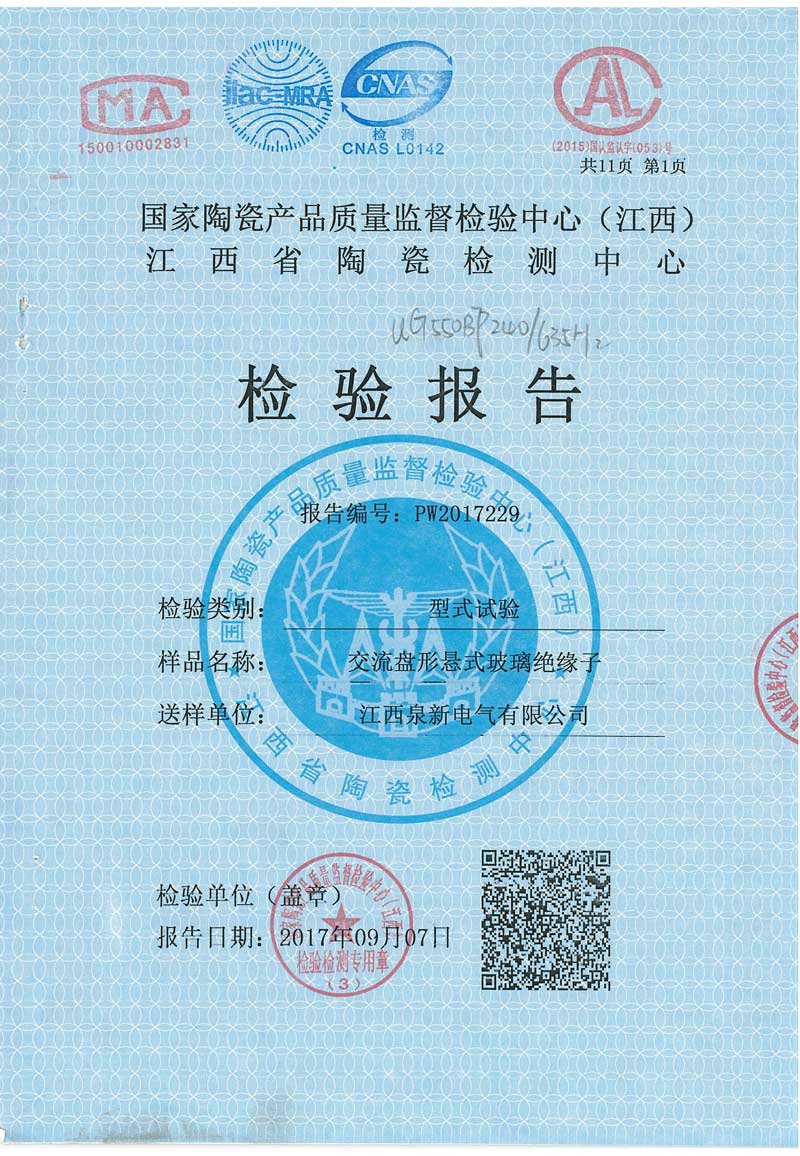
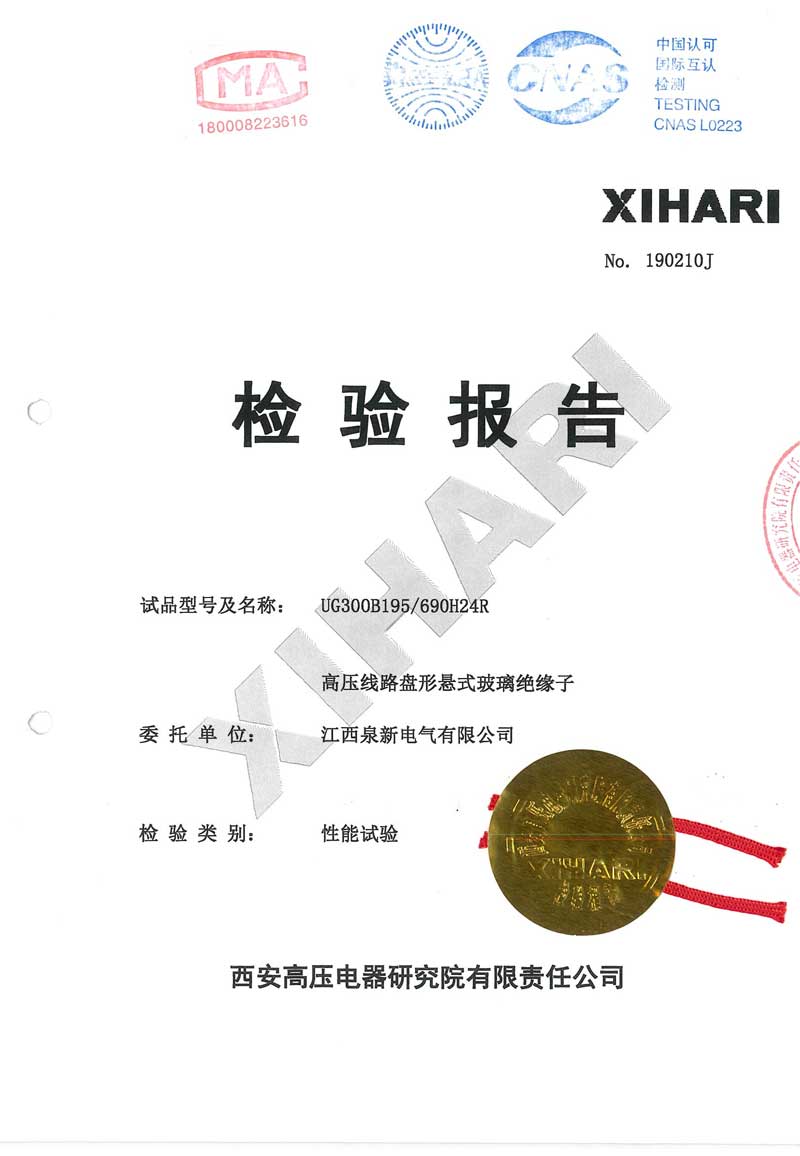
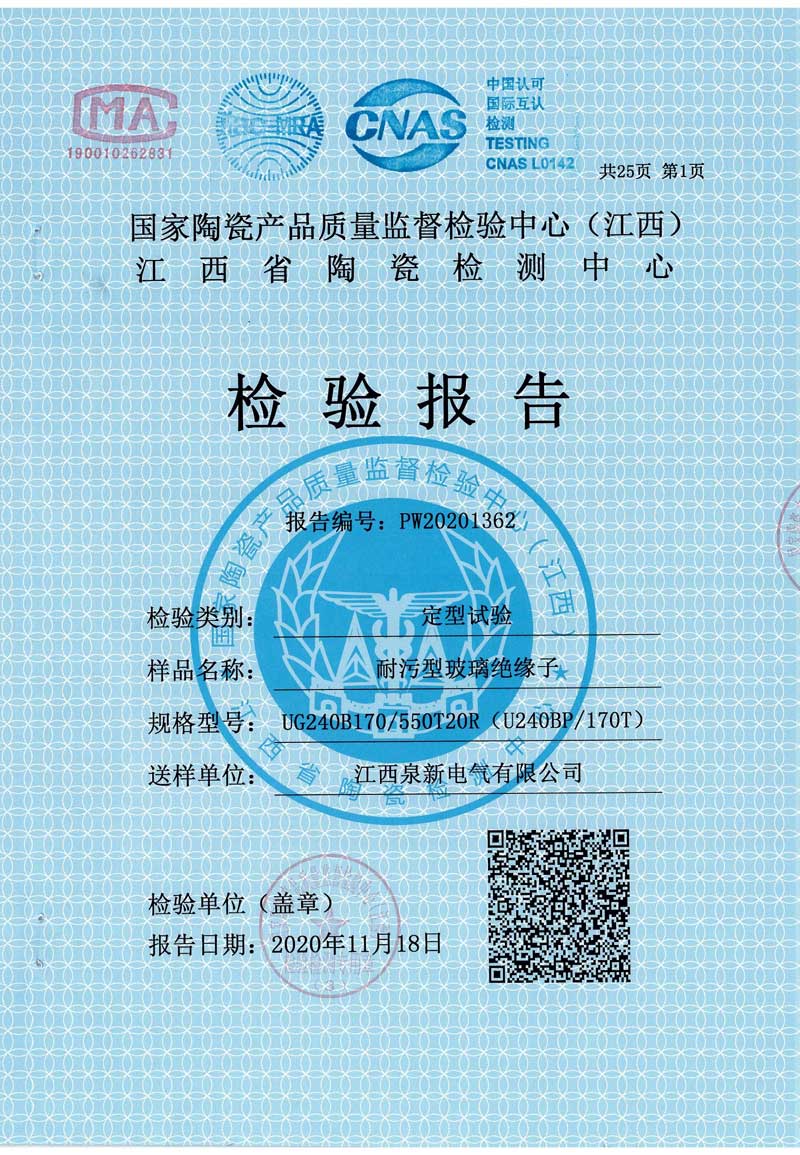
Our products are certified by international bodies, ensuring compliance with global power utility requirements.

Keep up to date with QOCI Electric's global activities, product updates, and technical developments.
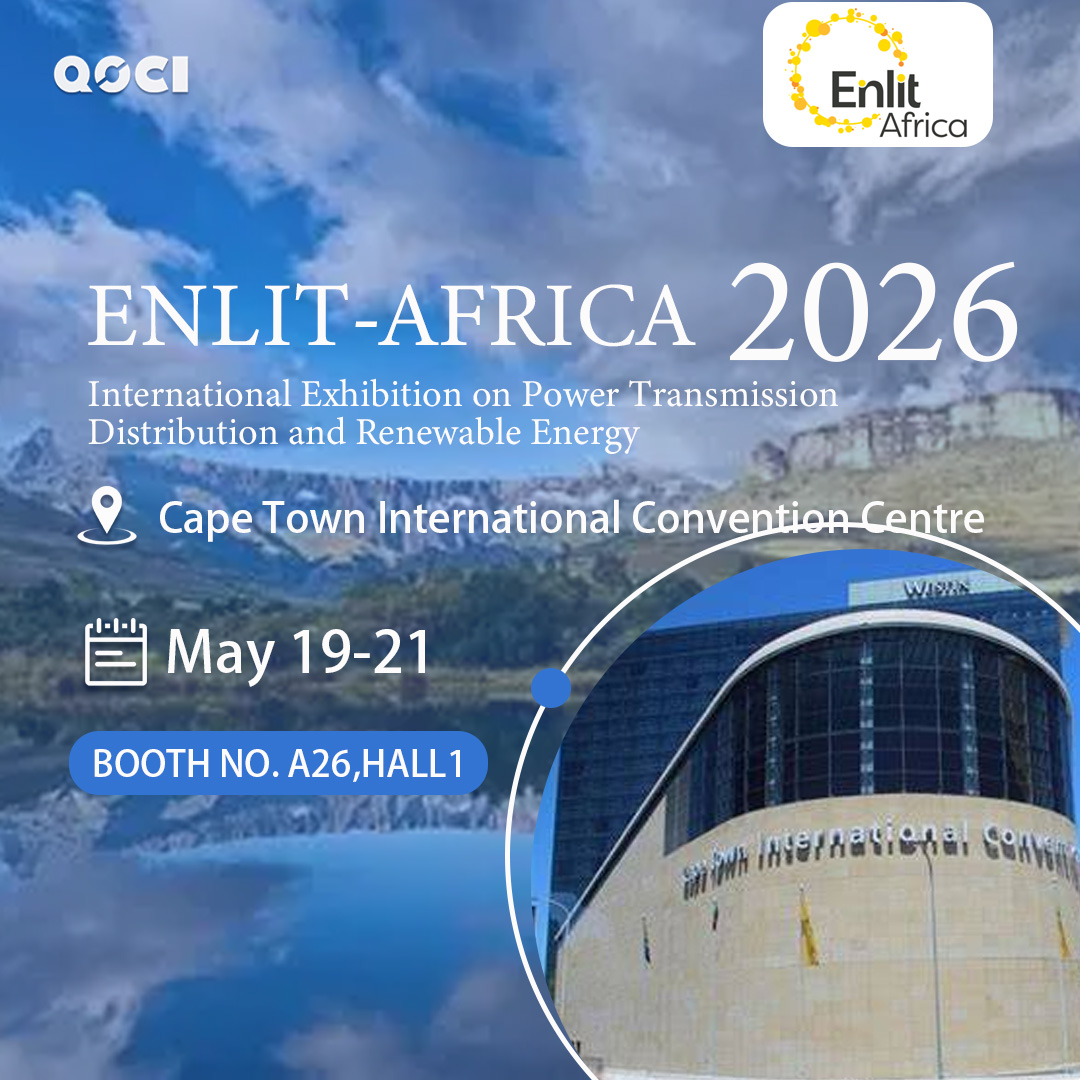
As the global energy transition accelerates, the importance of electricity, renewable energy, and energy storage technologies continues to grow. QOCI Electric showcased its latest solutions...
Tested under severe conditions including ice, high altitude, heavy pollution, earthquakes, and typhoons, China’s insulator industry offers proven reliability...
The team at Jiangxi QOCI Electric Co., Ltd. invites you to join us at the IEEE PES T&D Conference & Exposition, the industry's premier power event...
QOCI Electric, a global supplier of power transmission equipment, confirmed its participation in the upcoming Iraq Energy Exhibition, showcasing custom grid options...
Common questions from grid engineers and procurement managers regarding line design and insulator choice.
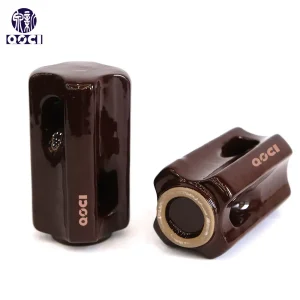
Explore our full range of standard, fog-type, and ground-wire glass and ceramic insulators.
Contact our engineering and sales teams to request detailed drawings, test reports, and volume-based pricing for high-voltage insulator supplies.
Send Inquiry Now