Plant Area (m²)
Annual Output (Tons)
Engineering Technicians
Invention Patents
Our factory utilizes total oxygen kilns and automated forming presses to ensure the internal purity and mechanical consistency of our toughened glass.
We align our production with both IEC 60305 international standards and specific Russian GOST requirements for high-voltage insulation components.
Our glass insulators are tested to withstand thermal shocks from -60°C to +50°C, a critical factor for the Russian Far East and Arctic Circle deployments.
Understanding the semantic difference in user intent: Russian engineers seeking "Aerodynamic" types are often dealing with specific environmental stressors like desert sands or heavy snowfall.
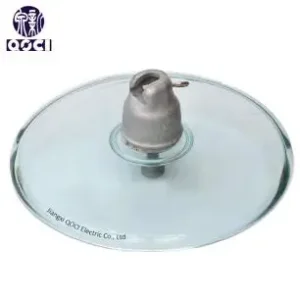
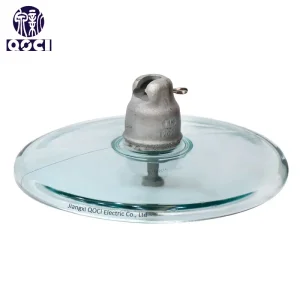
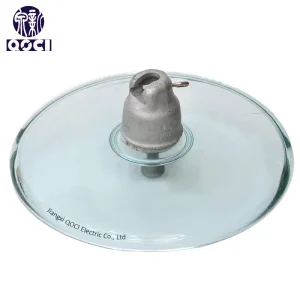
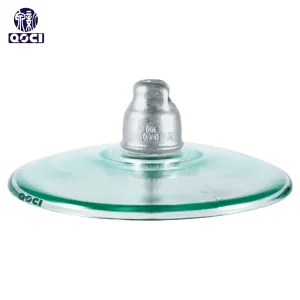
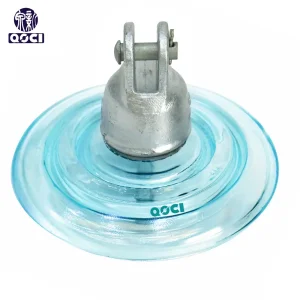
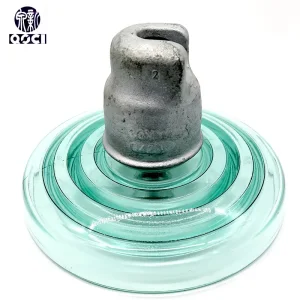
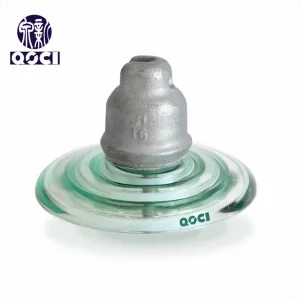
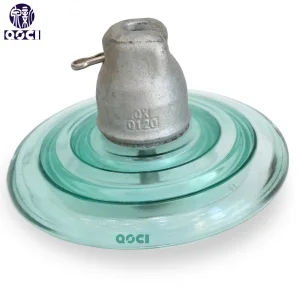
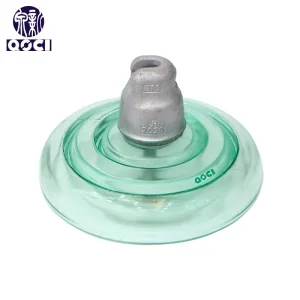
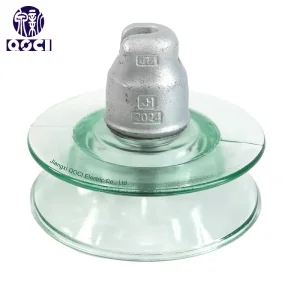
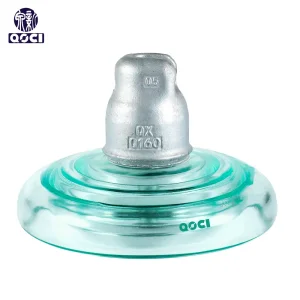
Marked by the absence of under-ribs and an extended disk diameter. This design prevents the accumulation of solid pollution deposits (dust, sand) on the lower surface. In the Russian context, this is the primary solution for the Kalmykia region's sandstorms and for preventing ice-bridging in heavy snow zones.
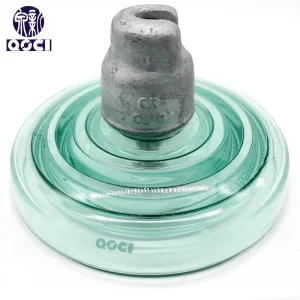
Features long and widely-spaced under-ribs to maximize leakage distance. Primarily used in Russian coastal industrial zones (like Murmansk or St. Petersburg) where salt fog and industrial emissions create a high risk of leakage currents.
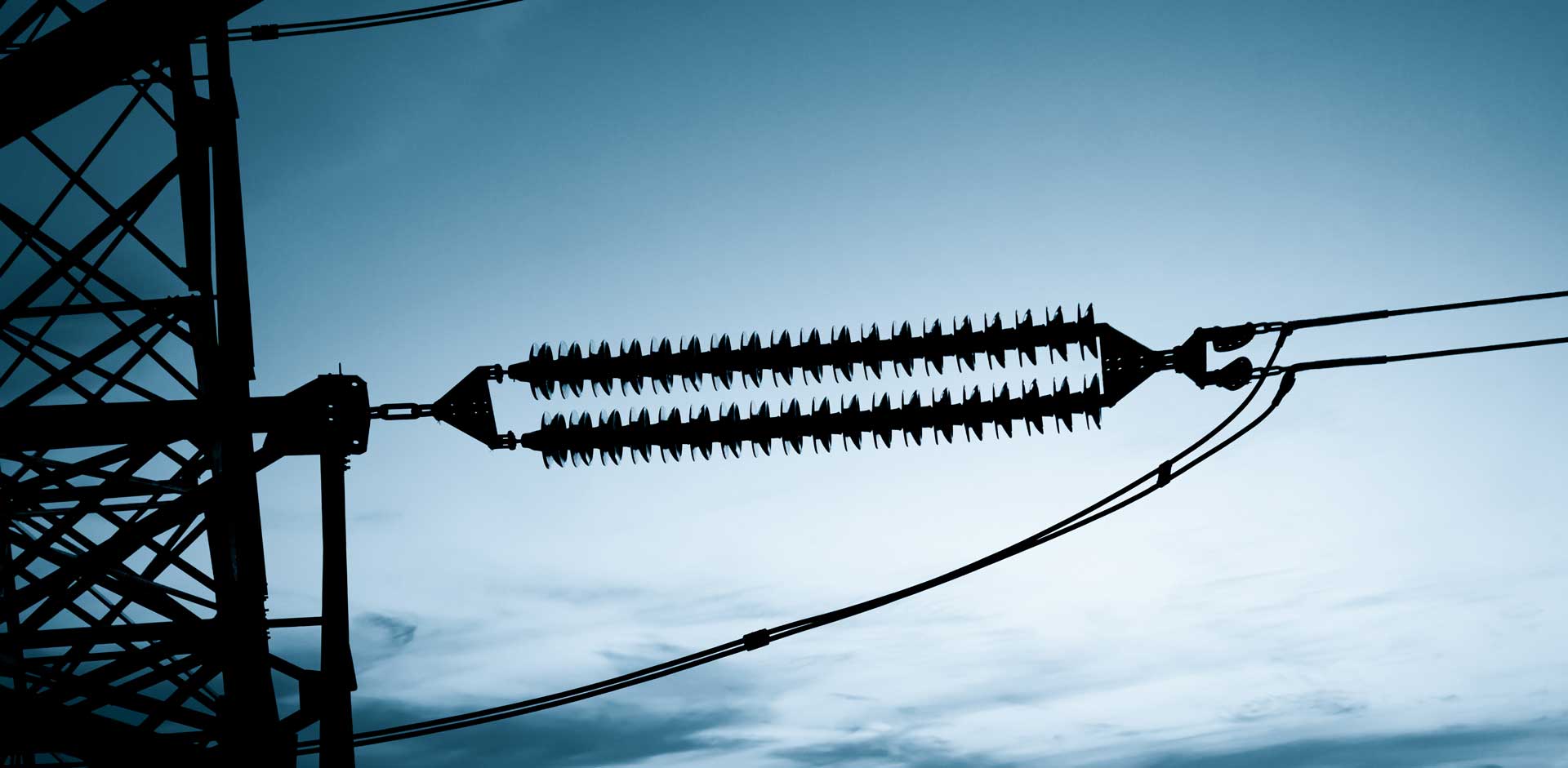
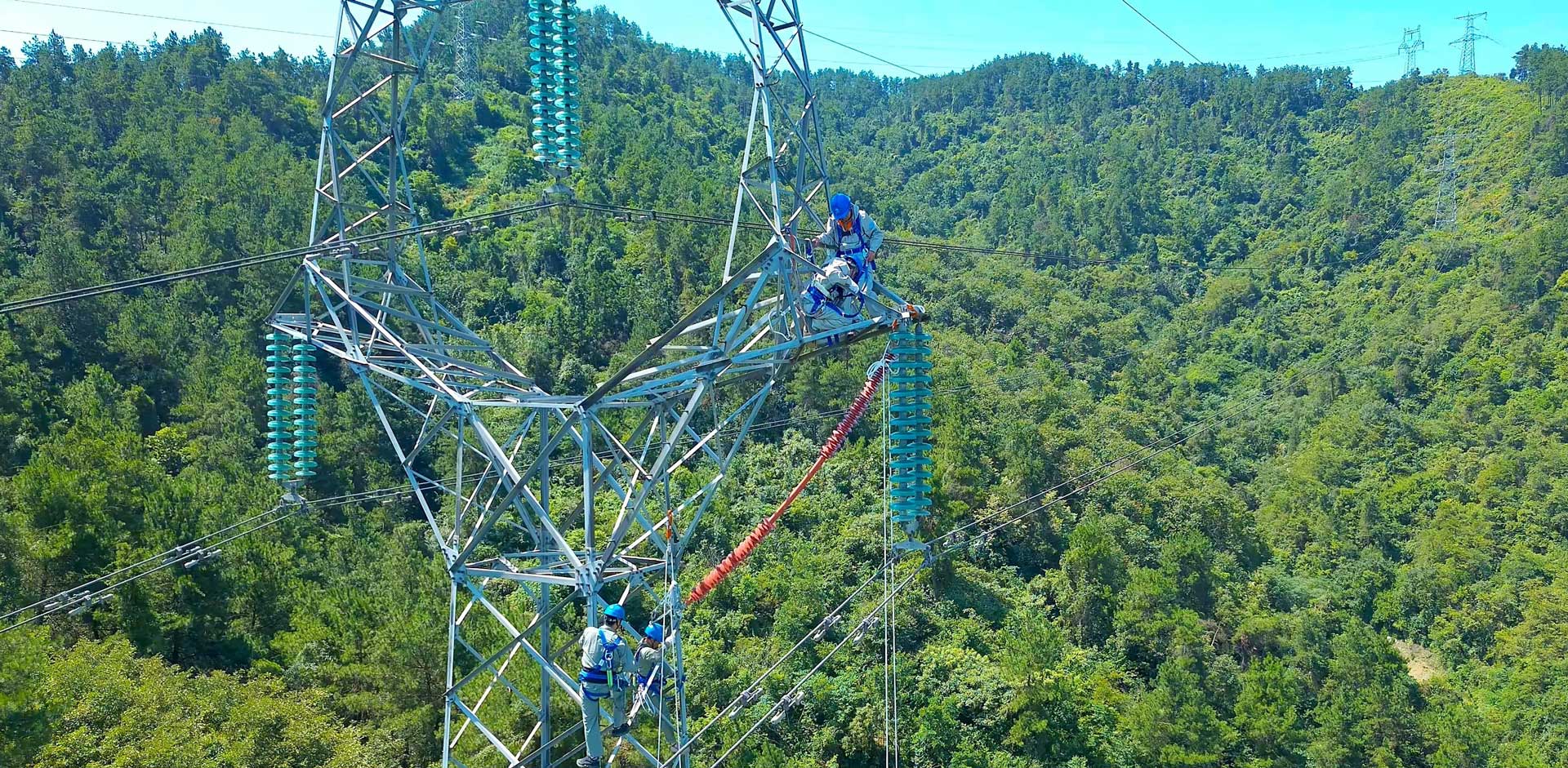
Providing critical insulation for long-distance power transfer from Siberian hydroelectric plants to Western Russia's industrial heartlands.
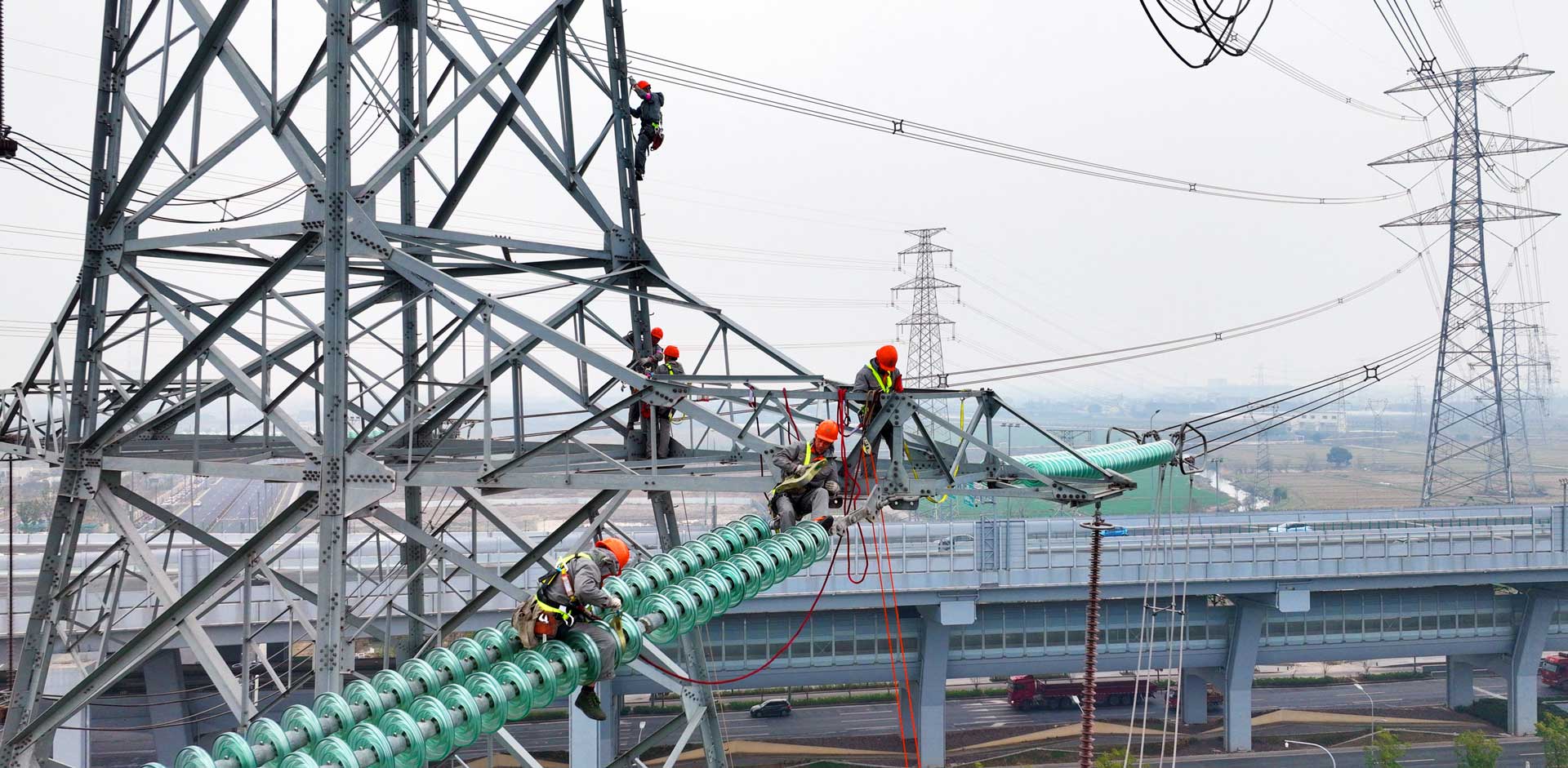
Supporting the Trans-Siberian Railway's catenary systems with heavy-duty suspension and tension glass insulators.
Yes. Our toughened glass insulators undergo rigorous thermal-mechanical tests. We use high-grade caps and pins with specialized cement that accounts for the differential thermal expansion coefficients, ensuring integrity even at -60°C.
Aerodynamic types use physical geometry to prevent pollution buildup. RTV (Room Temperature Vulcanization) silicone coating adds hydrophobicity. For Russian areas with both high pollution and extreme cold, we often recommend RTV-coated aerodynamic insulators for the ultimate protection.
Depending on the order volume, our annual 39,000-ton capacity allows for rapid scaling. Typical sea-rail multimodal transport to Moscow or St. Petersburg takes 25-35 days.
Our products meet or exceed IEC 60305, 60383, and 60120 standards. We provide detailed technical comparisons and can adapt the metal fitting dimensions (ball and socket sizes) to match specific GOST tower hardware.