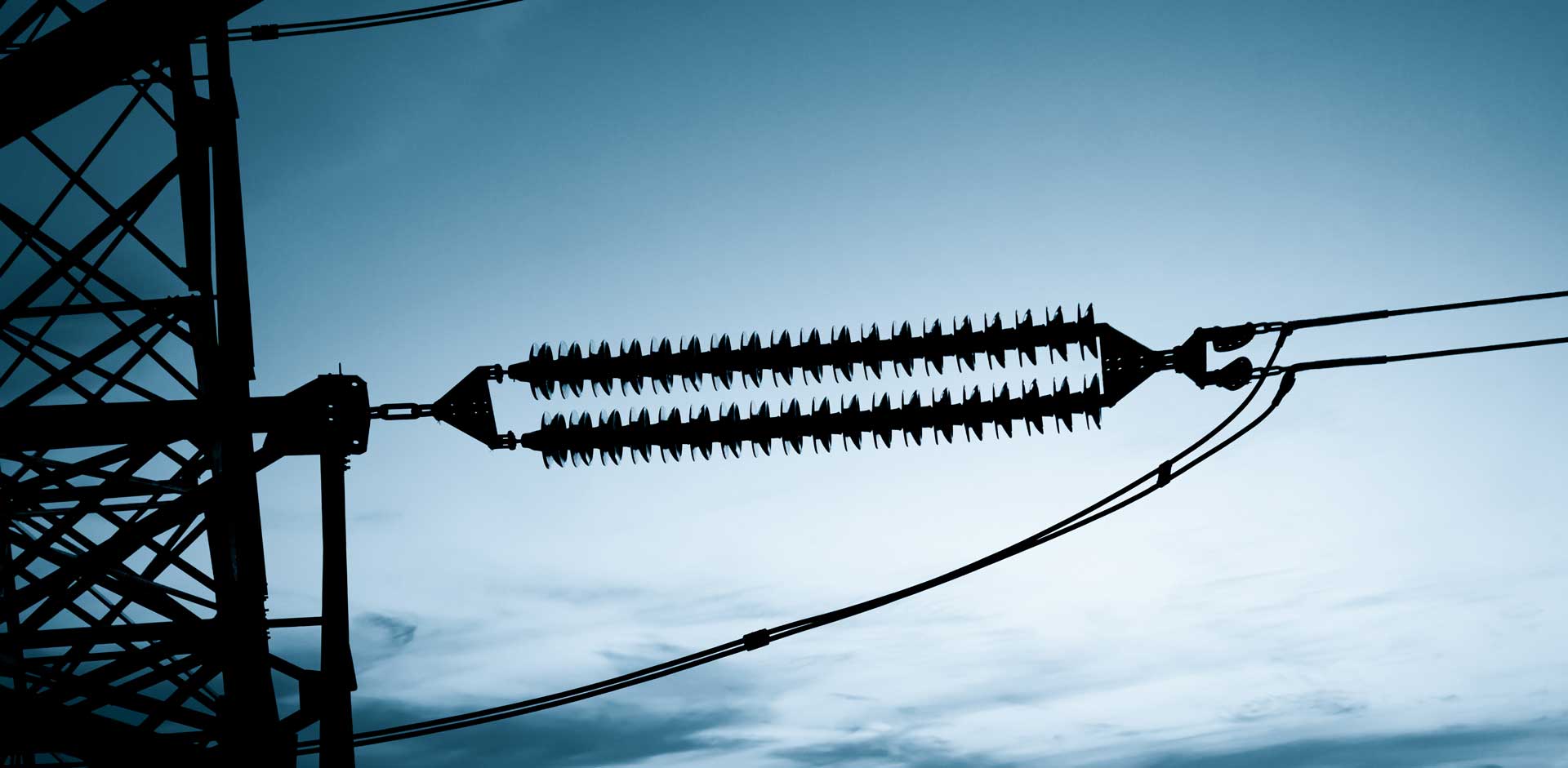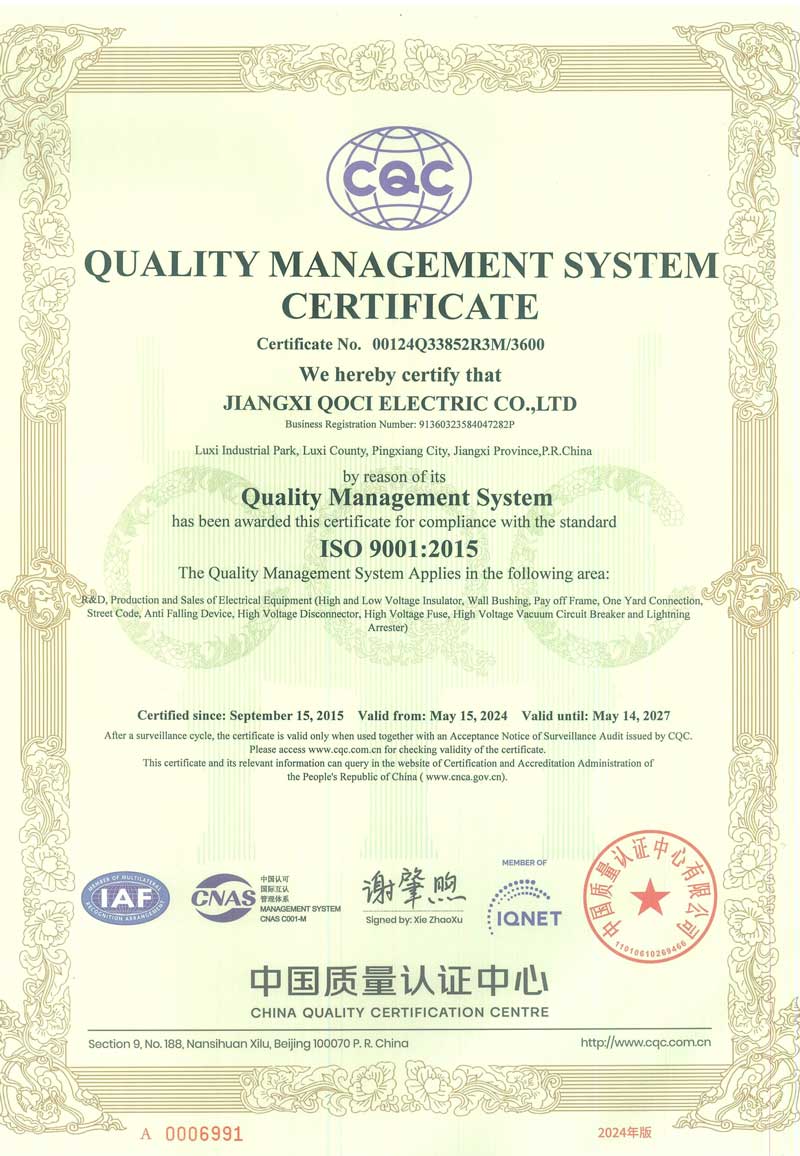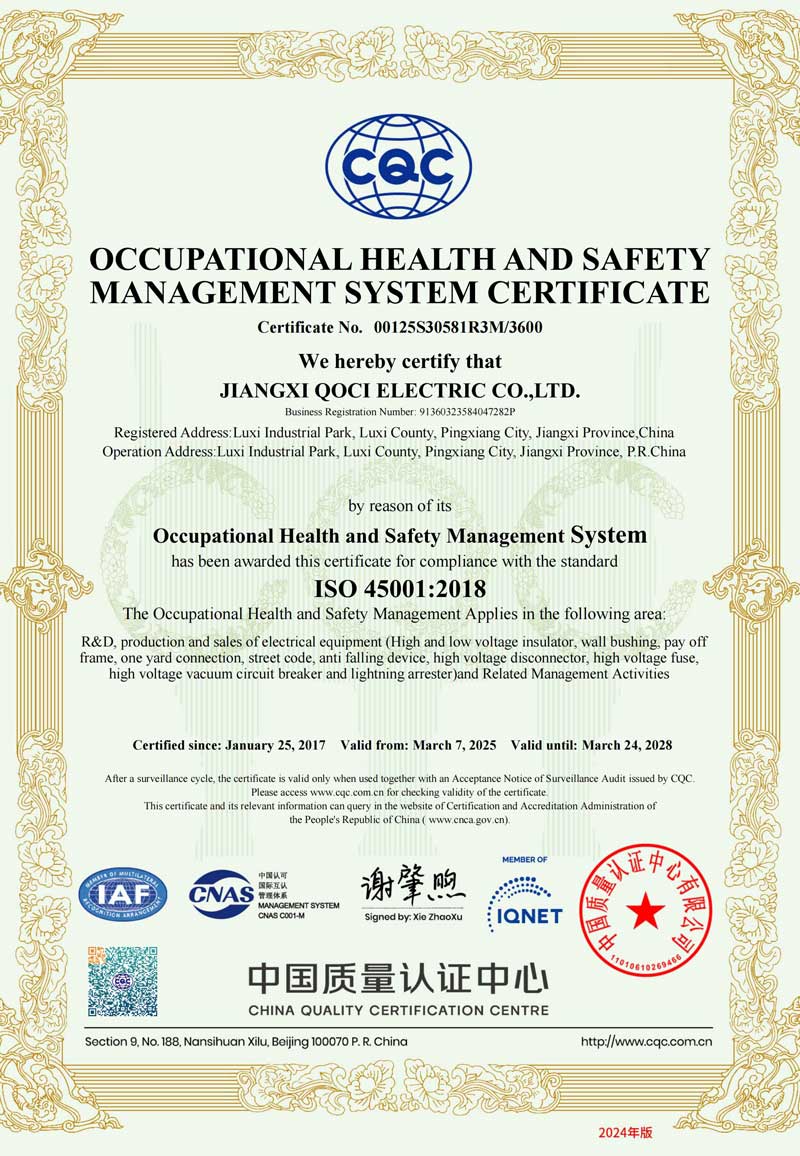
The electricity infrastructure in the Banfora region of Burkina Faso, serving critical agricultural nodes like the SN SOSUCO (Société Sucrière de la Comoé) sugarcane fields and cashew processing facilities, faces persistent environmental stressors. Our specialized Anti-Pollution Type Toughened Suspension Glass Insulators are structurally configured to combat localized pollution threats: extreme desert sand deposition from seasonal Harmattan winds, heavy industrial soot, sugar refining residues, and intense seasonal humidity that leads to leakage currents and flashovers.
Leveraging advanced cap-and-pin profiles under strict IEC 60305 international standard manufacturing protocols, our insulators provide superior mechanical strength, automated self-cleaning features via rainfall washouts, and RTV silicone-coating alternatives for long-term operational resilience.
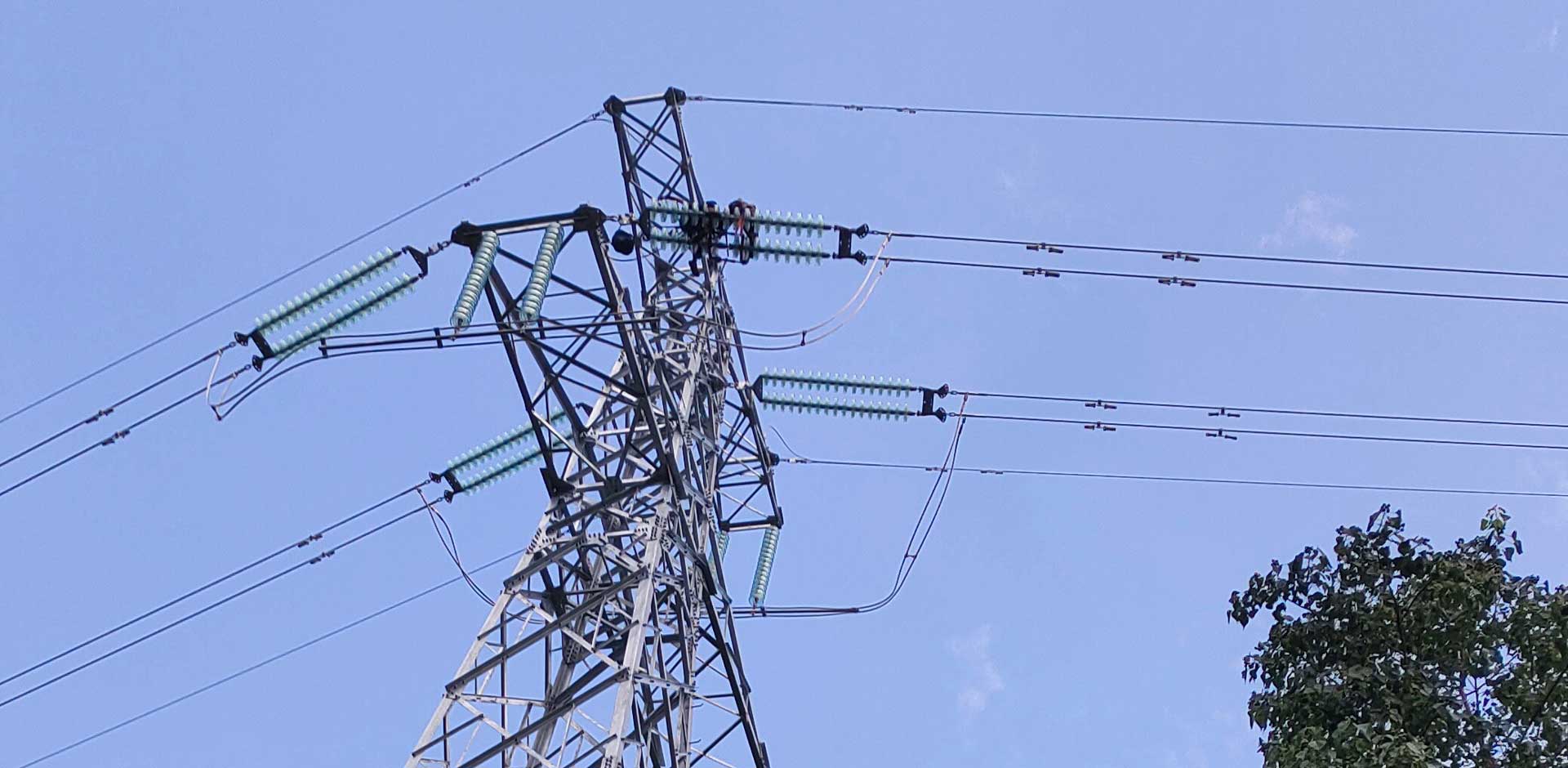
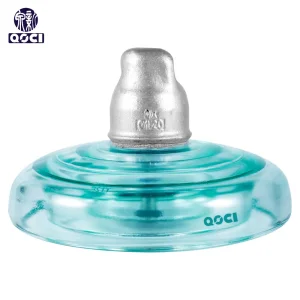
Selected high-strength suspension insulators engineered specifically for heavy duty Saharan dust and agricultural chemical resistance.
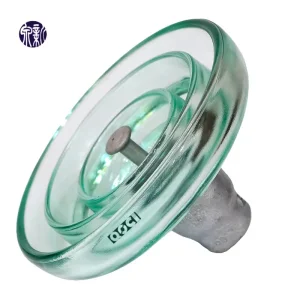
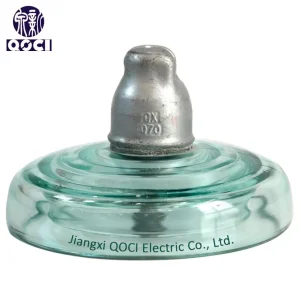
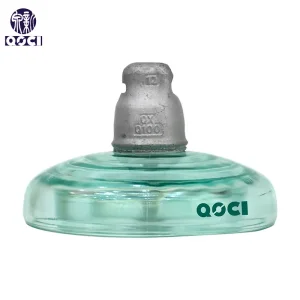
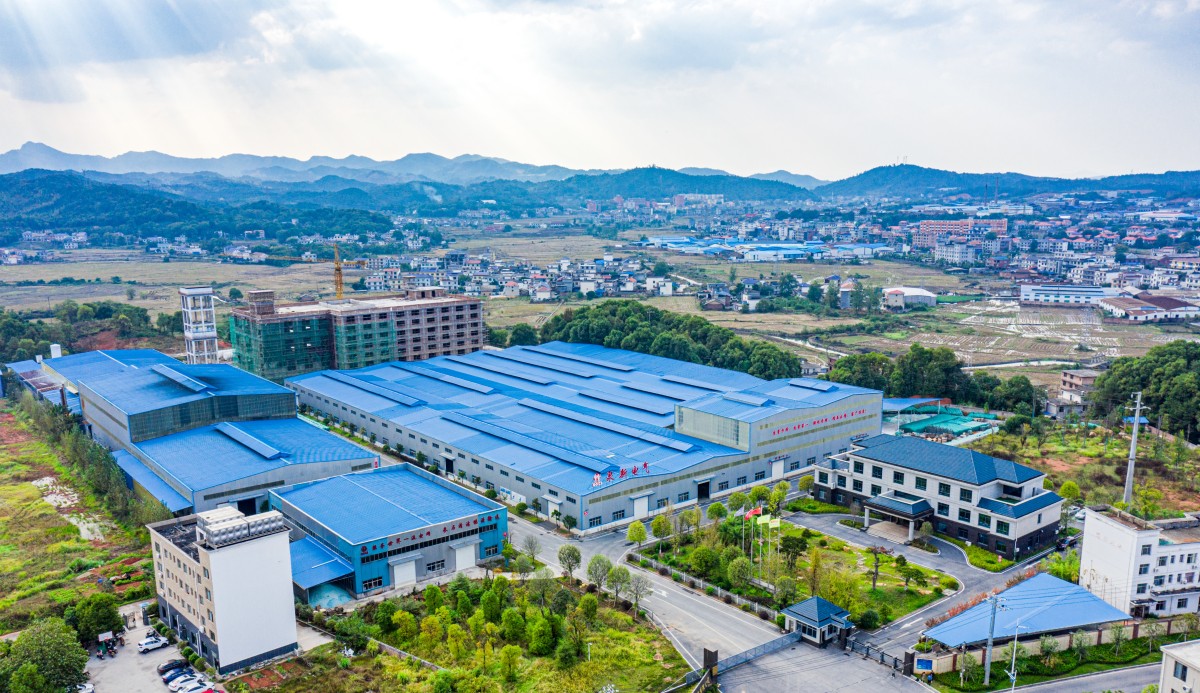
Founded in December 2002 with a registered capital of 508 million Yuan, Jiangxi QOCI Electric Co. Ltd is headquartered in the premier Industrial Park of Luxi County, Pingxiang City, Jiangxi Province. Spanning an expansive area of over 100 mu (70,000 square meters), our state-of-the-art facility integrates advanced materials engineering and heavy machinery.
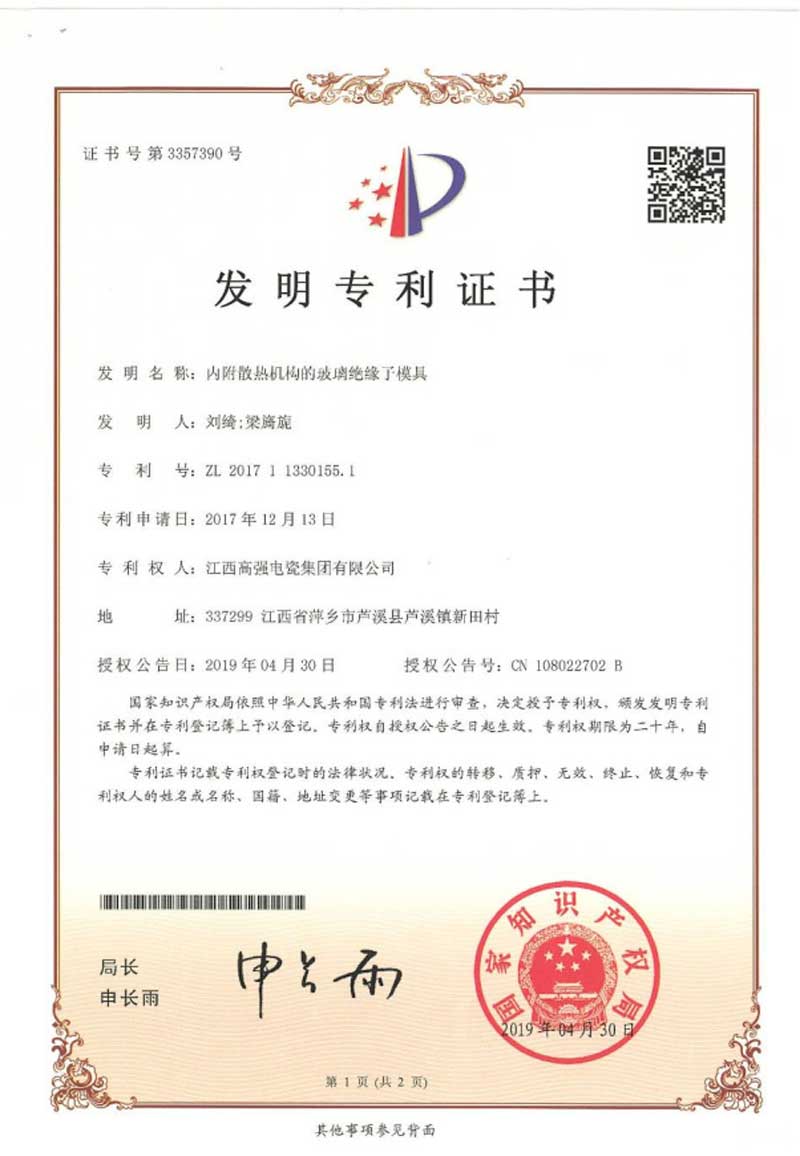
As an elite Chinese manufacturer, we specialize in high-strength glass insulators engineered for low voltage, high voltage (HV), extra-high voltage (EHV), and ultra-high voltage (UHV) AC and DC power transmission grids. Our capacity, technical patents, and specialized testing facilities guarantee international grid operators fast delivery times coupled with cost-effective pricing structure.
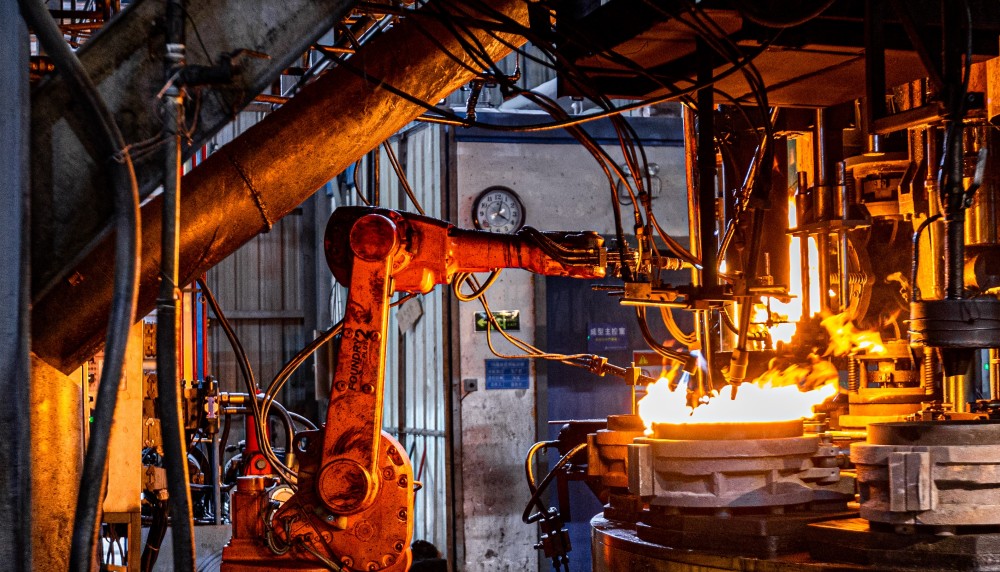

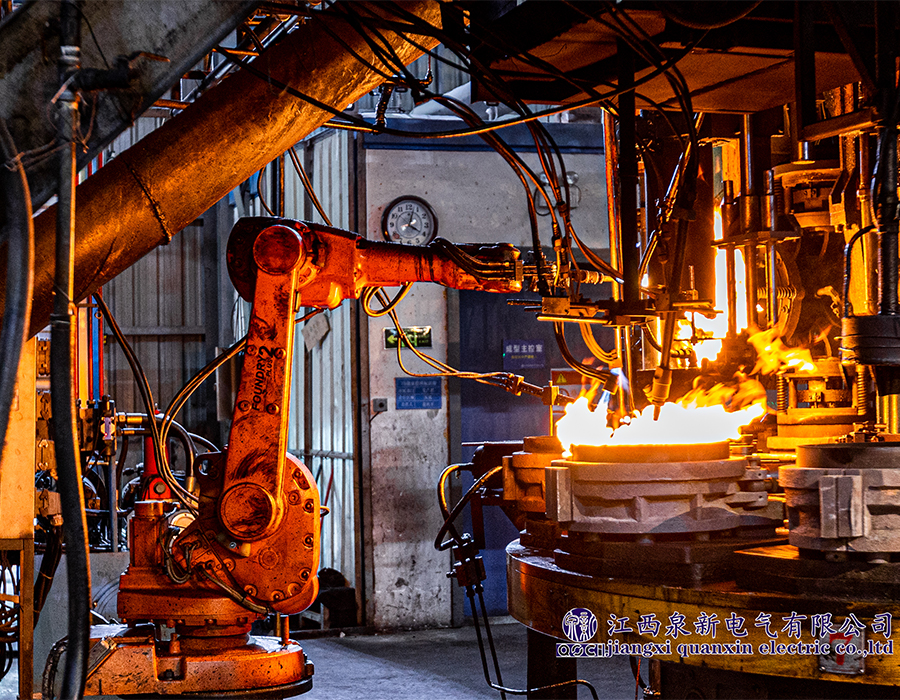
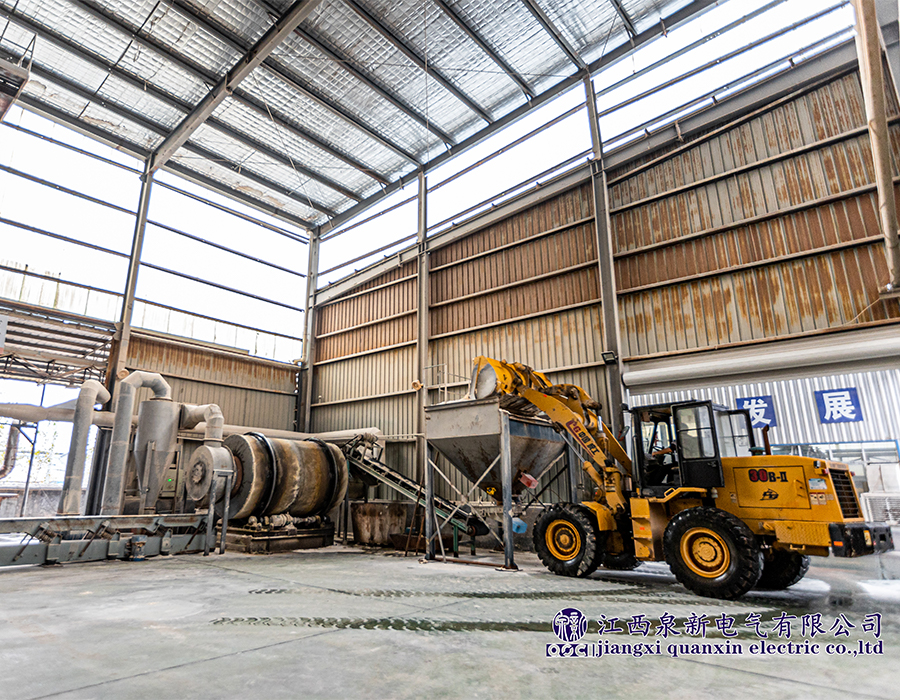
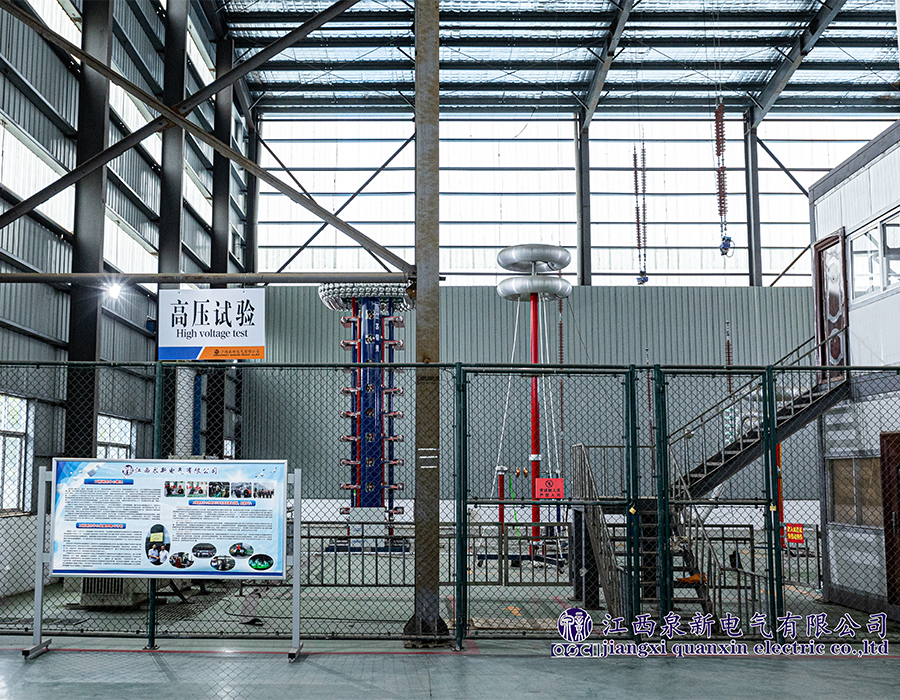
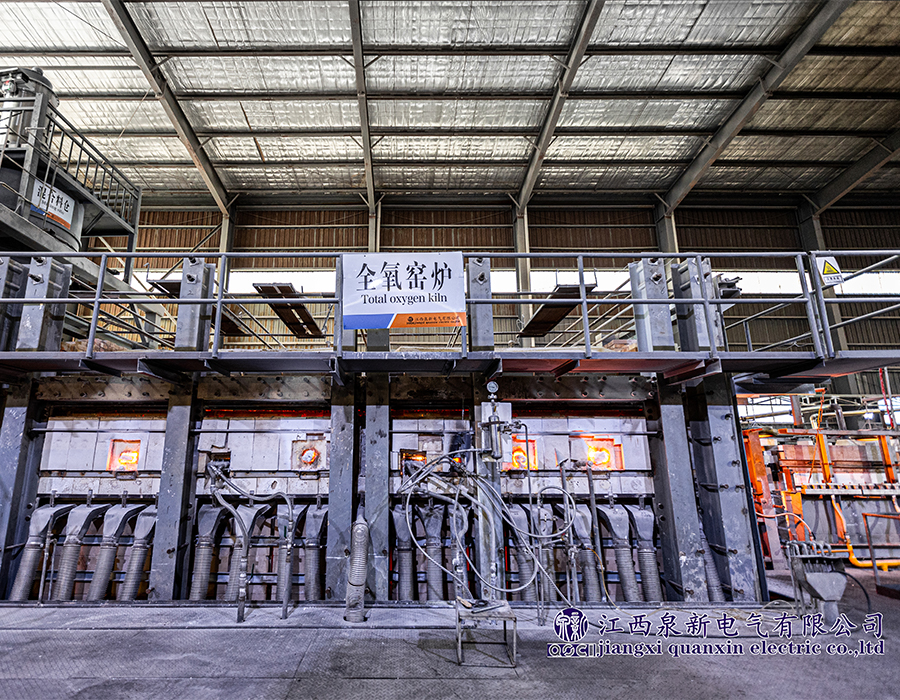
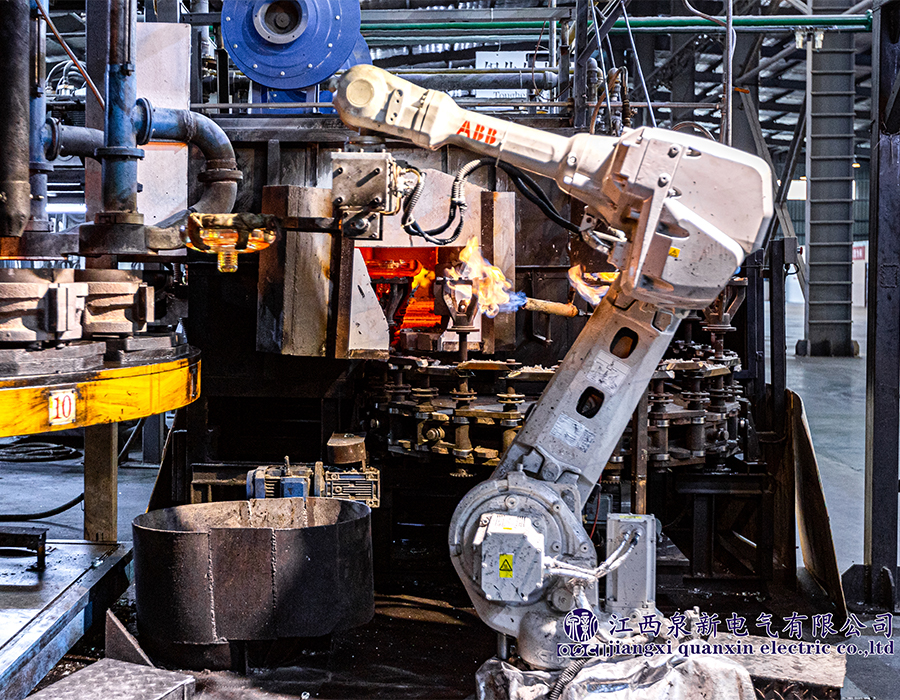
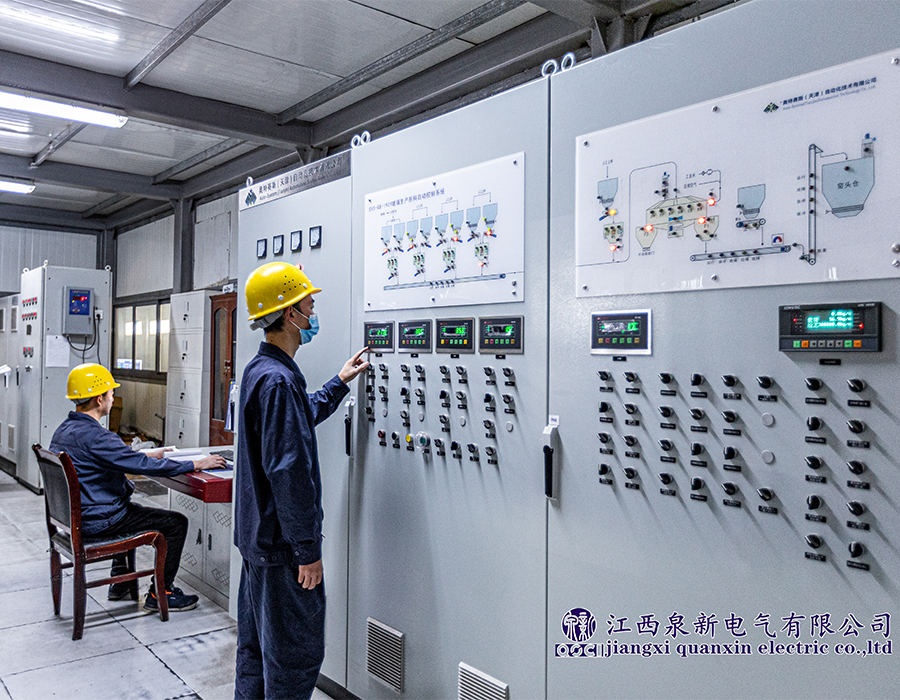
Our facility stands as a global hub of high-performance glass tempering and mechanical testing.
Different geographical terrains require specialized aerodynamic and shed structures to prevent leakage currents. Discover our core line of design profiles:
The characteristic of the standard profile is that the leakage distance is higher than the value indicated for standard insulators in IEC 60305. The insulation part is designed with shallow and well spaced small ribs, which can be effectively self-cleaning by wind or rain.
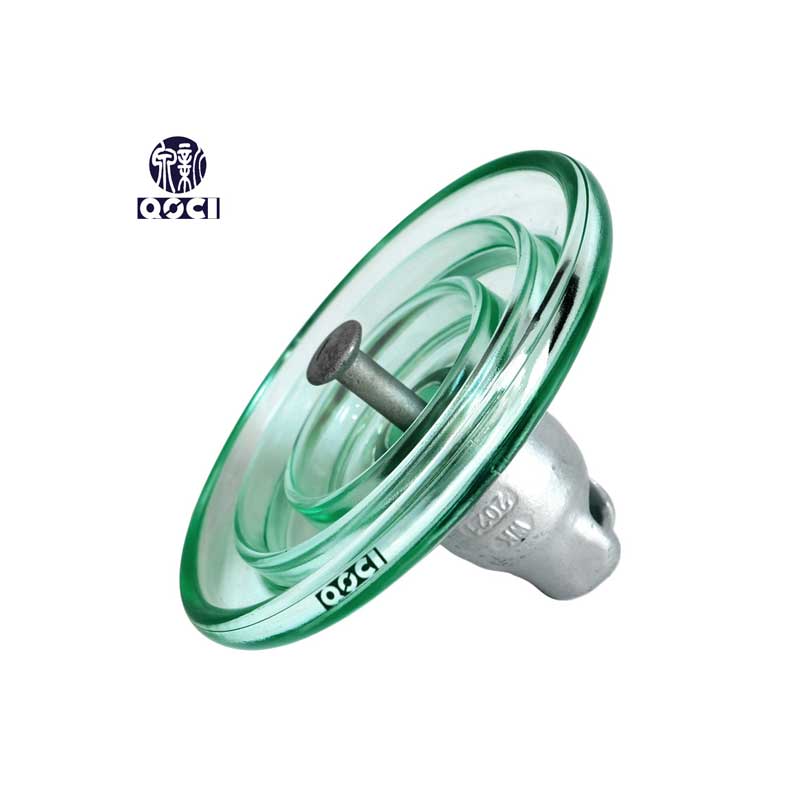
The fog type profile is characterized by long and widely-spaced under-ribs so as to avoid arc bridging between adjacent ribs. It features a leakage distance/spacing ratio of around 3.2 and is particularly effective in coastal areas (Salt fog) as well as in polluted areas where a higher specific leakage distance is required.
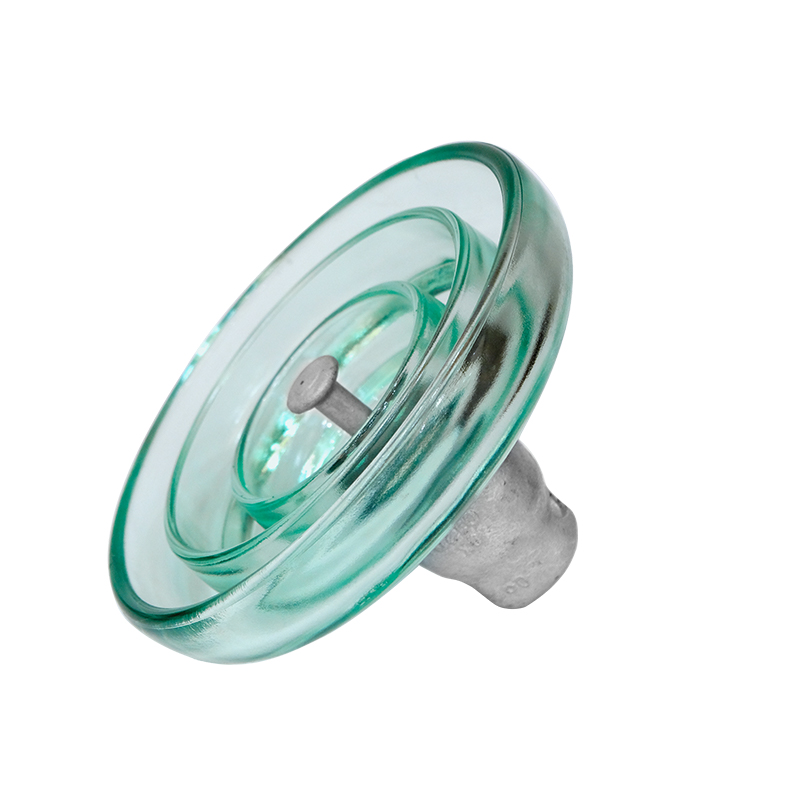
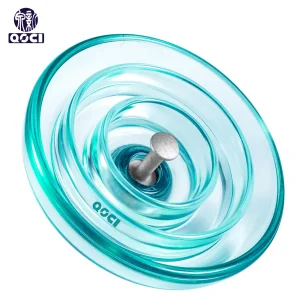
Design of insulating part with open profile is marked by absence of under-ribs and extended diameter of disk, with no under-ribs so as to avoid the accumulation of solid pollution deposits (dust, sand) on its lower surface. Open profile reduces pollutant accumulation on the surface. Highly effective in desert areas.
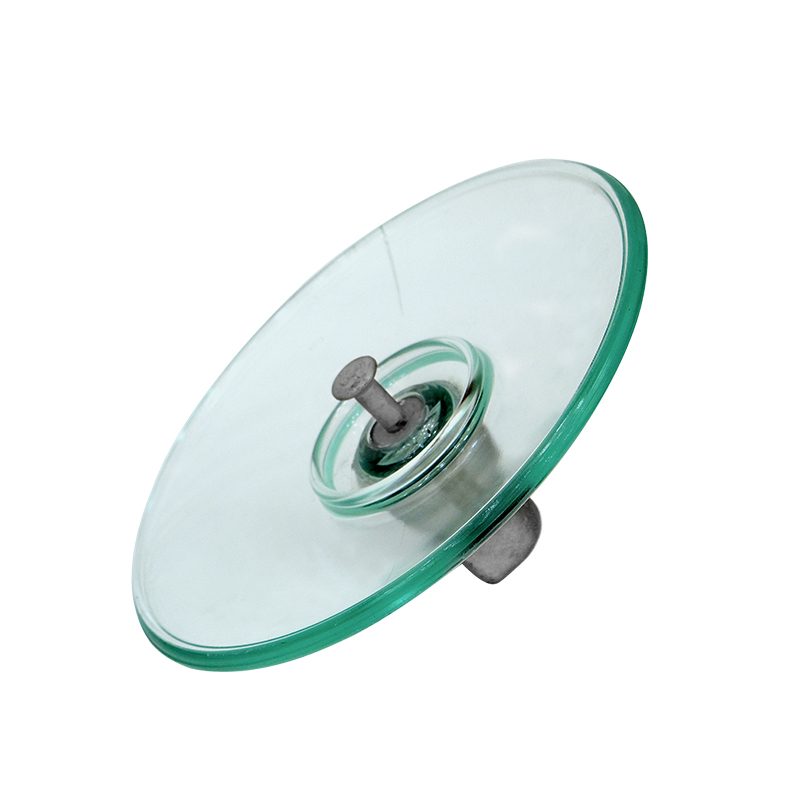
The design of the insulation part has two external ribs. The elimination of the under-ribs reduces pollution build-up, and the surface of the insulator can self clean by strong winds. And facilitate manual cleaning when necessary. This profile provides a leakage distance equivalent to the anti pollution profile.
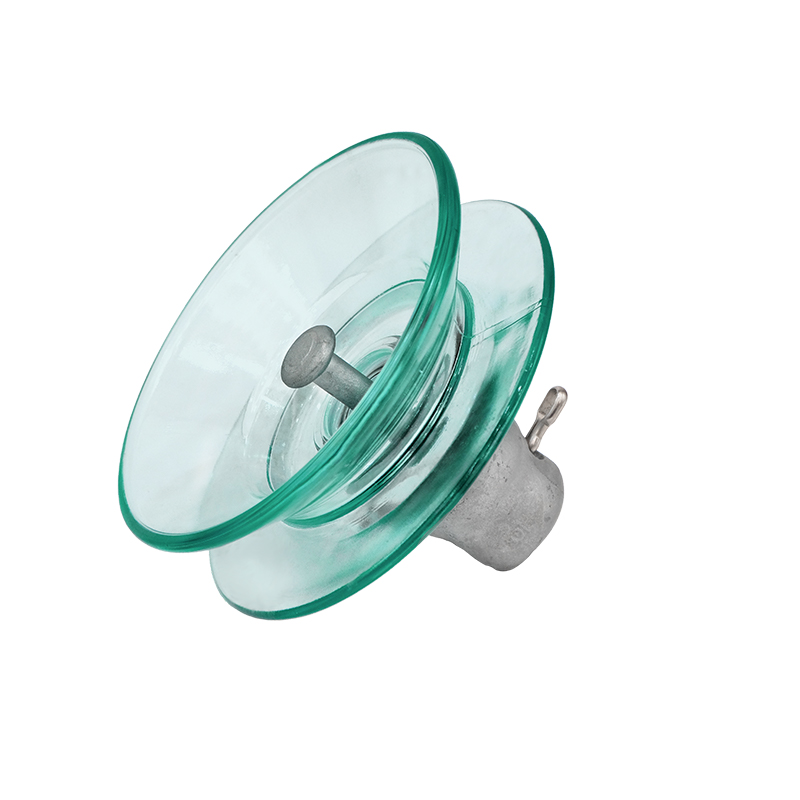
Triple-shed Type glass insulator is characterized by three layers of umbrella discs separated from each other on the insulation body. Open shed design achieves self-cleaning during wind and rain, making it difficult for contaminants to adhere, but also provide a longer creepage distance.
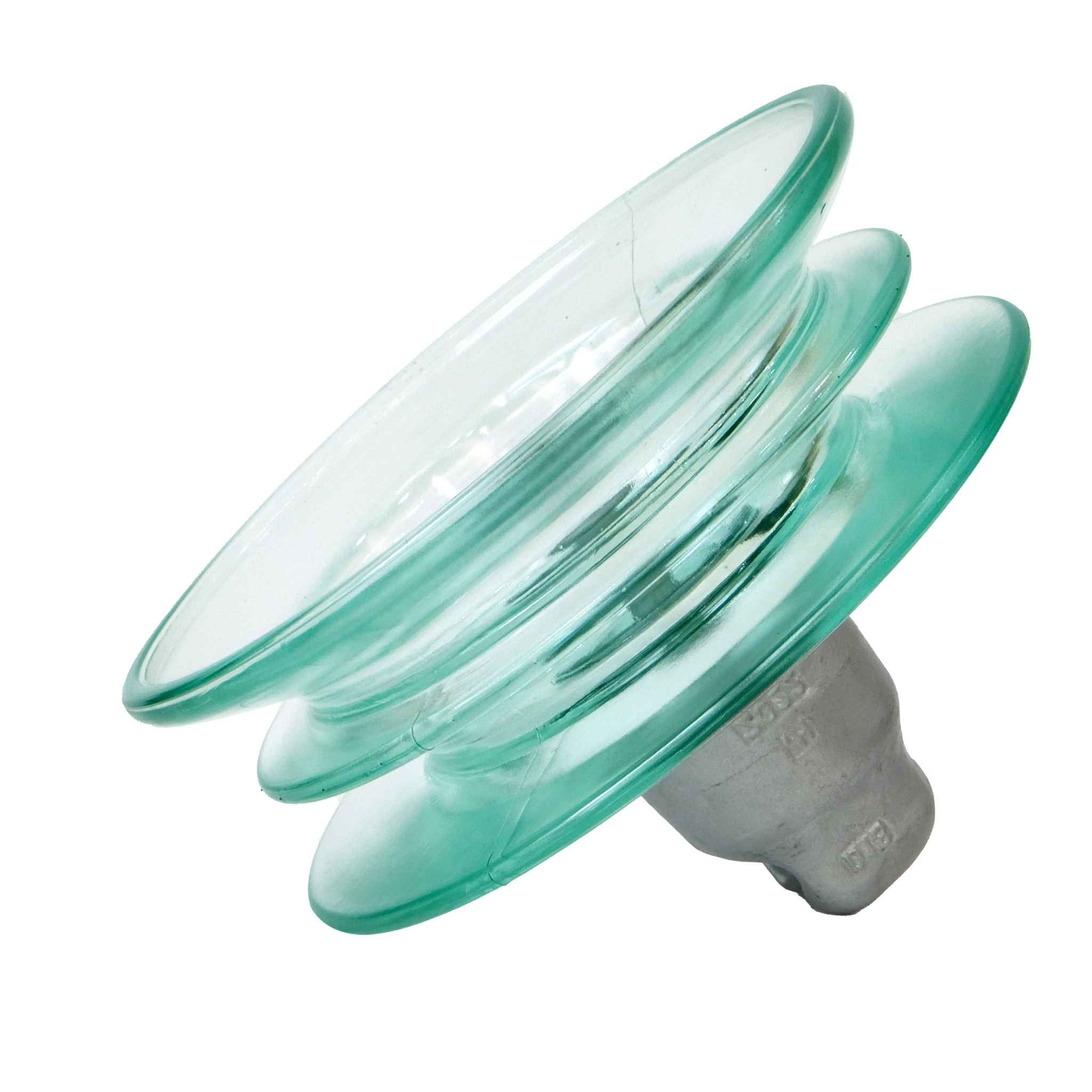
By connecting internal or external metal accessories (such as steel feet and flanges) to the grounding wire, reliable grounding can be achieved. The grounding function effectively guides lightning current, reduces line lightning damage, and protects the safety of lines and equipment.
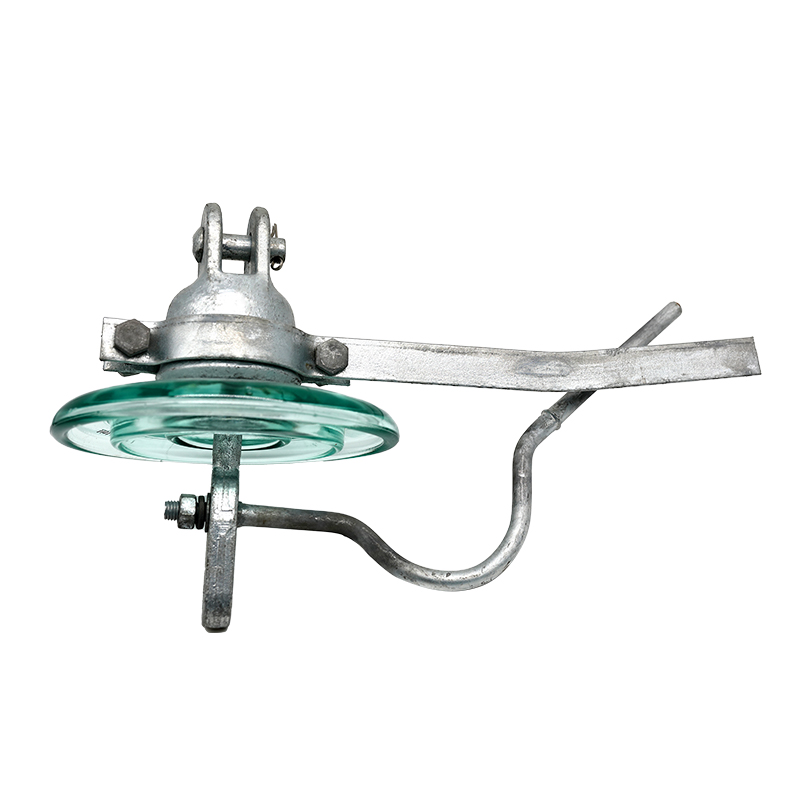
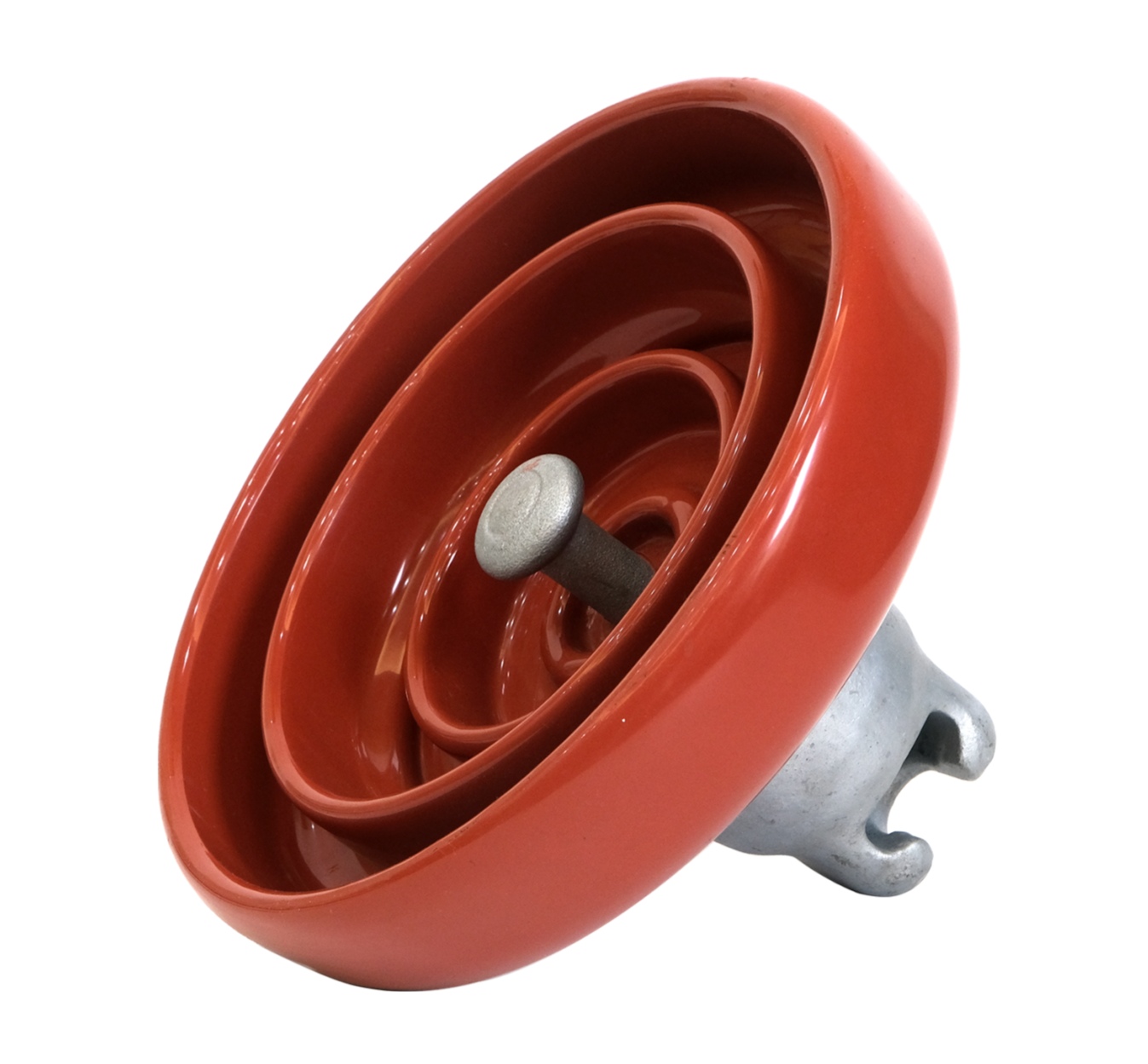
Silicone-coated insulators offer an excellent alternative which guarantees optimum performance for high voltage overhead lines in areas with heavy pollution. They minimise leaking currents and thereby reduce operation and maintenance costs. The product used to coat the insulators is Room Temperature Vulcanization (RTV) silicone which contains mineral fillers embedded in the silicone itself. This silicone increases the hydrophobic nature of the insulator’s surface, thereby improving its performance in polluted areas. Furthermore, the fillers absorb the energy of any possible electric arcs and serve to protect the integrity of the coating.
As the industrial hub of the Cascades region in Burkina Faso, Banfora relies heavily on a robust electrical grid. Crucial economic assets, such as the Grand Moulins du Burkina and sugarcane mills, rely on overhead electrical supply lines connected directly to regional substations. The primary environmental factors that degrade standard power insulators in this localized market include:
During seasonal crop burning and sugarcane harvesting, thick particulate smoke, sugar carbon ash, and high levels of localized organic waste particulates are released into the atmosphere. When these fine carbon-heavy elements settle on high-voltage transmission lines, they form a highly conductive coating that bridges insulator discs, leading to electrical leakage.
From November to March, the Harmattan wind brings dry, dust-laden sand from the Sahara Desert across Burkina Faso. These micro-abrasive silica particles coat the pin and cap regions of insulators. Our anti-pollution profile designs utilize wider spacing and deep under-rib channels to prevent dry-band bridging under windstorm conditions.
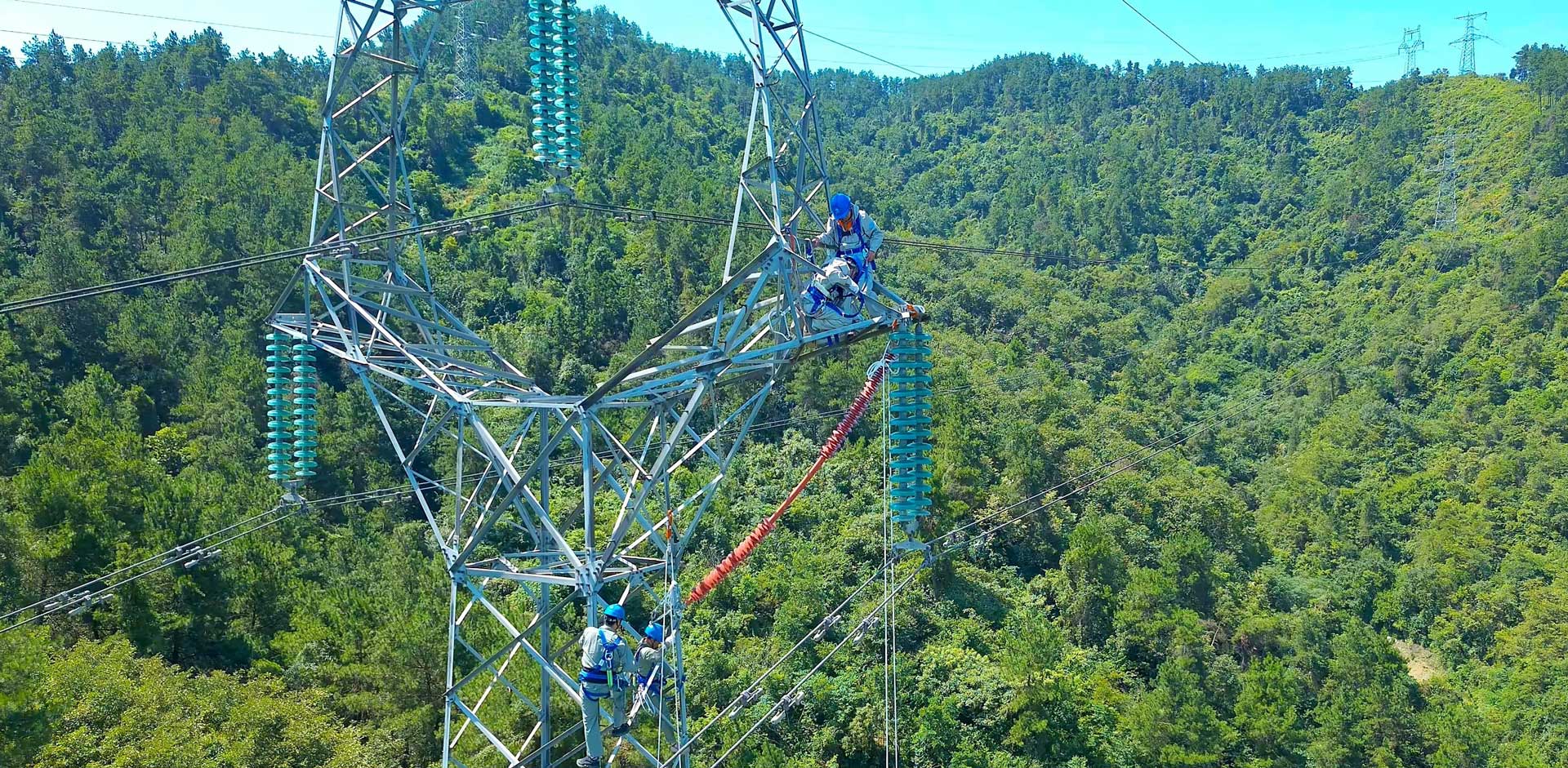
State utility grids operating in the West African Power Pool (WAPP) network, including SONABEL, require specific mechanical performance thresholds. Jiangxi QOCI Electric Co. Ltd's cap and pin glass insulators feature premium galvanization on the steel cap to prevent rust, alongside an high-strength thermal tempering process that prevents micro-cracks from extreme temperature swings between scorching daytime heat and cool desert nights.
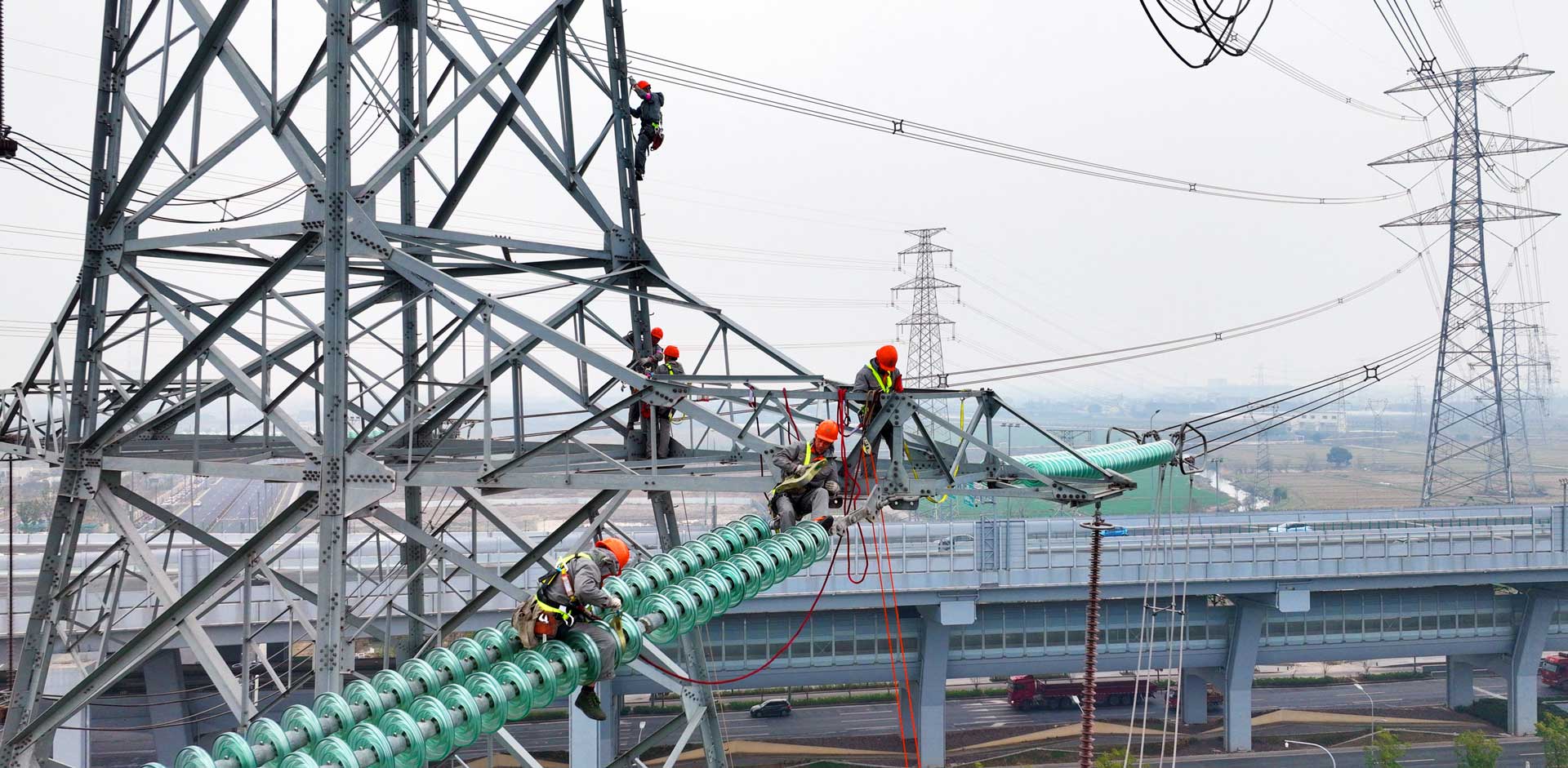
Industrial grade suspension glass insulators configured for major regional transmission grids.
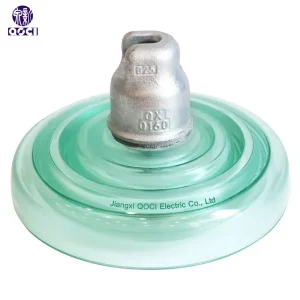
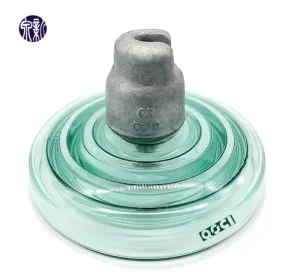
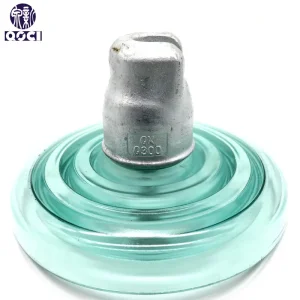
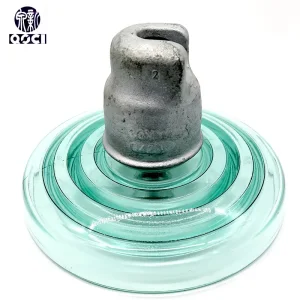
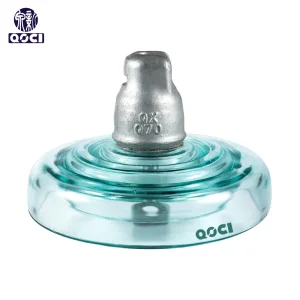
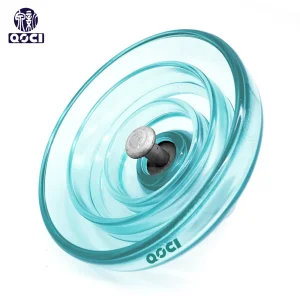
Deep-shed models designed for extra creepage requirements under heavy dust accumulation.
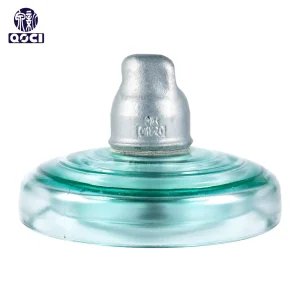
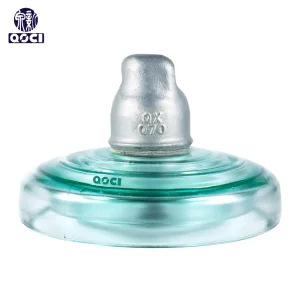
Our production floor employs fully oxygen-fuel fired kilns, automated glass forming press lines, and strict high voltage testing modules.
To ensure compatibility with SONABEL or other regional utility bidding guidelines, select the appropriate model from our inventory below.
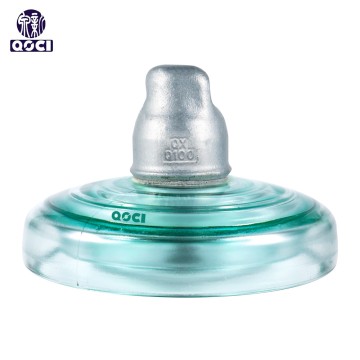
Anti-pollution design with 550mm creepage distance. Suitable for severe desert environments.
Medium range anti-pollution insulator with 450mm creepage distance.
Heavy-duty pin configuration, optimized for agricultural pollution corridors.
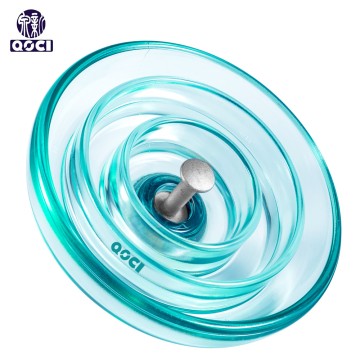
High mechanical rating suspension unit built for 120kN lines.
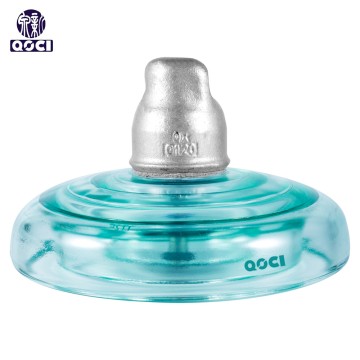
Industrial-grade suspension type with robust galvanized steel components.
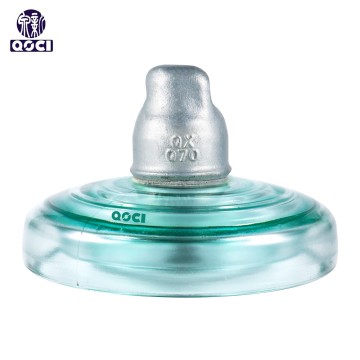
High creepage-to-spacing ratio, preventing electrical flashover in wet seasons.
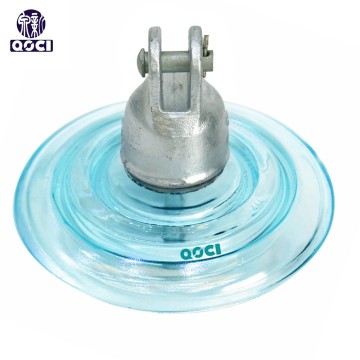
Standard glass insulator profile for light to medium pollution zones.
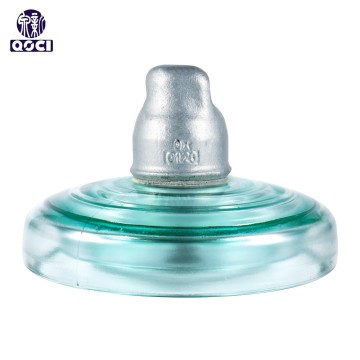
Heavy pollution suspension unit, delivering 550mm creepage for 120kN grid loads.
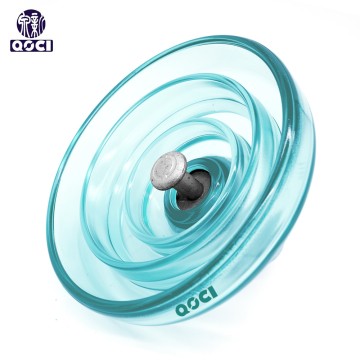
Corrosion-resistant pin design, ideal for agricultural sugarcane crop zones.
Our high-strength toughened glass insulators are engineered to perform across four distinct global environment classifications:
Partnering with national utilities and transmission development firms globally.

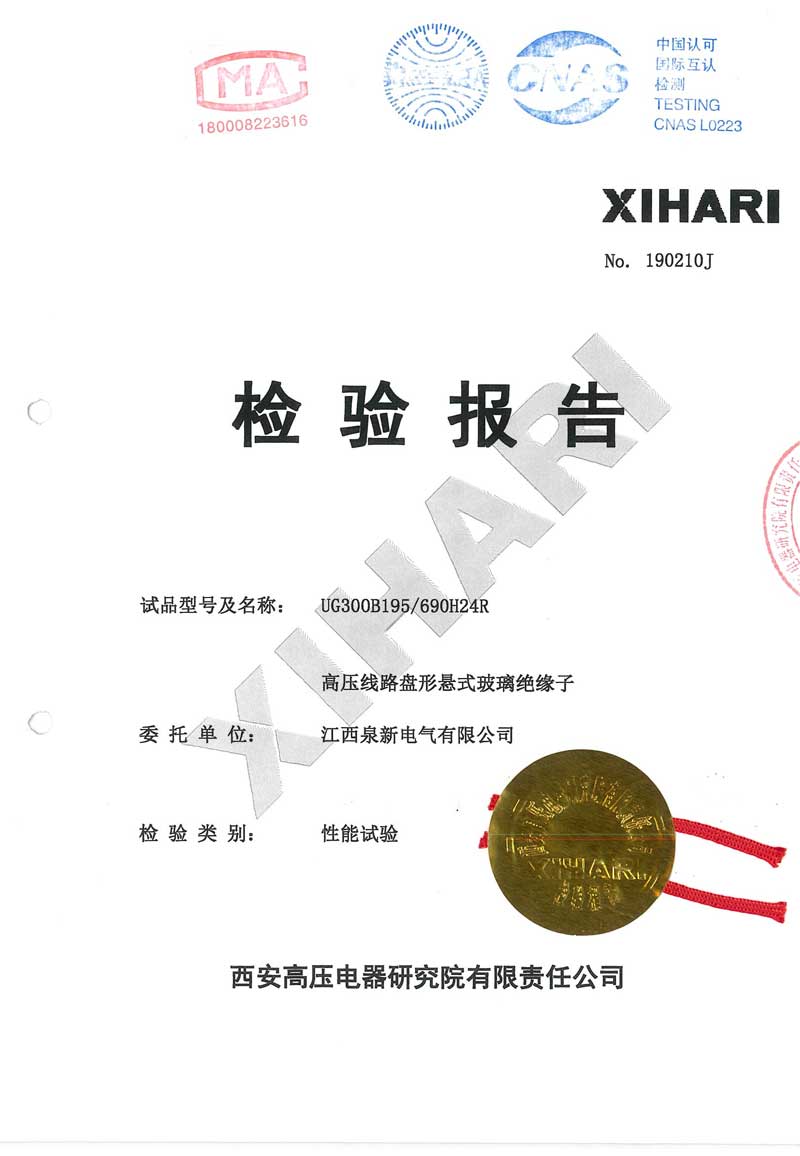
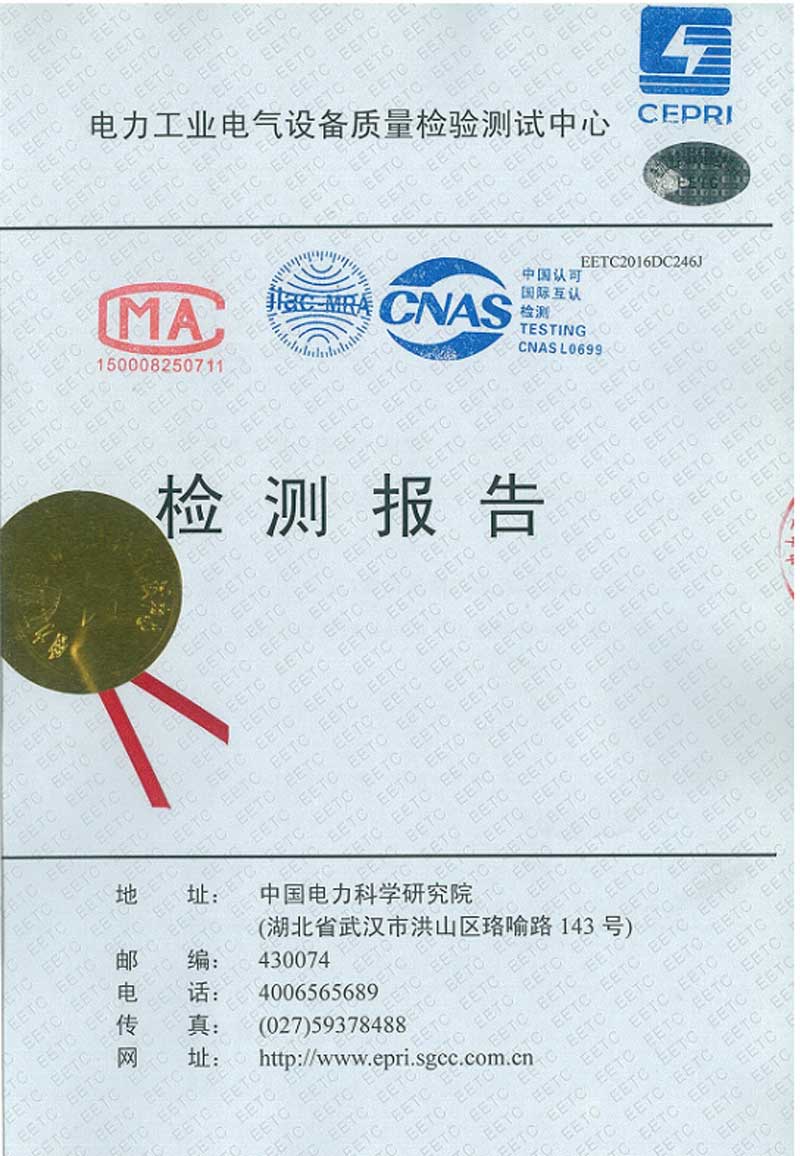
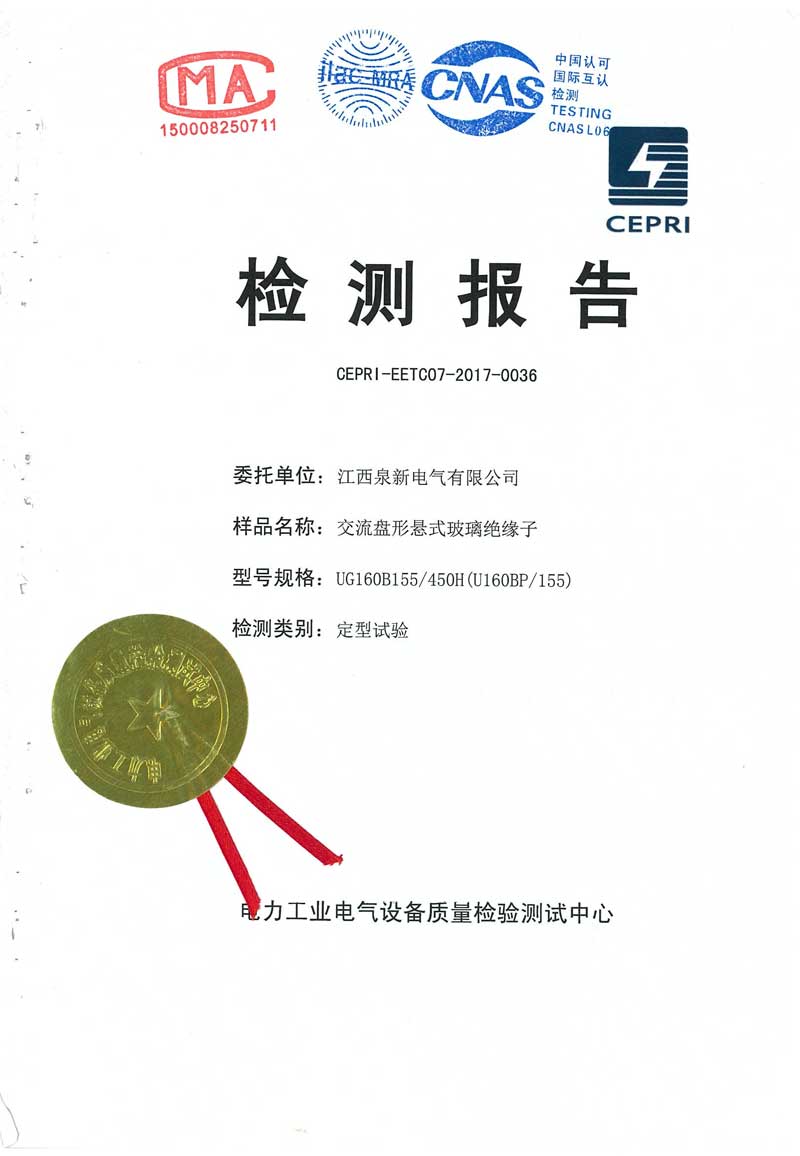
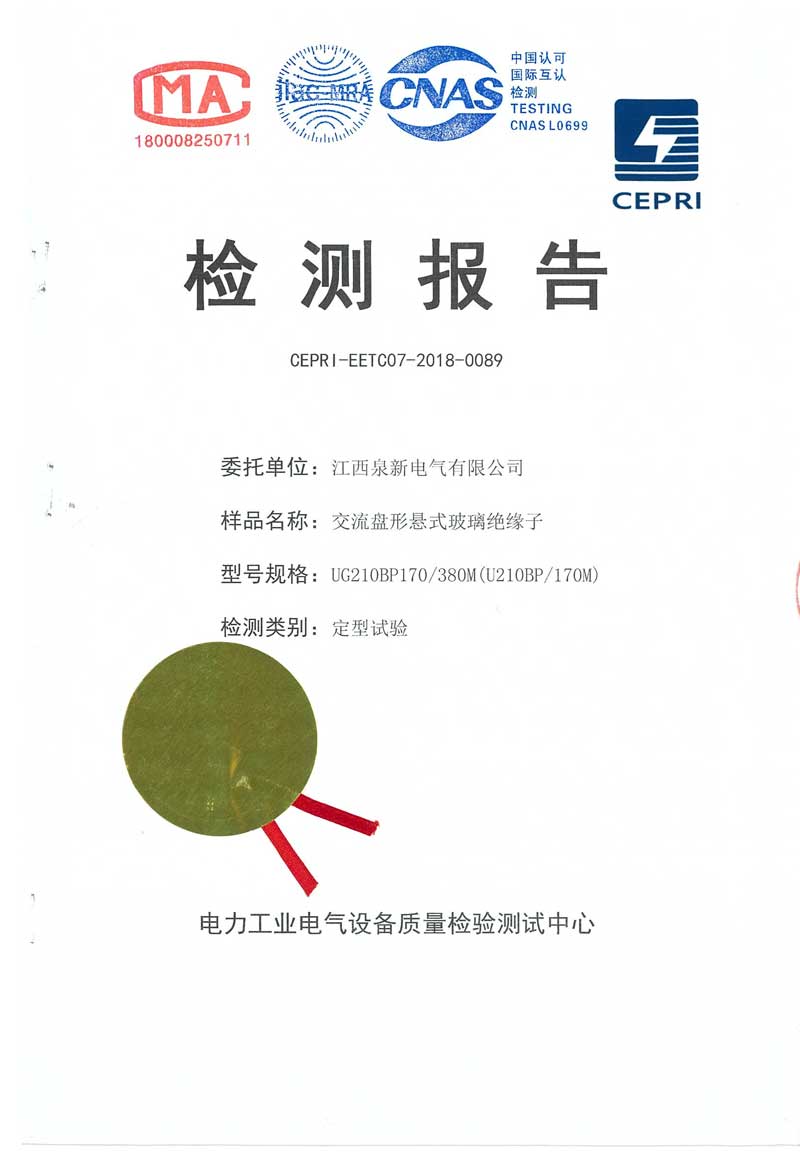
Our glass insulators are verified under strict laboratory conditions to meet KEMA, CESI, and national standards.
Stay updated on our global grid engineering events, academic seminars, and conference appearances.
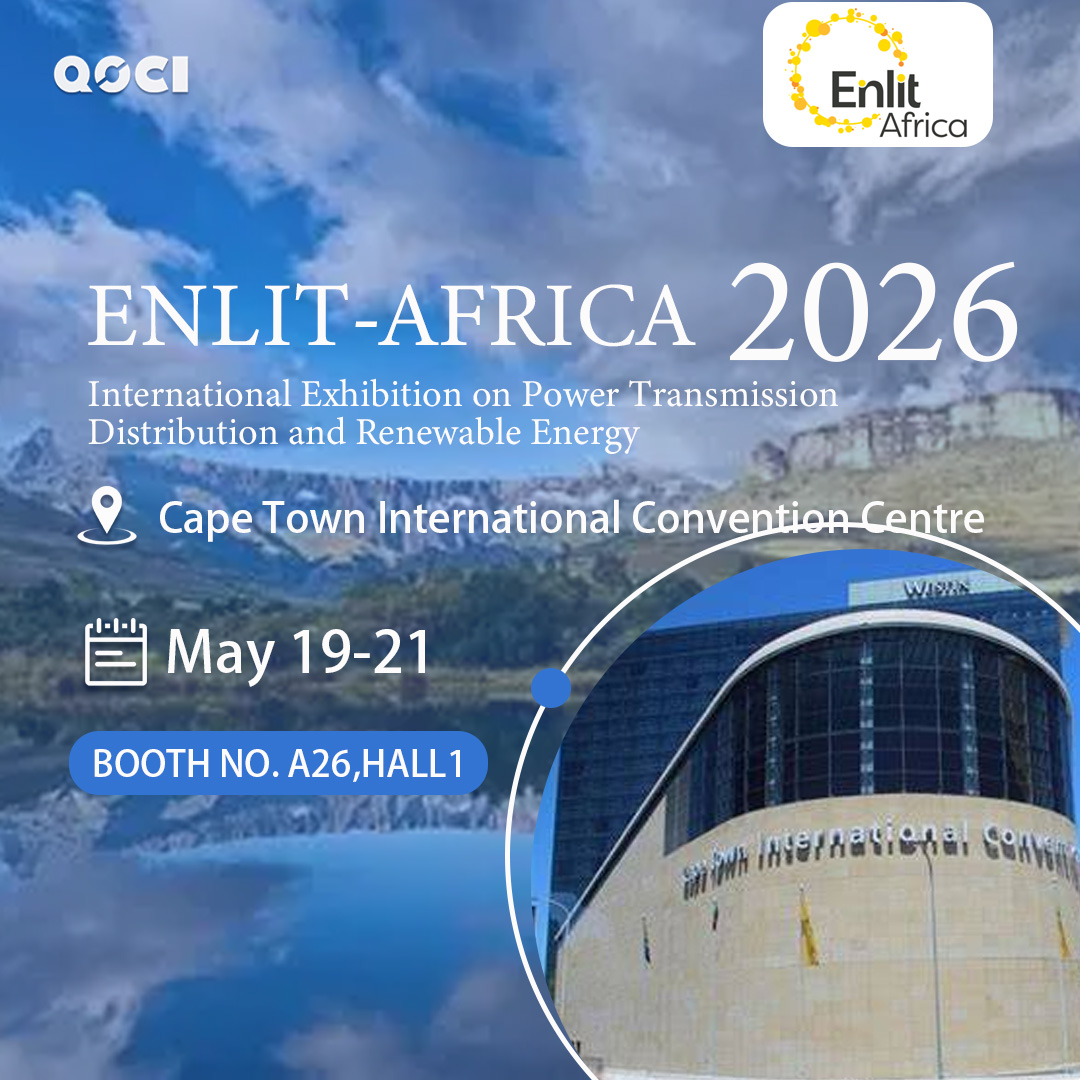
As the global energy transition accelerates, the importance of electricity, renewable energy, and energy storage technologies is becoming increasingly critical across African grids.
Having withstood extreme environmental conditions including icing, high altitude, pollution, earthquakes and typhoons, China's insulator industry leads globally.
Our team at JIANGXI QOCI ELECTRIC CO., LTD invites power distribution professionals to explore our latest high-strength anti-pollution disc lines at the IEEE PES T&D exposition.
Confirming our participation in primary Middle Eastern energy events, showcasing specialized desert sand-resistant open-profile glass insulator designs.
Professional technical answers for electrical grid engineers, distribution operators, and procurement leads.
Contact our senior engineering team to request localized CAD drawings, creepage calculation sheets, and customized manufacturing quotes.
Send Inquiry Now