Dominica, known as the "Nature Island of the Caribbean," presents one of the most challenging operating environments in the world for electrical transmission and distribution systems. The combination of intense tropical marine micro-climates, mountainous topography, heavy rainfall, and volcanic geothermal emissions exposes electrical insulators to severe degradation pathways. In coastal corridors, salt-spray deposits form a highly conductive layer on standard insulator profiles, which can quickly lead to dry-band arcing and line outages.
Furthermore, Dominica's active development of renewable geothermal energy—centered around the Wotten Waven geothermal system—introduces localized sulfur dioxide (SO₂), hydrogen sulfide (H₂S), and acid rain environments. These chemical pollutants catalyze the corrosion of metal pins and pins-caps, whilst contributing to highly conductive particulate deposits on insulation shells. Standard porcelain or early-generation composite insulators struggle under such synergistic stress, prompting Dominica Electricity Services Limited (DOMLEC) and regional engineering contractors to mandate the installation of high-strength, anti-pollution type toughened glass suspension insulators to safeguard transmission corridors against flashover risks.
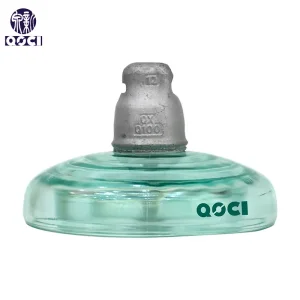
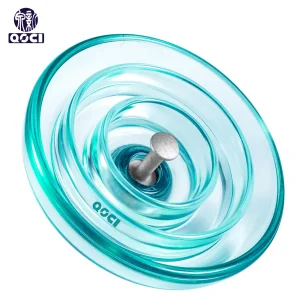
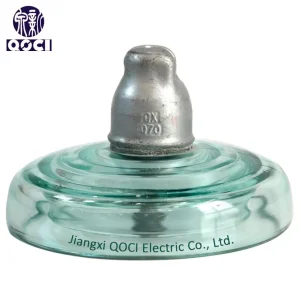
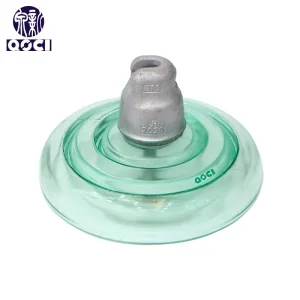
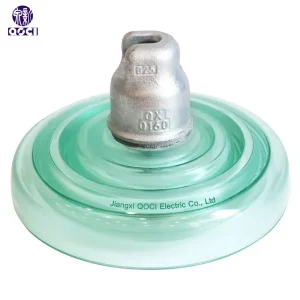
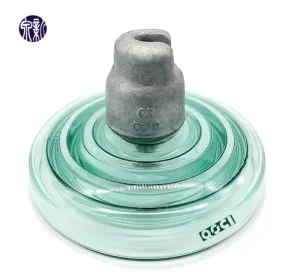
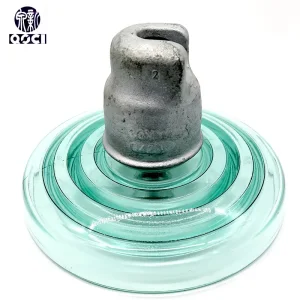
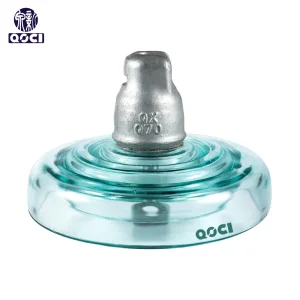
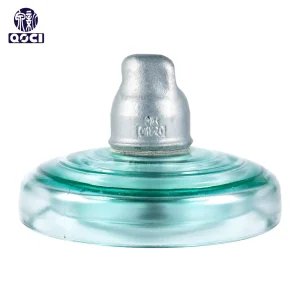
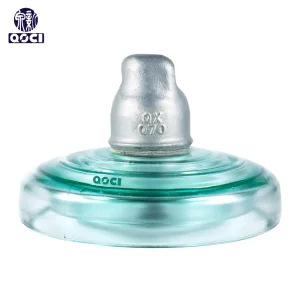
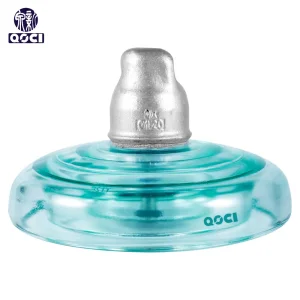
"The combination of marine salinity and volcanic sulfur in Dominica creates a localized high-conductivity micro-film on transmission elements. Utilizing toughened glass insulators with optimized aerodynamic and deeply ribbed configurations (such as the U120BLP or U70BLP) is critical to preventing leakage currents and maintaining system reliability under extreme Caribbean weather events."
Historically, standard porcelain insulators dominated the global power landscape. However, the transmission industry has undergone a massive paradigm shift towards toughened glass and silicone-coated (RTV) toughened glass configurations. Standard profile insulators, designed in accordance with basic IEC 60305 dimensions, rely on shallow, well-spaced ribbing that depends entirely on natural rain and wind to self-clean.
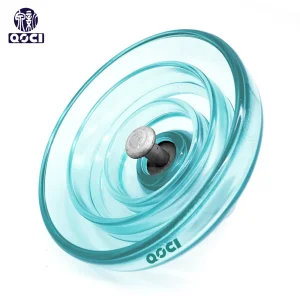
Modern anti-pollution and anti-fog profiles utilize deeply recessed under-ribs that increase the total creepage distance relative to the overall mechanical spacing. This design prevents the formation of continuous conductive moisture paths even in dense coastal fog. The ratio of creepage distance to spacing in these advanced configurations often exceeds 3.2, providing a massive buffer against thermal-electrical flashovers. Additionally, the adoption of Room Temperature Vulcanization (RTV) silicone coatings on tempered glass substrates combines the mechanical integrity of glass with the hydrophobicity of composite materials, eliminating the need for periodic manual washing cycles in desert, industrial, and salt-heavy regions.
For global procurement departments and utility planners in Dominica, procurement is no longer just about ex-works pricing; it is about supply chain resilience, consistency, and compliance with stringent international standards (such as IEC, ANSI, and ISO). China's smart manufacturing transition—characterized by the "Factory 4.0" framework—now delivers unparalleled performance in heavy electrical hardware production.
By utilizing automated total-oxygen kilns, computerized forming presses, and automated thermal-shock testing lines, Chinese manufacturers achieve incredibly tight tolerance bands on high-strength glass insulators. This level of process control ensures that every cap-and-pin assembly can withstand tensile loads ranging from 70kN to upwards of 420kN without internal structural defects. For remote island grids like Dominica, where emergency logistics are expensive and line maintenance is complex, importing zero-defect, high-reliability glass insulators from advanced Chinese facilities represents a significant reduction in operational risk and overall life-cycle costs.
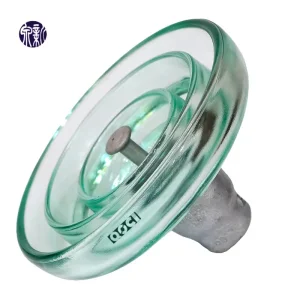
Long and widely spaced under-ribs prevent dry-band bridging and promote wind-induced self-cleaning in Dominica's humid coastal zones.
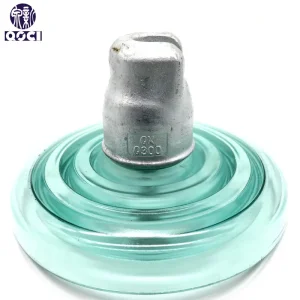
Equipped with heavy zinc sleeves and hot-dip galvanized steel pins to resist localized volcanic sulfur and acid rain degradation.
Optional factory-applied Room Temperature Vulcanization (RTV) silicone coatings provide permanent hydrophobicity in salty air.
Selecting the correct profile requires evaluating specific leakage distances and environmental exposure limits. Below is a engineering guide contrasting standard insulators with dedicated anti-pollution (fog-type) profiles for coastal installations:
| Performance Parameter | Standard Profile Glass (IEC 60305) | Anti-Pollution Profile Glass (U120BLP / U70BLP) | RTV Silicone Coated Toughened Glass |
|---|---|---|---|
| Creepage to Spacing Ratio | ~ 2.2 to 2.5 | > 3.0 (Typically 3.2+) | Dynamic (Depends on base glass profile) |
| Hydrophobic Recovery | Poor (Hydrophilic glass surface) | Moderate (Relies on design aerodynamics) | Excellent (HC 1 - HC 2 class recovery) |
| Salt-Fog Performance | Risk of dry-band flashover | High resistance due to isolated ribs | Maximum resistance, zero wetting paths |
| Cleaning Requirements | Frequent manual washing in dry zones | Minimal (Excellent rainfall self-cleaning) | Virtually zero-maintenance |
| Dominica Application Suitability | Inland valleys with heavy rain only | Coastal highways, mountainous passes | Geothermal output zones & heavy salt zones |
Partner with an industry-certified manufacturer to secure premium, ultra-reliable anti-pollution toughened glass insulators customized to Dominica's severe weather conditions.
Send Inquiry Now