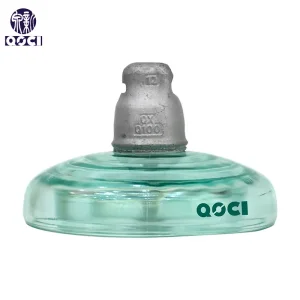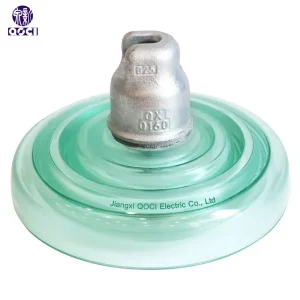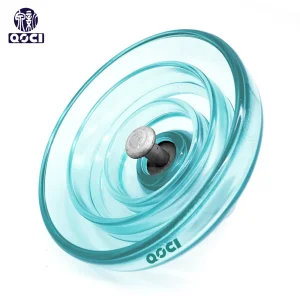
Engineered for high voltage grids, industrial pathways, and desert distribution networks in Kaédi.
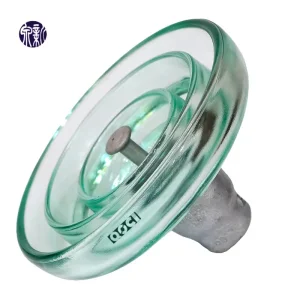
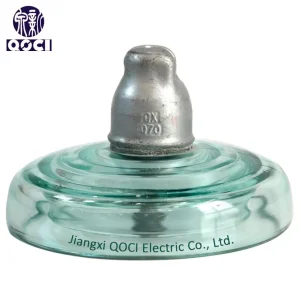
The electrification roadmap of southern Mauritania, particularly centering on the city of Kaédi and the Gorgol region, demands high-performance power grid infrastructure. As a critical link along the Senegal River basin, Kaédi experiences unique climatic pressures. It transitions between extreme desert heat, the dusty, dry Harmattan winds carrying highly abrasive sand, and humid conditions during the tropical rainy season. For high-voltage transmission lines, particularly the critical links connecting the OMVS (Organisation pour la Mise en Valeur du fleuve Sénégal) grid system, insulation integrity is paramount.
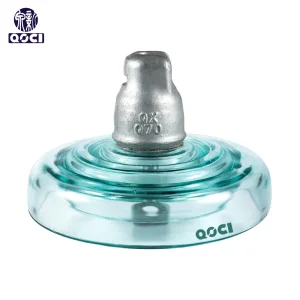
Traditional porcelain and composite materials are prone to rapid UV decomposition, electrical tracking, and dry-band flashover under Sahara-Sahelian conditions. This paper evaluates the structural advantages, physical mechanics, and materials science behind using Anti-Pollution Type Toughened Suspension Glass Insulators (ranging from 70kN to 420kN) to assure the mechanical longevity and electrical stability of regional power networks.
Kaédi is subject to severe particulate accumulation. During dust storms, high volumes of dry, non-soluble sand pile up on the ribs of overhead insulator discs. In the dry winter months, this dust layer remains non-conductive. However, during periods of high humidity—such as during morning river mists from the Senegal River, or the sudden onset of monsoon rains—this dry crust absorbs moisture. The dust dissolves ambient salts, creating a highly conductive slurry on the insulator surface.
This phenomenon increases leakage current, initiating electrical tracking, partial discharge arcs, and eventually catastrophic pollution flashovers. The unified specific creepage distance (USCD) in such a high pollution profile must meet IEC 60815 requirements for Class E (Very Heavy) environments, requiring specific profiles that promote natural wind/rain self-cleaning, such as open profile designs and long under-rib designs.
Toughened glass provides superior thermal-mechanical properties over standard porcelain. Manufactured through a process of rapid thermal quenching, the glass shell builds a highly resilient outer compression layer and a balanced inner tensile core. This structure prevents micro-cracks from propagating, making the insulator highly resistant to high thermal shocks—essential when ambient temperatures drop from 45°C during the day to 15°C at night.
Key properties of our toughened glass line include:
Different sections of the Kaédi transmission routes demand optimized profile geometries:
Serving the global power grid with dedication, actively participating in green energy projects and modern industrial infrastructure.
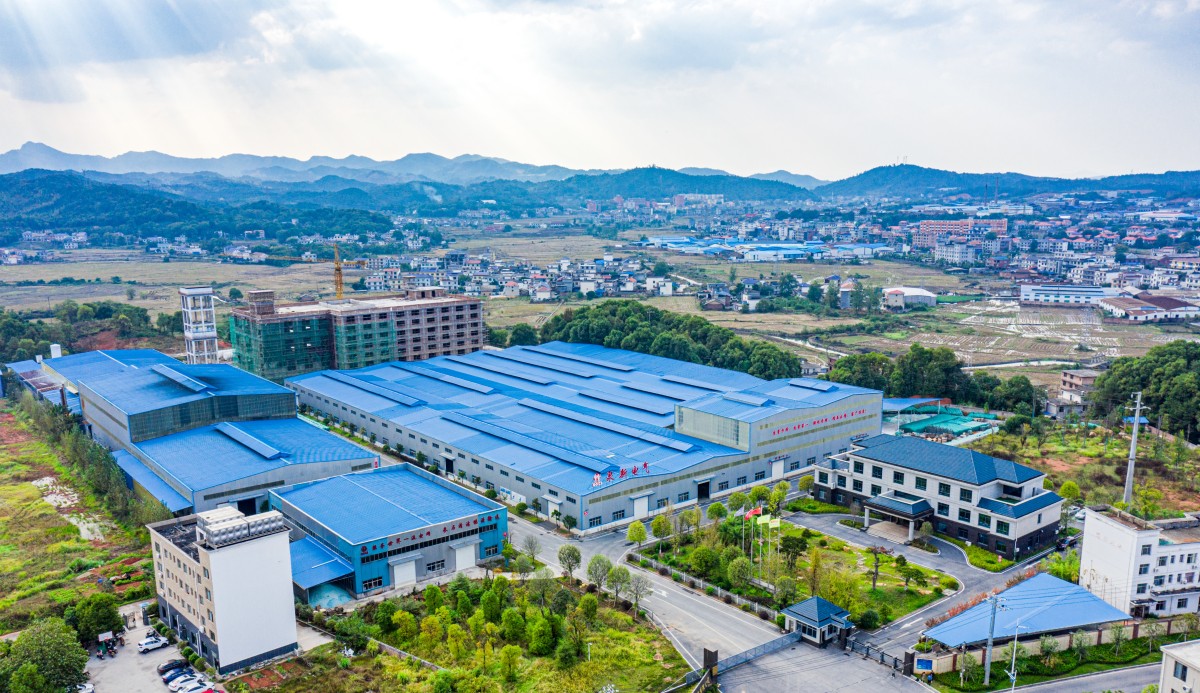
Jiangxi QOCI Electric Co., Ltd. was founded in December 2002 with a registered capital of 508 million Yuan. Our facility is situated in the Luxi County Industrial Park, Pingxiang, Jiangxi Province, spanning over 100 mu. We specialize in producing premium glass insulators designed to withstand severe environmental stress, serving transmission lines globally.
Our commitment to quality ensures grid stability, combining material science with automated glass pressing processes to deliver highly resilient insulation solutions.
Connect with our Engineering TeamA comprehensive portfolio of glass insulator profiles designed to combat wind, moisture, and dust.
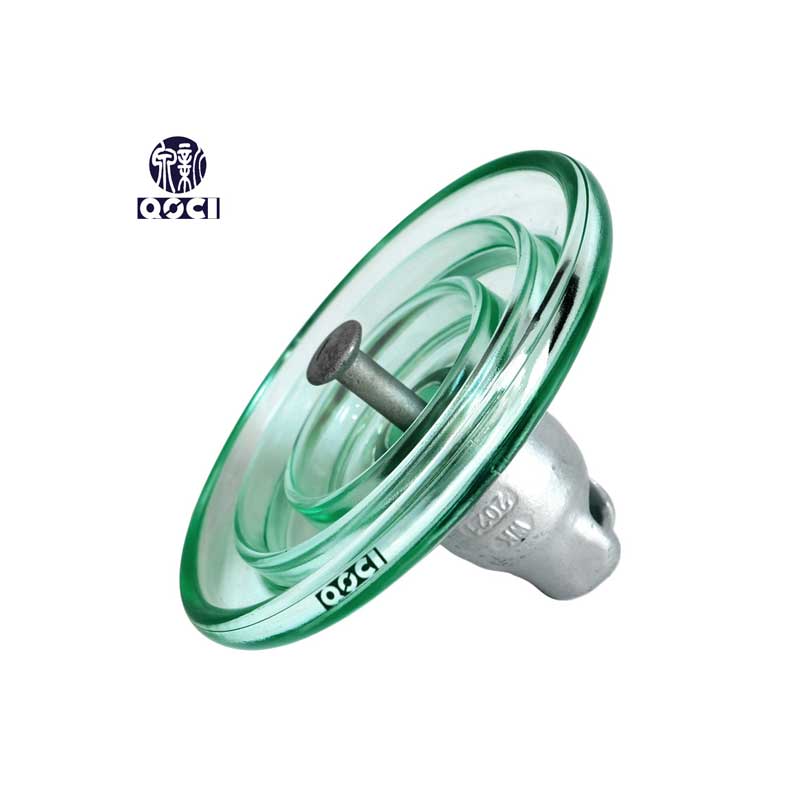
Features creepage distances exceeding basic IEC 60305 requirements. Shallow, well-spaced ribs facilitate self-cleaning during wind and rain.
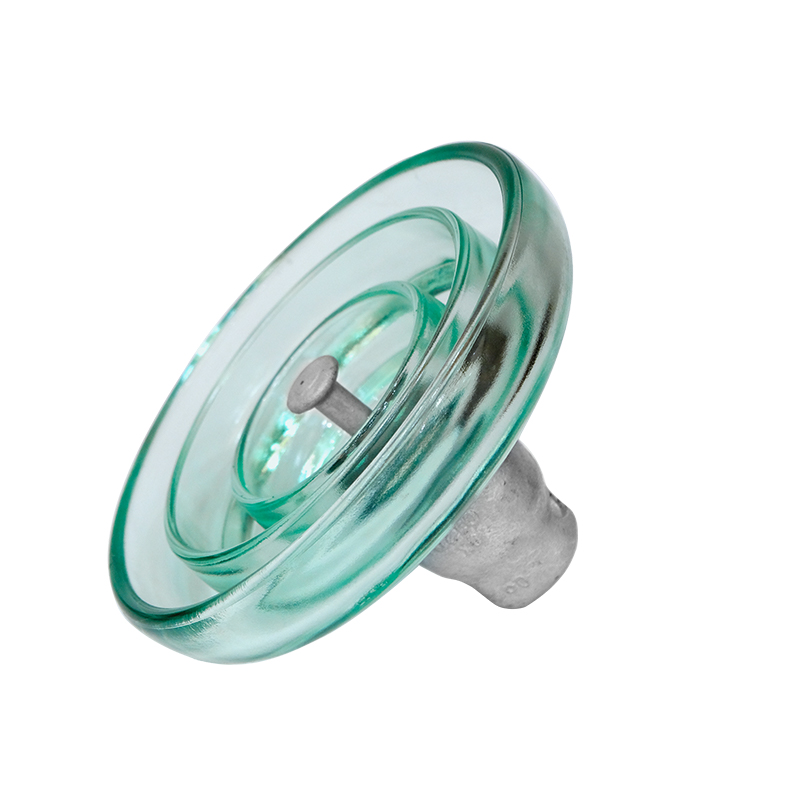
Engineered with long, widely spaced under-ribs to prevent arc bridging under high humidity. Ideal for coastal zones and humid river plains.
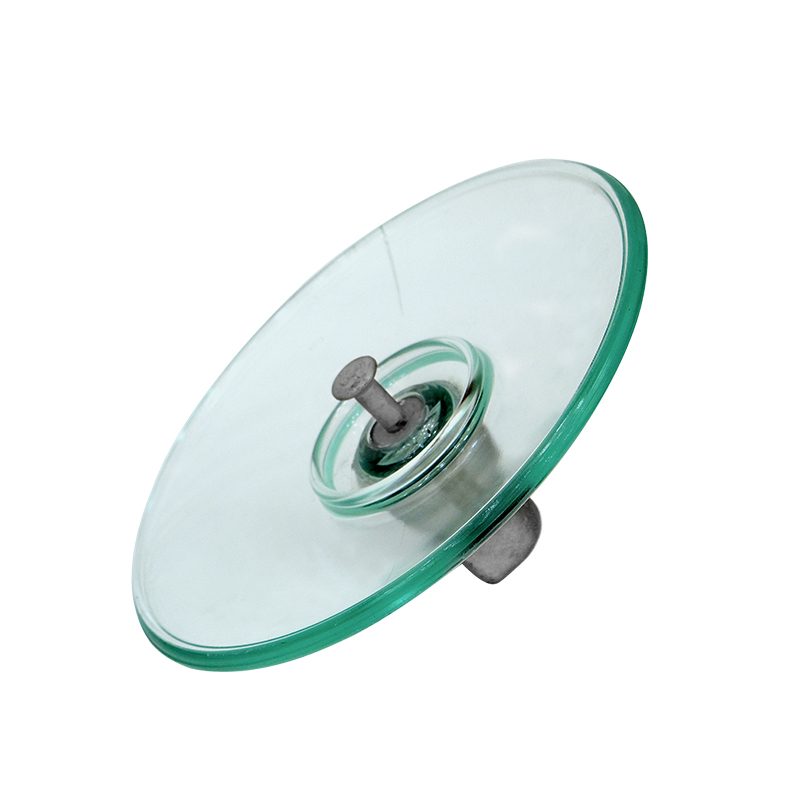
Designed without under-ribs to prevent sand accumulation. Ideal for windy desert regions where manual washing is impractical.
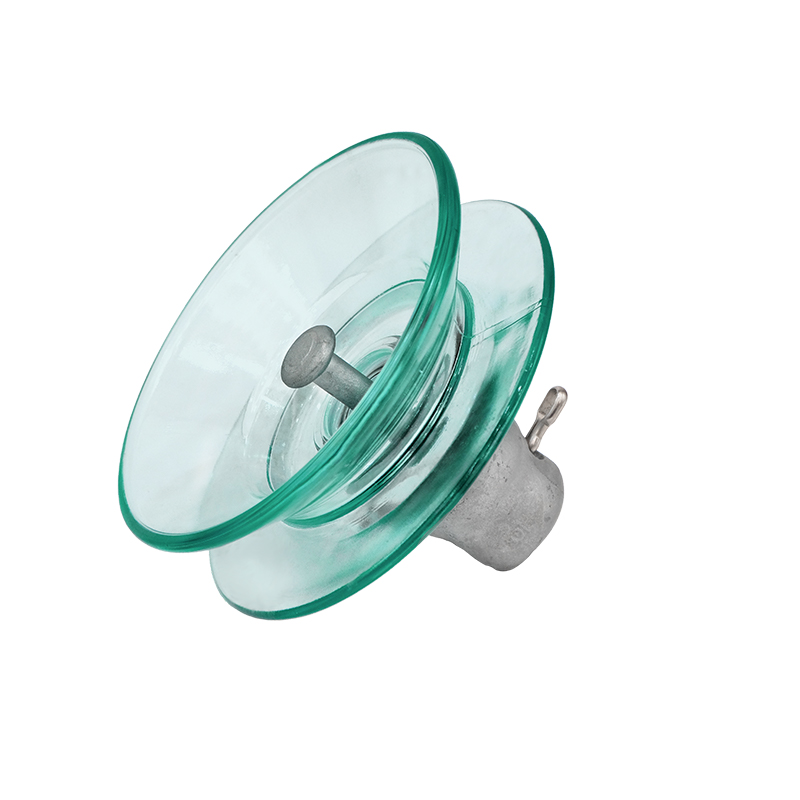
Features two external ribs to limit dust accumulation. Improves wind-driven self-cleaning and facilitates manual washing when needed.
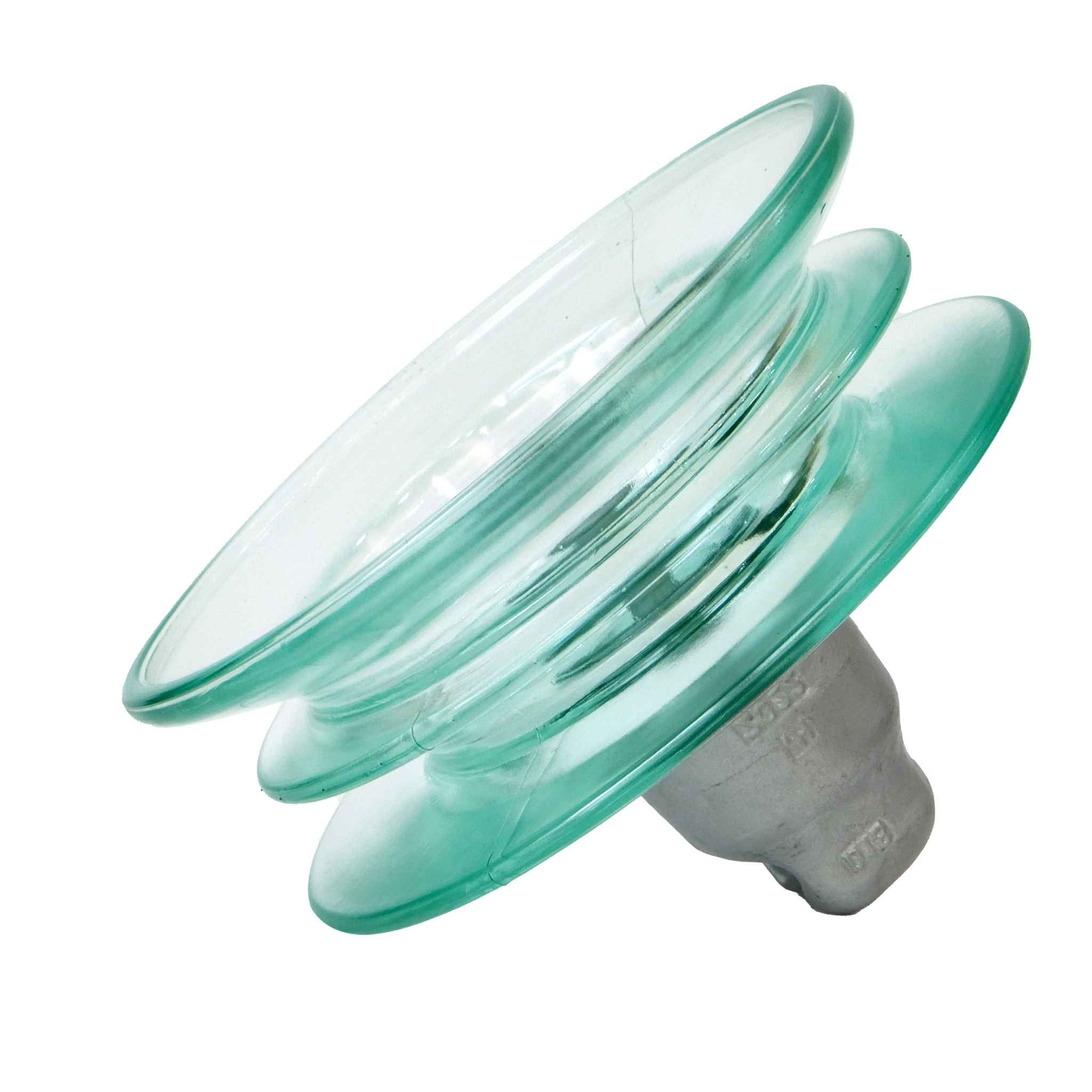
Features three layers of spaced umbrella discs, providing a long creepage path. Performs well under severe industrial pollution and high-altitude lines.
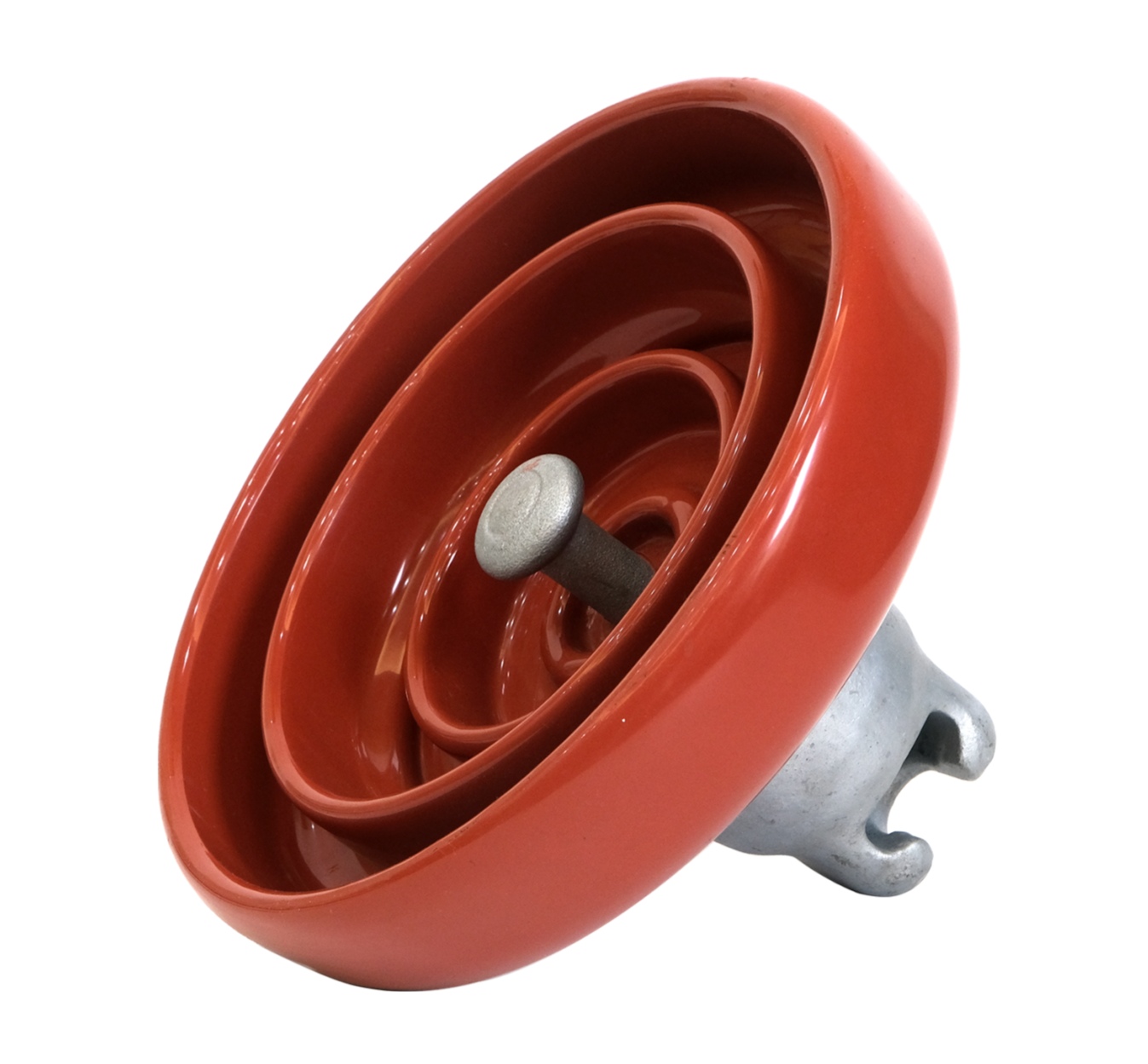
Combines glass mechanical strength with RTV silicone hydrophobicity. Limits leakage currents, reducing overall maintenance costs in polluted areas.
Step-by-step production oversight ensuring mechanical and electrical performance.
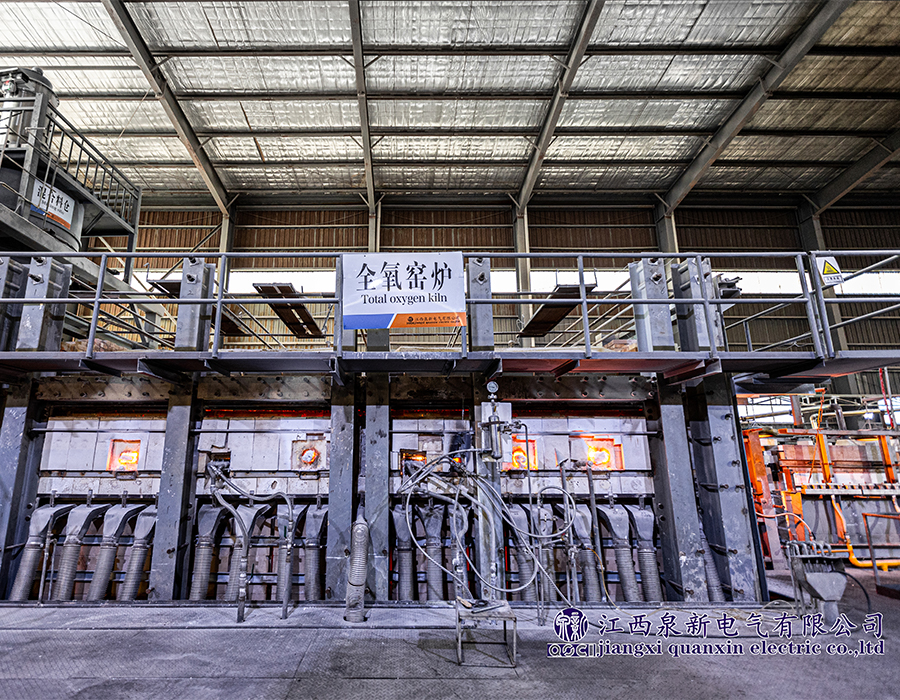
Maintains uniform temperatures to yield stable glass structures free from internal micro-bubbles.
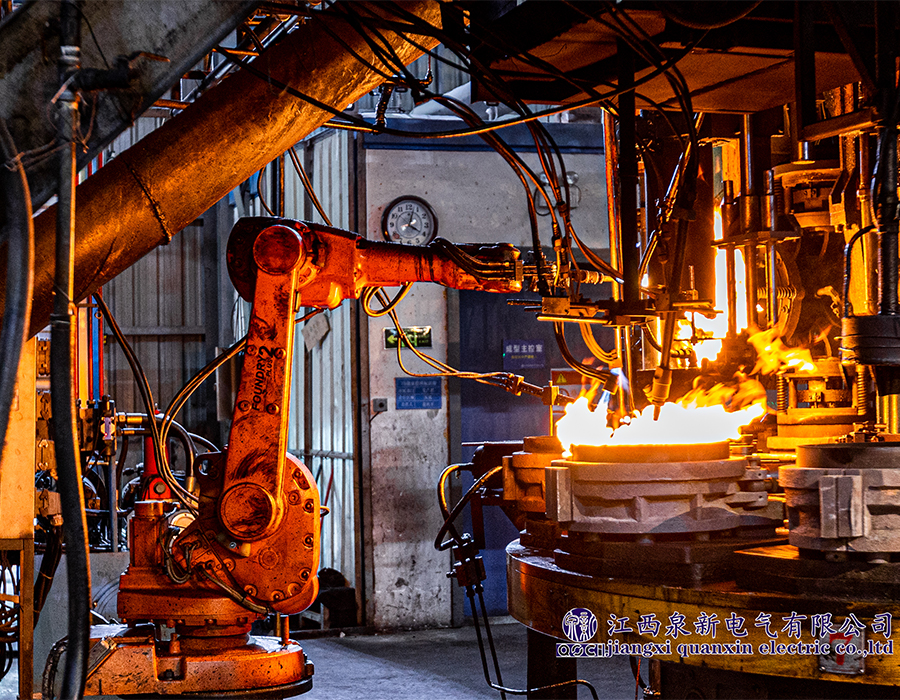
Automated glass press systems form the complex profiles of standard and anti-pollution insulator discs.
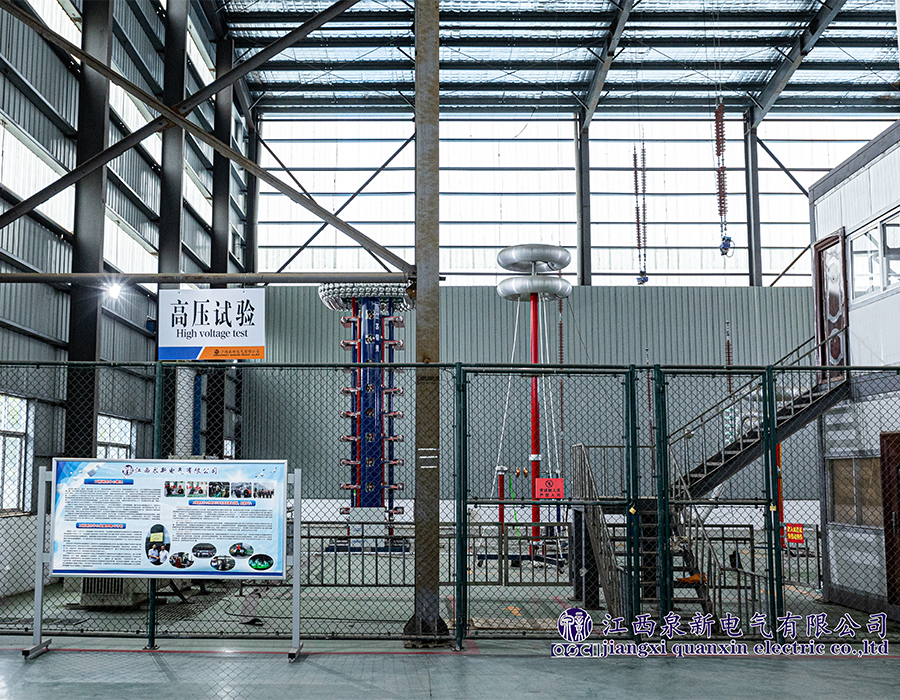
Each unit undergoes steep-front impulse voltage and mechanical load testing to verify grid safety.
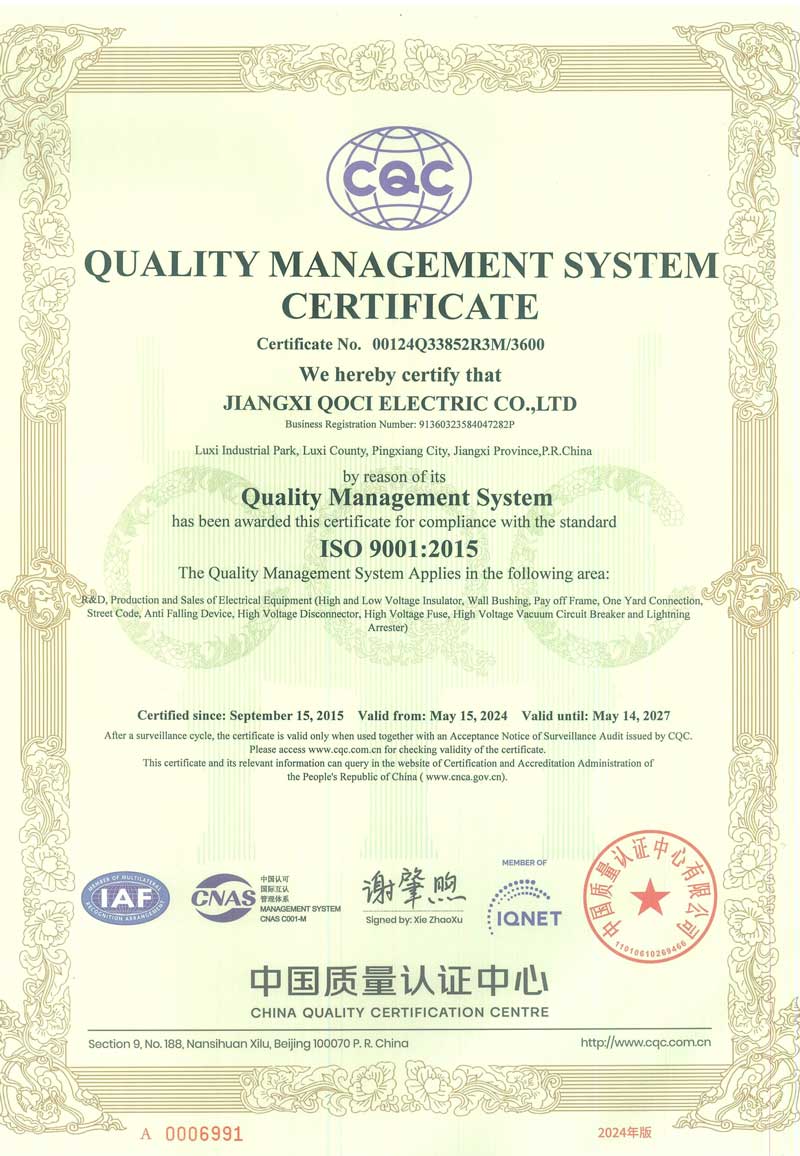
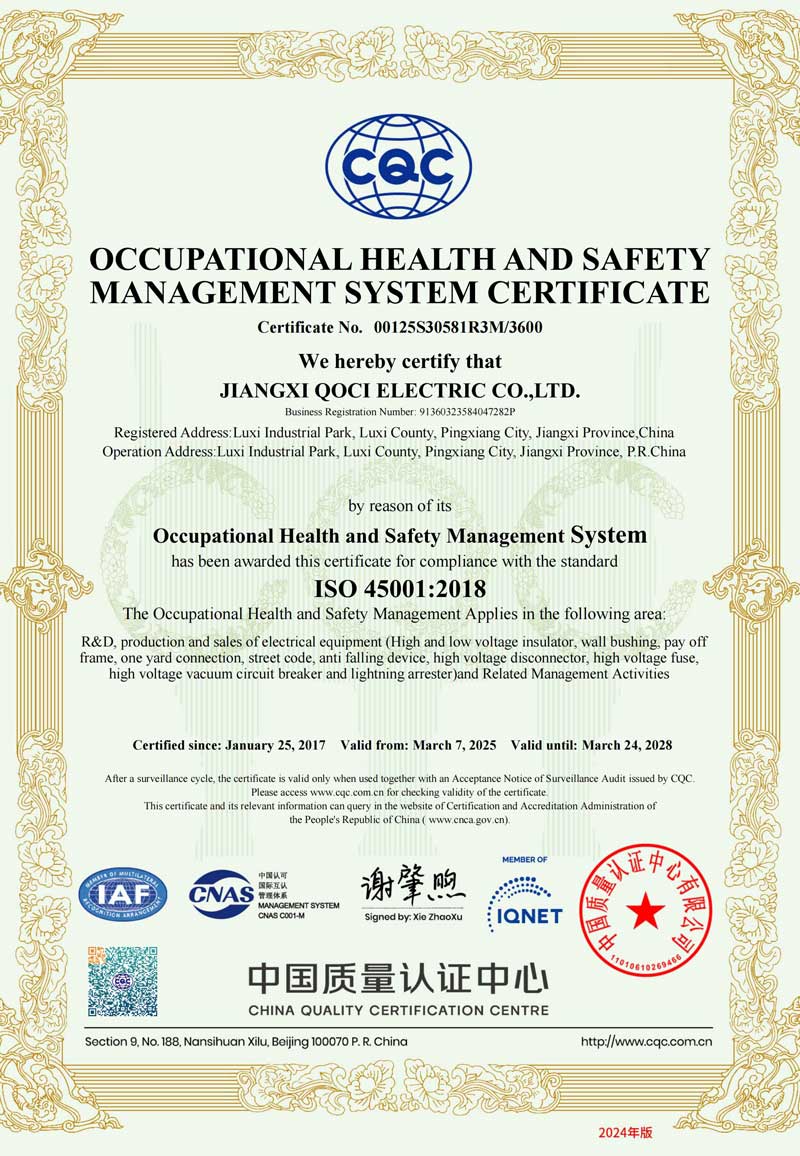
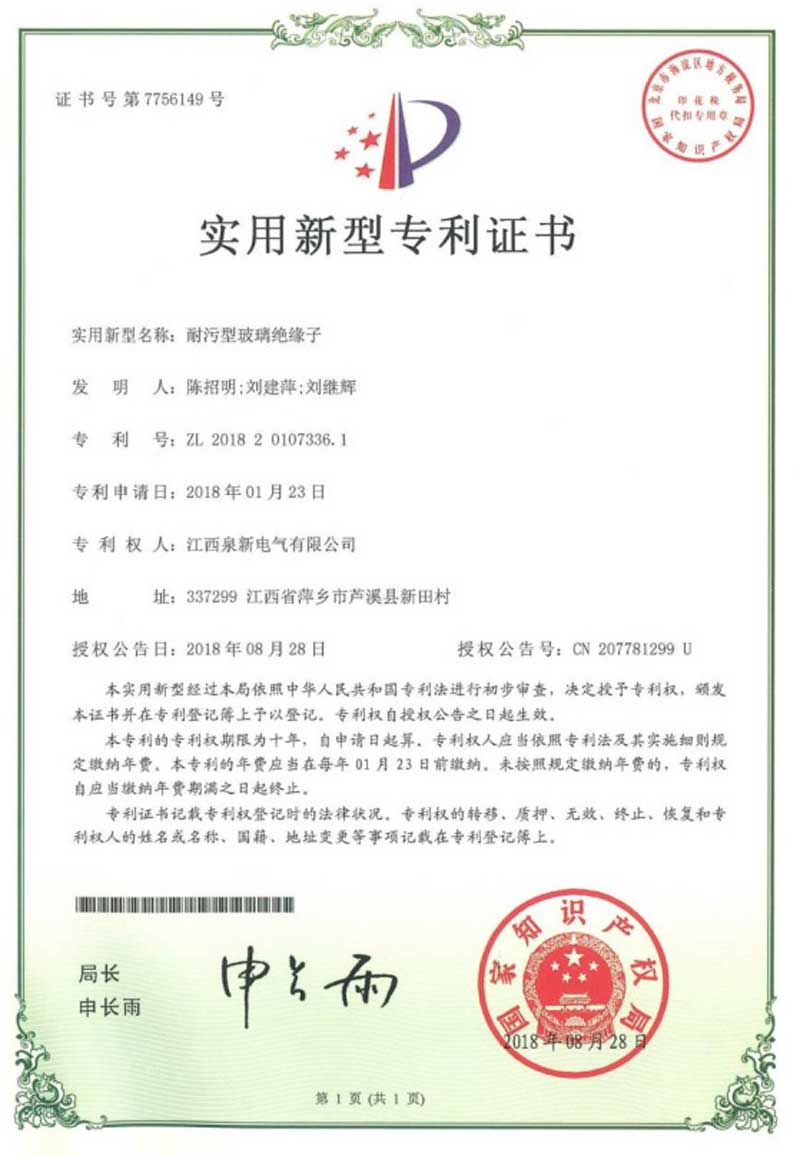
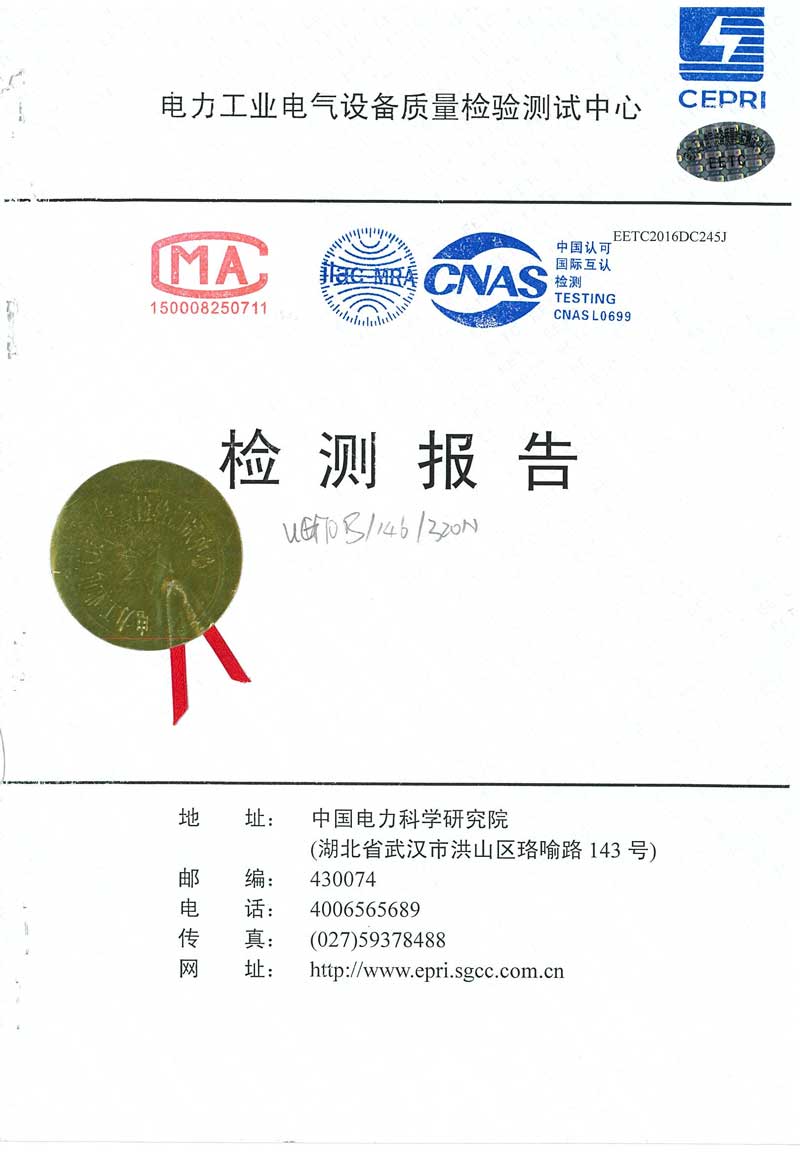
Our facility holds complete certification compliance to international safety standards.
Addressing engineering questions regarding insulators in high-pollution and desert areas.
Complete product listings for 70kN to 420kN requirements, supporting medium to ultra-high voltage grids in Kaédi.
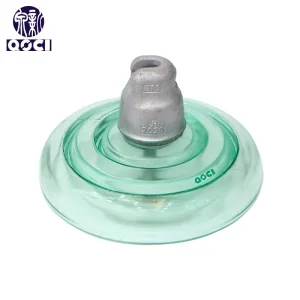
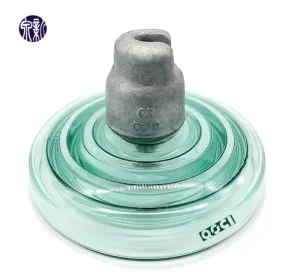
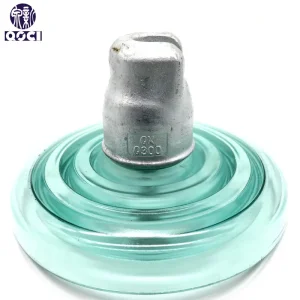
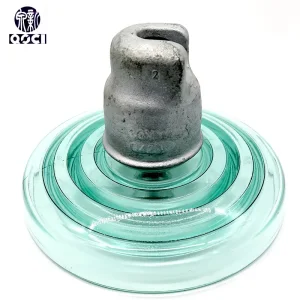
Supporting international EPC contractors and regional utility operators.

Get in touch with our engineering team for localized calculations, creepage distance checks, or volume pricing for transmission infrastructure projects in West Africa.
Send Inquiry Now