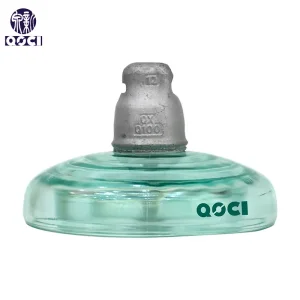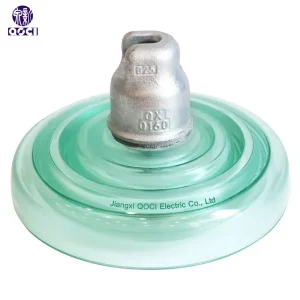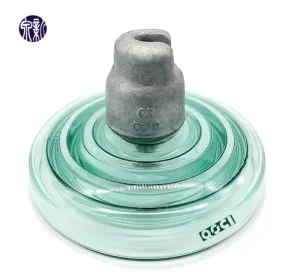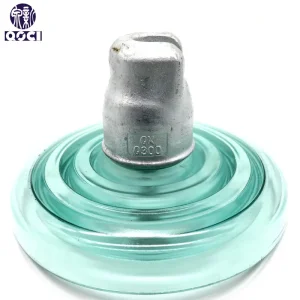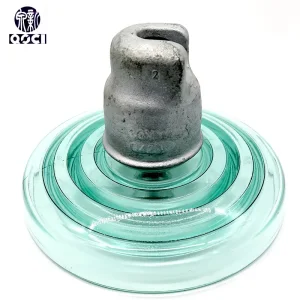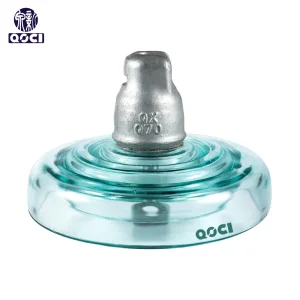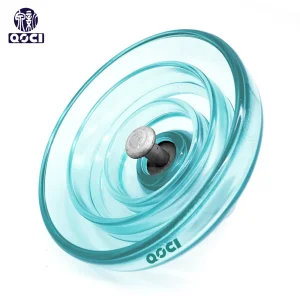
Engineered for high-voltage transmission lines in coastal and industrial zones.
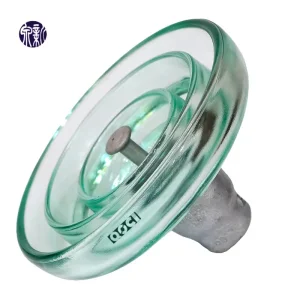
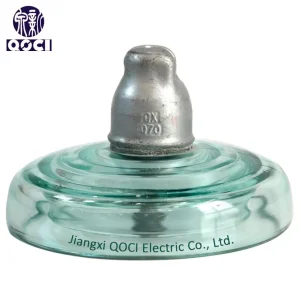
In the rapidly evolving landscape of global energy infrastructure, the reliability of high-voltage transmission lines is paramount. Osaka, as a pivotal hub of the Hanshin Industrial Region, presents a unique set of challenges for electrical insulation. The convergence of dense industrial emissions and the high-salinity maritime environment of Osaka Bay necessitates "Anti-Pollution Type" glass insulators that exceed international standards.
Osaka serves as the economic heart of Western Japan. With its massive port facilities, petrochemical complexes, and heavy manufacturing zones, the local power grid (managed largely by Kansai Electric Power) must withstand "Salt-Fog"—a condition where seawater aerosols settle on insulator surfaces, creating conductive paths that lead to flashovers. Our Anti-Pollution type insulators, specifically the U120BLP and U160BLP series, are engineered with deep under-ribs to increase creepage distance, effectively mitigating the risk of leakage currents in these high-humidity environments.
Globally, the shift toward Renewable Energy (Wind and Solar) and Ultra-High Voltage (UHV) DC transmission is driving the demand for specialized glass insulators. Unlike traditional porcelain, toughened glass offers "zero-puncture" reliability and visible fault detection, which significantly reduces maintenance costs for utilities. Current trends indicate a move toward RTV (Room Temperature Vulcanization) silicone-coated glass, combining the mechanical strength of glass with the hydrophobicity of polymers—a solution we are actively deploying in major infrastructure projects worldwide.
The future of insulation in Osaka lies in Smart Monitoring and Material Hybridization. Our technical roadmap includes the integration of hydrophobic coatings and aerodynamic profiles that utilize natural wind and rain in the Kansai region for self-cleaning. As Osaka prepares for future smart-city initiatives, the stability of the 500kV and 275kV networks will depend on insulators that can handle increased thermal loading and environmental pollutants without degradation.
Features long and widely-spaced under-ribs to avoid arc bridging. Ratio of 3.2 leakage distance/spacing. Ideal for Osaka's salt-mist days.
Key for UHV lines. Provides massive creepage distance and stable electrical performance in heavily polluted industrial zones.
The ultimate barrier. Adds permanent hydrophobicity to glass, eliminating the need for manual cleaning in hard-to-reach coastal towers.
We provide comprehensive solutions for power grid operators. This includes mapping pollution levels in specific Osaka districts—such as Sakai or Konohana—to recommend the precise mechanical strength (from 70kN up to 420kN) and profile needed. Our factory utilizes Total Oxygen Kilns and High Voltage Testing labs to ensure every unit leaving the facility is "Osaka-Ready."
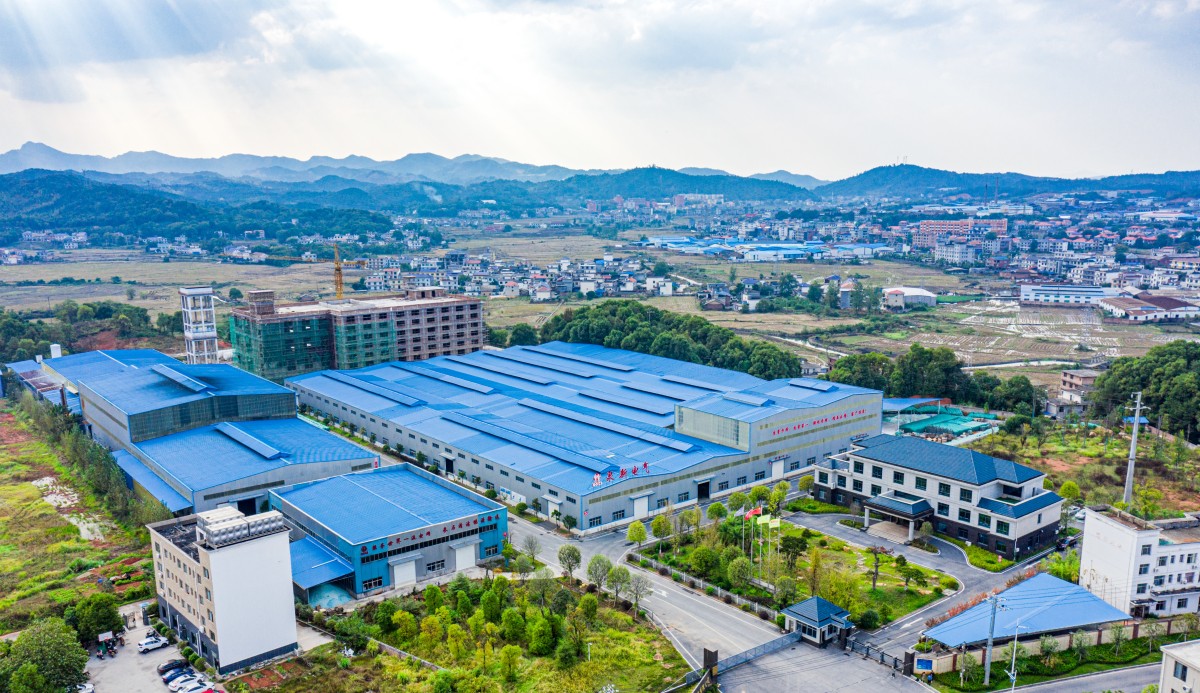
Founded in 2002, Jiangxi QOCI Electric Co. Ltd is a cornerstone of the global insulator industry. Located in Luxi County, the "Insulator Capital of China," we serve the world-class power grids with dedication. Our mission is to ensure the safety of the power grid through continuous innovation in toughened glass technology.
Diverse designs tailored for specific environmental stresses in the Osaka region.
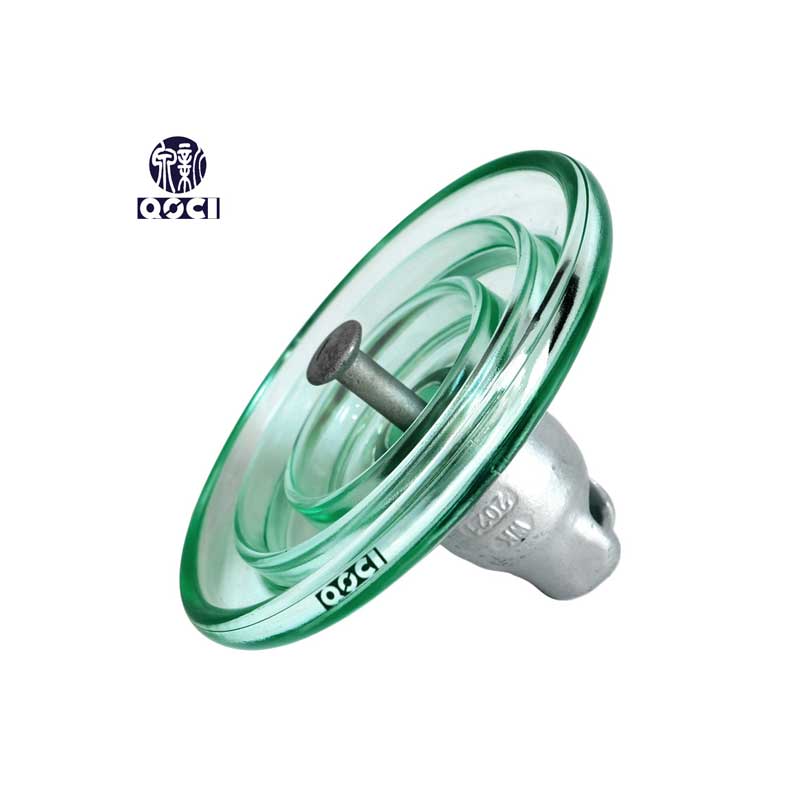 Standard Profile: Shallow ribs for self-cleaning by wind/rain. High leakage distance per IEC 60305.
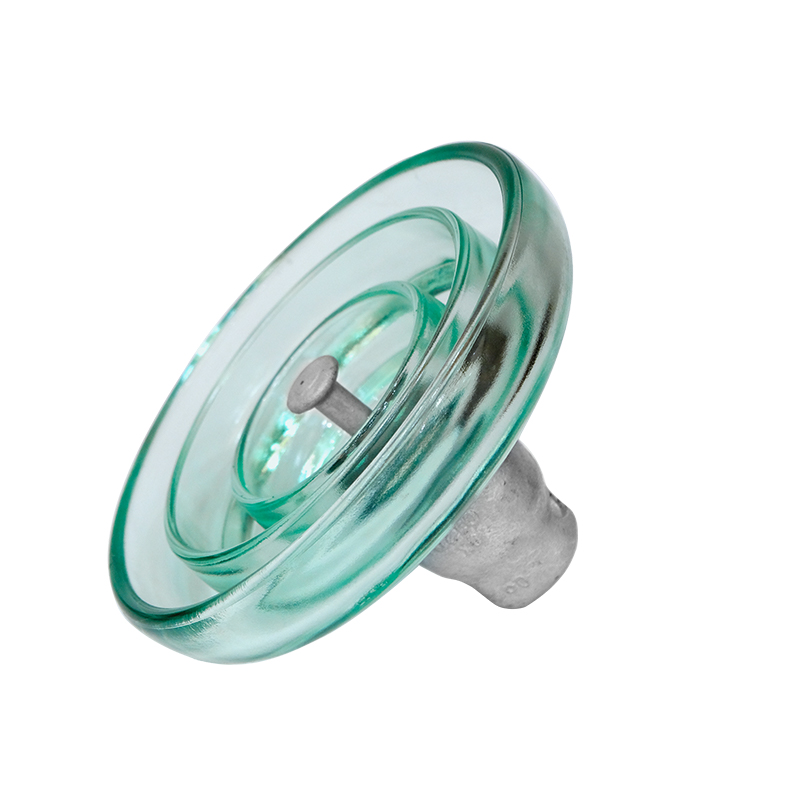 Anti-Fog Profile: Long under-ribs to prevent arc bridging in saline Osaka coastal fog.
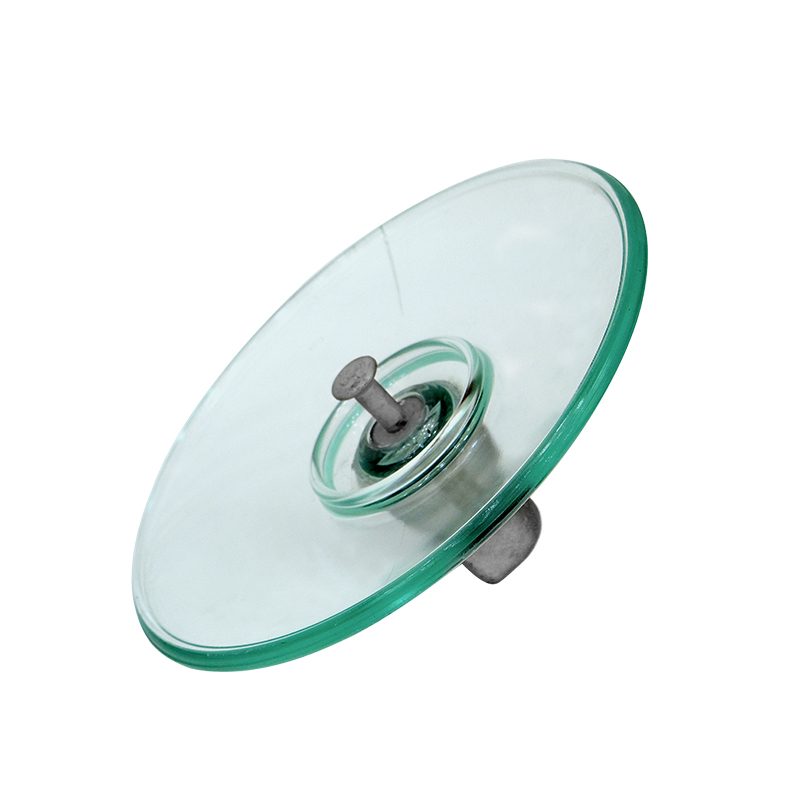 Open Profile: Absence of under-ribs to prevent sand and solid deposit accumulation.
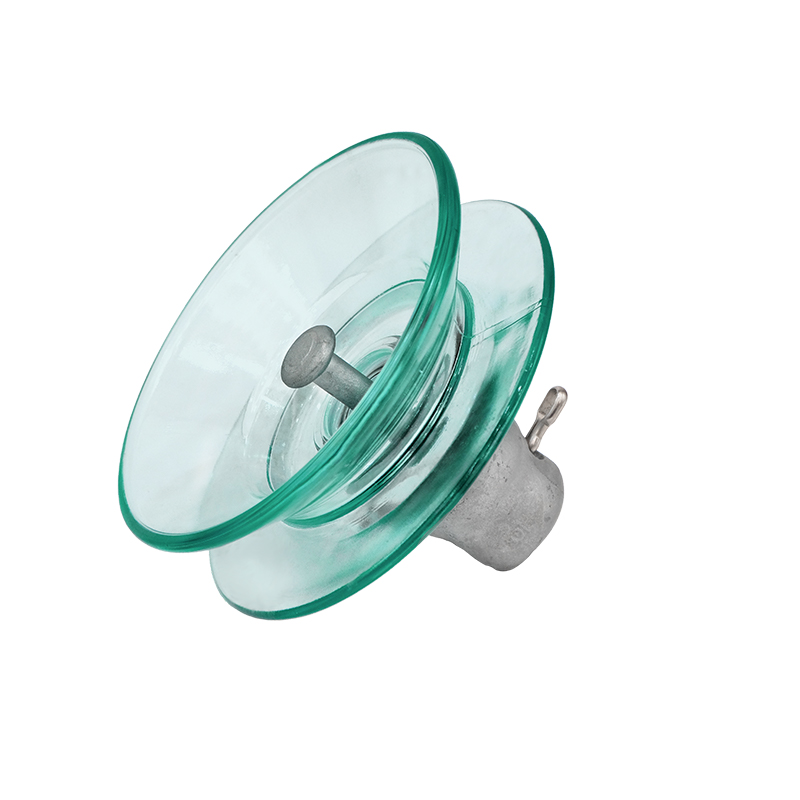 External Shed: Two external ribs for extreme industrial pollution and easy manual cleaning.
High-tensile toughened glass insulators for suspension and tension applications.
Toughened glass provides superior mechanical stability and an automatic fail-safe mechanism. In high-salt environments like Osaka Bay, any micro-fractures in porcelain can go undetected, leading to catastrophic failure. Glass "shatters" upon failure but maintains its structural integrity, making it easy for maintenance teams to spot issues from the ground.
Anti-Pollution (Fog-type) profiles have significantly larger creepage distances. For instance, while a standard unit may have 320mm creepage, an anti-pollution U120BLP can offer 450mm or more, preventing the formation of a continuous conductive moisture film during Osaka’s humid summers.
We adhere to strict IEC 60305, ANSI, and AS standards. Every batch undergoes thermal shock testing, mechanical load testing, and steep-front impulse voltage tests in our dedicated labs to ensure performance under extreme weather conditions like typhoons common in the Kansai area.
Advanced manufacturing process ensuring "Zero Puncture" quality.
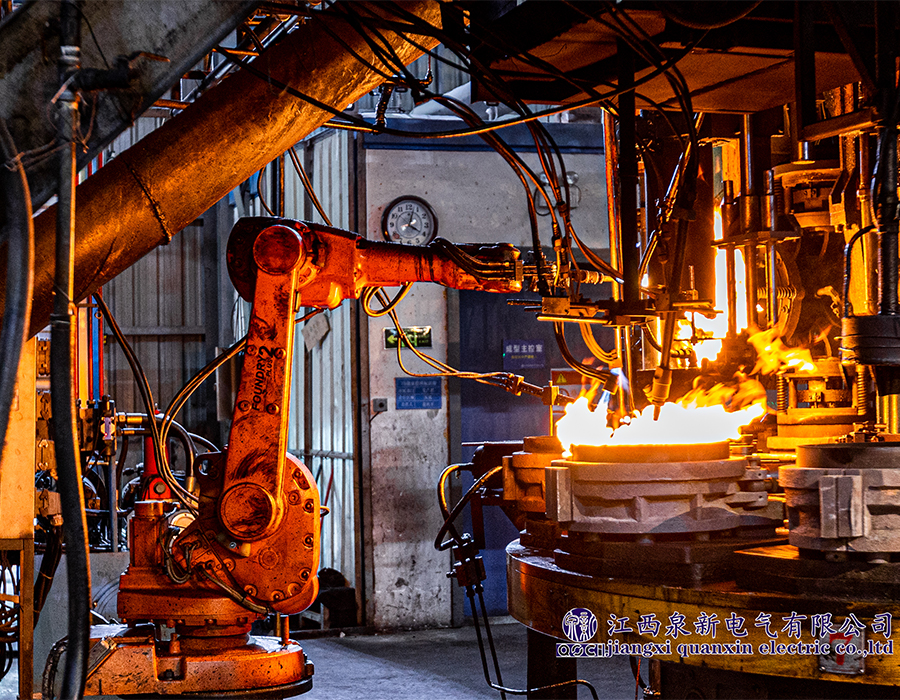
Precision molding for aerodynamic sheds.
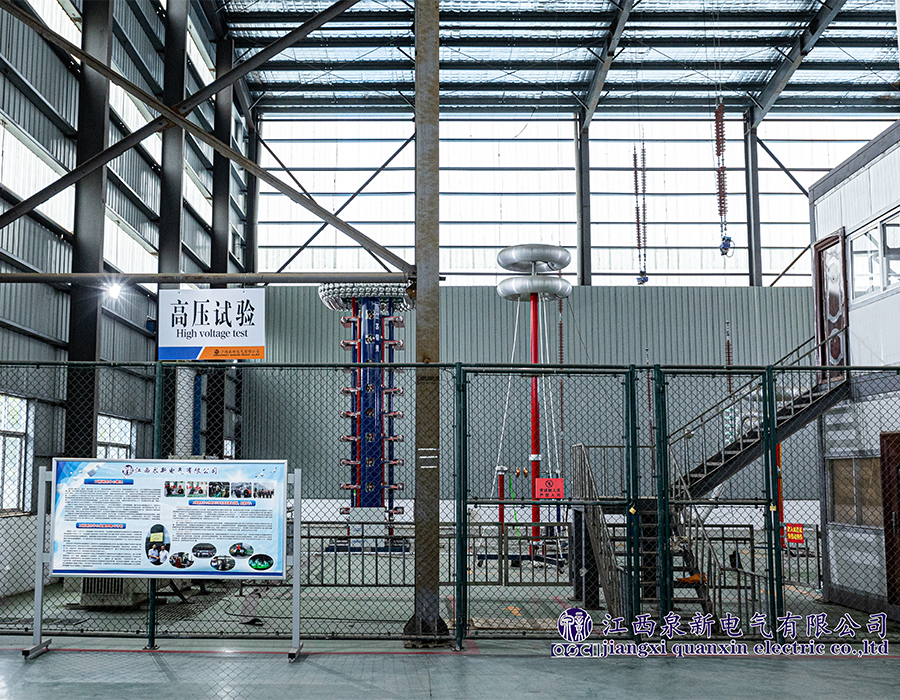
Strict electrical verification for every unit.
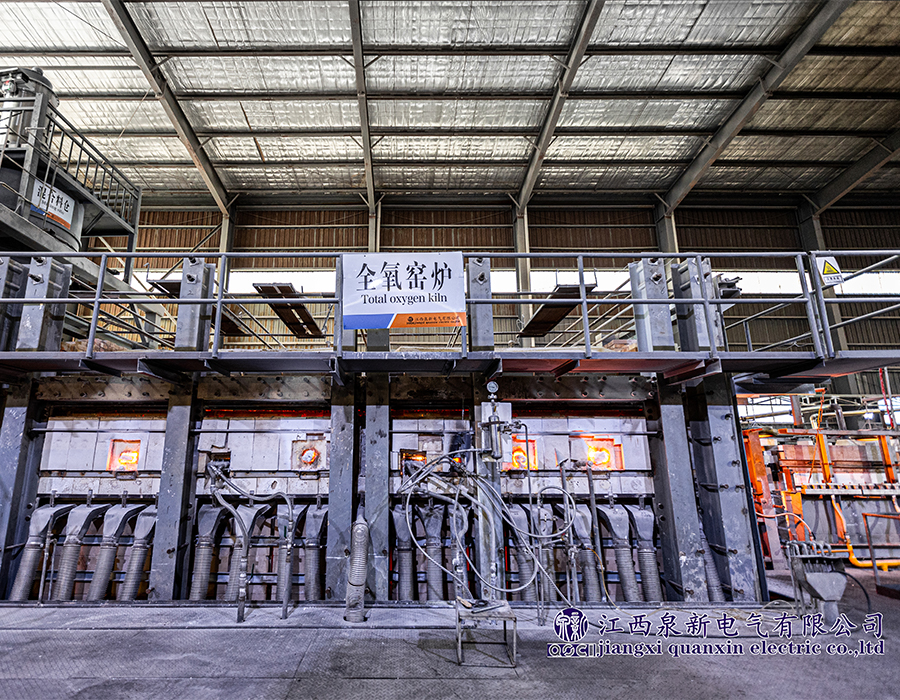
Superior glass clarity and strength.
Consult with our expert engineers today for localized insulation solutions that meet the highest standards of safety and reliability.