 San Francisco Grid Essentials
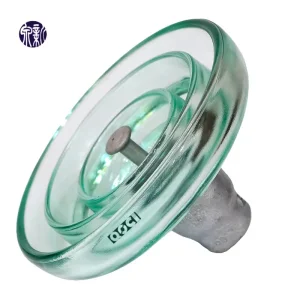
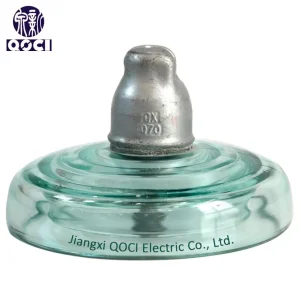
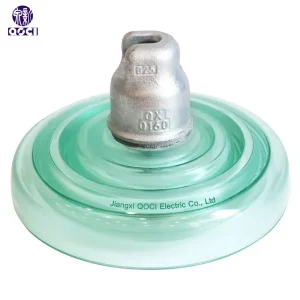
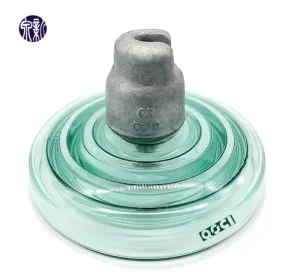
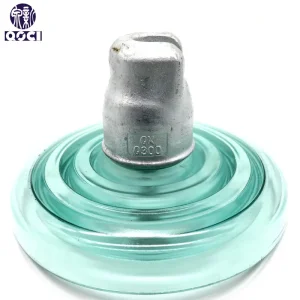
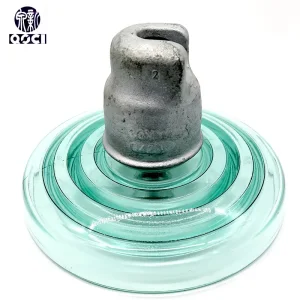
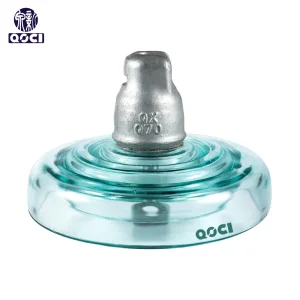
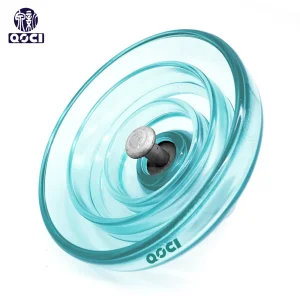
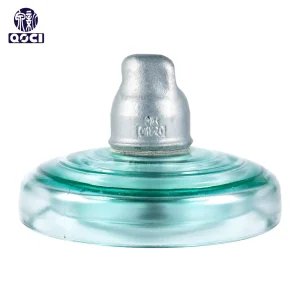
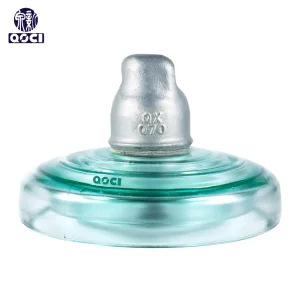
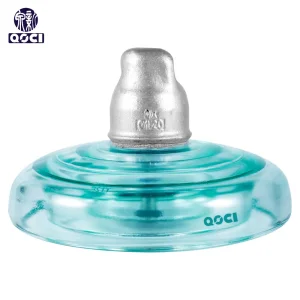
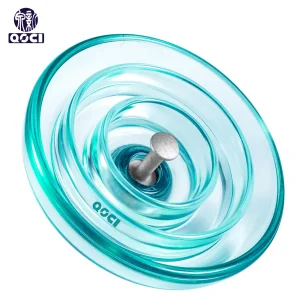
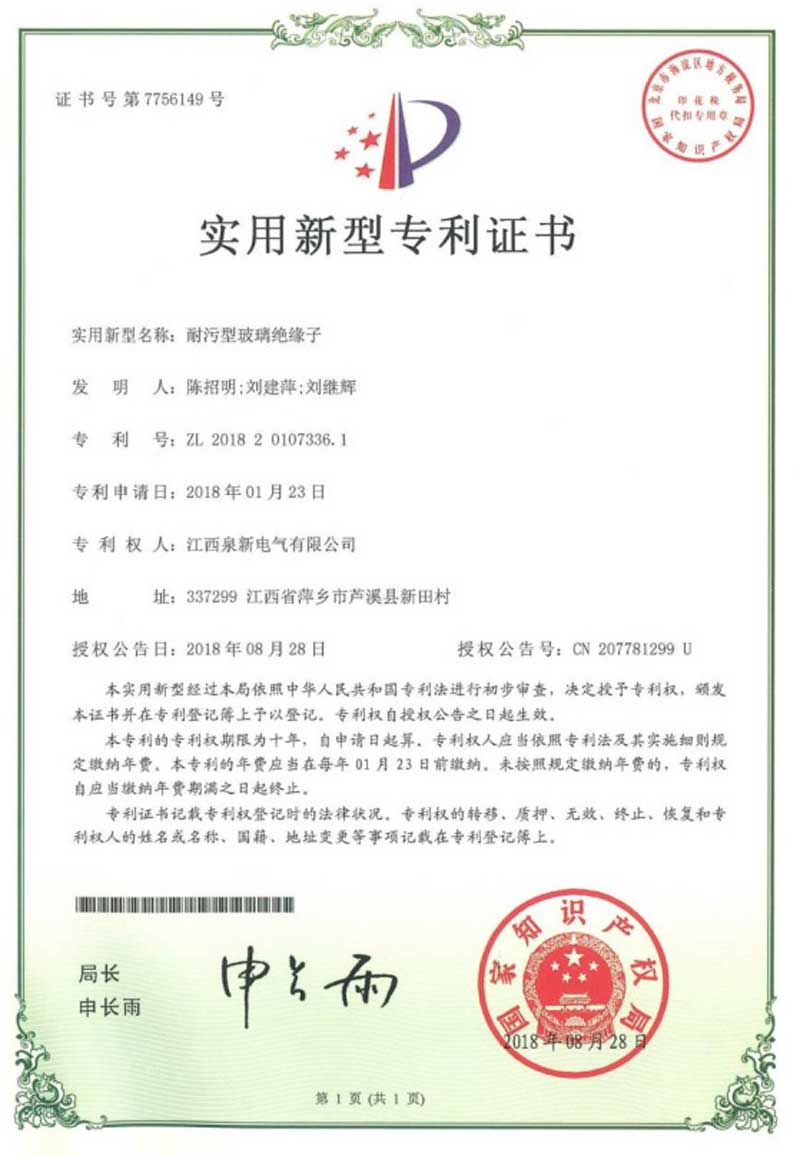
Top-rated high-voltage anti-pollution suspension glass insulators.

San Francisco represents one of the most challenging environments for high-voltage power transmission in the United States. The unique intersection of the Pacific Coast marine layer and concentrated urban pollution necessitates a specialized approach to dielectric insulation. As a global hub for technology and finance, grid downtime in the Bay Area is economically catastrophic.
Local utility providers, such as PG&E, are increasingly shifting towards Anti-Pollution Type Insulators to combat "Salt Fog" flashovers. Our U-series glass insulators are designed specifically to withstand the corrosive sea-salt aerosols that blow in from the Golden Gate, ensuring that 230kV and 500kV lines remain resilient during the damp winter months.
Jiangxi QOCI Electric: A Global Leader in Toughened Glass Insulation
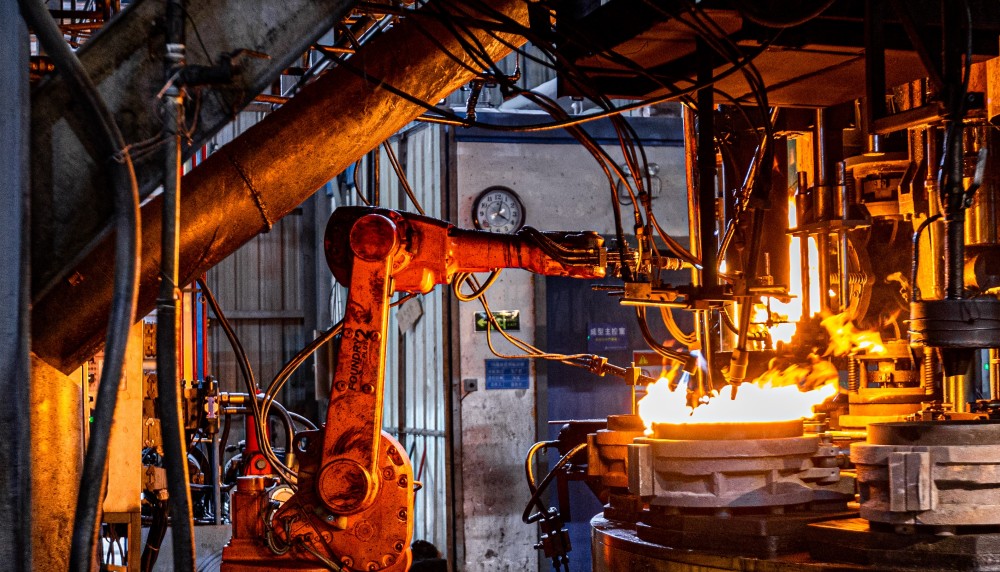
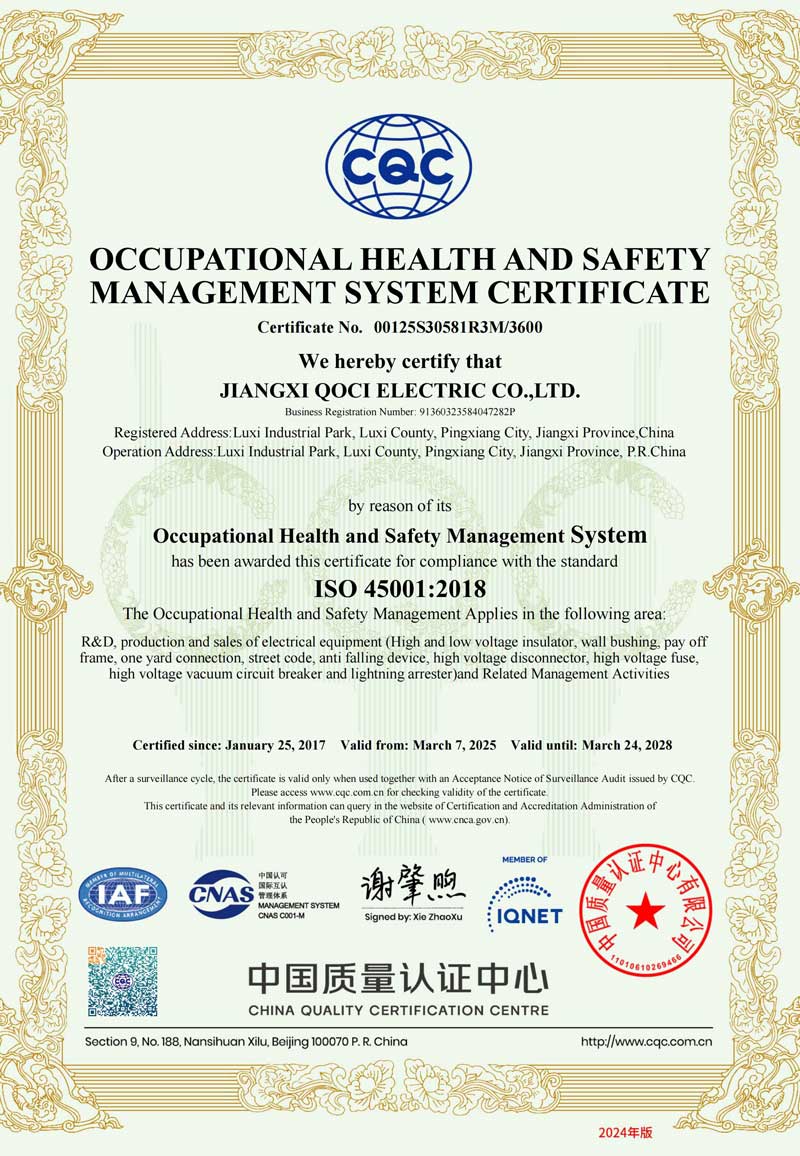
Jiangxi QOCI Electric Co. Ltd, founded in 2002 with a registered capital of 508 million Yuan, stands at the forefront of insulator technology. Occupying 70,000 m², our facility integrates an automated oxygen kiln and high-voltage testing labs to produce 39,000 tons of insulators annually.
We actively participate in green energy construction, serving world-class power grids with high-strength glass insulators specifically engineered for extreme environmental adaptability.
 Global Macro-Industry Solutions
As the world shifts toward decarbonization, EHV (Extra-High Voltage) and UHV (Ultra-High Voltage) transmission lines are the backbone of renewable integration. Anti-pollution insulators are no longer "optional"—they are critical infrastructure for connecting offshore wind farms and desert solar arrays to urban centers like San Francisco.
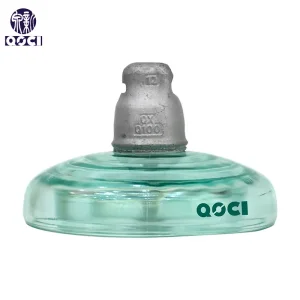
Toughened glass remains the gold standard over porcelain and composite due to its self-shattering property for easy fault detection and superior mechanical tension. Our RTV (Room Temperature Vulcanization) silicone-coated glass combines the mechanical strength of glass with the hydrophobicity of polymers.
Unlike composite insulators that pose disposal challenges, toughened glass is 100% recyclable. QOCI Electric focuses on the "Life Cycle Assessment," ensuring that our products for the SF market contribute to California’s strict environmental sustainability goals.
Pioneering the next generation of grid resilience.


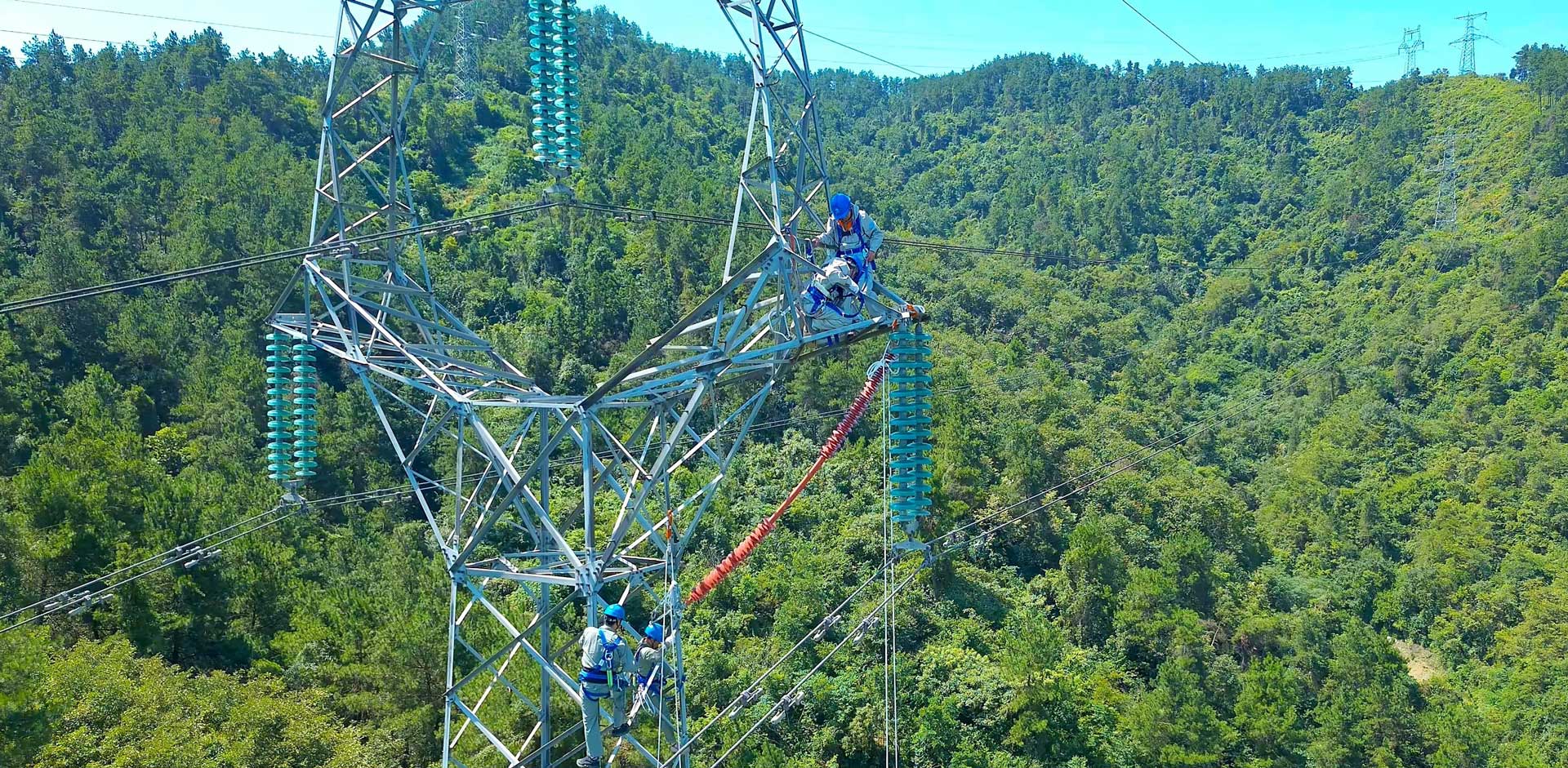
U120BLP units deployed along Ocean Beach to combat 24/7 salt spray exposure.
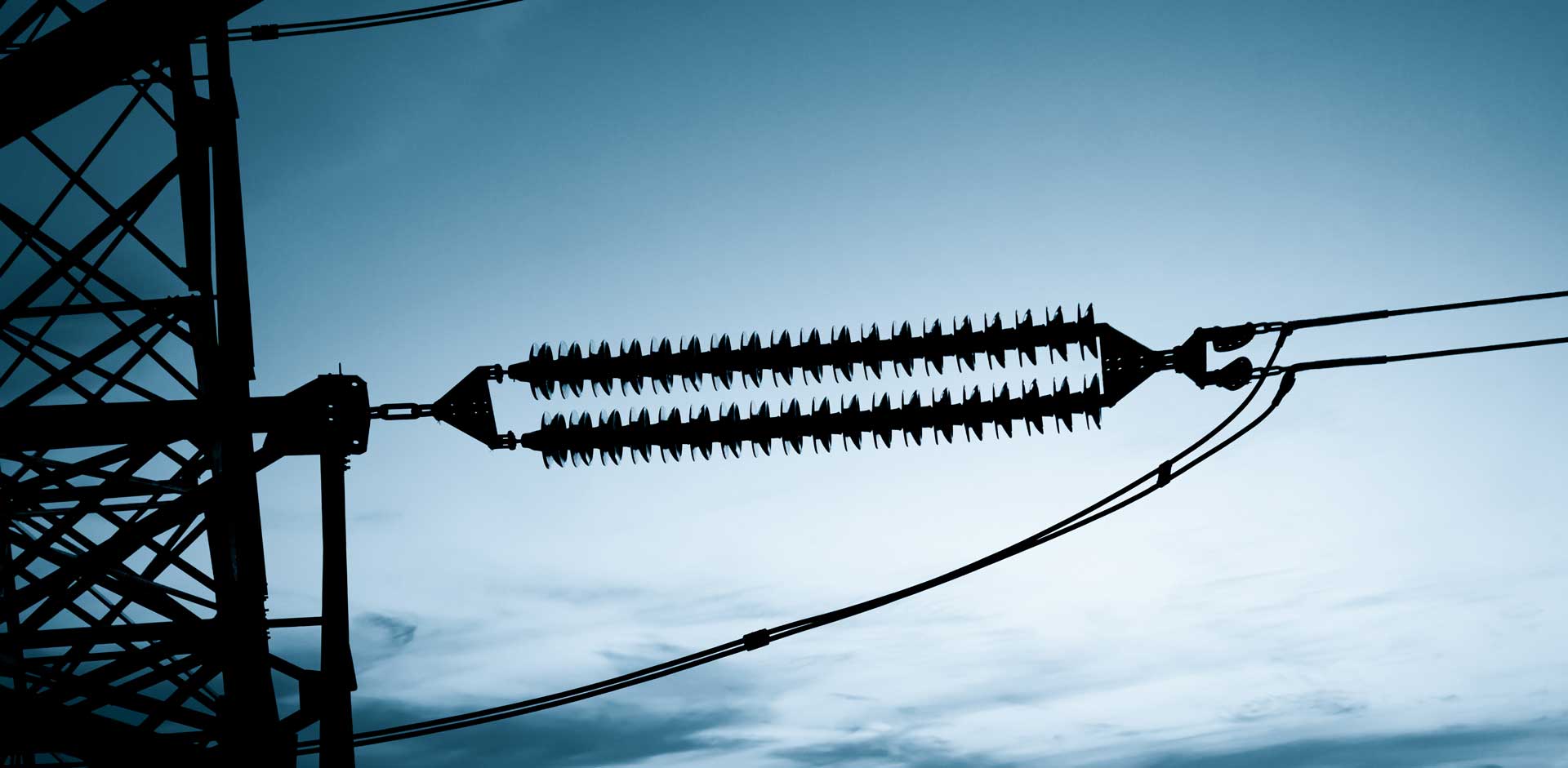
Ensuring ultra-stable power for high-density data centers in Santa Clara and San Jose.
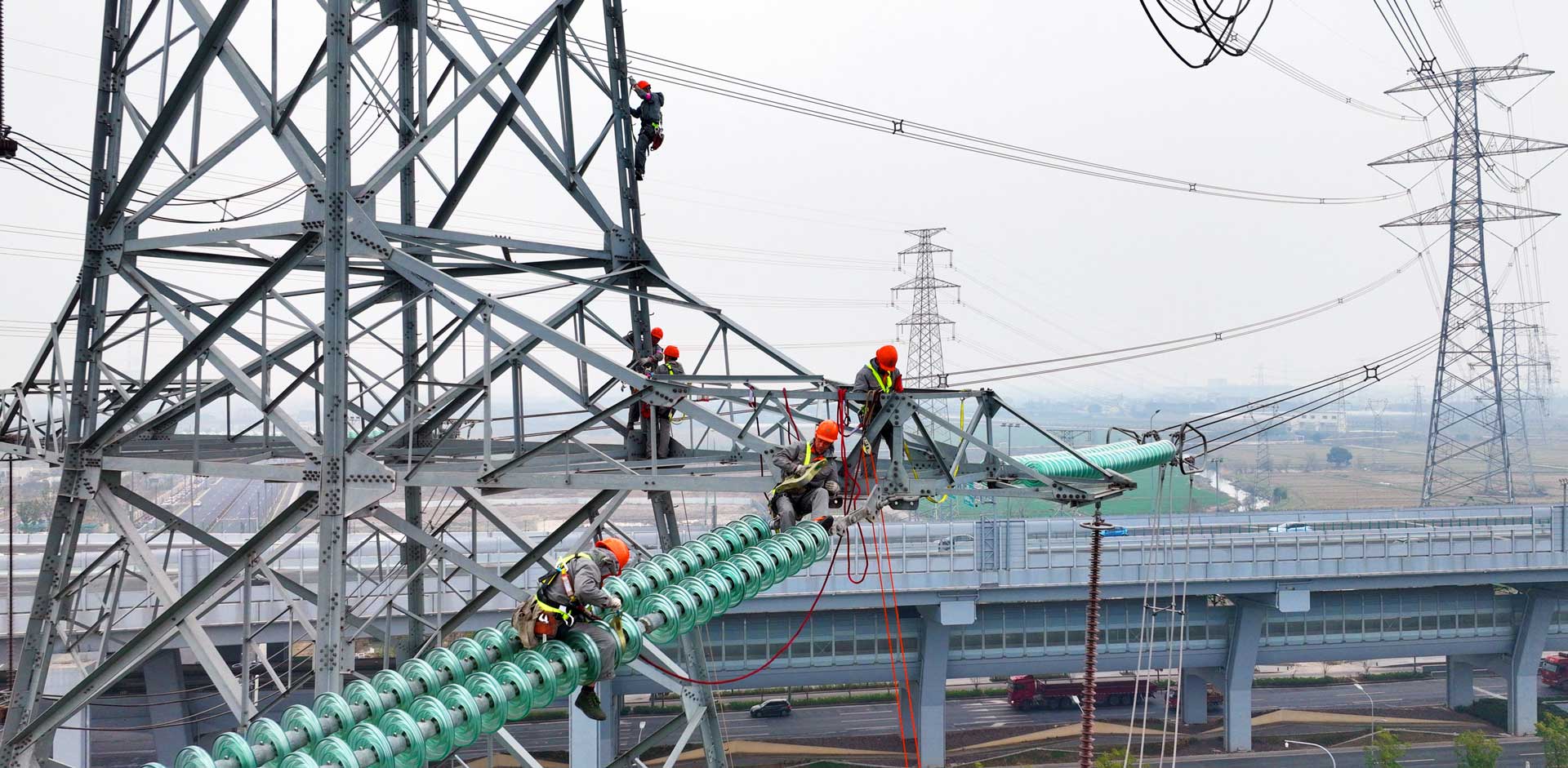
Supporting the long-range transmission from the Sierra Nevada to the SF peninsula.
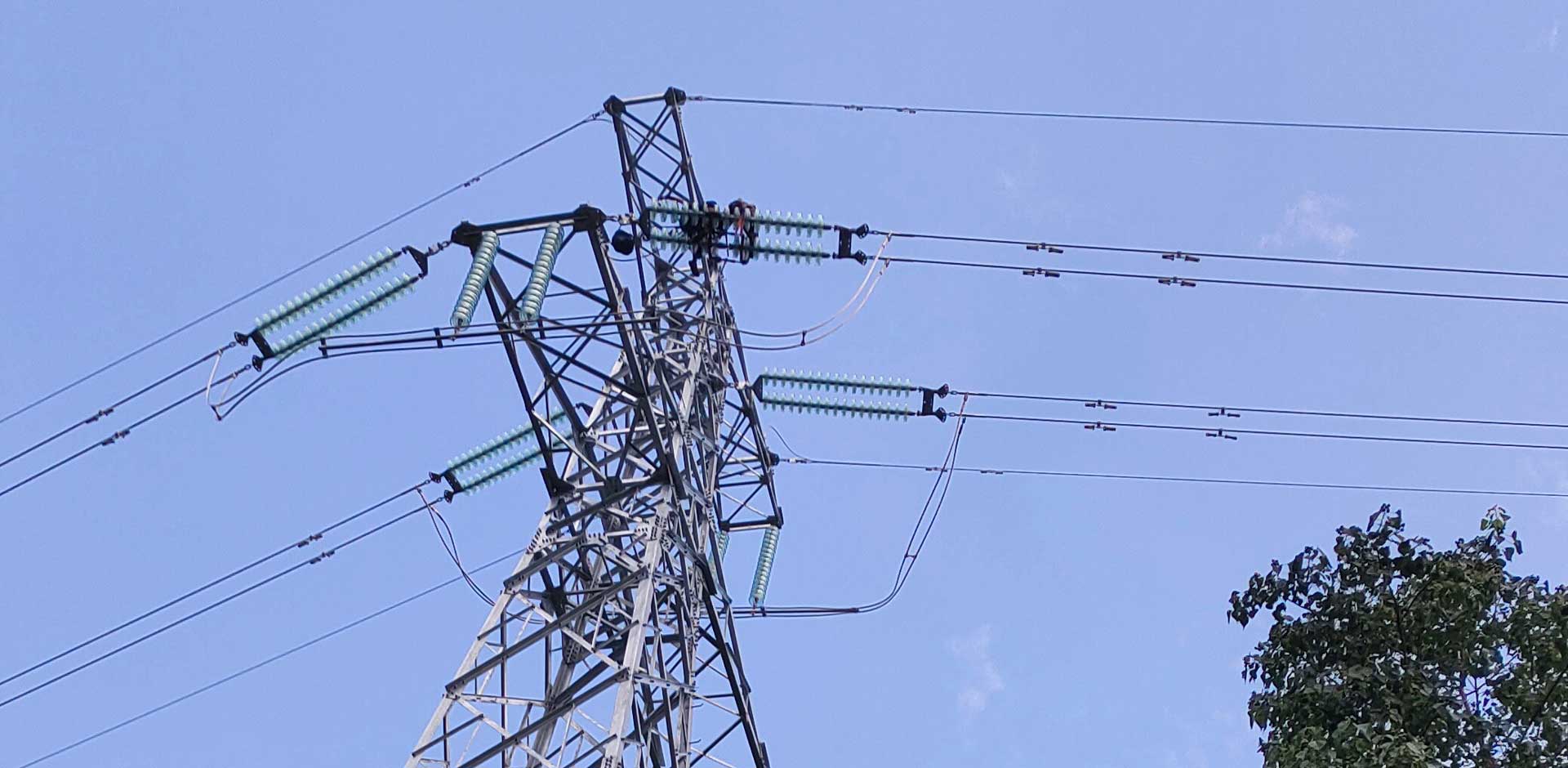
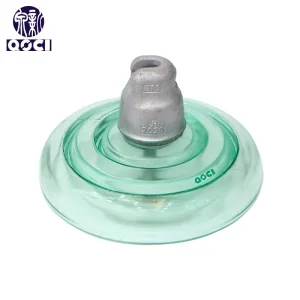
Compact anti-pollution profiles for restricted-space substations near the Port of SF.
Standard profiles (IEC 60305) are for clean environments. Anti-pollution types (Fog types) feature longer under-ribs and increased creepage distance to prevent arc bridging in conductive environments like coastal SF.
Toughened glass has high mechanical strength and fails in a controlled "shatter" mode that maintains the integrity of the string while signaling a need for replacement, unlike porcelain which can crack invisibly.
Yes, our manufacturing processes meet and exceed the mechanical and electrical safety factors required for overhead line construction in California, adhering to international IEC and ANSI standards.
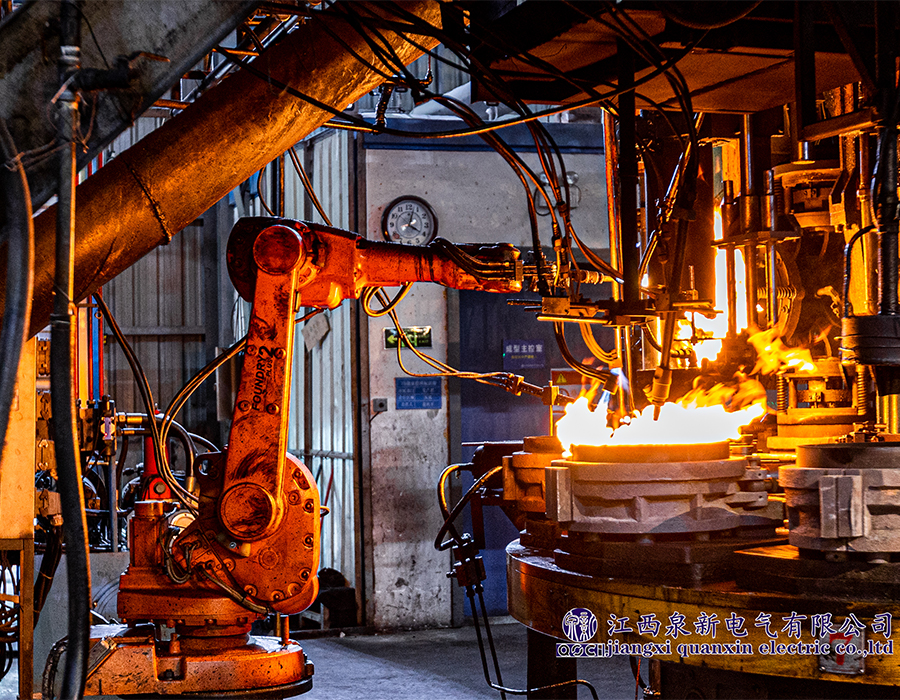
Advanced Forming Press Technology
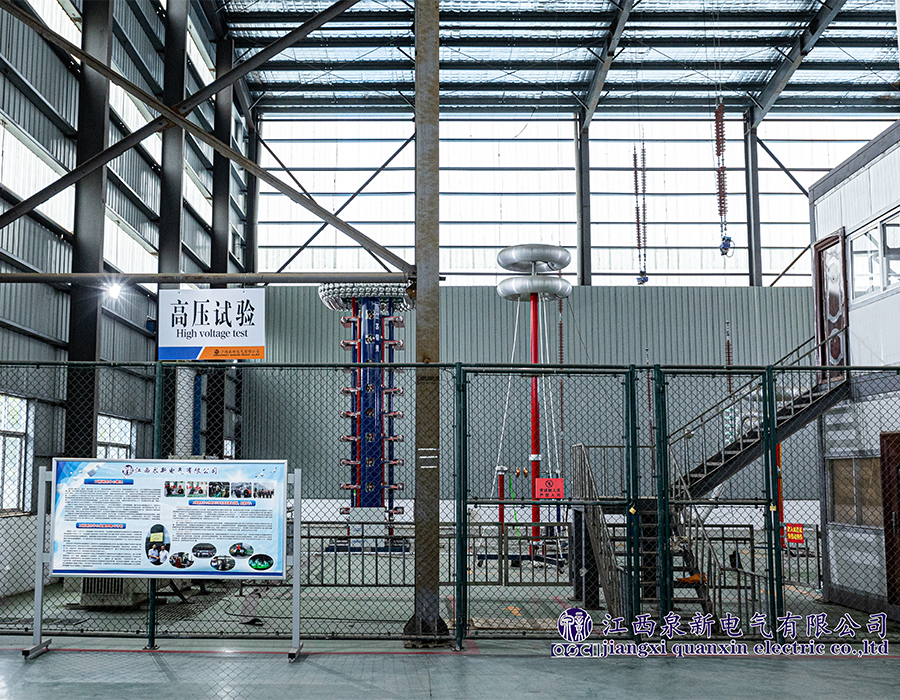
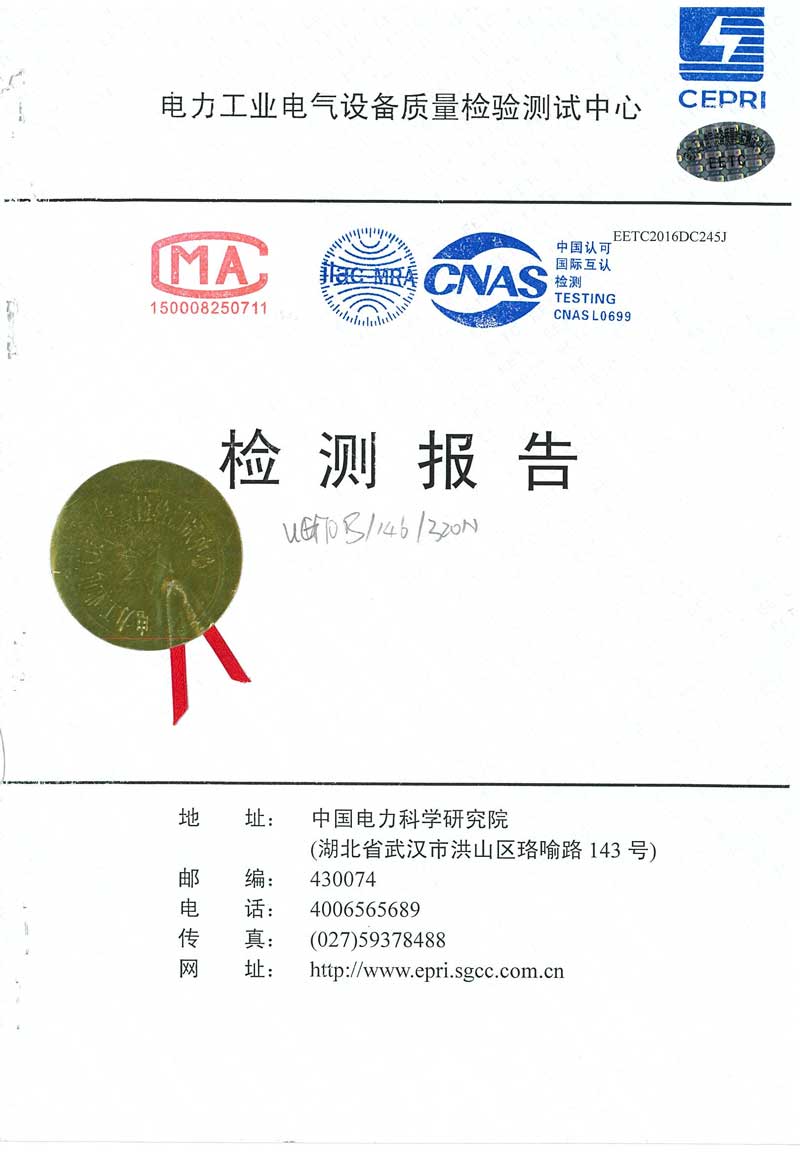
Real-Time High Voltage Testing
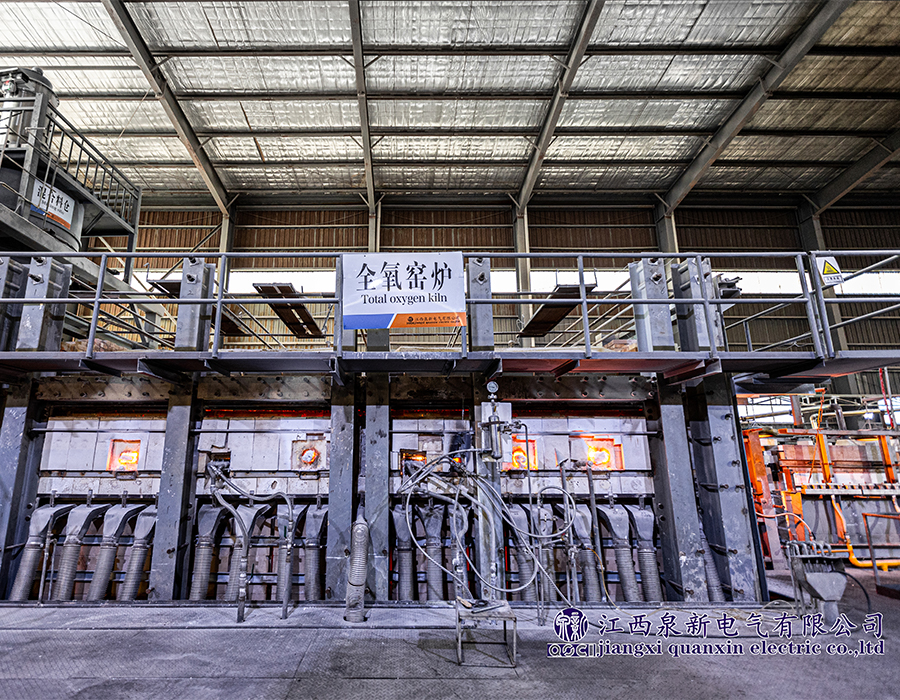
Oxygen Kiln for Purity
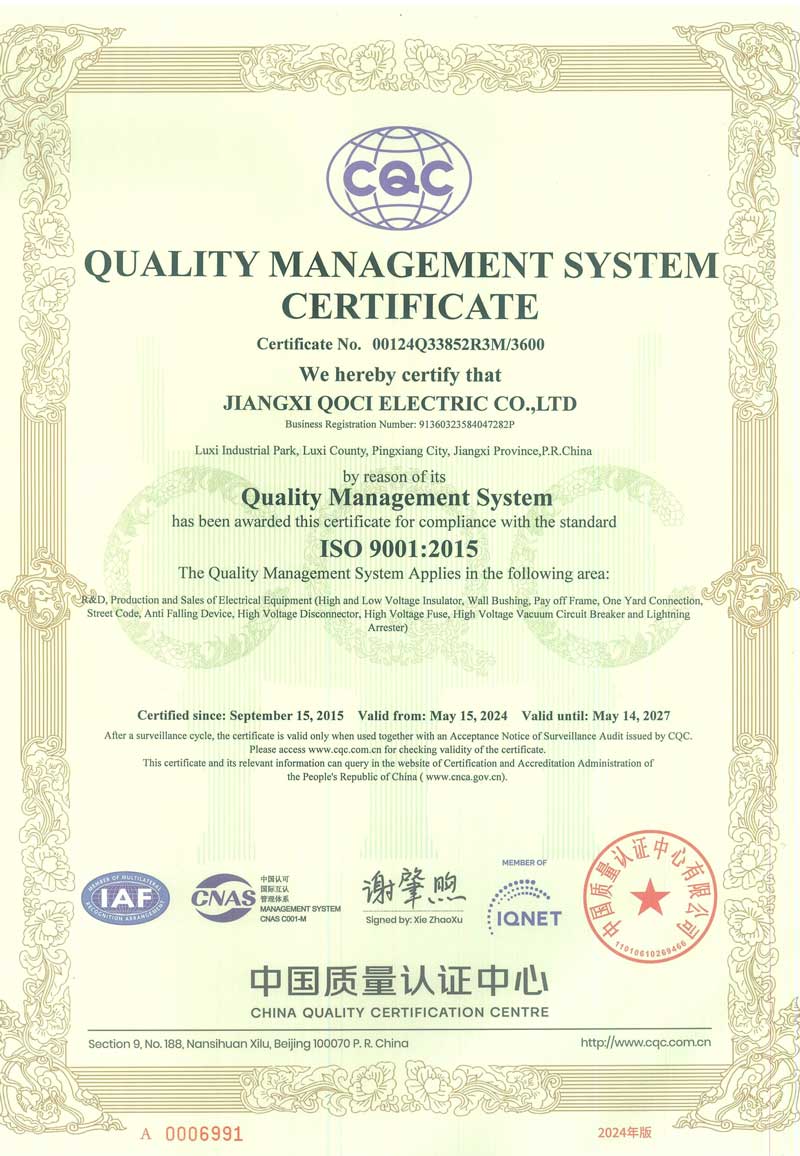
Advanced solutions for varied voltage and mechanical requirements.