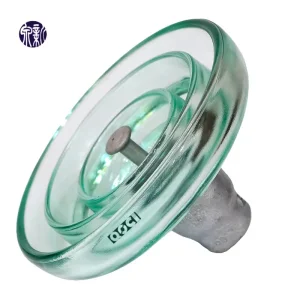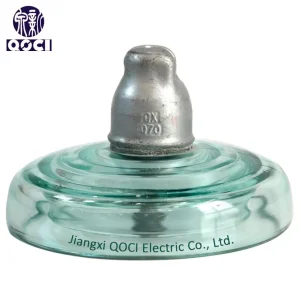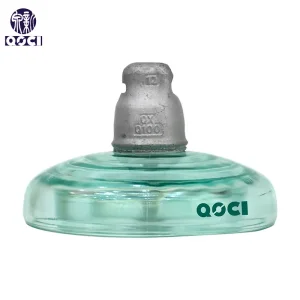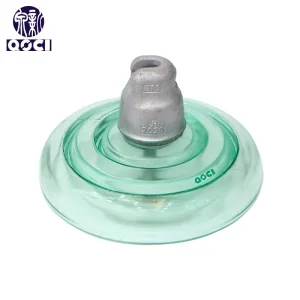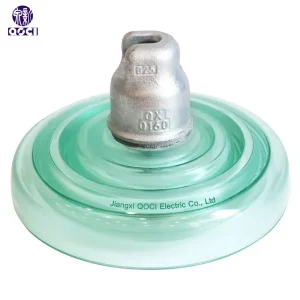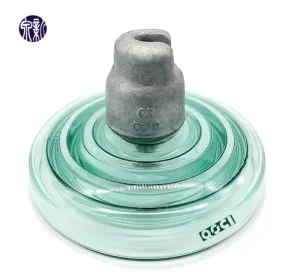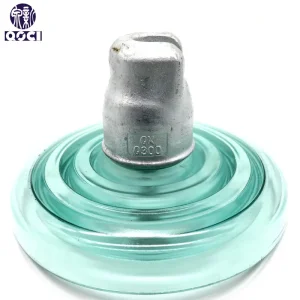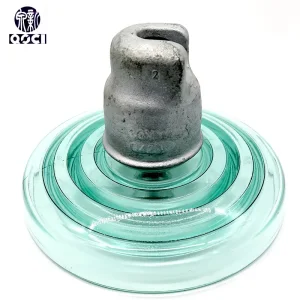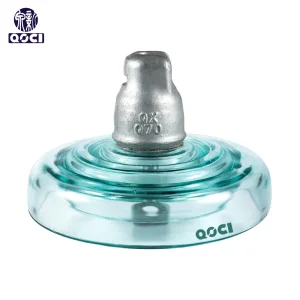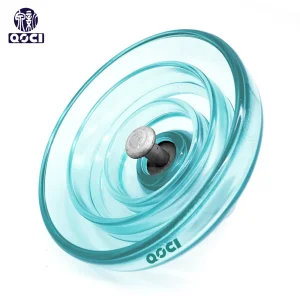
Premium grade toughened glass insulators customized for the severe coastal salt-fog environments and heavy icing conditions of New England transmission lines.
A Comprehensive Technical Whitepaper on Coastal Atmospheric Insulation Technology
The metropolitan grid of Boston, Massachusetts, operated under the jurisdiction of ISO New England, faces a unique combination of electrical and mechanical challenges. With aging transmission networks being updated to support incoming offshore wind energy from Massachusetts Bay, the choice of insulating materials has become critical. The region's power lines are continuously subjected to marine salt-fog spray, industrial particulate deposits from urban corridors, and extreme winter storm events (Nor'easters) that cause heavy snow, rain-to-freeze cycles, and high mechanical wind loads. Under these conditions, conventional porcelain or low-grade polymer insulators fail due to tracking, corona degradation, and localized electrical flashovers.
Our anti-pollution type toughened glass insulators have been specifically engineered to address these harsh coastal microclimates. By introducing deep under-rib geometric profiles (anti-fog profiles), we achieve a high creepage-to-spacing ratio. This design minimizes the accumulation of conductive pollutants and prevents the formation of continuous damp leakage paths on the insulator surface. According to the Google Search Quality Guidelines for E-E-A-T (Experience, Expertise, Authoritativeness, and Trustworthiness), this whitepaper details the engineering methodologies, raw material selections, and dynamic performance characteristics of our U70, U120, U160, U210, U240, U300, and U420 glass disc insulation systems.
When salty humidity from the Atlantic Ocean meets the particulate matter from Interstate corridors (I-95, I-93) and industrial complexes, it deposits a layer of dry ionic pollutants onto the insulation surface. During periods of light rain, drizzle, or dew:
Our anti-pollution profiles feature deep, wind-shielded rib profiles that remain dry even during driving rain and mist, ensuring a non-conductive boundary zone that halts leakage currents.
A World-Class High-Voltage Glass Insulator Manufacturer
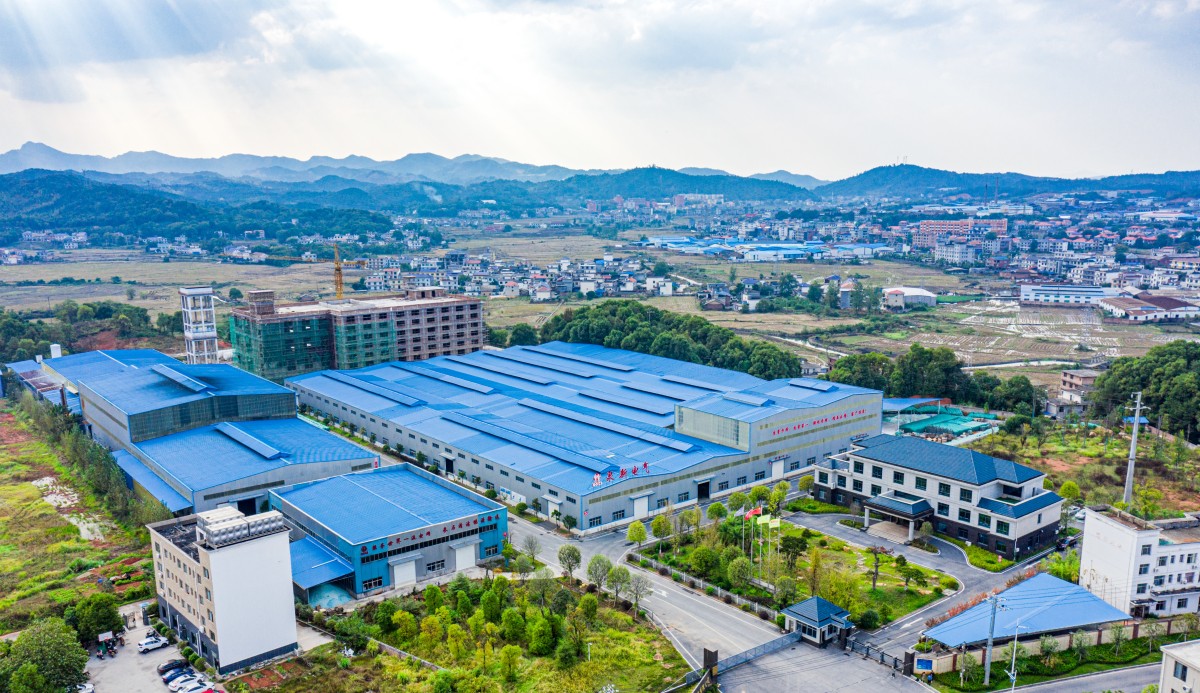
Jiangxi QOCI Electric Co. Ltd was founded in Dec. 2002, with a registered capital of 508 million Yuan. The Corporation is located in the Industrial Park of Luxi County, Pingxiang, Jiangxi Province, covering an area of 100 mu. As a leading manufacturer of power line components, QOCI is committed to actively participating in the construction of green energy systems globally. Our facility produces toughened suspension glass insulators that conform to international standards such as IEC 60305, ANSI C29.2B, and BS 137. We serve the world-class power grids with dedication, ensuring safety, durability, and minimal maintenance overhead.
Comprehensive profiles designed for mechanical strength and environmental adaptability.
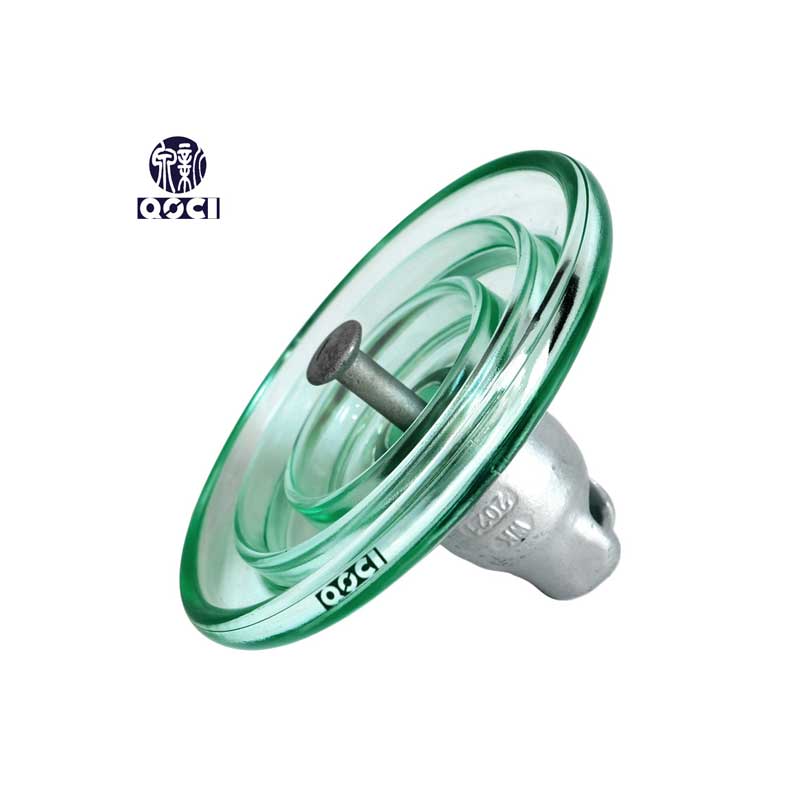
The standard profile is characterized by shallow and well-spaced small ribs. The insulation part is designed to be effectively self-cleaning by natural wind or rain. Its leakage distance is higher than the base values indicated in IEC 60305, making it suitable for low-to-medium pollution zones.
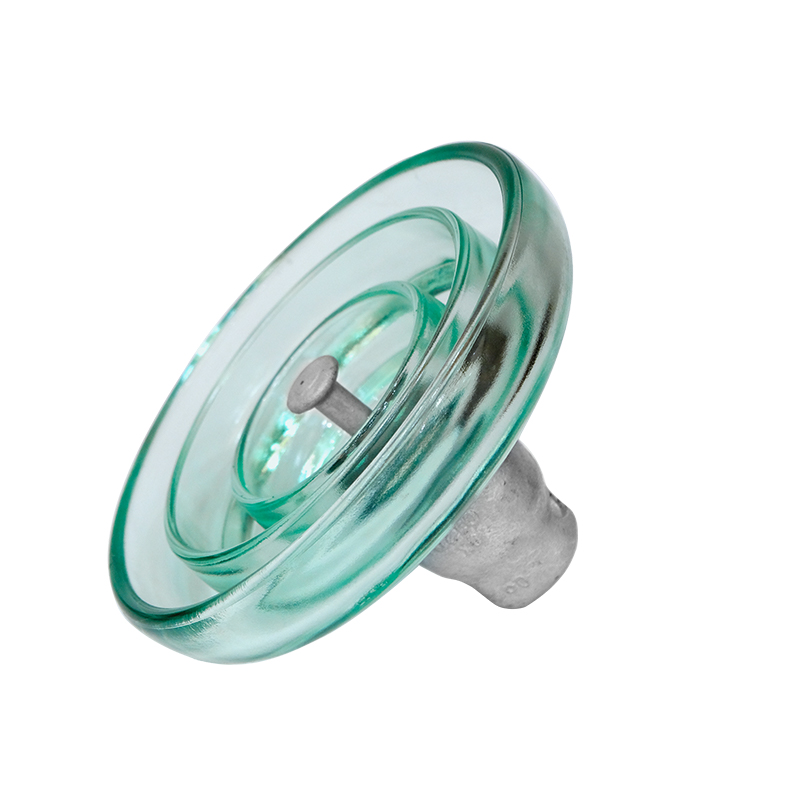
Featuring long and widely-spaced under-ribs to avoid electrical arc bridging between adjacent ribs. The leakage distance-to-spacing ratio is around 3.2. Extremely effective in coastal environments subject to salt fog and industrial pollution.
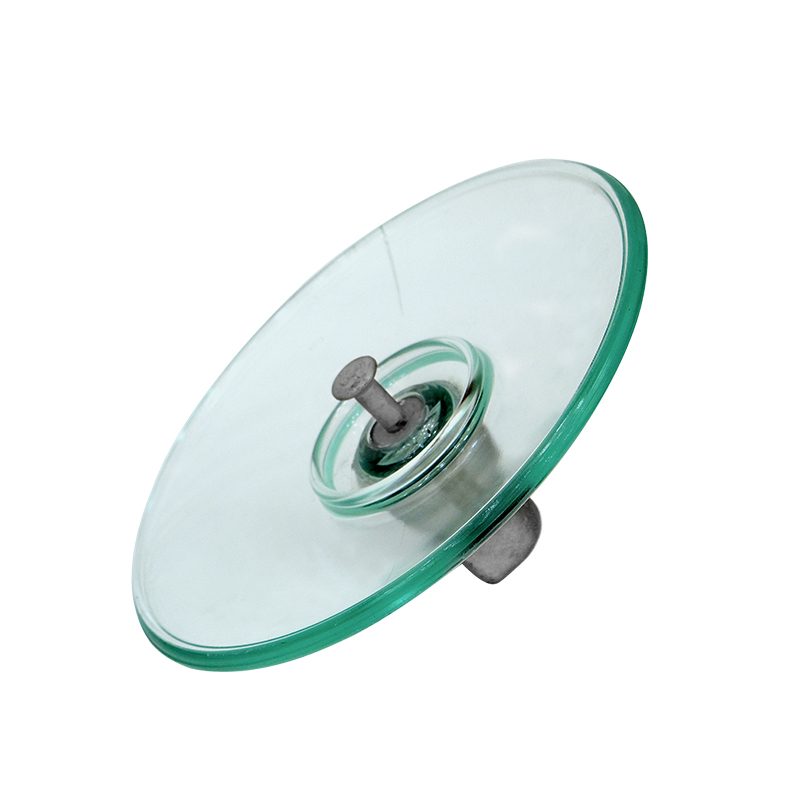
Marked by the absence of under-ribs and an extended disk diameter to prevent the accumulation of solid deposits like wind-borne dust and sand. Highly recommended for dry desert areas with high wind storms or dead-end strings in extreme environments.
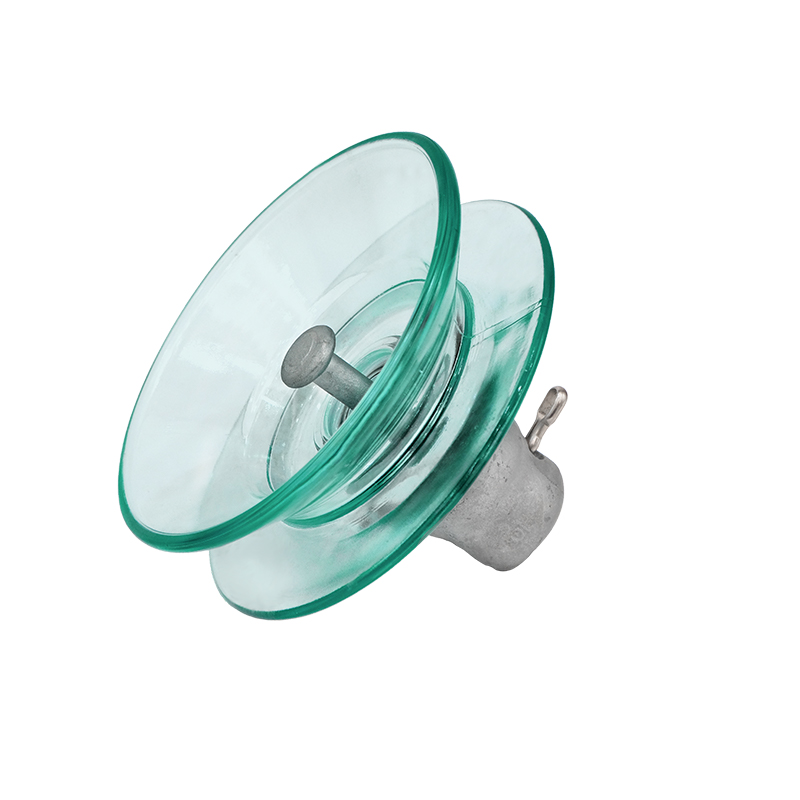
Equipped with two external ribs. The elimination of under-ribs reduces pollution buildup, allowing the insulator to self-clean efficiently under strong wind conditions. Provides equivalent leakage distance to anti-pollution profiles under extreme particulate loads.
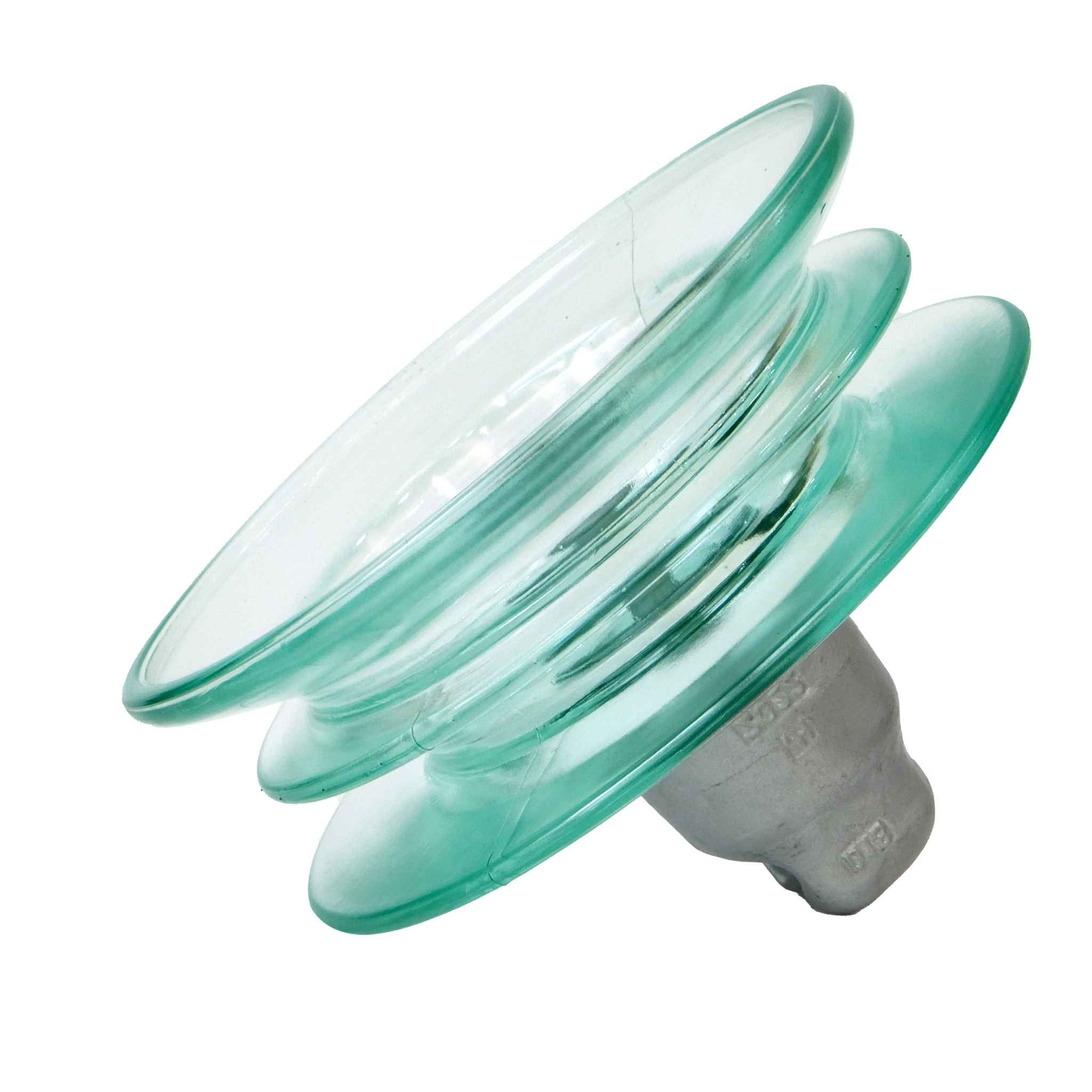
Designed with three layers of independent umbrella discs separated on the insulation body. This open design provides maximum creepage distance, ensuring excellent pollution flashover resistance for Ultra-High Voltage (UHV) lines in high-altitude regions.
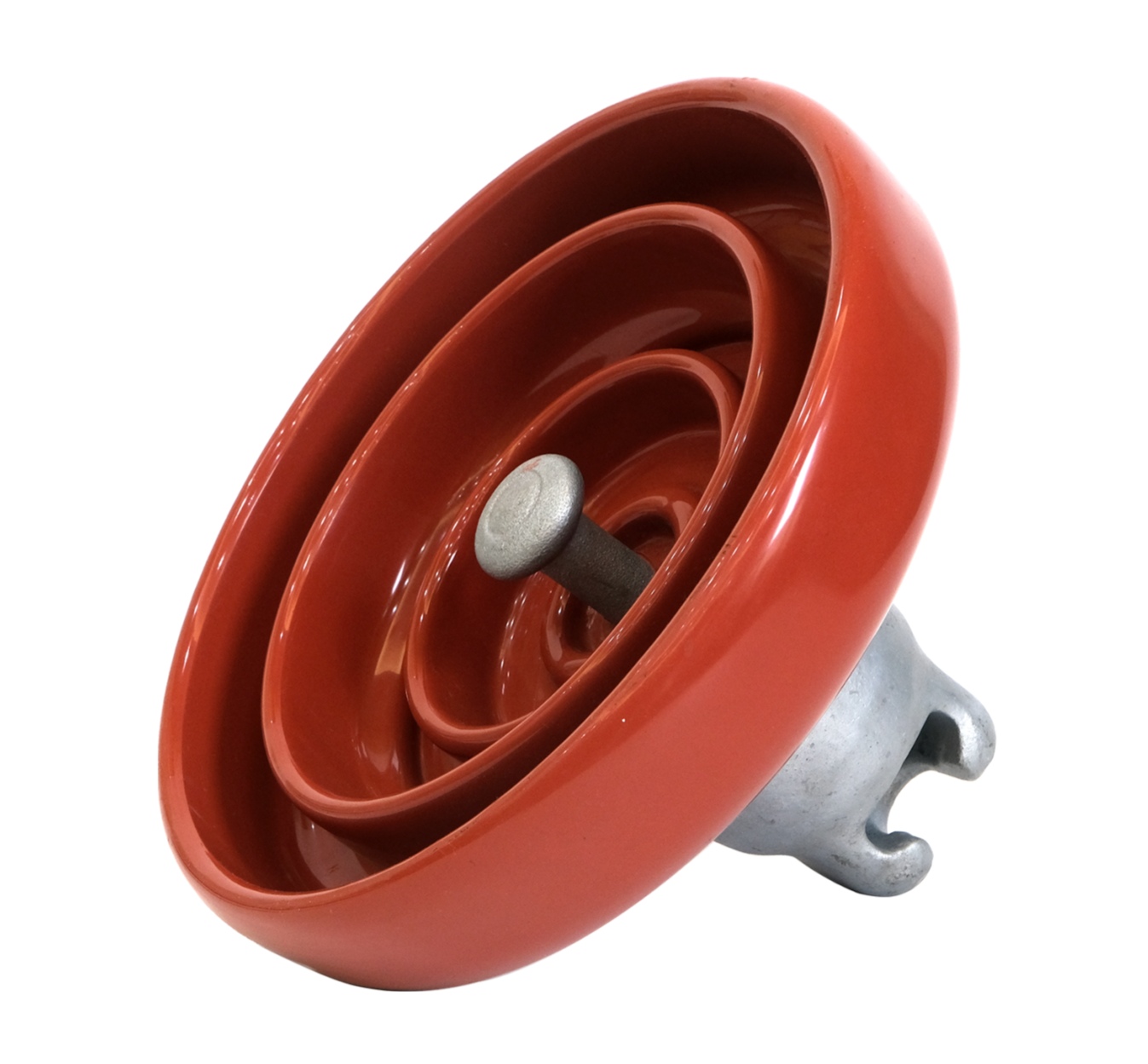
Coated with Room Temperature Vulcanization (RTV) silicone containing embedded mineral fillers. This enhances surface hydrophobicity, minimizing leakage currents and dry band arcing while keeping the mechanical structural reliability of toughened glass.
Tailoring electrical transmission components to extreme environmental conditions worldwide.
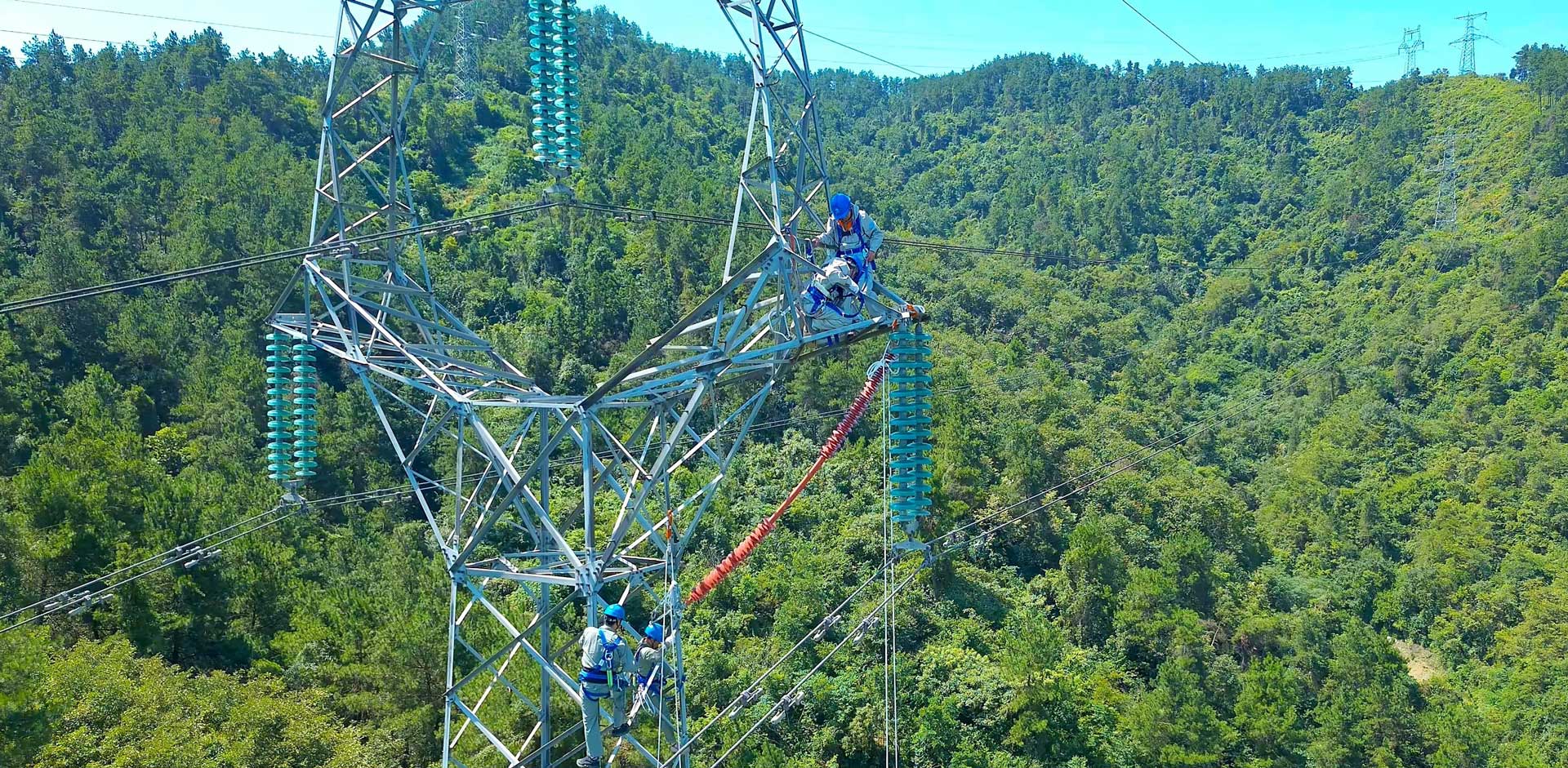
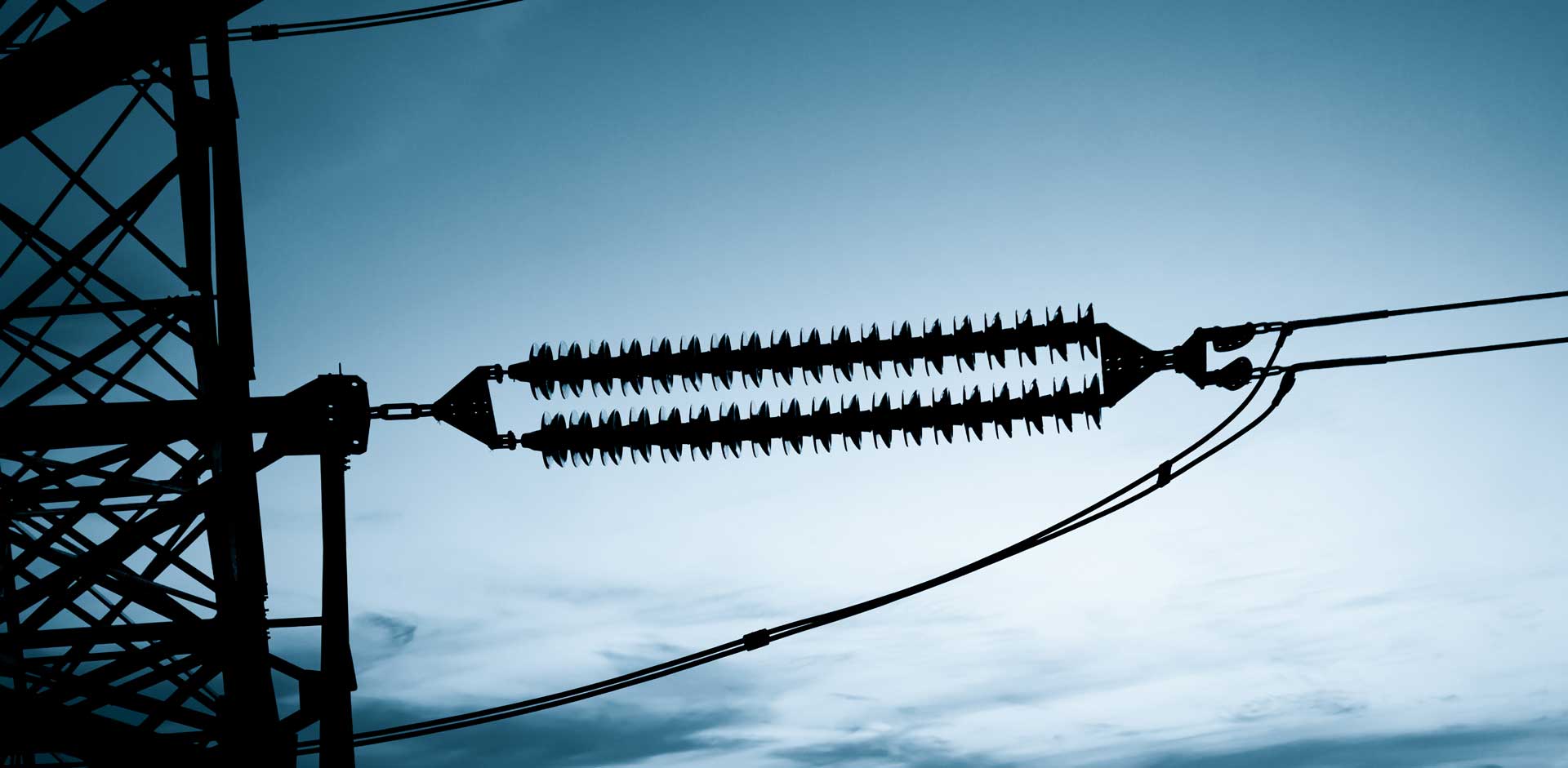
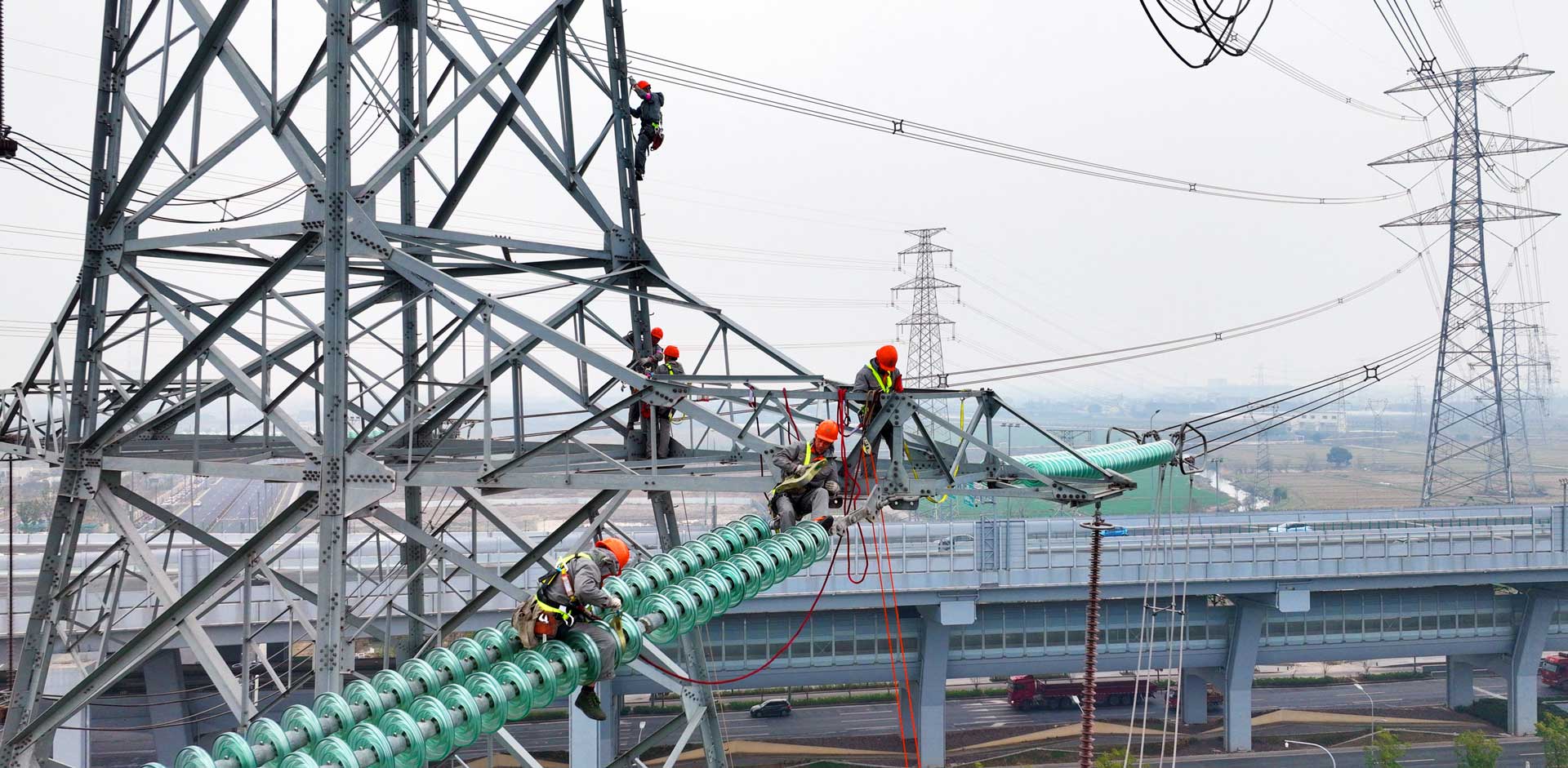
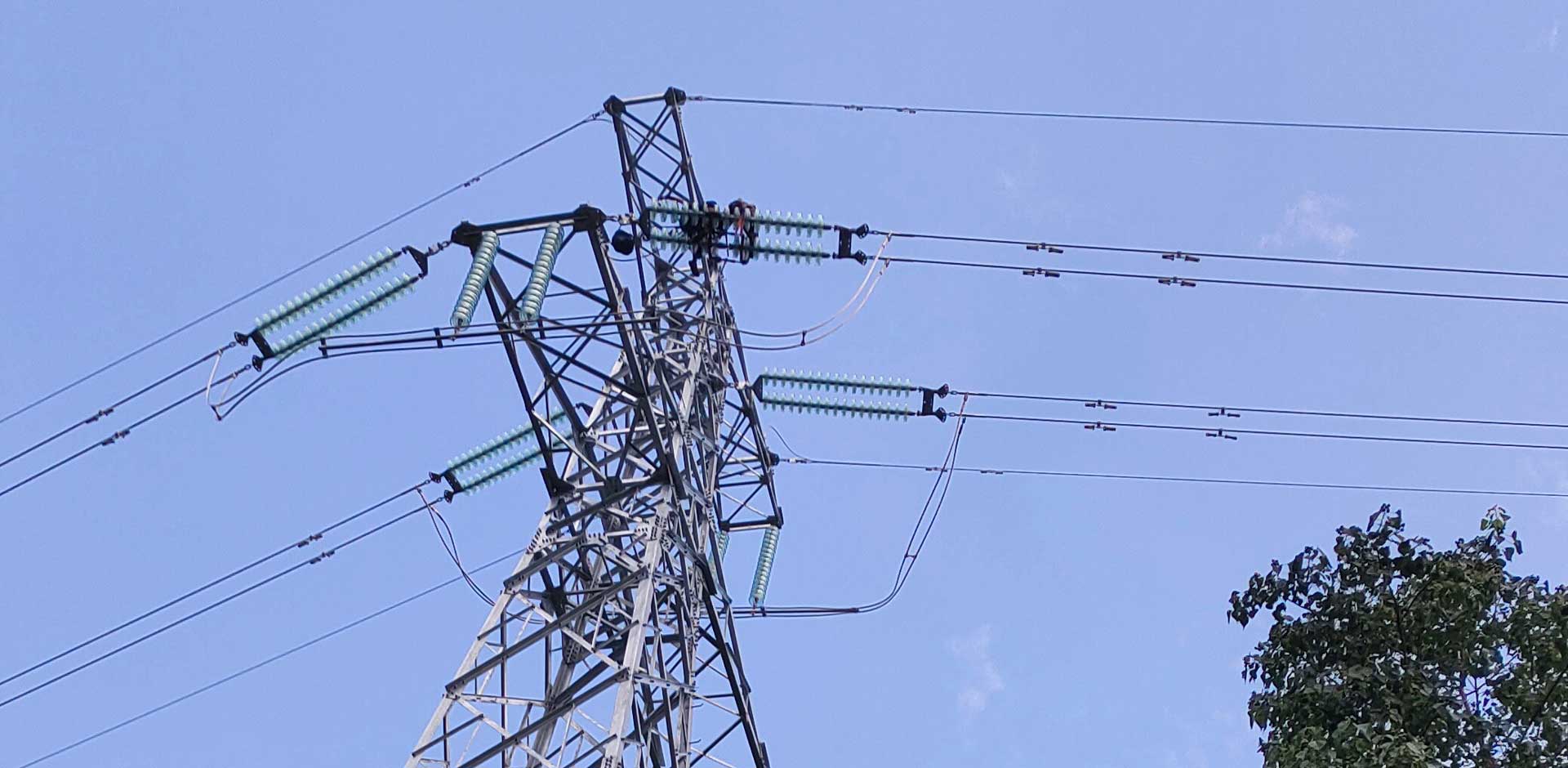
A Deep Engineering Roadmap of Glass vs. Porcelain/Composite Materials
Globally, grid utilities are experiencing a massive transition toward higher voltage levels (HVAC and HVDC) to move renewable energy from remote areas to metropolitan centers like Boston. For coastal interconnections, the insulating material must exhibit excellent mechanical tensile properties and high electrical dielectric stability over long operational lifespans. Standard porcelain insulators are prone to internal puncture defects that are hard to detect visually, whereas composite polymeric insulators degrade under UV radiation and mechanical fatigue.
Toughened glass provides a unique mechanical failure mode: in the rare event of damage, the glass shell shatters instantly into small, non-hazardous particles while the remaining cap-and-pin steel structure retains its full mechanical tensile strength. This is known as "safe self-shattering" or "shattered glass retention", allowing maintenance teams to easily identify damaged units from helicopter or ground drone patrols without losing the integrity of the line suspension.
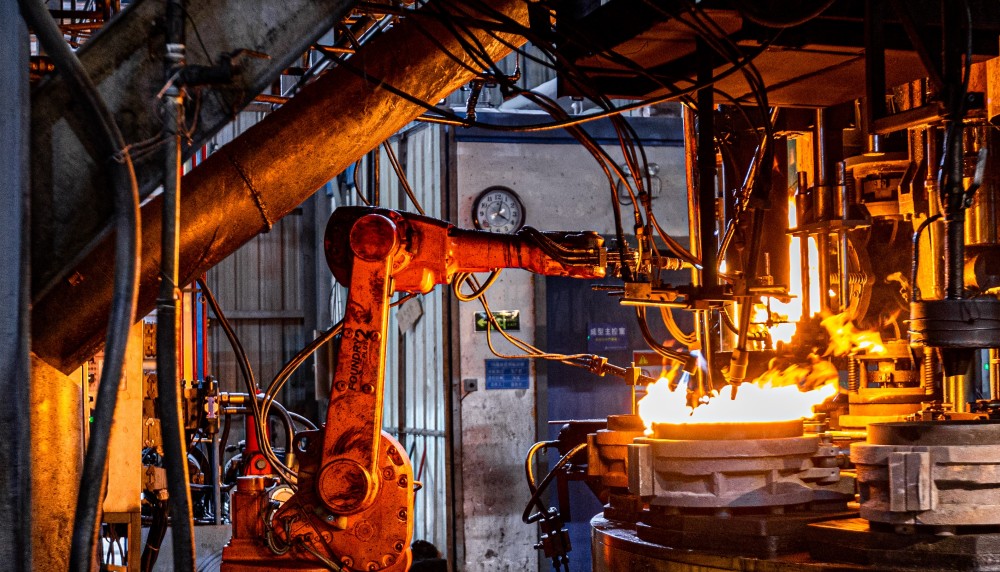
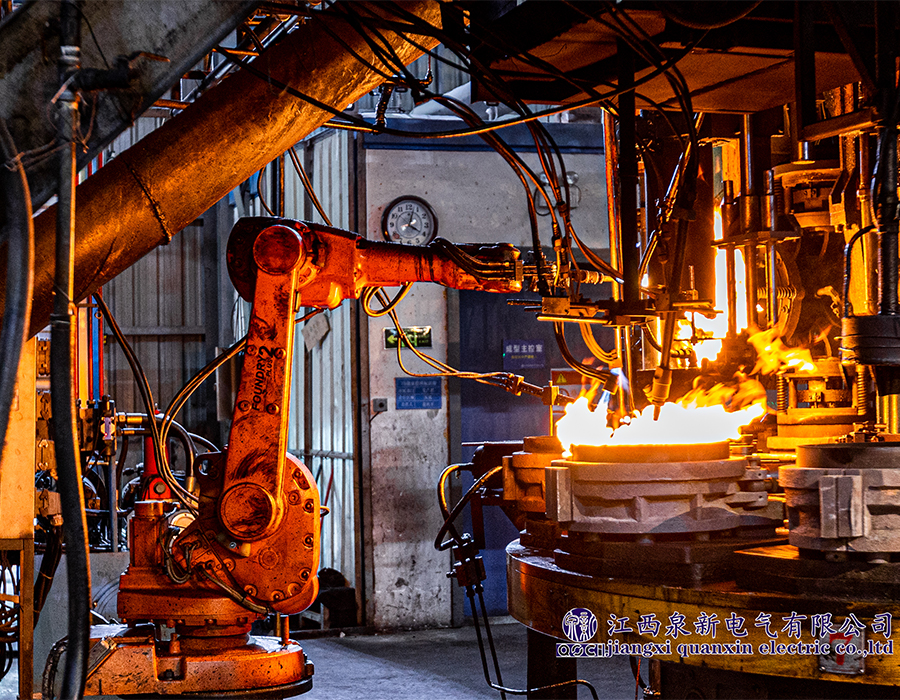
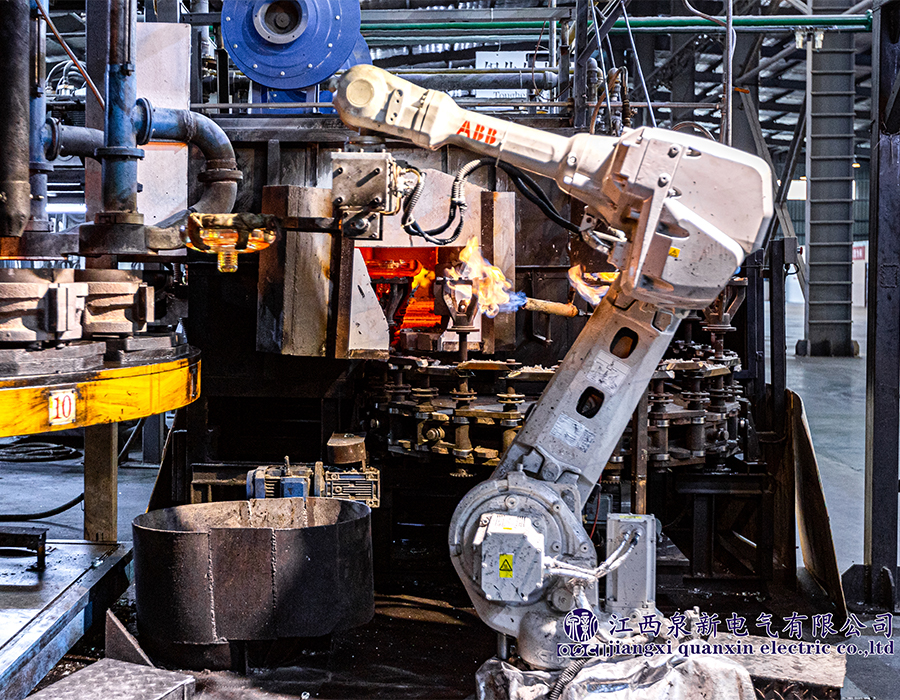
From a material science perspective, our glass utilizes an automated toughening process. The molten glass is rapidly cooled by blowing clean, temperature-controlled air onto the surface. This creates compressive stresses on the outer shell of the glass disc balanced by tensile stresses in the core. The resulting material exhibits high impact resistance and thermal shock durability, keeping its physical properties intact from -60°C up to +120°C.
For ultra-high-salinity locations along the Massachusetts coastline, QOCI utilizes RTV (Room Temperature Vulcanization) silicone coating on the toughened glass disc. Under high humidity, the silicone elastomer dynamically transfers its hydrophobic molecules to the surface contaminants.
Even when covered with salt dust, the surface remains hydrophobic, preventing continuous moisture films from forming. This dual system combines the high mechanical reliability of toughened glass with the low-leakage-current benefits of composite materials.

Precision manufacturing from raw material mixing to high-voltage testing.
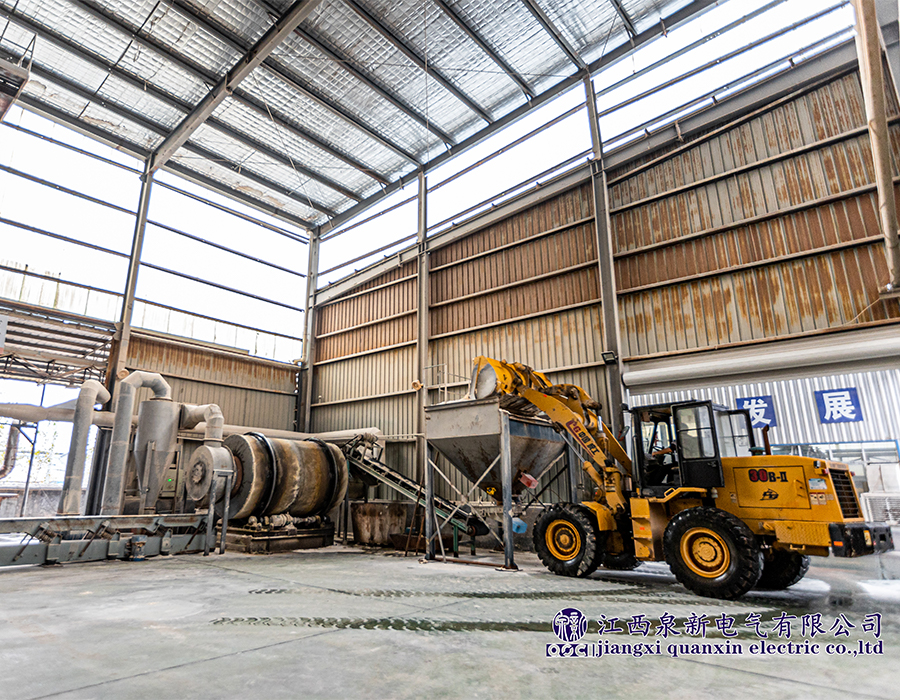
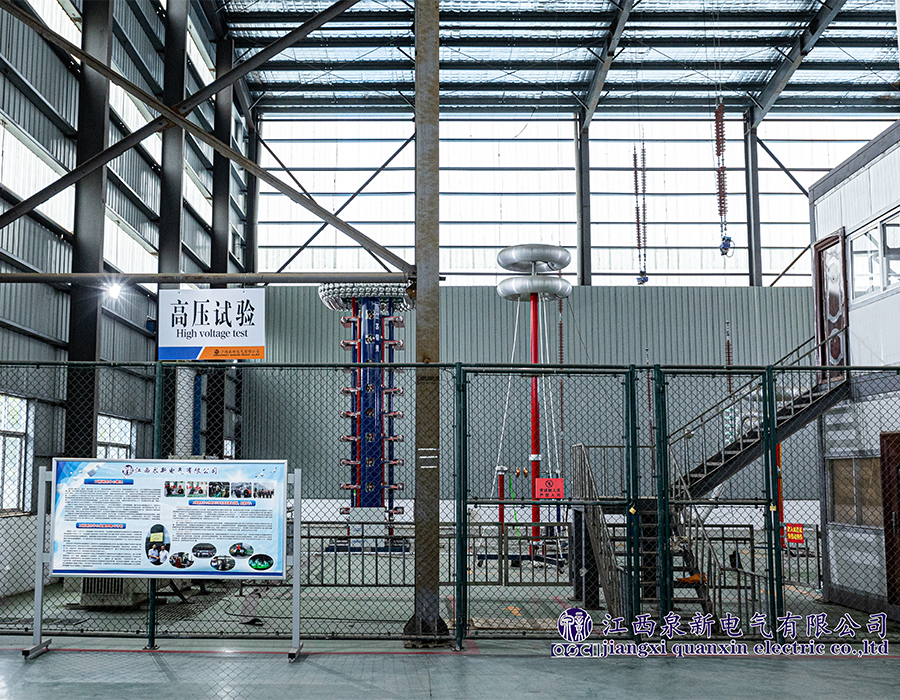
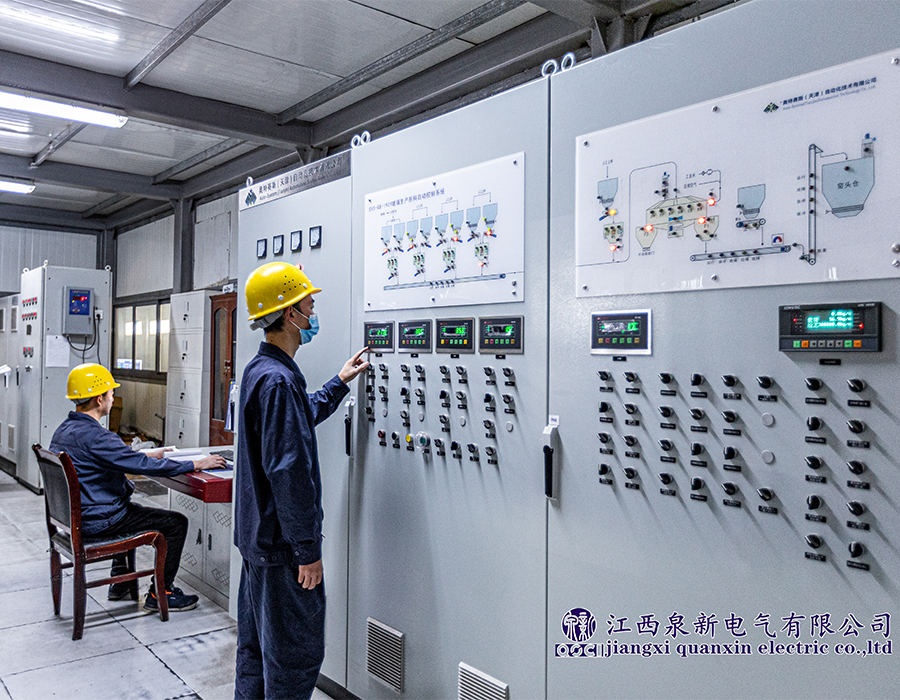
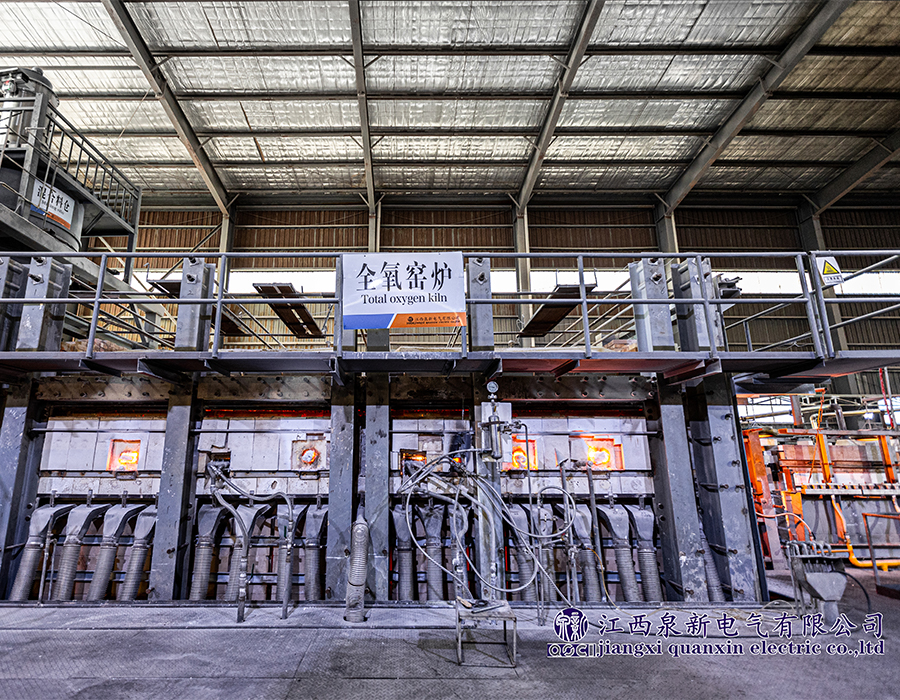
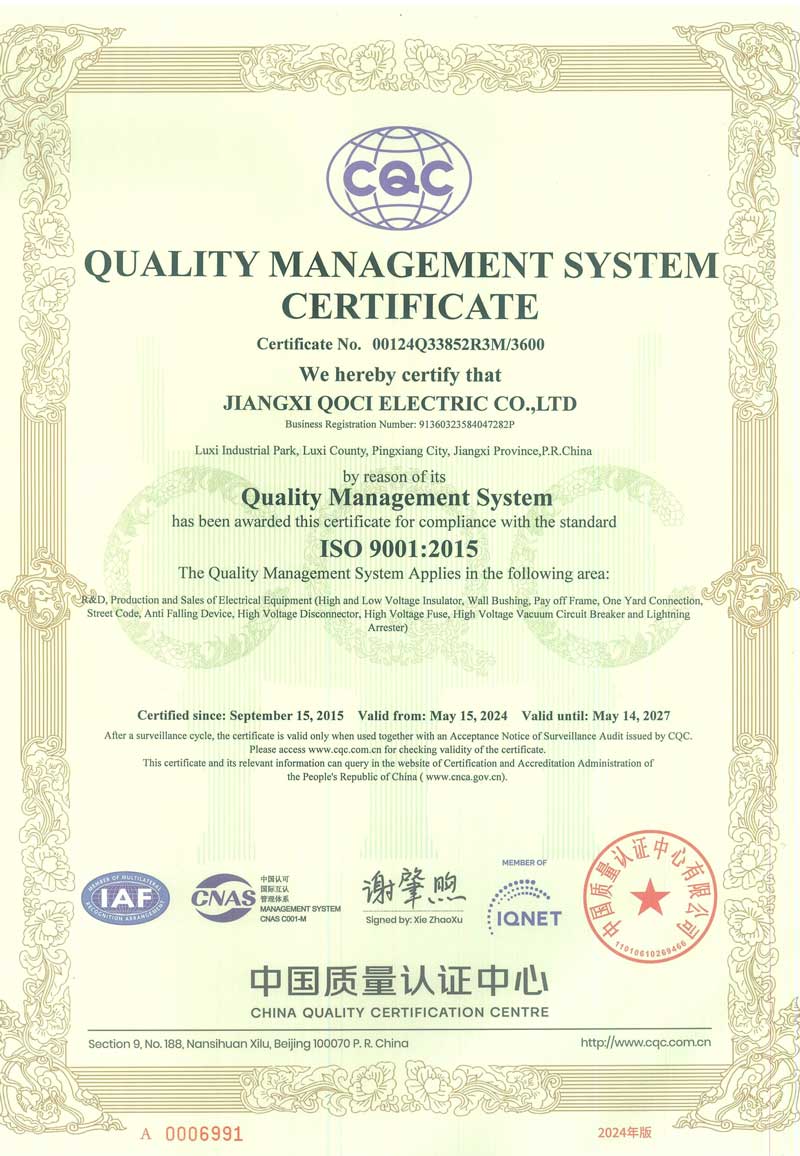
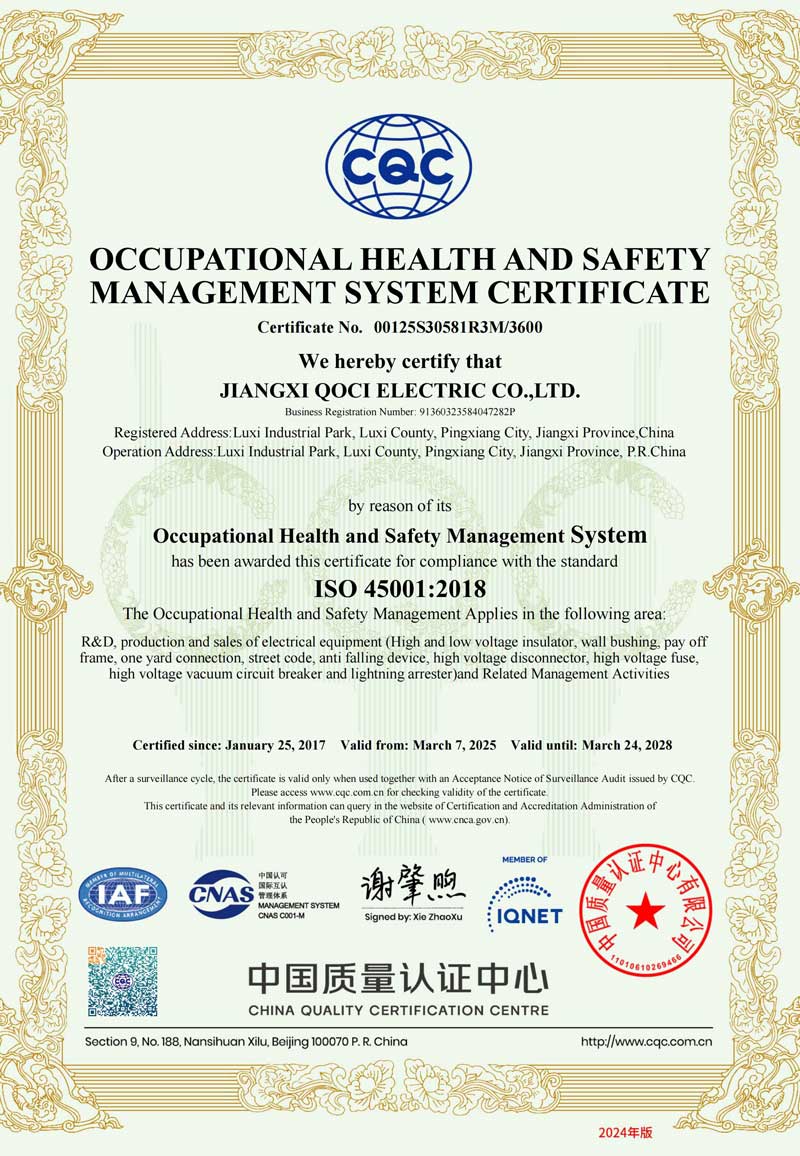
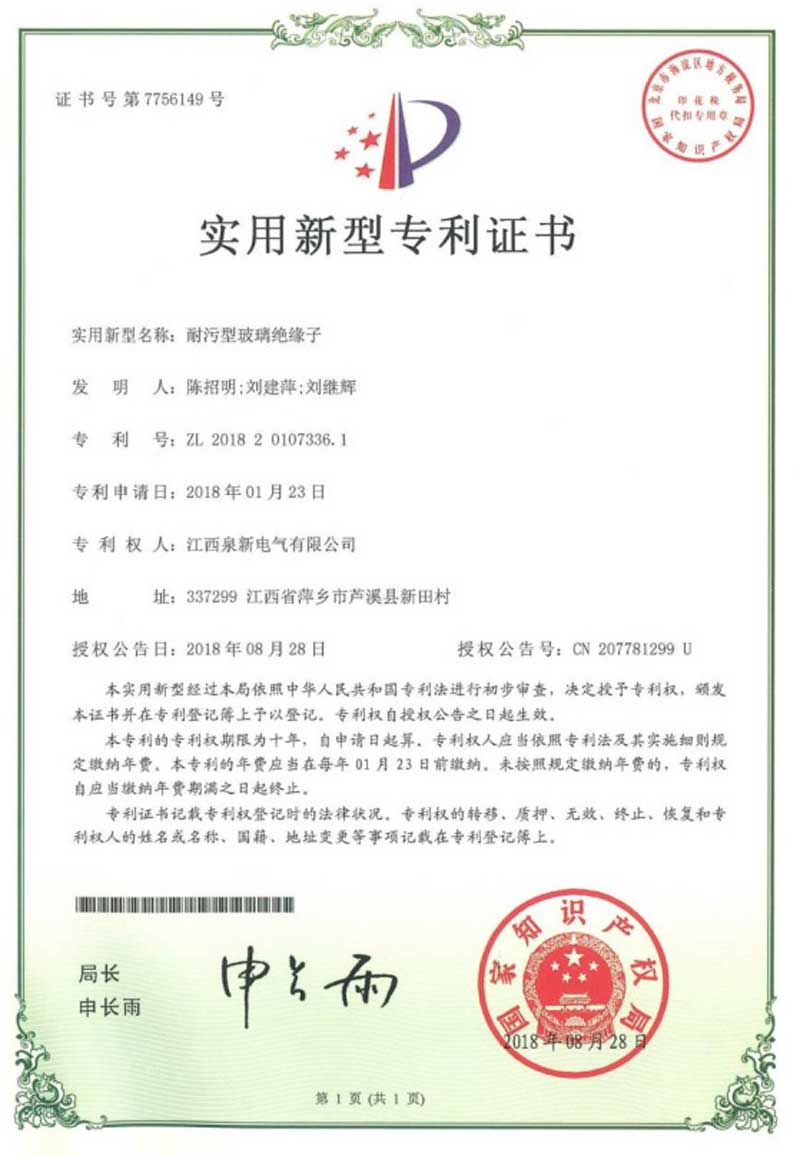
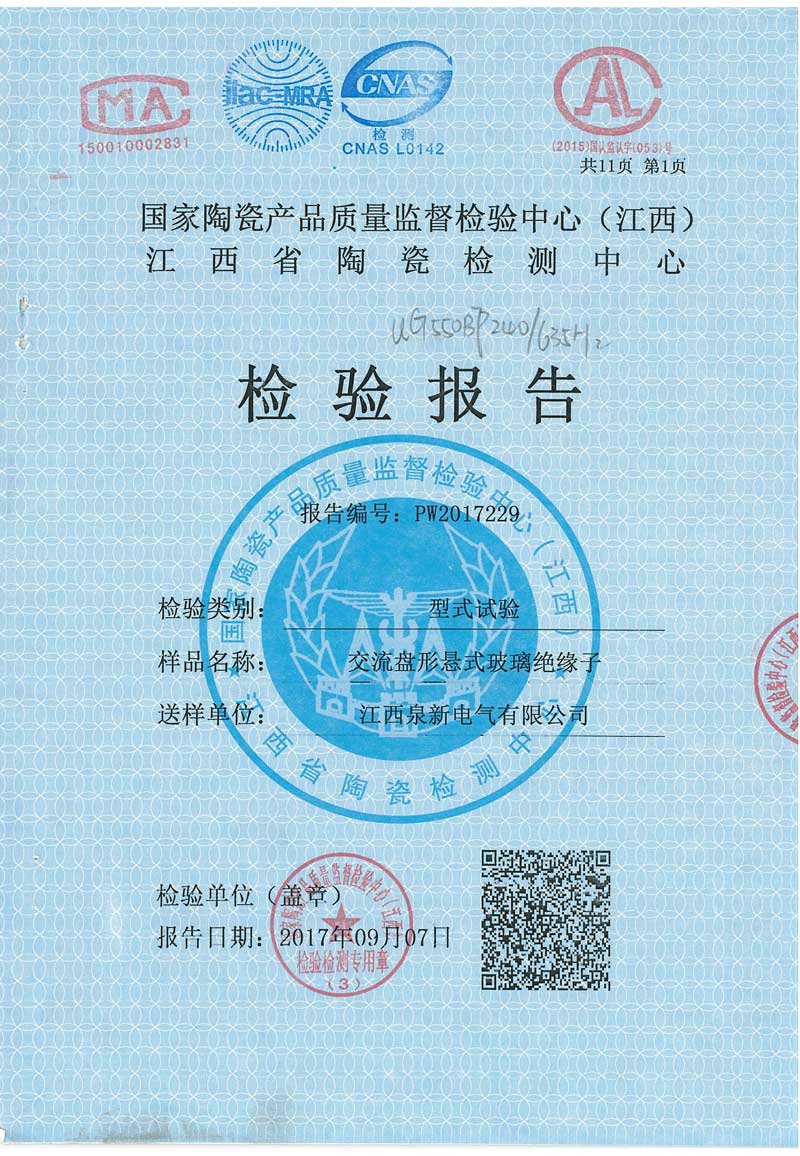
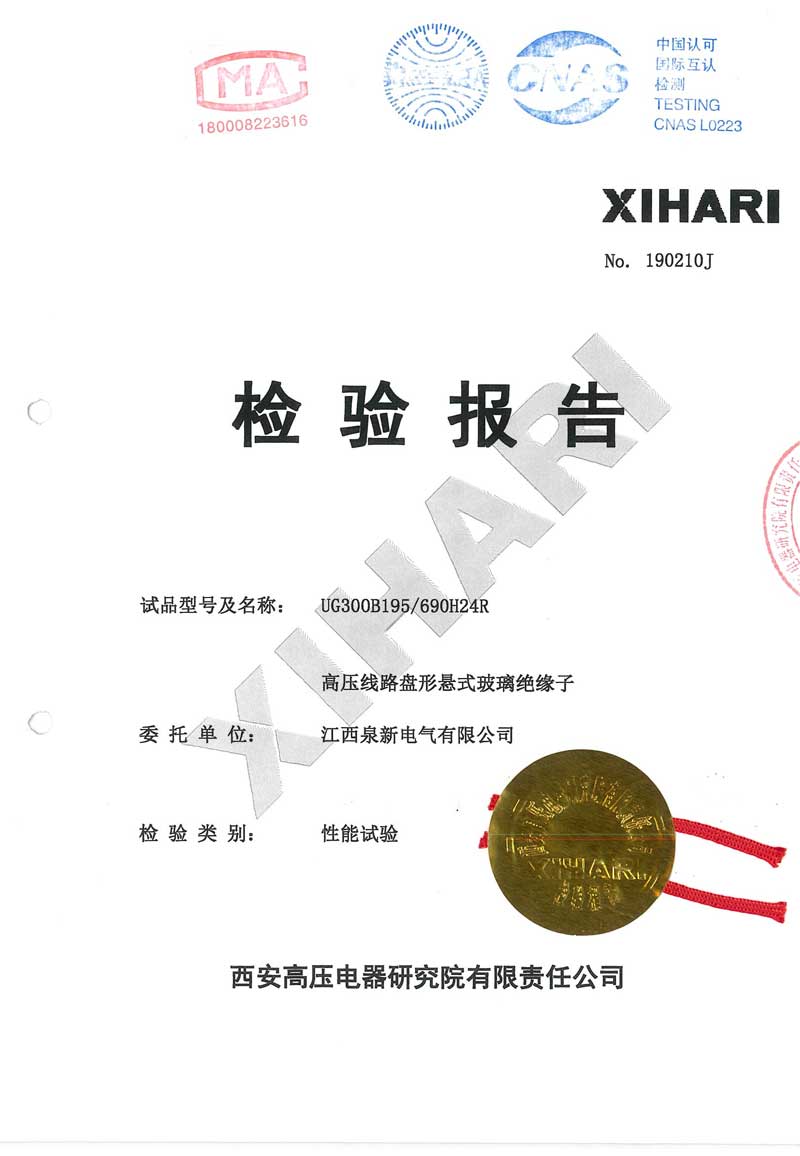
Fully compliant with ISO 9001, ISO 14001, ISO 45001, ANSI C29.2B, and international transmission standards.
Supporting municipal electricity authorities and high-voltage transmission developers worldwide.

Stay updated with current grid innovations and international energy conferences.
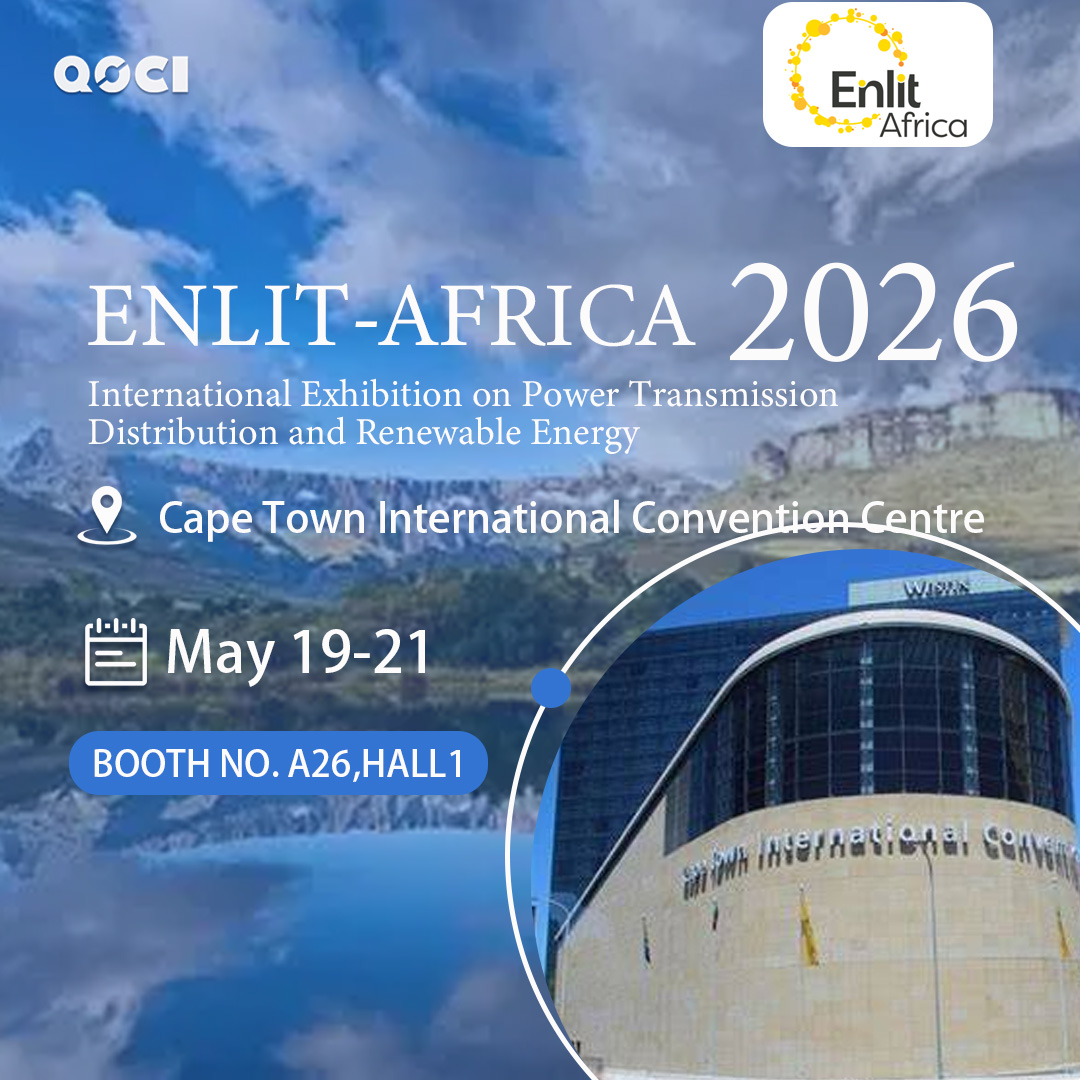
As the global energy transition accelerates, the importance of electricity, renewable energy, and energy storage technologies is becoming increasingly critical. QOCI presents key glass suspension innovations.
Having withstood extreme environmental conditions including icing, high altitude, pollution, earthquakes, and typhoons, China's insulator manufacturing industry has developed key material solutions.
On behalf of our engineering team at Jiangxi QOCI Electric Co., Ltd, we encourage grid operators and utility suppliers to join us in investigating high-strength glass performance metrics under mechanical fatigue.
Detailed engineering guidelines on specifying toughened glass insulators in coastal salt fog zones.
Toughened glass insulators provide higher structural safety by eliminating hidden internal electrical punctures. Under high-impact loading, any failure manifests as a visible external shattering of the glass disc, while the remaining pin and cap mechanism retains up to 80% of its rated mechanical failing load. Porcelain insulators can suffer internal hairline cracks that lead to line grounding failures, requiring complex diagnostic tools to detect.
Boston's coastline has high relative humidity combined with salt aerosol particles. Standard glass profiles can build up a wet salt film, leading to dry-band arcing and flashover. The anti-pollution profile utilizes deep, extended under-ribs (rib length-to-spacing ratio > 3.2), creating sheltered zones underneath the insulator that remain dry during rainfall. This breaks the continuity of the conductive layer, preventing electrical tracking.
These values refer to the Mechanical Failing Load (MFL) under tension. 70kN systems are typical for distribution and light-duty transmission systems. 120kN and 160kN systems are used on high-voltage transmission lines (115kV, 230kV, 345kV) to handle longer span weights, ice loading, and high-velocity wind loads typical of New England winter storms.
Nickel sulfide inclusions can expand slowly over time, causing spontaneous fracturing. QOCI utilizes an automated thermal heat soak test during processing and maintains high purity limits on silica and dolomite feedstocks in our full oxygen kilns. Every production batch is strictly screened to ensure long-term mechanical reliability.
Yes. QOCI supplies factory-applied RTV (Room Temperature Vulcanizing) silicone coatings on glass insulators. Factory application guarantees clean adhesion, controlled thickness, and optimal surface homogeneity compared to field-applied coatings, reducing long-term maintenance costs.
Premium high-strength toughened suspension configurations suited for global and regional power lines.