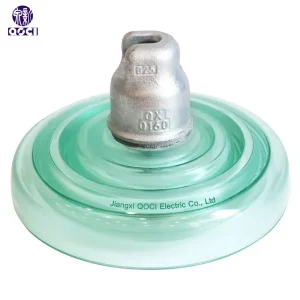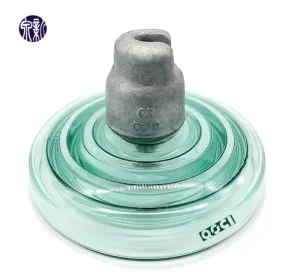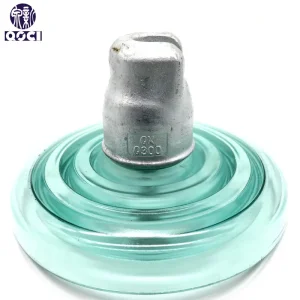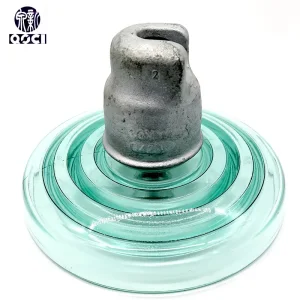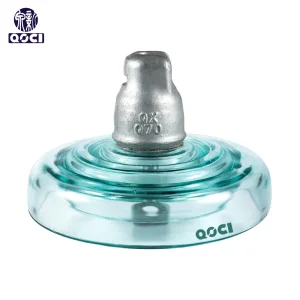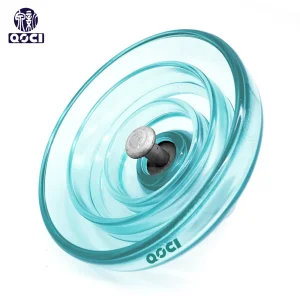
High-performance suspension glass insulators designed to exceed SEC (Saudi Electricity Company) standards in extreme desert environments.
Riyadh is the heart of Saudi Arabia’s industrial and urban expansion. As the Kingdom pushes forward with Saudi Vision 2030, the demand for stable, high-voltage power transmission has reached unprecedented levels. However, the geographic context of Riyadh presents unique challenges for Porcelain and Toughened Glass Insulator manufacturers. The region is characterized by high ambient temperatures reaching 50°C, extreme UV radiation, and frequent sandstorms (Shamal winds) that carry fine, abrasive particles.
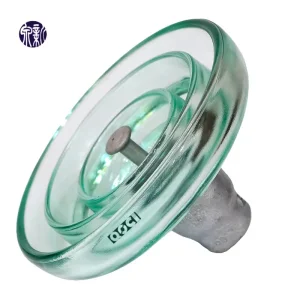
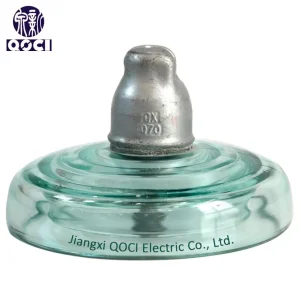
For industrial zones around Riyadh, including the 2nd Industrial City and Sulay, pollution isn't just chemical; it's environmental. The Anti-Pollution Type (Fog Type) glass insulators are engineered with wider sheds to increase the leakage path. When combined with RTV Silicone Coatings, these insulators gain hydrophobic properties, ensuring that even when sand accumulates, water droplets do not form a continuous conductive film, thereby preventing leakage currents.
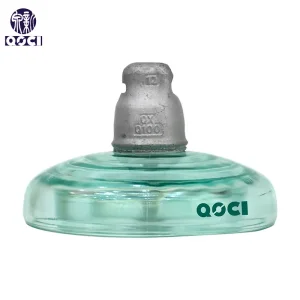
Global utility companies are increasingly favoring Toughened Glass over traditional Porcelain for Riyadh-based projects. The reasoning is rooted in Total Cost of Ownership (TCO). Toughened glass offers "visible failure"—if an insulator fails, the glass shatters but the mechanical strength remains intact. This allows for helicopter or drone-based inspections, significantly reducing maintenance costs compared to porcelain, where internal cracks are invisible to the naked eye.
Plant Area (m²)
Annual Output (Tons)
Engineering Technicians
Invention Patents
Founded in 2002 with a registered capital of 508 million Yuan, QOCI Electric has become a cornerstone in the global power grid supply chain. We provide a full spectrum of high-strength glass insulators used in HVDC and UHV transmission lines across the Middle East, Africa, and Asia.
Visit Our Factory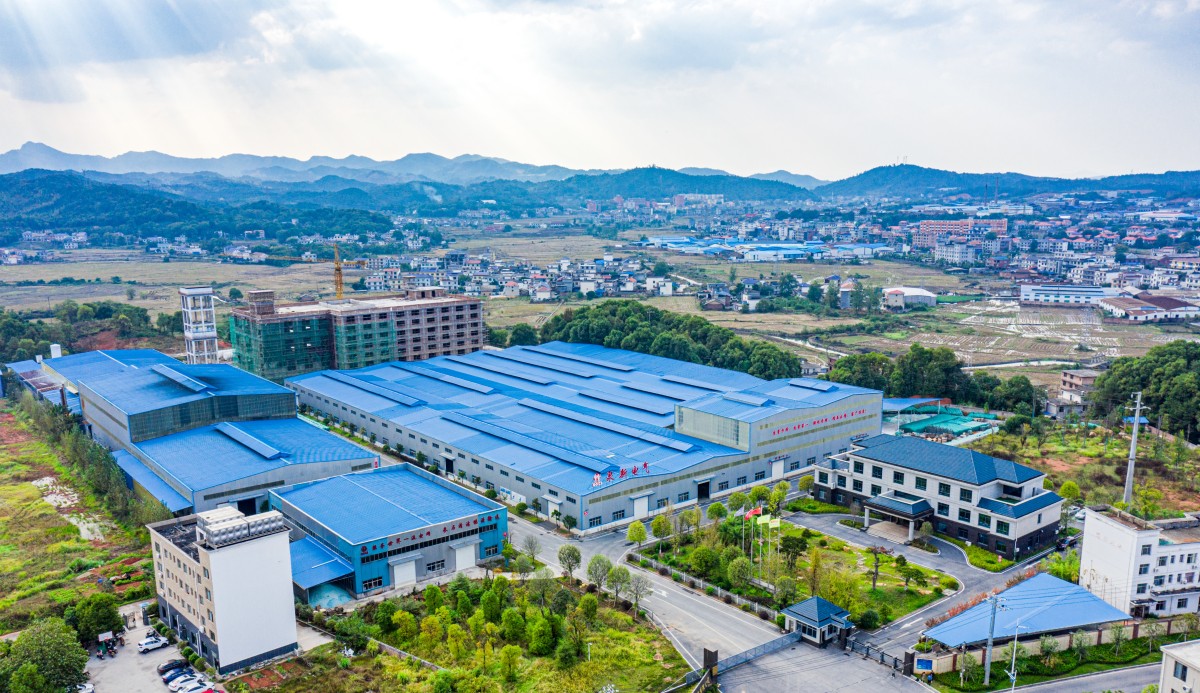
Our Room Temperature Vulcanization (RTV) coatings are specifically formulated to withstand the intense UV levels in the Riyadh desert, extending insulator life by 15+ years.
Development of insulators that utilize wind flow to self-clean sand deposits, a critical feature for lines running through the Ad-Dahna Desert.
Engineering solutions for 800kV and above, supporting Saudi Arabia's interconnection projects with neighboring GCC countries.
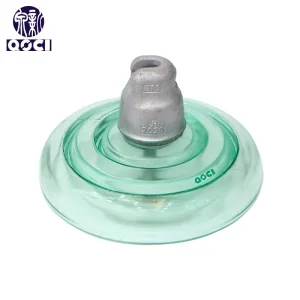
Design of insulating part with open profile is marked by absence of under-ribs and extended diameter of disk, so as to avoid the accumulation of solid pollution deposits (dust, sand) on its lower surface. Open profile reduces pollutant accumulation on the surface. This design is effective in desert areas with wind and sand storm also can solve ice-bridging problems. It is particularly adapted to suspension and tension applications in desert areas where wind is predominant and rain infrequent.
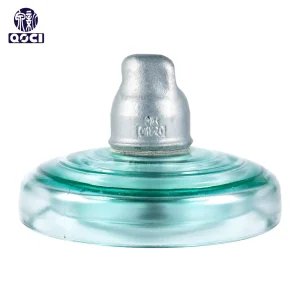
Specialized for Heavy Industrial Pollution zones in Riyadh Province.
Check AvailabilityIn the high-heat desert environment of Riyadh, toughened glass offers better thermal stability and a self-diagnostic feature. If a glass insulator fails due to electrical or mechanical stress, it shatters, making the fault immediately visible to inspectors. Porcelain can have internal cracks that go undetected, leading to catastrophic failure.
Yes. We offer factory-applied RTV (Room Temperature Vulcanization) silicone coatings that provide superior hydrophobicity, essential for combating the "salt-fog" and sand-induced leakage currents common in the Middle East grid.
Our products are manufactured and tested in strict accordance with IEC 60305, IEC 60383, and ANSI standards, ensuring full compliance for procurement by SEC and other Middle Eastern utility companies.
With an annual output of 39,000 tons and strategic logistics partnerships, we offer prioritized shipping lanes to the Port of Dammam and Jeddah, with subsequent inland transit to Riyadh, ensuring project deadlines are met.
Get technical consultation and bulk pricing for your next Riyadh power infrastructure project.
Contact Our Engineering Team