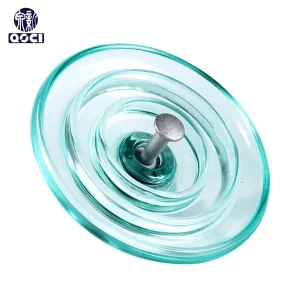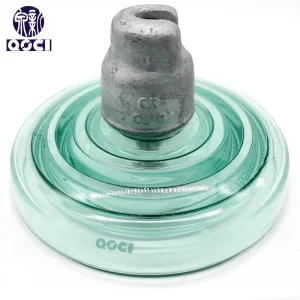
Engineered to withstand extreme mechanical loads and severe environmental stress. Browse our top-tier toughened glass and ceramic insulators designed for power grids worldwide.
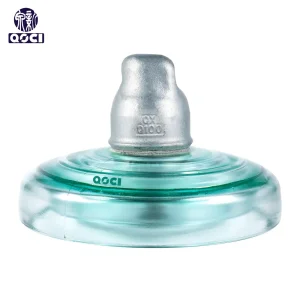
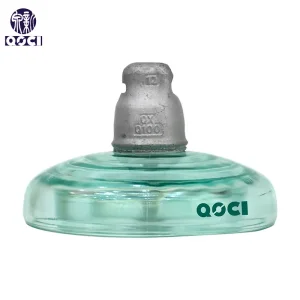
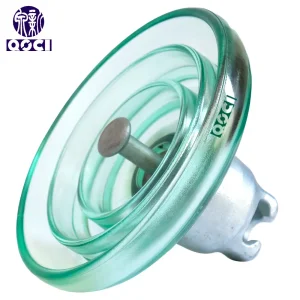
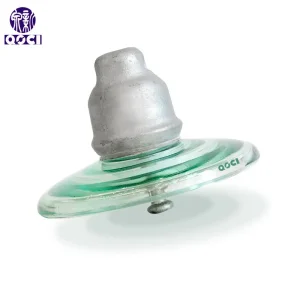
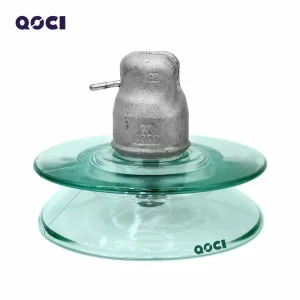
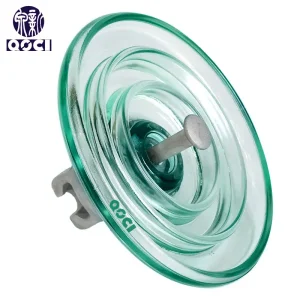
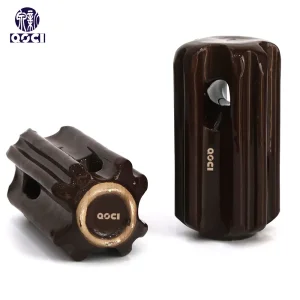
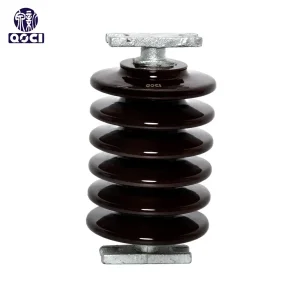
Ceramic (porcelain) insulators are fabricated from high-grade clay, feldspar, and quartz, fired at extreme temperatures to yield a dense, puncture-resistant body. They offer exceptionally high dielectric strength and structural longevity. Toughened glass insulators, processed via thermal tempering, exhibit high mechanical strength and display a unique failure mode: they shatter cleanly when compromised mechanically or electrically, eliminating internal punctures and allowing line crews to perform fast, visual inspections.
Insulator performance is primarily governed by creepage distance, flashover performance, and pollution resistance. Creepage distance represents the shortest path along the insulating material's surface between energized parts. Operating in humid, saline, or dusty conditions requires specific profile geometries—such as anti-fog or double-shed designs—to prevent leakage current tracking and subsequent flashovers under high stress.
Outdoor insulator strings are continuously exposed to ultraviolet (UV) radiation, industrial smog, corrosive coastal air, and ambient temperature fluctuations. Thermal shock resistance is crucial. Our advanced production processes utilize raw material mixtures designed to match the expansion coefficients of metallic caps and pins with the glass or ceramic bodies, preventing micro-fracturing and structural failure over decades of use.
Sourcing high-voltage transmission equipment requires a balance of high raw material quality, strict engineering tolerances, and cost efficiency. Chinese manufacturers offer structural advantages that simplify the sourcing process for global utilities.
Our facility in Pingxiang, Jiangxi Province—often recognized as the capital of electrical porcelain—benefits from a complete regional ecosystem. Sourcing high-purity clay, advanced kilns, and structural metals locally minimizes logistical delays and keeps production overhead low.
We utilize computerized Total Oxygen Kilns and high-tonnage forming presses. This precise control over firing cycles yields uniform microstructures, eliminating internal air pockets and ensuring consistent mechanical properties across massive production runs.
Our manufacturing and testing protocols are fully aligned with international standards like IEC, ANSI, and BS. This ensures seamless integration into existing infrastructure and smooth regulatory approvals across diverse international markets.
Different geographies present unique atmospheric challenges. Selecting the appropriate profile optimizes performance, reduces maintenance, and extends grid lifecycle.
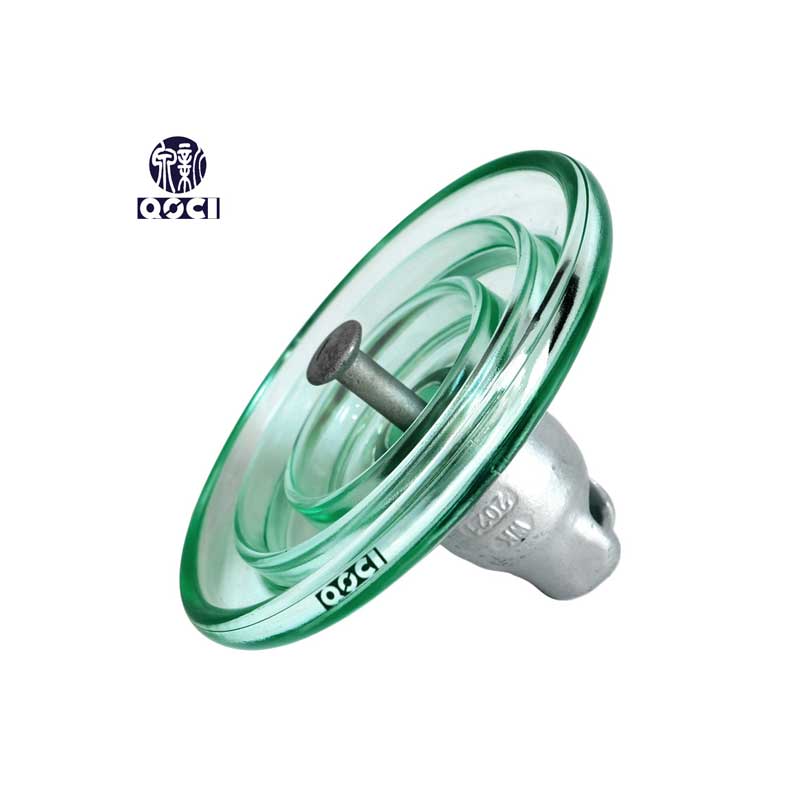
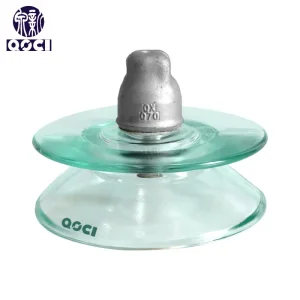
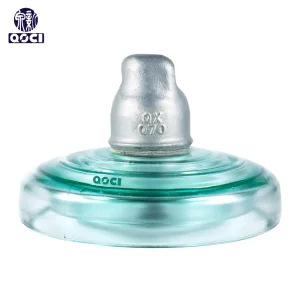
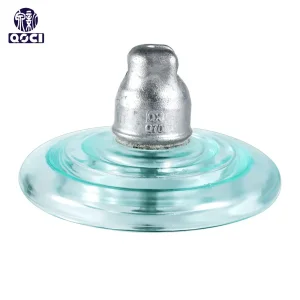
Designed with shallow, well-spaced ribs that promote natural self-cleaning by wind and rain. Its creepage distance exceeds standard IEC 60305 baselines, making it ideal for mild and moderately clean operational zones.
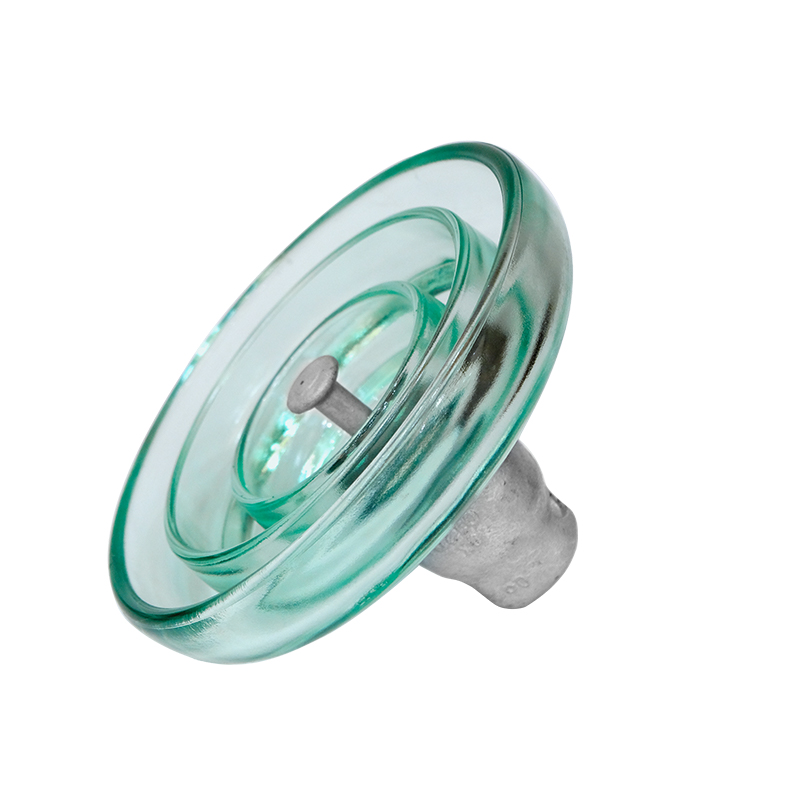
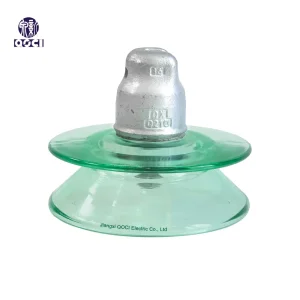
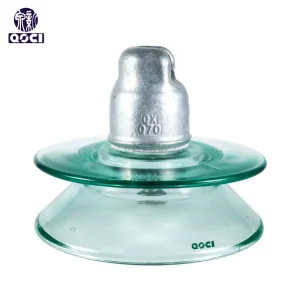
Features deep, widely spaced under-ribs to prevent electrical bridging between adjacent sections. With a high leakage distance to spacing ratio (approx. 3.2), it performs reliably in coastal salt-fog environments and high-pollution areas.
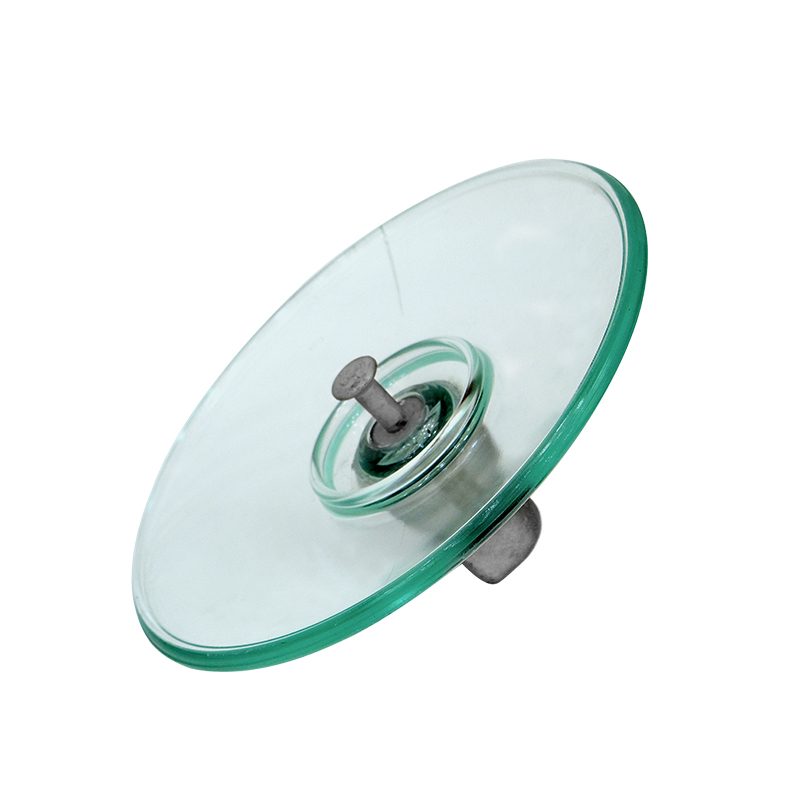
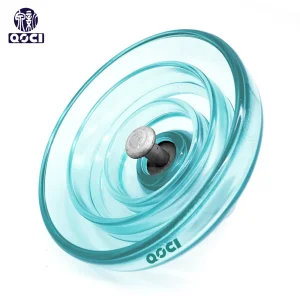
Designed without under-ribs and with a larger disc diameter. This smooth configuration prevents accumulation of dust, sand, and ice in arid desert regions or extremely cold climates, reducing maintenance requirements.
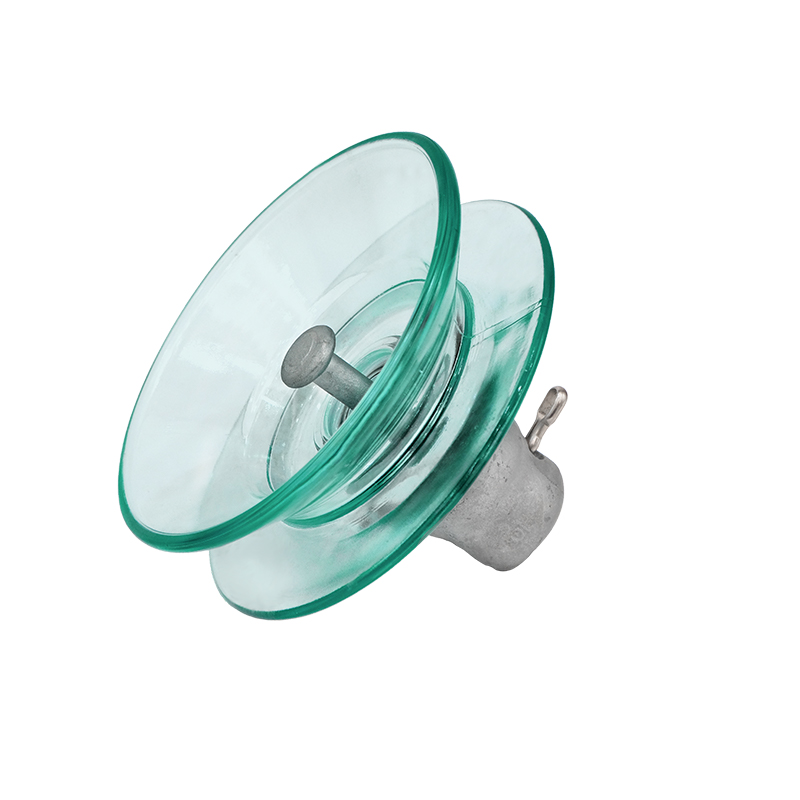
Features two external ribs to limit dirt accumulation and simplify manual cleaning. Delivering leakage distances comparable to anti-pollution profiles, it performs well in industrial zones and saline soils.
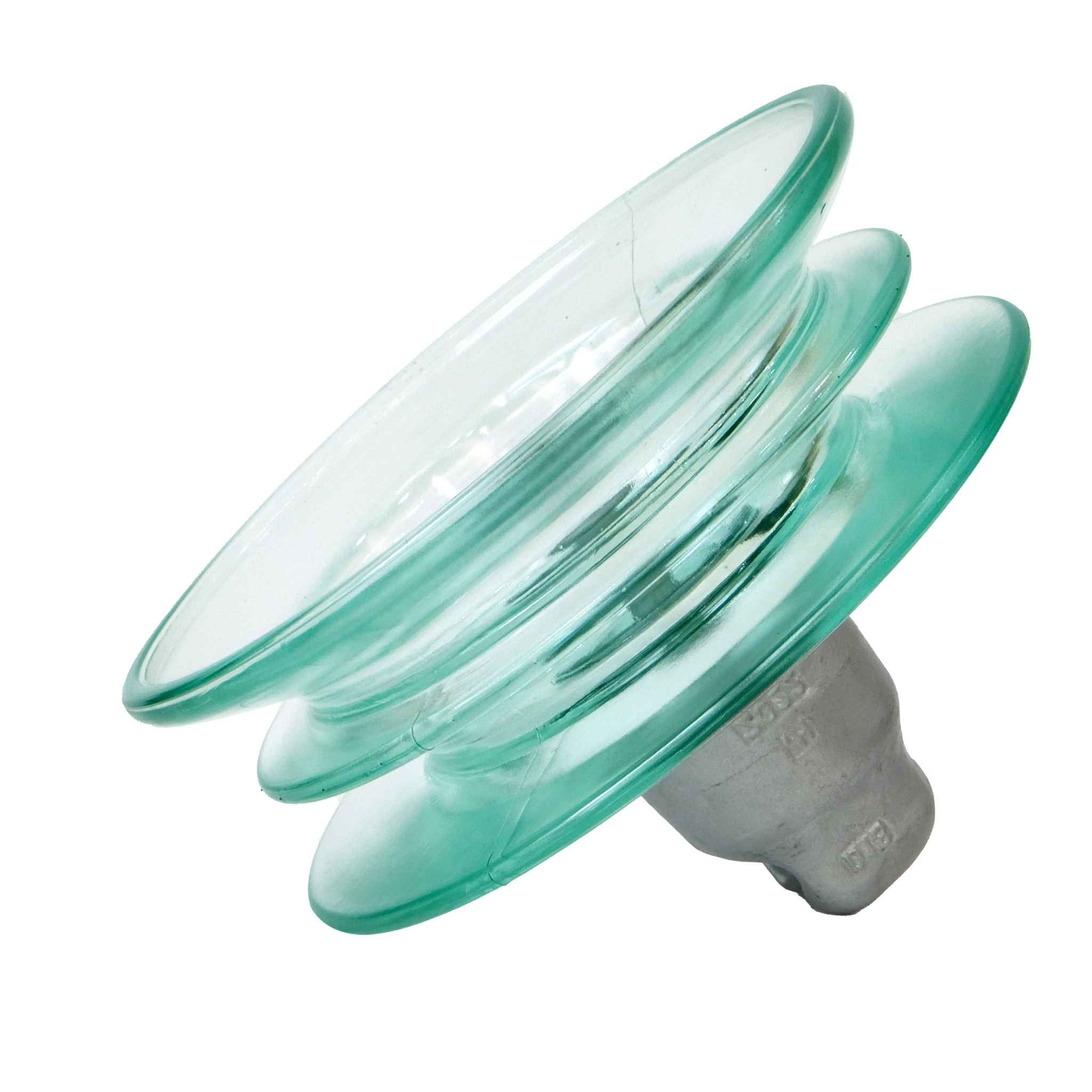
Features three distinct umbrella discs on a single body. This design provides high pollution flashover resistance and creepage distance, supporting ultra-high voltage (UHV) networks in high-altitude environments.
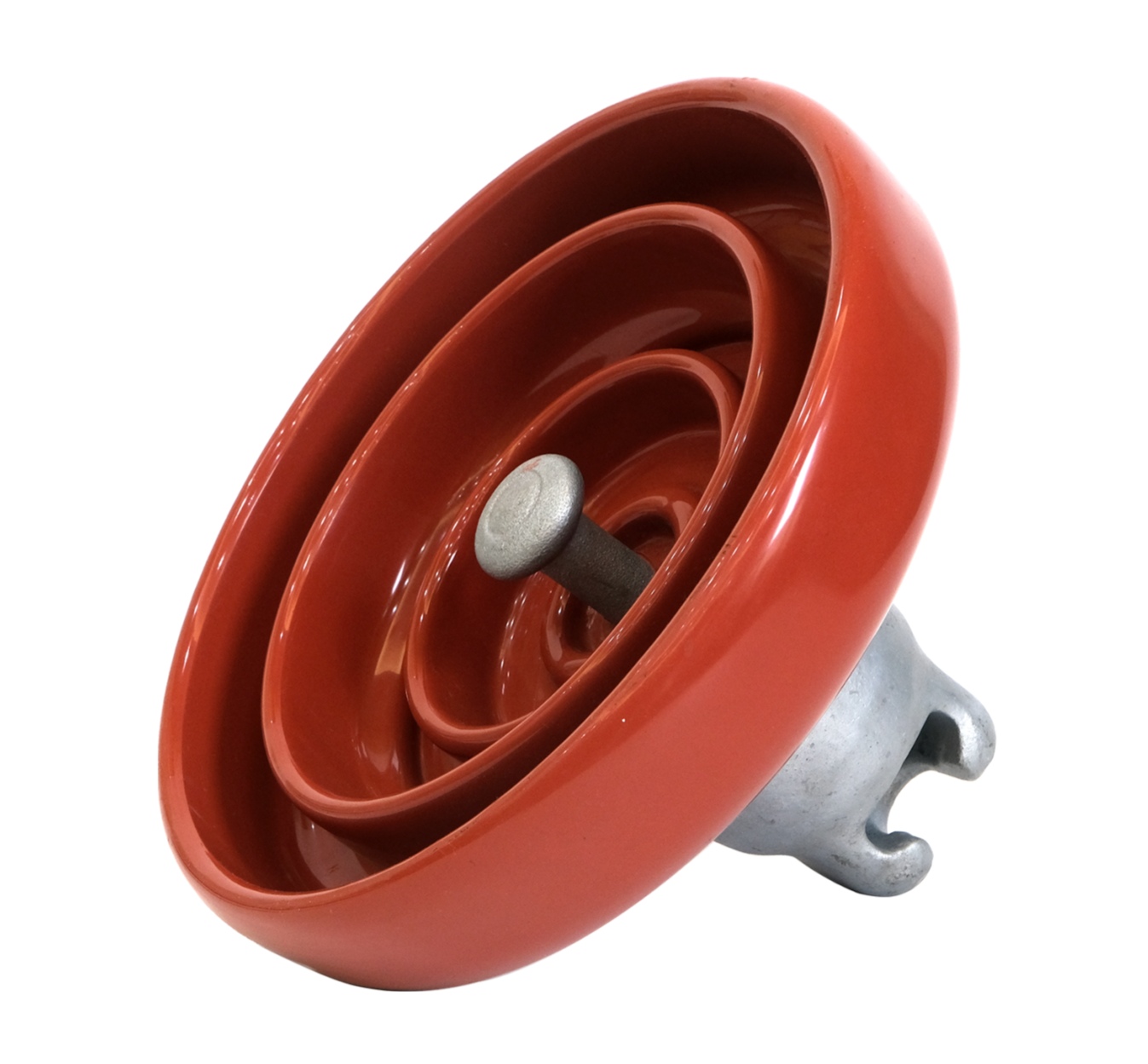
Combines the mechanical strength of toughened glass with the hydrophobic properties of Room Temperature Vulcanizing (RTV) silicone. This coating suppresses leakage currents and eliminates the need for regular insulator washing in heavily polluted areas.
High-voltage insulation systems must perform reliably under diverse environmental challenges. Our products are engineered to support low-voltage to ultra-high-voltage AC/DC lines in a variety of service conditions.
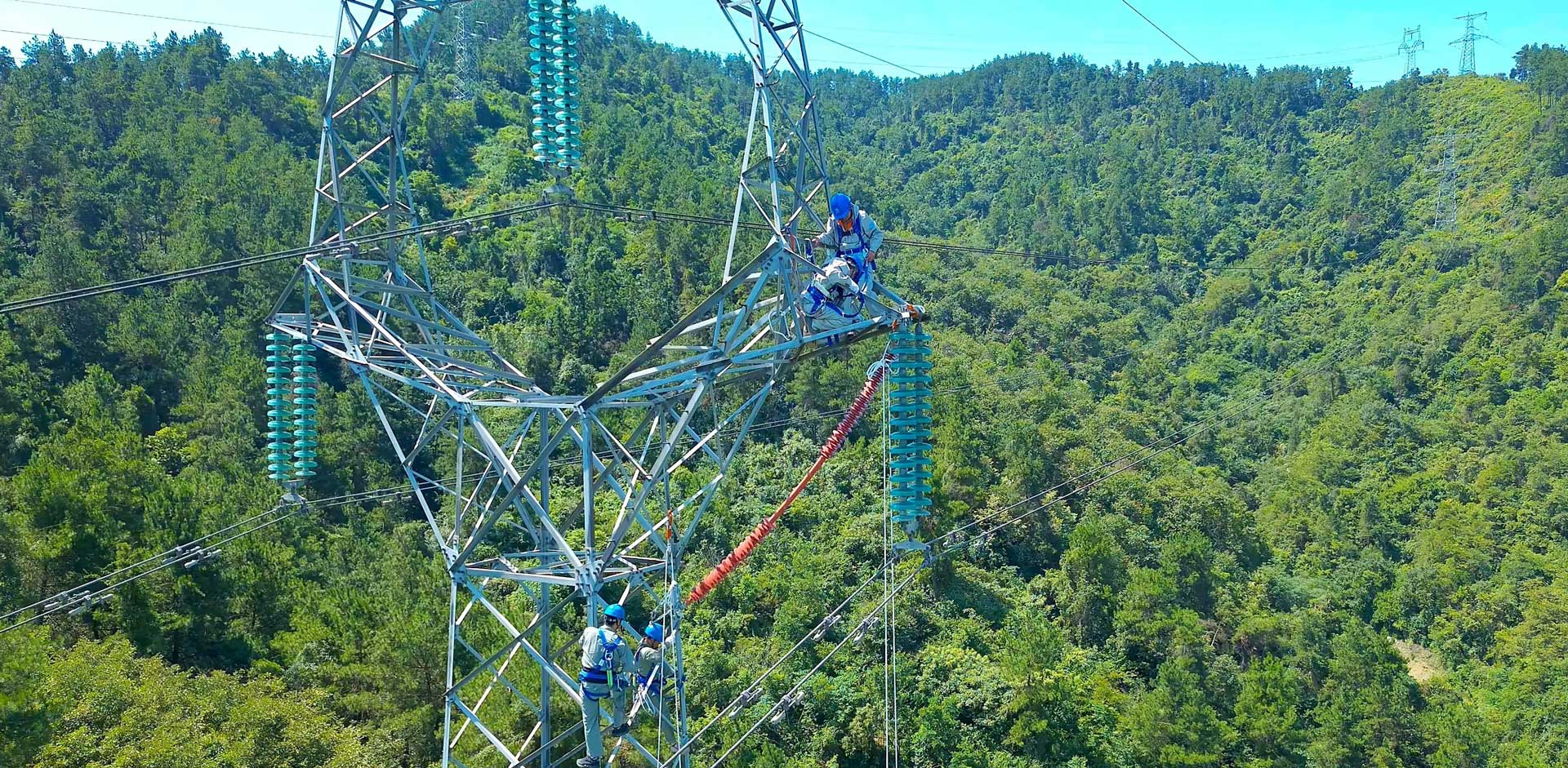
Tested for performance in high-altitude cold zones, coastal fog, humid valleys, and hot desert regions. Resistant to thermal shock and cyclic degradation.
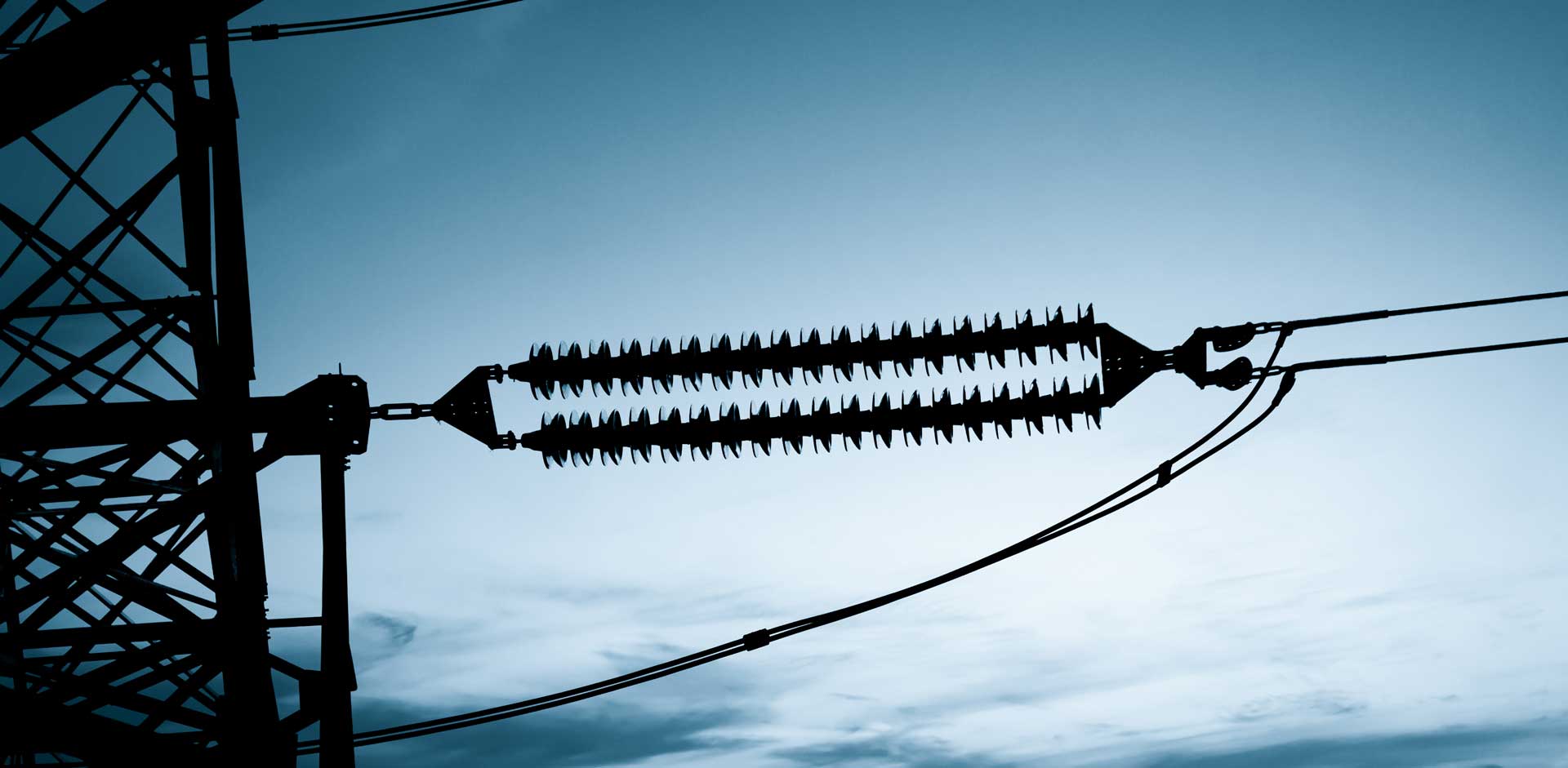
Optimized for electrical substation busbars, distribution networks, and cross-country transmission structures up to 1000kV AC and 800kV DC.
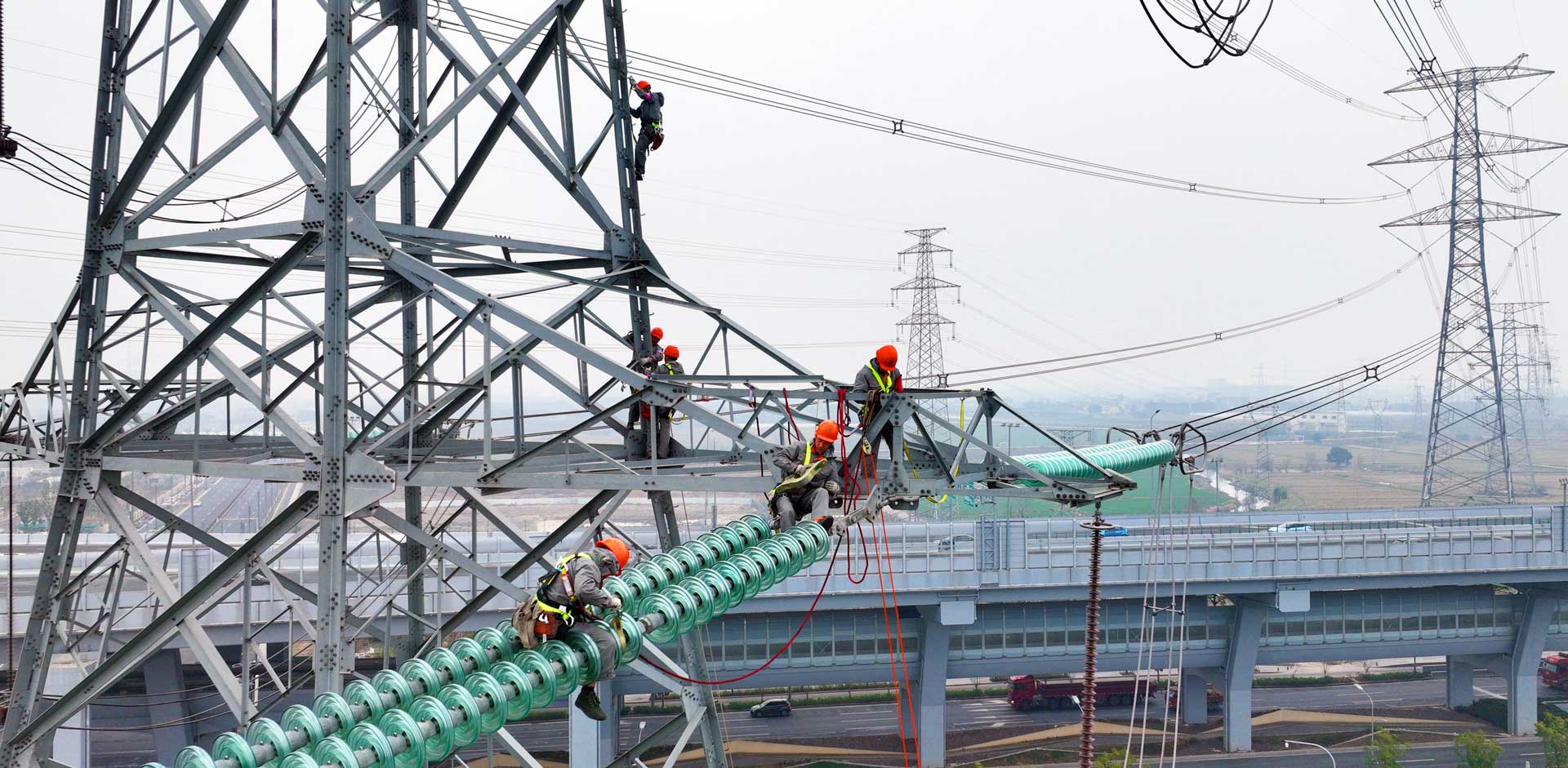
Integrated anti-pollution profiles, high-load suspension strings, and vibration-dampening geometries to prevent flashovers and mechanical failure under extreme wind loads.
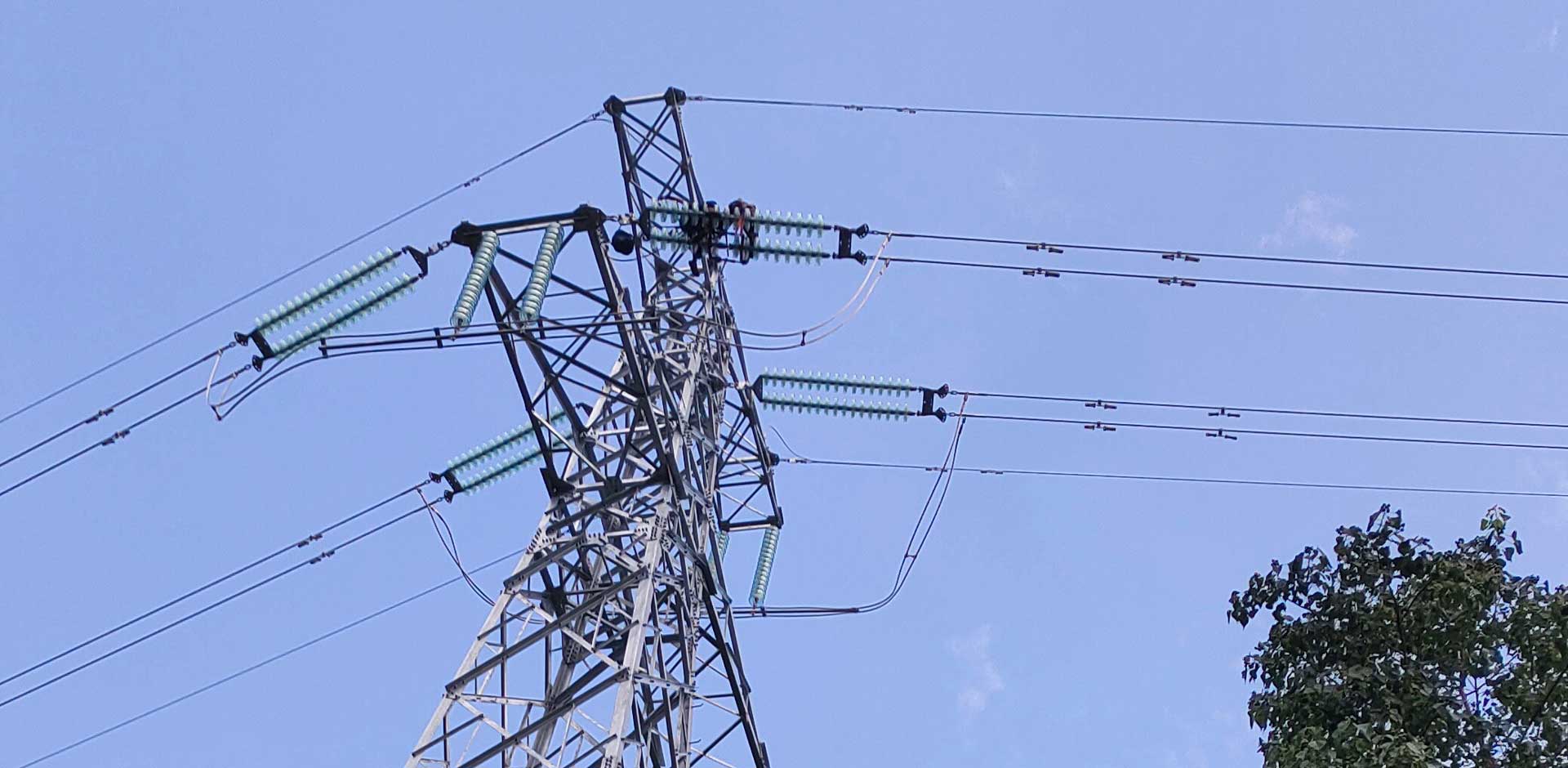
Designed for heavy industries like high-speed rail electrification, petrochemical processing plants, mining zones, and smelting facilities that require chemical-resistant designs.
Founded in December 2002 with a registered capital of 508 million Yuan, Jiangxi QOCI Electric Co. Ltd is a specialist in high-voltage glass and ceramic insulation systems. Located in the Industrial Park of Luxi County, Pingxiang City, Jiangxi Province, our modern facility spans 100 mu.
We combine advanced material science with strict testing protocols. Utilizing advanced automatic forming presses, continuous oxygen control kilns, and in-house mechanical testing facilities, we supply reliable insulation components to major state grid developers and international energy organizations.
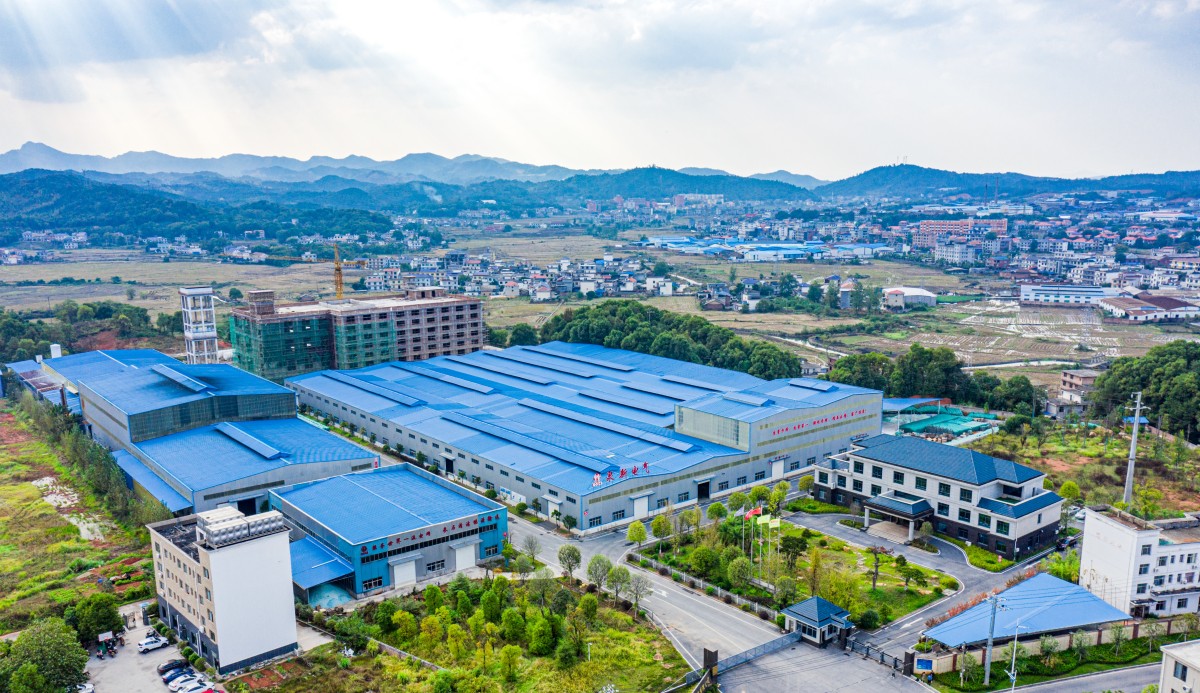
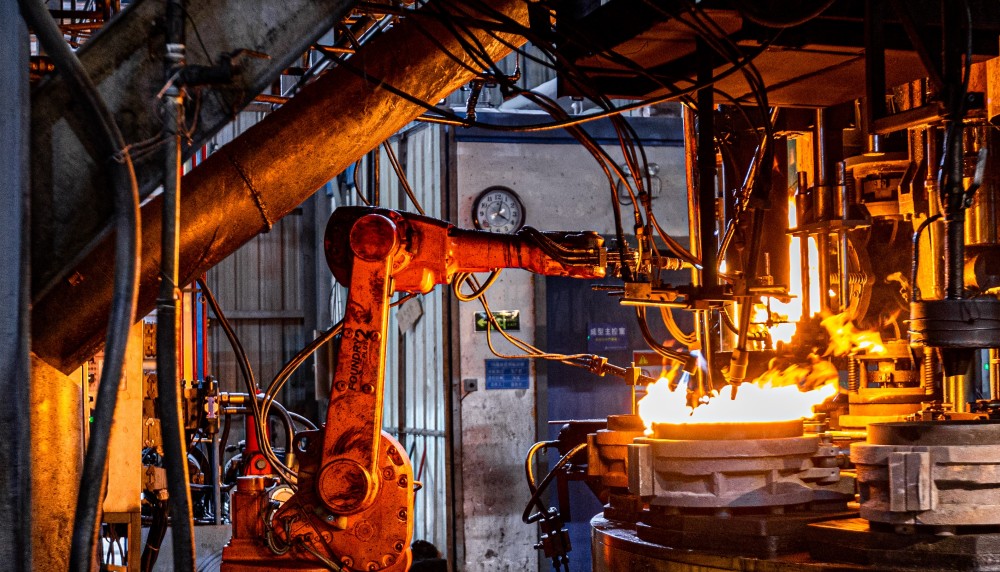
Precision manufacturing and quality control are essential to ensuring the safety of high-voltage grids. Our production lines feature automation and continuous quality monitoring from raw materials to final test.
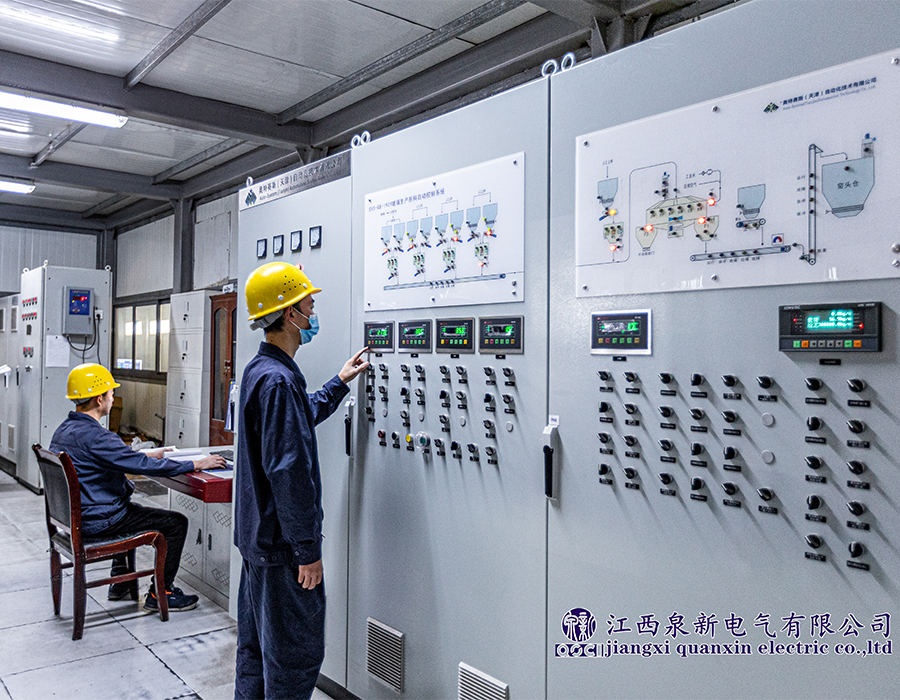
We source raw silicate and high-purity mineral components. Continuous analysis ensures consistent formulation chemistry and eliminates volatile elements.
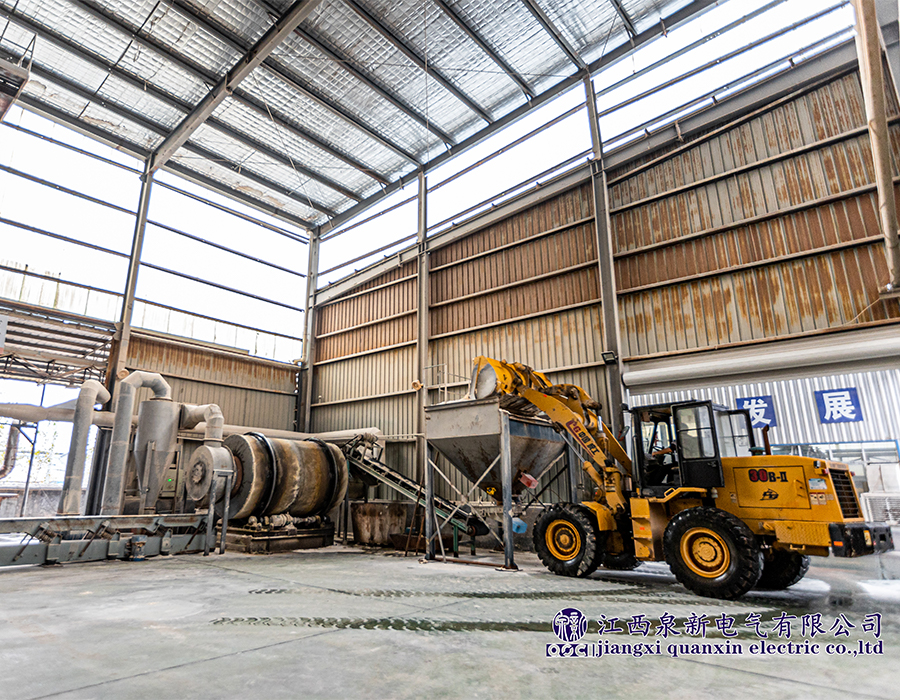
Raw materials are wet-milled in high-capacity ball mills to produce slip, which is filtered and pugged under vacuum to eliminate air pockets.
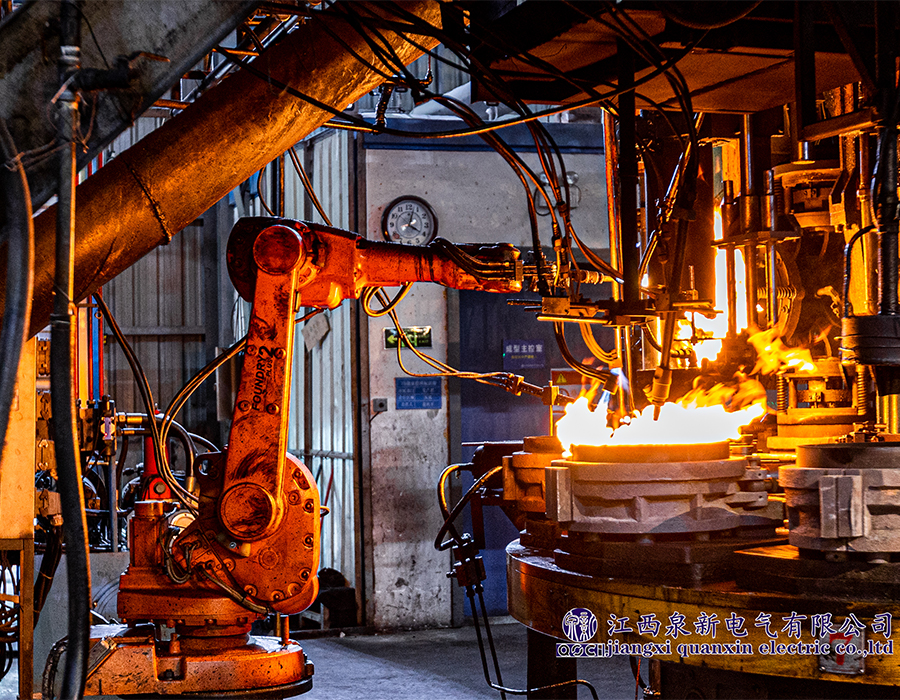
High-tonnage hydraulic presses form the green bodies, ensuring consistent density and dimension before drying.
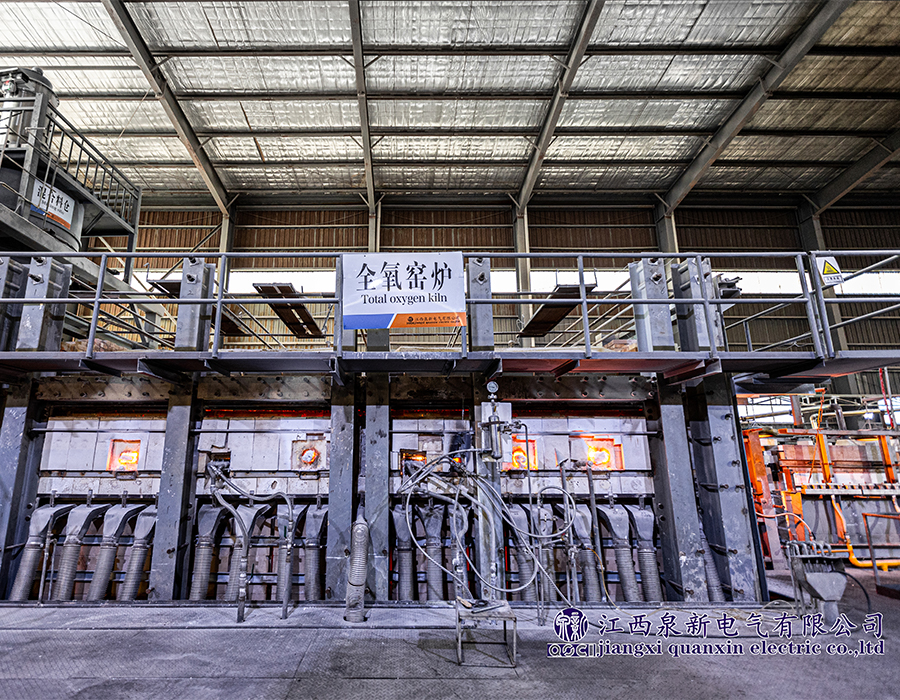
Bodies are fired in a continuous Total Oxygen tunnel kiln, with temperature profiles mapped to control thermal crystallization.
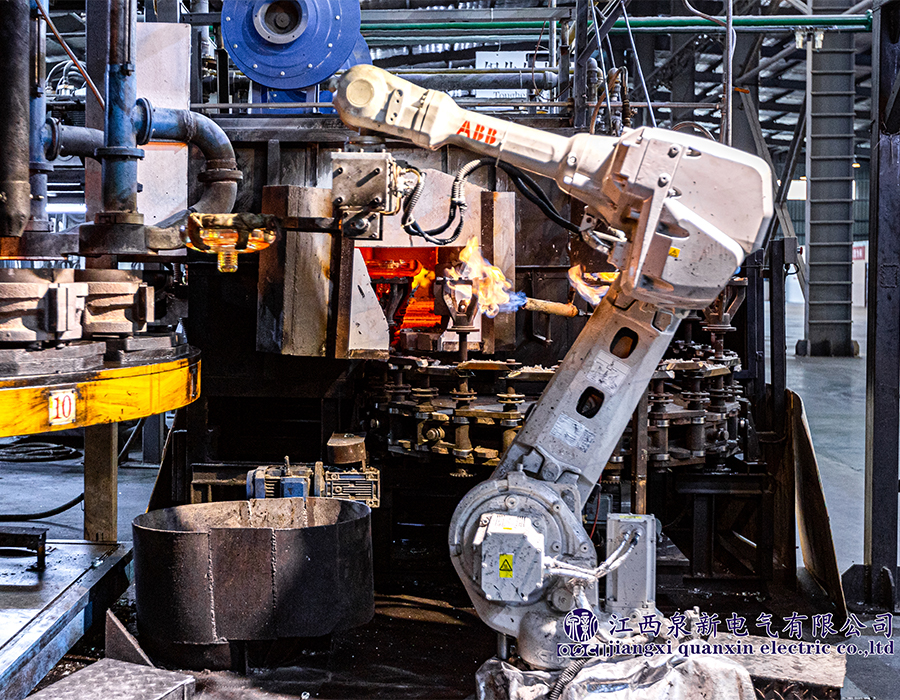
Caps and pins are hot-dip galvanized and cemented to the dielectric body using specialized cured cement, ensuring mechanical alignment.
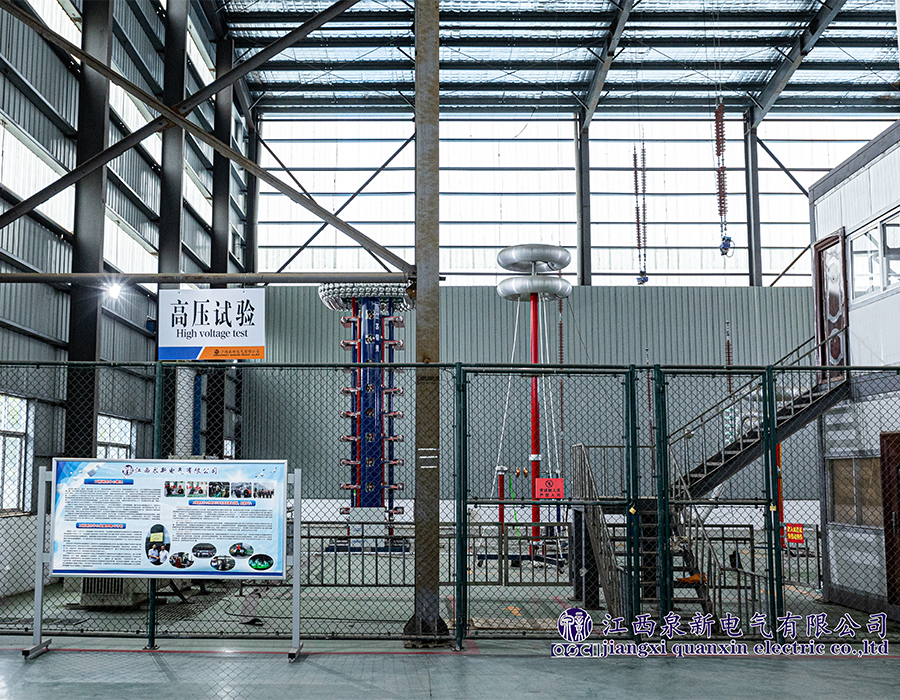
Insulators undergo routine testing, including steep-front impulse voltage tests, thermal mechanical testing, and mechanical failing load checks.
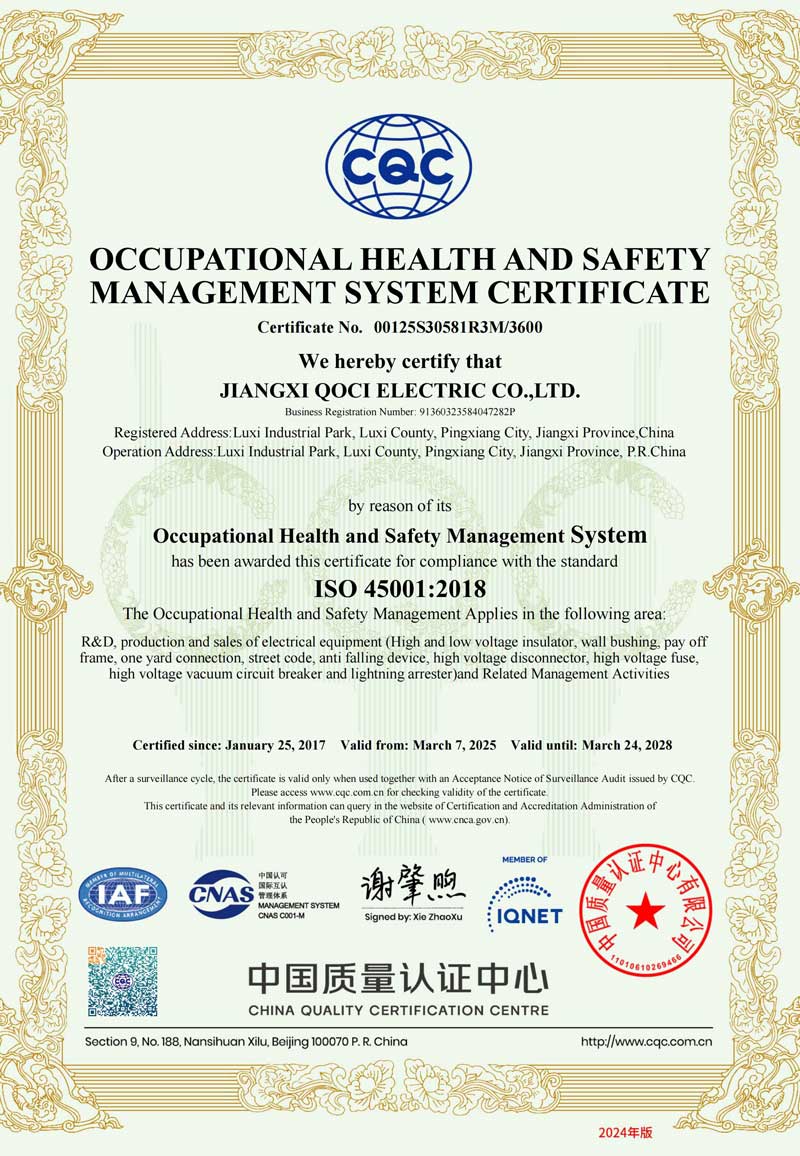
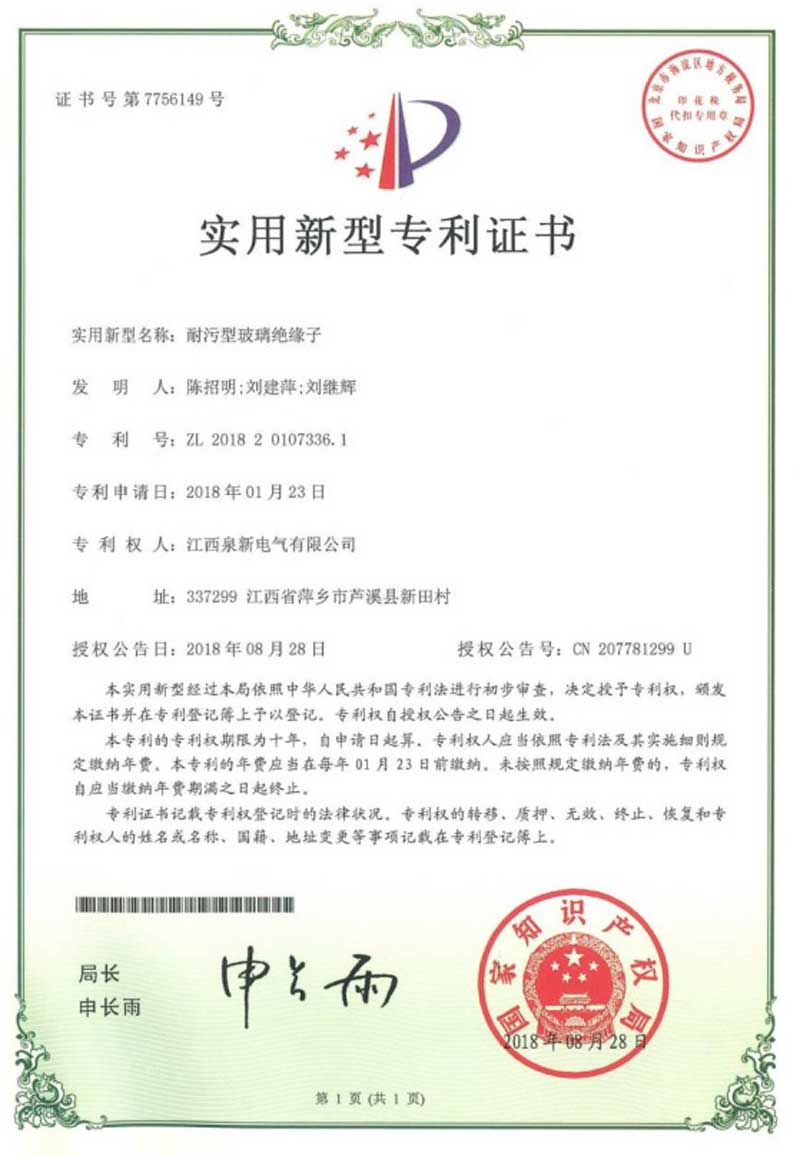
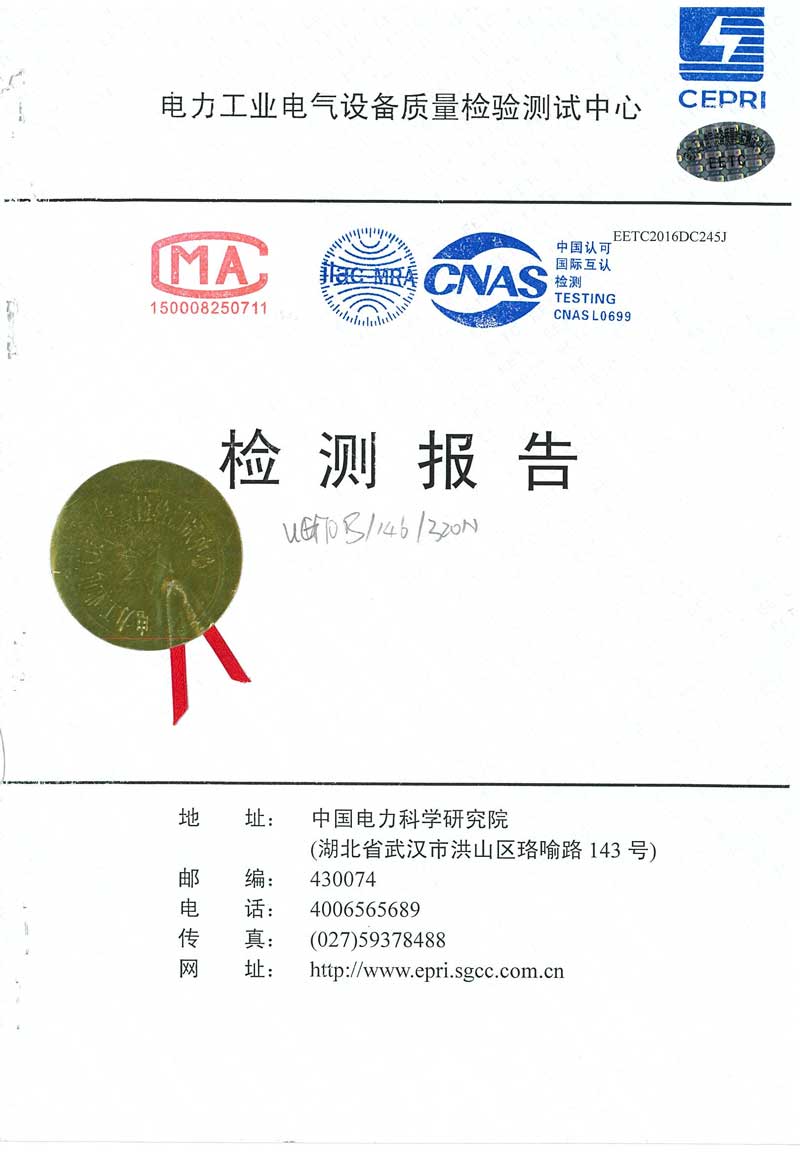
Our commitment to reliability is backed by third-party testing and international grid approvals. We support grid modernization projects globally.
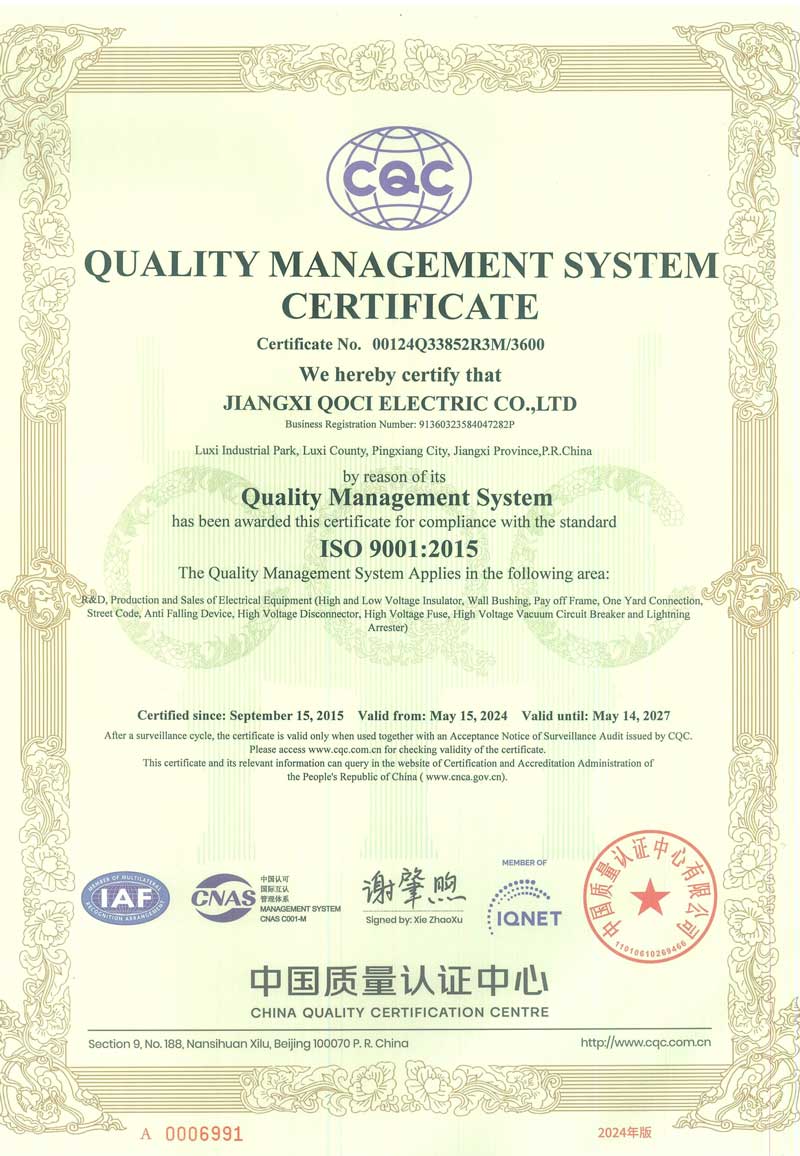
Quality Certificate 1
Quality Certificate 2
Quality Certificate 3
Quality Certificate 4
Our products are engineered to support large-scale industrial projects and infrastructure developments globally.

As networks expand, insulators must adapt to technical and environmental challenges. Key developments include:
Applying Room Temperature Vulcanizing (RTV) silicone coatings to tempered glass insulators is growing. This combines the mechanical strength of toughened glass with the surface hydrophobicity of silicone. The coating limits leakage currents and dry-band arcing, reducing operational costs in highly polluted areas by eliminating the need for periodic manual washing.
UHV lines (up to 1100kV AC and ±1100kV DC) require robust insulation designs. High-voltage transmission lines require insulation systems that can withstand extreme mechanical tensions (exceeding 300kN) while providing sufficient creepage distances to prevent flashovers under high stress. Modern factories are adjusting raw material formulations and kiln controls to meet these demands.
Global climate changes are subjecting electrical systems to extreme wind loads, severe icing, and temperature swings. Insulator designs must support flexible installation geometries, including V-strings and tension arrangements, to minimize line swing and prevent structural damage.
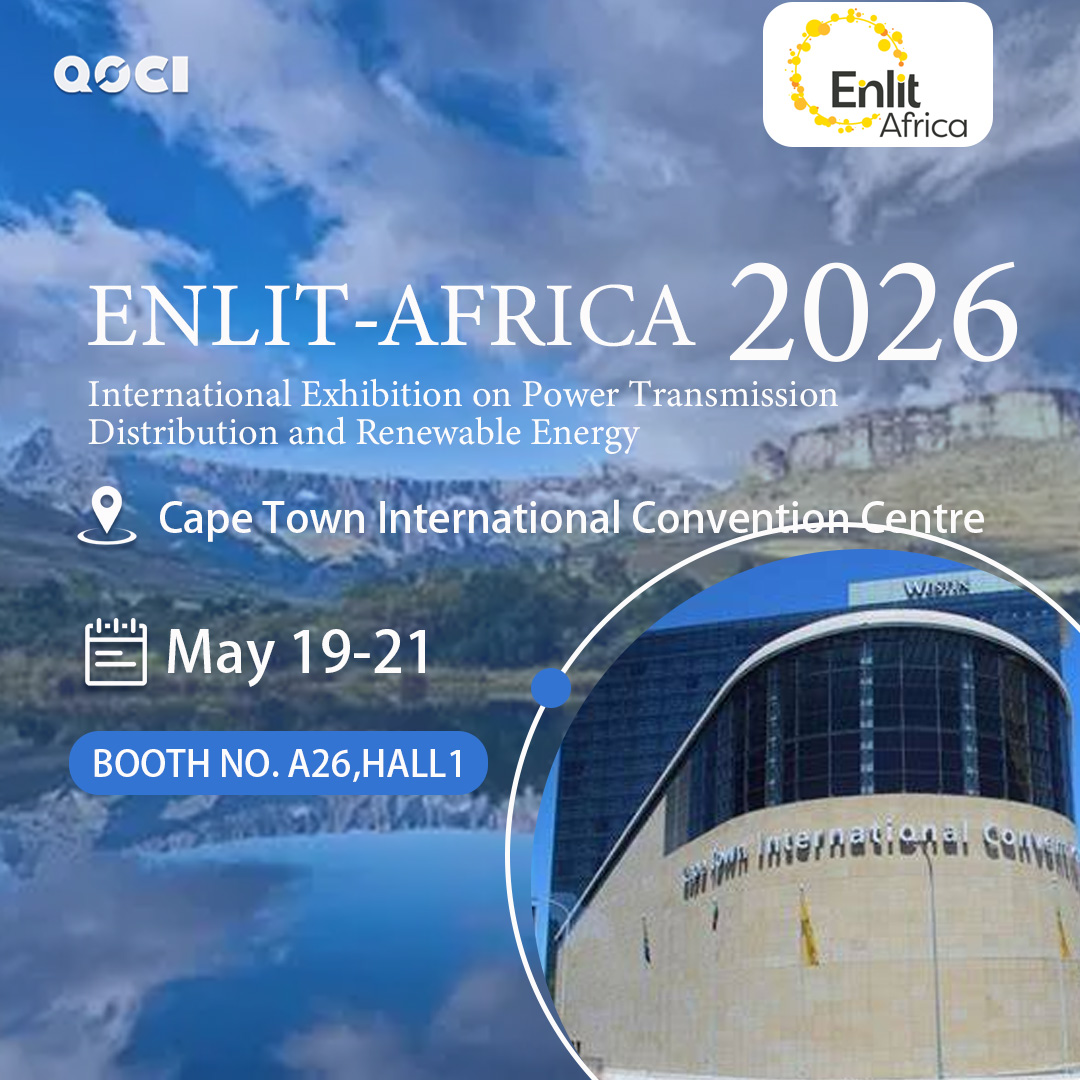
As the global energy transition accelerates, the importance of electricity, renewable energy, and energy storage technologies is becoming increasingly clear...
Having withstood extreme environmental conditions including icing, high altitude, pollution, earthquakes and typhoons, China’s insulator industry...
On behalf of our team at JIANGXI QOCI ELECTRIC CO., LTD, we encourage you to join us at IEEE PES T&D Conference & Exposition 2026, the powerhouse industry event...
Pingxiang, China, December 30, 2025 - QOCI Electric, a leading global supplier of power equipment and solutions, officially confirmed today that...
Understanding insulator specifications is key to selecting the correct product for your project. Here we address common questions from procurement engineers.
Browse our complete catalog of suspension, post, and double-shed insulators certified to meet international transmission standards.