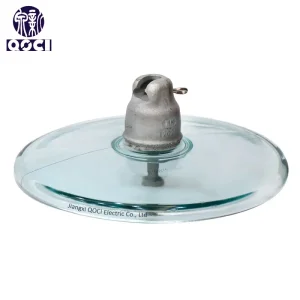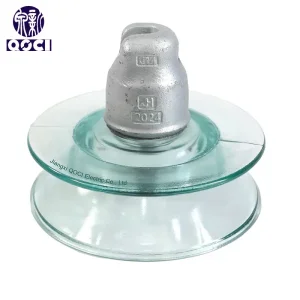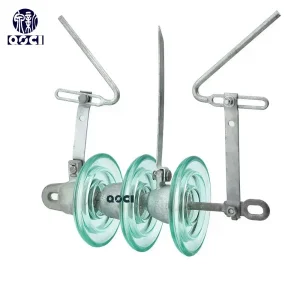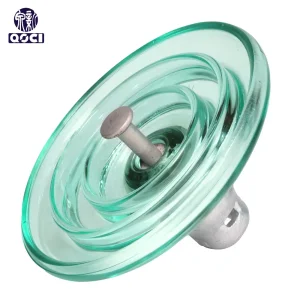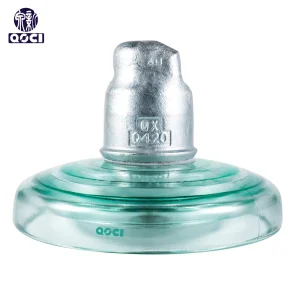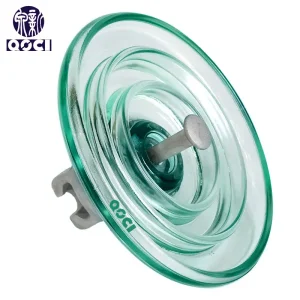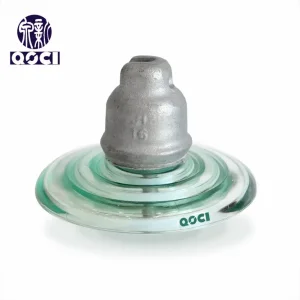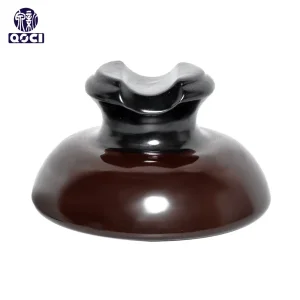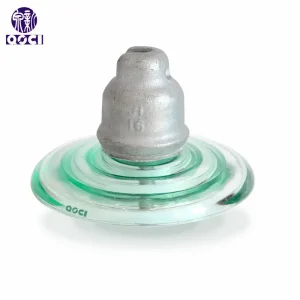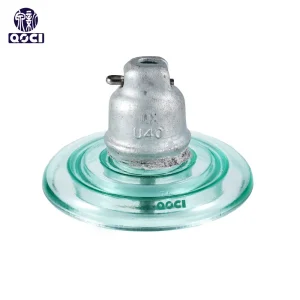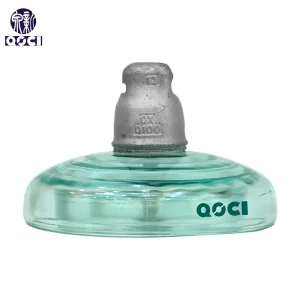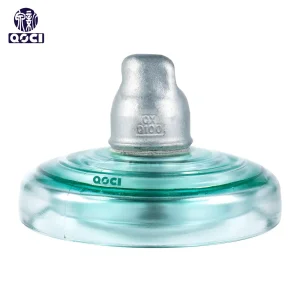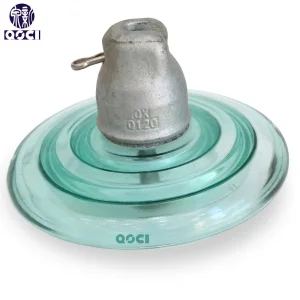
The Glass Insulator 70b (often referring to the 70kN mechanical strength class) represents the bedrock of global overhead transmission and distribution (T&D) systems. In the era of the global energy transition, the demand for reliable insulation has moved beyond simple electrical separation to sophisticated environmental resilience.
Industry trends indicate a shift toward Ultra-High Voltage (UHV) and Extra-High Voltage (EHV) DC/AC systems. As grids expand into extreme terrains—ranging from the high-salinity coastal regions to the arid, sandstorm-prone deserts—the role of a "Standard" 70b insulator has transformed. Modern 70kN units now incorporate advanced toughening processes and aerodynamic shed designs to mitigate flashover risks and mechanical failure.
Utilities across Europe, the Americas, and Southeast Asia are prioritizing "Total Cost of Ownership" (TCO) over initial procurement price. Toughened glass insulators are preferred for their "self-shattering" characteristic—where a failed unit becomes visually obvious, significantly reducing inspection costs compared to porcelain or composite alternatives.
Increasing focus on smart grid compatibility and remote monitoring in North America and the EU.
Essential for connecting massive offshore wind farms and solar arrays to the central grid.
Enhanced resistance to thermal shock and mechanical stress in earthquake-prone zones.
Founded in December 2002 with a registered capital of 508 million Yuan, Jiangxi QOCI Electric Co. Ltd has established itself as a premier global manufacturer. Located in the Luxi Industrial Park, our facilities span over 70,000 square meters, integrating the full lifecycle of insulator production.
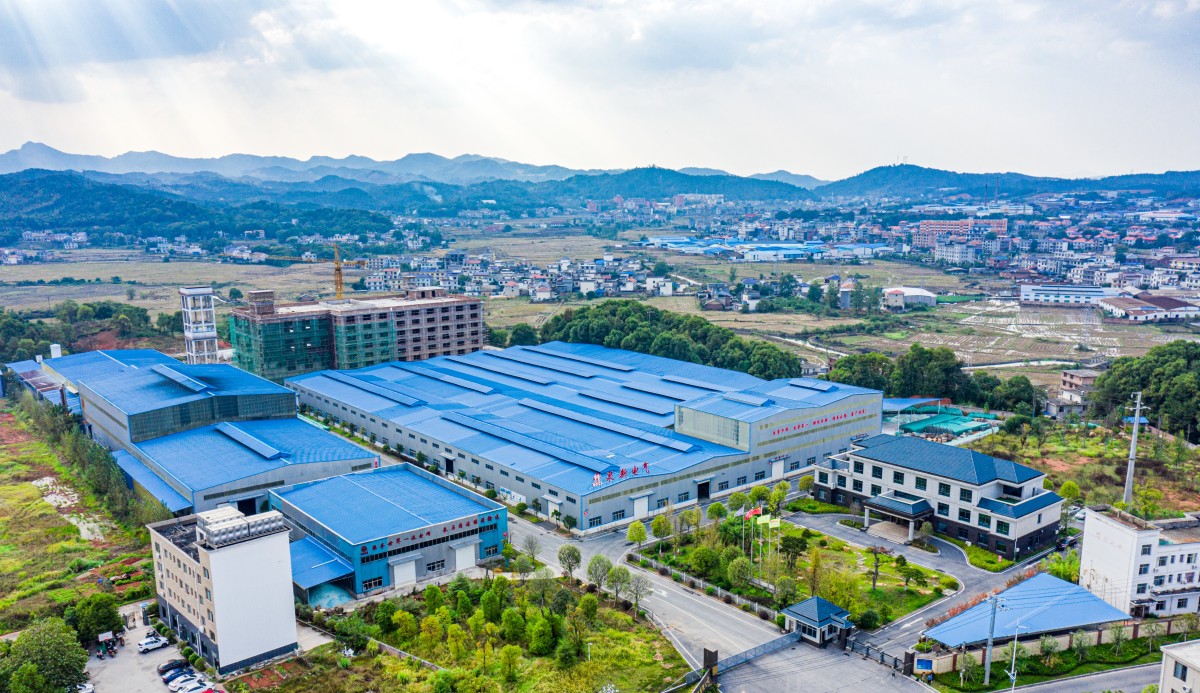
The modern China Glass Insulator 70b factory is no longer just a labor-intensive workshop; it is an Industry 4.0 ecosystem. At QOCI, our "Total Oxygen Kiln" and automated "Forming Press" lines ensure that every disc meets the stringent IEC 60305 standards with near-zero variance.
Supply Chain Resilience: By centralizing raw material processing and utilizing AI-driven logistics, we provide global partners with a "Buffer of Stability." In an era of volatile shipping and material costs, our scale and integrated manufacturing protect clients from price shocks and lead-time delays.
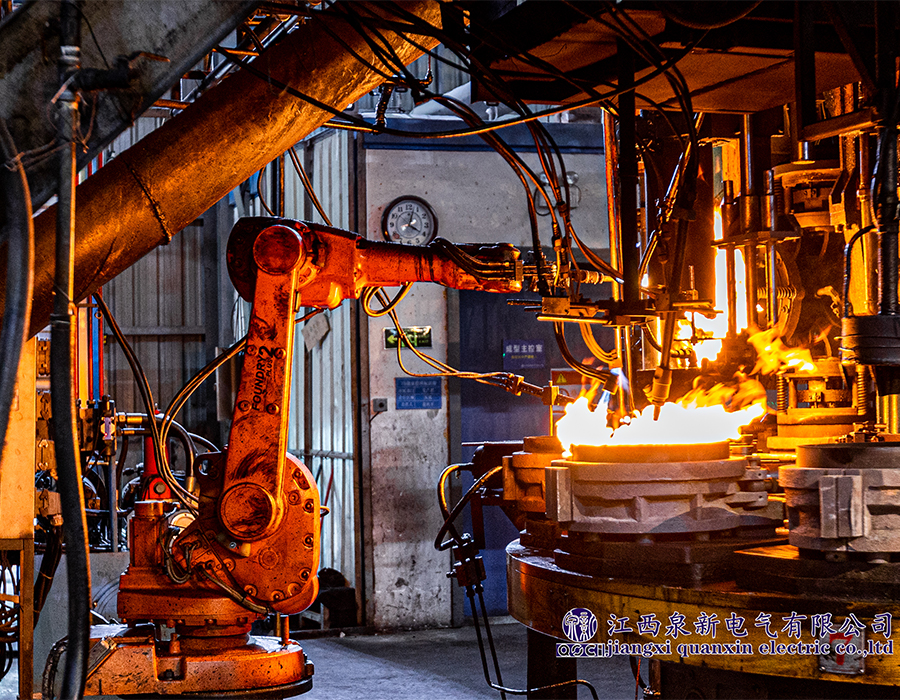
Automated high-pressure pressing ensures structural integrity and consistent glass density.
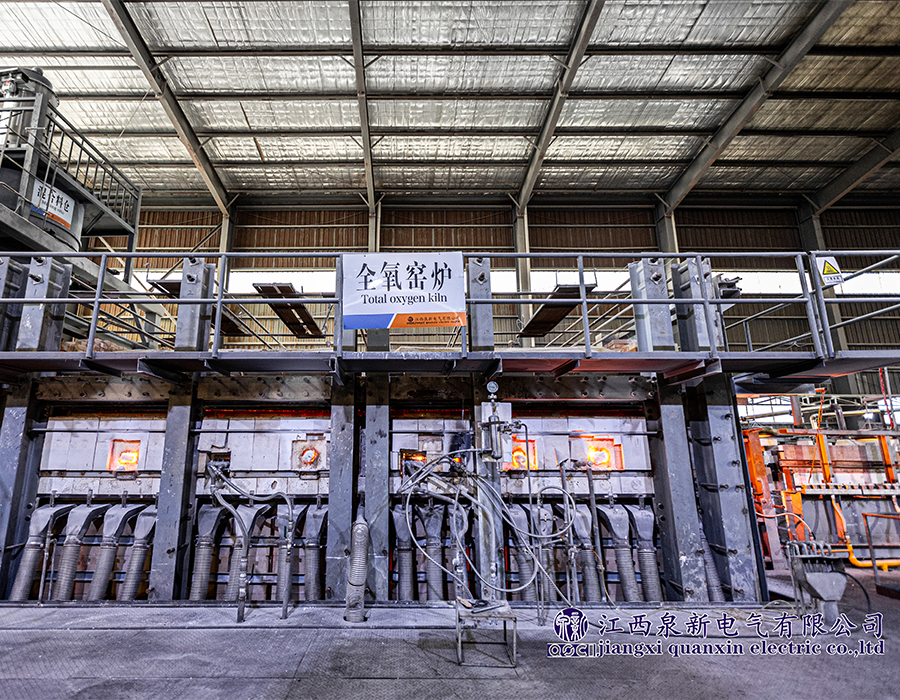
Total Oxygen Kilns allow for cleaner glass melting, resulting in higher dielectric strength.
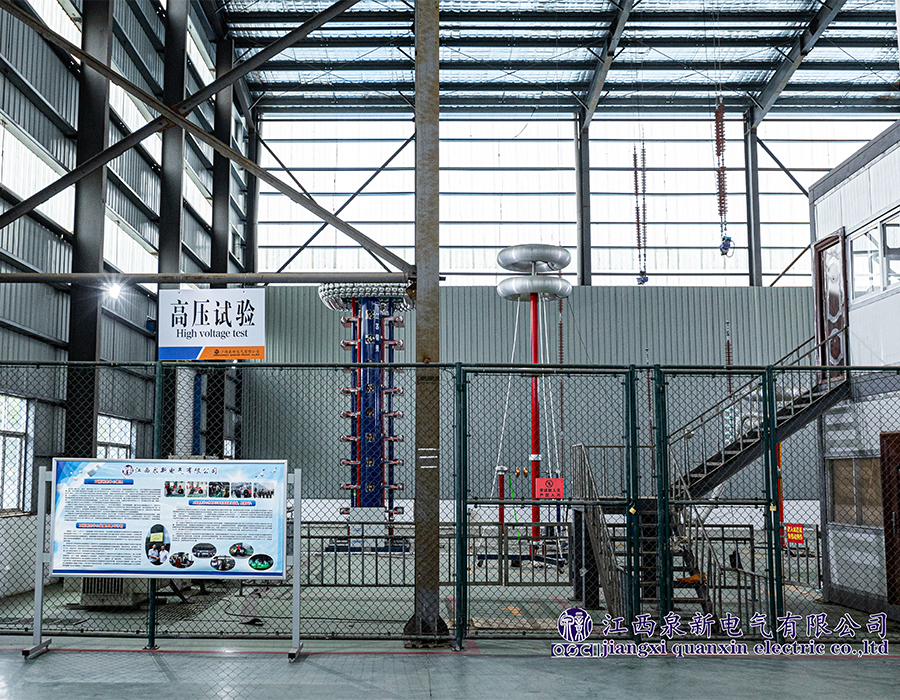
100% routine testing for steep-front impulse voltage and mechanical load.
Selecting the right Glass Insulator 70b depends heavily on localized climate data. We provide specialized profiles to maximize grid uptime.
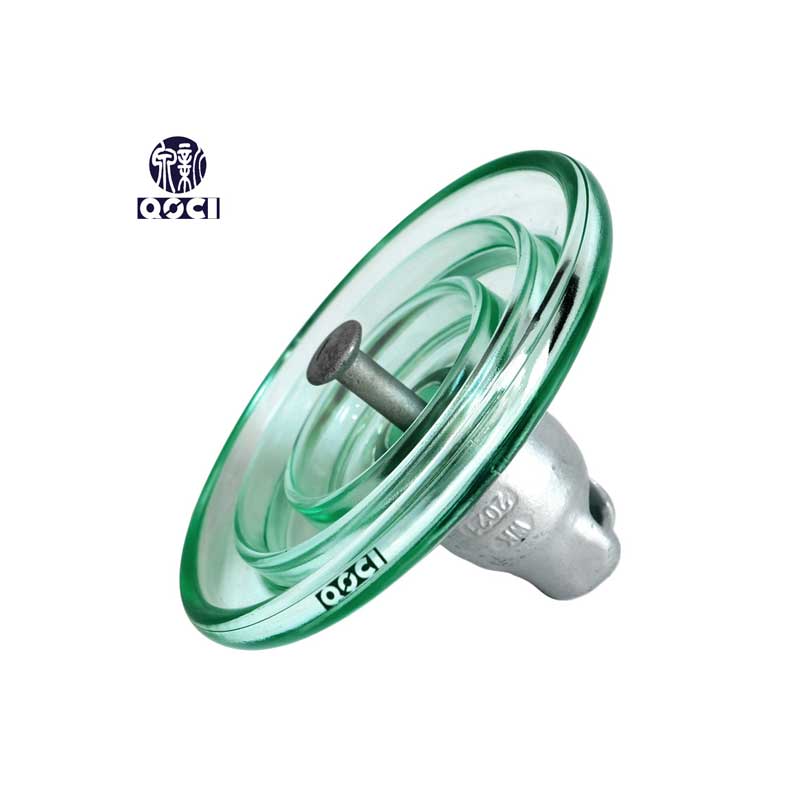
Ideal for moderate pollution areas. Shallow ribs promote self-cleaning by natural wind and rain.
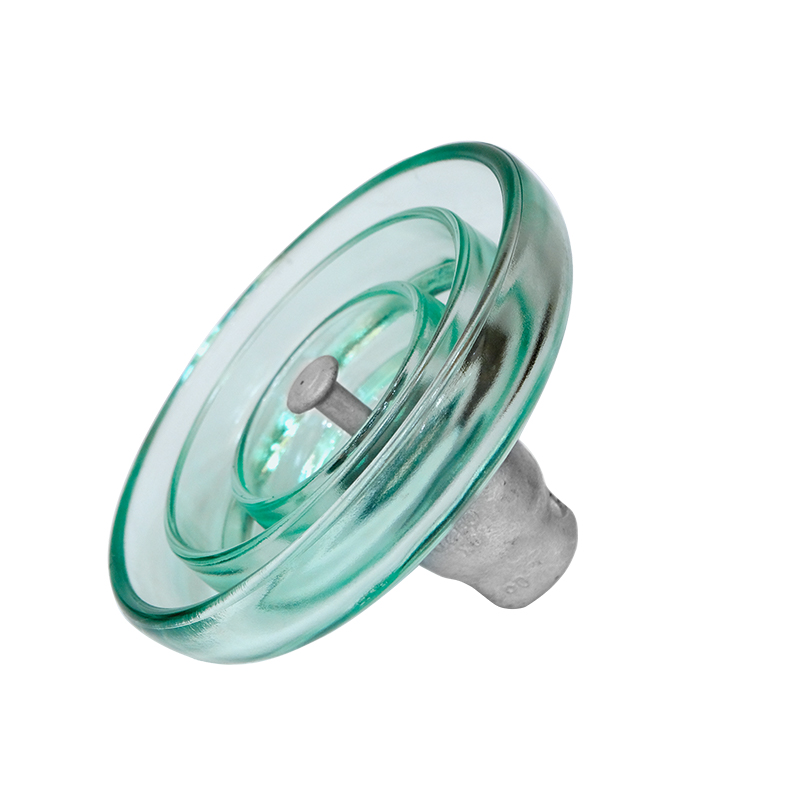
Extended leakage distance for coastal areas. Widely-spaced under-ribs prevent arc bridging.
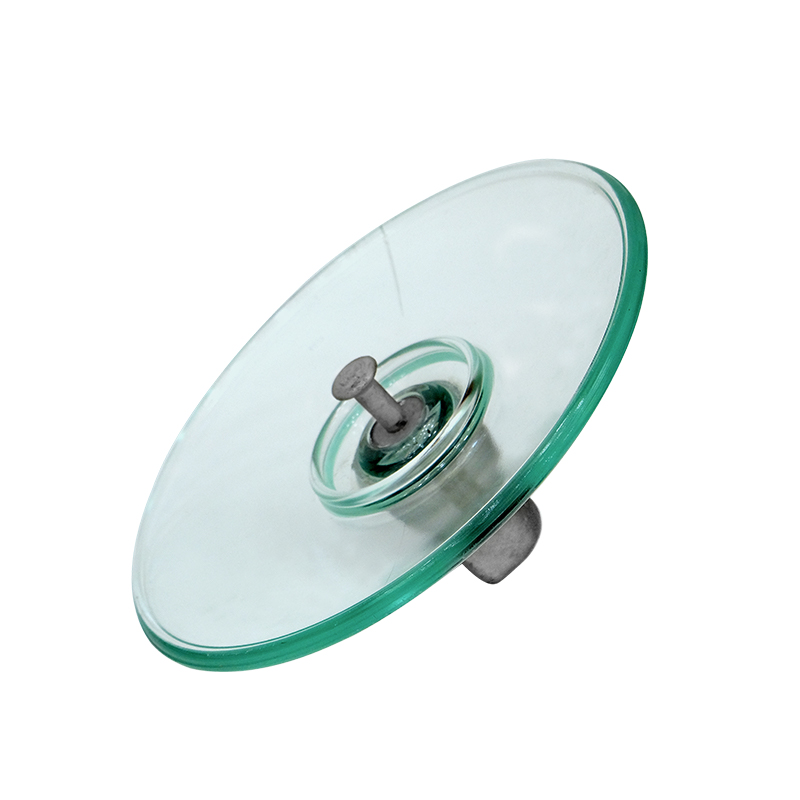
Designed for deserts. Absence of under-ribs prevents sand and dust accumulation.
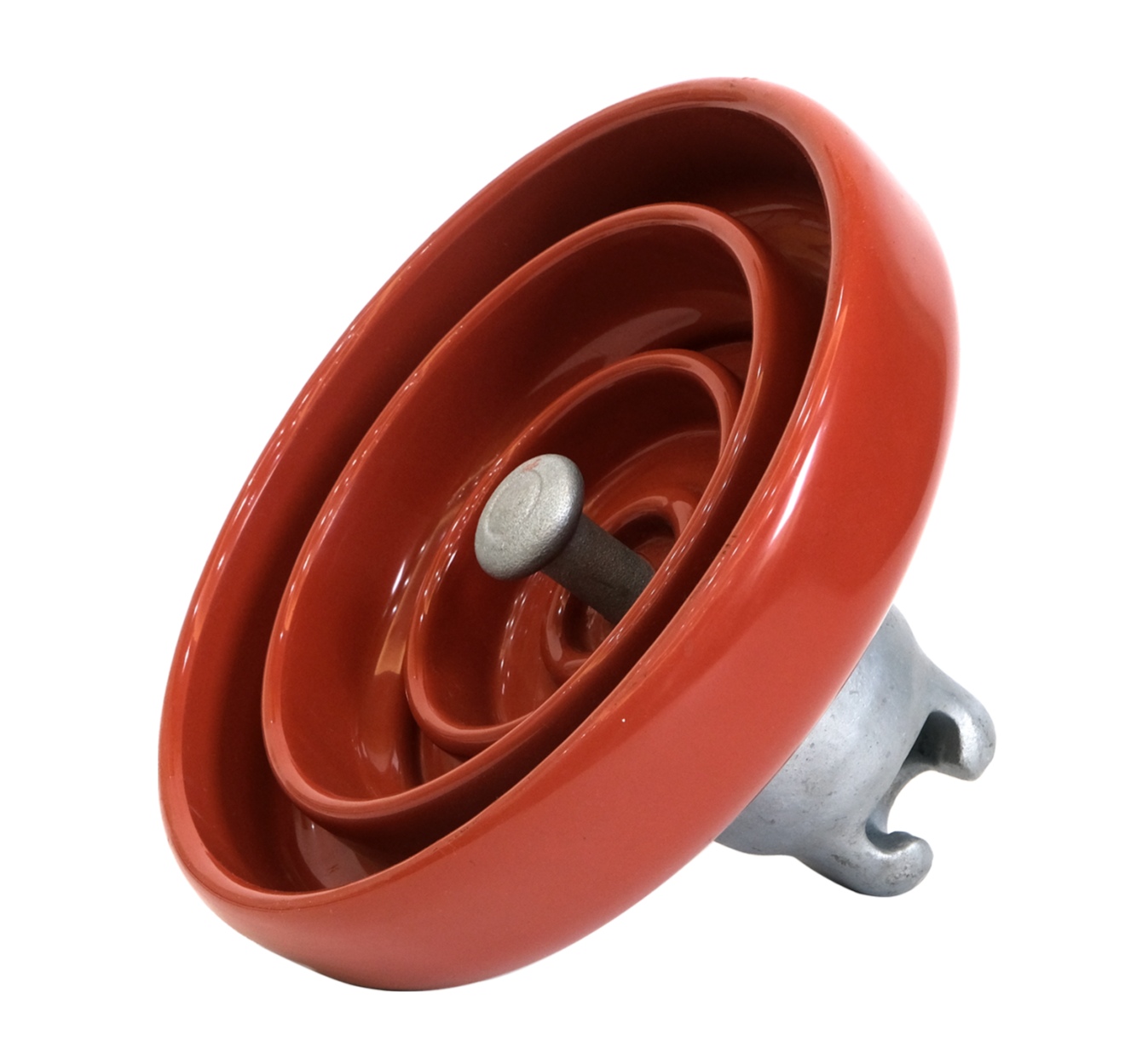
Room Temperature Vulcanization (RTV) coating for extreme industrial or saline pollution.
The Triple-shed Type glass insulator is a pinnacle of UHV engineering. It provides the longest creepage distance per unit, vital for high-altitude and heavily polluted industrial zones where maintenance is difficult.
Our commitment to the E-E-A-T principle (Experience, Expertise, Authoritativeness, Trustworthiness) is backed by global certifications and massive-scale project implementation.
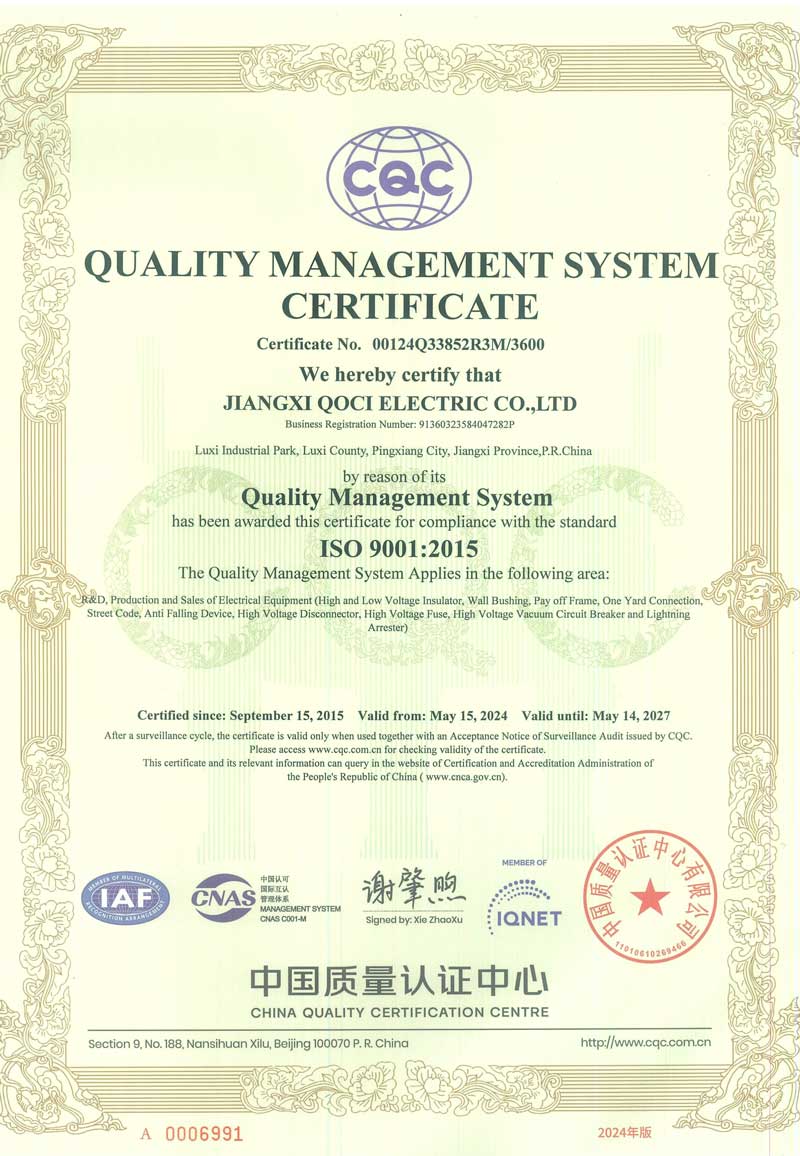
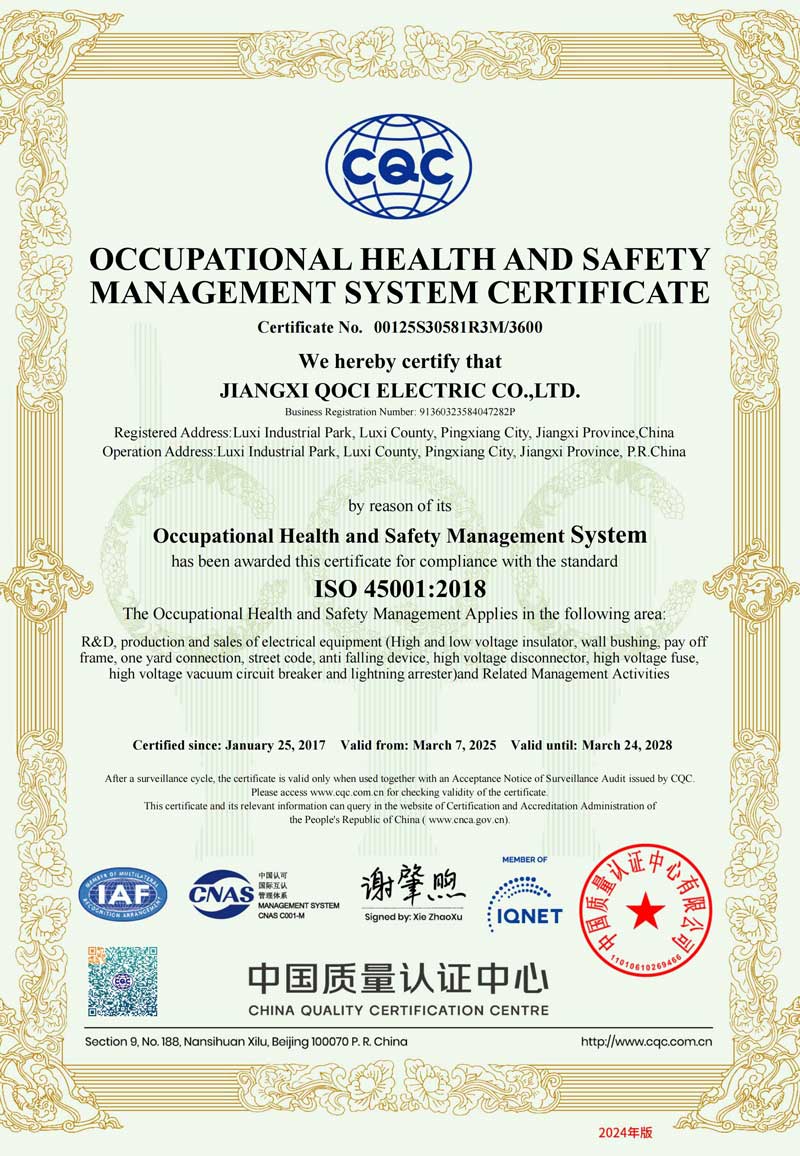
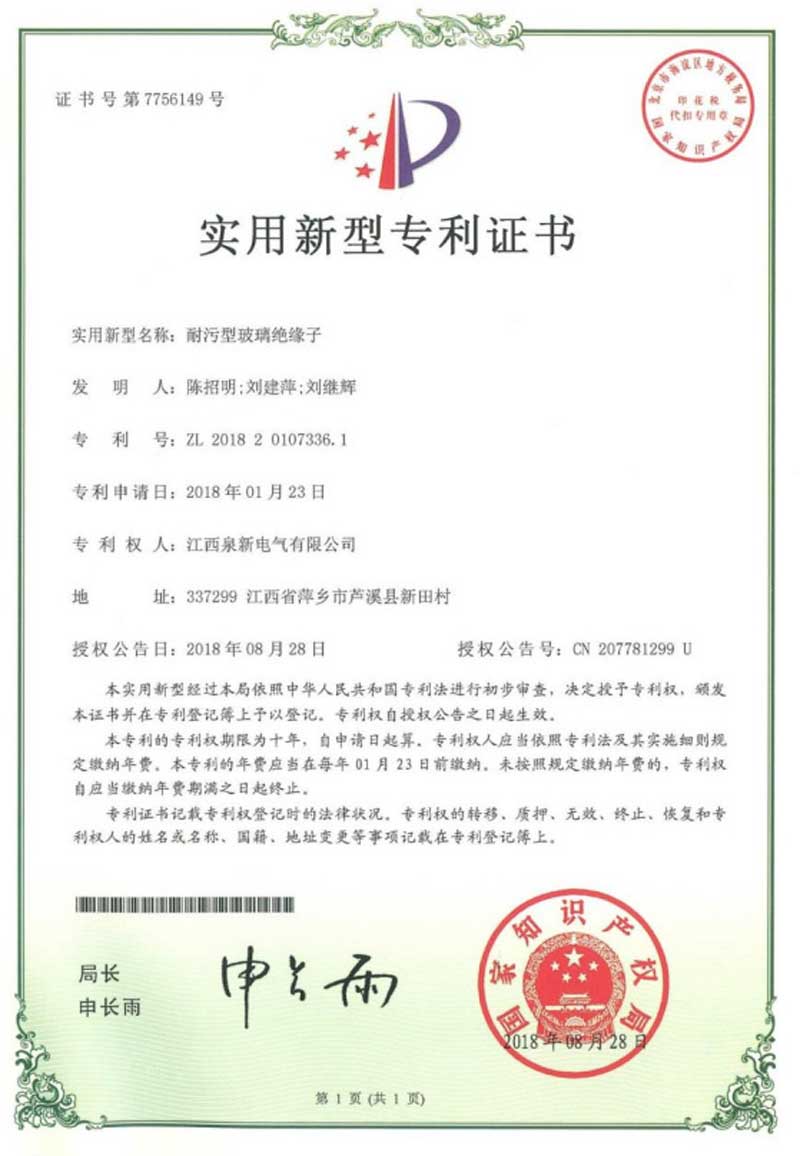
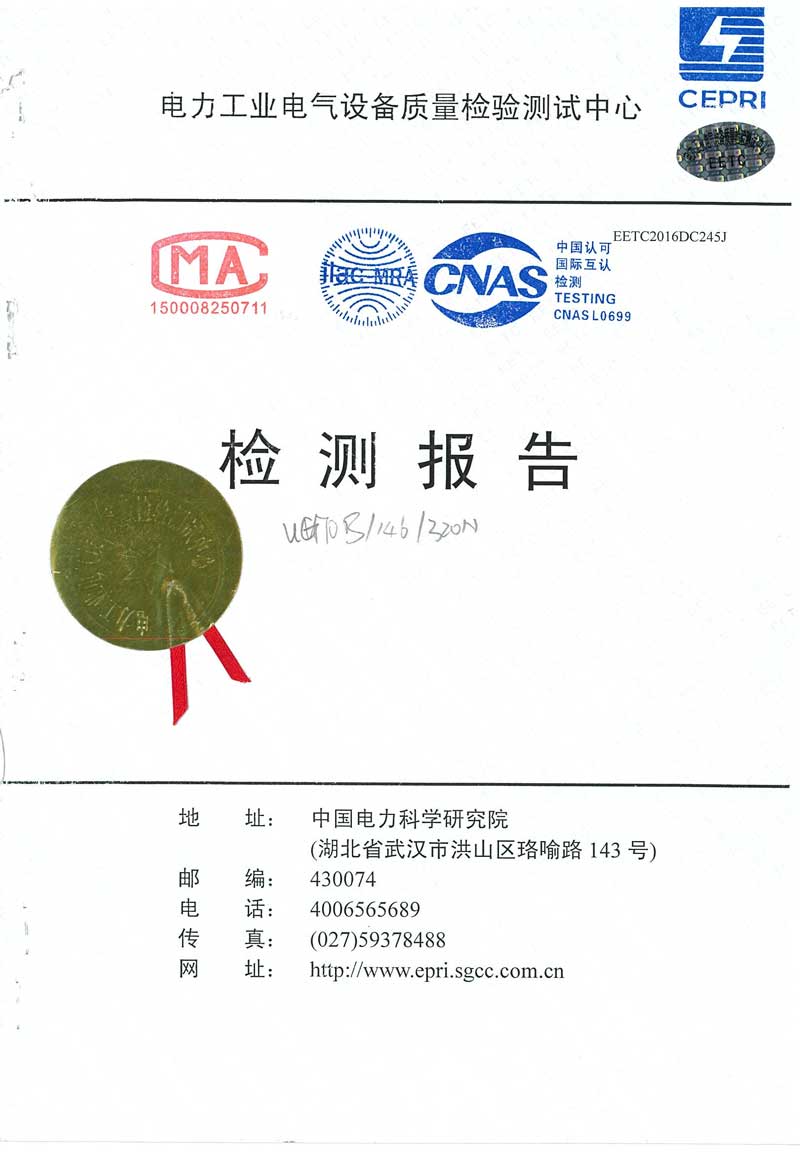
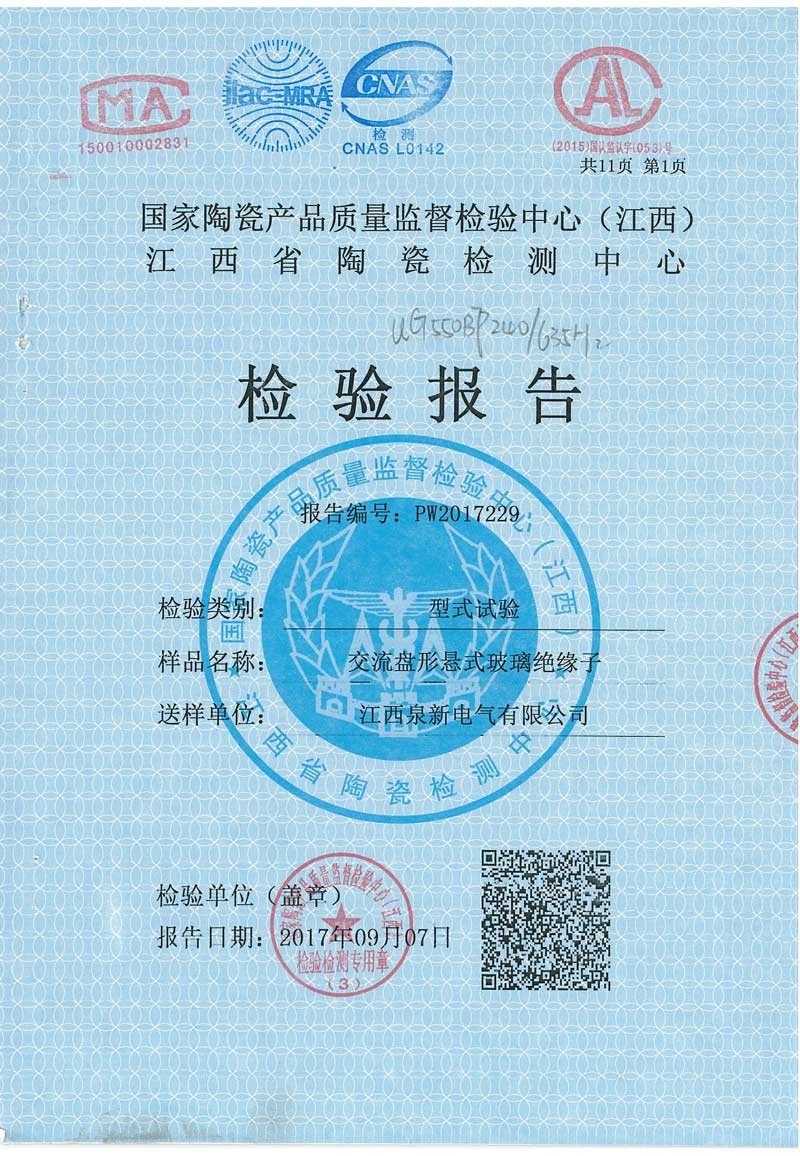
Glass insulators offer superior thermal stability and a "visual fail" state. Unlike porcelain, which can develop internal cracks that are invisible to the eye, toughened glass will shatter completely if the internal stress is compromised, allowing for easy identification during helicopter or drone inspections.
With modern Industry 4.0 processes, QOCI glass insulators are designed for a 50+ year service life, matching or exceeding the lifespan of the transmission towers themselves.
We use specialized vibration-dampened packaging and international logistics partners to ensure zero-defect delivery. Our Jiangxi factory's proximity to major ports reduces lead times for global shipping.
Yes, our products are rigorously tested to comply with IEC 60305, IEC 60383, and ANSI C29.2B standards, ensuring they meet the technical requirements of any global utility grid.
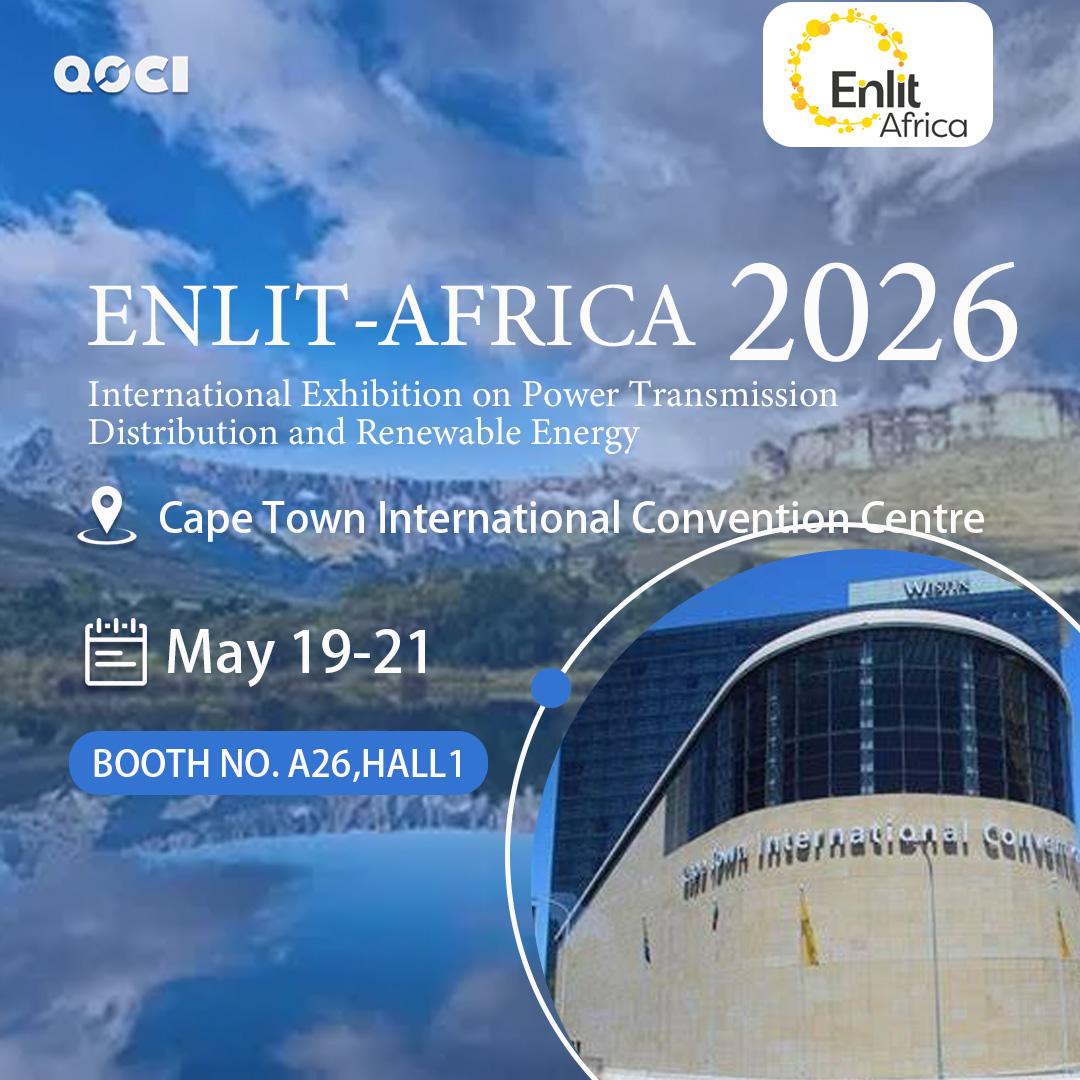
QOCI Electric showcases renewable energy storage and insulation solutions for the African energy transition.
China's insulator technology has withstood extreme environmental conditions including icing, high altitude, and typhoons.
Join us in 2026 for the powerhouse of the power industry, showcasing our latest 70b and UHV innovations.