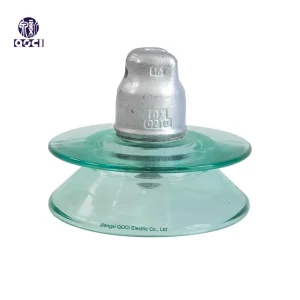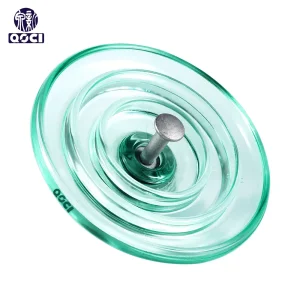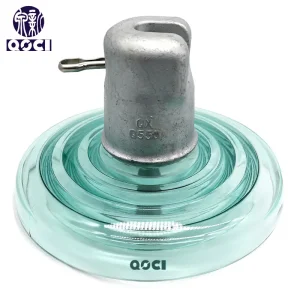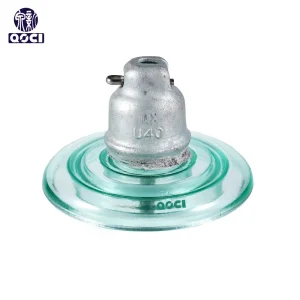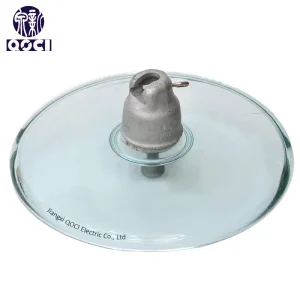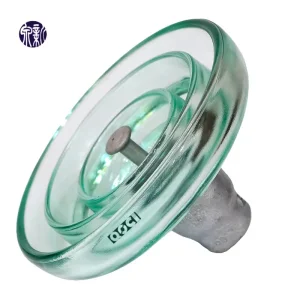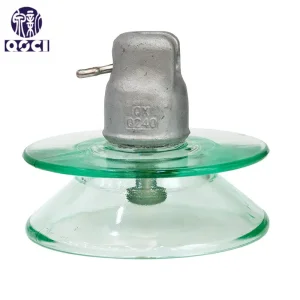
Strategic analysis of U100bma Toughened Glass Insulators in the 2024-2030 Energy Landscape.
The global demand for high-strength glass insulators like the U100bma is surging as nations upgrade to UHV (Ultra High Voltage) grids to integrate renewable energy.
Transitioning from traditional soda-lime glass to advanced borosilicate and RTV-coated surfaces for zero-maintenance operation in desert and coastal regions.
Glass insulators offer 100% recyclability, aligning with ESG goals for modern utilities compared to composite alternatives.
AI-integrated monitoring of "self-shattering" glass events allows for real-time grid health assessment via satellite imaging.
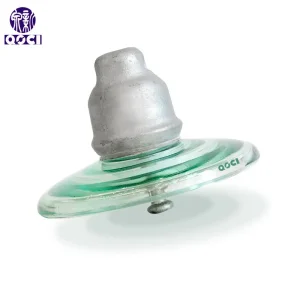
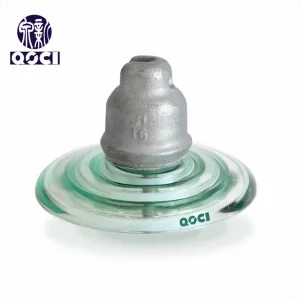
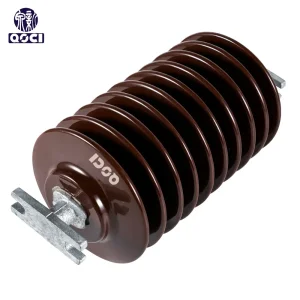
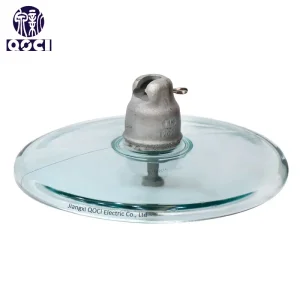
The U100bma glass isolator (often designated in accordance with IEC 60305 standards) represents a critical balance between mechanical tensile strength and dielectric reliability. In the hierarchy of power line components, the U100bma serves as the primary mechanical support and electrical isolation barrier for high-voltage transmission lines ranging from 110kV to 500kV. As a China-based supplier, we observe that the "U100" signifies a 100kN rated electromechanical failing load, a benchmark requirement for mid-to-high tension strings.
Experience, Expertise, Authoritativeness, and Trustworthiness (E-E-A-T) are not just SEO buzzwords; they are the foundation of Jiangxi QOCI Electric Co. Ltd. Founded in 2002 with a registered capital of 508 million Yuan, our facility covers 100 mu (approx. 70,000 m²) with an annual output of 39,000 tons. Our team of 53+ engineering technicians holds 26+ patents, ensuring that every U100bma unit exceeds international benchmarks.
One of the primary "Information Gains" we provide to procurement officers is the distinction in lifecycle costs. Toughened glass insulators, specifically the U100bma, offer a unique "Self-Shattering" characteristic. Unlike porcelain, which can develop internal microscopic cracks that are invisible to the naked eye (leading to unexpected line drops), toughened glass will shatter completely if the internal stress is compromised. This allows maintenance crews to perform visual inspections from helicopters or via drones, significantly reducing O&M costs.
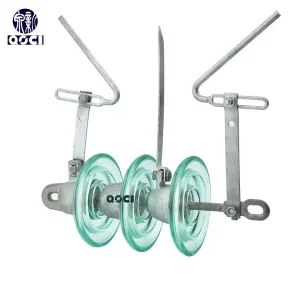
We provide more than just components; we provide grid resilience. Our macro-level solutions include Insulator String Engineering, where we simulate the mechanical load and windage of a specific geographic corridor to recommend the exact count of U100bma units per string. This holistic approach ensures that the "China Glass Isolator U100bma Supplier" is a partner in your grid's uptime, not just a vendor.
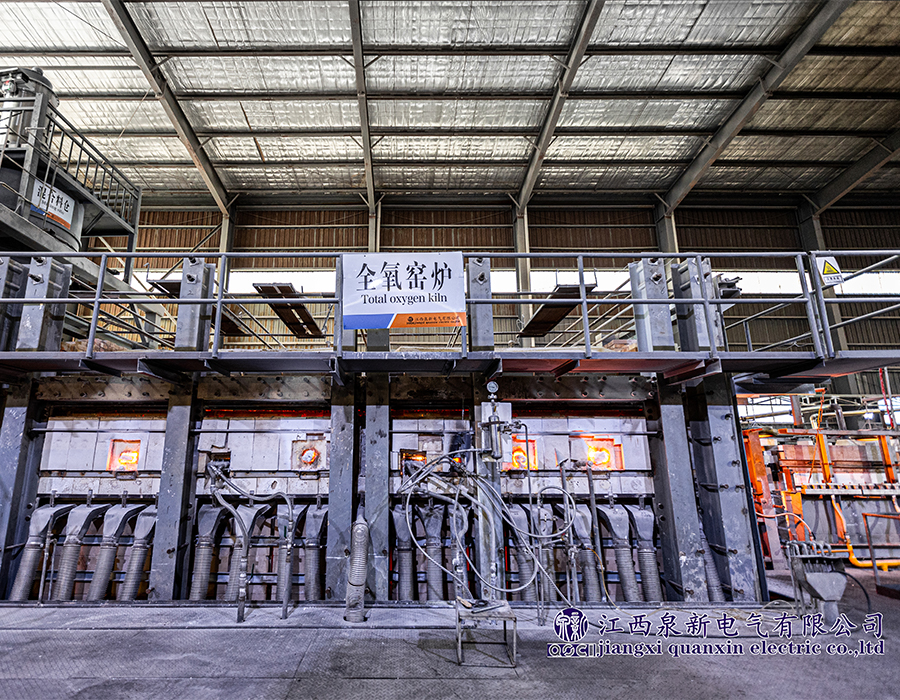
Reducing carbon footprint by 30% while ensuring glass purity for maximum dielectric strength.
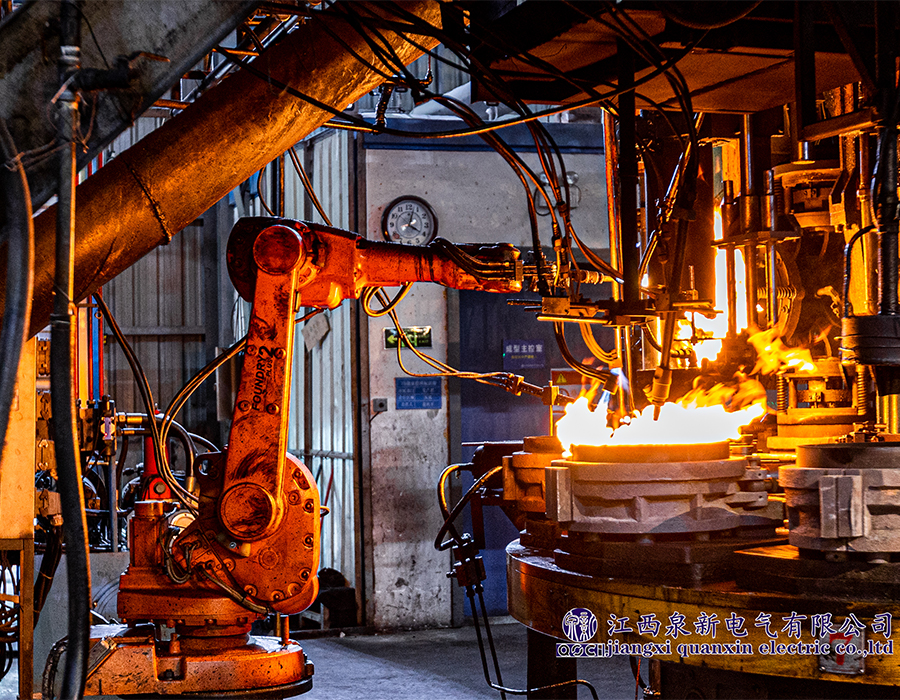
High-speed hydraulic pressing ensures dimensional accuracy for the U100bma cap-and-pin fit.
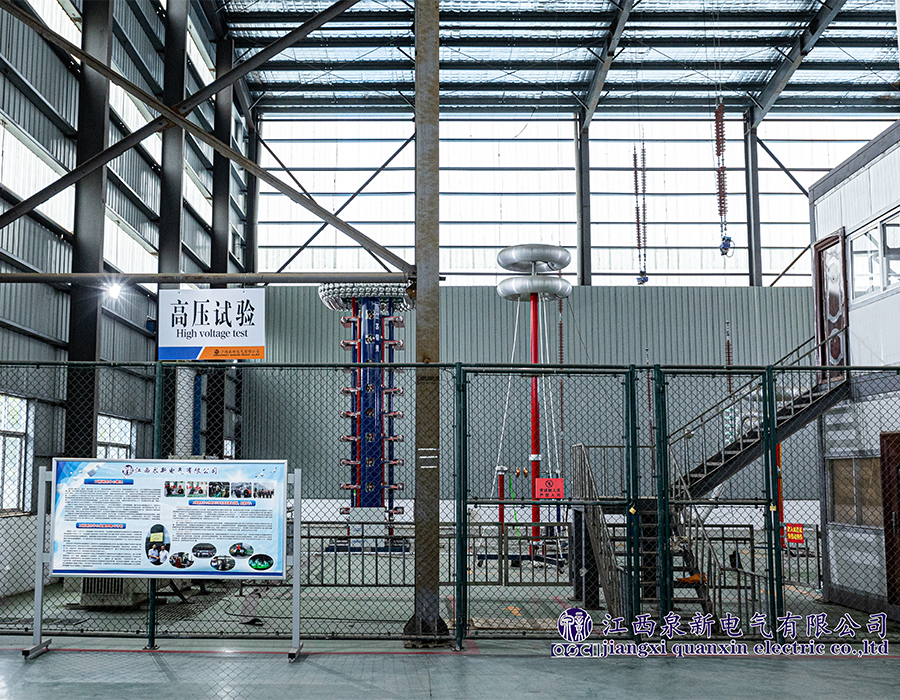
Every batch undergoes thermal shock, steep-front wave, and mechanical failing load tests.
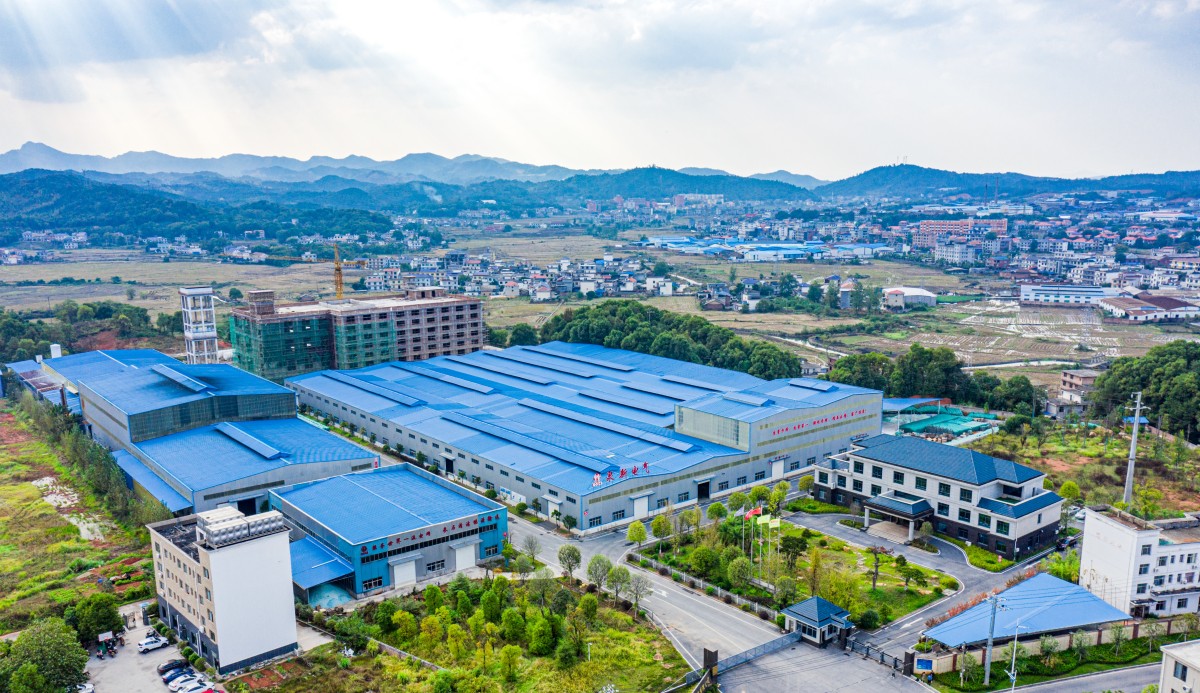
Fast delivery protocols with specialized packaging to prevent transit micro-fractures.
| Parameter | Standard Requirement (IEC) | QOCI U100bma Performance |
|---|---|---|
| Mechanical Failing Load | 100 kN | 110-115 kN (Safety Margin) |
| Power Frequency Withstand | 80 kV (Wet) | 85+ kV |
| Lightning Impulse Withstand | 120 kV | 130 kV |
| Creepage Distance | 320 mm (Standard) | Up to 550 mm (Anti-pollution) |
As the grid becomes more decentralized with distributed energy resources (DERs), the role of the insulator is evolving. At QOCI Electric, we are researching the integration of RFID-tagged U100bma units. This allows utilities to scan strings from the ground to access manufacturing dates, batch numbers, and maintenance history instantly, bridging the gap between hardware and digital asset management.
Answering the most critical queries for global procurement and engineering teams.