High-performance toughened glass and porcelain insulators engineered for global grid reliability.
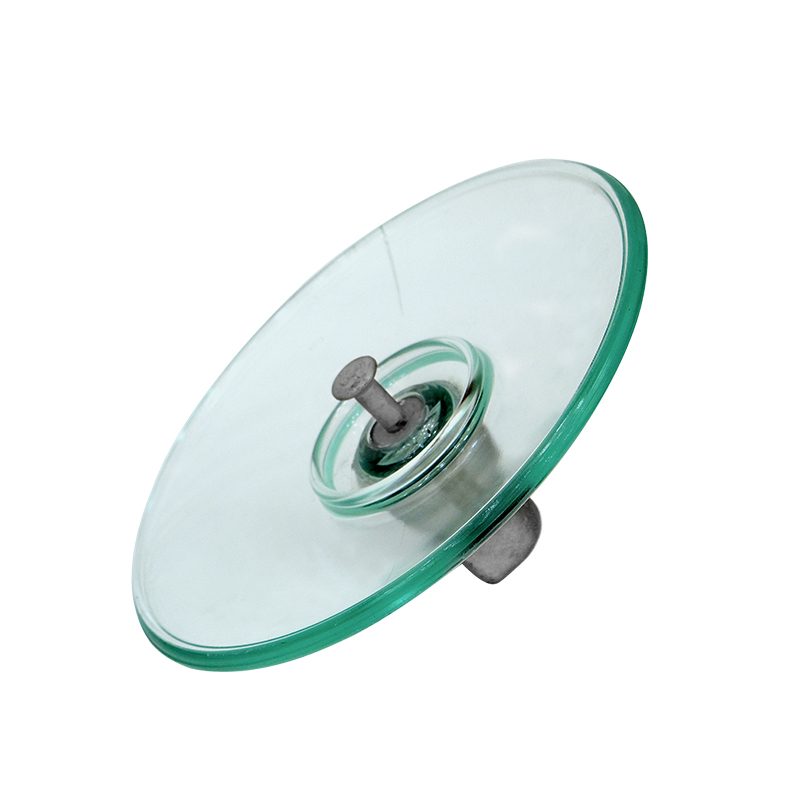
In the realm of high-voltage transmission, "Open Profile" is not just a design choice; it is a critical engineering response to extreme environmental challenges. As a leading China Open Profile glass insulator factory, we have witnessed the shift from standard rib designs to the aerodynamic open profile, particularly in arid and desert regions.
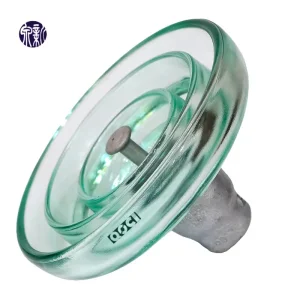
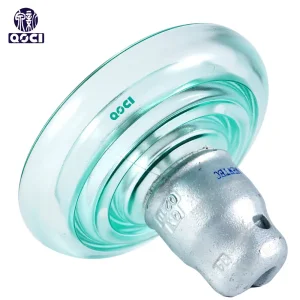
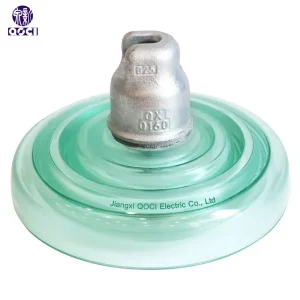
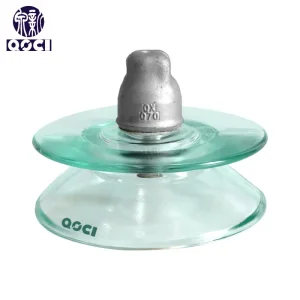
Unlike traditional insulators with deep under-ribs that can trap sand, dust, and pollutants, the open profile features a shallow or non-ribbed bottom surface. This design utilizes wind energy for natural self-cleaning, significantly reducing the risk of pollution flashover in areas where rain—the traditional cleaning agent—is scarce.
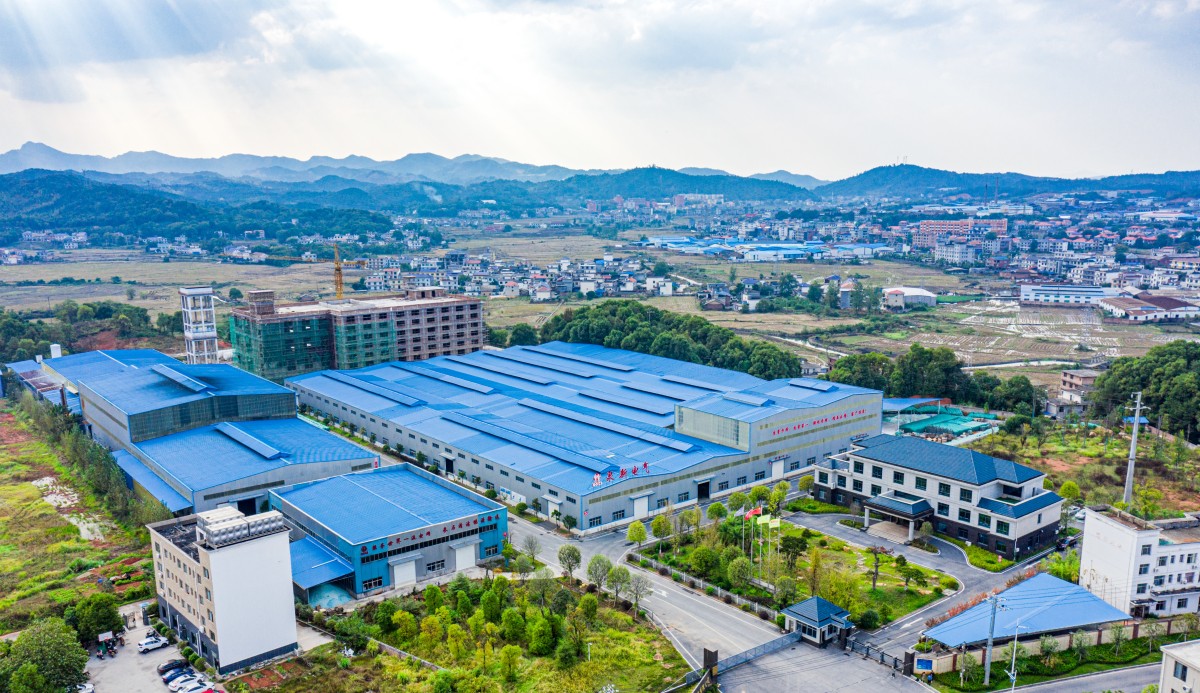
Jiangxi QOCI Electric Co. Ltd was founded in Dec. 2002, with a registered capital of 508 million Yuan. Located in the Industrial Park of Luxi County, Jiangxi Province, our facility covers over 100 mu (70,000 m²) of advanced manufacturing space.
Our commitment to Innovation, Quality, and Service ensures that we serve world-class power grids with high-strength glass insulators specifically tailored for AC and DC transmission from low voltage to Ultra-High Voltage (UHV).
Decoding the science behind insulator geometry and material performance.
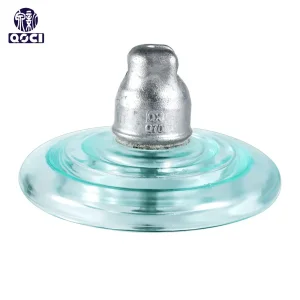
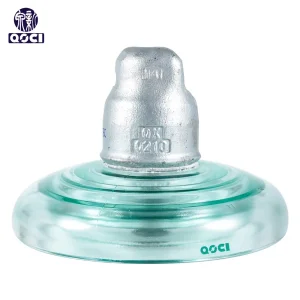
Marked by the absence of under-ribs and extended disk diameter. Ideal for desert areas with sand storms. Minimizes solid pollution accumulation where rain is infrequent. Effective for solving ice-bridging when alternated in strings.
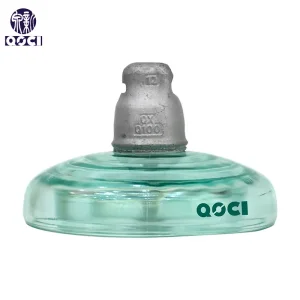
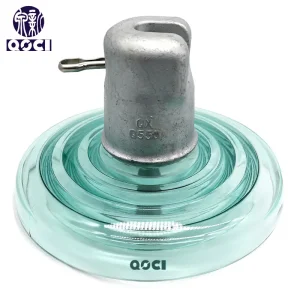
Features long, widely-spaced under-ribs to prevent arc bridging. Specific leakage distance/spacing ratio of ~3.2. Dominant in coastal areas with salt fog and industrial zones with high particulate matter.
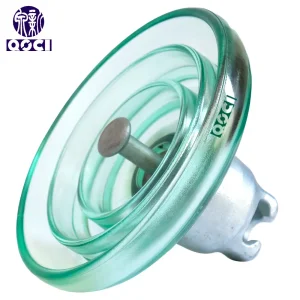
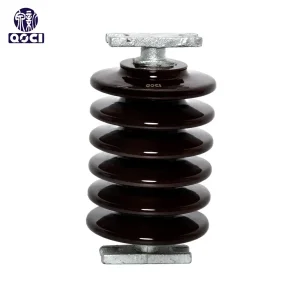
Leakage distance exceeds IEC 60305 standards. Designed with shallow, well-spaced ribs for efficient self-cleaning via wind or rain. The backbone of most standard high-voltage transmission projects.
Room Temperature Vulcanization (RTV) silicone coating enhances hydrophobicity. An economical alternative to manual cleaning, maintaining mechanical reliability while suppressing leakage currents in extreme pollution.
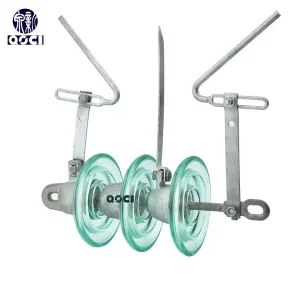
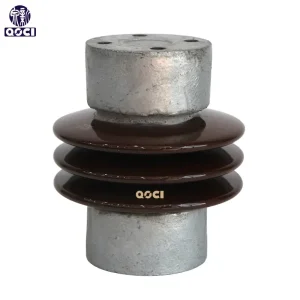
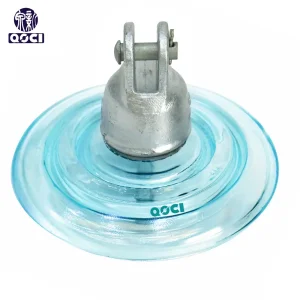
A key component for UHV (Ultra-High Voltage) lines. Three layers of umbrella discs provide extended creepage distance and superior flashover resistance in high-altitude and humid coastal regions.
The global demand for toughened glass insulators is surging as nations modernize their aging grids and invest in renewable energy transport. From the DESERTEC projects in the Middle East to the massive UHV corridors in China and South America, open profile insulators are becoming a prerequisite for grid stability.
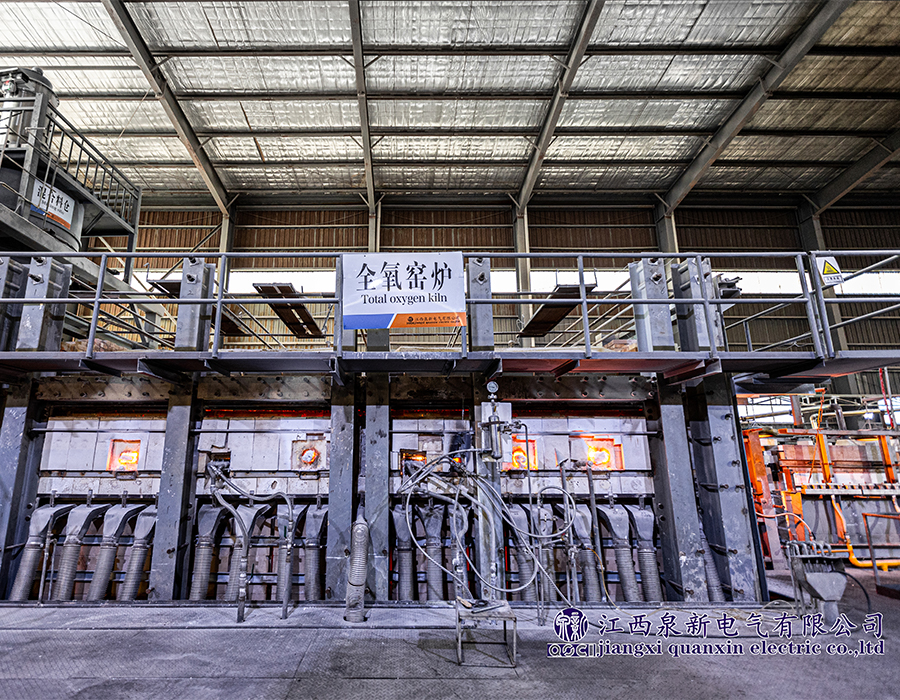
The China Advantage: Our factory leverages the world’s most robust industrial supply chain. We utilize high-purity raw materials and total oxygen kilns to ensure zero-defect glass tempering. This vertically integrated efficiency allows for fast delivery times and competitive pricing without compromising the stringent IEC and ANSI standards.
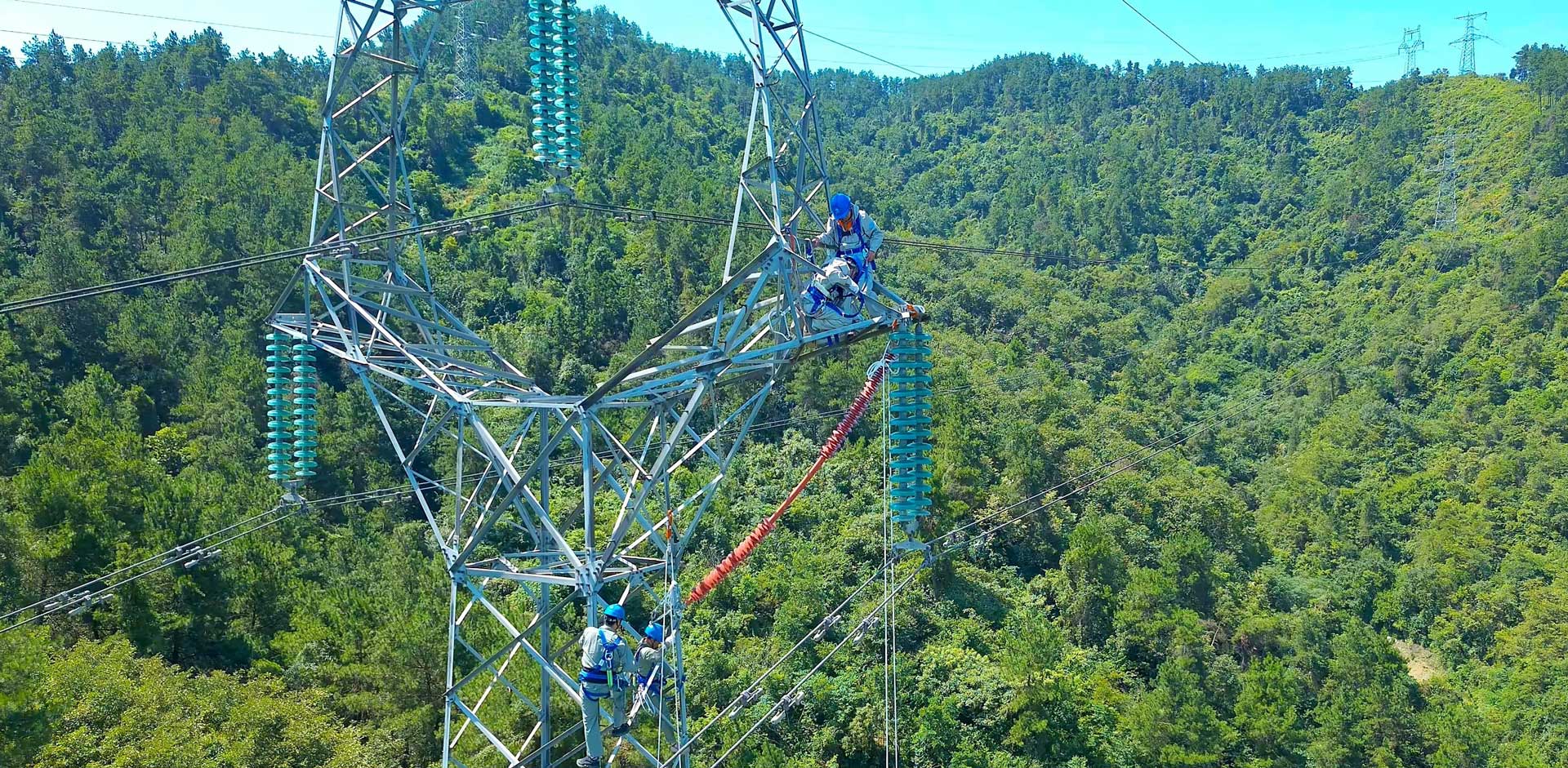
Optimized for desert (Gobi), alpine, and tropical environments where temperature fluctuations are extreme.
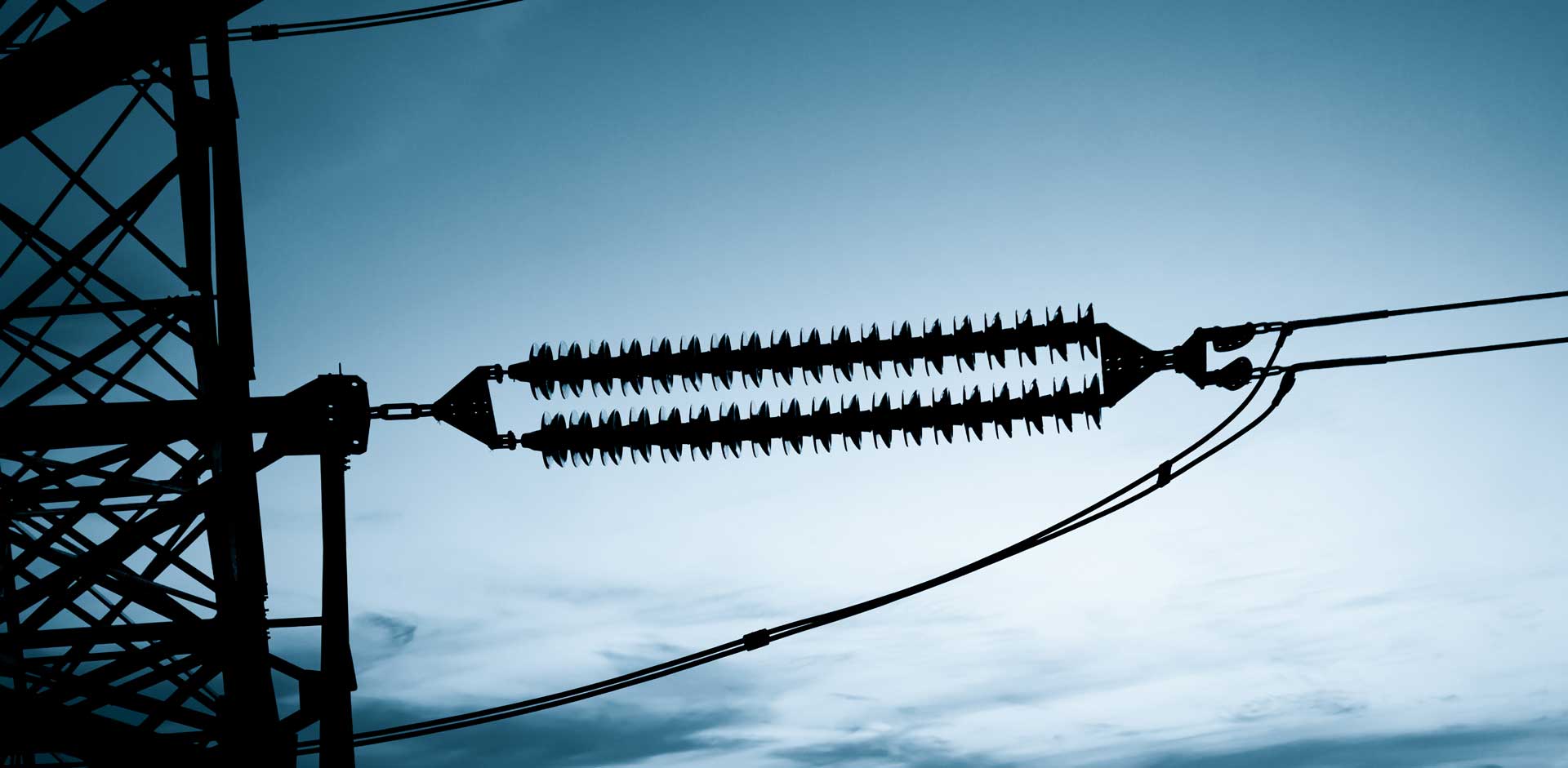
Essential for nuclear plant grid-tie-ins and heavy industrial zones where reliability is non-negotiable.
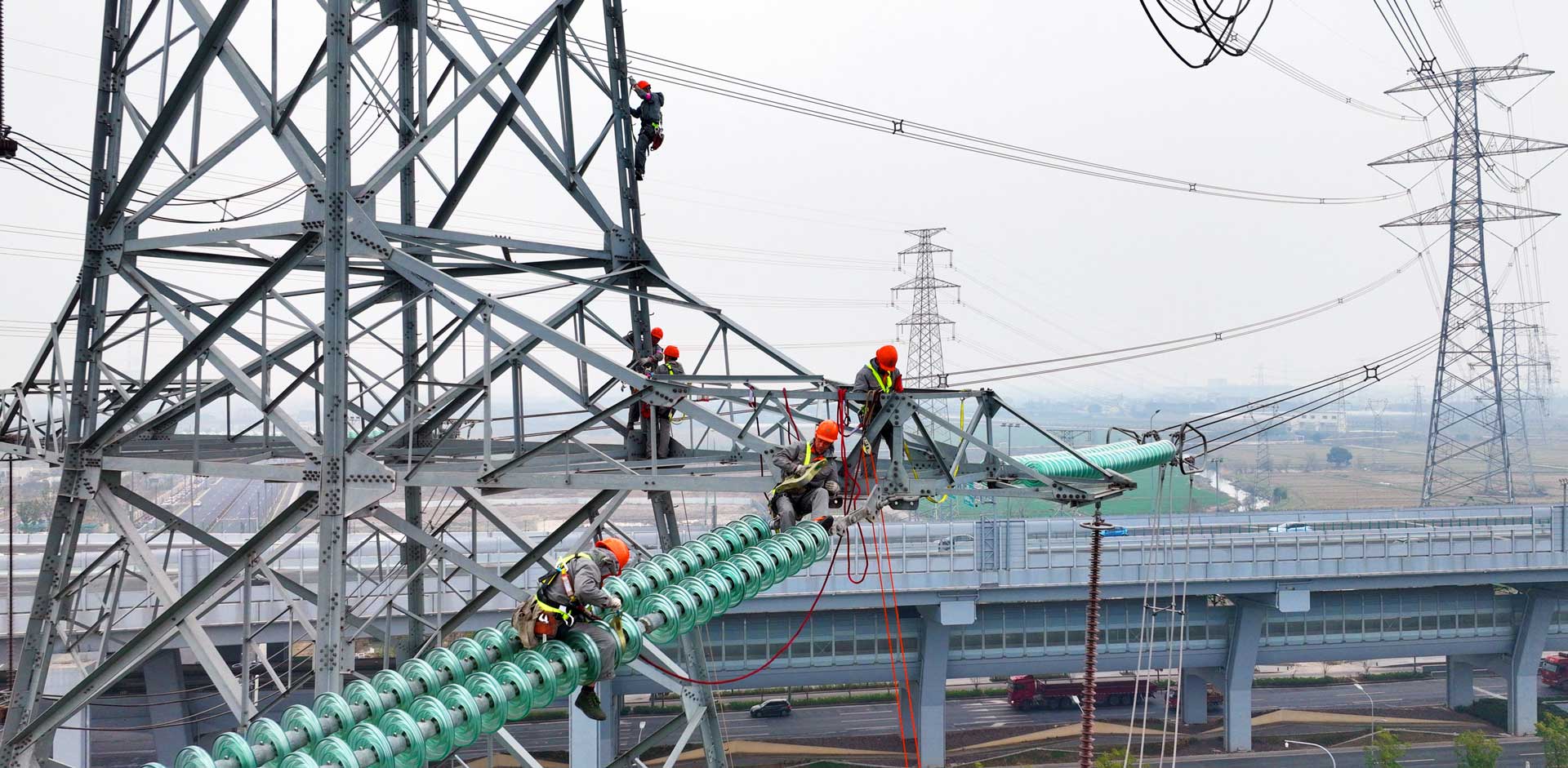
High mechanical strength (up to 550kN) for long-span crossings over rivers and canyons.
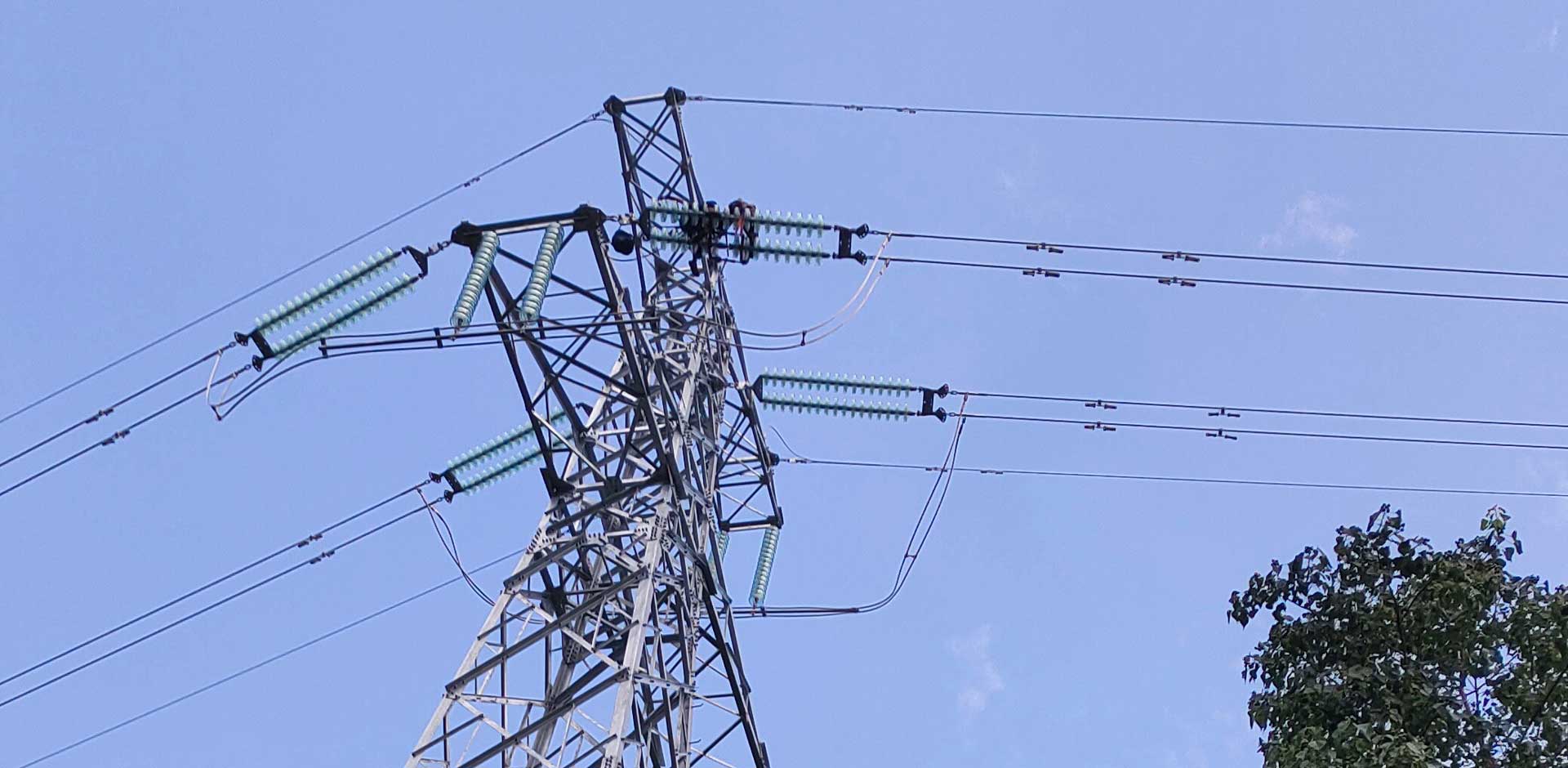
Supporting electrified railways and high-speed rail infrastructure with tailored dielectric profiles.
Every insulator produced at QOCI undergoes rigorous testing to meet international benchmarks.
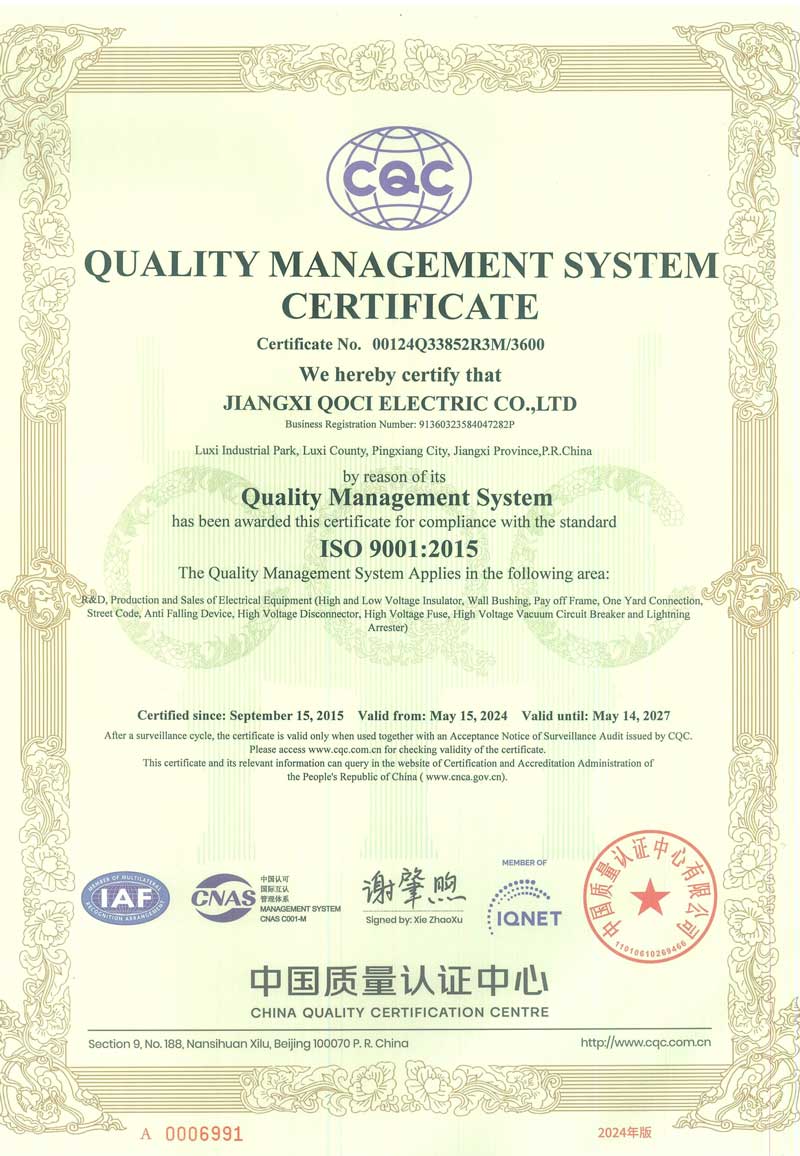
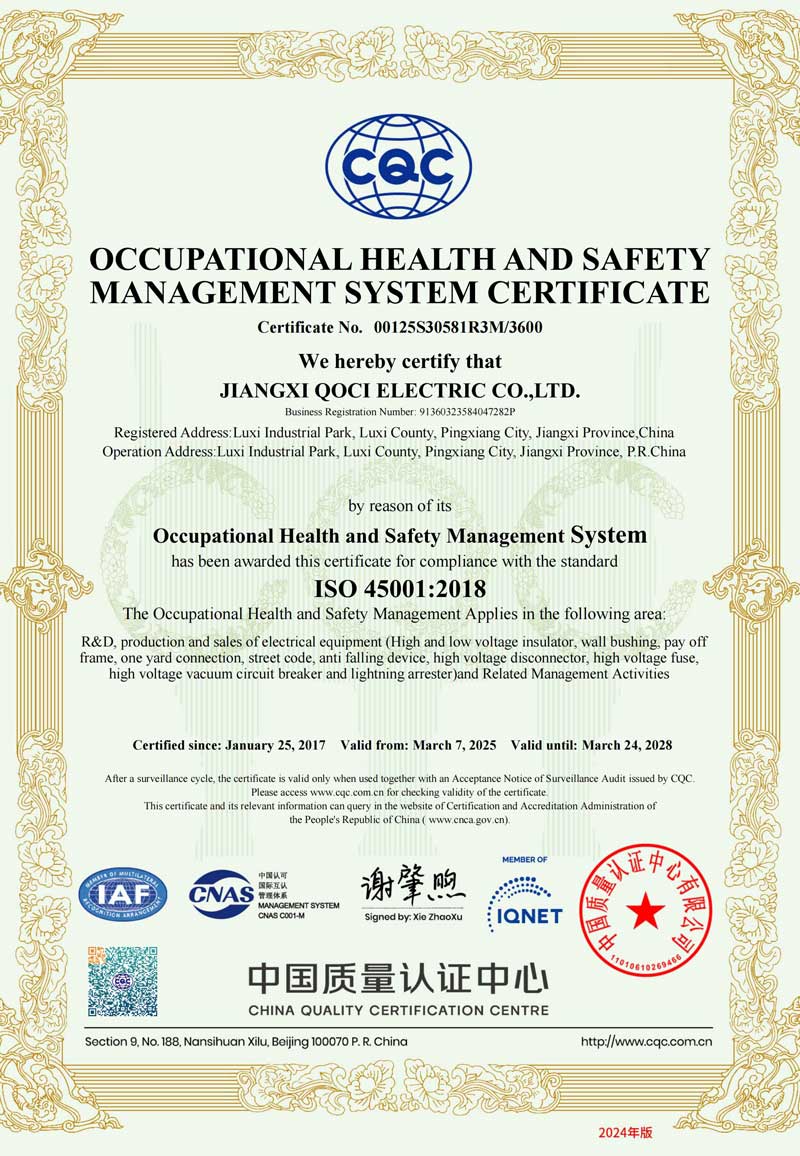
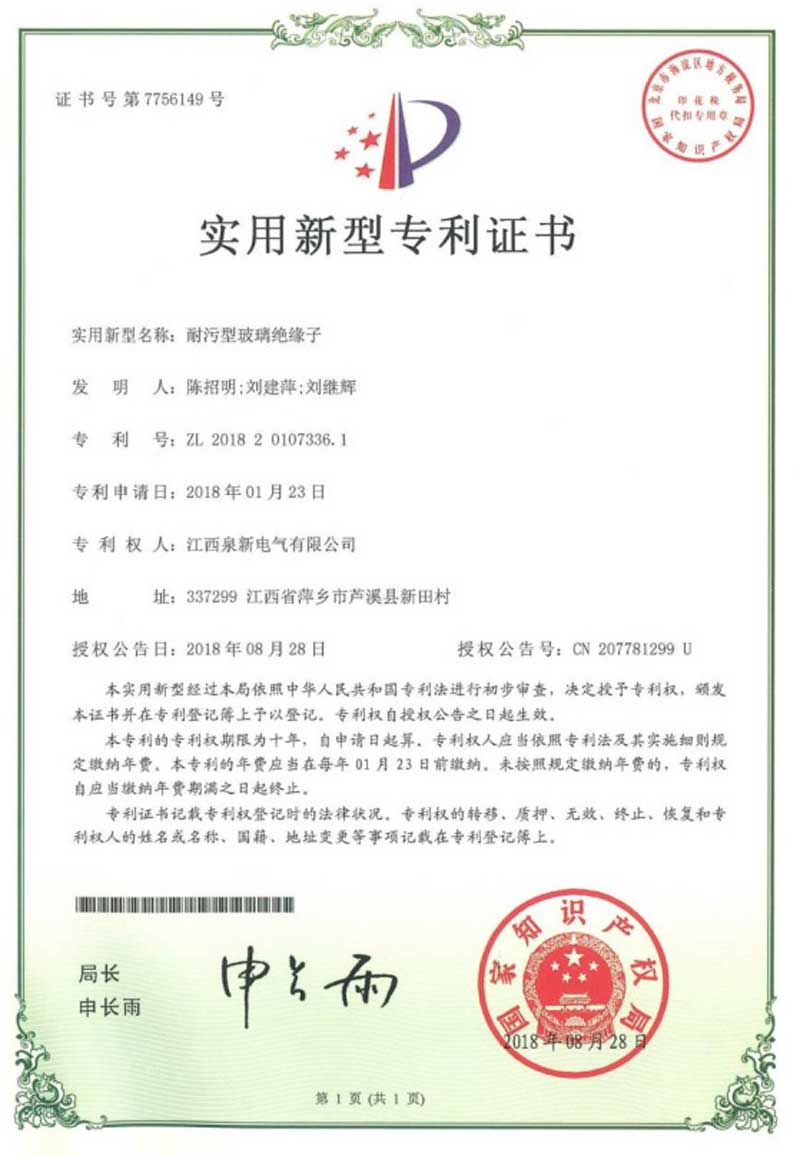
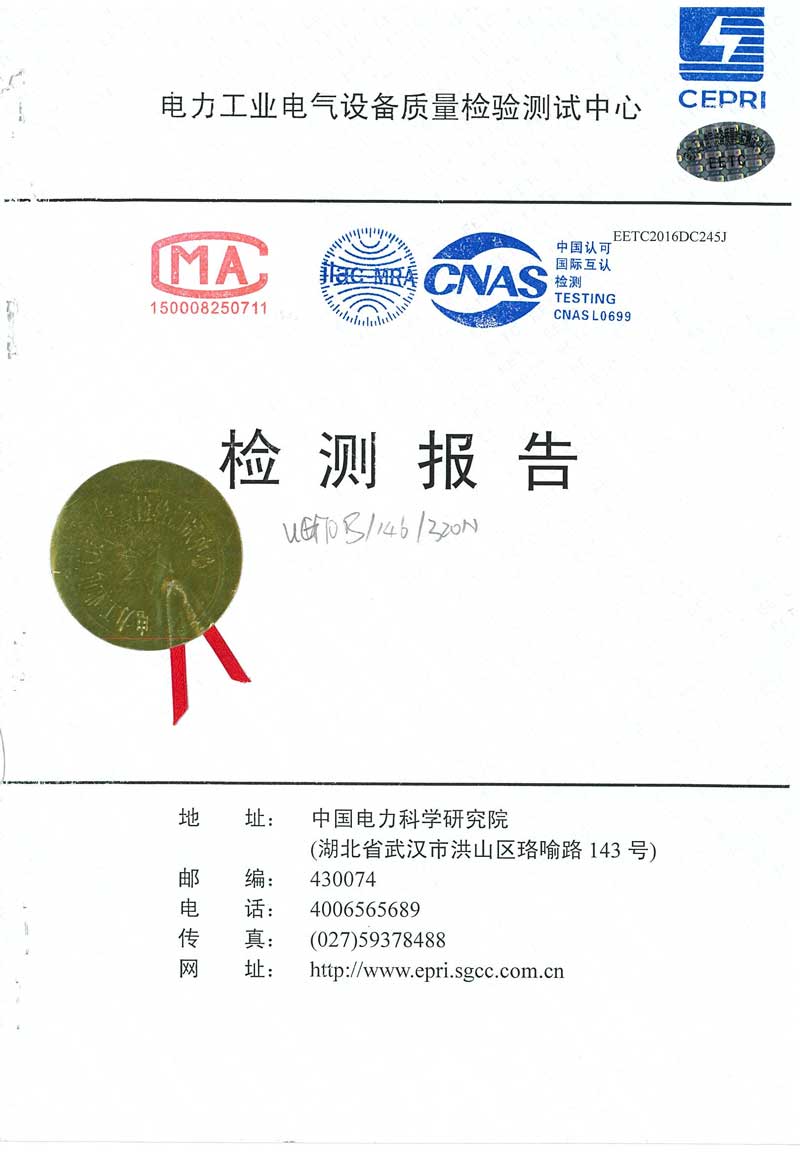
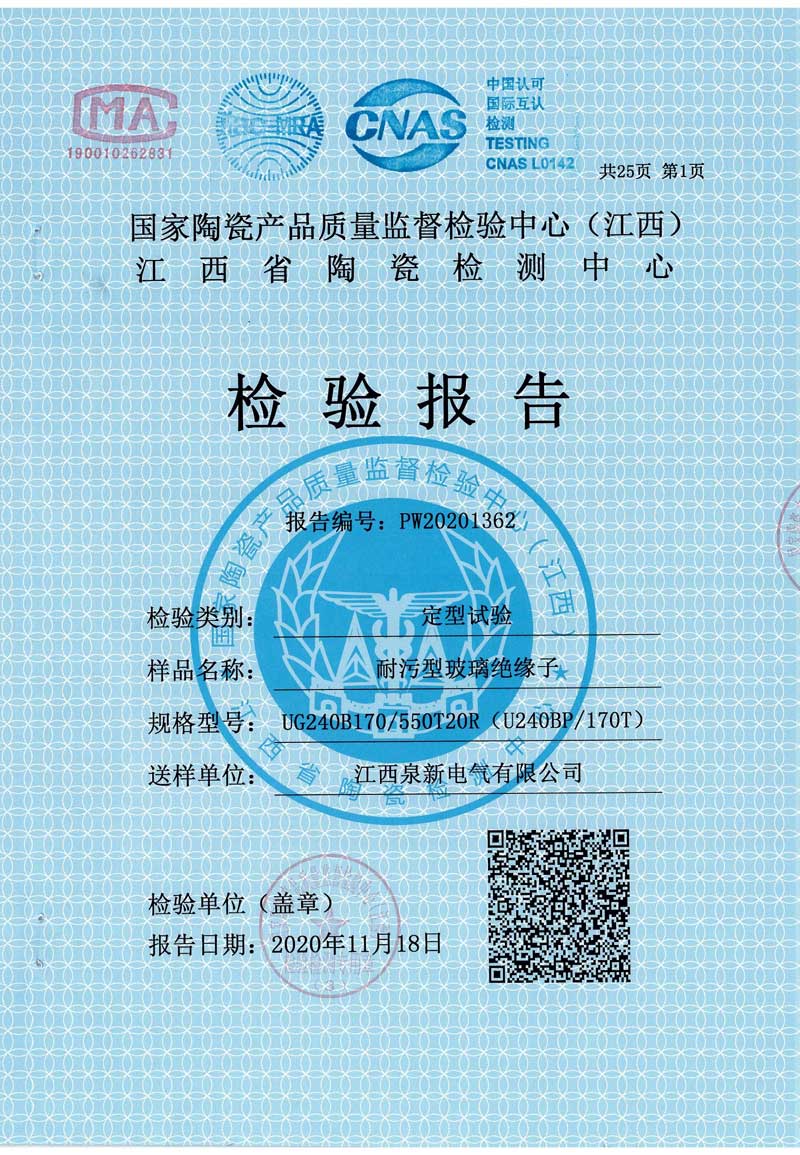
Factory Capabilities: Total Oxygen Kilns, Automatic Forming Presses, High-Voltage Discharge Testing, and Mechanical Load Tensile Testers. We ensure a 100% pass rate before shipment.
As the world transitions to "Smart Grids," the role of the insulator is expanding. We are currently researching smart insulators equipped with sensors to monitor leakage current and mechanical stress in real-time. Furthermore, the integration of green manufacturing processes—reducing the carbon footprint of the glass melting process—is our primary focus for 2026-2030. Our roadmap includes expanding the production of 800kV and 1100kV DC insulators to support the global renewable energy energy interconnections.