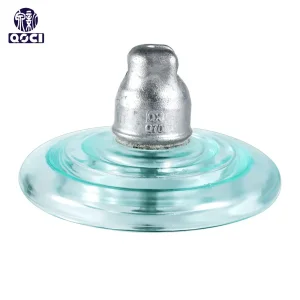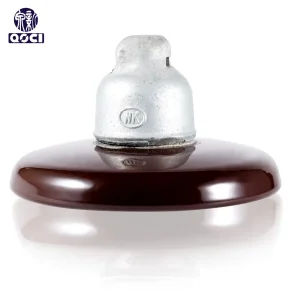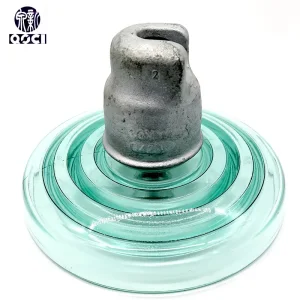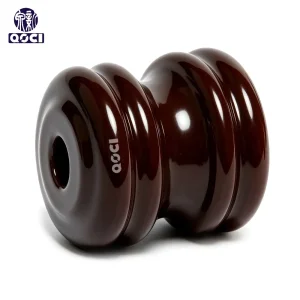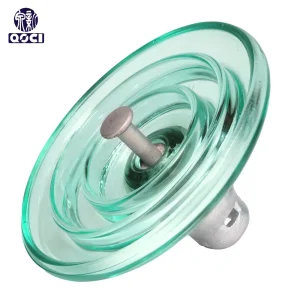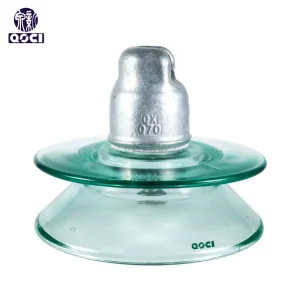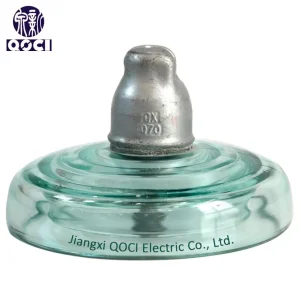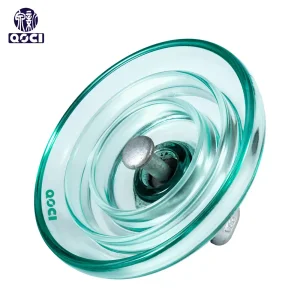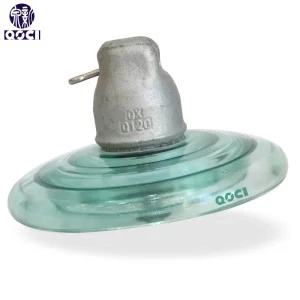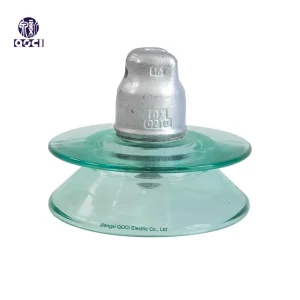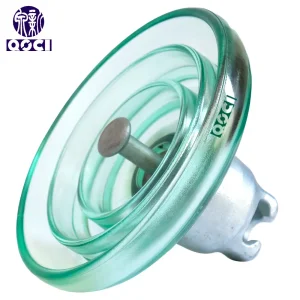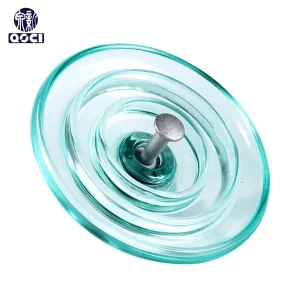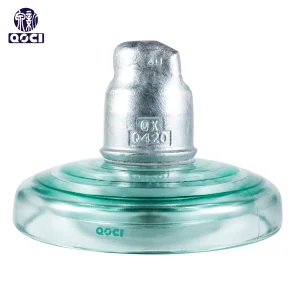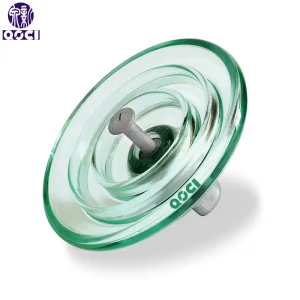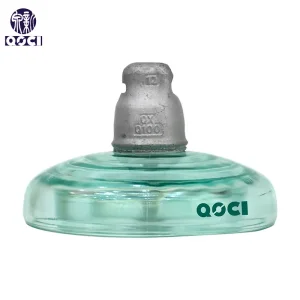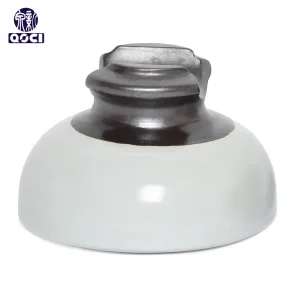
Expert Insight: The U160BLA glass insulator represents the pinnacle of high-strength insulation technology. With a mechanical failing load of 160kN, it is specifically designed for AC and DC transmission lines ranging from 110kV to 500kV and beyond. Unlike traditional porcelain, toughened glass provides a unique "spontaneous breakage" characteristic, which serves as a visual diagnostic tool for maintenance teams, significantly reducing inspection costs.
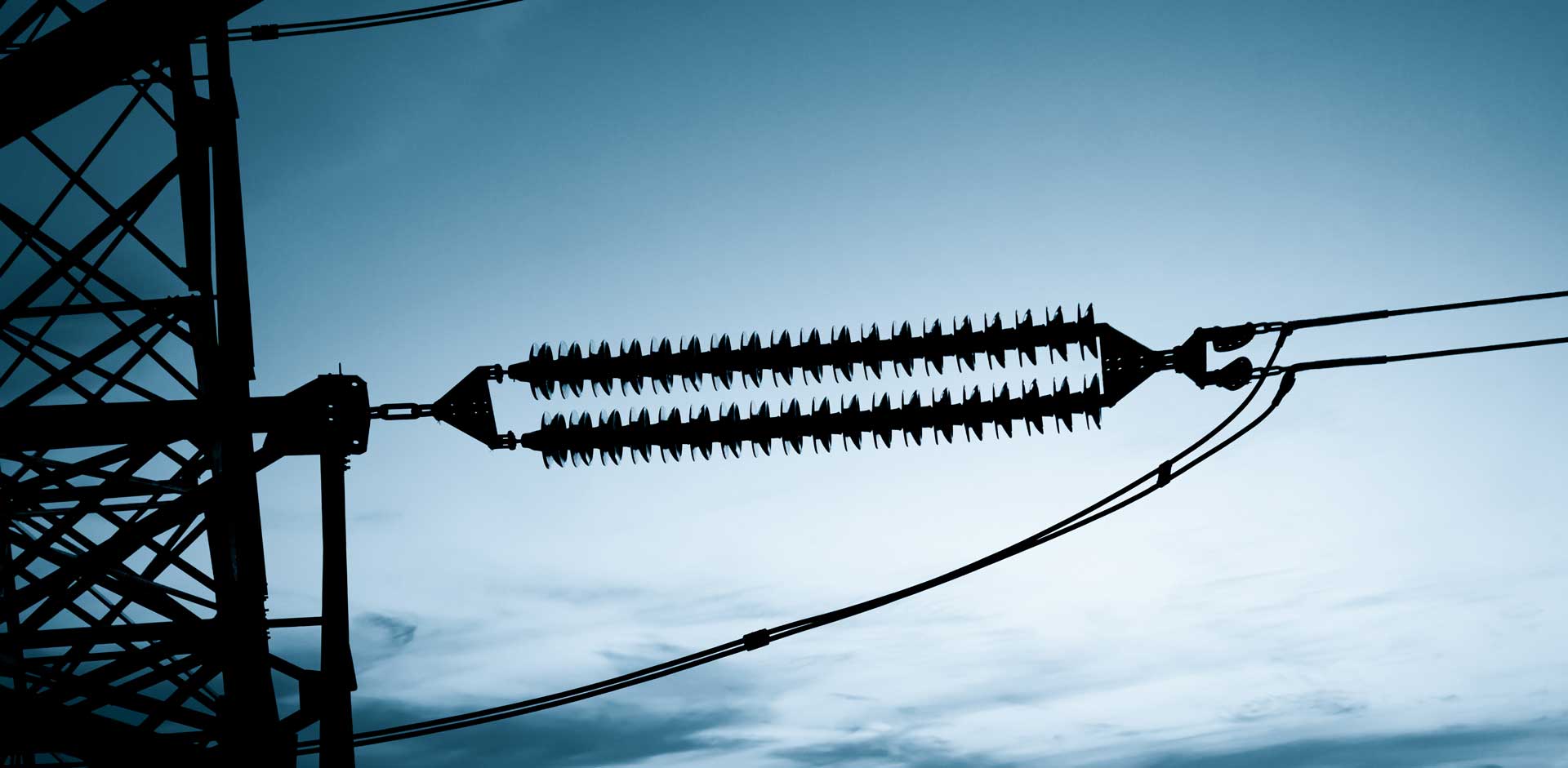
The U160BLA series utilizes high-purity glass materials processed through a precision tempering furnace. This ensures a dielectric strength that remains stable under extreme voltage fluctuations, preventing flashovers in humid conditions.
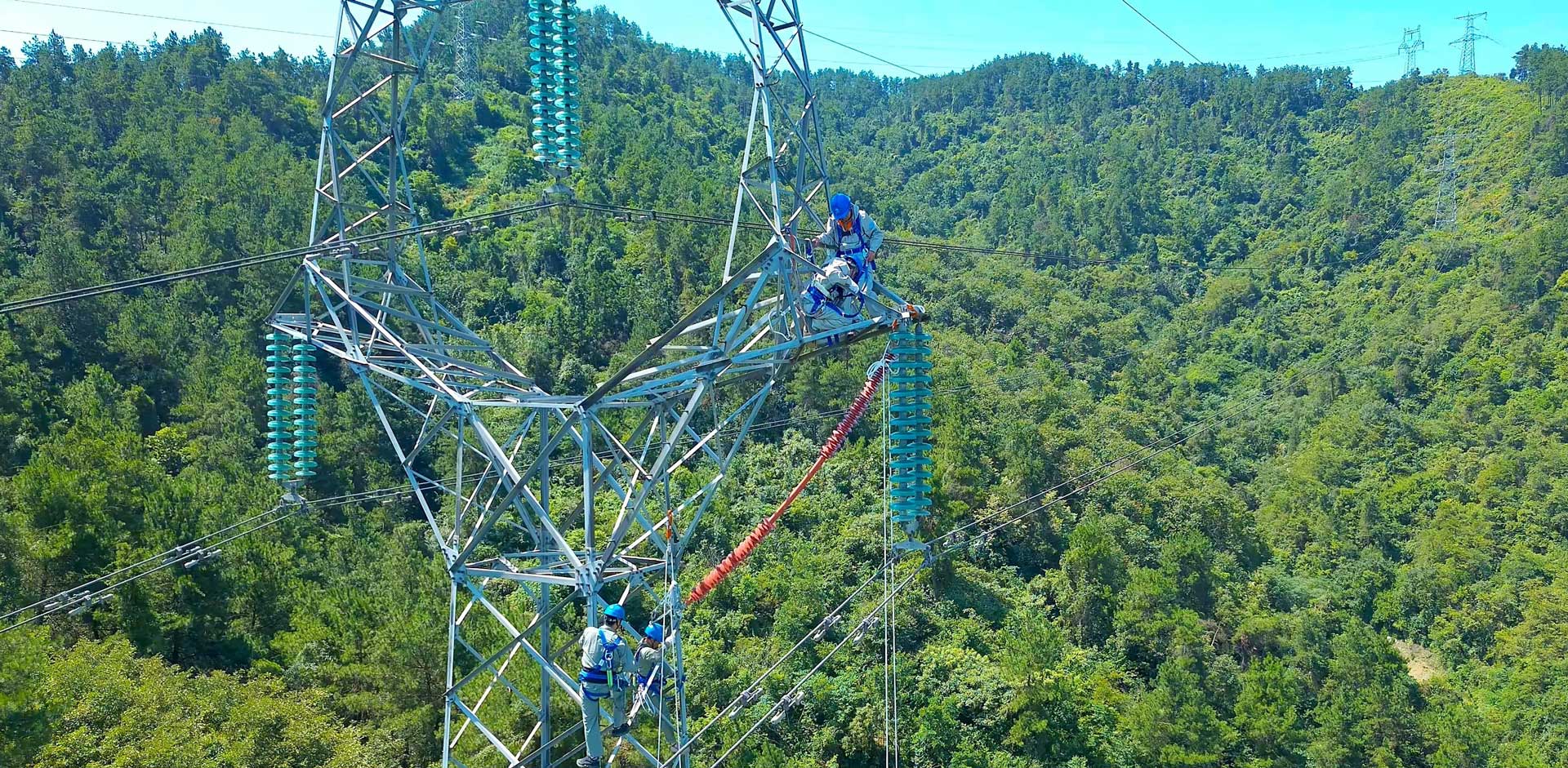
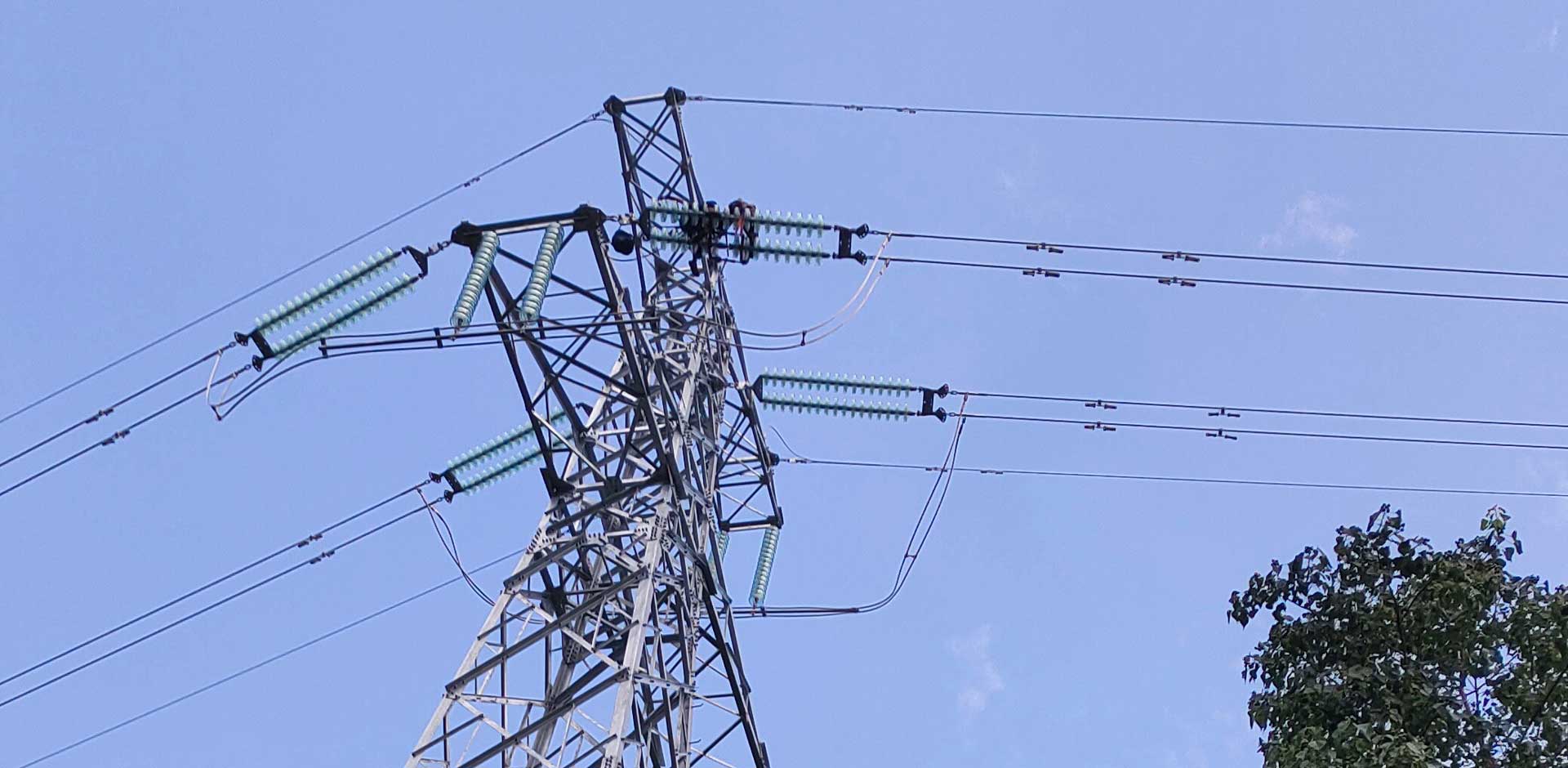
Designed for heavy-duty tension and suspension strings. The cap and pin design (typically U160BLA/U160BL) uses high-strength ductile iron and hot-dip galvanized steel to prevent corrosion for 50+ years.
Glass is an inorganic material that does not age under UV radiation or electrical stress. This "Information Gain" is critical for long-term TCO (Total Cost of Ownership) analysis for utility procurement.
Jiangxi QOCI Electric Co. Ltd, founded in Dec. 2002, is a premier Chinese manufacturer focusing on the global power grid's safety. With a registered capital of 508 million Yuan, our facility in Luxi Industrial Park, Jiangxi Province, serves as a hub for electrical engineering excellence.
Our commitment to E-E-A-T is evidenced by our massive R&D investment and adherence to IEC, ANSI, and BS standards, ensuring every U160BLA unit exceeds client expectations.
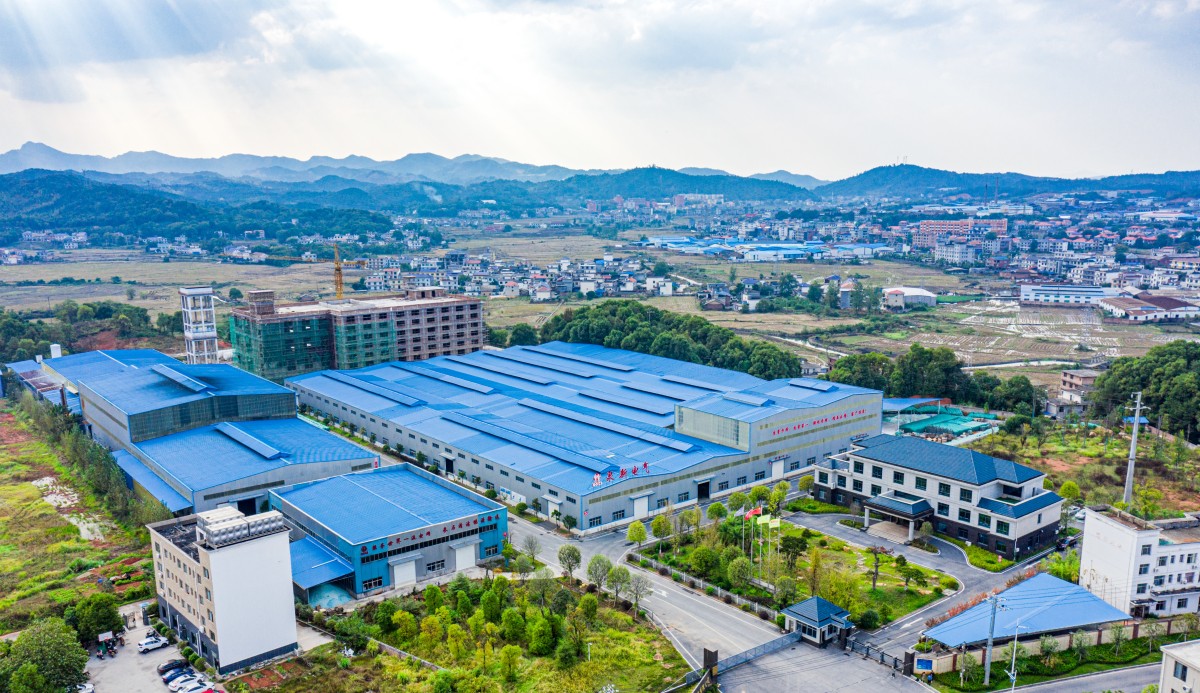
Located in the heart of China's electrical porcelain and glass cluster, QOCI leverages a local supply chain that includes raw quartz mining, advanced metallurgical facilities for caps and pins, and specialized transport networks. This reduces lead times for U160BLA orders from months to weeks.
Supply Chain Efficiency: 95%We utilize the Total Oxygen Kiln technology, which provides a more stable melting temperature compared to traditional kilns. This results in glass insulators with fewer impurities and higher thermal shock resistance, crucial for the U160BLA's performance in desert and arctic climates.
Purity Standard: 98%By optimizing energy consumption and utilizing automated forming presses, we provide high-voltage insulators that meet the stringent budget requirements of EPC contractors in Europe, Southeast Asia, and South America without compromising on safety standards.
Global Cost Savings: 20-30%Procuring insulators for a national grid requires more than just a product; it requires a partnership based on compliance and reliability. QOCI provides a comprehensive support framework for the U160BLA series.
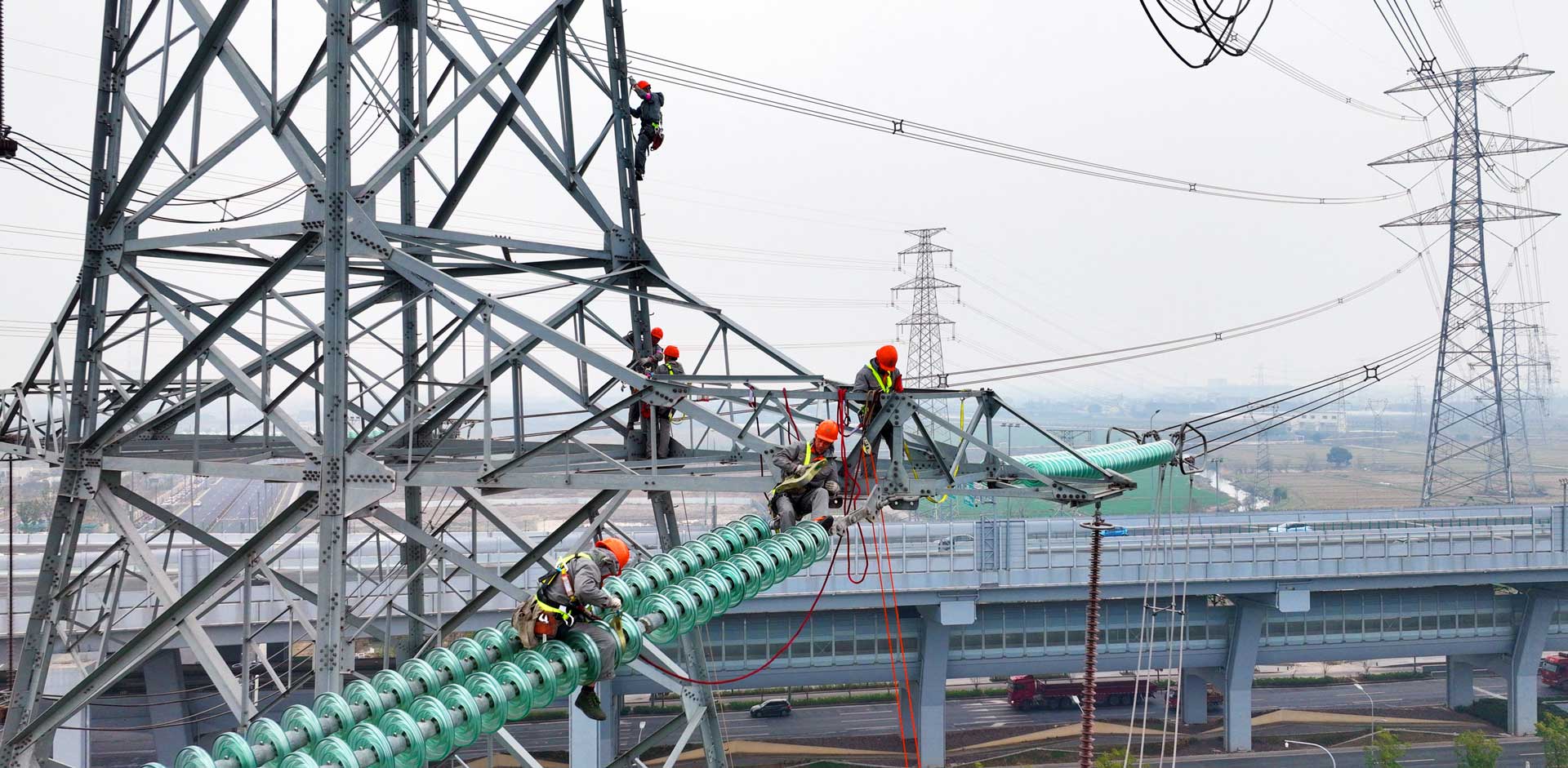
Our engineers provide on-site installation guidance and string design optimization. We assist in calculating the ideal creepage distance for specific local environments, whether it's the high-salinity coasts of Brazil or the industrial zones of India.
The U160BLA anti-pollution (fog type) profile is essential for coastal grids. The deep ribs increase the creepage distance, preventing salt-fog induced leakage currents.
As global energy trends shift toward Ultra-High Voltage (UHV) transmission to connect remote renewable sources (Solar/Wind) to cities, U160BLA strings provide the necessary mechanical strength and corona resistance.
The future involves RTV (Room Temperature Vulcanization) silicone coatings on glass. QOCI is a pioneer in RTV-coated glass insulators, combining the mechanical strength of glass with the hydrophobicity of polymers.
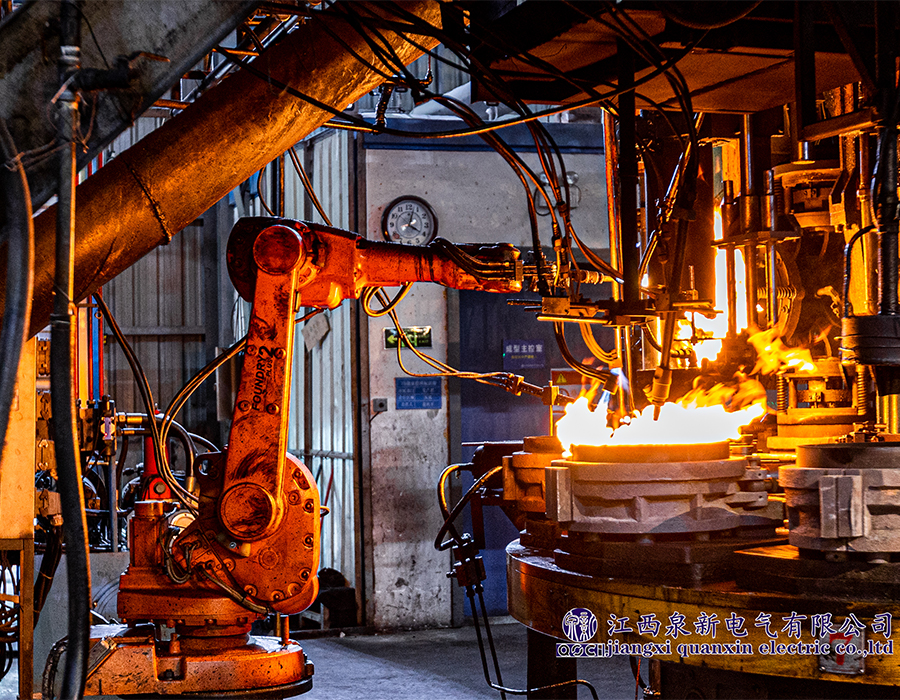
Advanced Forming Press
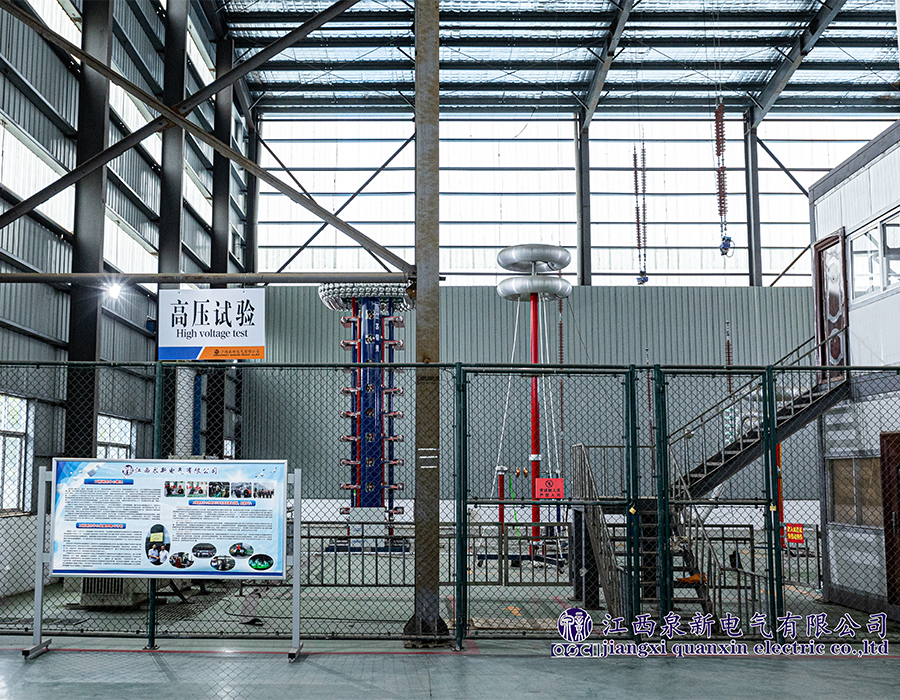
High Voltage Test Lab
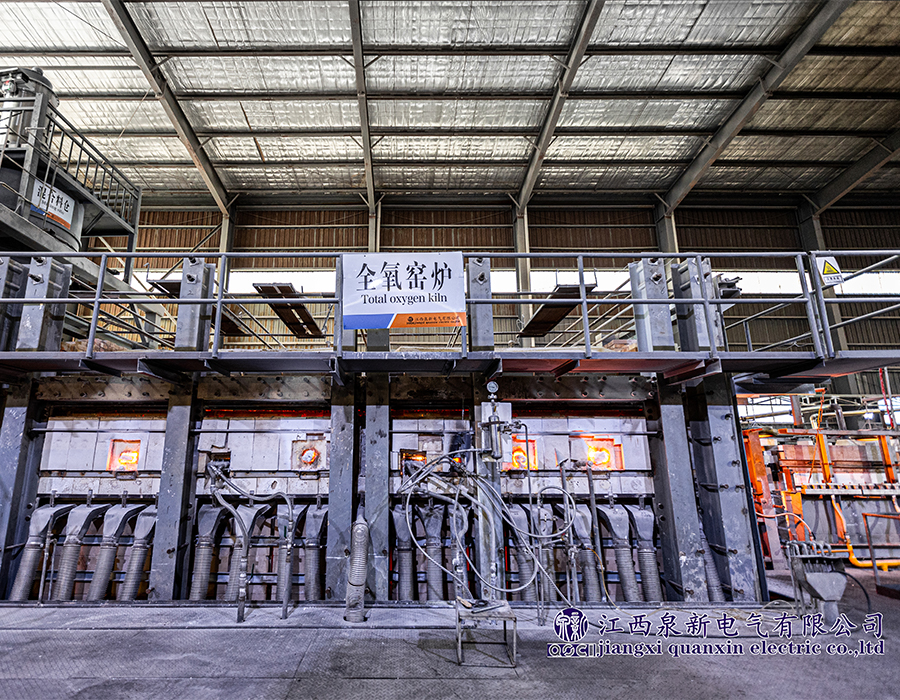
Total Oxygen Kiln System
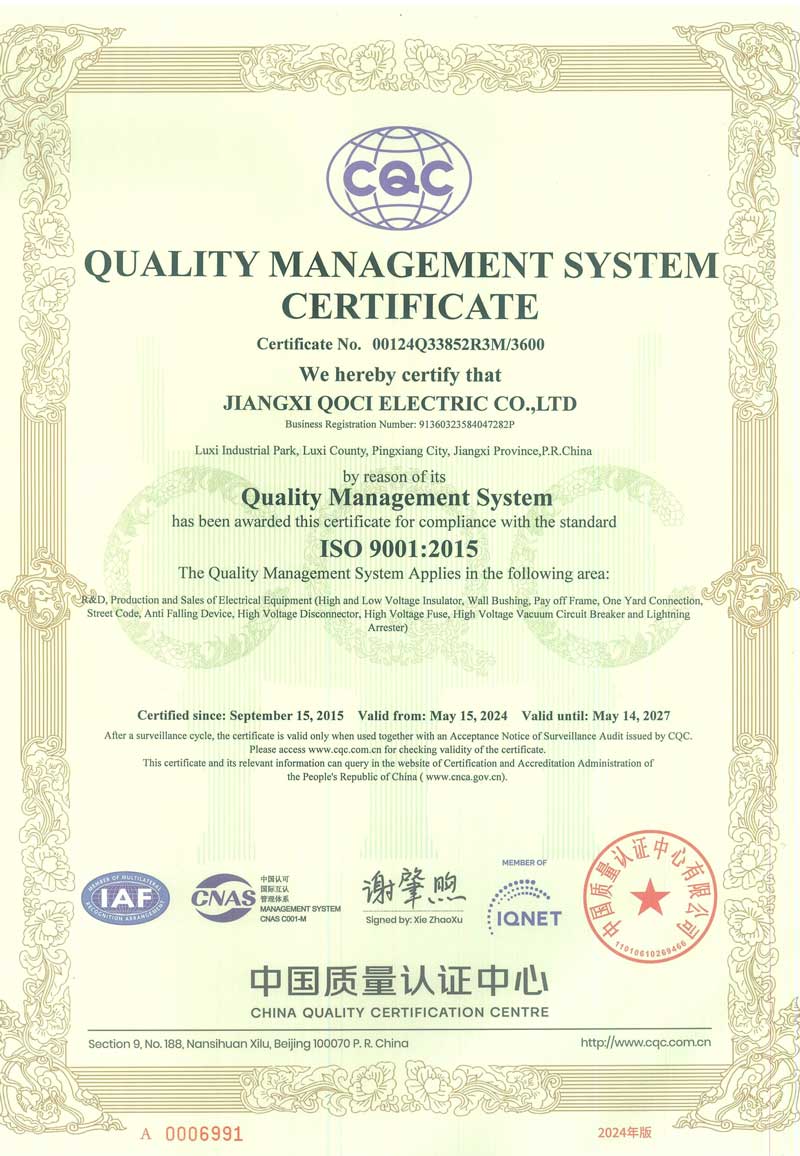
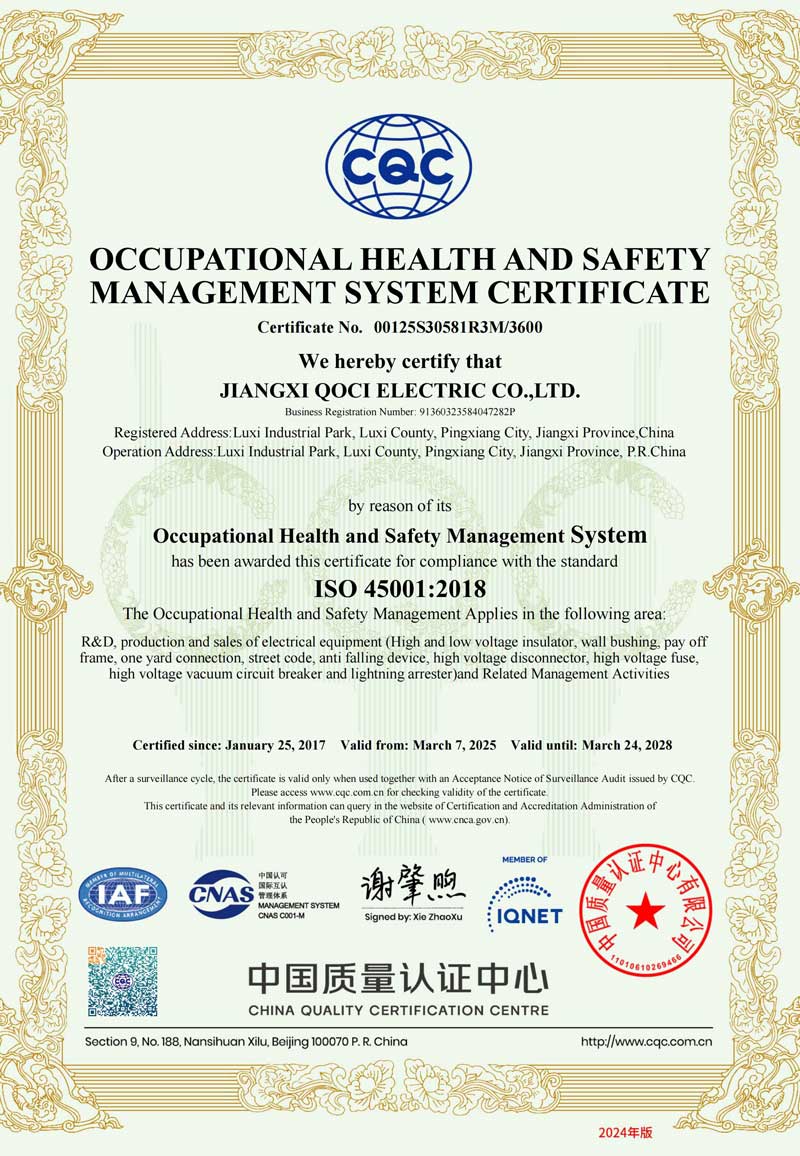
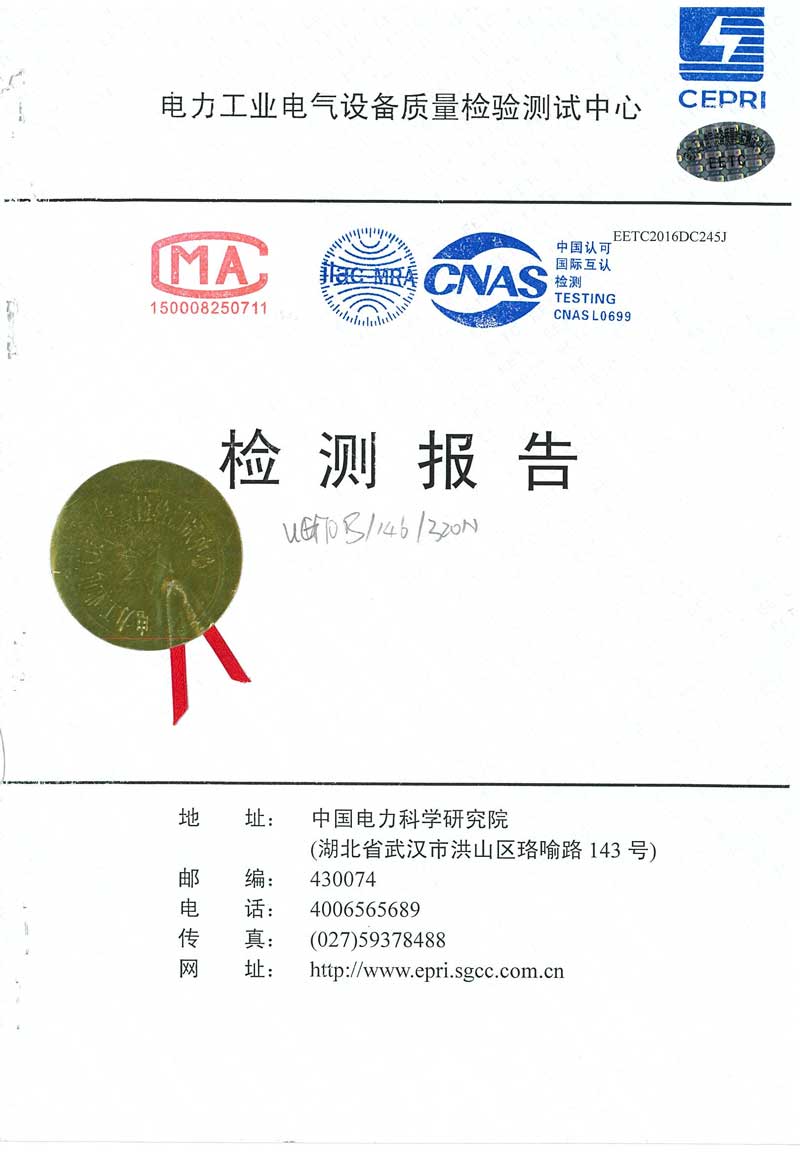
We are ISO 9001, 14001, and OHSAS 18001 certified, ensuring that every batch of U160BLA insulators undergoes rigorous testing including thermal shock, steep-front wave, and mechanical load tests.
Exploring the global energy transition and renewable energy storage technologies in the African market.
Having withstood extreme icing and typhoons, our technology is now a global benchmark for resilience.
We encourage you to join us at the powerhouse event for power transmission and distribution.