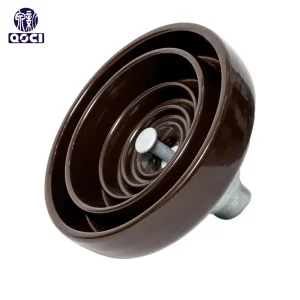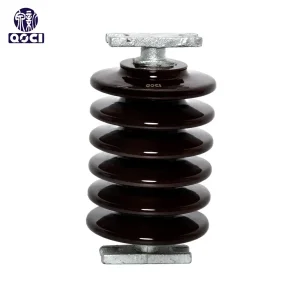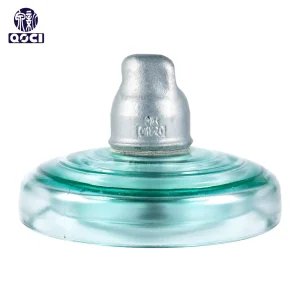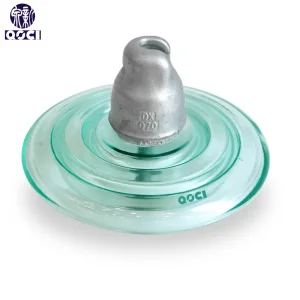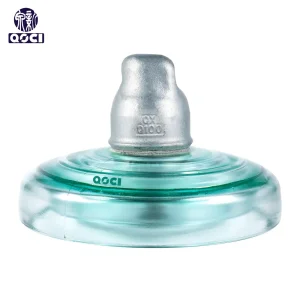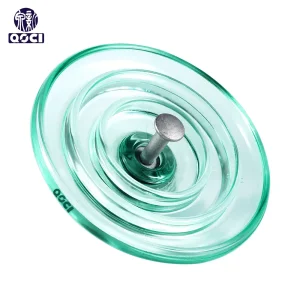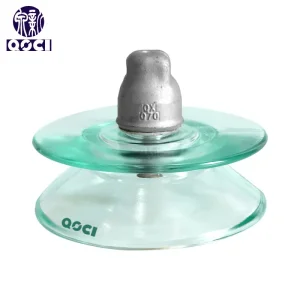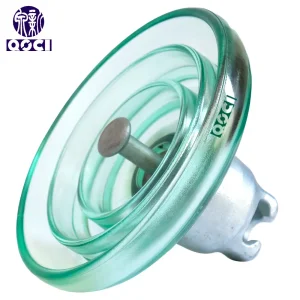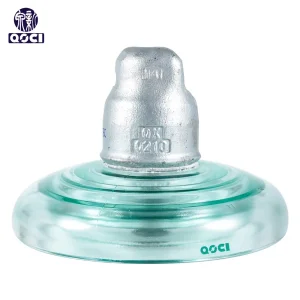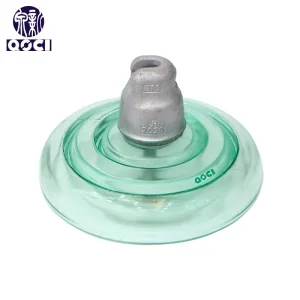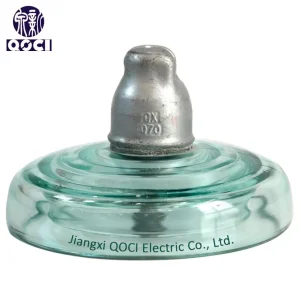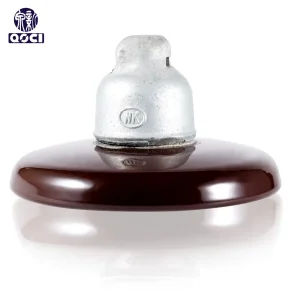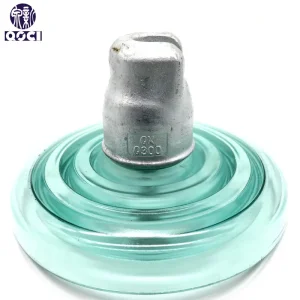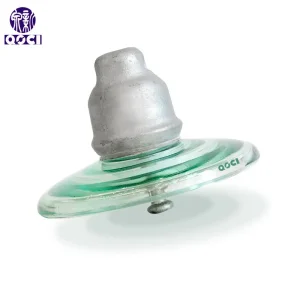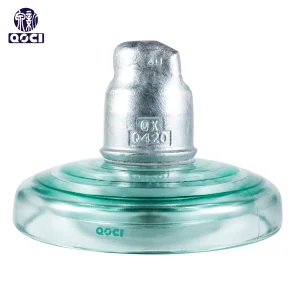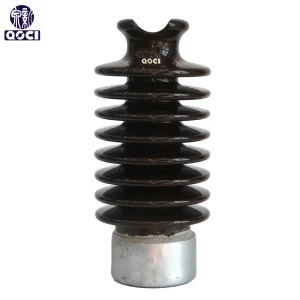
The Glass Insulator U240BLP (240kN) represents the pinnacle of high-tensile insulation. Unlike traditional porcelain, our toughened glass variants offer superior transparency for visual inspection and a "fail-safe" mechanism where the glass shell shatters without losing mechanical string integrity.
Every U240BLP unit is rigorously tested to meet IEC 60305, ANSI C29.2B, and BS 137 standards. Our lab conducts thermal shock, steep-front wave, and mechanical load tests to ensure zero-defect delivery for critical 500kV and 800kV transmission lines.
The "Lp" designation signifies a longer creepage distance. This aerodynamic profile is specifically designed for regions with high salt-fog or industrial dust, preventing flashovers where standard profiles would fail.
In the landscape of global energy transition, the demand for High Voltage Direct Current (HVDC) and Ultra-High Voltage (UHV) infrastructure is skyrocketing. The Glass Insulator U240BLP is not merely a component; it is a critical safety barrier. Our research indicates that utilizing toughened glass in heavily polluted corridors reduces maintenance costs by up to 40% compared to polymer or porcelain alternatives due to its self-cleaning properties and visual failure indication.
Founded in 2002 with a registered capital of 508 million Yuan, our facility in Pingxiang, Jiangxi, covers 100 mu (approx. 70,000 m²). We are strategically located in China's porcelain and glass capital, leveraging a deep pool of engineering talent and raw material accessibility.
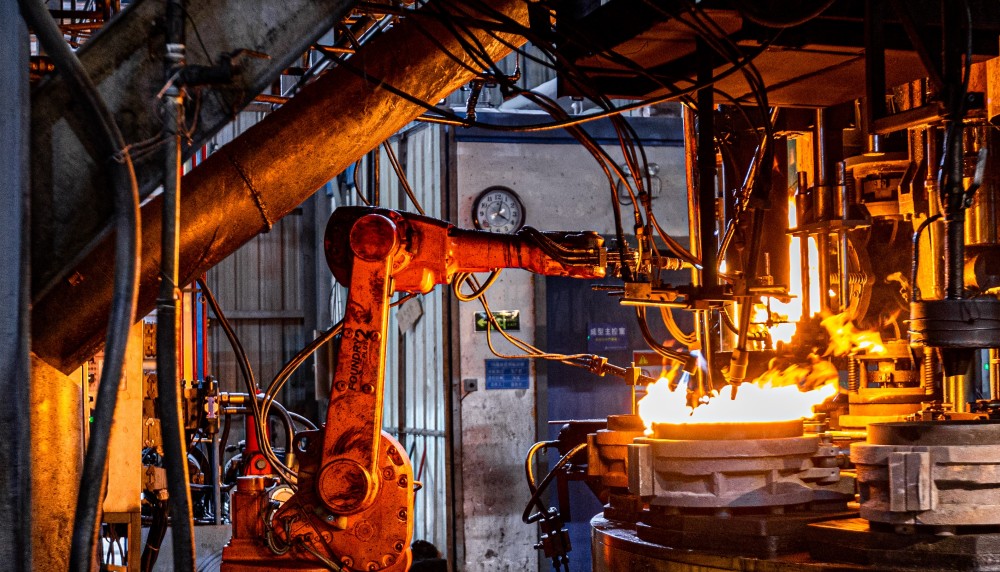
Our integrated supply chain ensures that from the raw silica melting in our Total Oxygen Kilns to the final High Voltage Testing, every step is vertically controlled for price and quality.
Supporting Infrastructure Projects from the Amazon to the Arabian Desert
We provide localized design modifications for the U240BLP series to meet specific regional requirements, such as RTV Silicone Coating for extreme desert salinity or Zinc Sleeves to prevent ball-pin corrosion in tropical humidity.
Our products carry ISO 9001, 14001, and 45001 certifications. We regularly collaborate with third-party labs like KEMA and CESI to provide type test reports required by national utilities (SECI, EWA, ESKOM).
Understanding international trade, we offer ISPM 15 compliant wooden crate packaging and specialized container loading to ensure zero breakage during trans-oceanic transit.
Future iterations of the U240BLP are being integrated with IoT sensors for real-time leakage current monitoring. As the industry moves toward Digital Twins, glass insulators remain the preferred substrate due to their stable dielectric properties over 40+ years.
Our U240BLP series is currently deployed in:
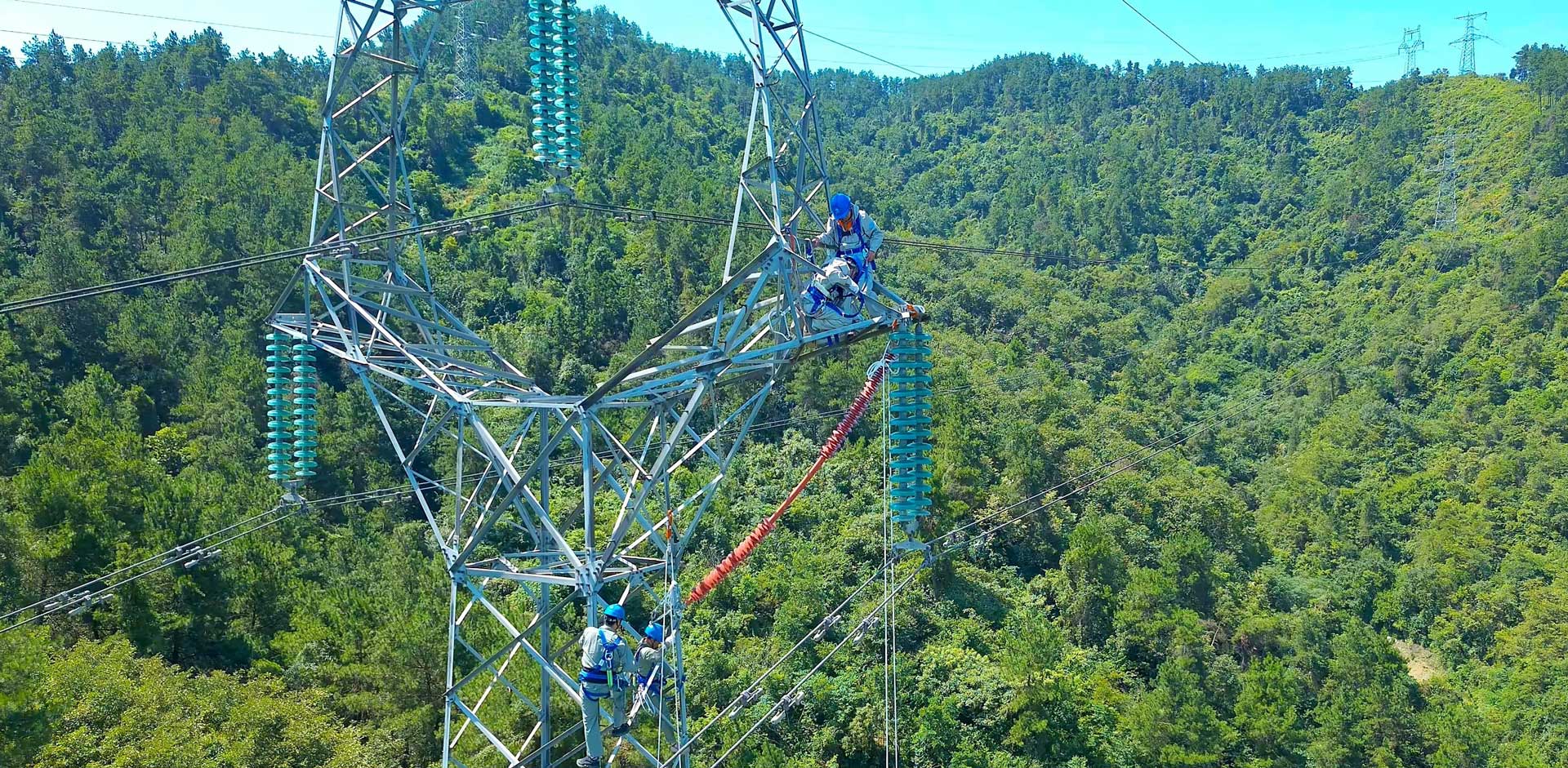
Deploying U240BLP in high-stress geographic scenarios.
Expert Insights into Glass Insulator Procurement
U240BLP toughened glass insulators allow for immediate visual detection of faults. If a glass shell is damaged, it shatters into small fragments, making it easy for linemen to identify from the ground. Furthermore, glass has a higher residual mechanical strength in the "broken" state compared to porcelain.
The "Lp" indicates a profile with extended ribs, providing a higher leakage (creepage) distance within the same spacing. This reduces the risk of leakage current tracking and subsequent flashovers in environments with heavy salt or chemical deposits.
Typically, for standard U240BLP orders, our lead time is 4-6 weeks, thanks to our 39,000-ton annual capacity. Custom RTV-coated variants may require an additional 1-2 weeks for curing and testing.
Yes, we provide technical documentation and installation supervisors for major projects to ensure stringing is done according to IEC standards, preventing mechanical overstress during the tensioning phase.
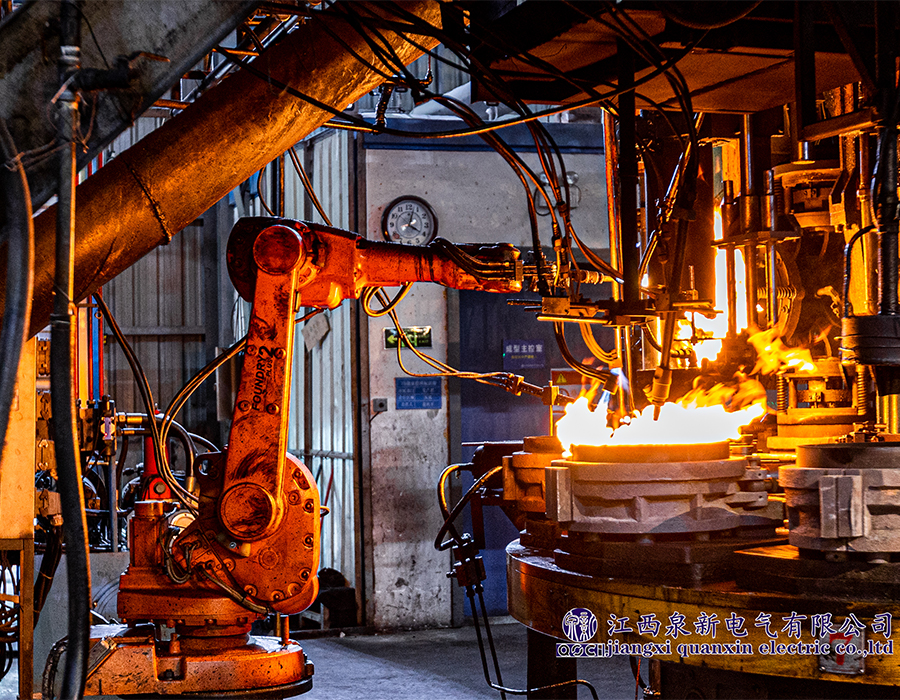
Forming Press
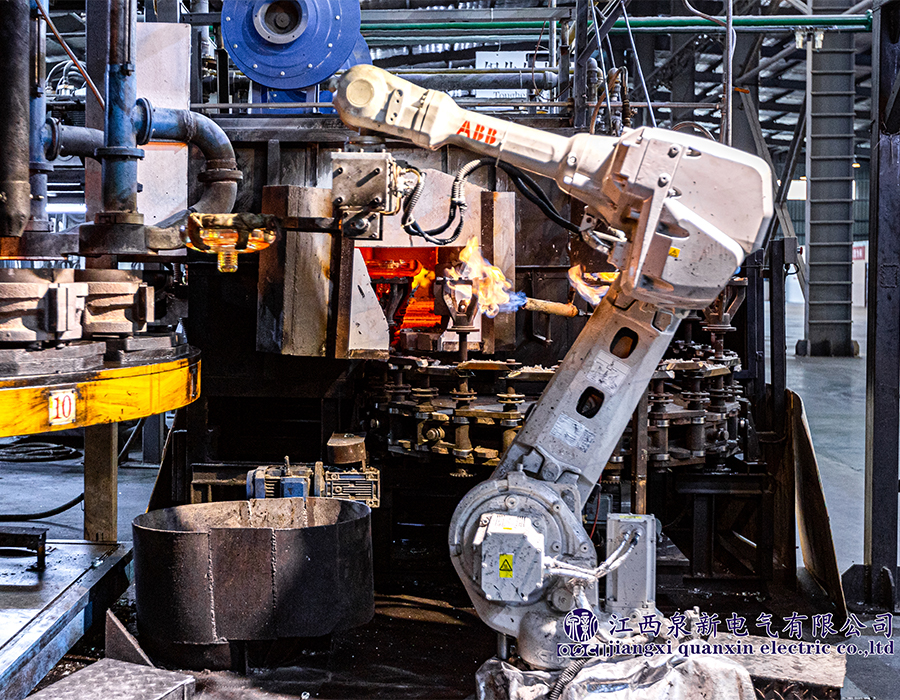
Precision Molding
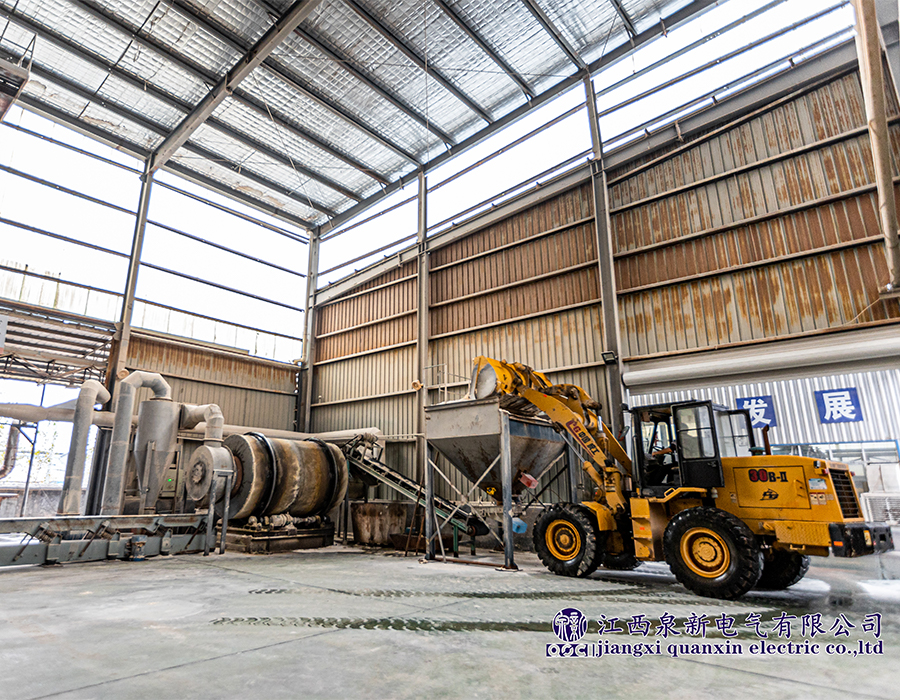
Automated Mixer
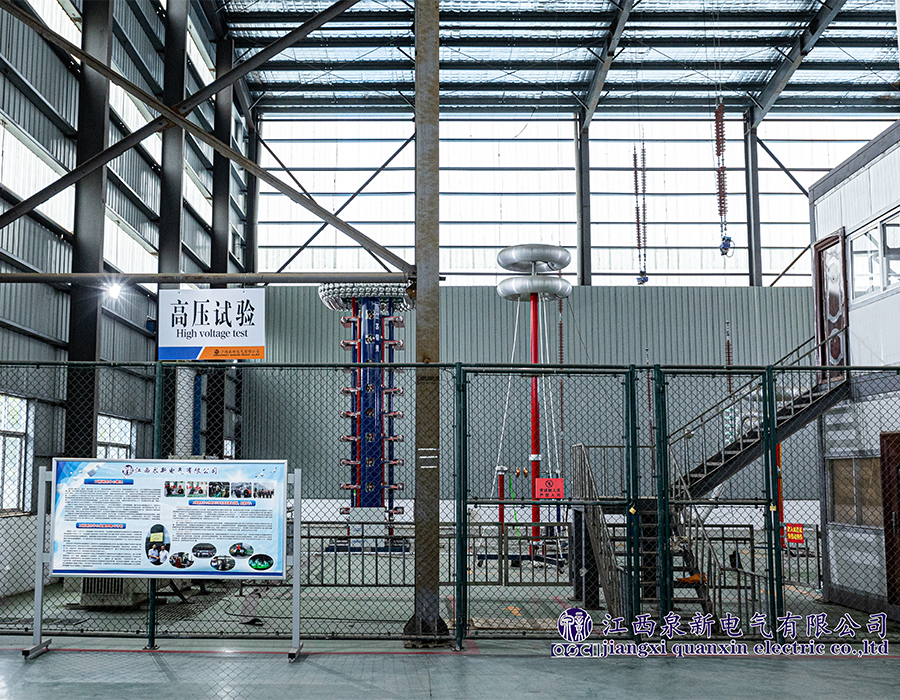
High Voltage Test Lab
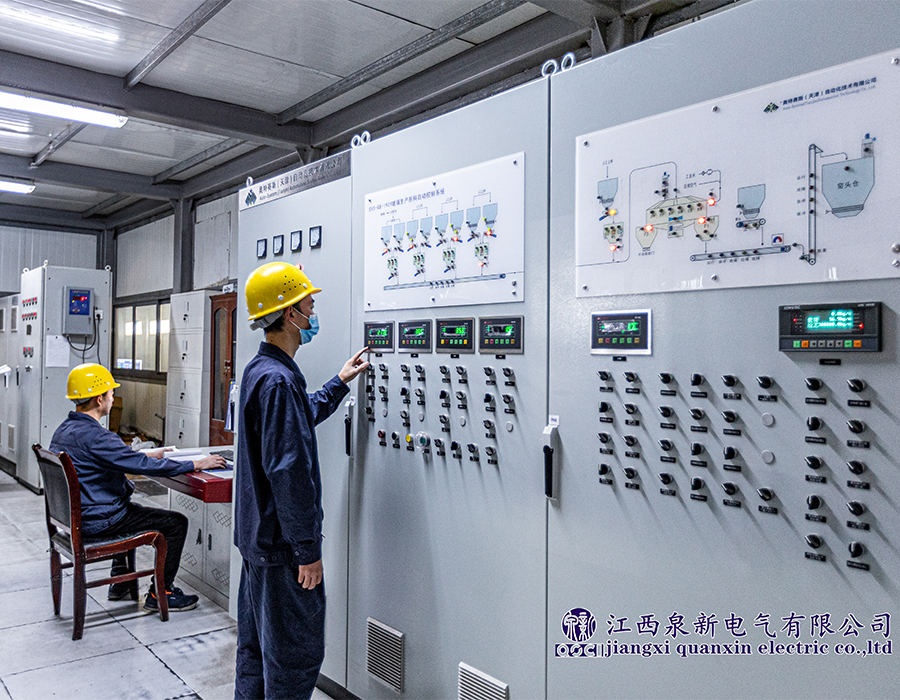
Raw Material Control
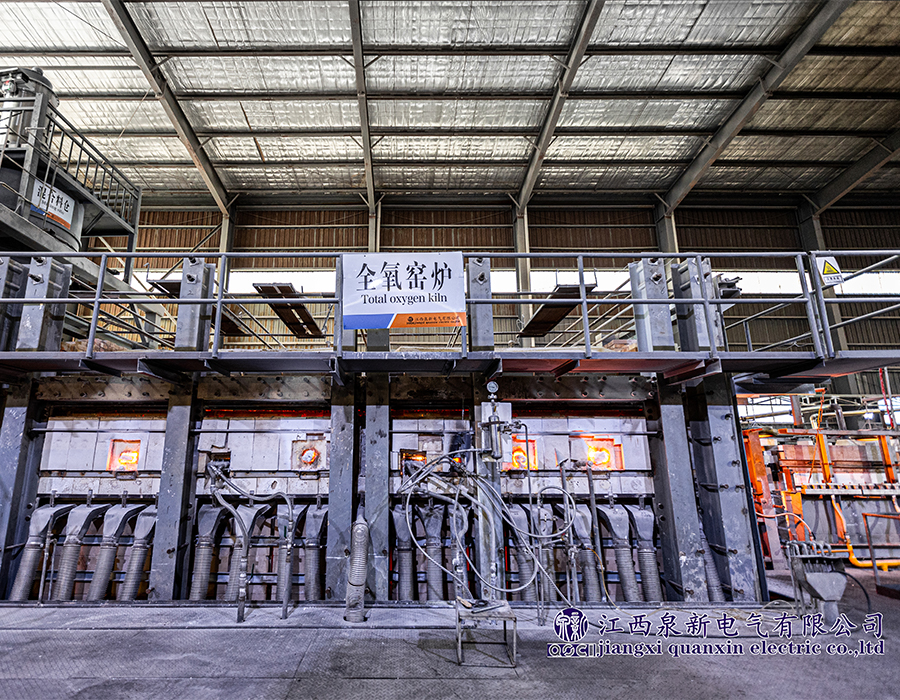
Total Oxygen Kiln
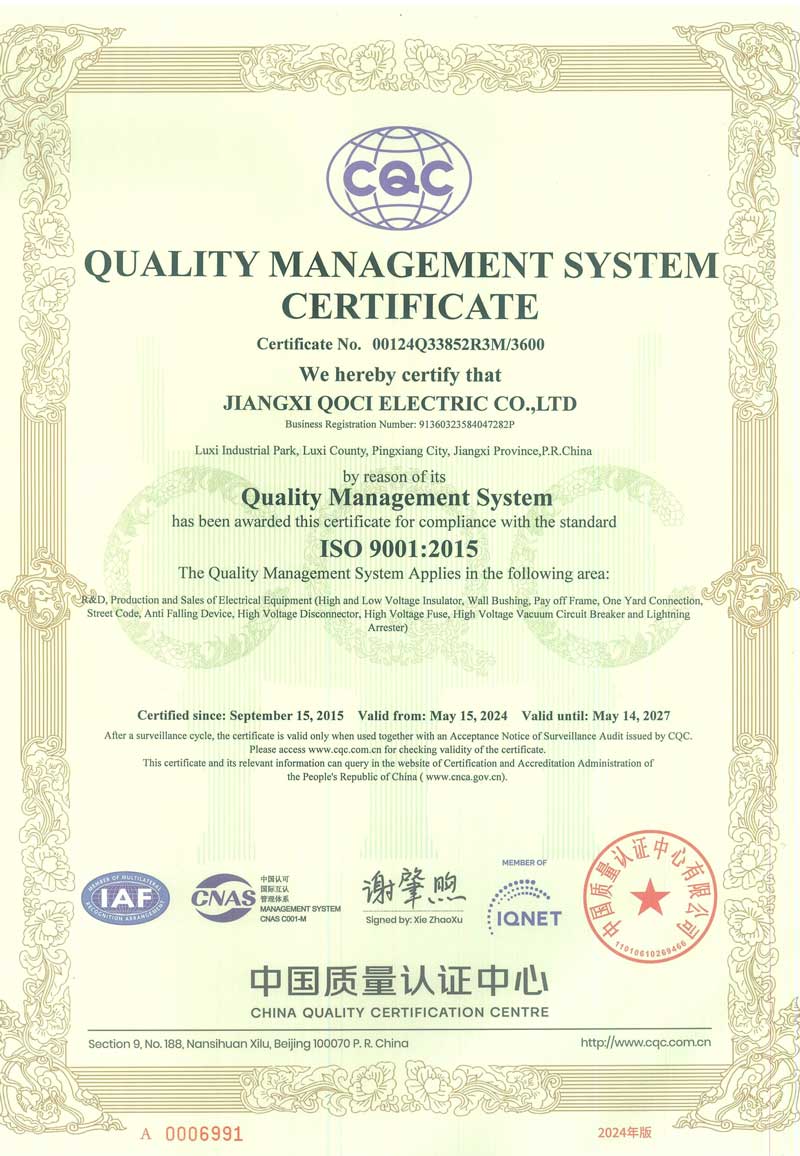
ISO Certification
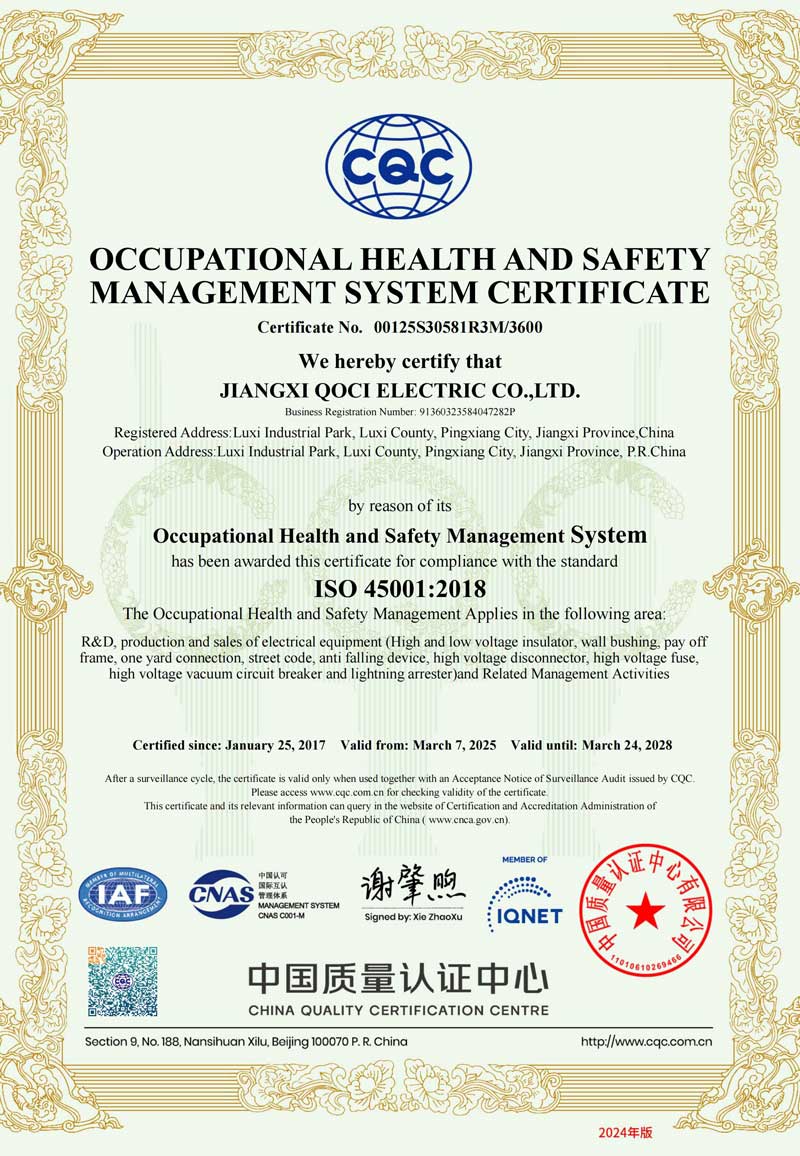
Quality Assurance