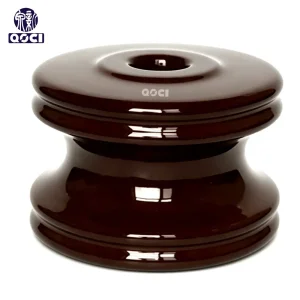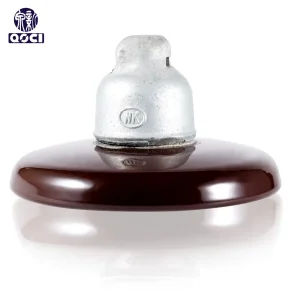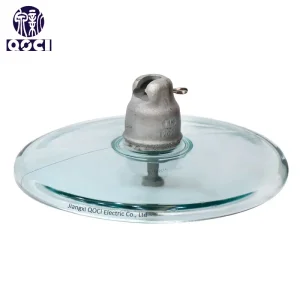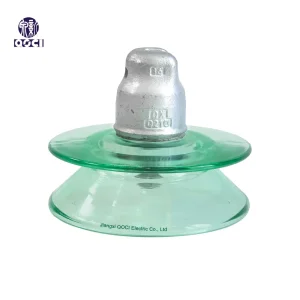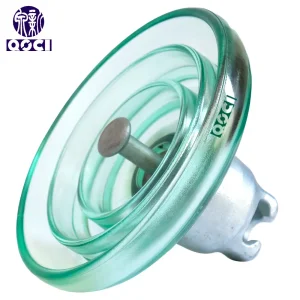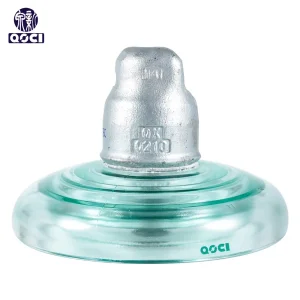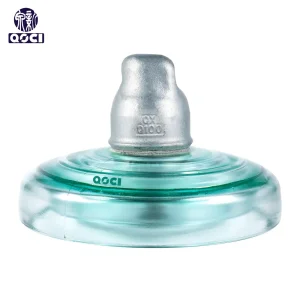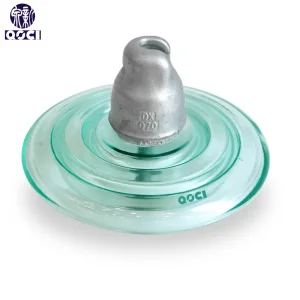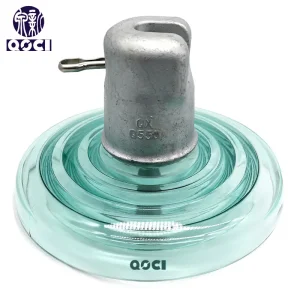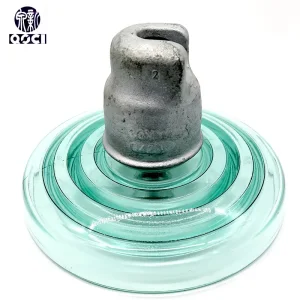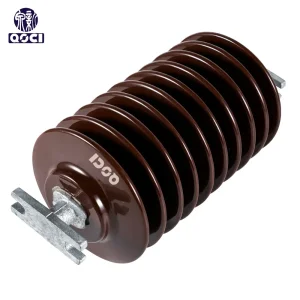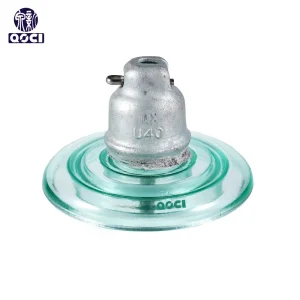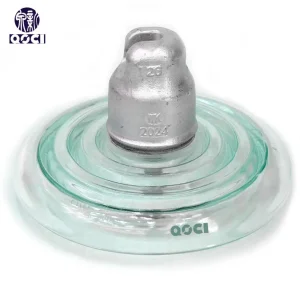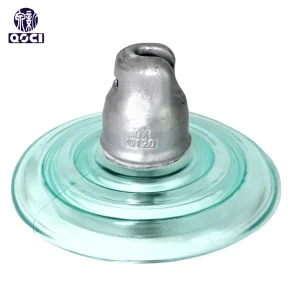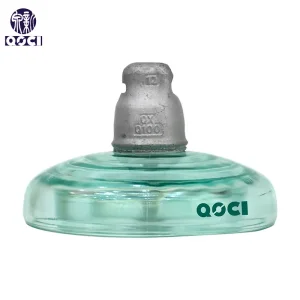
In the rapidly transforming landscape of global power transmission, the Glass Isolator U100bsp stands as a cornerstone technology for ensuring grid resilience. As nations pivot toward renewable energy integration and smarter grid infrastructures, the demand for high-performance dielectric materials has never been more critical. Jiangxi QOCI Electric Co. Ltd, a leader with a registered capital of 508 million Yuan, has spearheaded the engineering of U100bsp solutions that exceed international standards (IEC, ANSI, BS).
This white paper explores the multi-dimensional impact of toughened glass insulators, from their chemical composition to their macro-economic role in global energy security. We examine why the U100bsp—characterized by its anti-pollution profile and 100kN electromechanical failing load—is the preferred choice for EPC contractors and utility providers worldwide.
The global push for Ultra-High Voltage (UHV) transmission lines requires insulators that can withstand extreme electrical stress. The U100bsp series is evolving with higher creepage distances to prevent flashovers in 500kV to 1100kV networks.
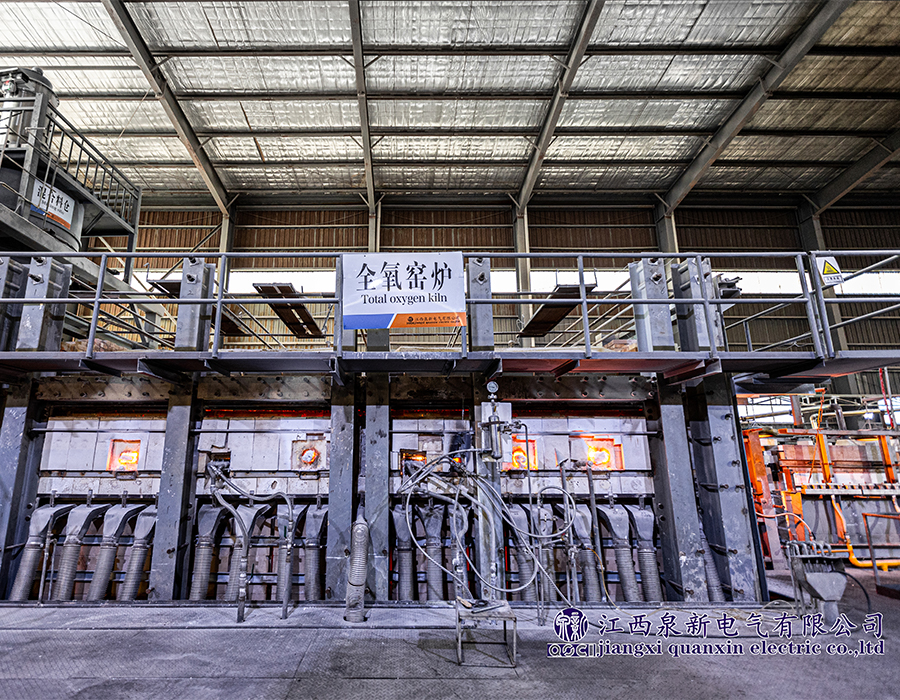
Unlike porcelain, glass insulators are 100% recyclable. Factories are now adopting "Total Oxygen Kiln" technologies to reduce carbon footprints during the melting process, aligning with global net-zero targets.
The integration of RTV (Room Temperature Vulcanization) silicone coatings on glass surfaces is the new industry standard. This hybrid approach combines the mechanical strength of glass with the hydrophobicity of polymers.
The U100bsp (127/280/450) designation is not just a number; it represents a specific ratio of spacing, diameter, and creepage distance designed for high-pollution environments. Our technical roadmap focuses on three pillars:
By utilizing precise cooling rates, we ensure the compressive stress on the glass surface is uniform. This leads to the "Self-Shattering" property—a critical safety feature where a damaged insulator shatters but maintains its mechanical integrity, making aerial inspections significantly more efficient.
We use hot-dip galvanized ductile iron for caps and forged steel for pins. The U100bsp assembly uses a specialized cement with high mechanical strength and low expansion coefficient to prevent stress fractures over 40+ years of service.
Our aerodynamic models reduce wind resistance and minimize the accumulation of industrial dust and sea salt. The "open profile" design facilitates self-cleaning during rainfall, a vital factor for coastal and desert installations.
Strategic buyers from E.ON, Enel, and State Grid are increasingly focusing on Total Cost of Ownership (TCO) rather than initial price. Jiangxi QOCI Electric provides:
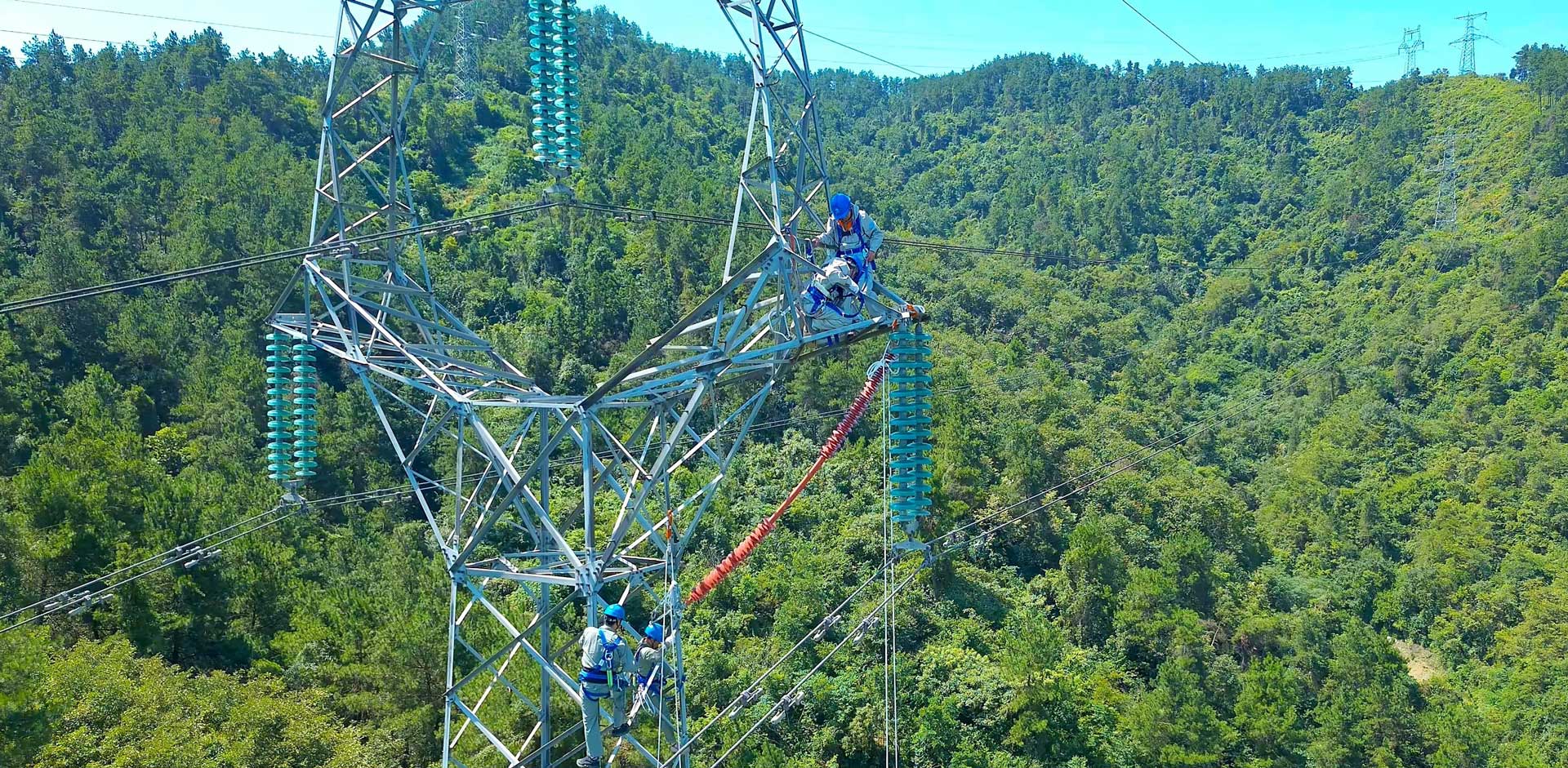
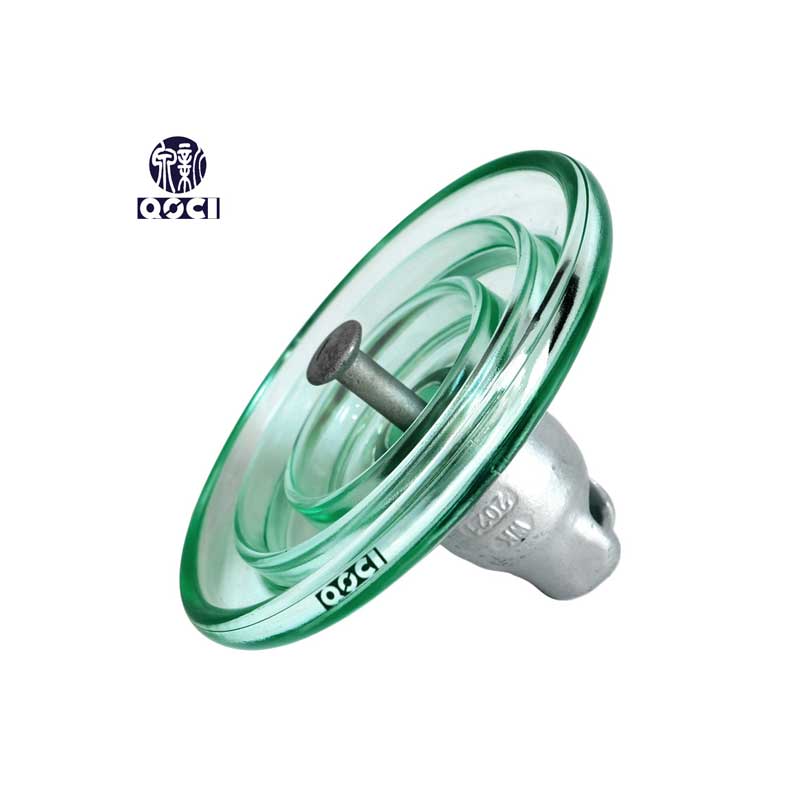
Ideal for moderate environments. Features high wind-rain self-cleaning efficiency. Exceeds IEC 60305 leakage distance requirements.
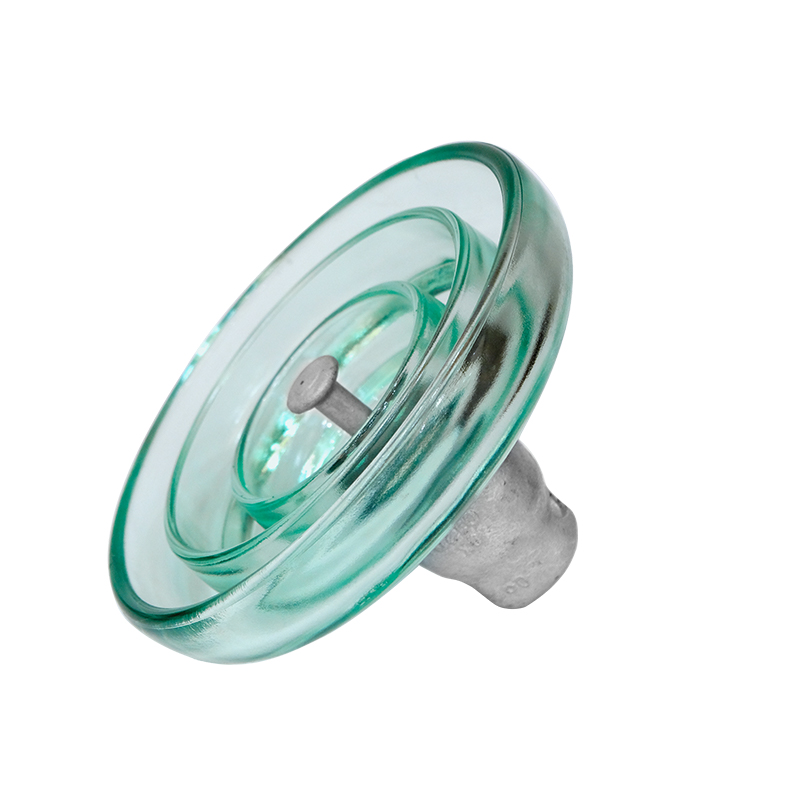
Equipped with deep under-ribs to prevent arc bridging. Essential for coastal areas with heavy salt fog.
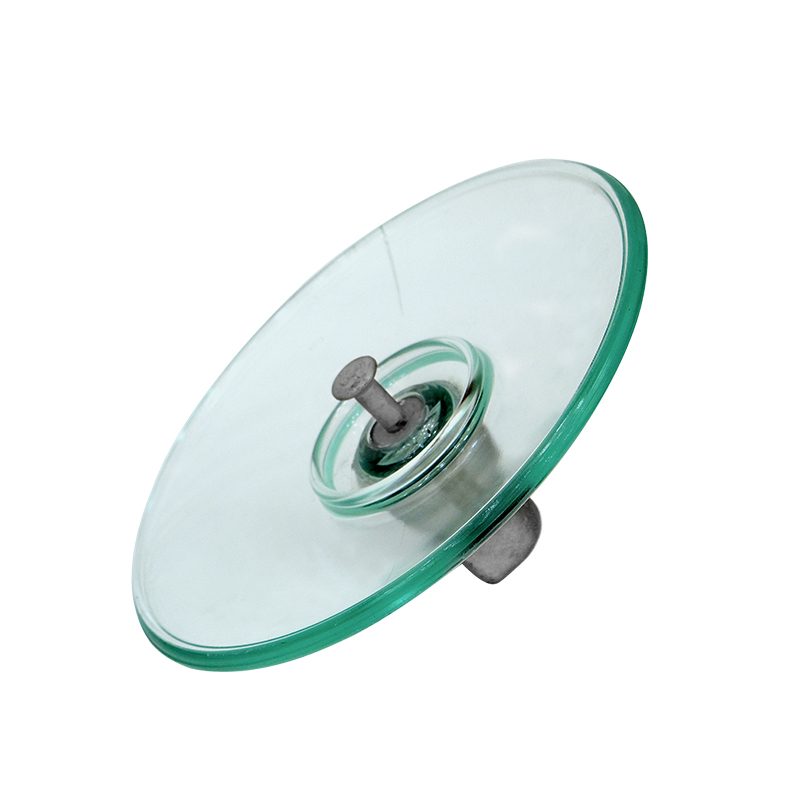
Designed for desert regions. The absence of under-ribs prevents sand and solid pollutant accumulation.
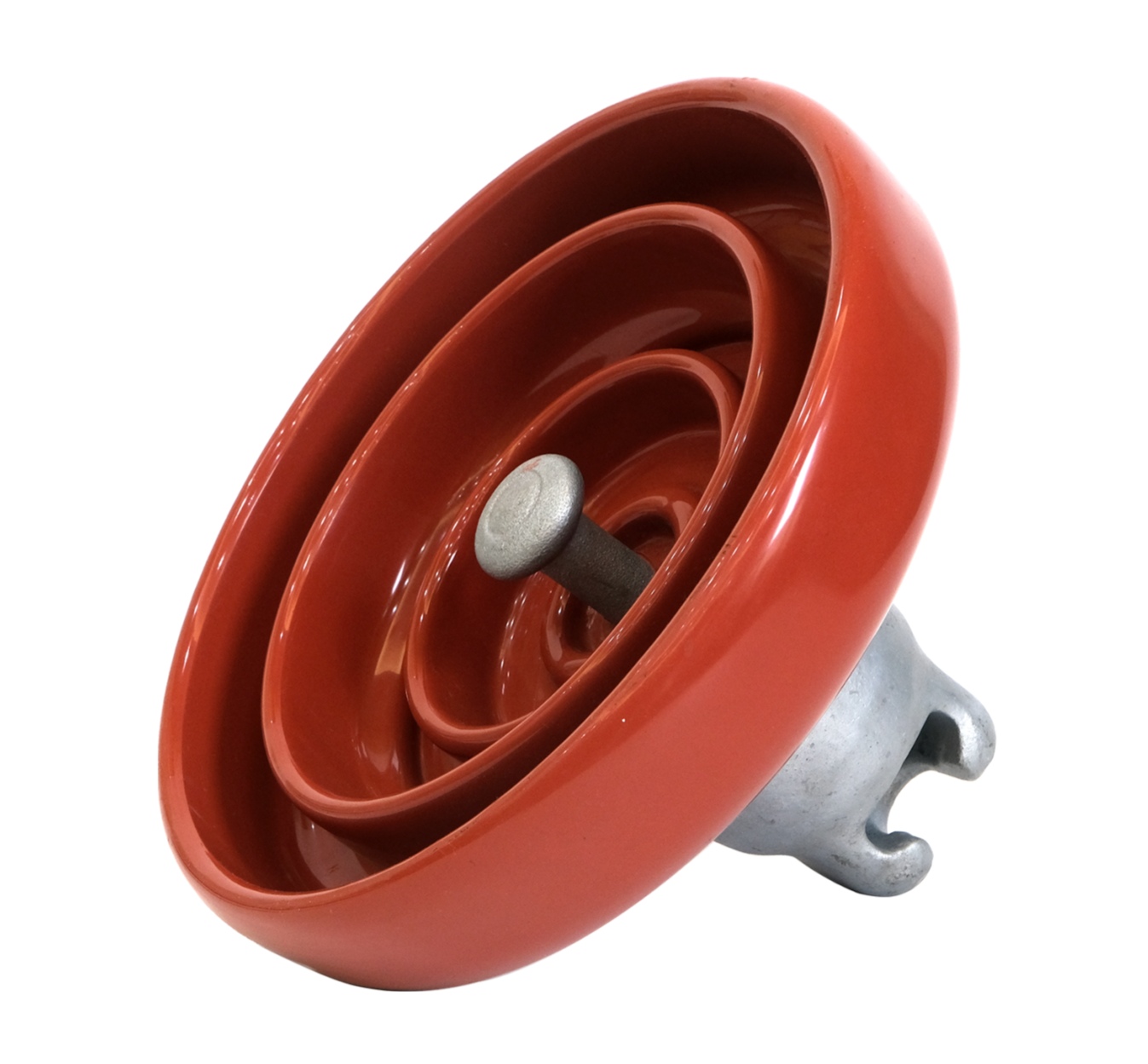
The ultimate solution for extreme pollution. Reduces maintenance costs by eliminating the need for periodic washing.
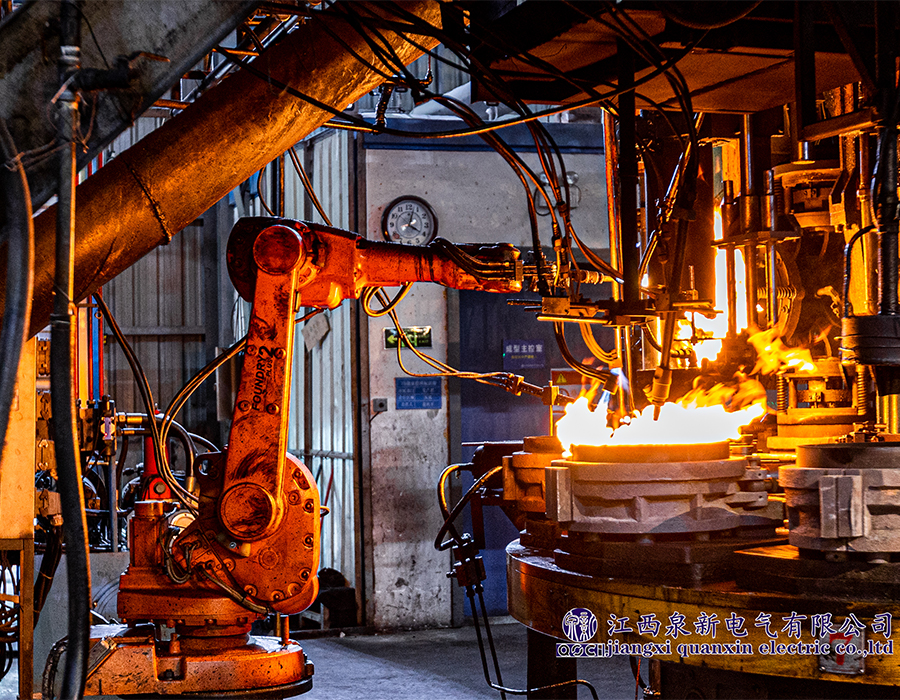
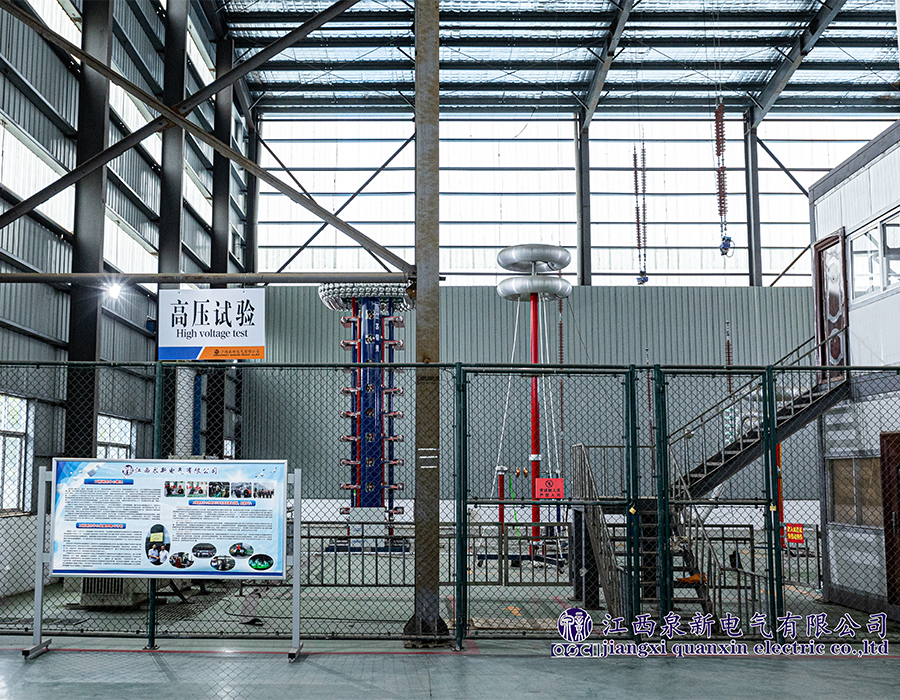
Our factory, established in 2002, utilizes state-of-the-art automation to ensure every U100bsp unit meets the highest reliability standards. Our quality control protocol includes: