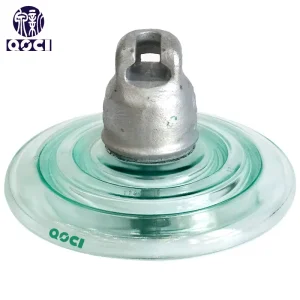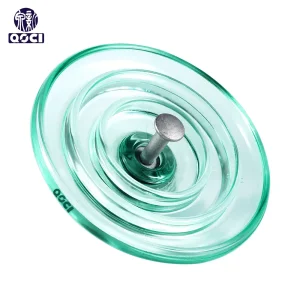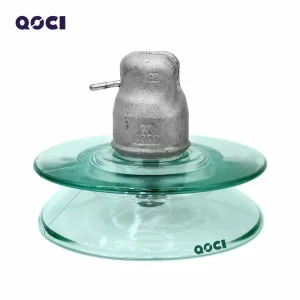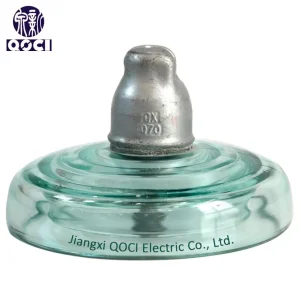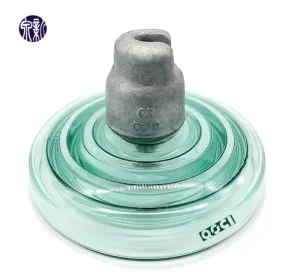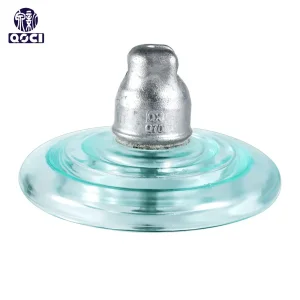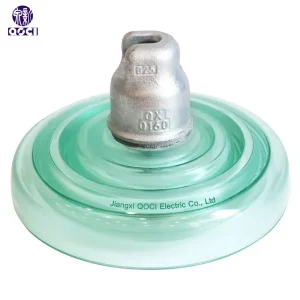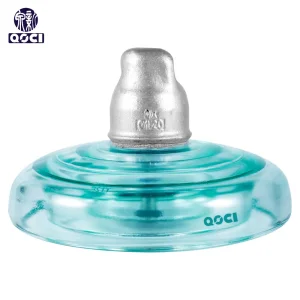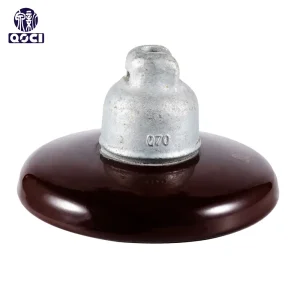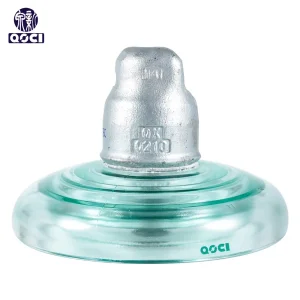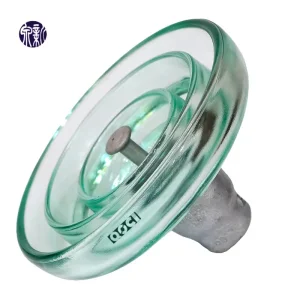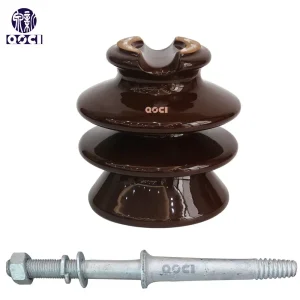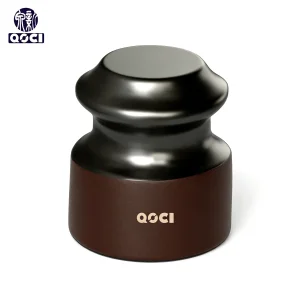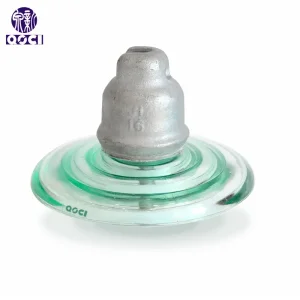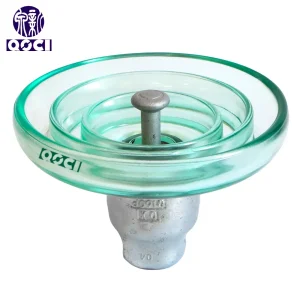
In the rapidly evolving global energy landscape, the Glass Isolator U210BSA has emerged as a cornerstone for high-voltage transmission stability. As countries push toward "Net-Zero" emissions, the modernization of aging electrical grids and the integration of renewable energy sources (like offshore wind and solar farms) demand insulators that offer unmatched mechanical strength and dielectric performance. The U210B series, particularly the 210kN toughened glass variants, represents the pinnacle of transmission engineering, designed to withstand extreme tension and environmental stressors.
Globally, the demand for high-strength toughened glass insulators is projected to grow significantly. Unlike traditional porcelain, toughened glass offers a "self-shattering" characteristic when damaged, which allows maintenance crews to identify faulty units from the ground without complex testing equipment—a massive reduction in OPEX for utility companies in North America, Europe, and Asia-Pacific.
The transition to UHV (Ultra-High Voltage) and EHV (Extra-High Voltage) lines is driving the shift toward high-tonnage glass isolators. U210BSA models are now standard in cross-continental energy corridors.
With a failure load of 210kN, the U210B series provides a robust safety margin for ice-loading in Nordic regions and hurricane-force winds in tropical coastal belts.
From the arid deserts of the Middle East to the salt-heavy air of Southeast Asian coastlines, these insulators resist chemical erosion and UV degradation better than polymer alternatives.
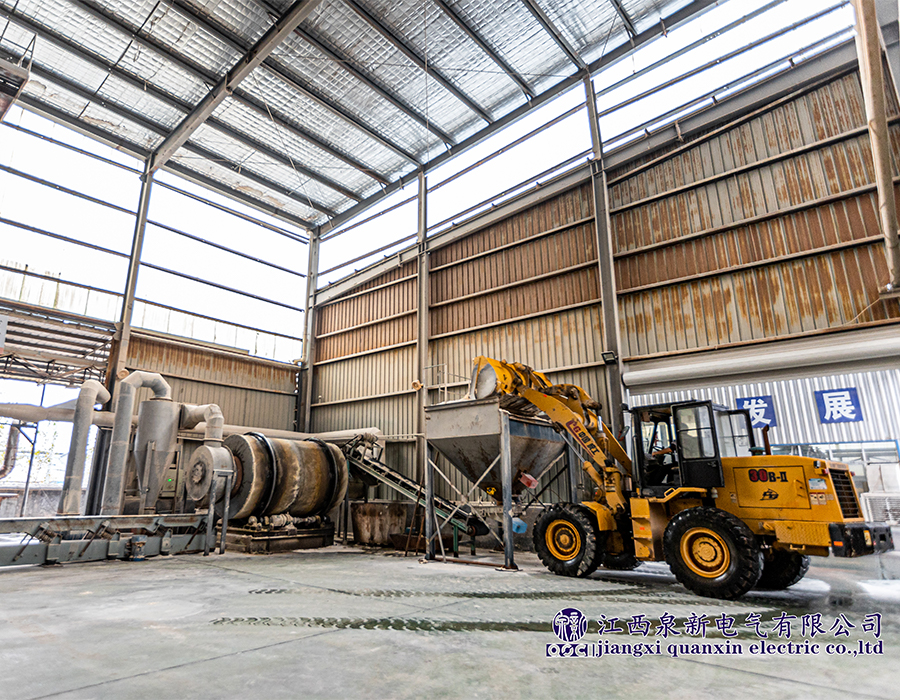
Jiangxi QOCI Electric Co. Ltd, founded in 2002, stands as a beacon of Chinese manufacturing efficiency. Located in the heart of Pingxiang, our 70,000m² facility is optimized for the production of high-strength glass insulators. Our E-E-A-T (Experience, Expertise, Authoritativeness, Trustworthiness) is backed by decades of service to world-class power grids.
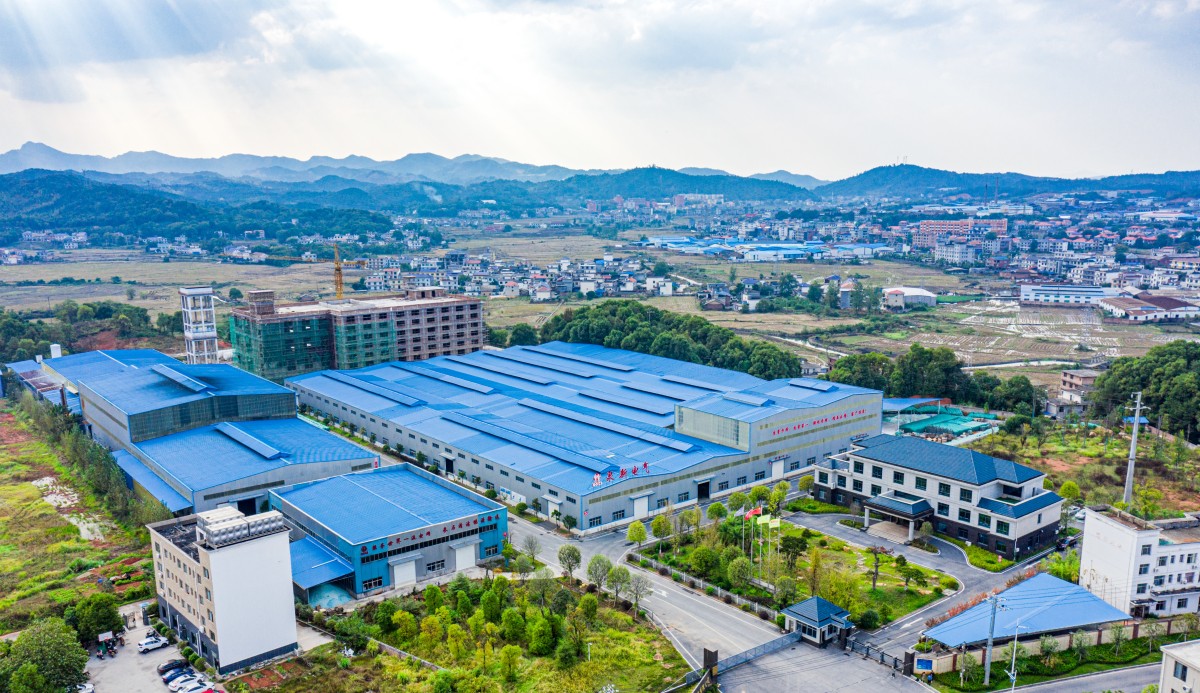
One size does not fit all. We engineer specific glass profiles to meet the unique challenges of global geographies.
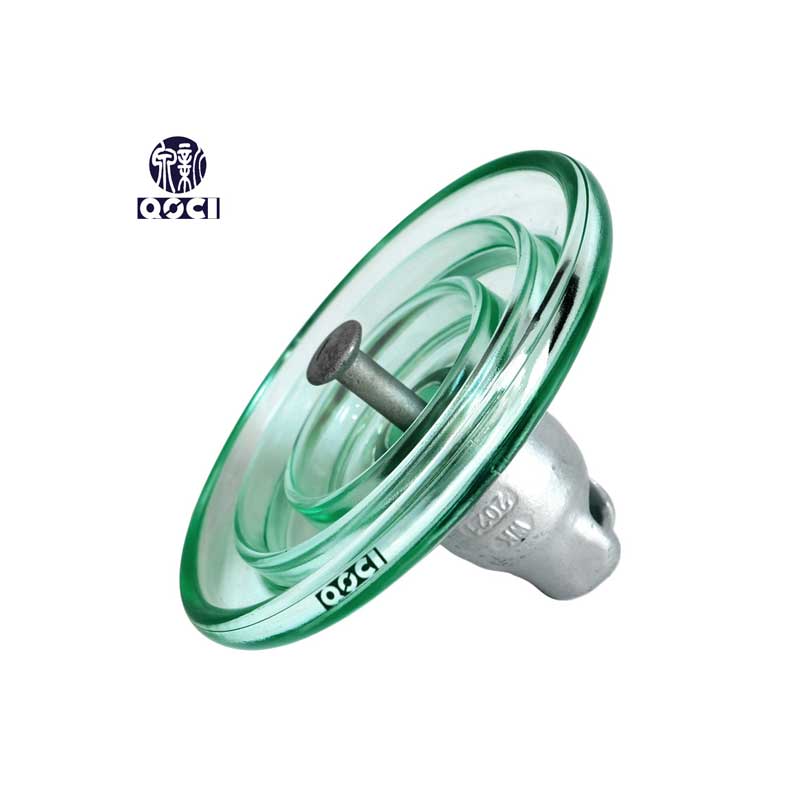
Designed with shallow, well-spaced ribs. Ideal for regions with frequent rain, allowing for natural "self-cleaning" to maintain leakage distance above IEC 60305 standards.
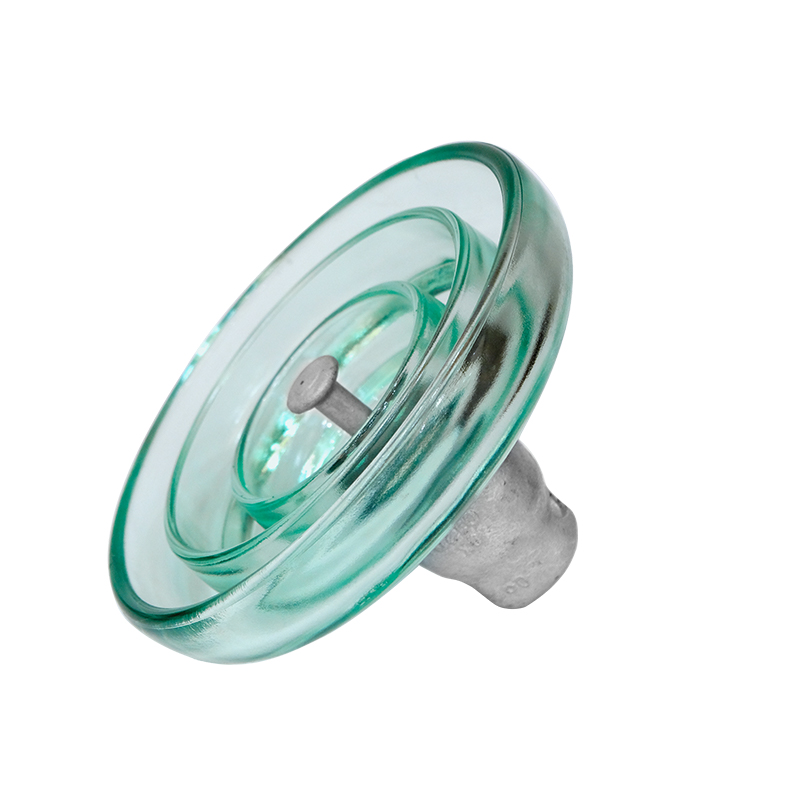
Characterized by deep, widely spaced under-ribs. Crucial for coastal areas (salt fog) to prevent arc bridging and maintain a leakage distance ratio of ~3.2.
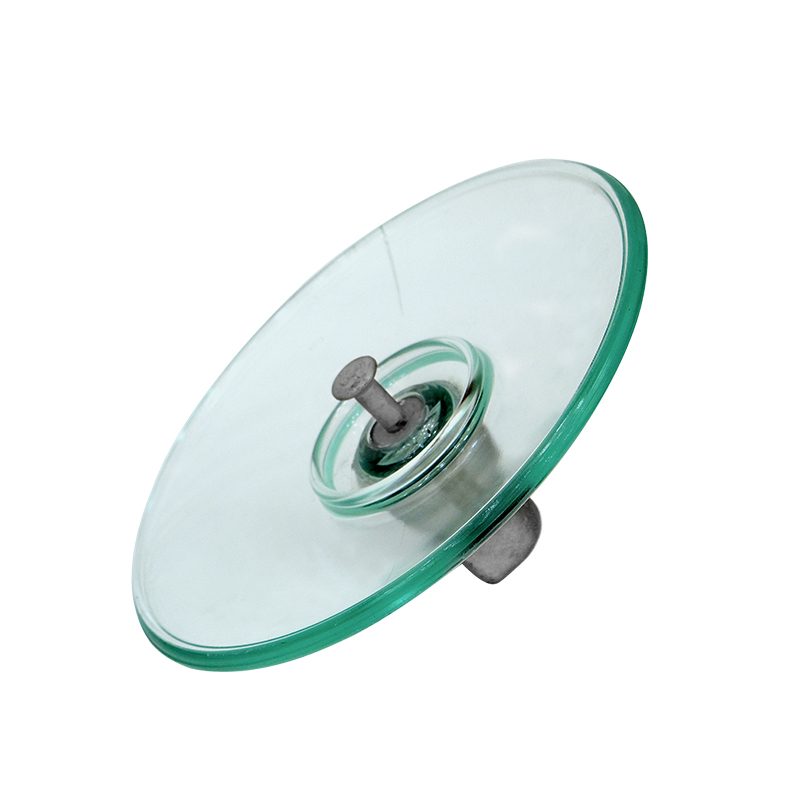
Specifically engineered without under-ribs to prevent the accumulation of sand and dust in arid environments, solving the critical ice-bridging and sand-storm challenges.
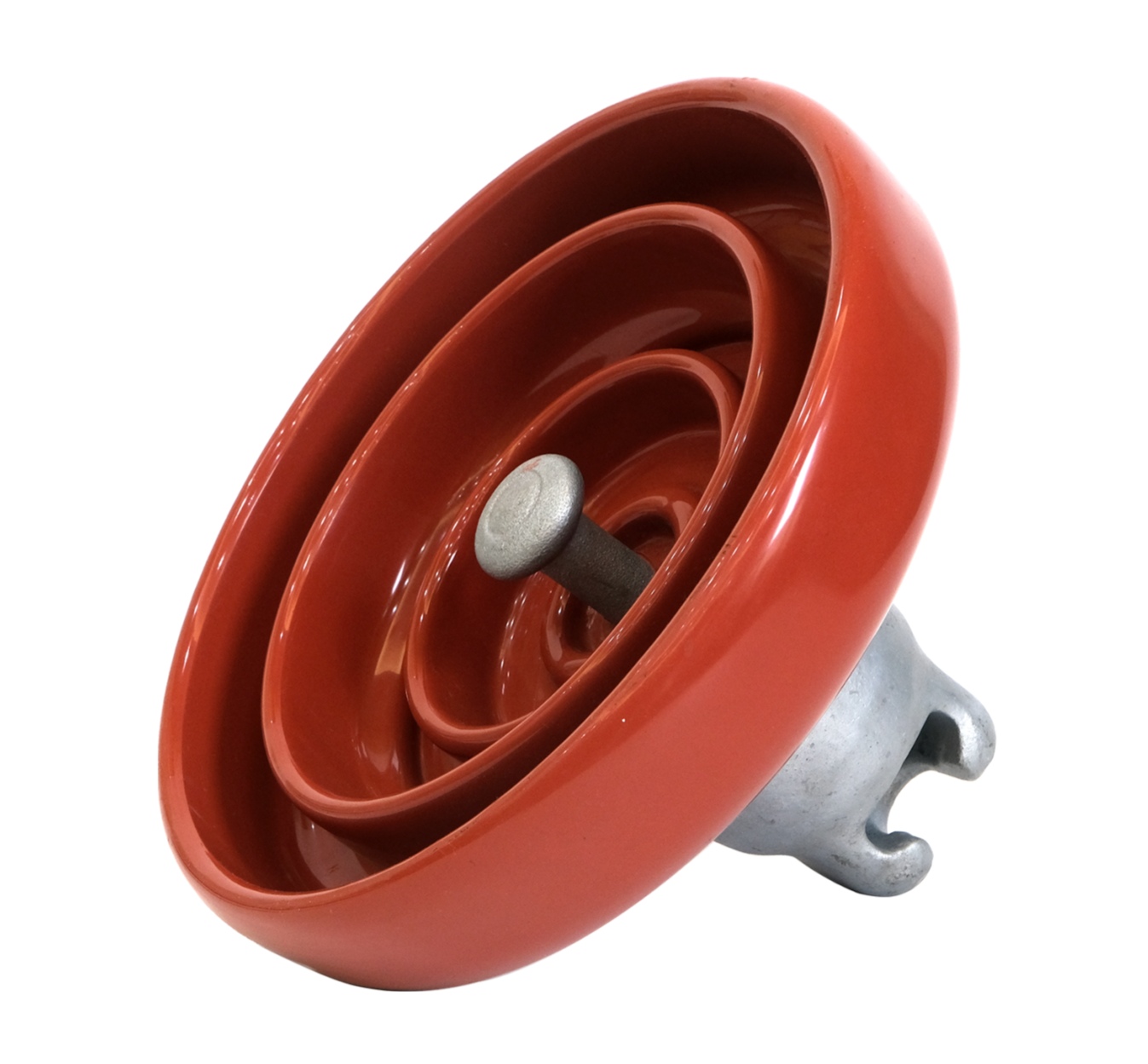
A hybrid solution where Room Temperature Vulcanization (RTV) silicone is applied to glass. Offers the mechanical strength of glass with the superior hydrophobicity of polymers.
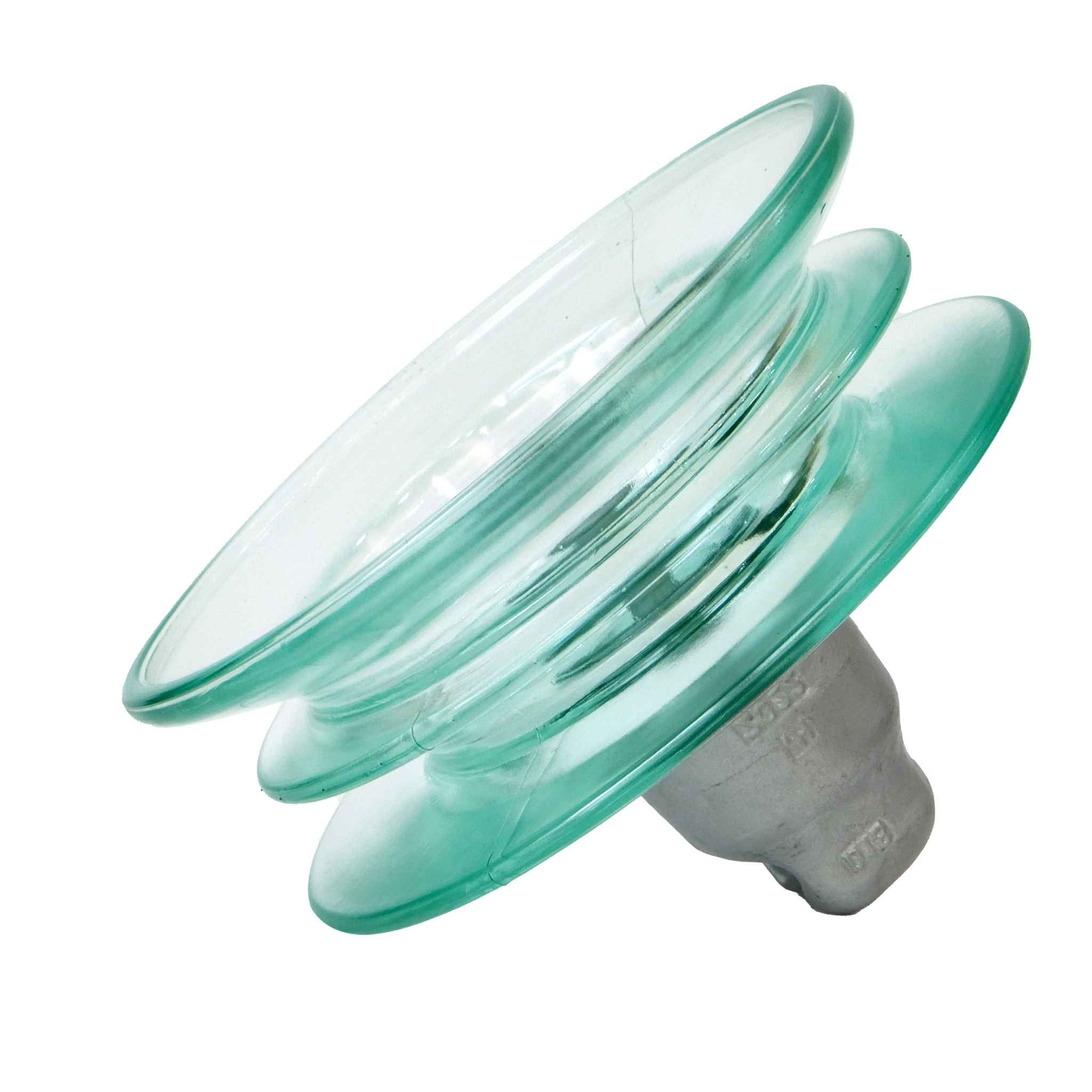
Three layers of umbrella discs provide extreme creepage distance. Essential for UHV lines in high-altitude and heavily polluted industrial zones.
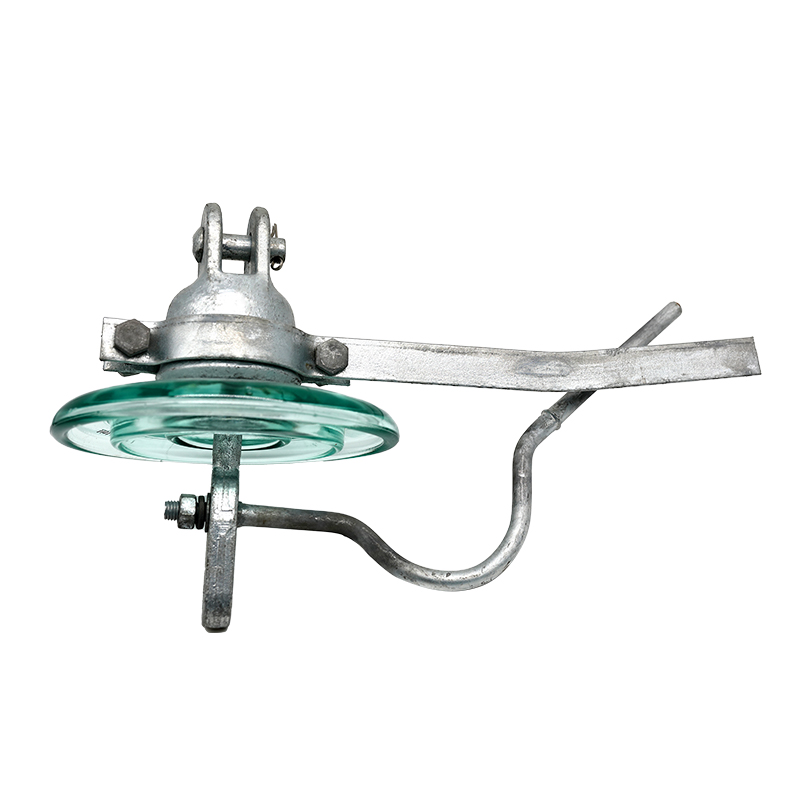
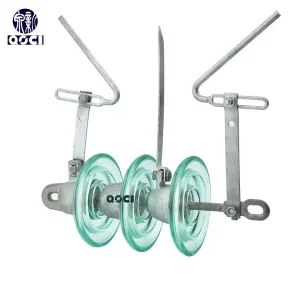
Integrates metallic accessories to guide lightning current safely to the ground, protecting the structural integrity of the entire transmission tower.
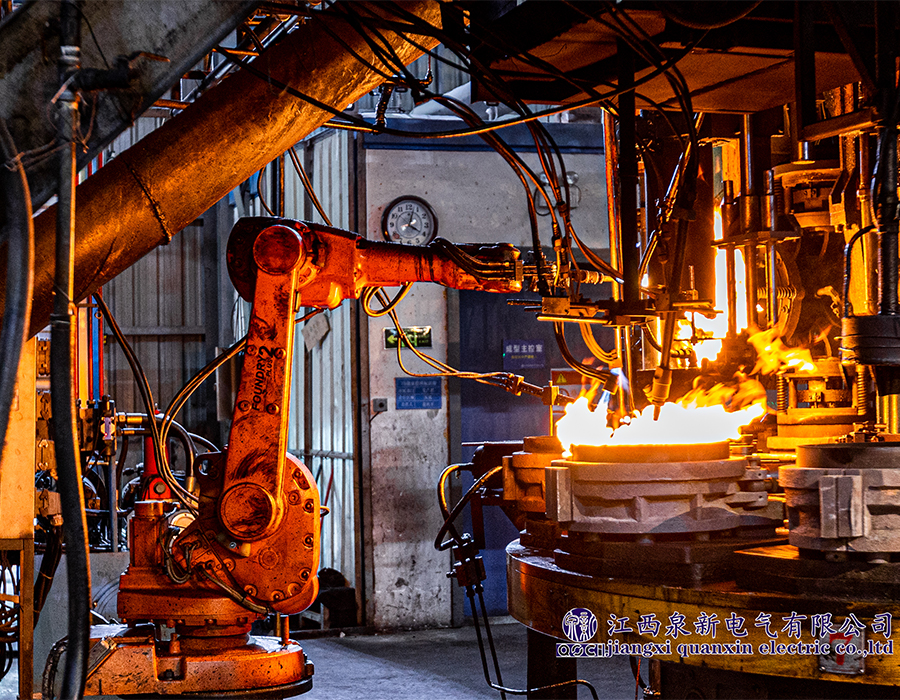
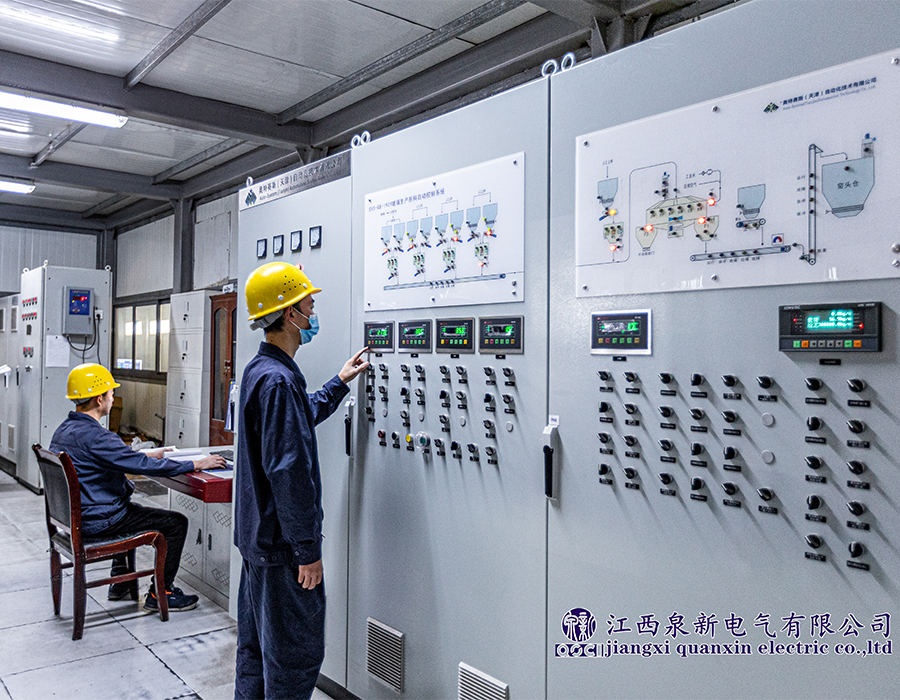
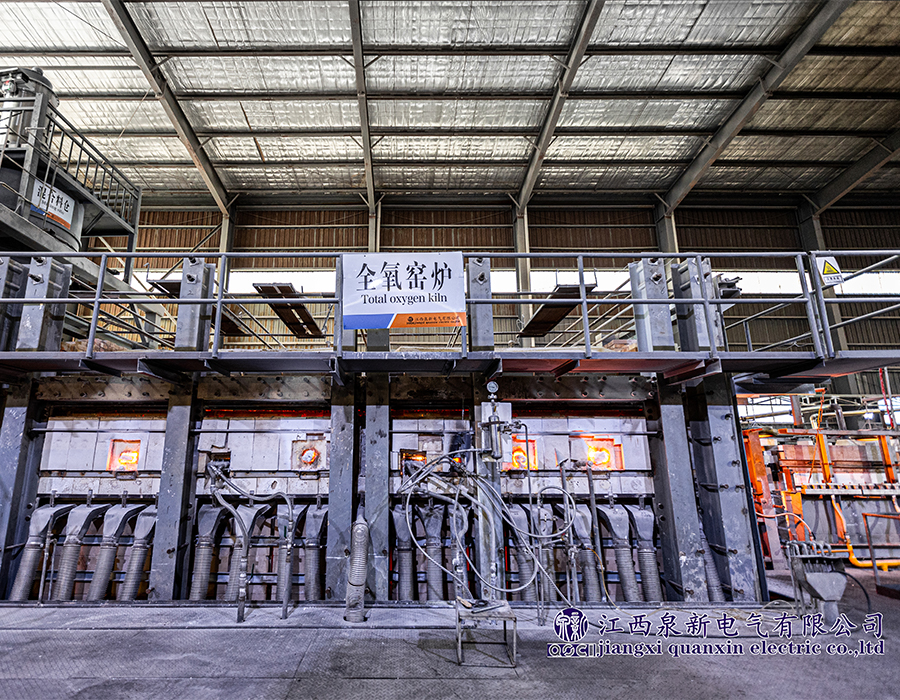
Purchasing from a top-tier Chinese factory like QOCI Electric offers distinct advantages in the current global supply chain. Our "Total Oxygen Kiln" technology and automated "Forming Press" lines ensure that every U210BSA isolator meets exact specifications with zero variance.
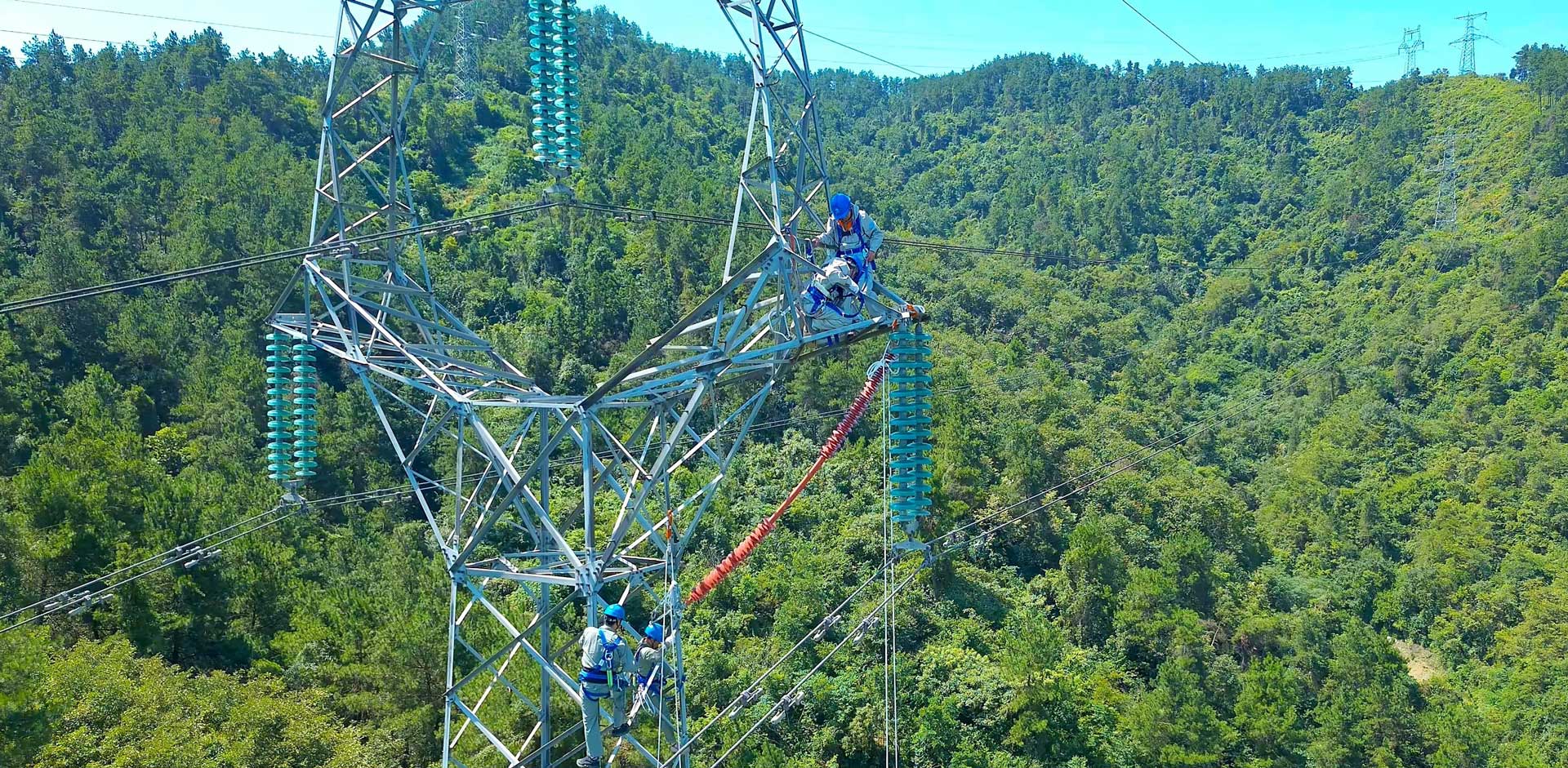
Geographic Adaptability Scenarios
Handling extreme altitudes and seismic zones.
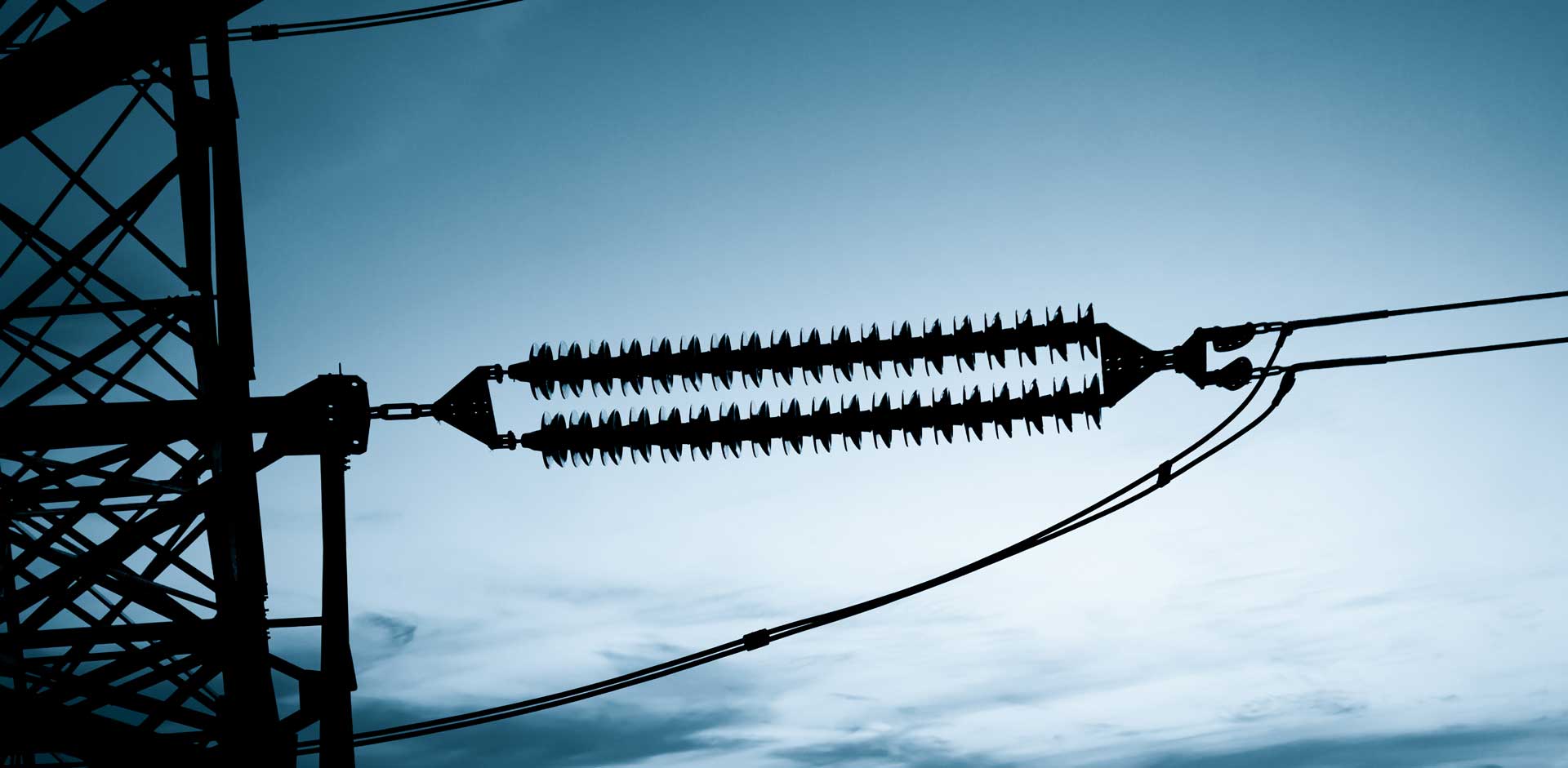
Power Systems & Substations
Ensuring safe step-up and step-down operations.
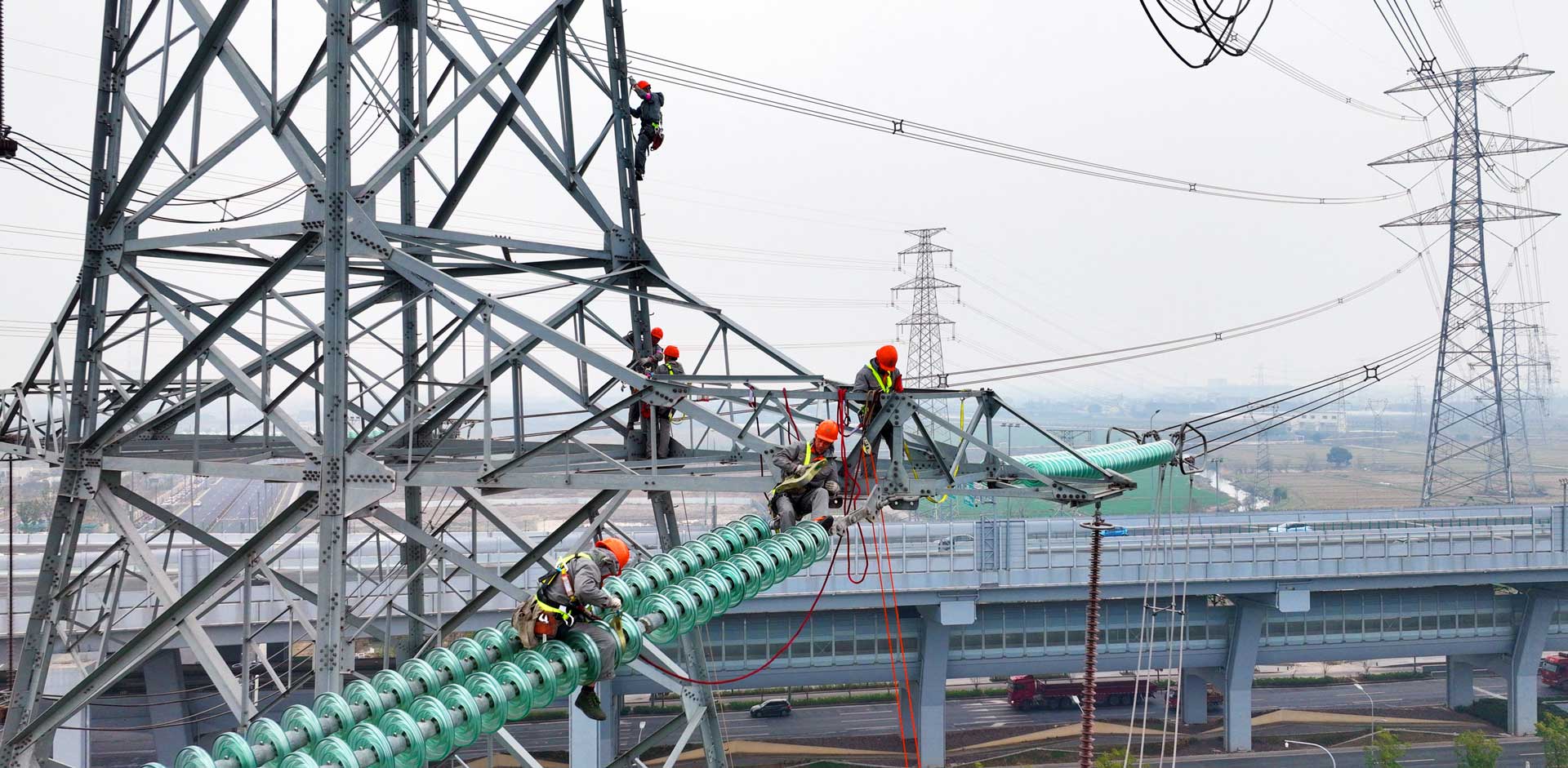
Power Grid Functional Scenarios
Optimized for suspension and tension strings.
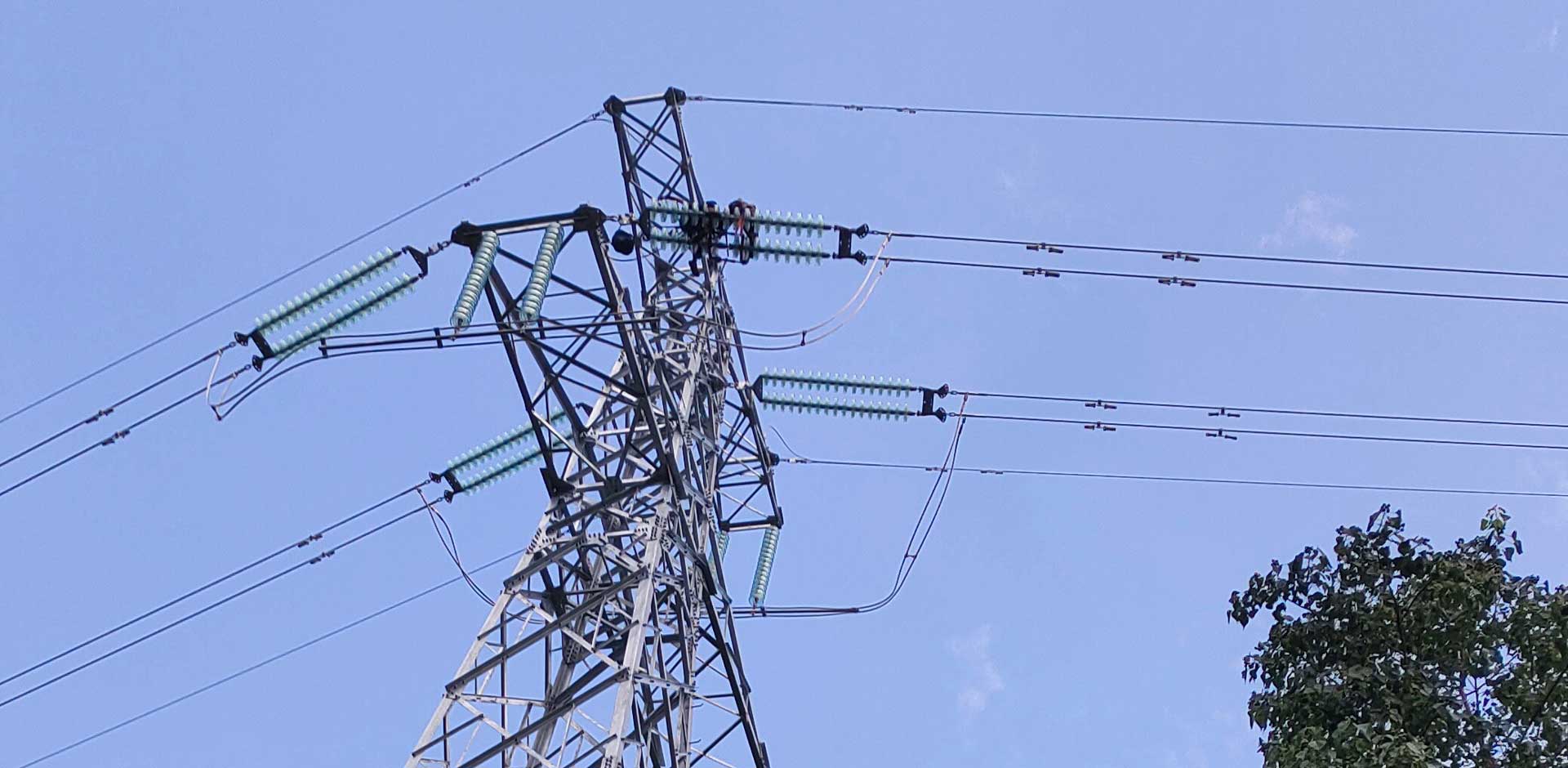
Special Industrial Applications
Resilience against heavy chemical industrial pollution.
For procurement officers at national grid companies, selecting a U210BSA factory involves more than just comparing unit prices. The total cost of ownership (TCO) includes longevity, maintenance costs, and failure rates. In 2024 and beyond, we see three major trends in global procurement:
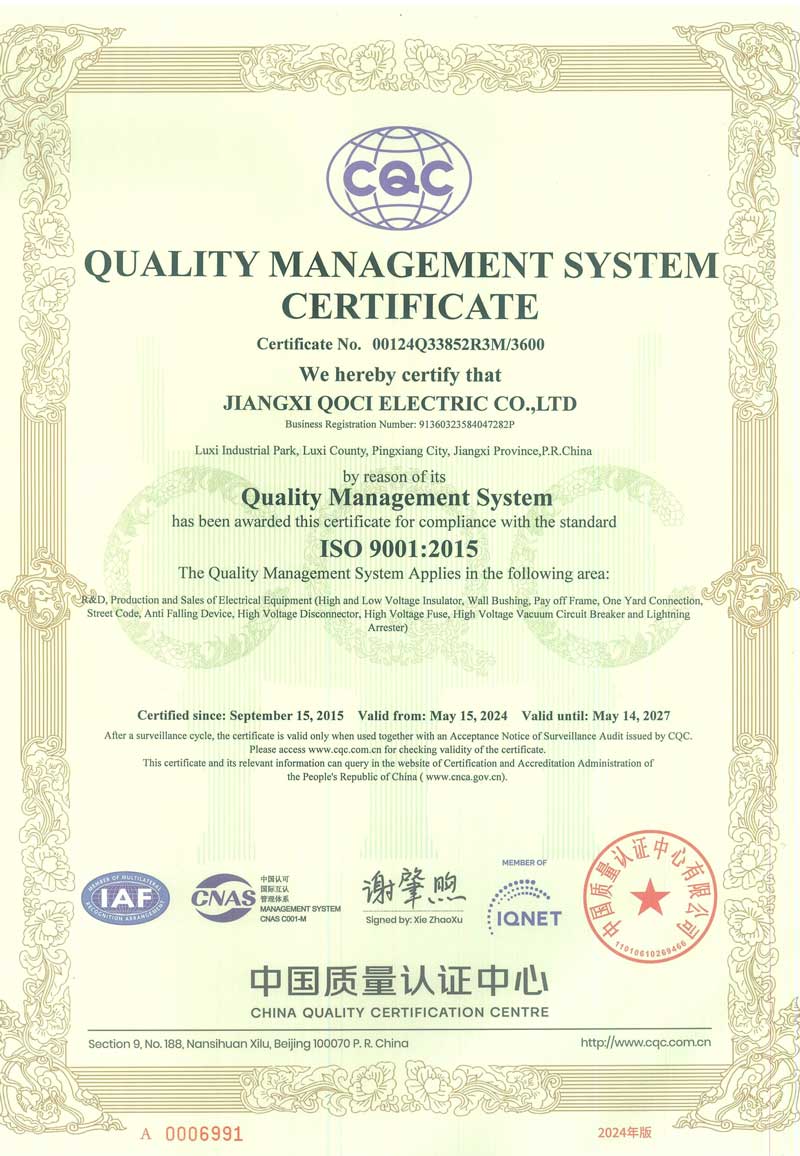
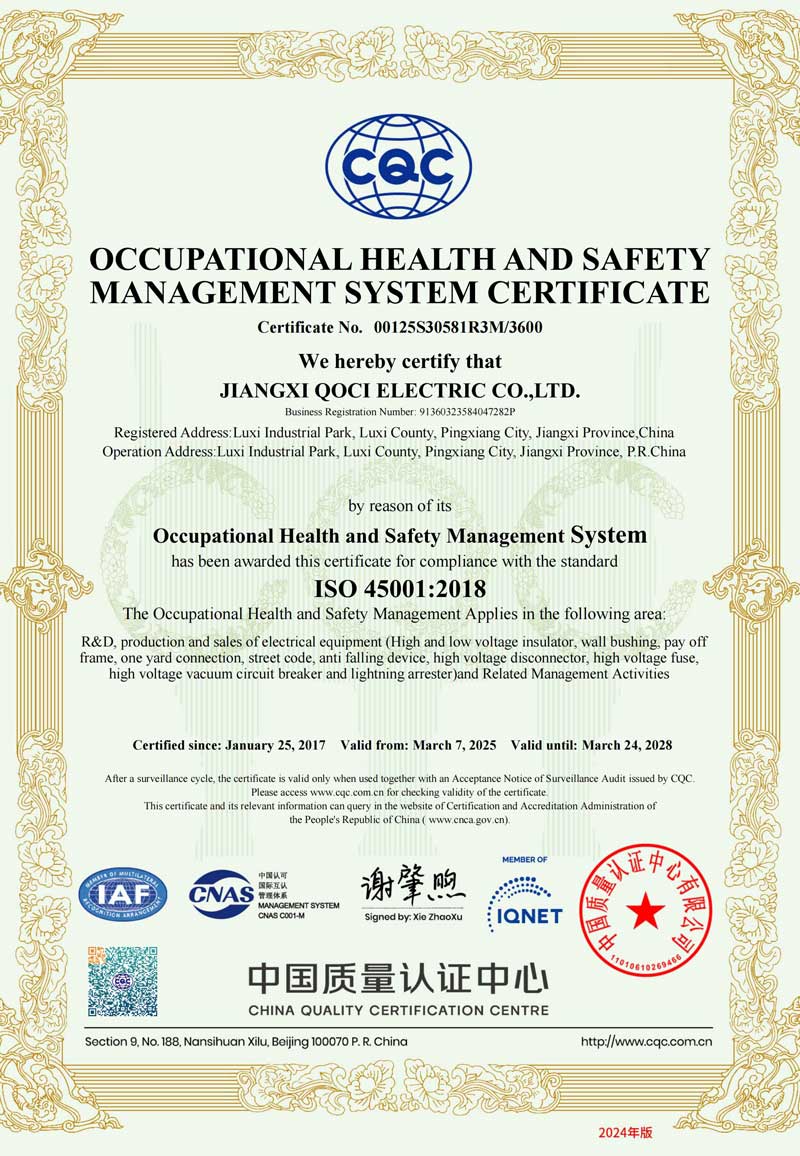
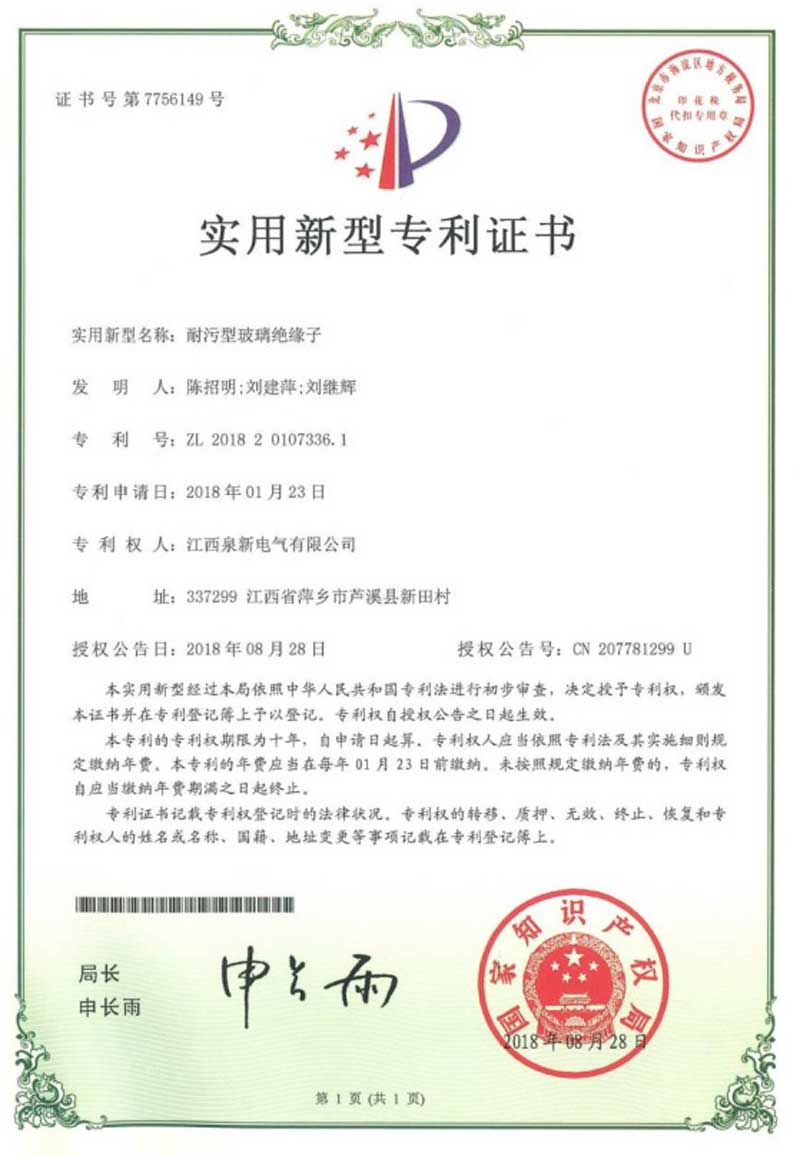
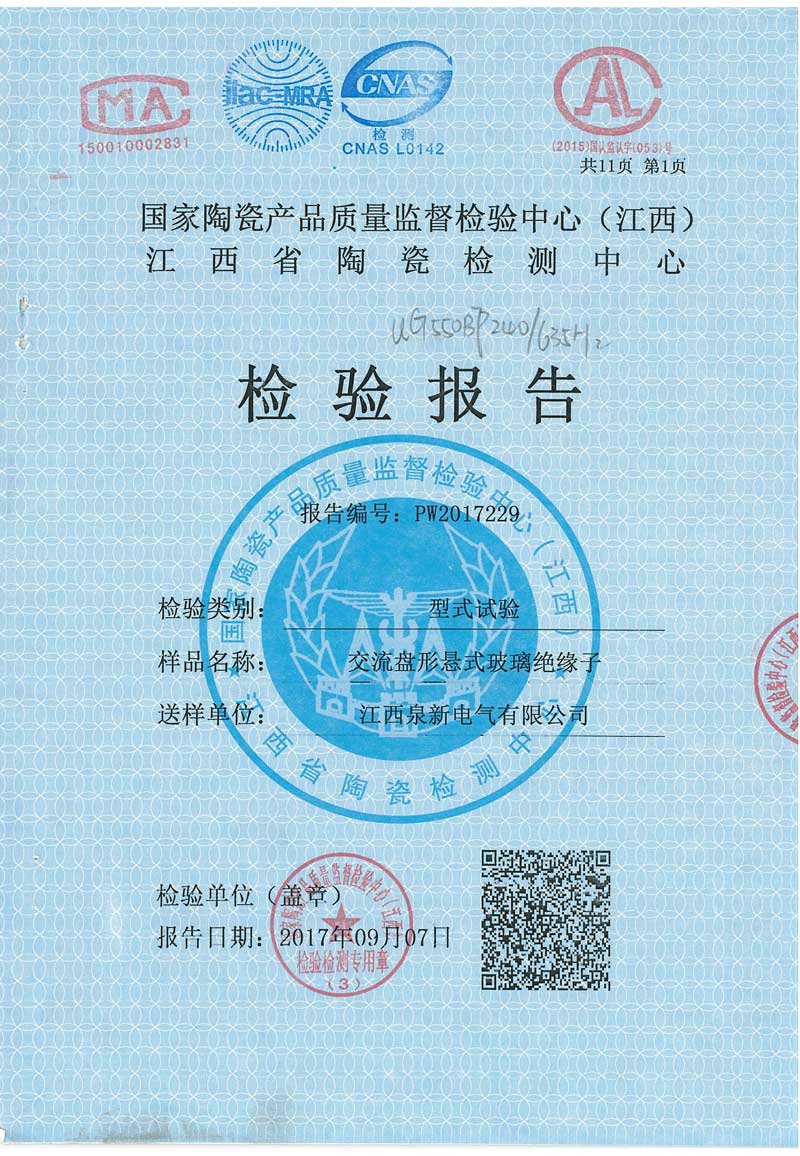
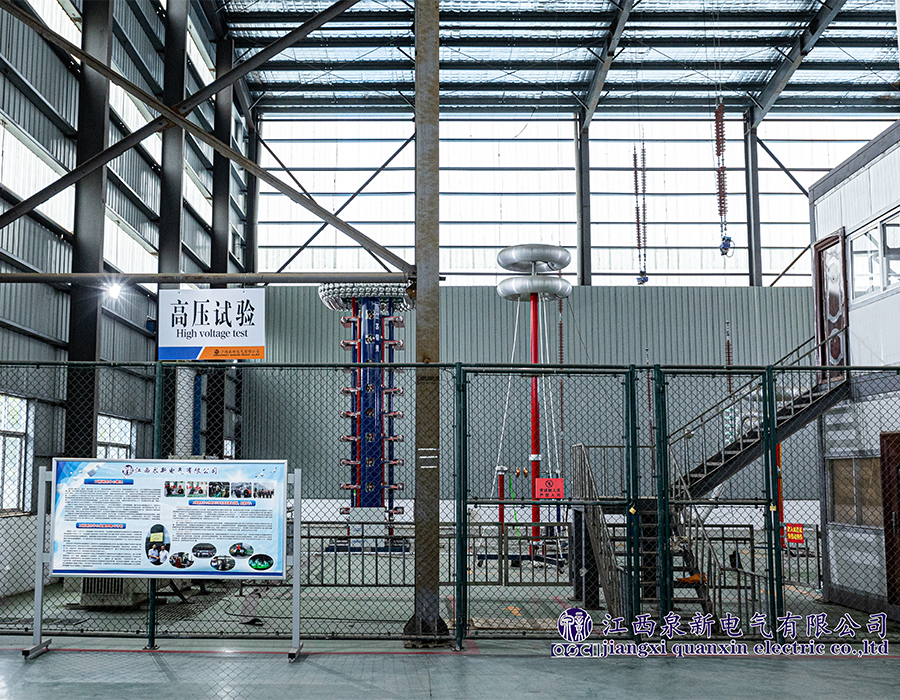
Our products are tested and certified to meet the most rigorous international standards (IEC, ANSI, AS).