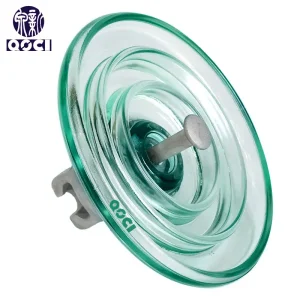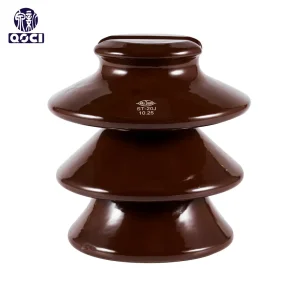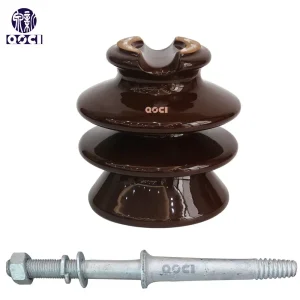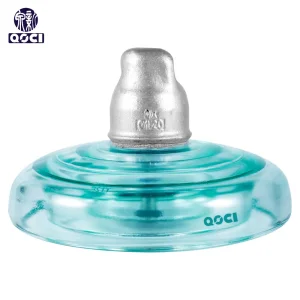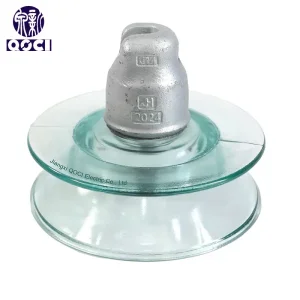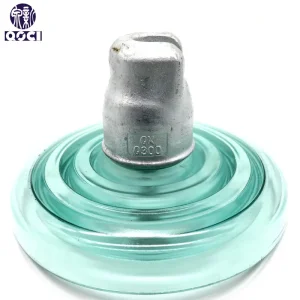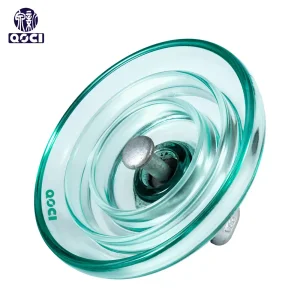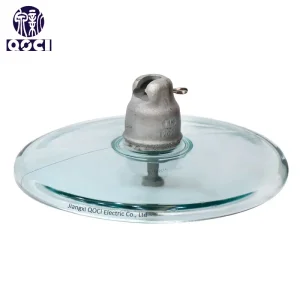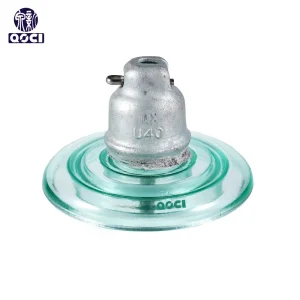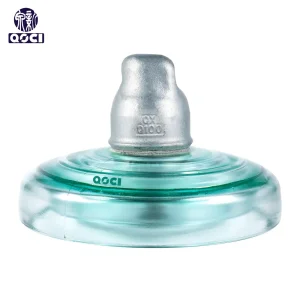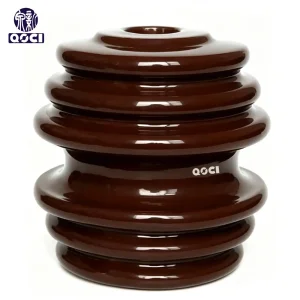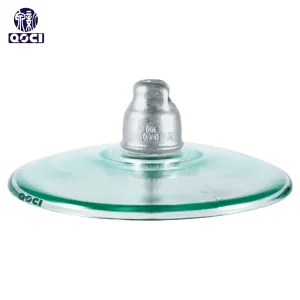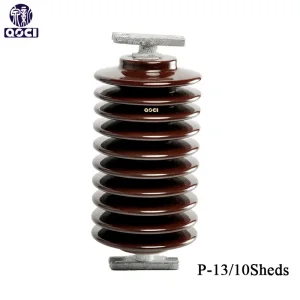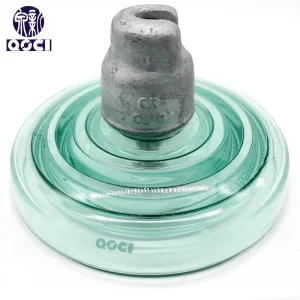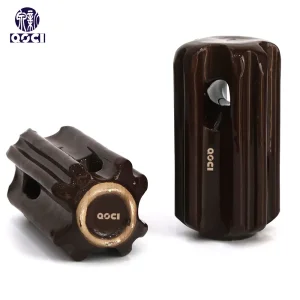
Explore our top-selling commercial glass and porcelain suspension assemblies engineered for optimal mechanical and dielectric performance.
Overhead transmission systems operate under extreme environmental hazards. Modern energy grids require components that withstand heavy mechanical tension and severe electrical field stress. Suspension insulators are critical, providing structural support to conductors and insulating the grounded support towers. Selecting high-grade materials like tempered glass or electrical porcelain is vital for grid reliability.
Tempered glass is a standard for high-voltage and ultra-high-voltage lines due to its high dielectric strength, mechanical toughness, and visible damage indication. Unlike porcelain or polymer composites, damaged toughened glass undergoes a controlled structural failure, causing the shell to shatter while maintaining its mechanical rating. This allows line crews to easily locate and replace damaged units during visual inspection sweeps, reducing maintenance overhead.
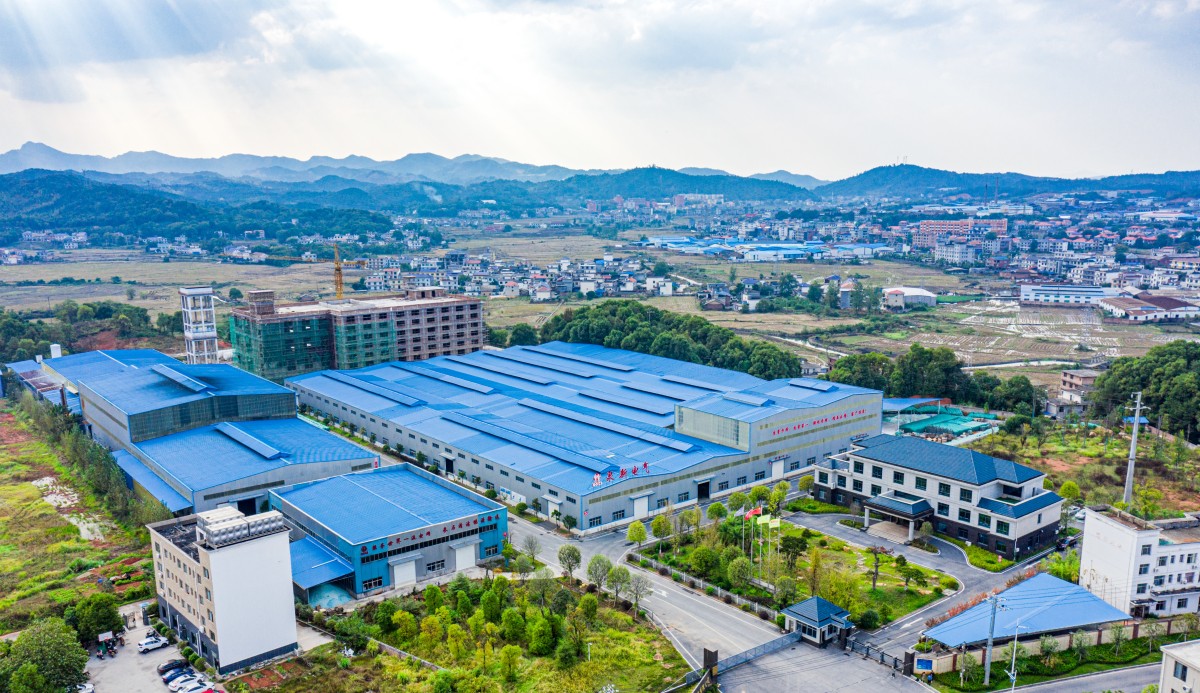
Founded in December 2002 with a registered capital of 508 million Yuan, Jiangxi QOCI Electric Co. Ltd has established itself as an industry leader in electrical insulation technology. Located in Pingxiang's Luxi County Industrial Park in Jiangxi Province, our manufacturing facilities span a footprint of 70,000 square meters.
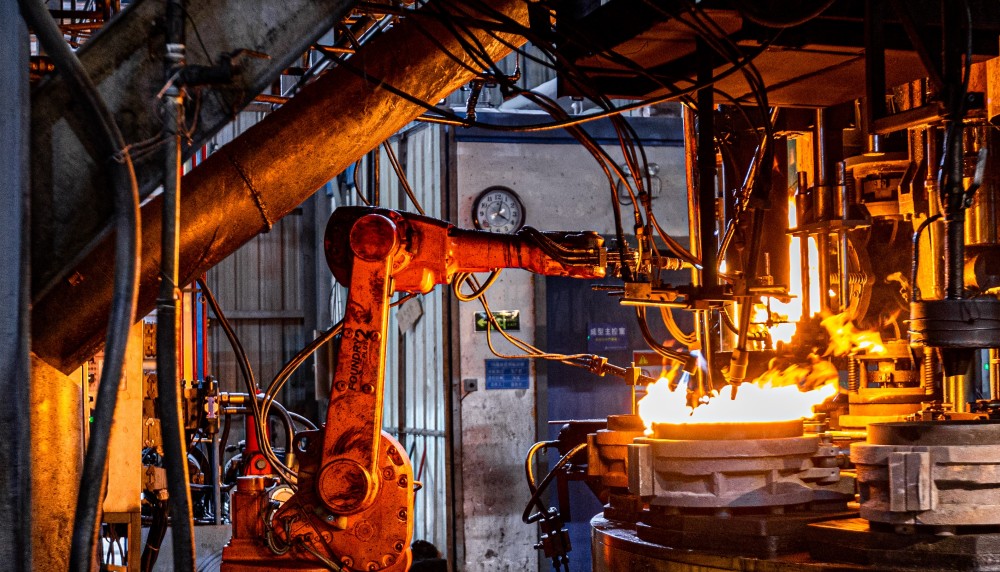
We operate high-capacity production lines utilizing modern automation, specialized heat treatment, and precise assembly processes. We process 39,000 tons of raw materials annually, converting high-grade silica, alumina, and feldspar into durable glass and porcelain assemblies. Backed by 53 specialized engineers and over 26 design and utility patents, QOCI supports grid construction initiatives globally.
We design specialized profile structures to handle specific atmospheric, mechanical, and electrical conditions across global grid environments.
Featuring a leakage distance that exceeds the minimum parameters detailed in IEC 60305, this profile is engineered with shallow, well-spaced rib assemblies. It provides reliable self-cleaning performance, clearing atmospheric particulates during typical rain and wind cycles.
Designed with long, widely spaced under-ribs that increase the leakage-distance-to-spacing ratio to approximately 3.2. This layout prevents electrical bridging under high moisture or heavy salt spray conditions in industrial and coastal locations.
Engineered for arid environments, this profile eliminates under-rib structures and features a wider disc diameter. Its flat lower surface prevents dust and sand build-up, and is highly resistant to ice bridging in alpine zones.
Using double external ribs and a smooth design, this profile limits pollution build-up and is easy to clean. This makes it suitable for heavy industrial areas with high particulate concentration and saline soils.
Engineered with three independent umbrella discs on the insulation body. Designed for ultra-high voltage (UHV) lines, the extra sheds extend the total creepage path and improve flashover safety in wet coastal or high-pollution zones.
Designed to connect directly to earth shield wires via specialized metal components. This profile safely routes lightning strikes to earth, preventing structural line damage and maintaining power grid stability.
Coated with a Room Temperature Vulcanizing (RTV) silicone formula. The hydrophobic coating limits leakage currents and prevents dry band arcing, providing a maintenance-free alternative to washing glass components in highly polluted zones.
Our suspension systems are designed to operate under diverse climates and utility requirements worldwide.
Our anti-fog and RTV silicone-coated units resist degradation from moisture, coastal fog, and airborne salt. They prevent electrolyte layers from forming on the glass surface, maintaining high electrical resistance.
Our flat aerodynamic designs prevent dust accumulation from sandstorms. Under-rib modifications allow natural wind currents to clean the insulator, minimizing dry particulate buildup.
Engineered to handle severe thermal drops and ice accumulation. The wide sheds prevent ice bridging across adjacent discs, which can compromise overall dielectric performance.
Our double-shed and triple-shed profiles resist conductive carbon dust, metal oxides, and chemical emissions, keeping the system operating safely in heavily polluted industrial areas.
To meet high quality and reliability expectations, our manufacturing facility operates under ISO 9001, ISO 14001, and OHSAS 18001 certifications. The raw materials used—including purified silica sand, high-alumina clay, and feldspar—undergo automated composition analysis prior to processing.
Our total oxygen kilns melt the materials uniformly. The molten glass is then molded and subjected to an automated thermal shock process. Rapid cooling creates high compressive stresses on the outer glass layers and tensile stress within the core, giving toughened glass its high mechanical strength.
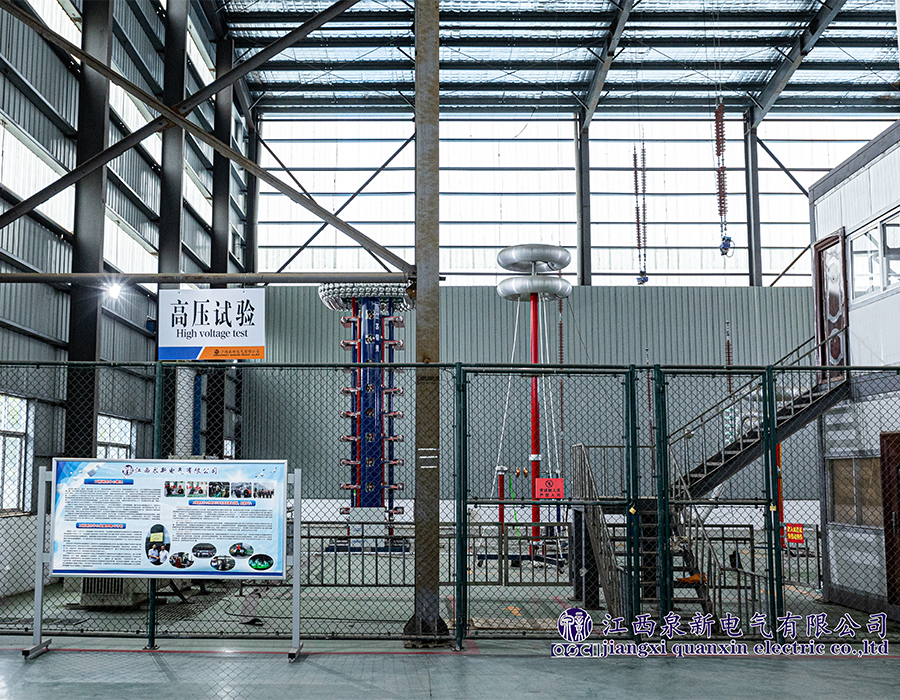
During final assembly, metal caps and pins are secured to the glass body using high-strength Portland cement. We conduct electromechanical fail-safe tests, steep-front impulse voltage tests, and power-frequency puncture tests to verify the performance of every insulator.
We screen raw materials for impurities using automated processing before melting, ensuring pure raw compositions.
Automatic forming presses mold the molten glass into precise profile configurations, maintaining uniform thickness.
Rapid, controlled cooling develops strong compressive stresses, reinforcing the mechanical and thermal resistance of the glass shell.
Metal fittings are cemented and the assemblies undergo mechanical pull tests and electrical insulation verification.
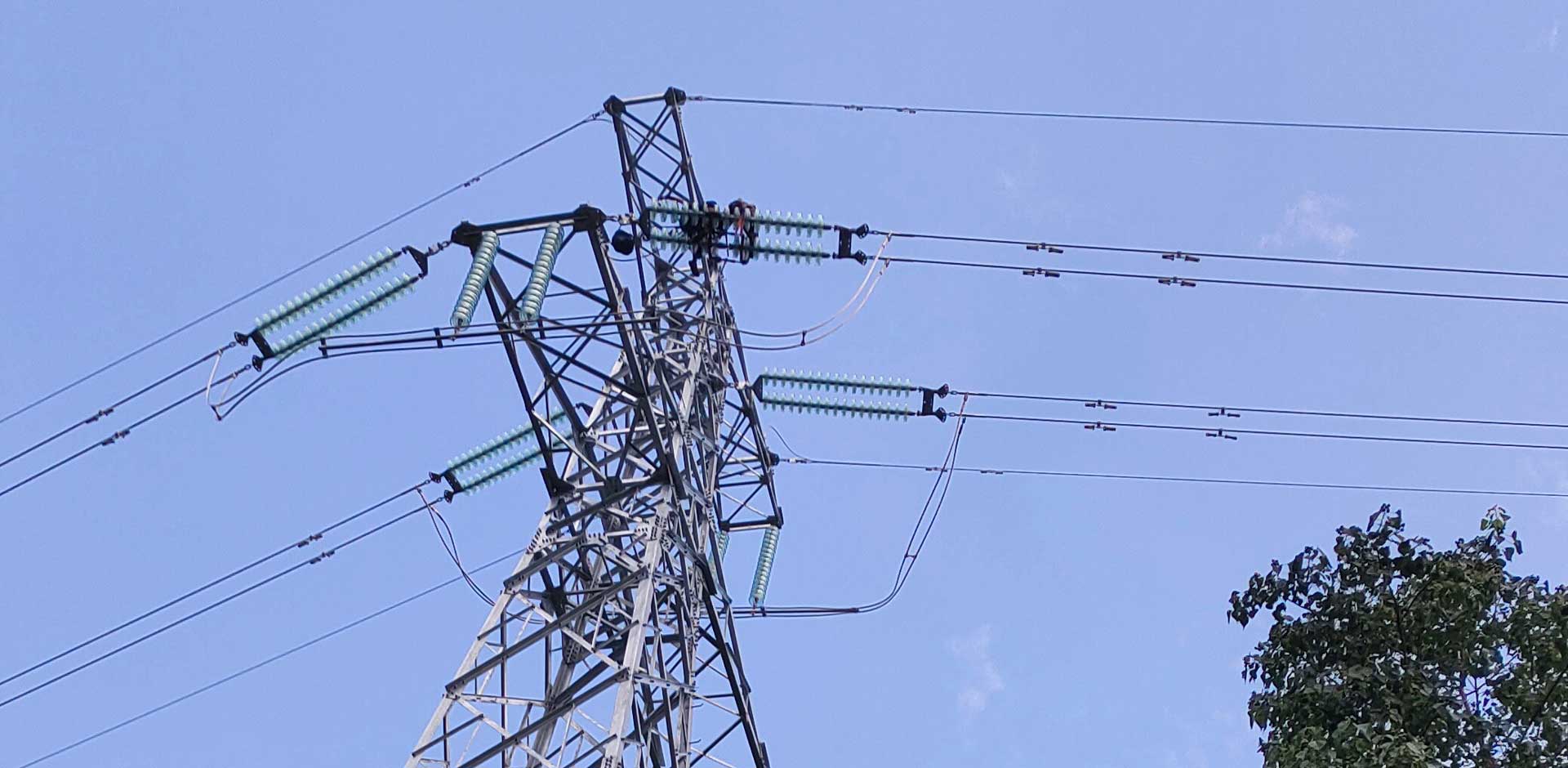
As power grids transition to higher voltages and integrate more renewable energy, grid components must adapt. Our engineering team focuses on three core areas:
Our products comply with global standards, including IEC 60305, IEC 60383, and ANSI C29 series, allowing integration into standard and smart grids worldwide.
Expert engineering answers addressing critical design, selection, and performance parameters of suspension insulators.
Toughened glass provides high dielectric strength (around 2.5 to 3 times that of porcelain) and stable thermal characteristics. A key functional benefit is its visible failure mechanism: when damaged, the tempered glass shell shatters into small fragments while the remaining stub maintains its mechanical load capacity. This allows inspection crews to locate failed units visually from the ground or by air, eliminating the need for manual electrical test measurements on the line.
Creepage distance is the shortest path along the outer surface of the insulator between its metal fittings. In high-pollution environments (like coastal salt spray or industrial soot), dry particulate deposits become conductive when wet. Increasing the creepage distance reduces leakage current and prevents flashover damage. For polluted areas, we recommend anti-fog or triple-shed profiles, which provide a high creepage-to-height ratio.
RTV silicone coatings combine the mechanical strength of tempered glass with the hydrophobic properties of composite polymers. The coating causes water to bead rather than form a continuous conductive layer. If dirt accumulates, the silicone's hydrophobic properties transfer to the pollution layer over time, preventing leakage current and reducing the need for periodic water washing in polluted industrial sites.
Every product batch is tested to verify its electromechanical design rating. During testing, insulators are placed under mechanical tension while exposed to high electrical voltage. They must withstand their rated mechanical load (RML) for a specified duration without structural deformation, slipping at the cement joint, or electrical breakdown, ensuring safe operation under heavy wind and ice loads.
Our insulator products are manufactured and tested to meet major global standards, including IEC 60305 (defining characteristics of string insulator units of the cap and pin type), IEC 60383 (insulator testing guidelines), and ANSI C29.2 / ANSI C29.7 (covering distribution and transmission suspension assemblies). We provide complete type test certificates from independent laboratories with every contract shipment.
High-quality toughened glass insulators can operate reliably for 40 to 50 years under standard environmental conditions. Tempered glass resists structural aging, and its mechanical and electrical performance remains stable over long service lives. This stability helps utilities reduce replacement costs and minimize grid outages over time.
Complete catalog solutions engineered for extra-high voltage (EHV) and ultra-high voltage (UHV) power systems.
Our processes are certified under major international standards to ensure product quality and reliability.