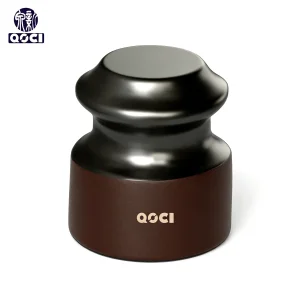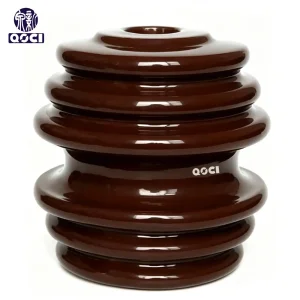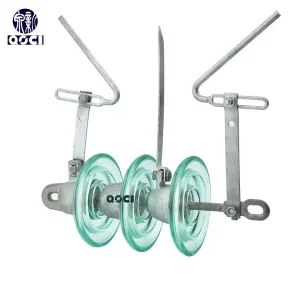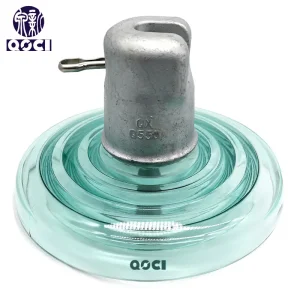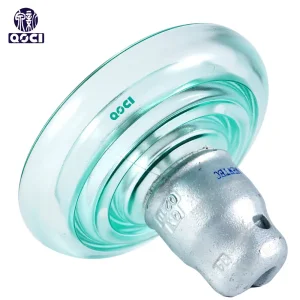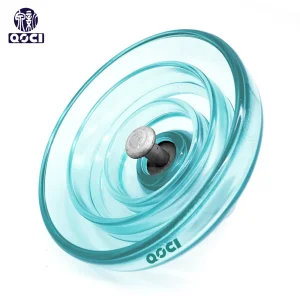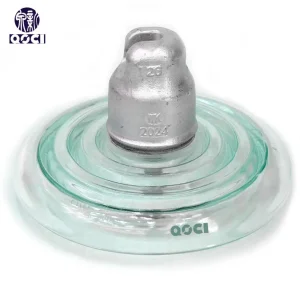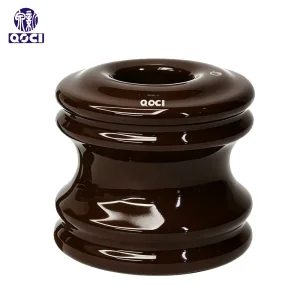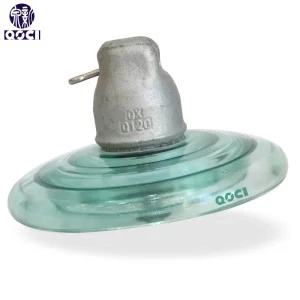
The global energy landscape is undergoing a paradigm shift towards decarbonization and electrification. High-voltage (HV) and ultra-high-voltage (UHV) transmission networks are the backbone of this transition. In this context, toughened glass insulators have emerged as the preferred choice for utilities worldwide, surpassing traditional porcelain in critical metrics. From the dense industrial hubs of Europe to the expansive renewable energy corridors in North America and Southeast Asia, the demand for high-strength toughened glass insulators is projected to grow at a CAGR of 6.5% through 2030.
Toughened glass offers a unique "visible failure" characteristic—unlike porcelain, which can develop internal cracks invisible to the naked eye, toughened glass shatters completely when compromised, allowing for rapid aerial inspection and maintenance. This transparency in operational health significantly reduces the "Systemic Reliability Risk" for grid operators.
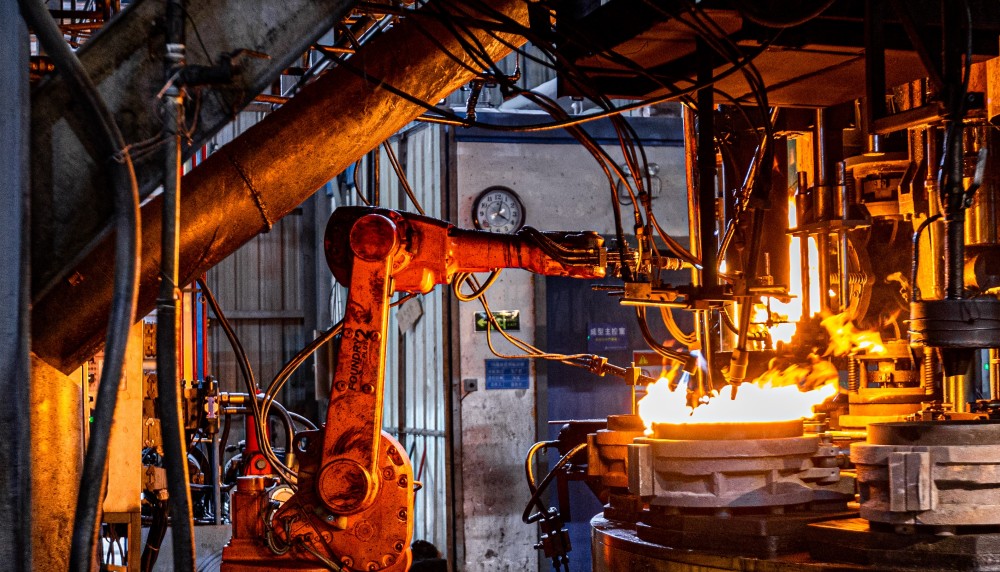
Jiangxi QOCI Electric Co. Ltd, established in 2002, epitomizes the "Chinese Factory Efficiency Advantage." By integrating the entire value chain—from raw material selection to automated forming presses and total oxygen kilns—we achieve a level of consistency and cost-efficiency that is difficult to replicate. Our facility in Luxi County, Jiangxi, leverages a mature industrial cluster, providing access to high-purity silica and specialized logistical networks. Our 53+ senior engineering technicians ensure that every unit meets or exceeds IEC 60305, ANSI, and BS standards.
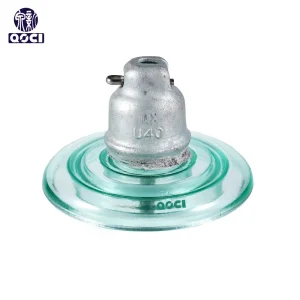
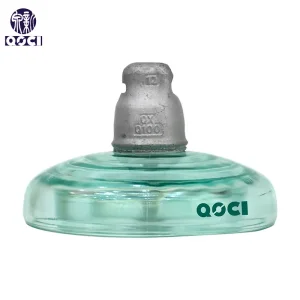
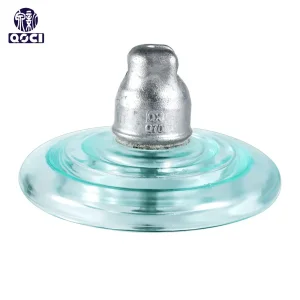
Designed with shallow, well-spaced ribs to facilitate natural self-cleaning by wind and rain. Ideal for areas with moderate pollution and stable climatic conditions.
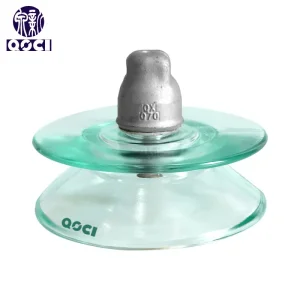
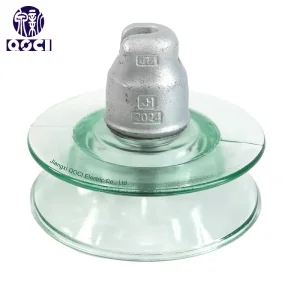
Features long, widely-spaced under-ribs to prevent arc bridging in coastal areas or salt-fog environments. Provides a high leakage-to-spacing ratio (approx. 3.2).
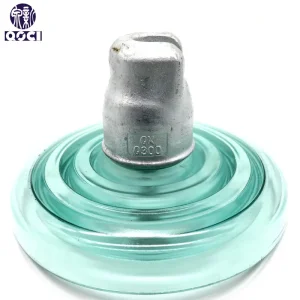
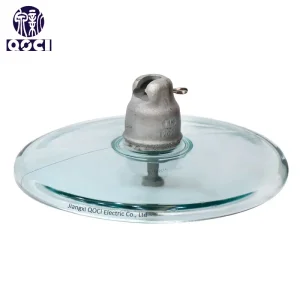
Absence of under-ribs prevents the accumulation of sand and dust. Specifically engineered for desert environments and regions prone to windstorms.
Combines the mechanical reliability of glass with the superior hydrophobicity of silicone. This "Hybrid Solution" eliminates the need for periodic cleaning in extreme pollution zones.
A sophisticated design for UHV lines, providing maximum creepage distance and flashover resistance in high-altitude and humid regions.
Designed for reliable grounding, effectively guiding lightning currents to protect the integrity of the high-voltage equipment.
1. Coastal and Maritime Environments: Salt spray is a leading cause of insulator flashover. Our Anti-pollution and Fog-type glass insulators utilize specialized rib geometry to break the conductive path formed by saline moisture.
2. Desert and Arid Zones: In regions like the Middle East or North Africa, sand accumulation is the primary threat. Our aerodynamic "Open Profile" insulators use wind dynamics to self-clean, reducing O&M costs significantly.
3. Heavy Industrial Corridors: Areas near coal-fired plants or chemical factories require insulators that can withstand acidic deposits. Our RTV-coated toughened glass provides a chemical-resistant barrier that maintains insulation integrity over decades.
Founded in December 2002, with a registered capital of 508 million Yuan, Jiangxi QOCI Electric Co. Ltd stands as a pillar of innovation in the power industry. Our facility spans 100 mu (70,000m²) in Luxi County, Jiangxi Province.
Our commitment to "Innovation, Quality, and Service" ensures that we serve the world-class power grid with dedication, actively participating in the construction of green energy infrastructure globally.