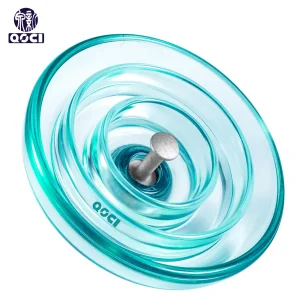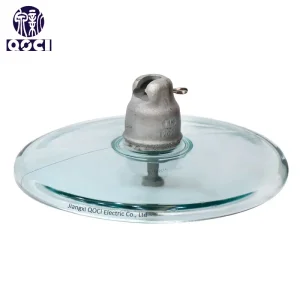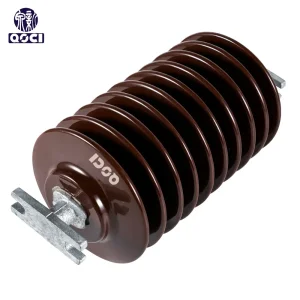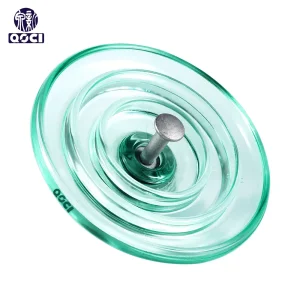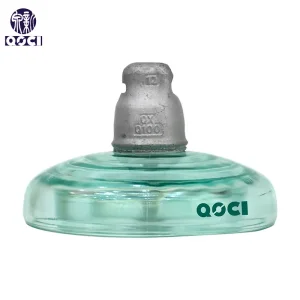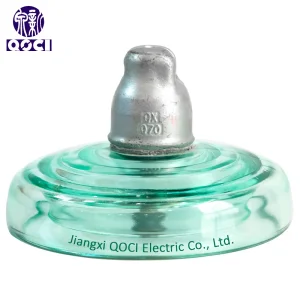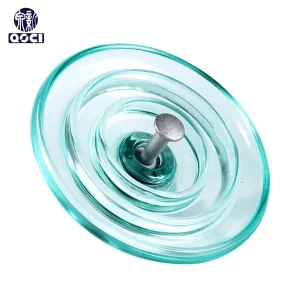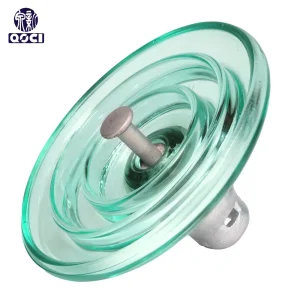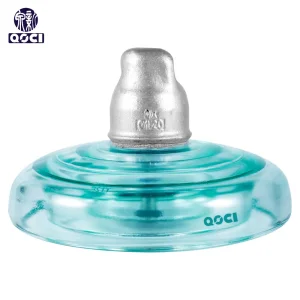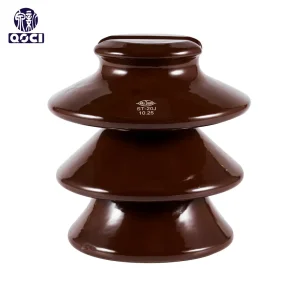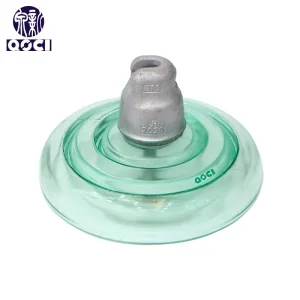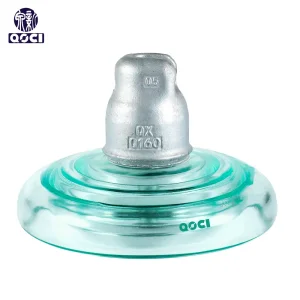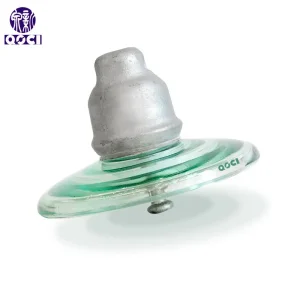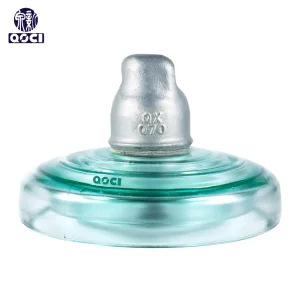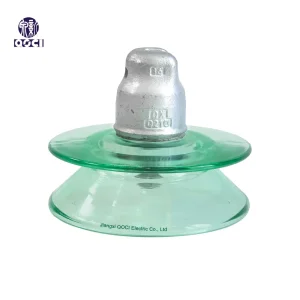
In the era of the global energy transition, the reliability of High-Voltage (HV) and Ultra-High-Voltage (UHV) transmission lines is paramount. The TR-202 technical benchmark, alongside our flagship toughened glass insulators, represents the pinnacle of electrical insulation technology. Jiangxi QOCI Electric Co. Ltd, established in 2002 with a 508 million Yuan investment, stands at the forefront of this industrial revolution, providing the critical components that safeguard the world's most sophisticated power grids.
Our TR-202 compliant production line utilizes computer-controlled thermal tempering, ensuring a uniform stress distribution of over 90 MPa on the glass surface. This increases mechanical strength by 4-5 times compared to annealed glass.
We are pioneering the integration of Room Temperature Vulcanization (RTV) silicone coatings on glass surfaces, combining the mechanical reliability of glass with the superior hydrophobicity of polymers for extreme pollution environments.
The next generation of QOCI insulators will feature embedded sensor compatibility, allowing grid operators to monitor leakage current and surface contamination in real-time, moving from reactive to predictive maintenance.
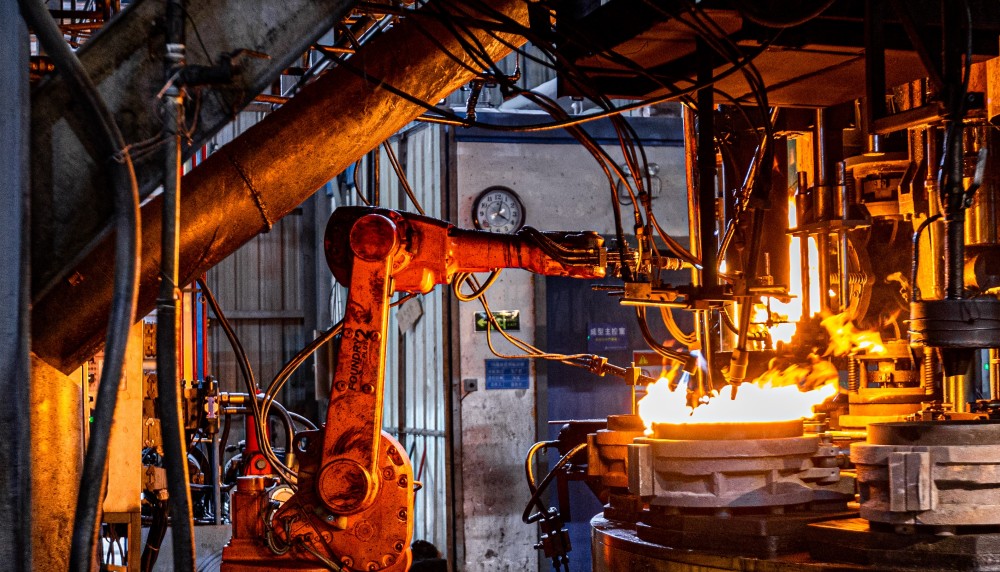
Our products aren't just components; they are engineered responses to the world's harshest environments:
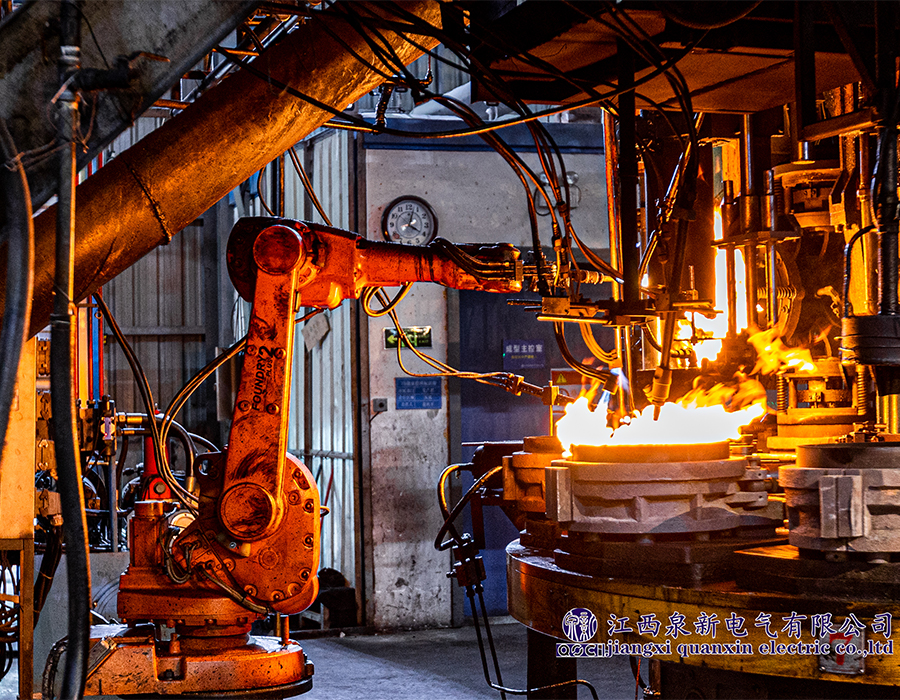
Precision hydraulic presses ensure consistent dimensions for every TR-202 and U-series unit.
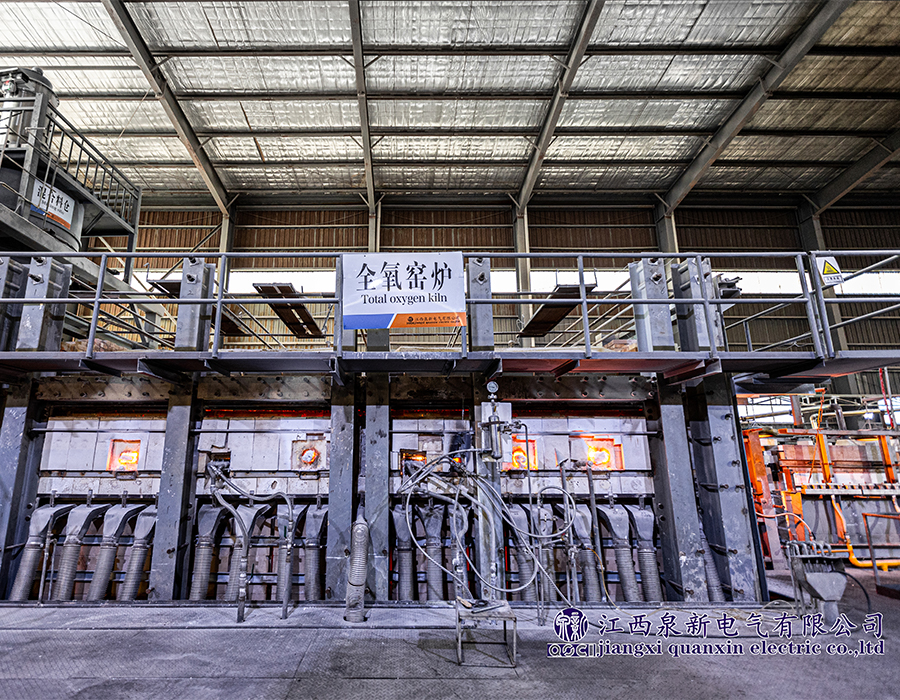
Energy-efficient melting technology reduces carbon footprint while maintaining glass purity.
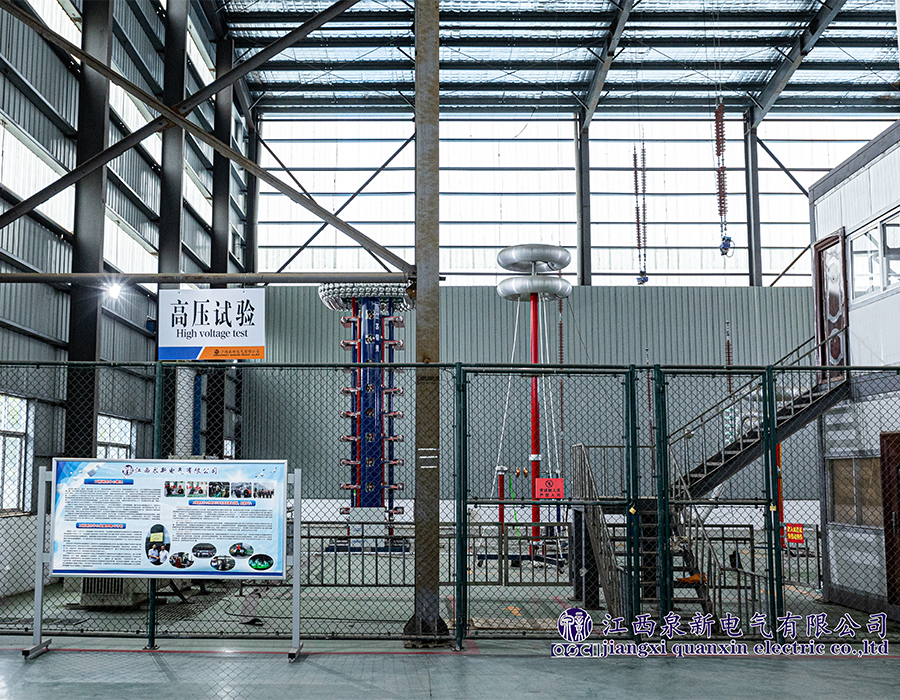
100% routine testing for steep-front impulse and power-frequency flashover.
For EPC contractors and utility grid operators, procurement of TR-202 insulators involves more than just a price point. It requires a partner who understands Supply Chain Resilience and Compliance Transparency.
We actively participate in green energy construction worldwide, serving world-class power grids with dedication. Our "Innovation, Quality, Service" philosophy is the bedrock of our global reputation.
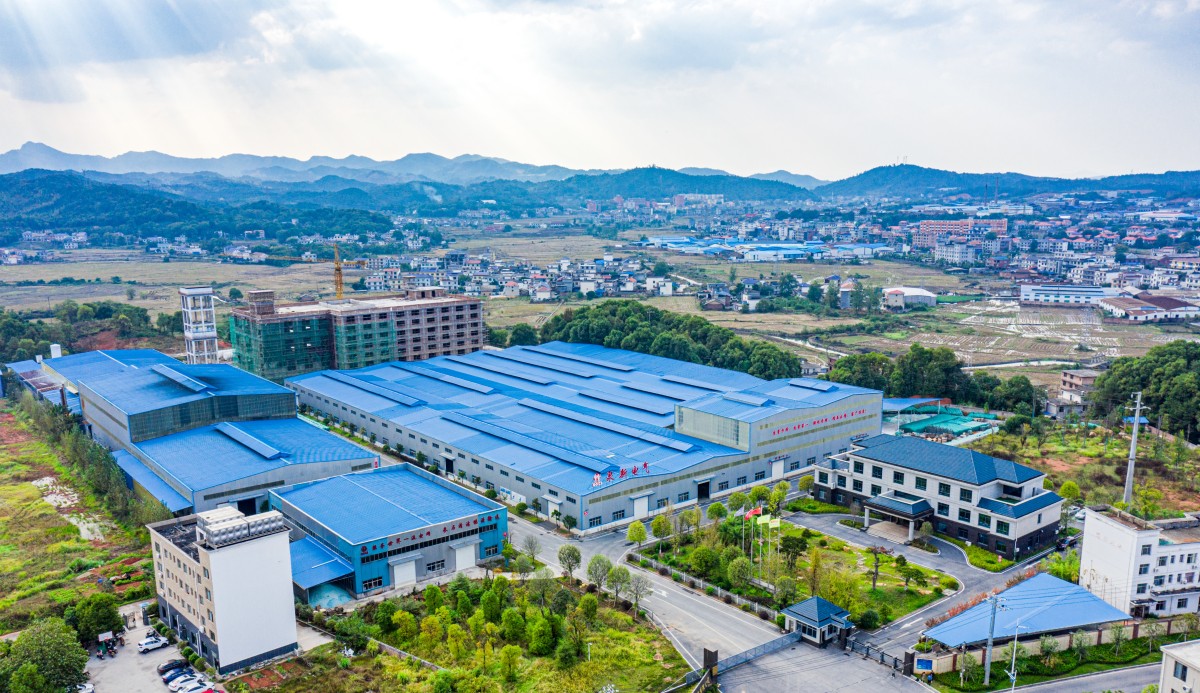
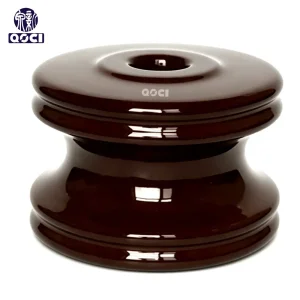
Thanks to our proprietary toughening process, our glass insulators have an expected service life exceeding 40 years. Unlike porcelain, glass is transparent, allowing for easy visual inspection of internal defects or "shattered" units which remain mechanically intact.
TR-202 and related IEC/ANSI standards ensure that the insulator can withstand specified mechanical loads (SML) and electrical surges without puncture. QOCI insulators exceed these requirements, providing a safety margin for unexpected ice loading or lightning strikes.
While composite insulators are light, toughened glass insulators are immune to UV aging, tracking, and erosion. They offer superior mechanical reliability over decades and do not require complex diagnostic tools to assess their health status.
Yes. Our RTV (Room Temperature Vulcanization) silicone coating facility allows us to factory-apply a 0.5mm hydrophobic layer that significantly reduces leakage current in heavily polluted areas, combining the best of glass and polymer technology.