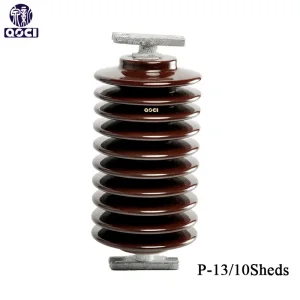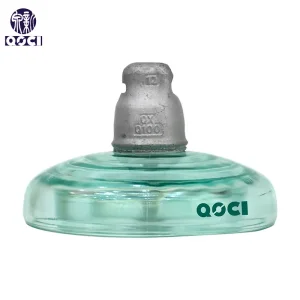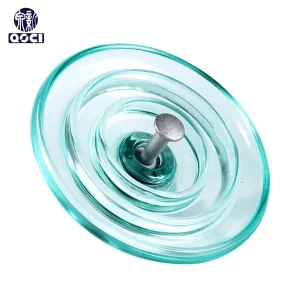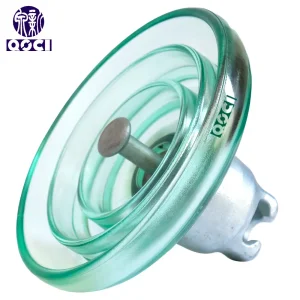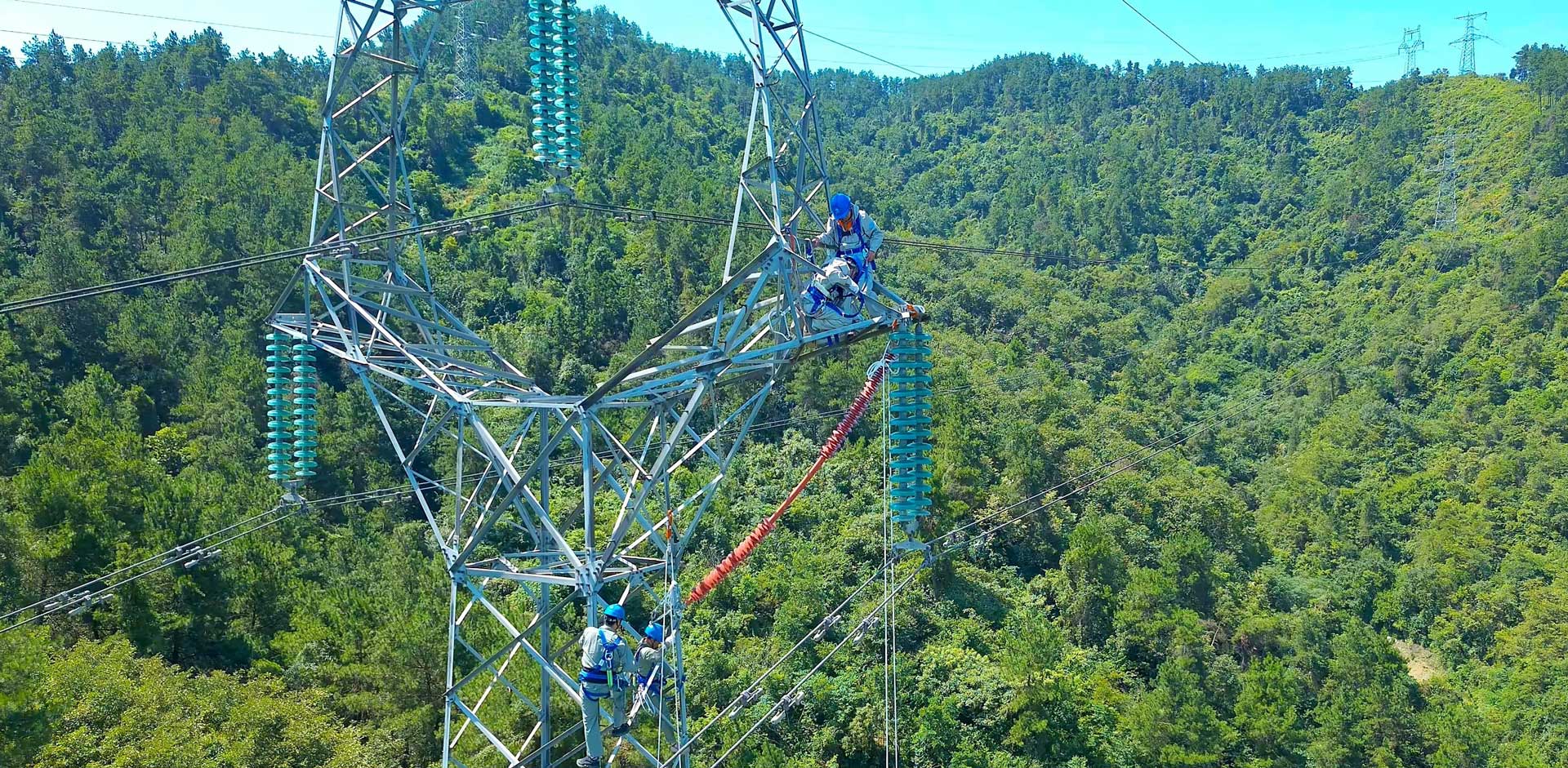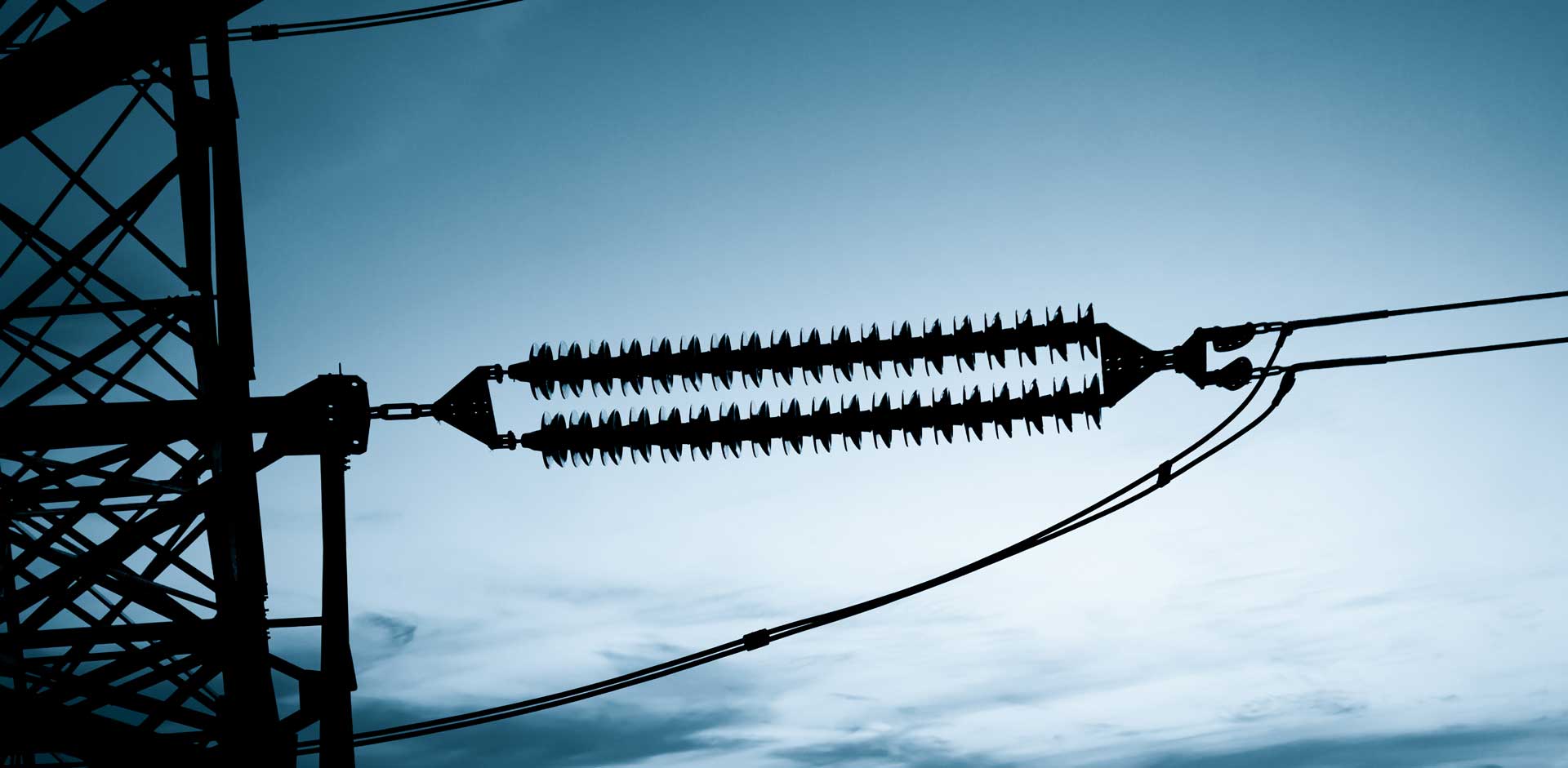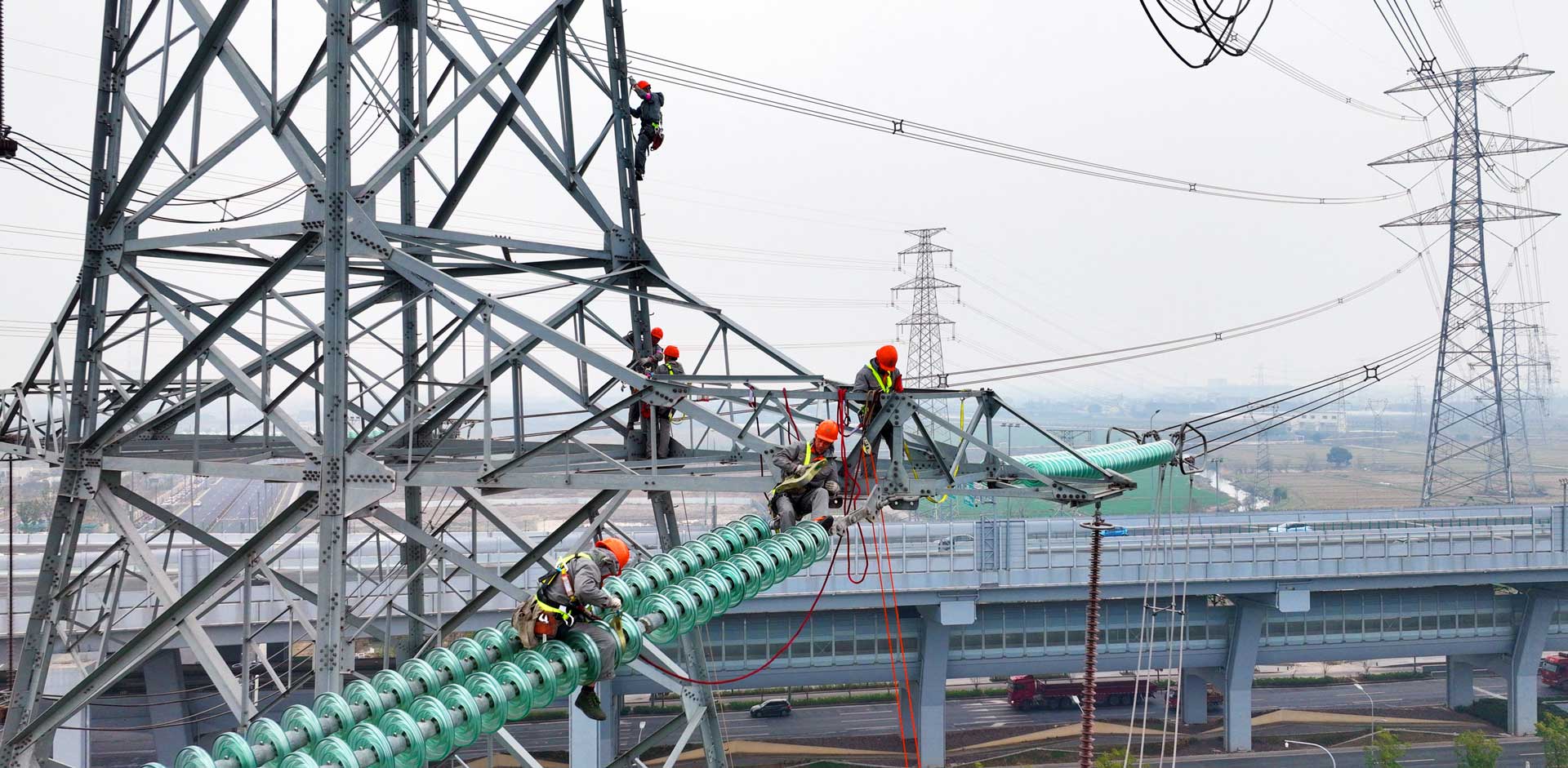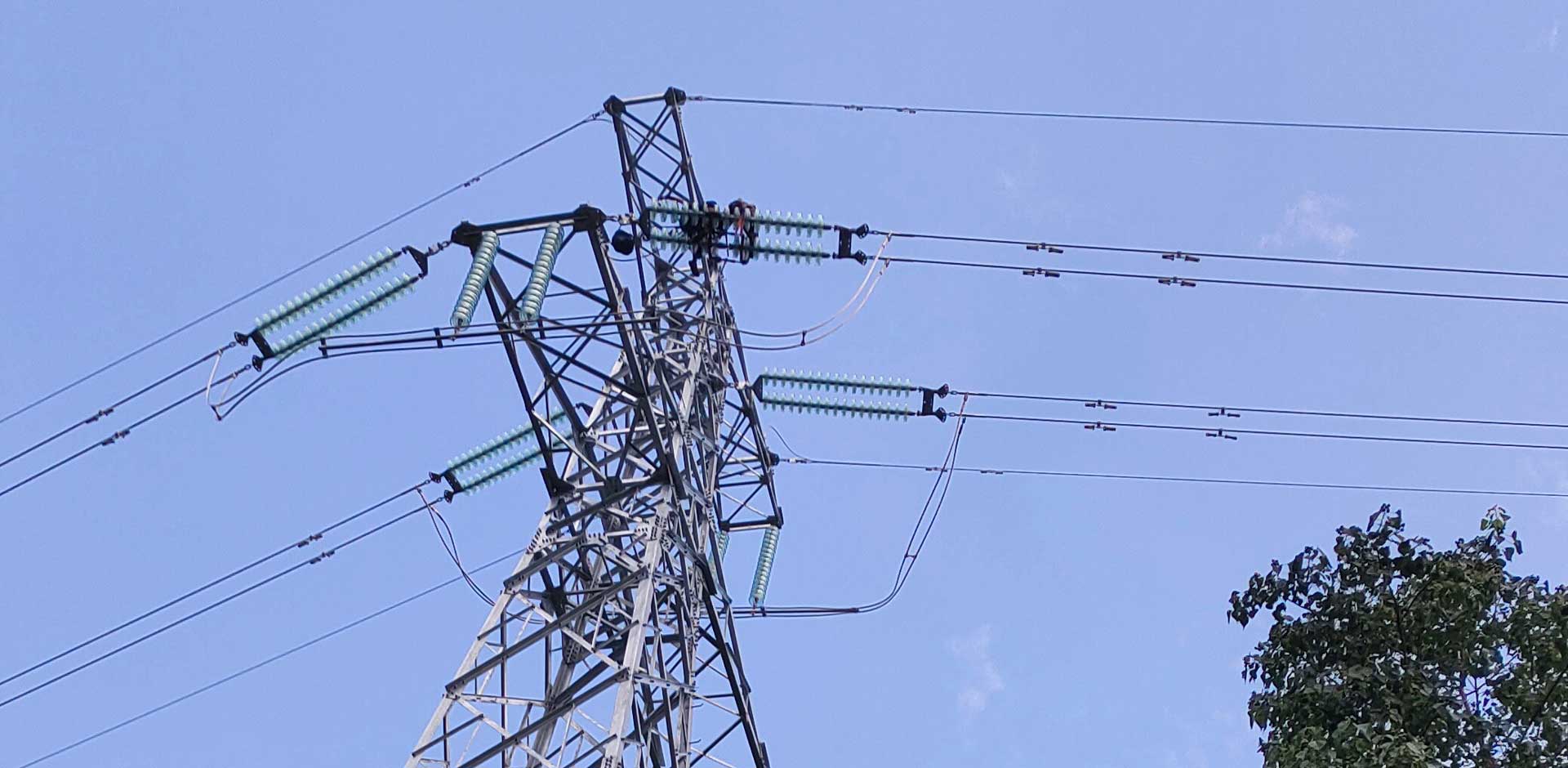
Explore our top range of industrial-grade insulators optimized for global utilities, conforming to ANSI C29.2 and IEC compliance requirements.
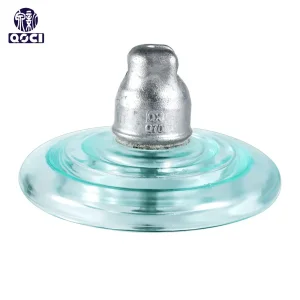
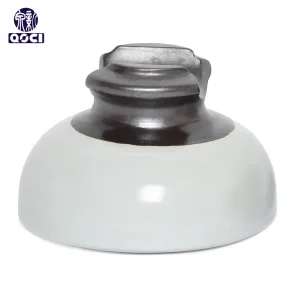
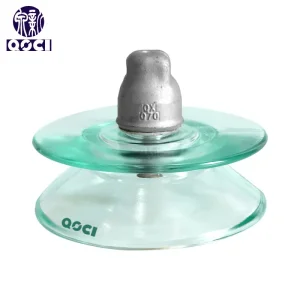
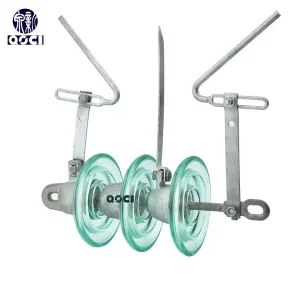
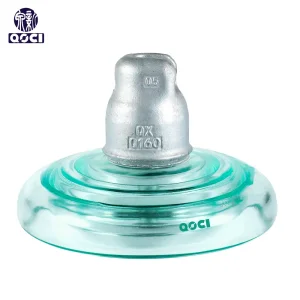
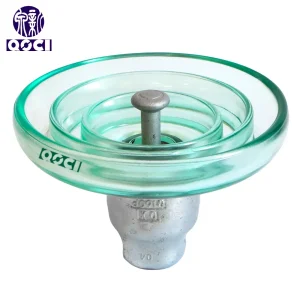
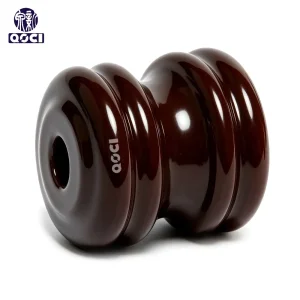
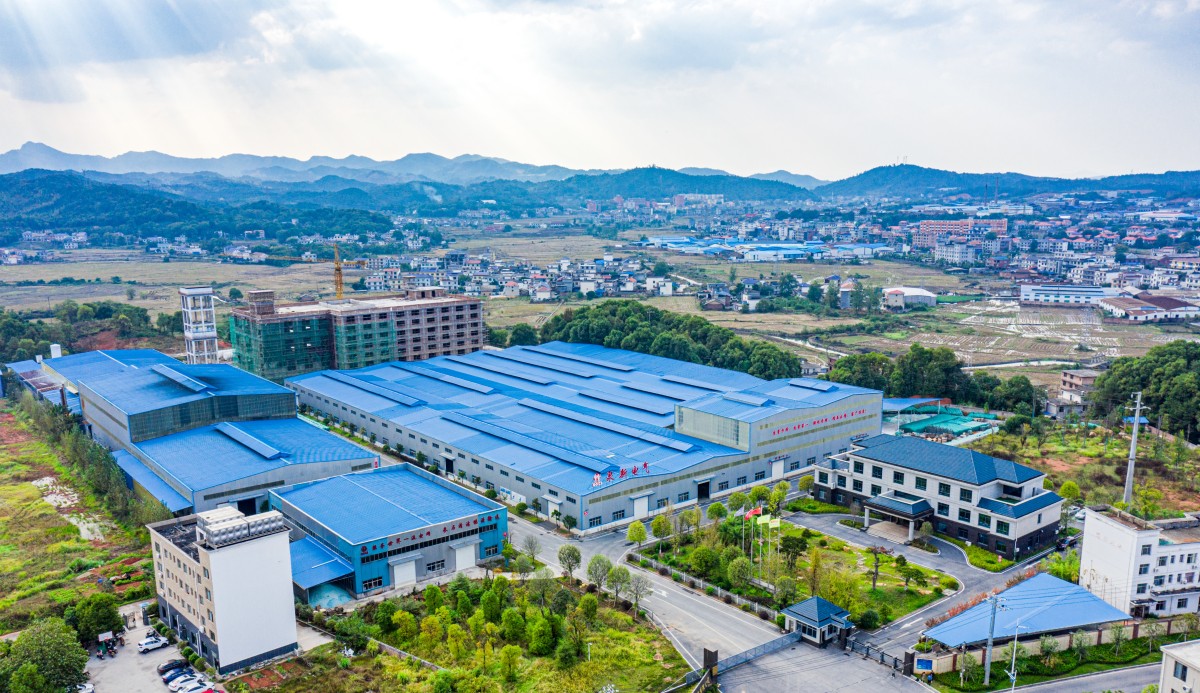
Jiangxi QOCI Electric Co. Ltd was founded in Dec. 2002, with a registered capital of 508 million Yuan. Strategically located at the Industrial Park in Luxi County, Pingxiang, Jiangxi Province, our facility covers a massive area of 100 mu (70,000 square meters). As a world-class electric manufacturing vendor, we specialize in high-strength glass and porcelain insulators designed to safeguard global power grids.
With an active contribution to green energy infrastructure, we prioritize innovations in toughened glass material structures, precision molding, and RTV coating applications, ensuring reliability for UHV (Ultra-High Voltage) and EHV (Extra-High Voltage) AC and DC transmission systems.

A comprehensive review of the design criteria, electrical characteristics, and environmental performance of ANSI C29.2 Class 52-10 cap-and-pin suspension insulators.
The ANSI C29.2 standard defines the mechanical and electrical performance criteria for wet-process porcelain and toughened glass suspension insulators. Among these, the Class 52-10 insulator occupies a critical space in overhead distribution and transmission line design. Typically configured as a ball-and-socket type (Class 52-10 uses a designated Socket/Ball size according to ANSI C29.2 rules), it is designed to manage high tension and cantilever loads while resisting environmental pollution and transient overvoltages.
| Parameter | ANSI 52-10 Requirements (Porcelain/Glass) | QOCI Factory Standards |
|---|---|---|
| Mechanical & Electrical Strength | 15,000 lbs (66 kN) | ≥ 70 kN / 100 kN options |
| Unit Diameter | 10 inches (254 mm) | 254 mm / 280 mm options |
| Unit Spacing (Height) | 5-3/4 inches (146 mm) | 146 mm |
| Leakage Distance (Standard Profile) | 11-1/2 inches (292 mm) | ≥ 295 mm - 320 mm |
| Low-Frequency Dry Flashover Voltage | 80 kV | 85 kV |
| Low-Frequency Wet Flashover Voltage | 50 kV | 55 kV |
| Critical Impulse Flashover (Positive) | 125 kV | 130 kV |
China has consolidated its position as the global epicentre of high-voltage transmission technology. Our factories leverage unique raw material sourcing, scale-efficiency, and highly integrated technology ecosystems to provide global utility developers with several distinct operational benefits:
When selecting insulators for transmission corridors, system designers must choose between toughened glass and wet-process porcelain. Both materials fulfill ANSI 52-10 mechanical specifications but respond differently to aging and operational maintenance:
Toughened Glass Insulators: The principal benefit of toughened glass is the ease of visual inspection. Glass is a transparent, uniform material. When a glass insulator fails due to internal electrical puncture or external impact, it shatters completely (a phenomenon known as "self-shattering" or "dropping the shell"). The remaining cap and pin assembly retains its full mechanical integrity, ensuring the line does not drop. This binary failure mode reduces maintenance costs, as line workers do not need to perform insulation resistance tests on the tower; they can inspect visually from a distance or via drone.
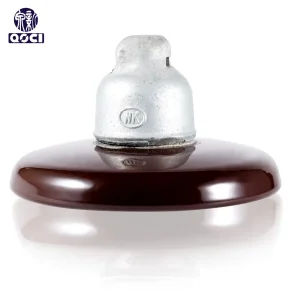
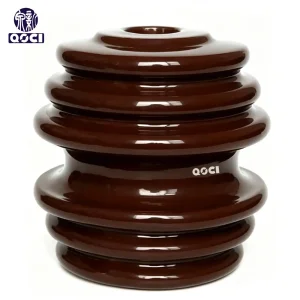
Porcelain Insulators: Porcelain is a classic dielectric material that offers exceptional performance under steady thermal loads and displays high resilience to surface tracking. Porcelain units do not shatter, meaning a damaged unit must be identified through electrical resistance measurements (meggering) or infrared thermography. However, for specialized line setups, high-strength porcelain provides excellent stiffness and is resistant to environmental weathering.
We manufacture an array of design profiles to protect transmission lines from local geographic challenges, including industrial pollution, salt fog, and dry sandstorms.
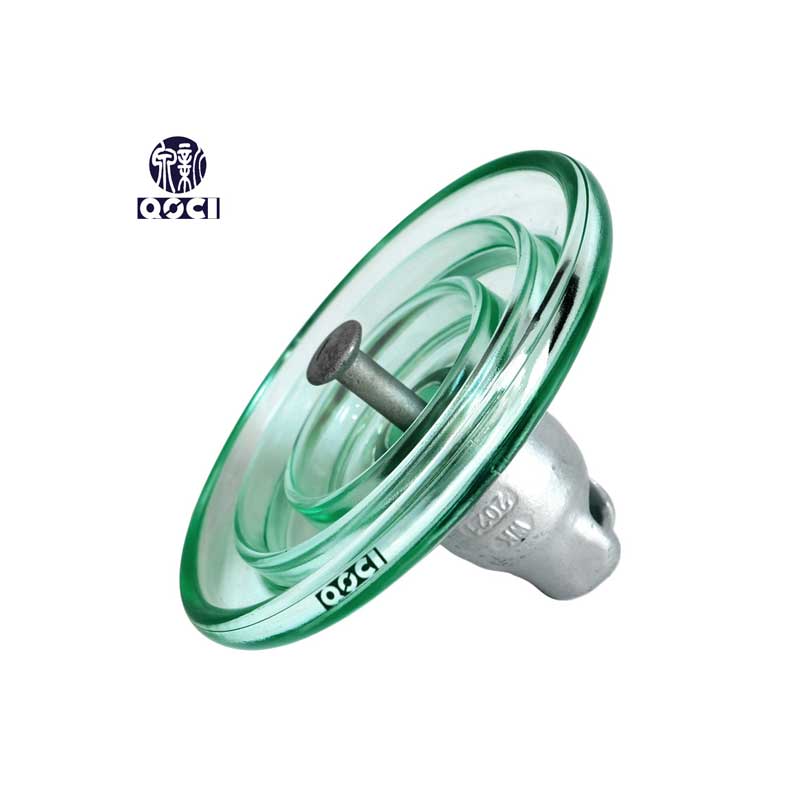
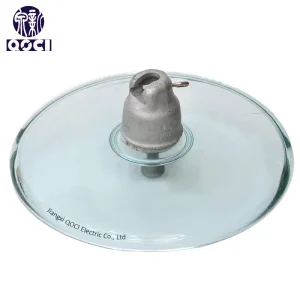
Features a leakage distance higher than the default IEC 60305 requirements. The under-rib design is shallow and well-spaced, optimized for self-cleaning by natural wind and rainfall.
View Design Files →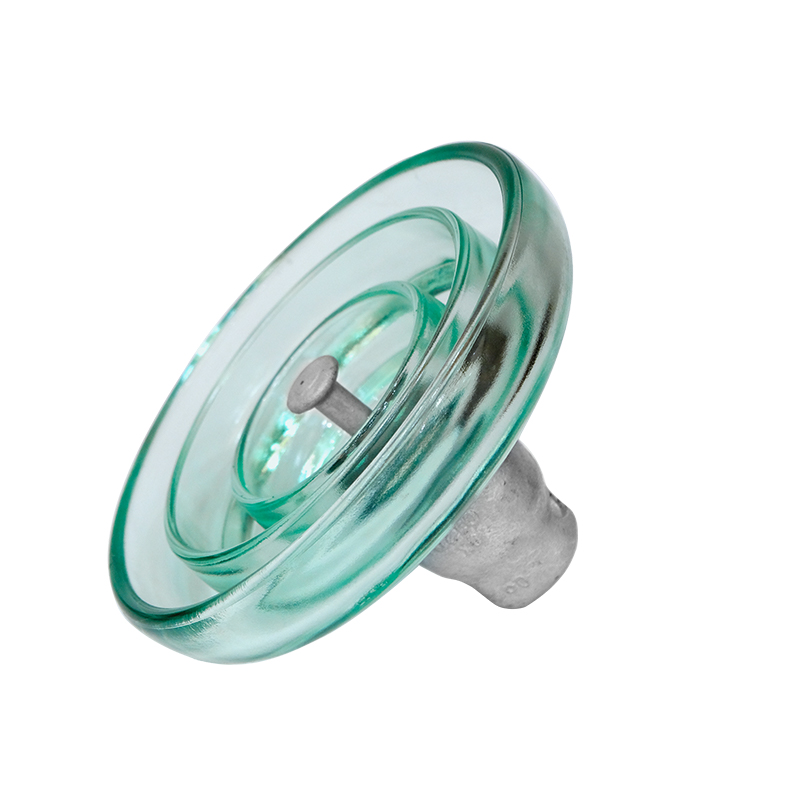
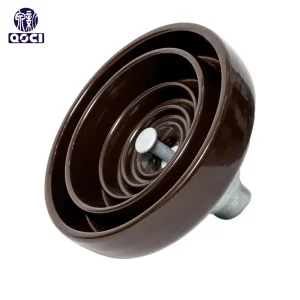
Characterized by deep, widely spaced ribs that prevent electric arc bridging in high-moisture salt fog, coastal regions, and heavy industrial soot environments.
View Design Files →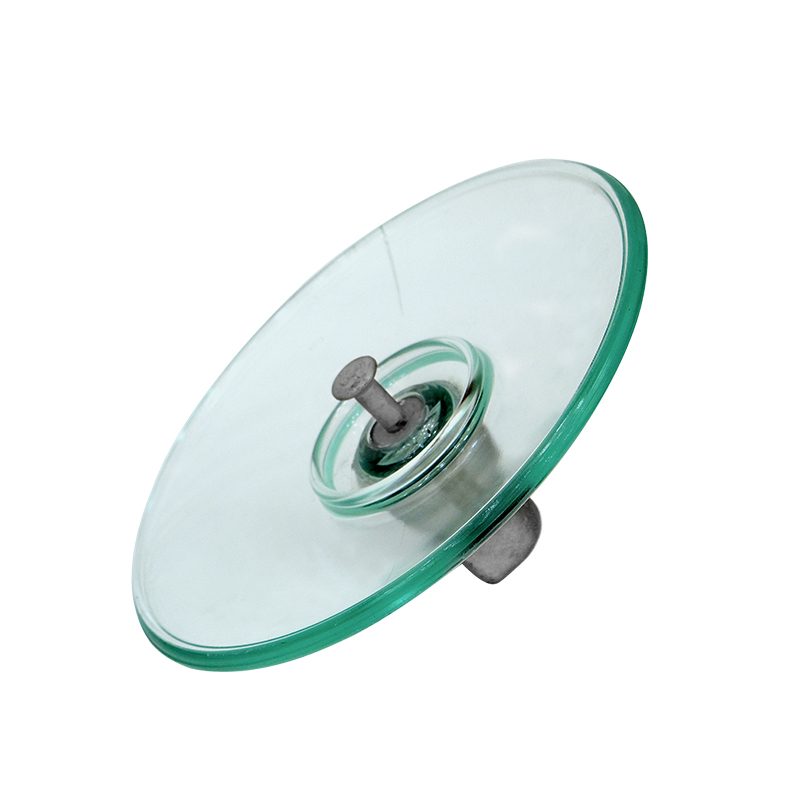
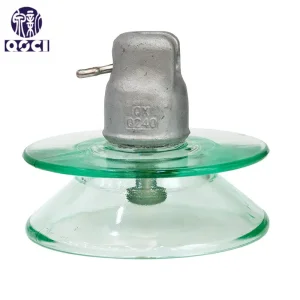
Eliminates deep under-ribs completely to prevent the build-up of sand, dust, and particulate matter. Specially engineered for arid, desert, and high-wind environments.
View Design Files →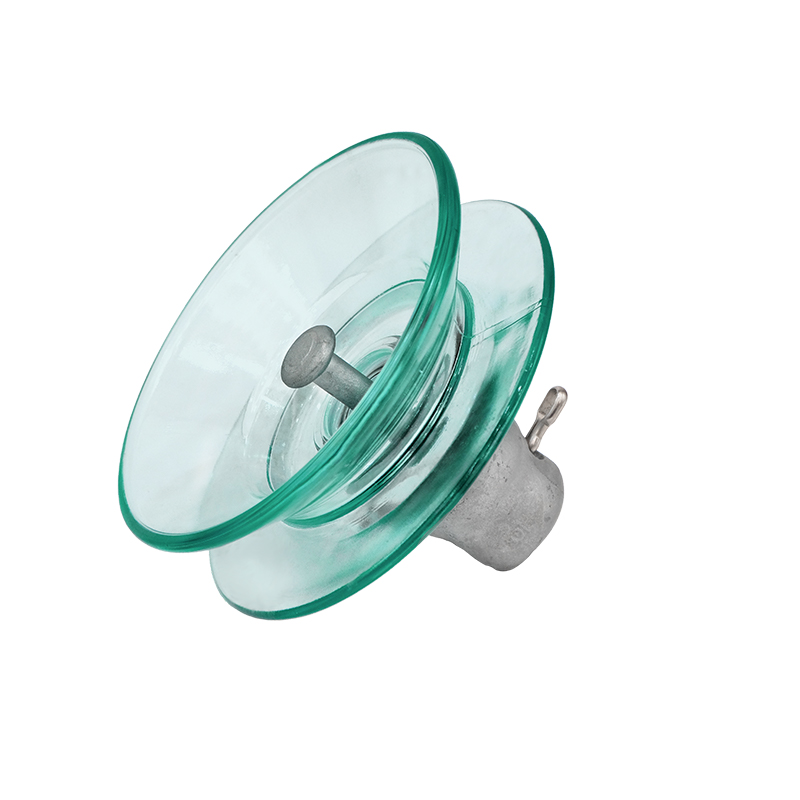
Equipped with two external sheds to facilitate wind-driven self-cleaning. Provides high creepage distance ratios for extreme levels of solid pollution.
View Design Files →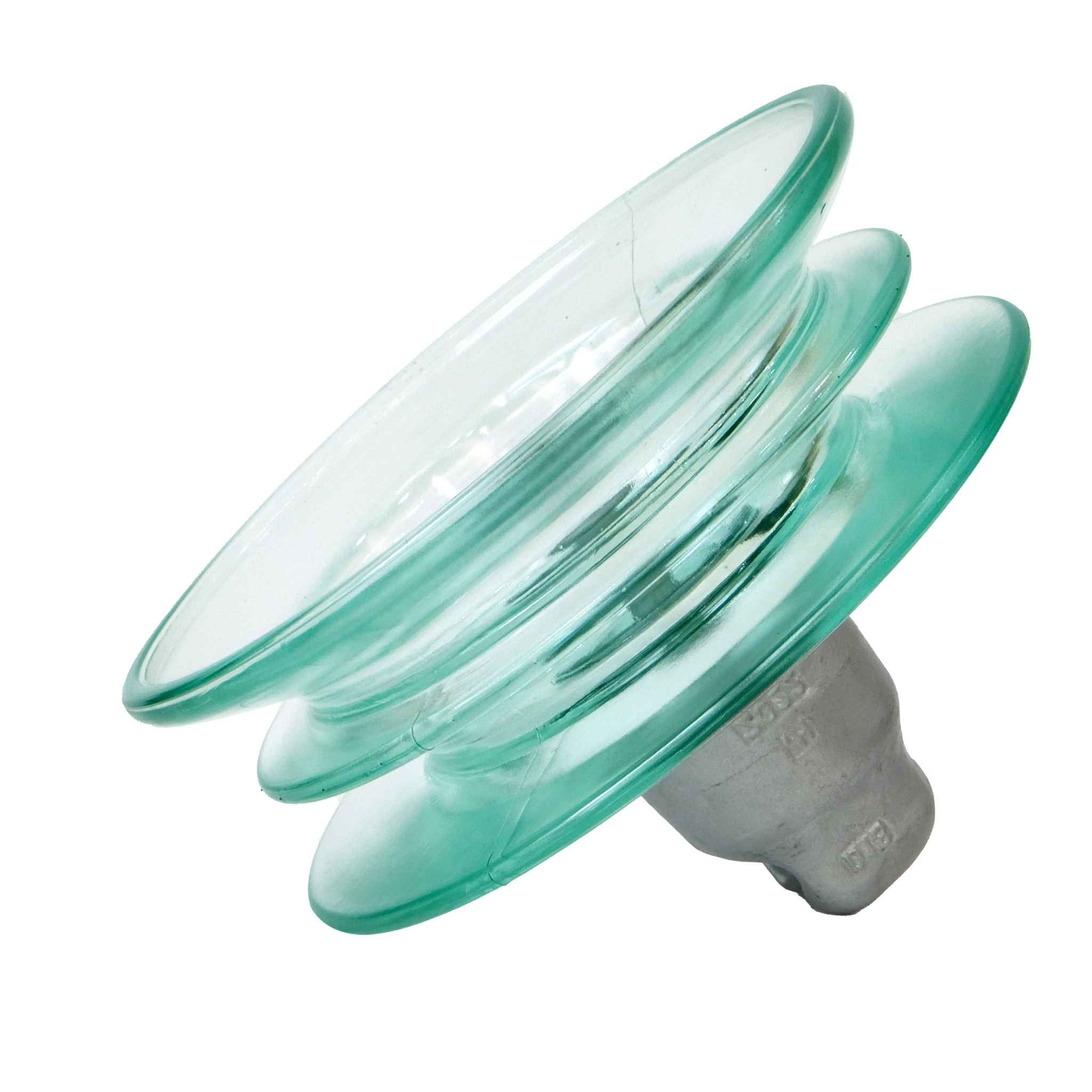
Designed with three distinct layers of umbrella discs, providing the longest possible creepage distance for ultra-high voltage (UHV) systems in humid coastal plains.
View Design Files →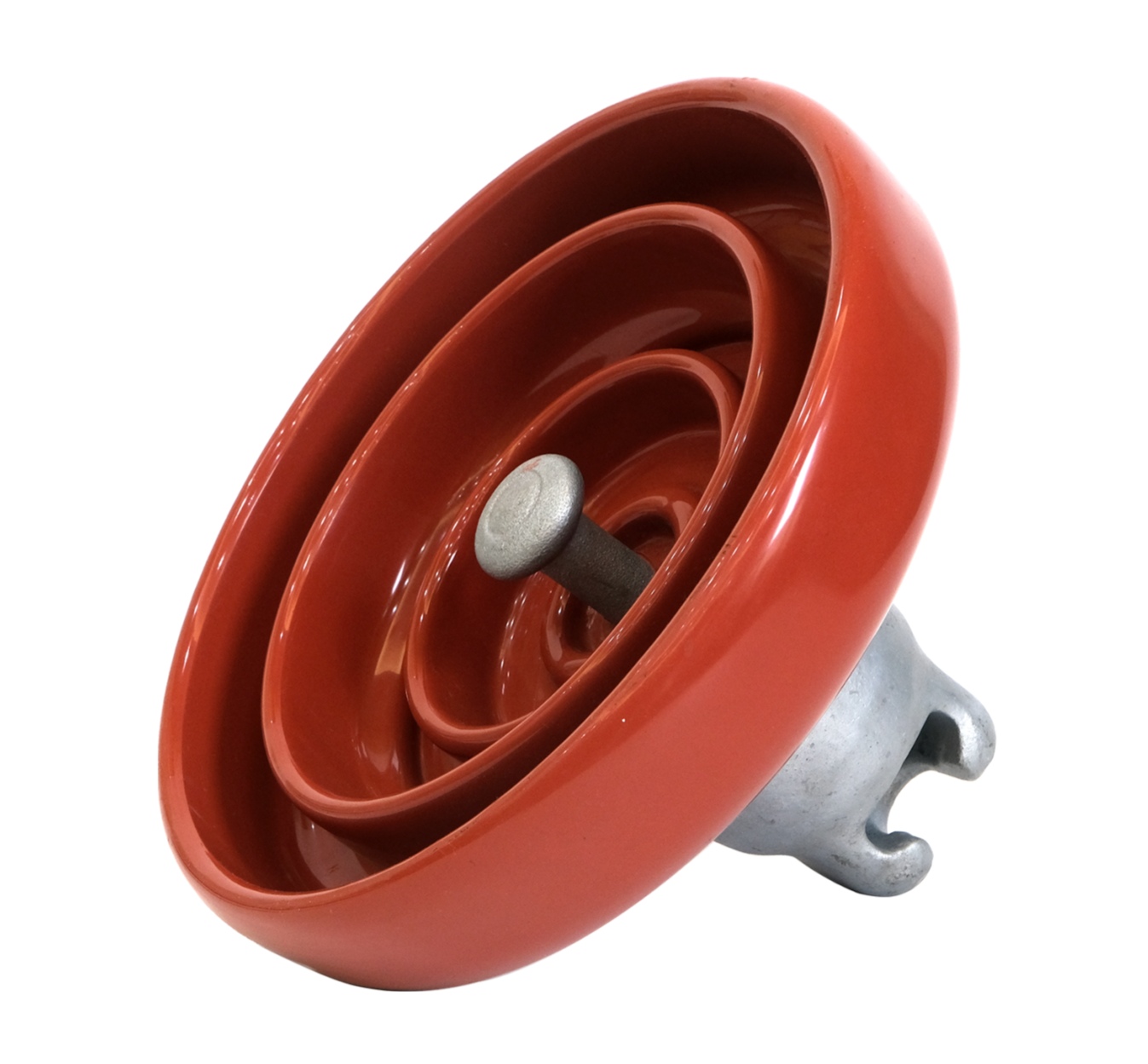
Toughened glass pre-coated with Room Temperature Vulcanizing (RTV) silicone. Combines the mechanical reliability of glass with advanced hydrophobic surface properties.
View Design Files →Modern electrical networks span diverse ecosystems, each presenting unique threats to continuous grid operation. At QOCI, we offer more than individual components; we deliver comprehensive insulation solutions designed to withstand localized environmental dynamics:
High salt concentration leads to salt fog accumulation, which forms a conductive layer on insulator surfaces. This results in leakage currents and flashovers. Our solution involves high-creepage anti-fog glass discs (e.g., U100BLP or U70BLP) paired with zinc sleeve protection. The zinc sleeve acts as a sacrificial anode, preventing the galvanic corrosion of the steel pin and keeping the structural string intact.
In desert areas, low precipitation prevents natural cleaning, while wind-swept sand accumulates inside traditional insulator ribs. We address this using our Open/Aerodynamic profiles, which feature flat, ribless undersides. This design allows wind to sweep dust away naturally, avoiding build-ups and the risk of dry sandstorm-induced tracking.
In sub-zero climates, ice accumulation can bridge adjacent sheds, short-circuiting the insulator string. To counter this, utilities use alternating diameter profiles (coupling standard discs with larger double-shed or triple-shed discs). This configuration prevents the formation of continuous ice cylinders down the string, maintaining electrical separation during winter storms.
A look inside the QOCI production facilities where premium raw materials are transformed into certified high-voltage products.
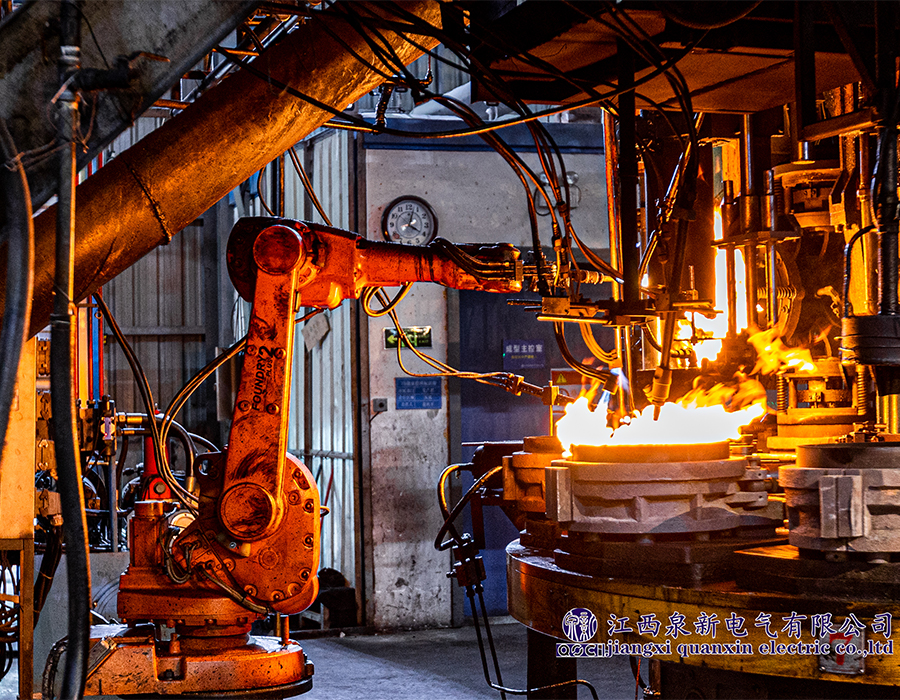
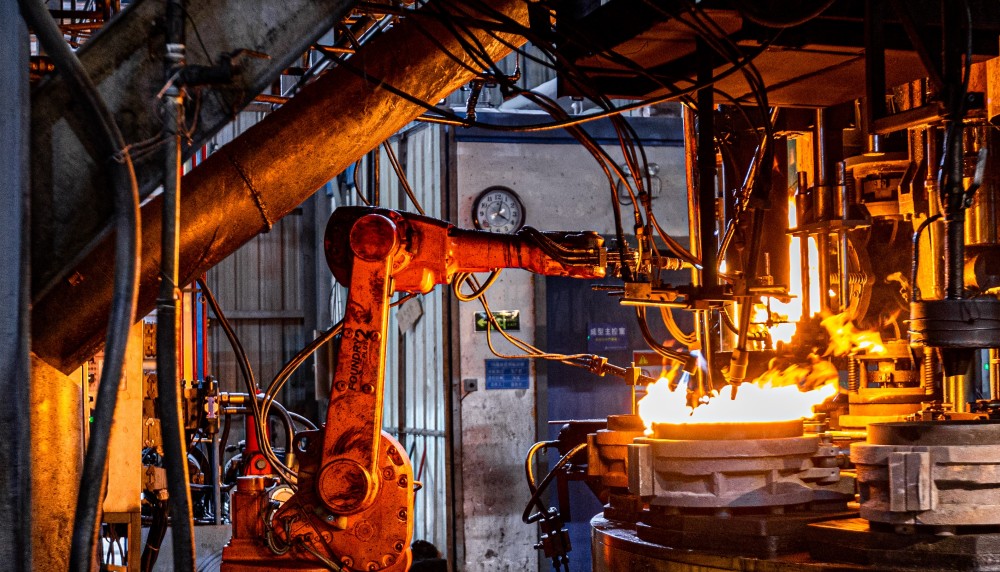
Automated hot-pressing machinery guarantees precise molding of insulator shells with consistent structural thickness and dimensional stability.
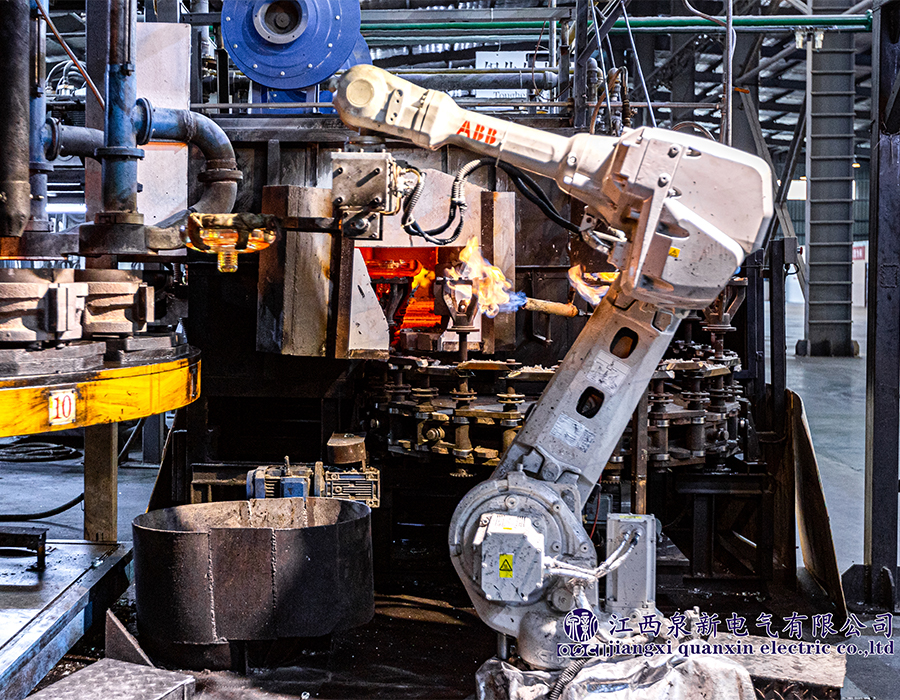
Highly calibrated hydraulic presses shape the raw porcelain/glass batches without internal structural micro-fissures or stress points.
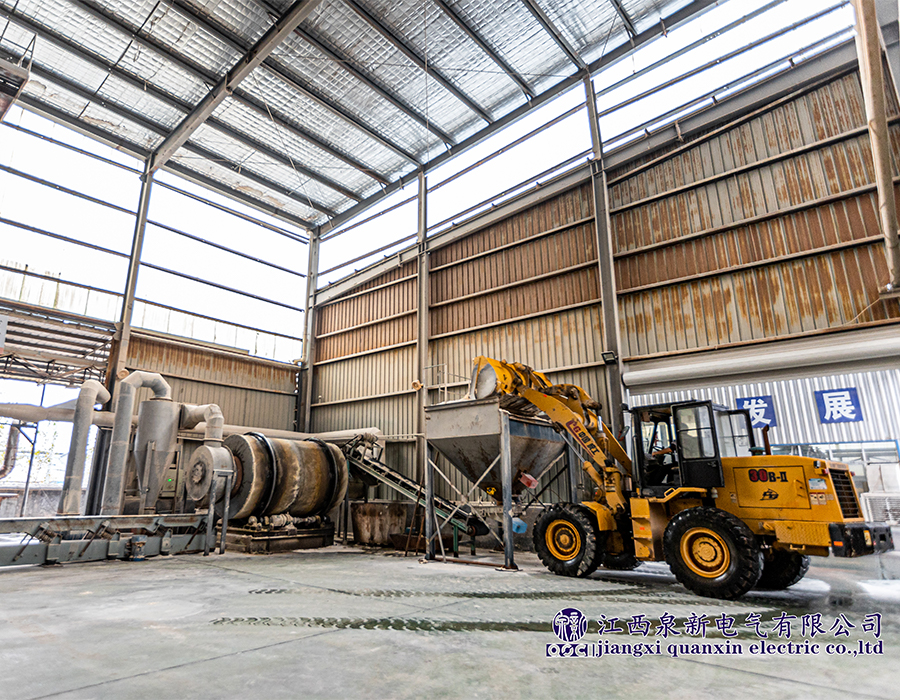
Ensures precise raw material homogenization for standard silicate batches, delivering uniform chemical composition across all production runs.
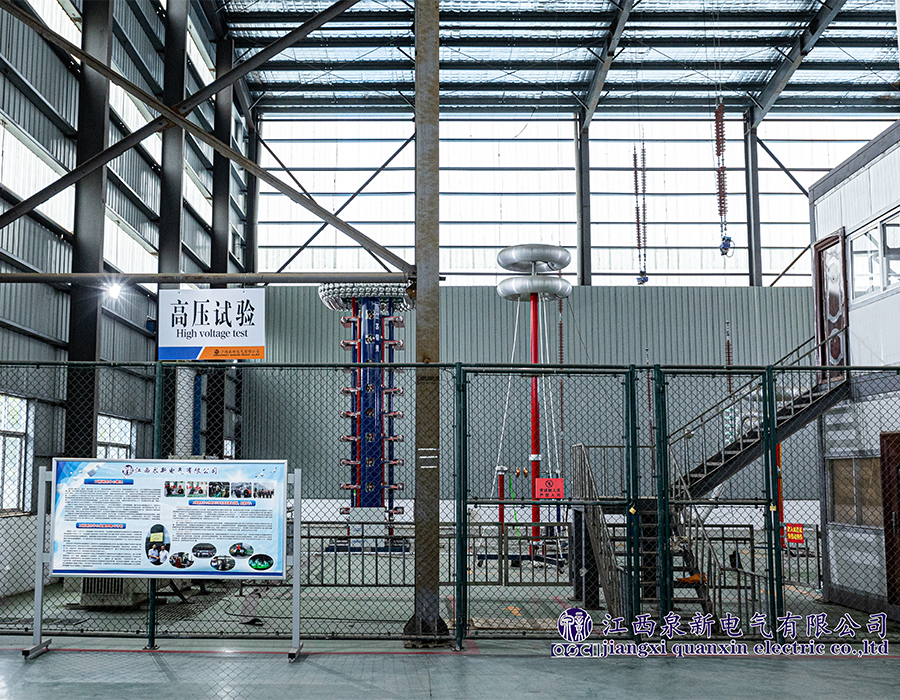
Testing facility featuring steep-front impulse voltage and dry/wet power frequency flashover rigs to evaluate dielectric limits under overvoltage conditions.
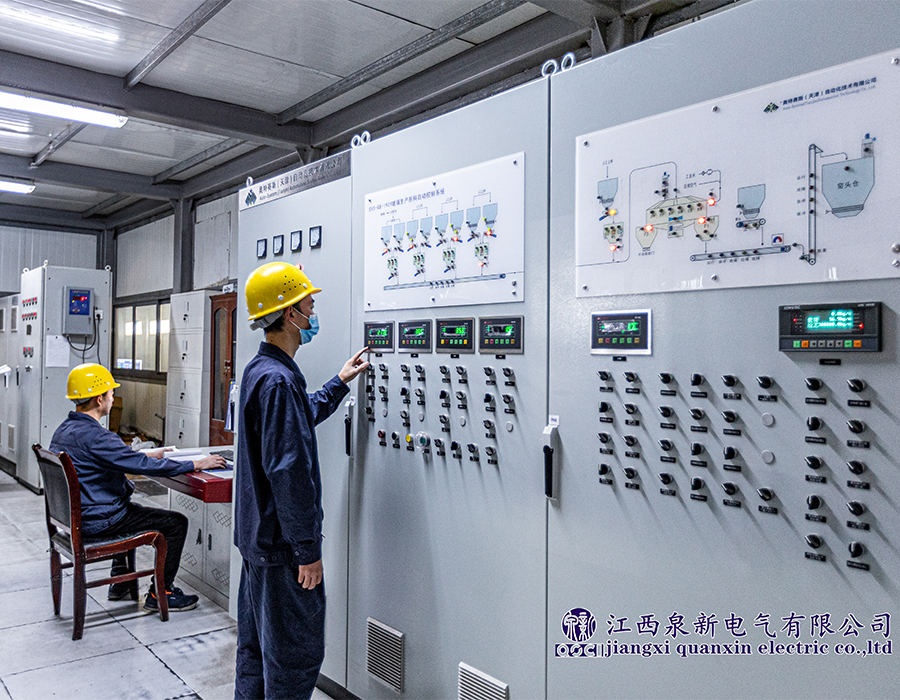
Meticulously selected quartz, feldspar, alumina, and high-grade soda lime compounds, verified before batching in the automated mixing plant.
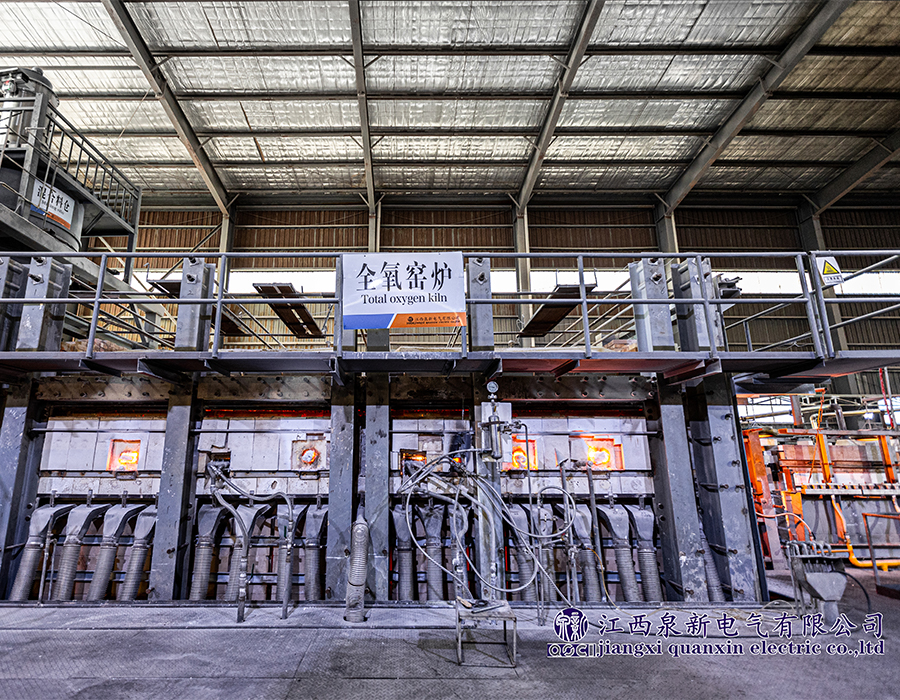
Advanced eco-efficient gas kilns that keep temperatures constant at 1500°C, ensuring complete fusion and zero crystalline defects in glass discs.
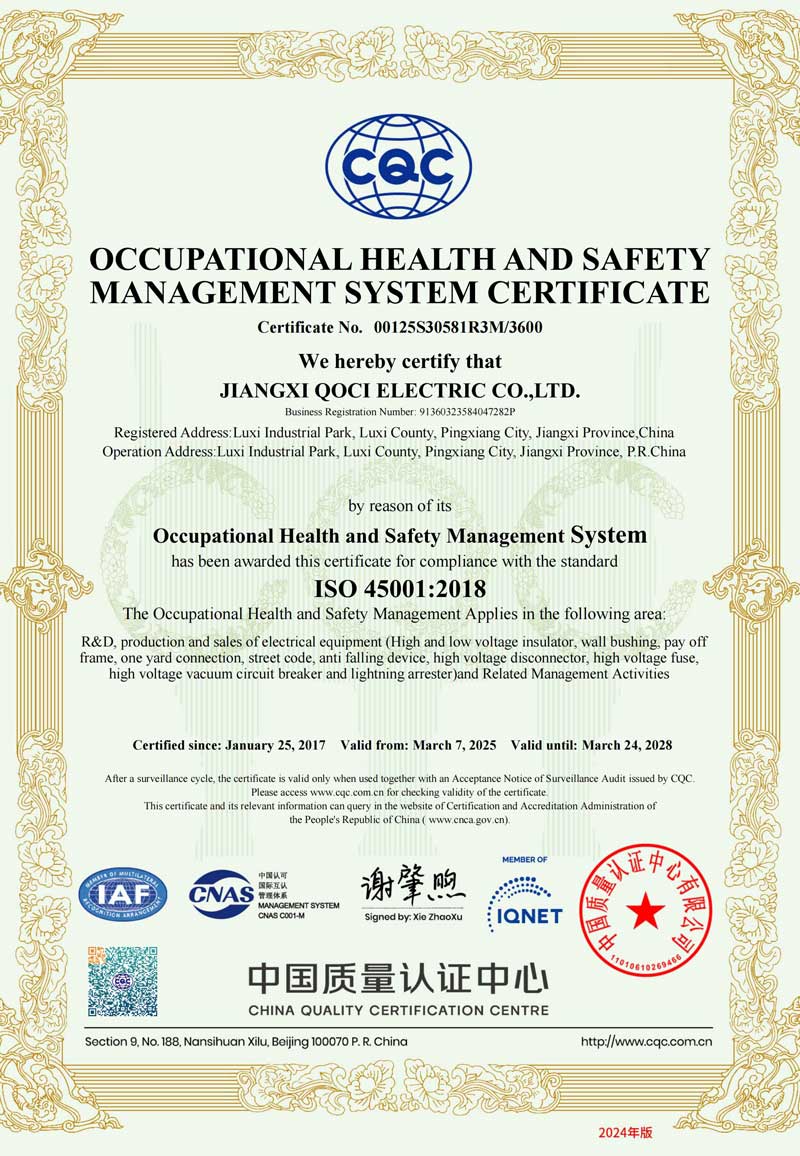
At QOCI, quality assurance is integrated into every step of our manufacturing workflow. Our design, engineering, and manufacturing divisions are fully audited and certified under international safety, quality, and environmental frameworks.
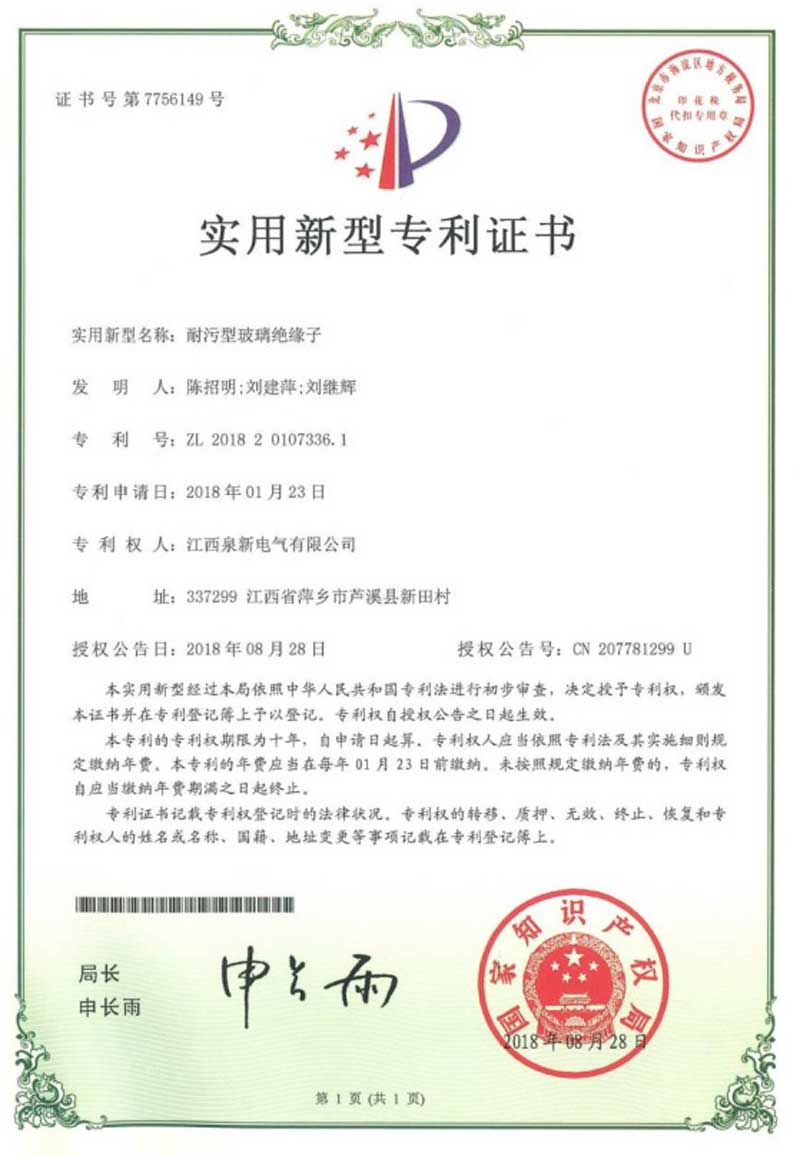
We hold complete ISO certifications (ISO 9001:2015, ISO 14001:2015, and ISO 45001:2018), and our products are approved by testing laboratories including KEMA, CESI, and CNAS accredited institutions, confirming full compliance with ANSI C29.2, IEC 60305, and BS 137 standards.
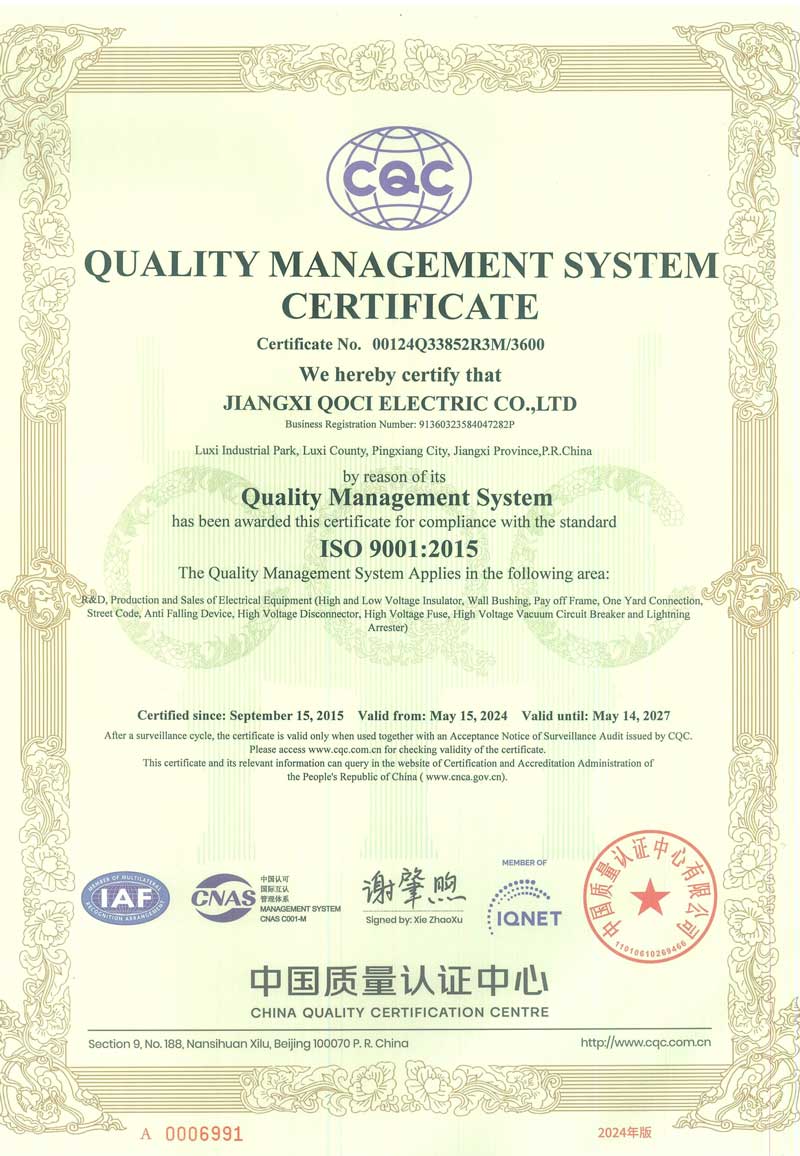
We support major power grids, state utilities, and heavy construction companies around the world. We export to over 40 countries across the Americas, Europe, the Middle East, and Africa, partnering with industry leaders to deliver stable electrical infrastructure.

Stay informed about our latest technical papers, manufacturing upgrades, and where to meet our engineering team at international energy conferences.
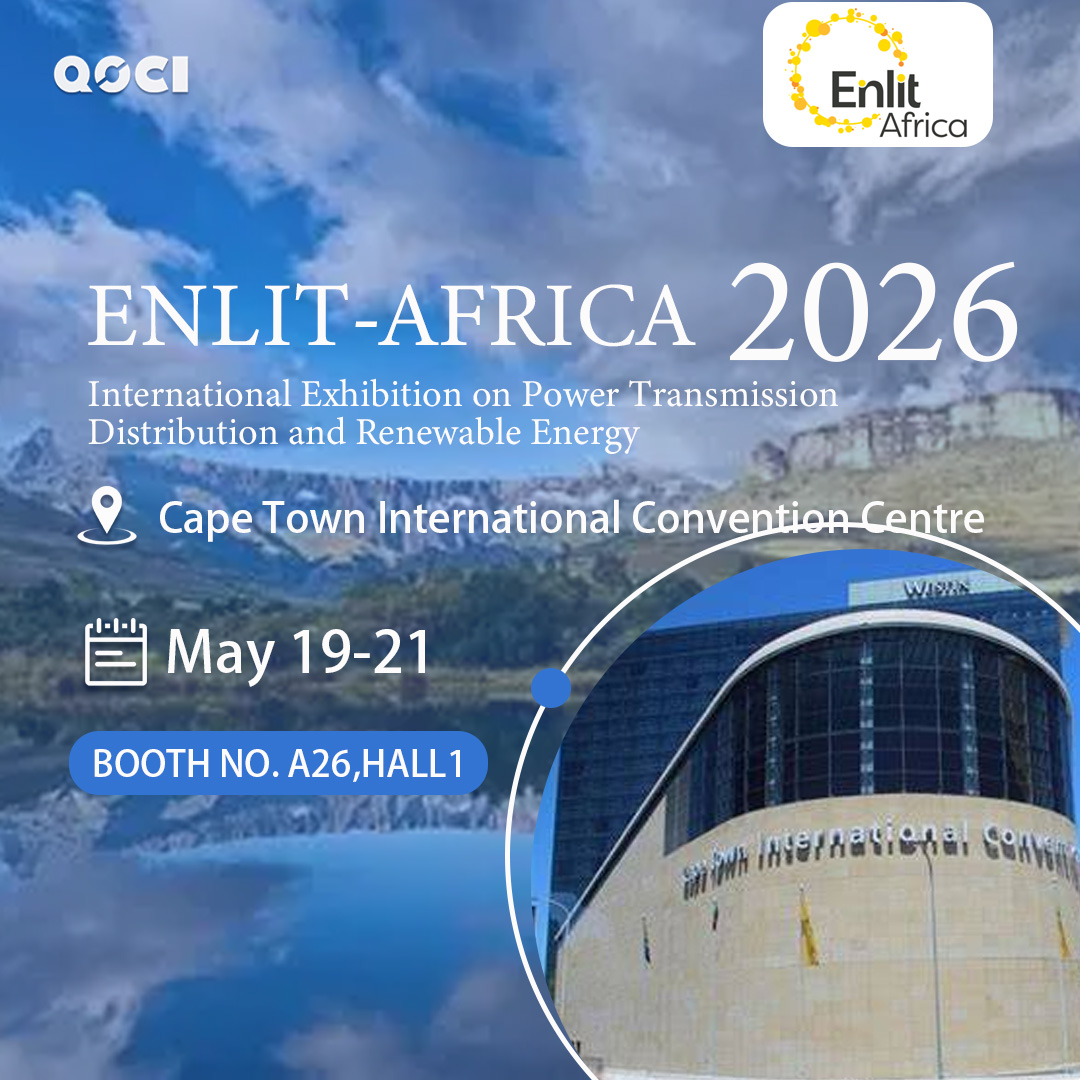
QOCI showcases its high-voltage glass insulation solutions at Enlit Africa. Our team shared insights on grid modernization in high-pollution coastal areas.
Read Press Release →
At the IEEE PES T&D event, we presented our patented silicone-coated glass insulators, demonstrating their hydrophobic recovery capabilities to North American utilities.
Read More →
QOCI showcased its Open Profile/Desert-type suspension units designed specifically to meet the high wind and sandstorm demands of Middle Eastern networks.
Read Details →Get professional technical answers to common queries regarding ANSI 52-10 specifications, shipping, and deployment.
Under the ANSI C29.2 standard, Class 52-10 specifies a cap-and-pin suspension disc insulator with a ball-and-socket coupling. It is defined by standard dimensions (10-inch shell diameter, 5-3/4-inch unit spacing) and has a rated mechanical and electrical (M&E) strength of 15,000 lbs (66 kN). It is widely used in high-voltage distribution lines and transmission tension strings.
Toughened glass undergoes a thermal treatment process that creates balanced internal stresses. If the glass body is damaged by thermal shock or mechanical impact, it shatters into small fragments. Critically, the remaining steel cap and socket pin remain securely coupled, retaining up to 80% of their mechanical design load. This prevents a drop of the line and allows maintenance teams to locate the failed disc through visual inspection.
In humid or salty coastal environments, leakage currents flowing through the insulator string cause galvanic corrosion of the steel pin inside the cement junction. By adding a high-purity zinc sleeve around the pin, the zinc acts as a sacrificial anode. The zinc corrodes first, protecting the steel pin from structural thinning and extending the lifespan of the string.
Room Temperature Vulcanizing (RTV) silicone coatings provide a highly hydrophobic surface. In humid, polluted conditions, water forms droplets rather than a continuous conductive film, limiting leakage currents and preventing flashovers. RTV-coated glass combined with toughened glass structures reduces maintenance costs by eliminating the need for periodic water washing in heavily polluted areas.
We perform routine testing on 100% of our units: a high-voltage power frequency test (to verify dielectric integrity), visual checks, and mechanical tensile tests. We also perform type tests on sample batches, including critical impulse flashover (dry and wet), radio influence voltage (RIV) checks, thermal shock cycles, and steep-front wave impulse tests.
Our insulators are secured in treated wooden crates or packed on heavy-duty, shrink-wrapped pallets. String configurations are supported with structural bracing to prevent friction and impact damage during ocean transport, ensuring safe arrival at your port or job site.
Check our final series of porcelain suspension and anti-pollution toughened glass solutions, verified for long operational lifespans in tough grid environments.