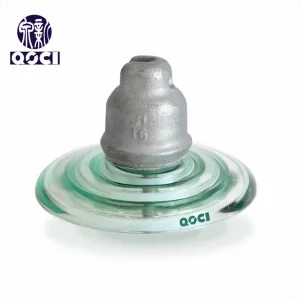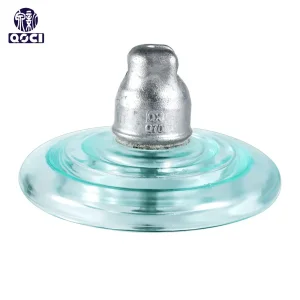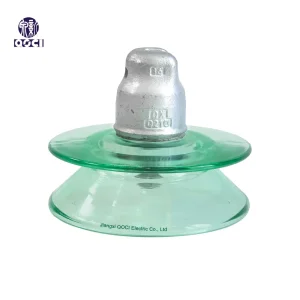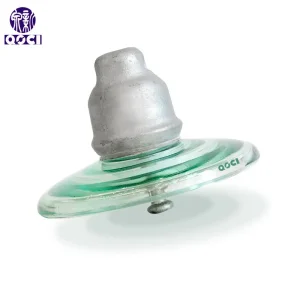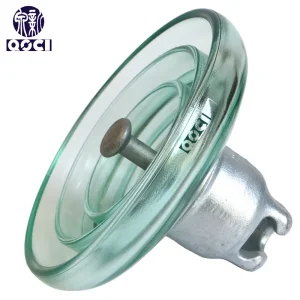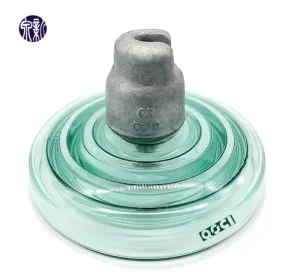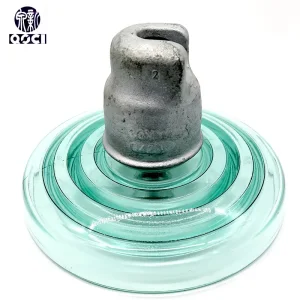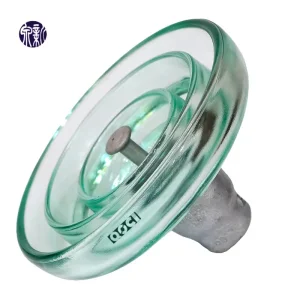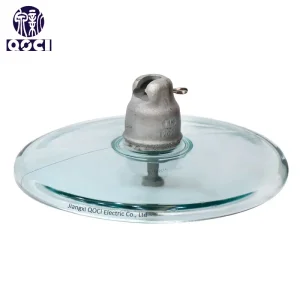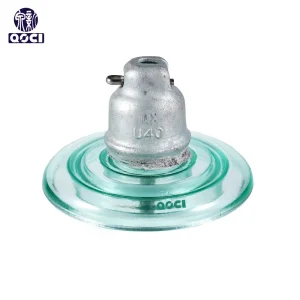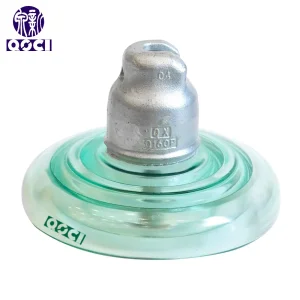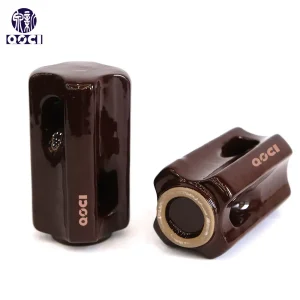
In the landscape of global power transmission, the Glass Insulator U160BL represents a critical benchmark in electromechanical performance. As a 160kN (kilo-Newton) rated suspension insulator, the U160BL is designed to withstand extreme mechanical tension while providing unparalleled dielectric insulation.
Historically, power grids relied heavily on porcelain. However, the "Semantic Search" for high-efficiency grid components now prioritizes tempered glass due to its transparent nature—allowing for easy visual inspection of internal defects (shattering rather than hidden puncture)—and its superior resistance to thermal aging. Our U160BL series is engineered to meet IEC 60305 standards, ensuring compatibility across international overhead line projects.
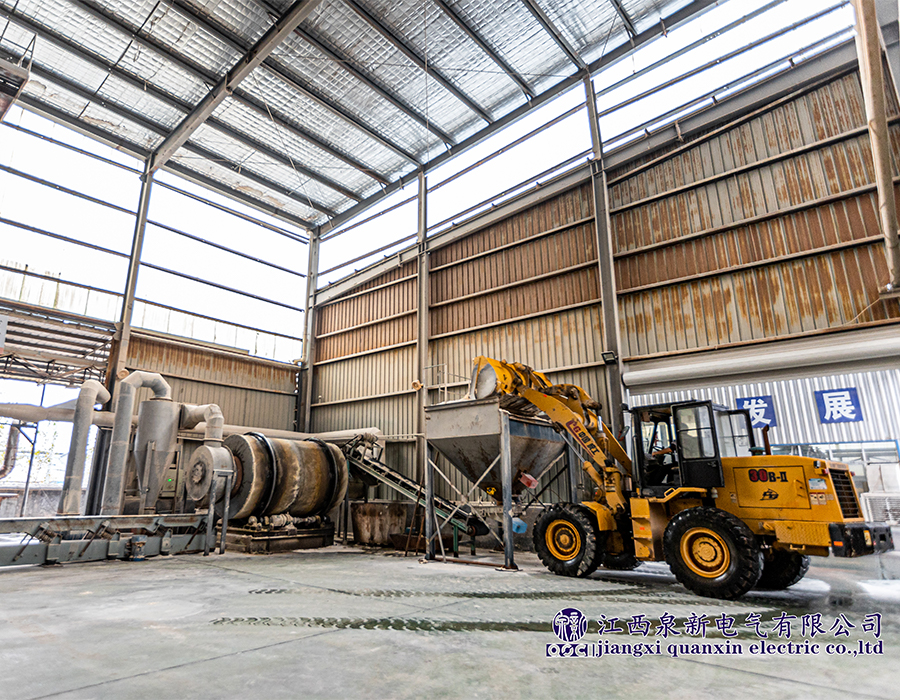
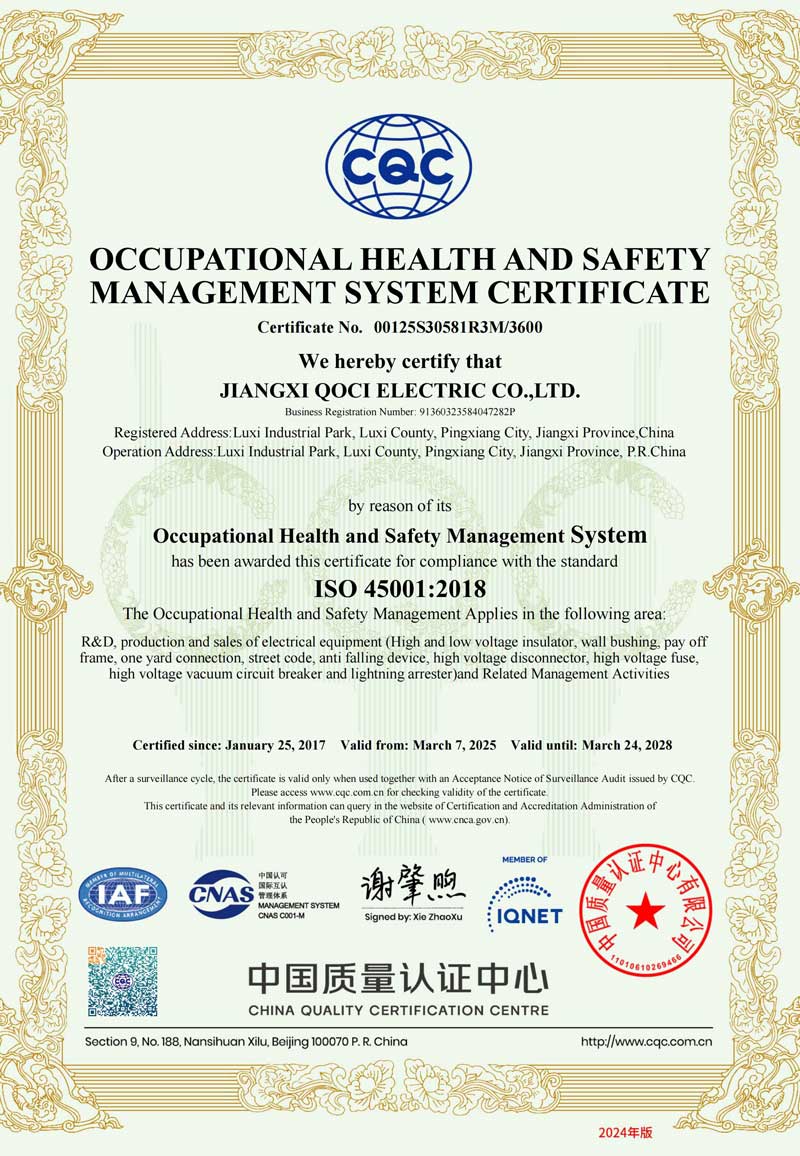
Founded in December 2002 with a registered capital of 508 million Yuan, Jiangxi QOCI is located in the Luxi Industrial Park, Pingxiang. Covering an area of 100 mu (70,000 m²), we are a pillar of the Chinese insulator industry.
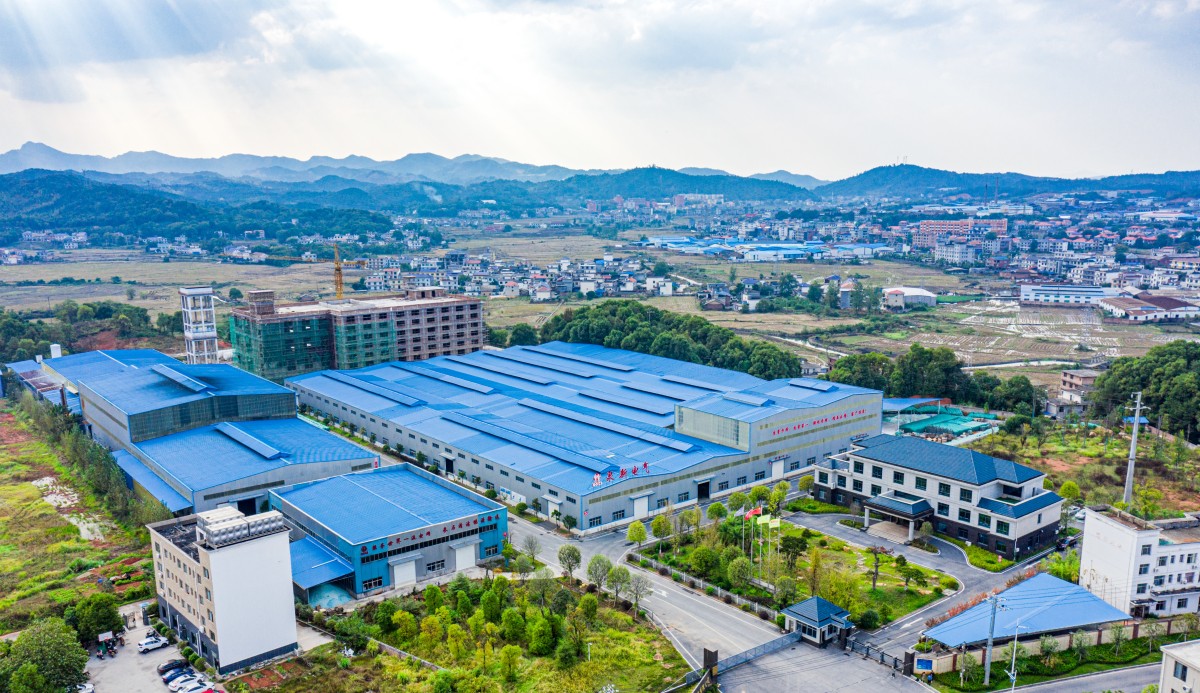
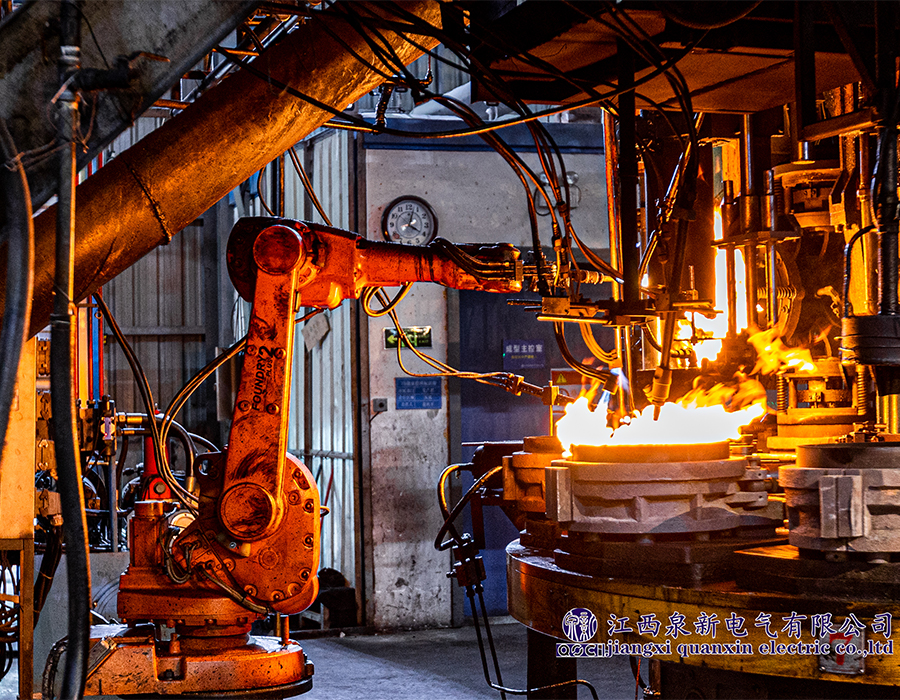
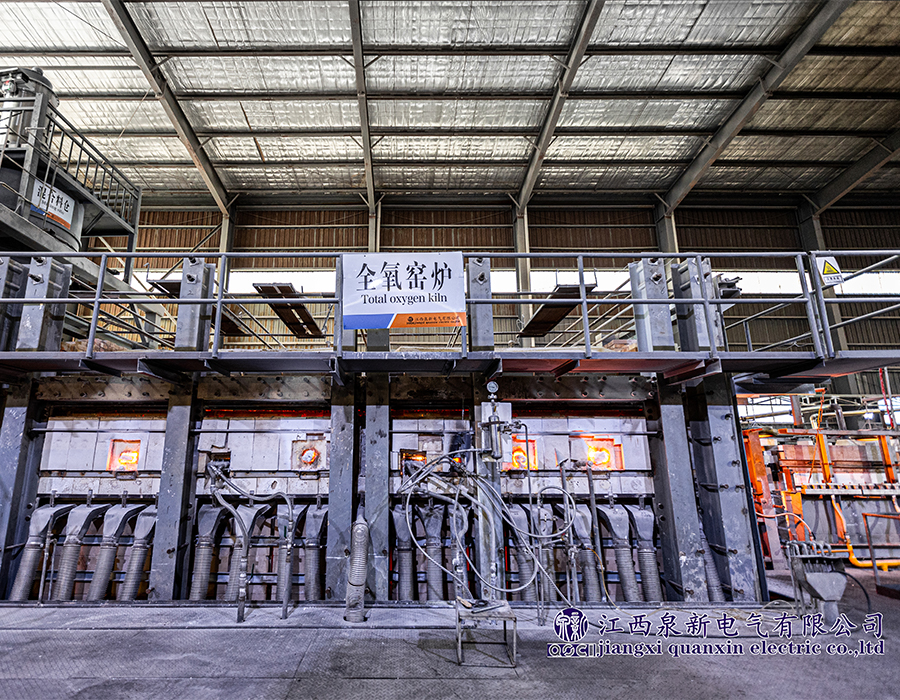
Our facility utilizes Total Oxygen Kilns and automated forming presses. This reduces human error in the glass tempering process, ensuring every U160BL unit achieves consistent mechanical strength and surface tension.
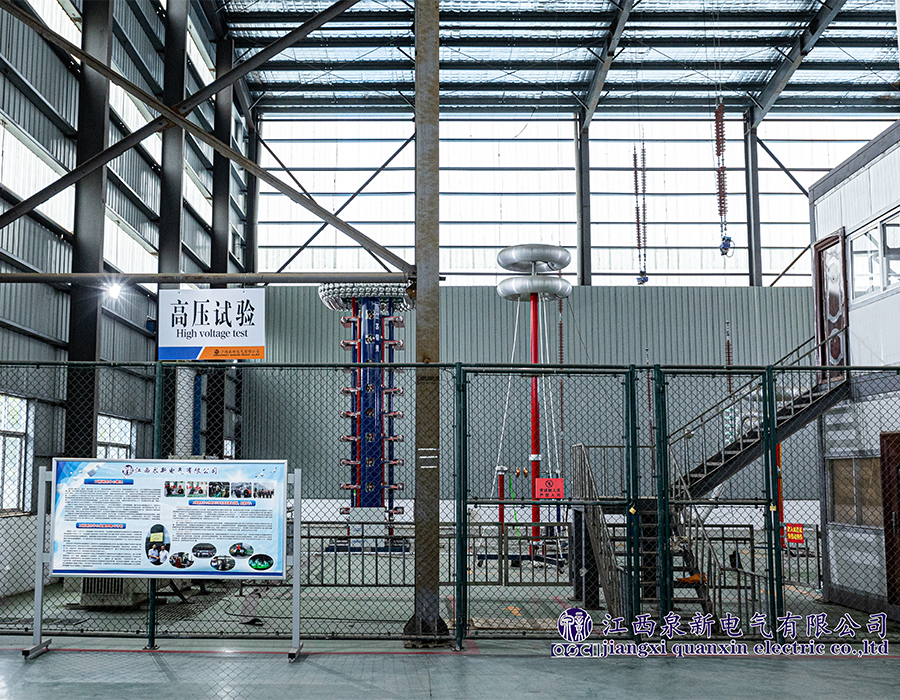
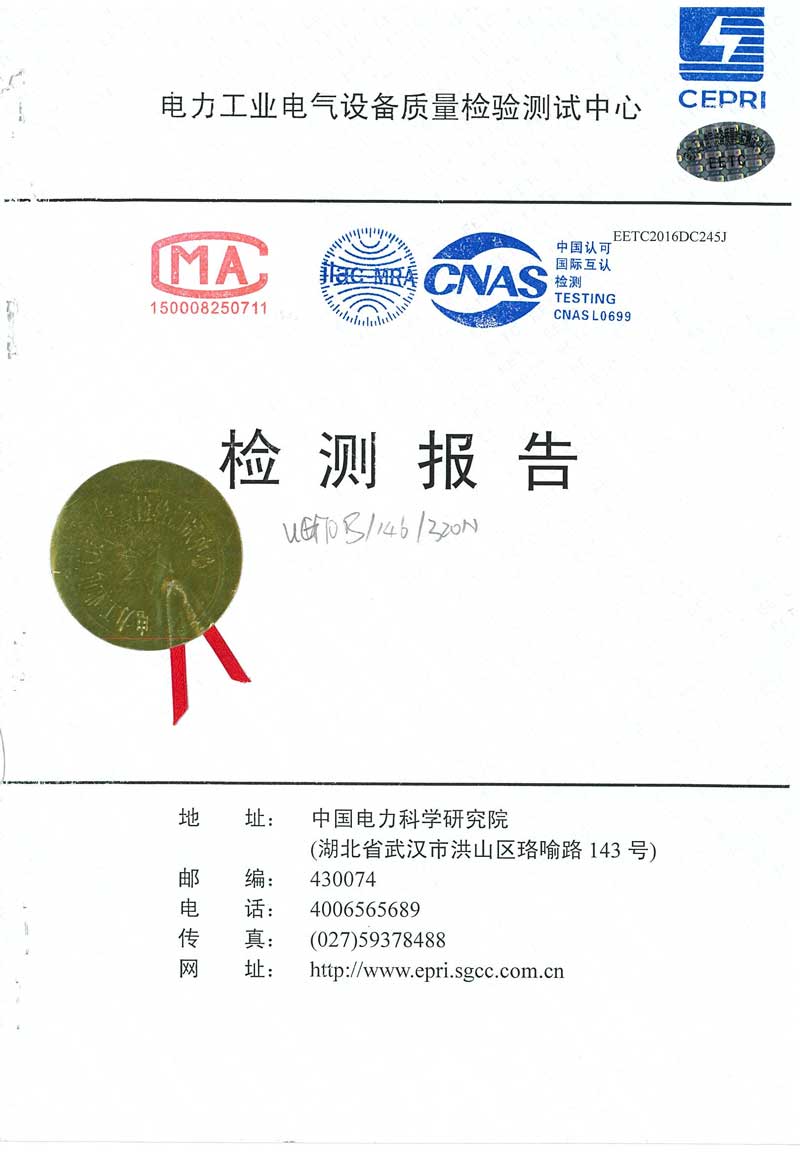
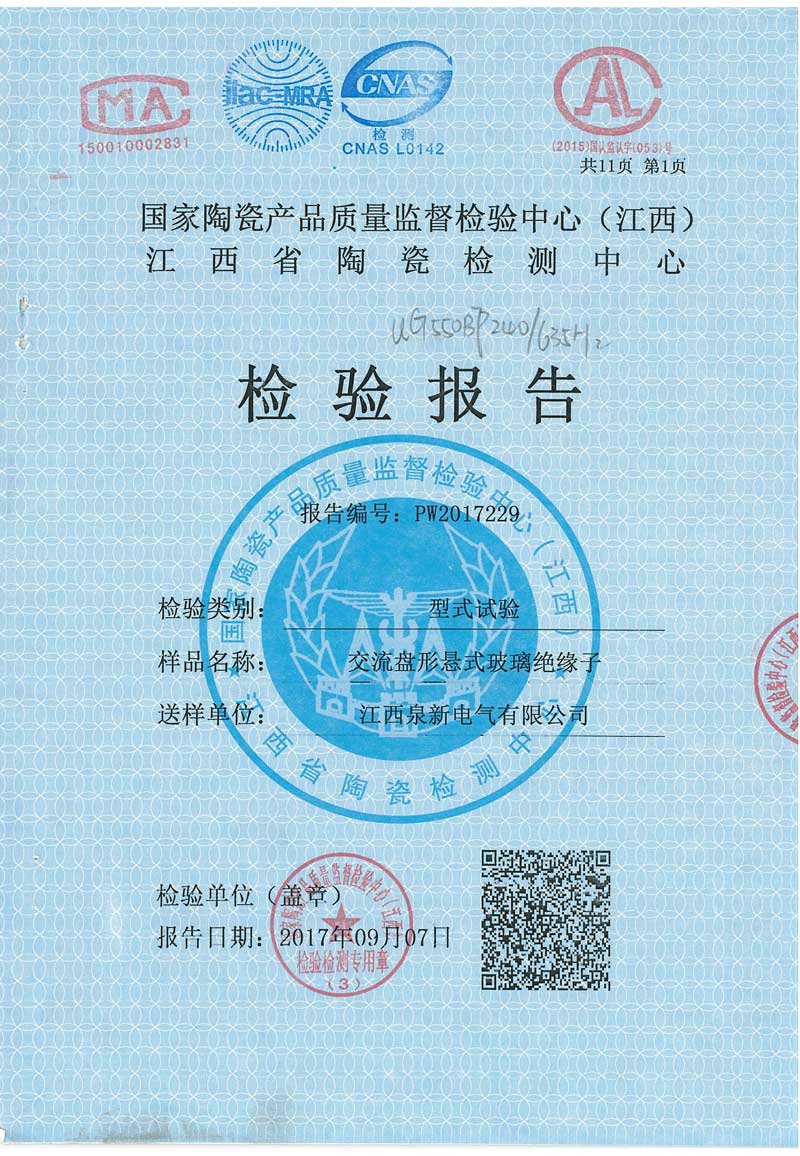
Before shipment, each insulator undergoes High Voltage Testing and steep-front impulse voltage tests. We ensure that our insulators meet or exceed the "creepage distance" requirements for polluted environments.
Chinese factories offer a unique blend of Supply Chain Resilience. By controlling the raw material processing (silica sand and soda ash) and the forging of steel caps/pins, we insulate global buyers from price volatility.
Understanding the "User Intent" for U160BL means recognizing that one size does not fit all. Different environments demand different glass profiles.
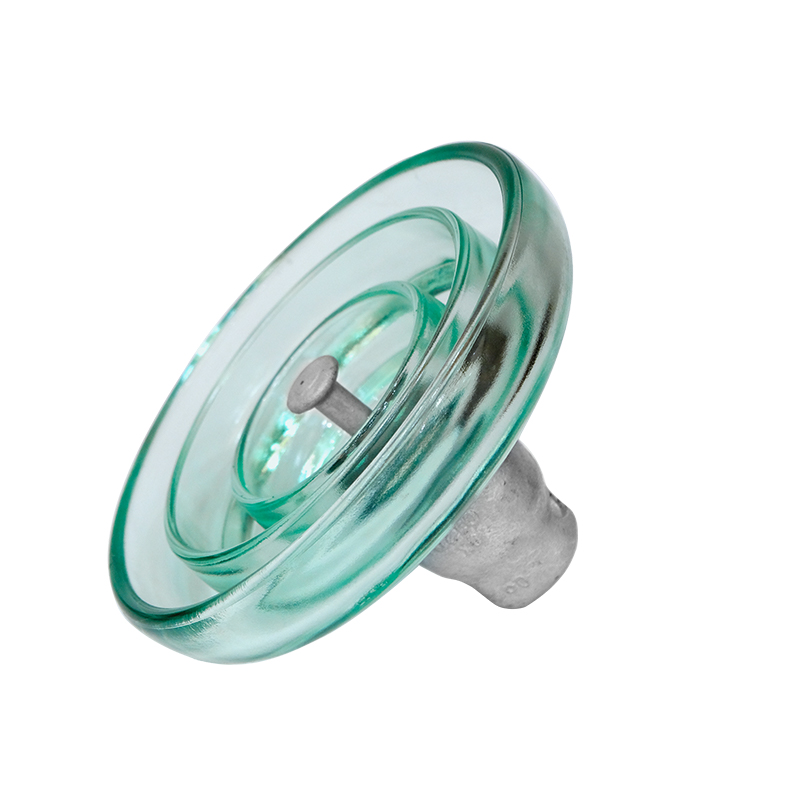
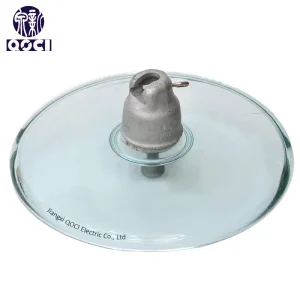
Our Anti-Pollution (Fog) Type insulators feature long, widely-spaced under-ribs. This design prevents arc bridging in coastal areas where salt deposits are common, maintaining high electrical integrity.
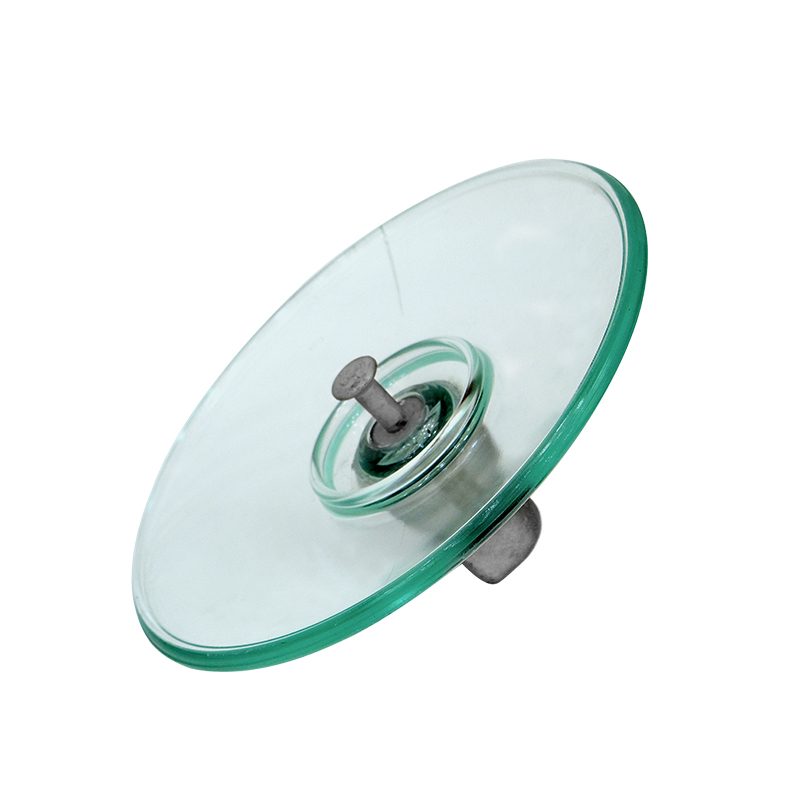
The Aerodynamic (Open) Profile is marked by an absence of under-ribs. This prevents the accumulation of sand and dust in desert regions where rain is infrequent, allowing the wind to "self-clean" the surface.
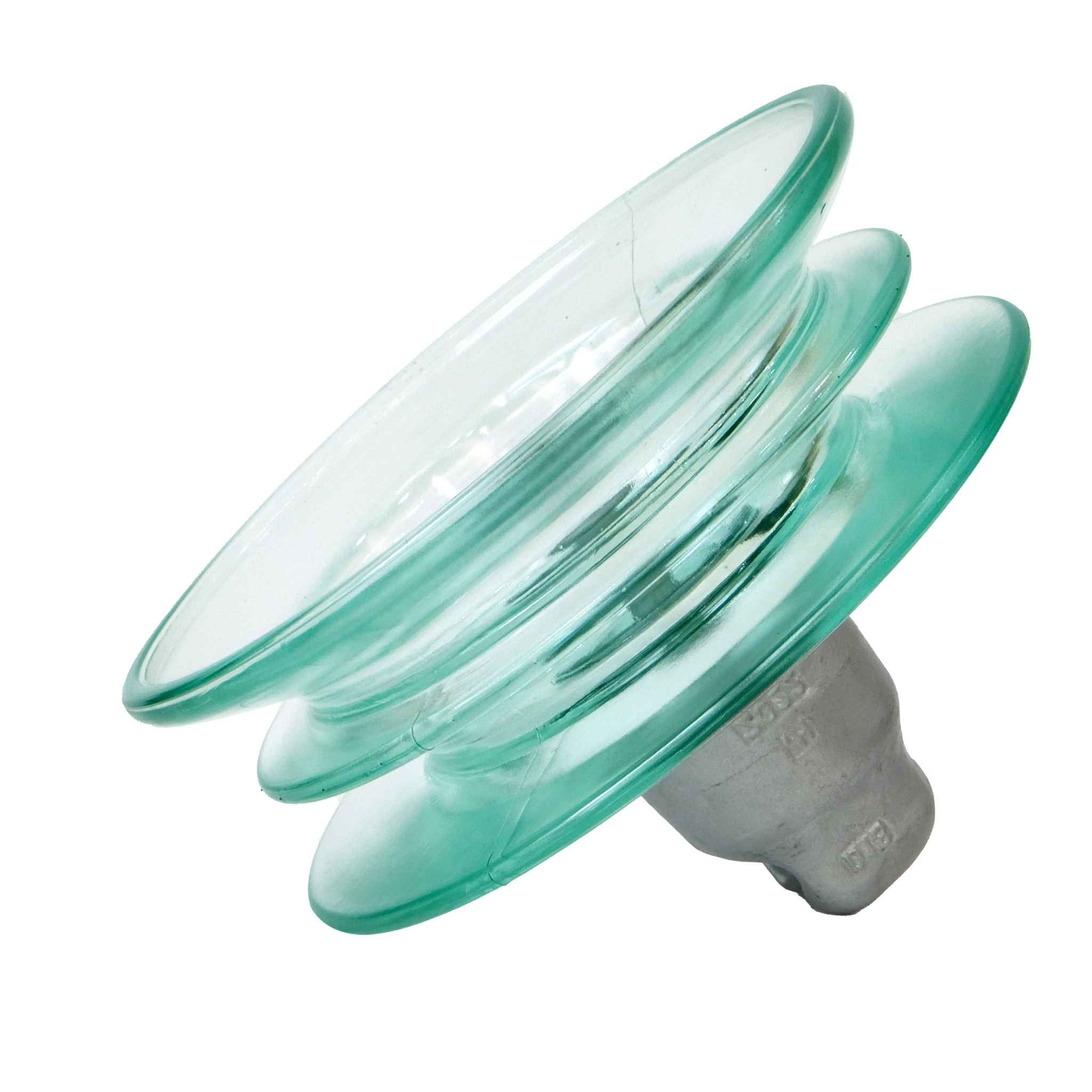
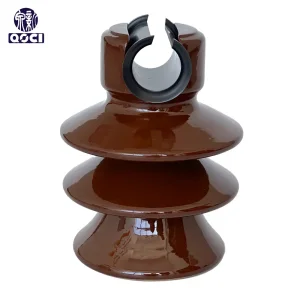
The Triple-Shed Type offers an extended creepage distance for Ultra-High Voltage lines. Its multi-layered design provides exceptional pollution flashover resistance, crucial for mountainous or high-altitude transmission.
The global demand for the U160BL glass insulator has surged by 15% annually, driven by the replacement of aging porcelain strings in North America and Europe, and new grid expansions in Southeast Asia and Africa.
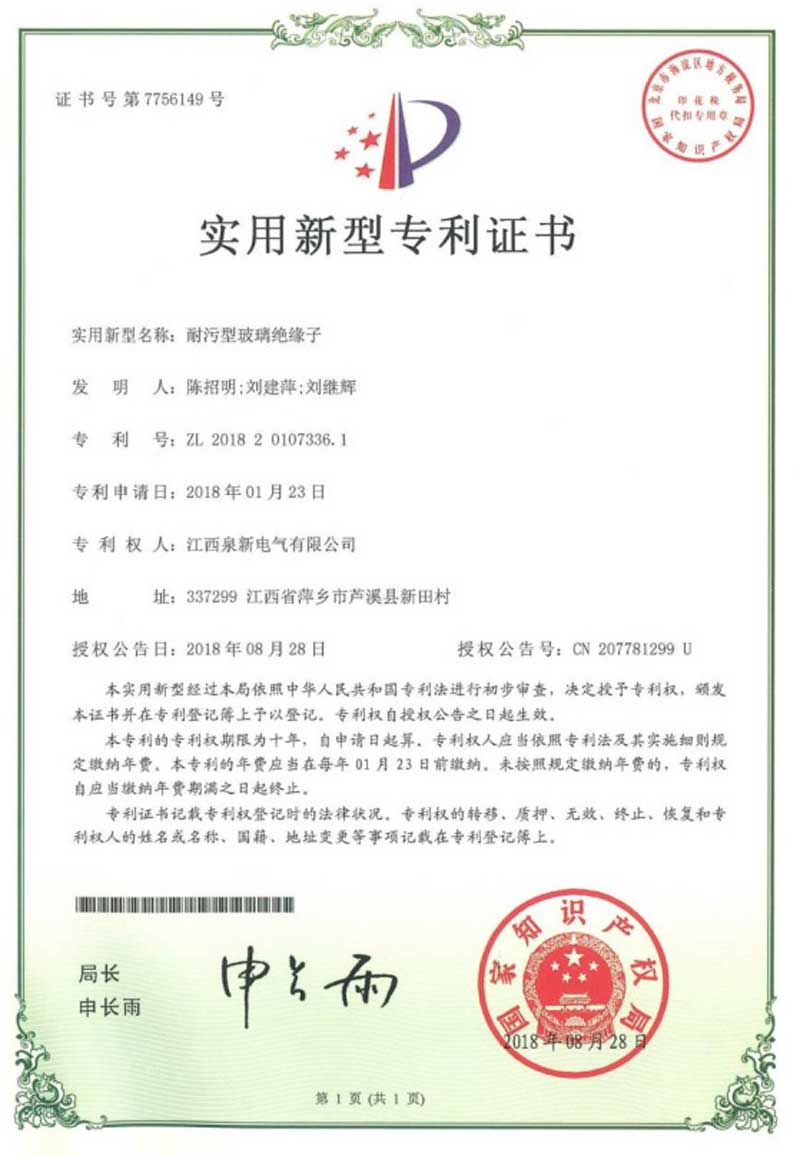
Procurement Strategy: EPC (Engineering, Procurement, and Construction) companies now require suppliers to demonstrate "Information Gain" via digital documentation, 3D modeling of insulator strings, and traceable material certifications. At QOCI, we provide comprehensive technical dossiers for every batch, fulfilling the E-E-A-T (Experience, Expertise, Authoritativeness, Trustworthiness) criteria expected by tier-1 utilities.
For areas with extreme industrial pollution, we offer RTV Silicone-coated Glass Insulators. This hybrid solution combines the mechanical reliability of toughened glass with the hydrophobic properties of silicone, eliminating the need for periodic manual washing.
1. Why choose Glass Insulator U160BL over porcelain alternatives?
U160BL tempered glass provides visual diagnostic capabilities. If an electrical or mechanical failure occurs, the glass toughened skin shatters, making the fault immediately visible from the ground without expensive diagnostic equipment.
2. What are the mechanical ratings of the U160BL?
The U160BL has a rated electromechanical failing load of 160kN. It is designed for high-tension suspension and tension strings in 110kV to 500kV AC and DC lines.
3. How does the "Anti-Pollution" profile work?
The Anti-pollution (Fog) type increases the creepage distance (leakage path) by using deep ribs under the glass shell, preventing the formation of a continuous conductive moisture film during heavy fog or rain.
4. What is the lifespan of a QOCI Glass Insulator?
Under normal operating conditions, our toughened glass insulators have a service life exceeding 40 years, with a spontaneous breakage rate of less than 0.0005 per year.
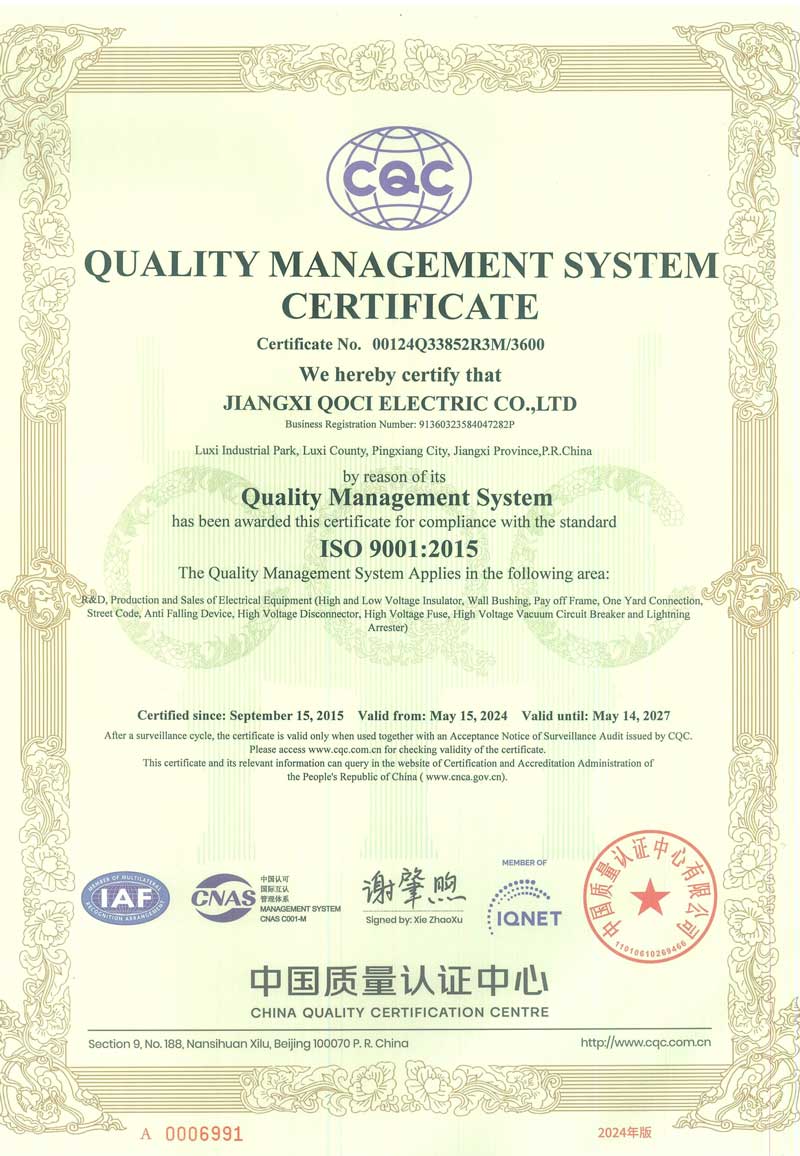
Our partners include major global energy grid operators and industrial giants. Join the construction of green energy with dedication.