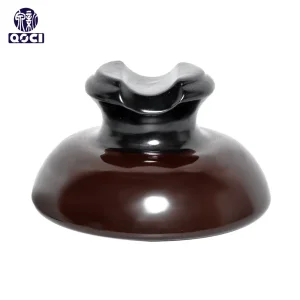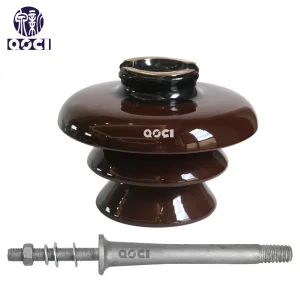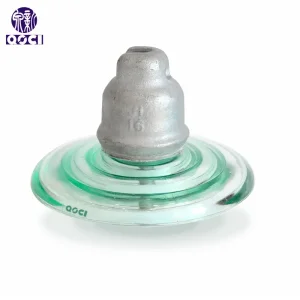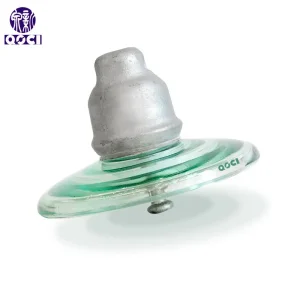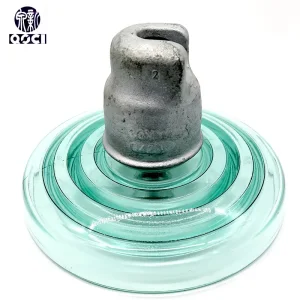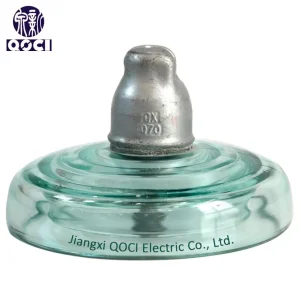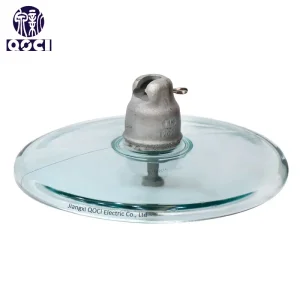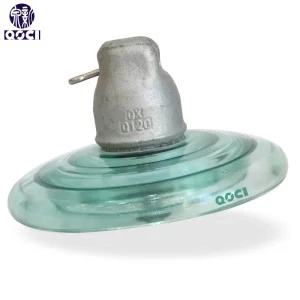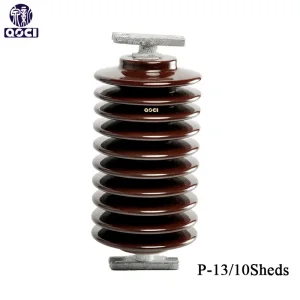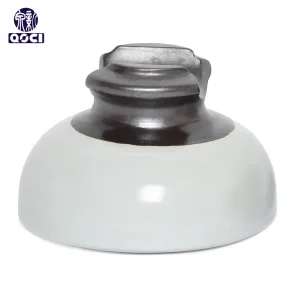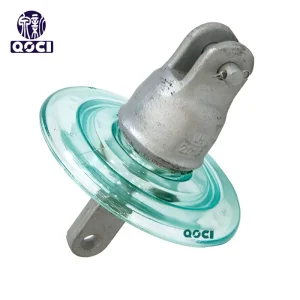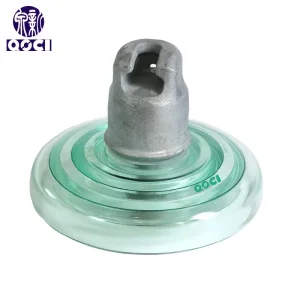
Explore our top-tier suspension isolators engineered for maximum electromechanical performance, designed in full compliance with IEC and ANSI specifications.
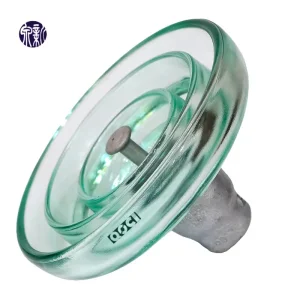
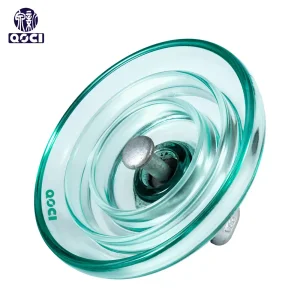
In modern extra-high voltage (EHV) and ultra-high voltage (UHV) transmission networks, insulation reliability is paramount. The Glass Isolator U160bmp stands as a critical asset in overhead transmission lines worldwide, functioning primarily as a cap-and-pin suspension disc insulator with an electromechanical failing load rating of 160kN. The "U160bmp" designation conforms strictly to standard classifications (IEC Standard), where "U" represents suspension unit configurations, "160" identifies its rated mechanical load in kilonewtons, and suffixes like "b", "m", and "p" delineate its specific profiling—particularly the anti-pollution (fog-type) profile.
Across Europe, Asia, and the Americas, power grid operators are aggressively transitioning away from conventional ceramic insulators in high-pollution and high-tension corridors. The reason is rooted in material physics: toughened glass insulators possess a unique, automated maintenance profile. Unlike porcelain, which can develop hidden internal micro-cracks leading to catastrophic puncture, a damaged glass insulator will automatically shatter into small fragments without dropping the physical line (the remaining stub retains its rated mechanical load capacity). This zero-value self-shattering characteristic enables effortless visual helicopter or drone-based inspection, minimizing maintenance costs significantly.
As wind loads, ice loads, and dynamic line vibrations increase under extreme weather regimes, typical 70kN or 120kN insulators often fail to provide sufficient safety margin. The 160kN rating of the U160bmp offers the precise mechanical safety coefficient required for dual-bundle or quad-bundle conductor assemblies, serving as the mechanical anchor of modern power grids.
| Typical Parameters of U160bmp / U160BLP Insulators | IEC standard / Technical Reference Specification |
|---|---|
| Electromechanical Failing Load | 160 kN |
| Nominal Disc Diameter (D) | 280 mm / 320 mm |
| Nominal Structural Height (H) | 146 mm / 155 mm / 170 mm |
| Standard Creepage Distance | Minimum 450 mm to 550 mm (Anti-pollution profiling) |
| Power Frequency Wet Withstand Voltage | > 45 kV |
| Lightning Impulse Withstand Voltage (Crest Value) | > 110 kV |
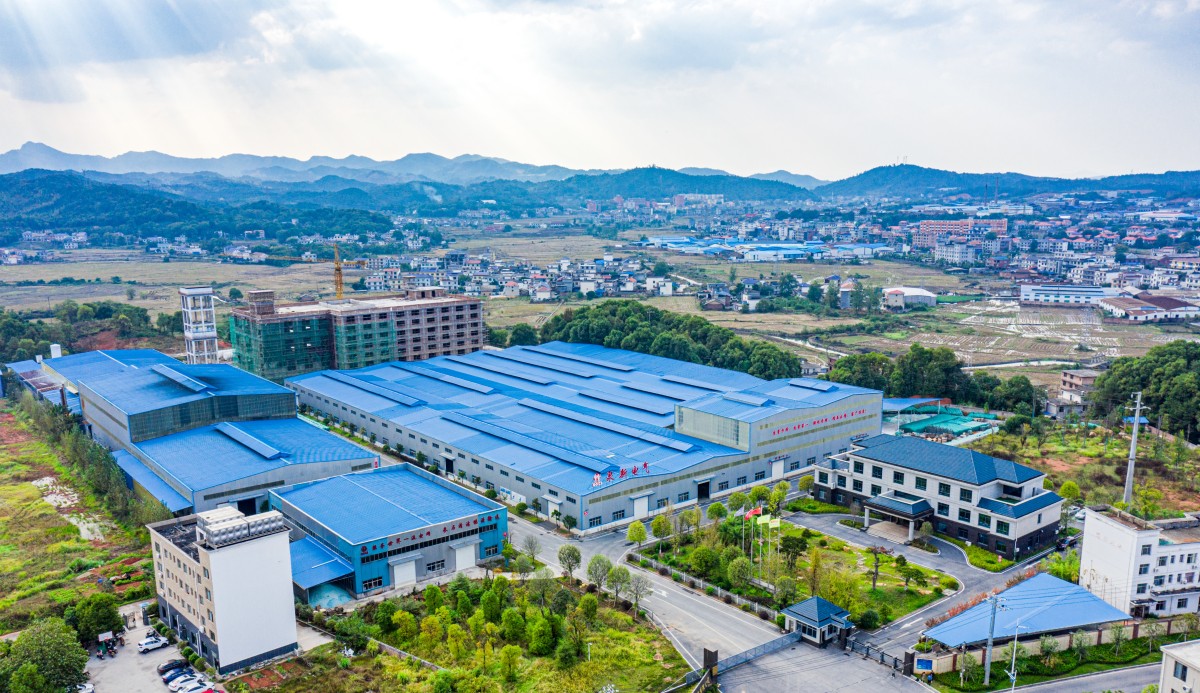
Founded in Dec. 2002 with a registered capital of 508 million Yuan, we are a leading Chinese manufacturer dedicated to serving the world-class power grid and constructing green energy infrastructure.
We design and manufacture distinct structural geometries of glass insulators to address specific environmental pollution, aerodynamic, and line design requirements.
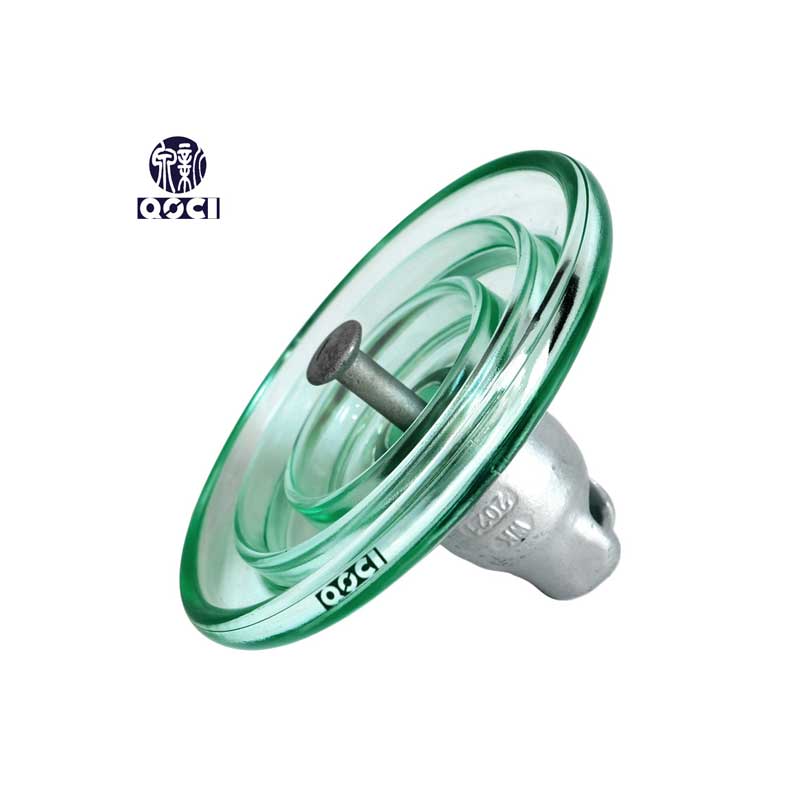
Features a leakage distance higher than specified in IEC 60305. The insulating component utilizes shallow and well-spaced small ribs, which allow effective self-cleaning by natural wind and rain. Optimal for moderate environments.
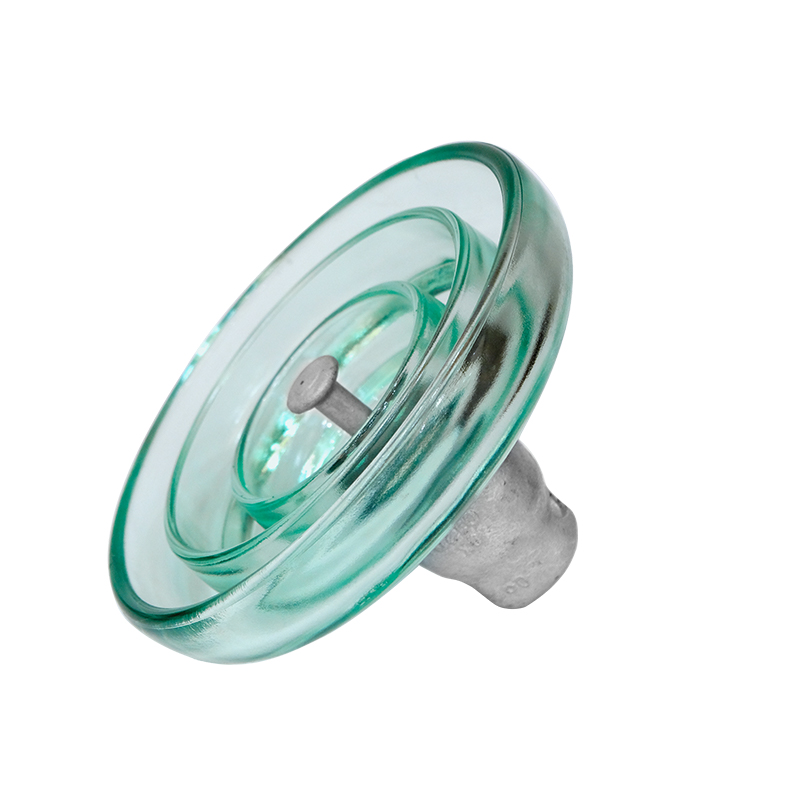
Characterized by long, widely spaced under-ribs that prevent electrical arc bridging between adjacent sheds. With a high leakage distance-to-spacing ratio (~3.2), it is exceptionally effective in salt fogs and coastal areas.
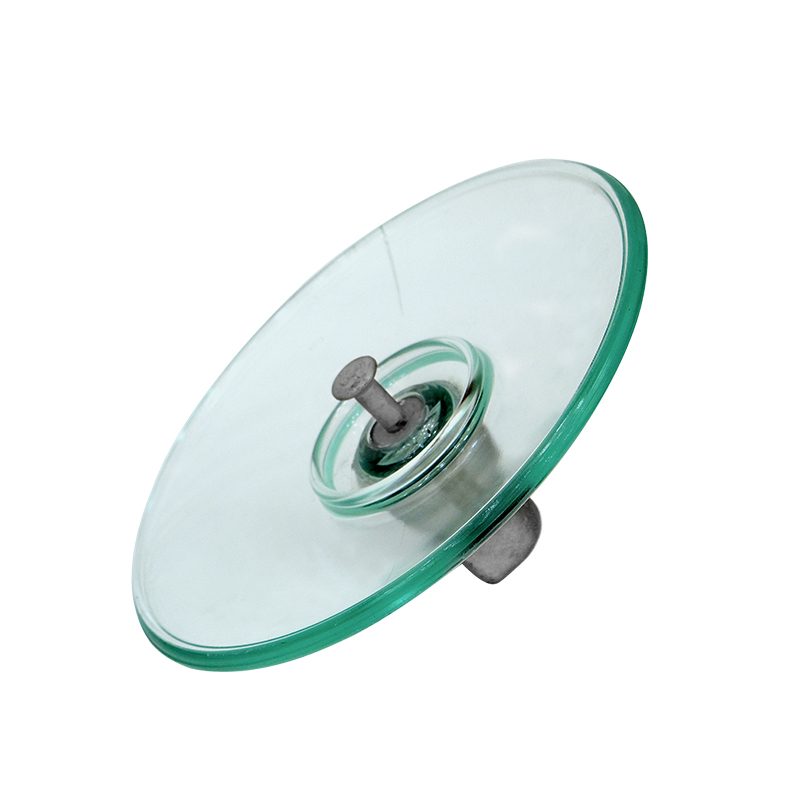
Designed with no under-ribs to avoid accumulation of solid industrial pollutants, sand, or dust on the lower surface. Ideal for desert climates, dead-end strings, and regions prone to ice-bridging.
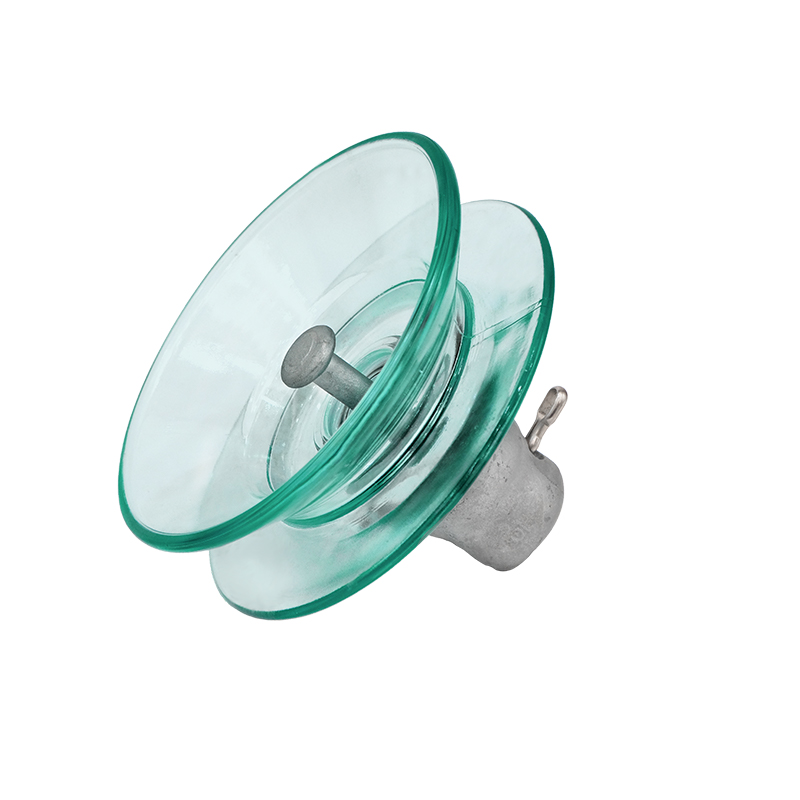
Employs two distinct external ribs to minimize deposit build-up. Its structure facilitates automated self-cleaning and makes manual washing straightforward in zones suffering from heavy chemical deposition.
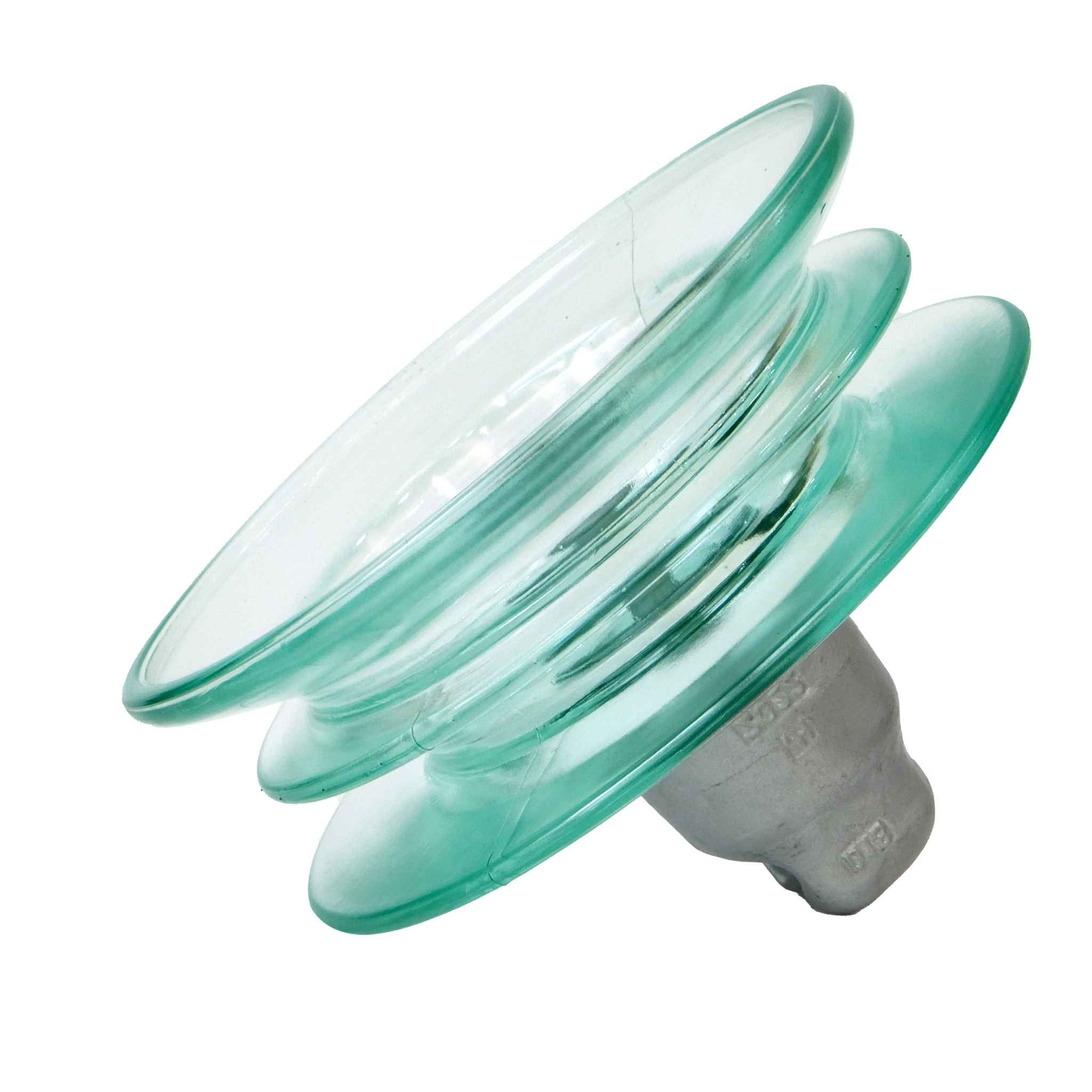
Incorporates three distinct umbrella discs separated on the main insulation unit, providing a massive creepage distance. Excellent resistance to pollution flashovers in high altitudes and coastal damp zones.
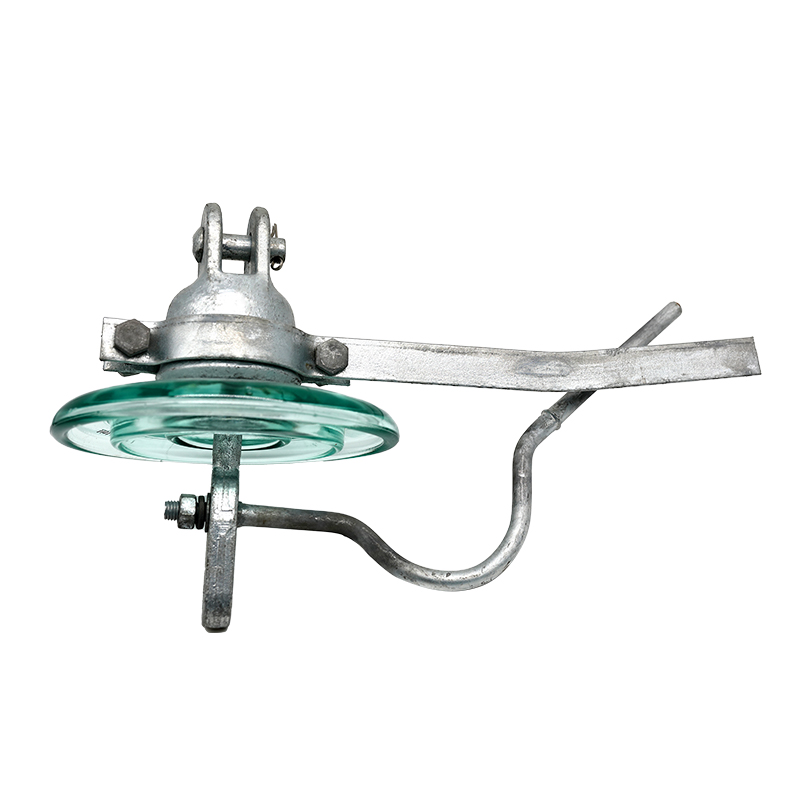
Enables grounding via specialized steel pin designs, allowing lightning and surge currents to safely shunt to earth. Features a hydrophobic smooth surface that stays free of debris.
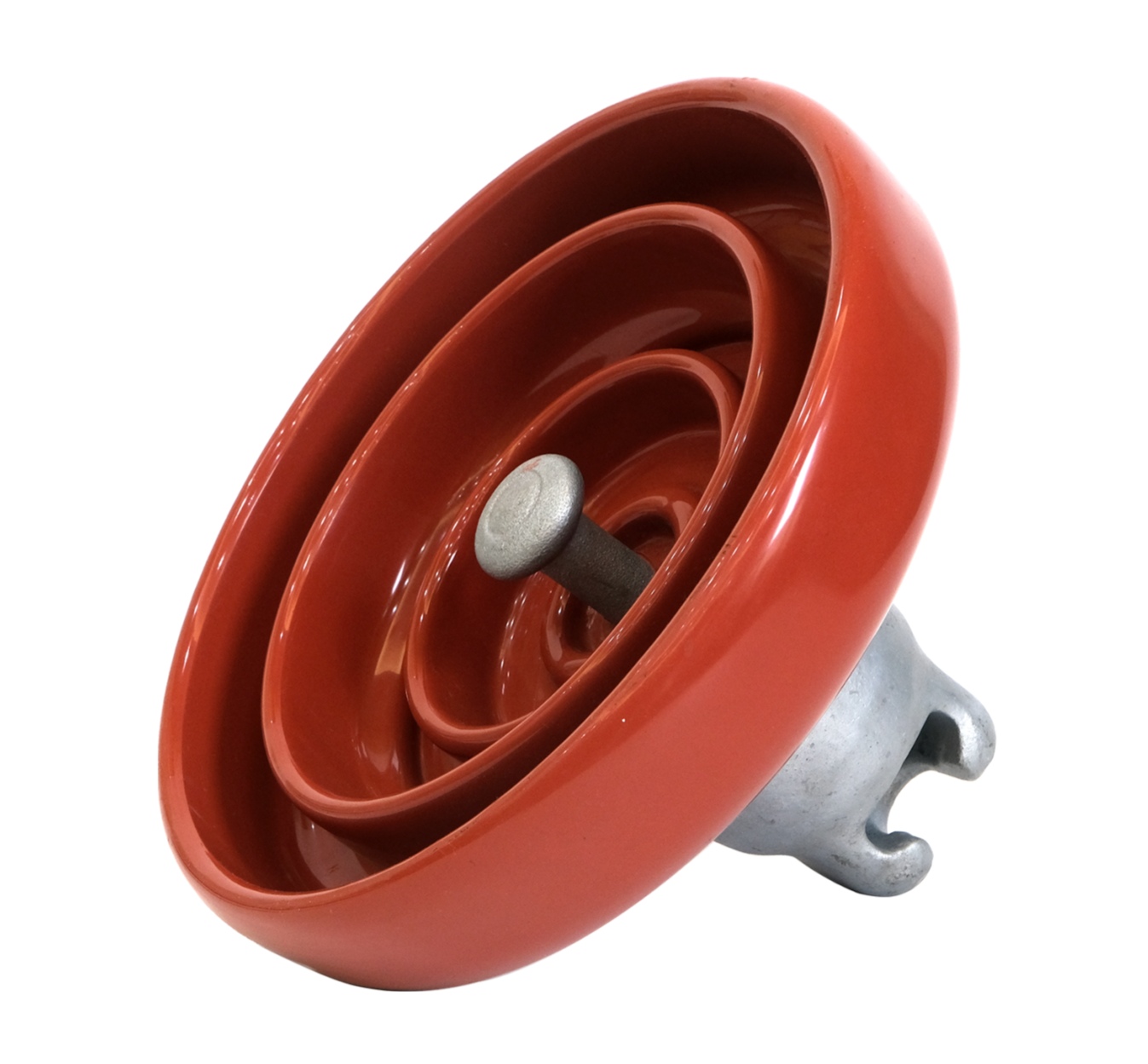
Combining the mechanical reliability of toughened glass with the excellent hydrophobic performance of polymer materials. The factory applies a uniform RTV silicone coating embedded with mineral fillers to the glass shell surface. This layer minimizes leakage currents, limits corona activity, and eradicates flashover risks under heavy industrial or saline contamination. It serves as a maintenance-free, long-term solution that eliminates regular washing schedules, thereby slashing operational expenses.
The manufacturing of U160bmp glass isolators requires strict thermal control and material homogeneity. At Jiangxi QOCI Electric, the production line utilizes state-of-the-art technological automation. Raw materials like high-purity quartz sand, soda ash, and feldspar are mixed with precise electronic batching controls, followed by melting in high-efficiency, environmentally friendly Total Oxygen Kilns. This ensures a bubble-free glass melt, which is fundamental to achieving high dielectric strength.
The forming process involves hydraulic automated presses that shape the glass shells under precise temperature ranges. Crucially, the subsequent thermal toughening process generates deliberate compressive stresses on the surface of the glass shell, while the interior remains under tensile stress. This tempering process is what gives the glass its high mechanical strength (160kN) and its legendary self-shattering properties upon electrical or physical failure.
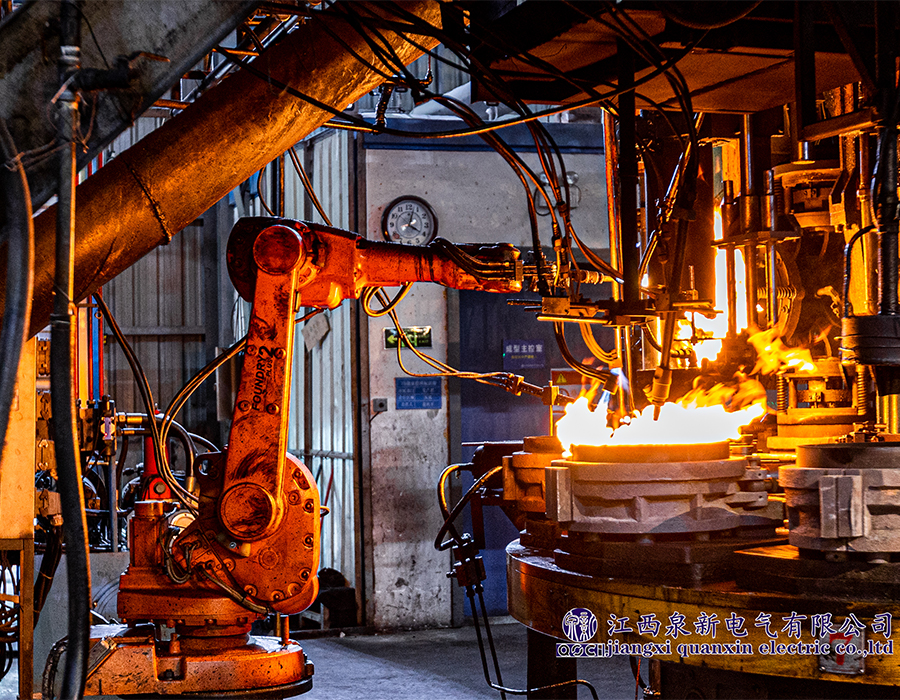
Forming Press Unit
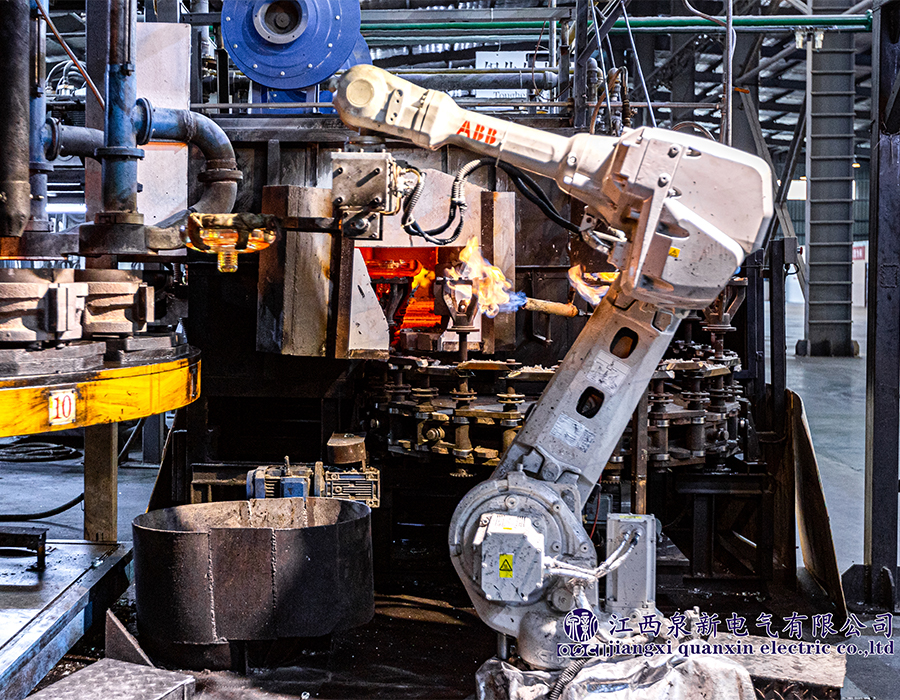
Precision Press Controls
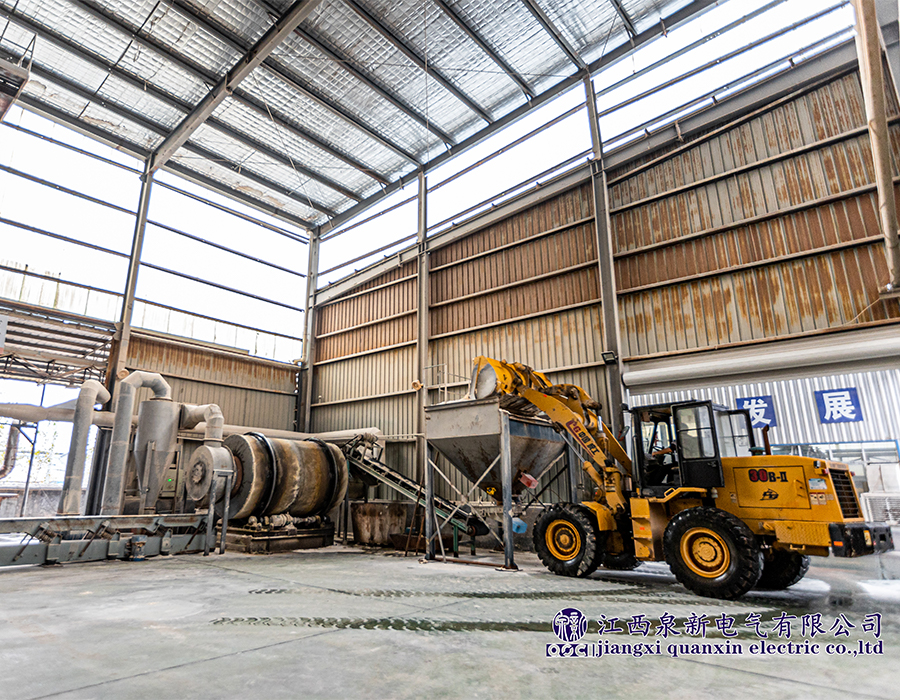
Raw Material Mixer
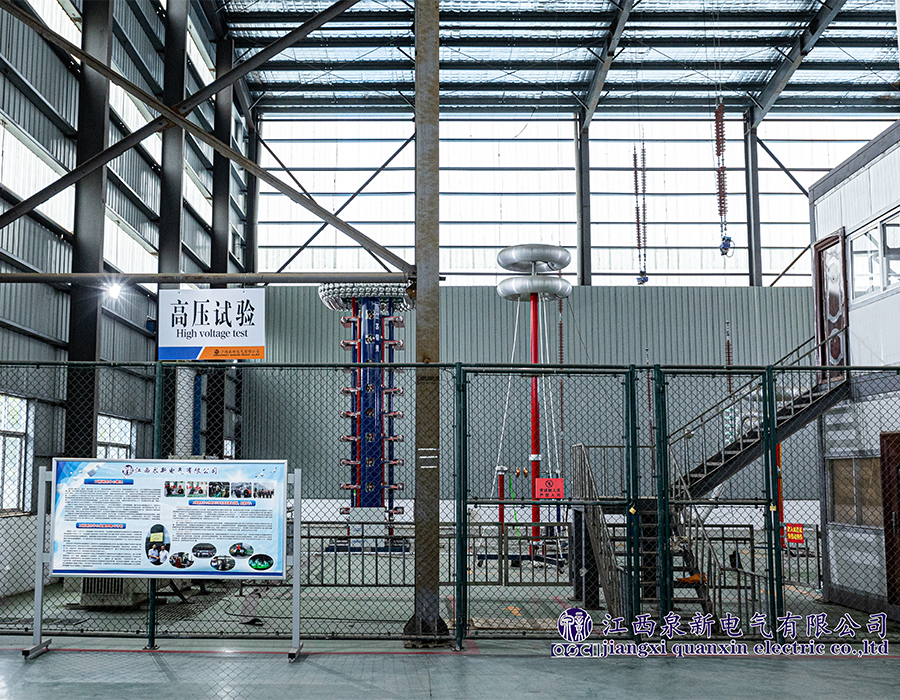
High Voltage Test Lab
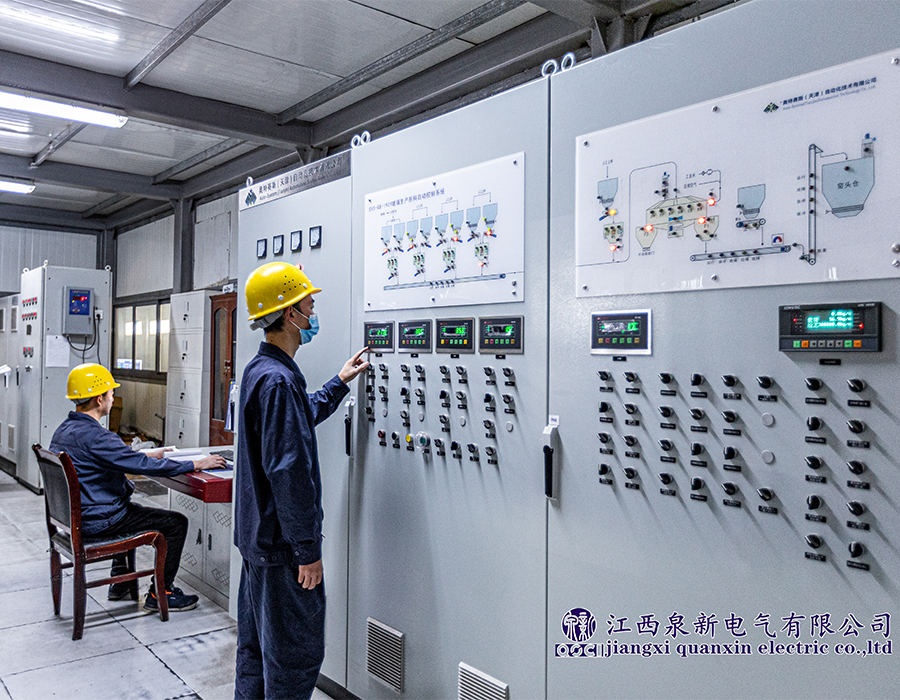
Material Quality Inspection
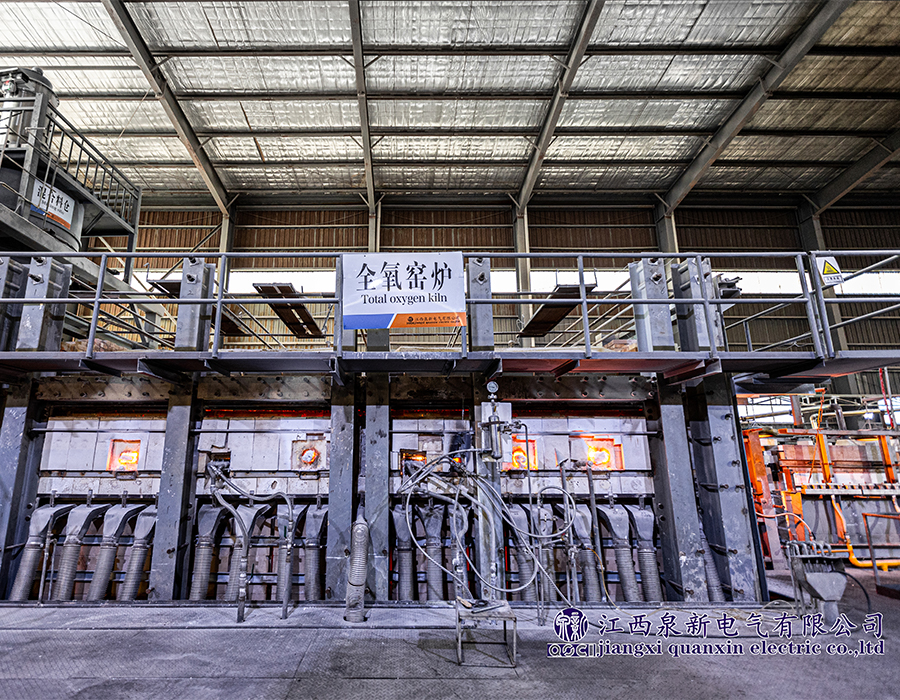
Total Oxygen Kiln
Every single batch of U160bmp glass isolators undergoes a strict testing regime to ensure structural and electrical integrity. This includes a 100% routine thermal shock test (shuttling units rapidly between water baths at extreme temperature differences of up to 100°C), a routine mechanical test where tension is applied to 50% of the rated failing load, and electrical puncture withstand tests. Our on-site high-voltage laboratory is capable of testing power frequency wet flashover, dry flashover, and impulse voltages, guaranteeing that every disc that leaves the factory is ready to endure over 40 years of service on EHV and UHV lines.
Power grids are exposed to diverse, localized environmental stresses. The U160bmp suspension disc is engineered for high versatility, solving specific grid vulnerabilities across the following localized contexts:
High performance in high-altitude environments where thin air reduces dielectric insulation properties. Our multi-shed profiles minimize the risk of corona discharge and air gap flashover under lowered atmospheric pressures.
Ideally suited for AC and DC transmission systems spanning 110kV to 500kV. Used in tension strings near substation dead-ends and heavy suspension strings in rugged mountainous terrain.
Providing mechanical load anchors (160kN) under extreme ice accumulation and gale-force wind loading. Our glass composition guarantees zero aging under ultraviolet light exposure and electrical stressing.
Optimized for heavy chemical corridors, petrochemical complexes, and high-salinity marine coasts, where typical composite or basic porcelain units degrade or experience tracking index failures.
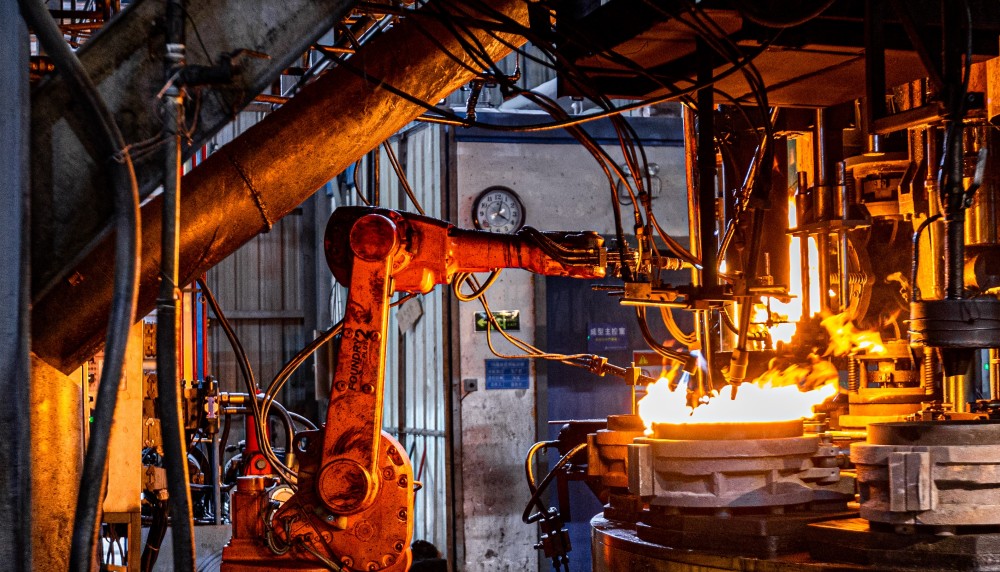
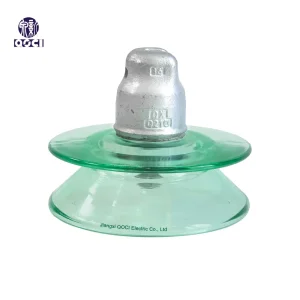
Industrial-grade solutions for grid substations and high-tension overhead distribution networks. Complete with robust metal caps and pin fittings.
For international power transmission companies, EPC contractors, and state-owned grid departments, selecting the right U160bmp supplier is a multi-dimensional decision process. Procurement teams evaluate technical qualifications alongside supply chain consistency and mechanical reliability:
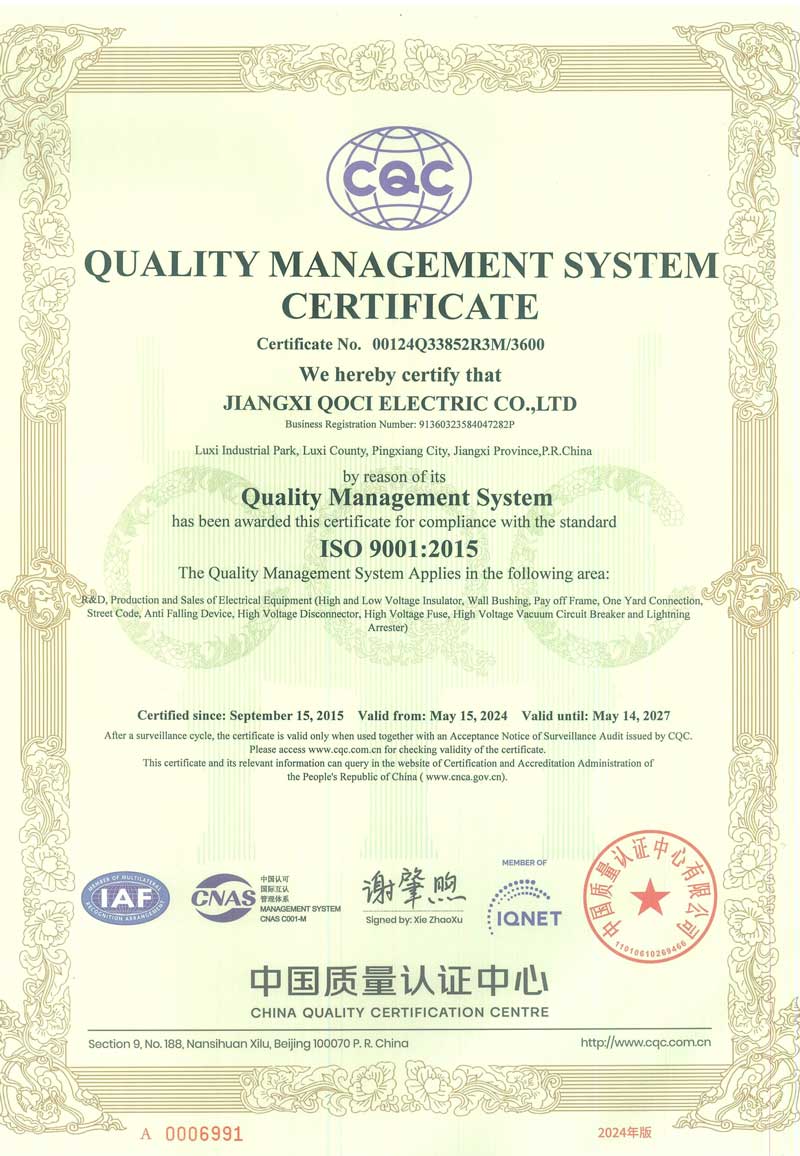
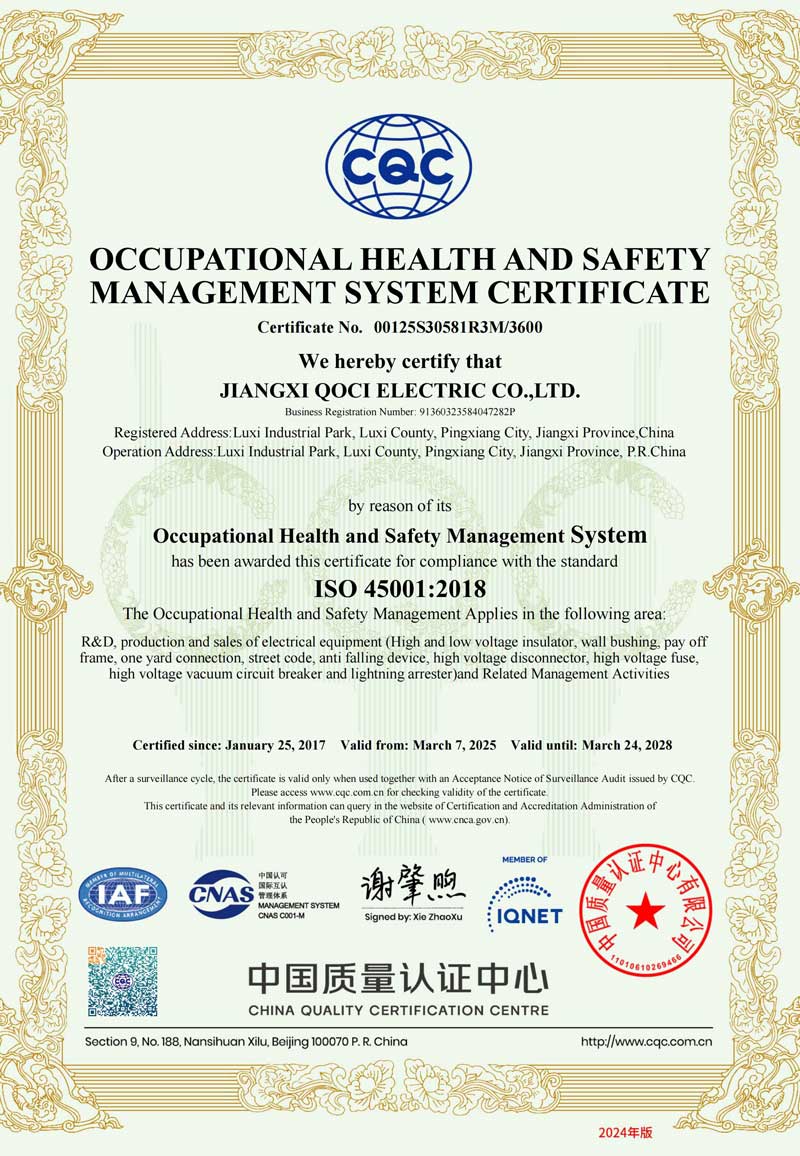
Our factory operates under ISO 9001, ISO 14001, and OHSAS 18001 standards, ensuring consistently high quality across all product lines.
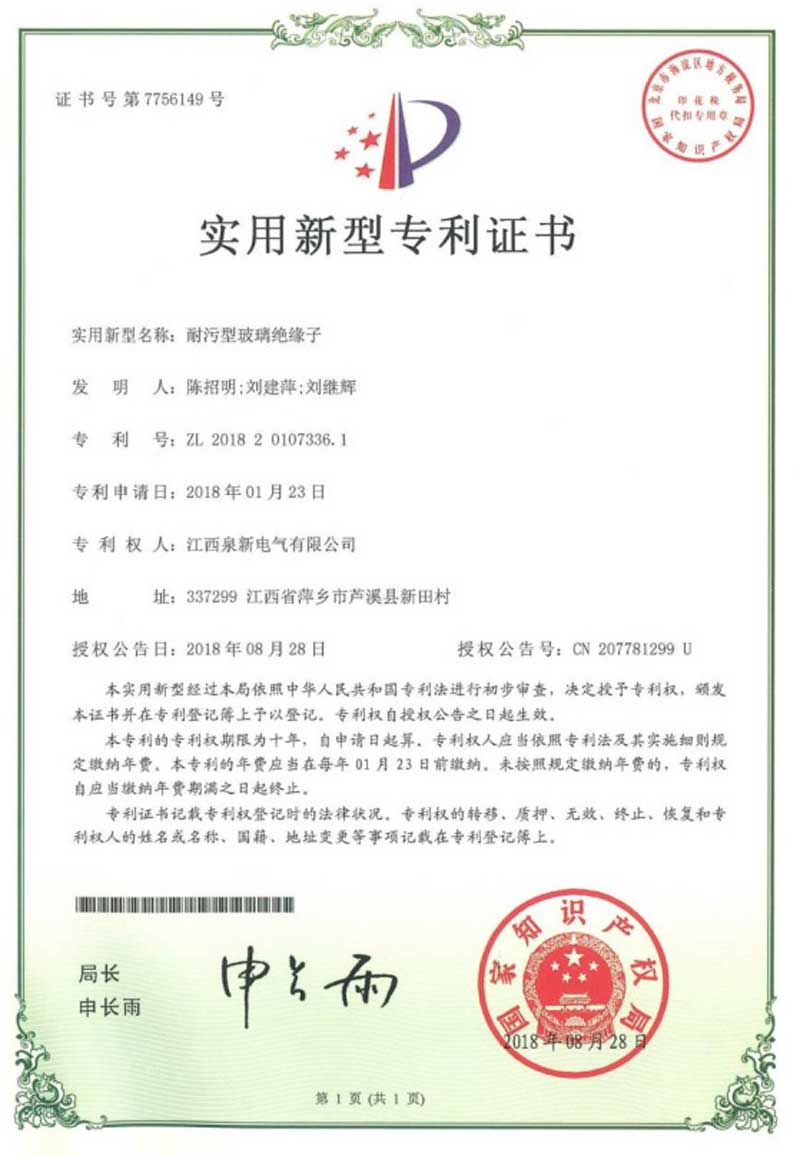
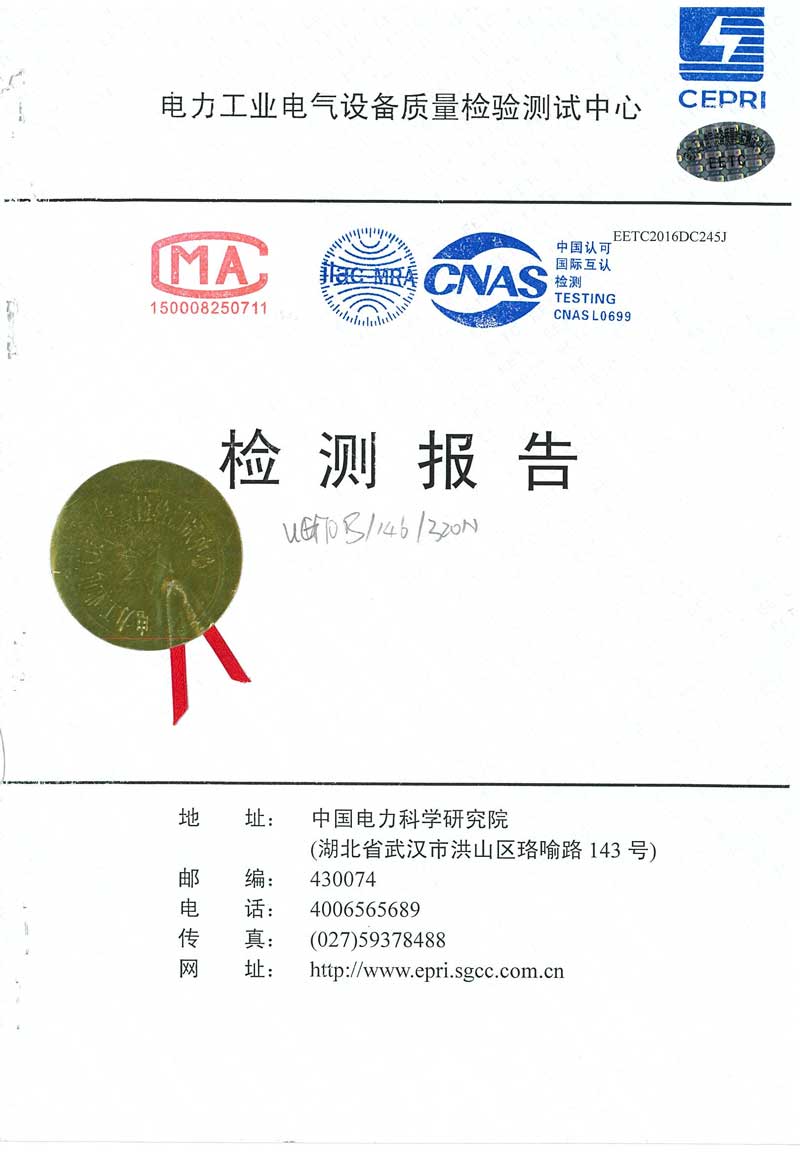
We work closely with global energy ministries, concrete formwork suppliers, and heavy power grid equipment companies to deploy resilient infrastructures.

Stay up to date with QOCI Electric's global exhibition schedule, product developments, and deep technical white papers.
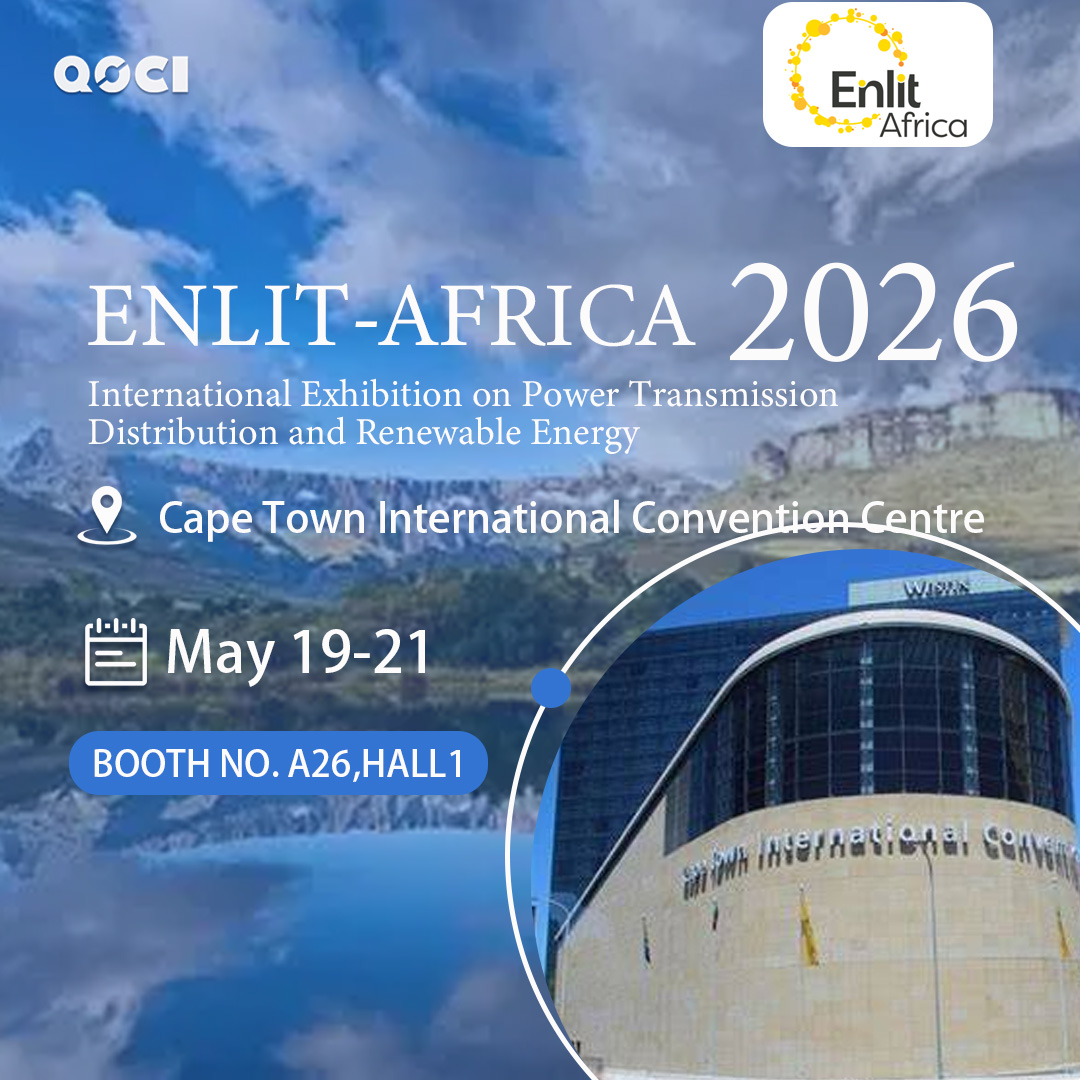
As the global energy transition accelerates, the importance of electricity, renewable energy, and grid energy storage technologies is becoming increasingly critical. QOCI introduces high-tensile glass disc suspension isolator designs to address local power distribution challenges in Africa.
Having withstood extreme environmental conditions including icing, high altitude, pollution, earthquakes and typhoons, China's insulator industry is setting global standards.
Meet our engineers and design directors at the premier transmission and distribution event in Anaheim, showcasing our latest 160kN and 420kN toughened glass isolators.
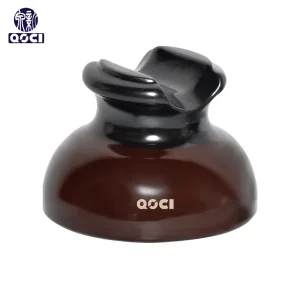
QOCI Electric officially confirmed today that we will present high-voltage ceramic pin and glass disc suspension insulators tailored for the Middle East electricity rehabilitation projects.
Detailed technical answers to help utility engineers, procurement managers, and transmission designers optimize line insulation performance.
Under international standards (such as IEC 60305), "U" stands for a Suspension Cap and Pin Type Insulator unit. "160" refers to the rated electromechanical failing load of 160 Kilonewtons. Suffixes identify the profile: "b" for standard ball & socket coupling dimensions, "m" specifies the spacing/height modifications, and "p" designates an anti-pollution (or fog) profile featuring extensive under-ribs to maximize creepage distance.
Toughened glass provides superior mechanical longevity, maintaining its tensile rating for over 40 years without structural degradation. In contrast to composite/silicone units which suffer from UV degradation, mold growth, and mechanical shear vulnerability, glass is highly resilient. Unlike porcelain, damaged glass units shatter instantly (creating a visible zero-value shell), which simplifies aerial inspection and prevents dangerous internal punctures.
The anti-pollution profile of the U160bmp features deeper, widely-spaced under-ribs. This structure prevents salt mist or industrial dust from forming a continuous conductive path. The geometry ensures natural rain can wash away accumulated dry pollution, minimizing leakage currents, avoiding dry band arcing, and reducing the risk of pollution flashovers.
Every glass shell undergoes automatic thermal toughening and thermal shock testing (plunging from 100°C to cold water). Post-assembly, units are subjected to routine mechanical tensile tests (applying 80kN tension for at least 60 seconds) and routine electrical tests (high-frequency spark voltage tests) to ensure zero dielectric defects.
Yes. We offer factory-applied Room Temperature Vulcanizing (RTV) silicone coatings on the glass shells. This combines the robust mechanical strength and visual fault-finding ease of toughened glass with the excellent hydrophobicity of composite materials, eliminating the need for periodic manual insulator washing.
All caps are made of hot-dip galvanized ductile cast iron, and pins are forged structural steel. To protect the pin from localized galvanic corrosion in marine and heavy industrial zones, we offer an optional zinc sleeve welded to the pin shank, which acts as a sacrificial anode.