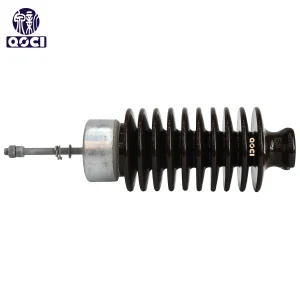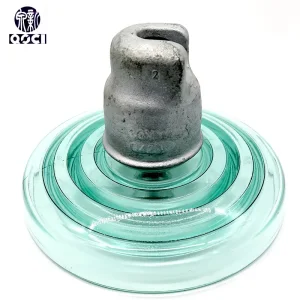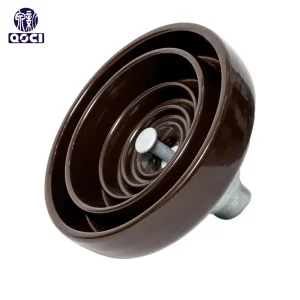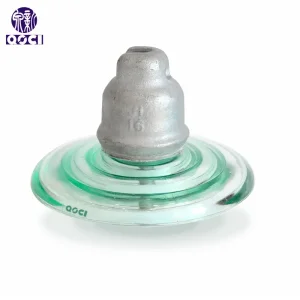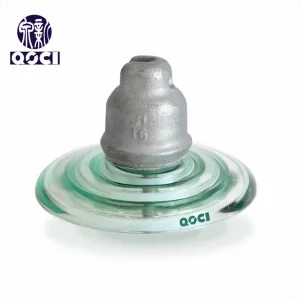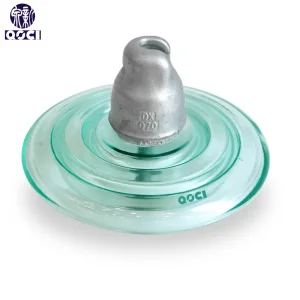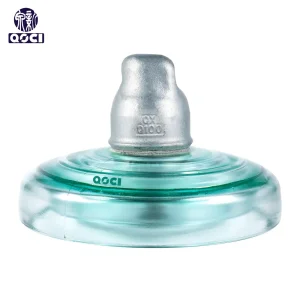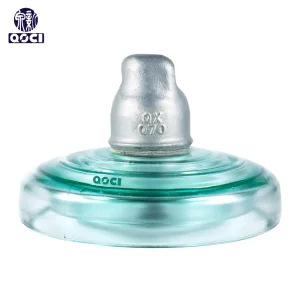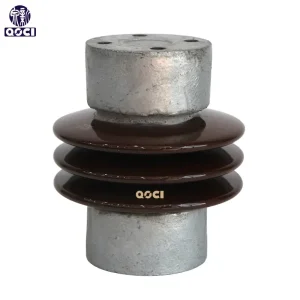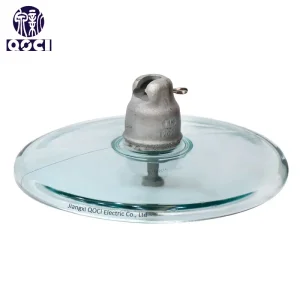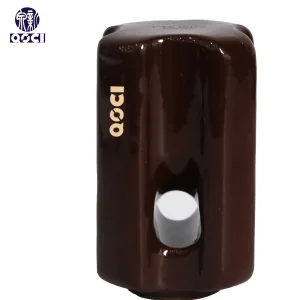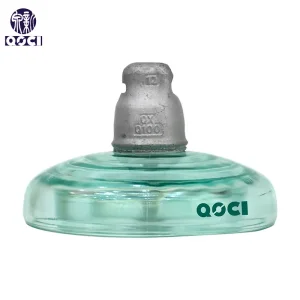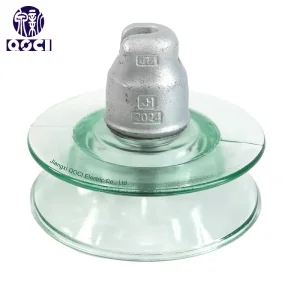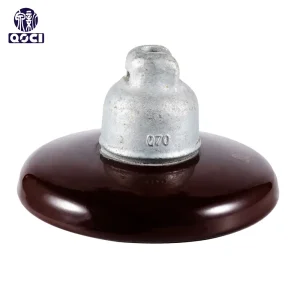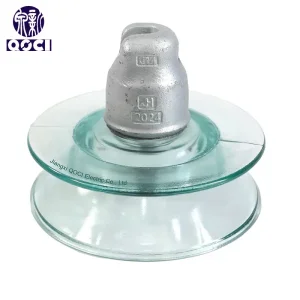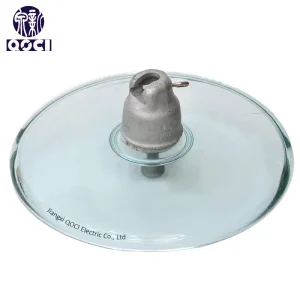
In the evolving architecture of global power grids, Ground-Wires Glass Insulators serve as a critical nexus between mechanical structural integrity and electrical safety. Unlike standard phase-conductors, ground wire insulators (shield wire insulators) are specifically designed for the earthing lines of transmission towers, facilitating lightning protection and communication through optical fibers (OPGW). In the context of Semantic Search, the industry is shifting from "component-based" sourcing to "intent-based" resilient infrastructure planning.
Ground-wires glass insulators ensure that lightning strikes are safely diverted to the earth, protecting expensive transformer assets and preventing line outages. As global climates become more volatile, the demand for high-strength, toughened glass solutions has surged by 14% annually in the European and Southeast Asian markets.
China's manufacturing sector has achieved a 30% higher throughput efficiency compared to traditional Western hubs, thanks to integrated supply chains for raw silicate and advanced oxygen kiln technologies.
Integration of RTV (Room Temperature Vulcanization) coatings and OPGW-compatible fittings are transforming glass insulators into smart grid nodes.
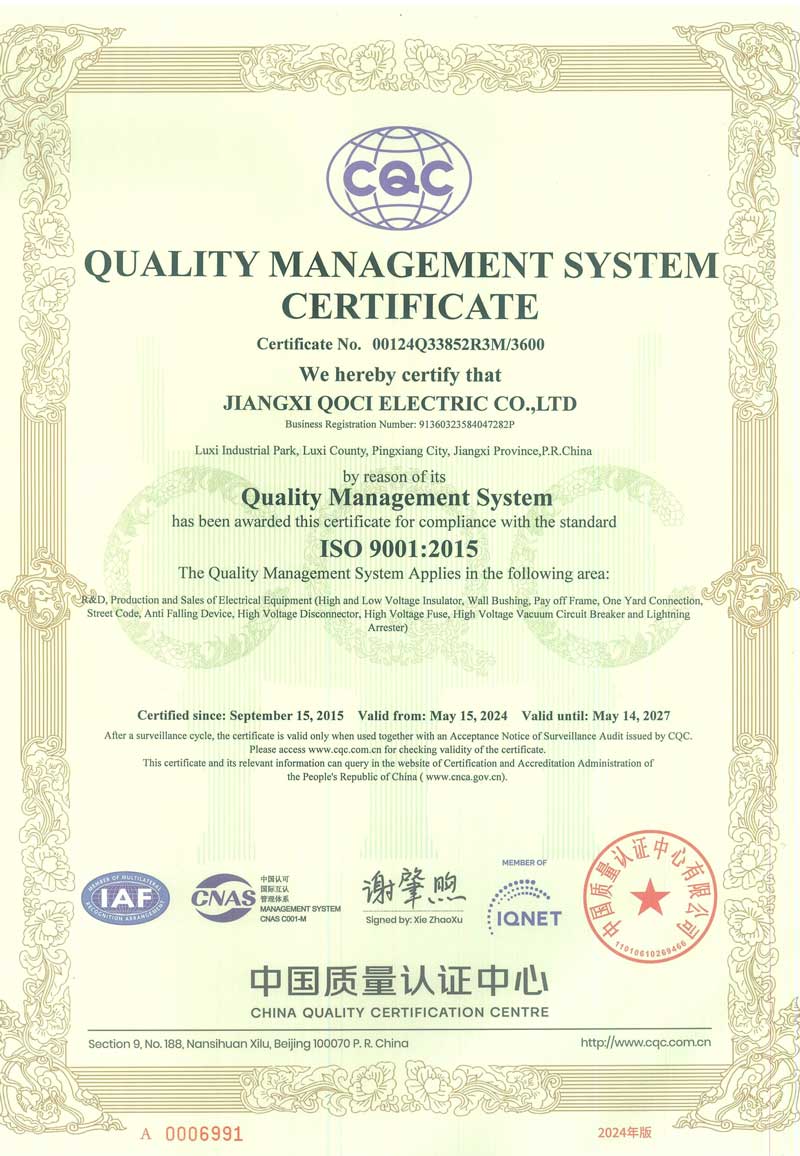
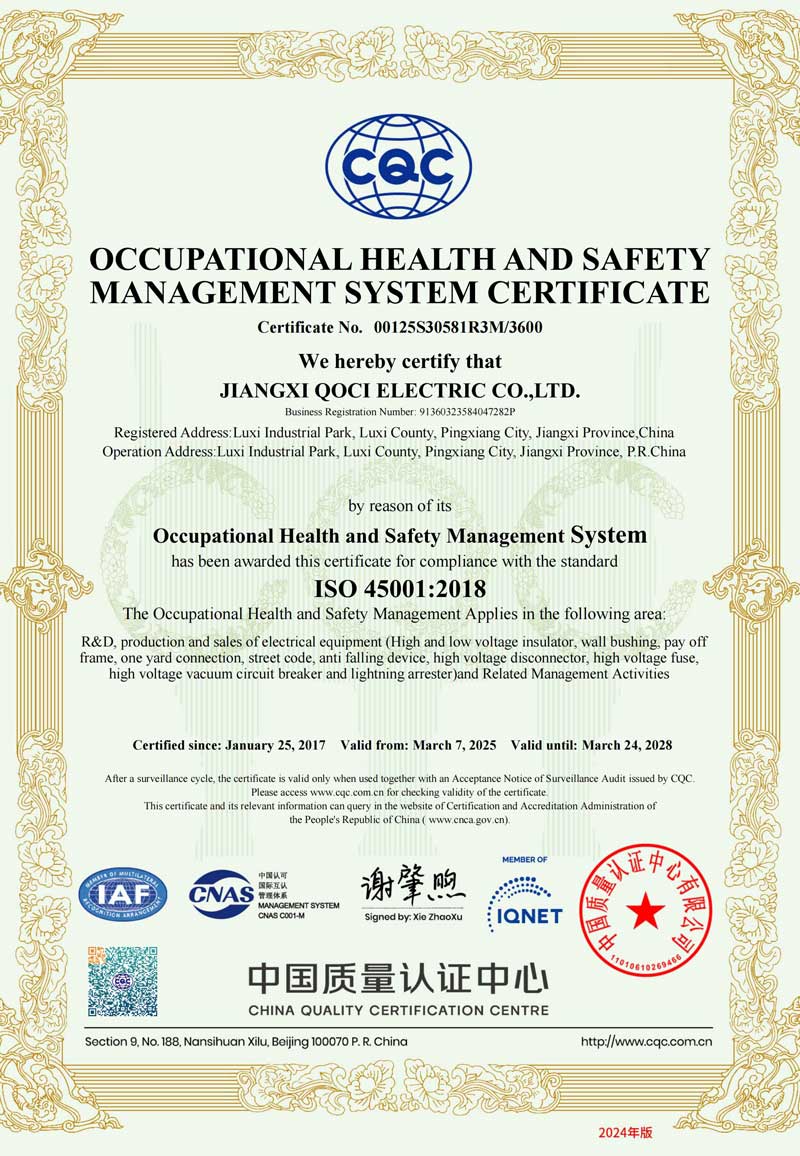
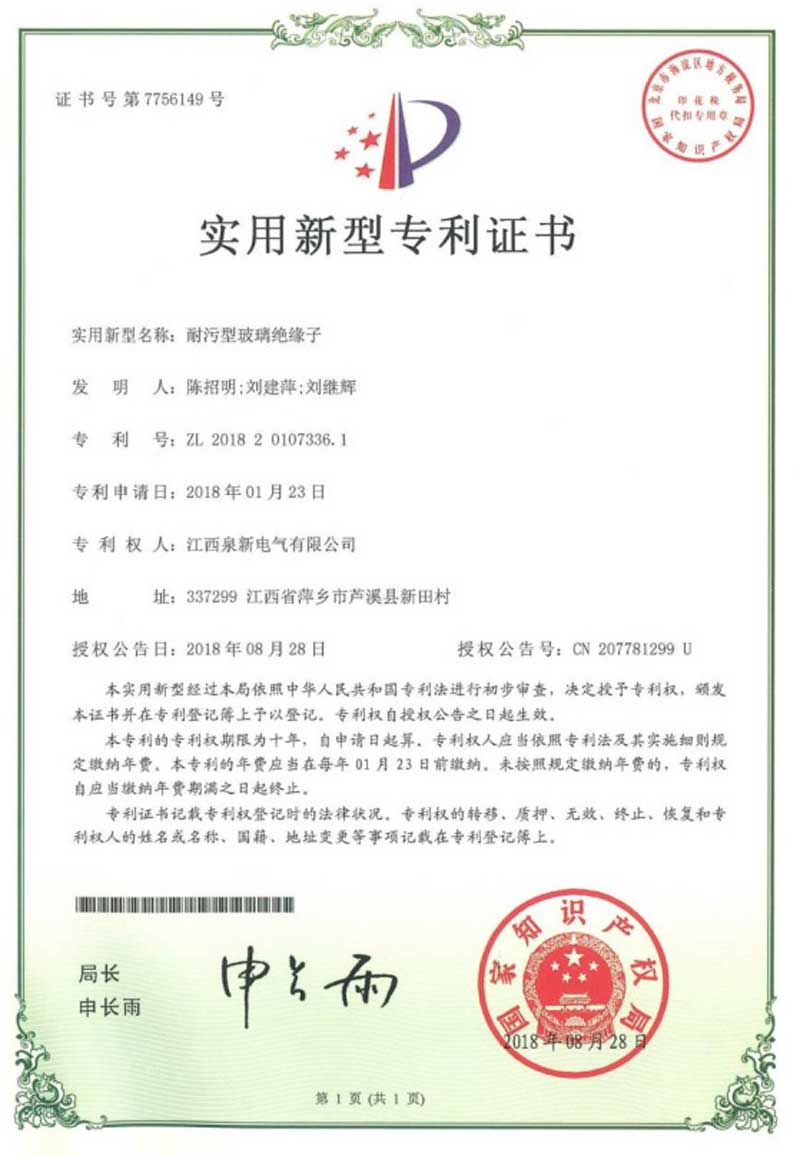
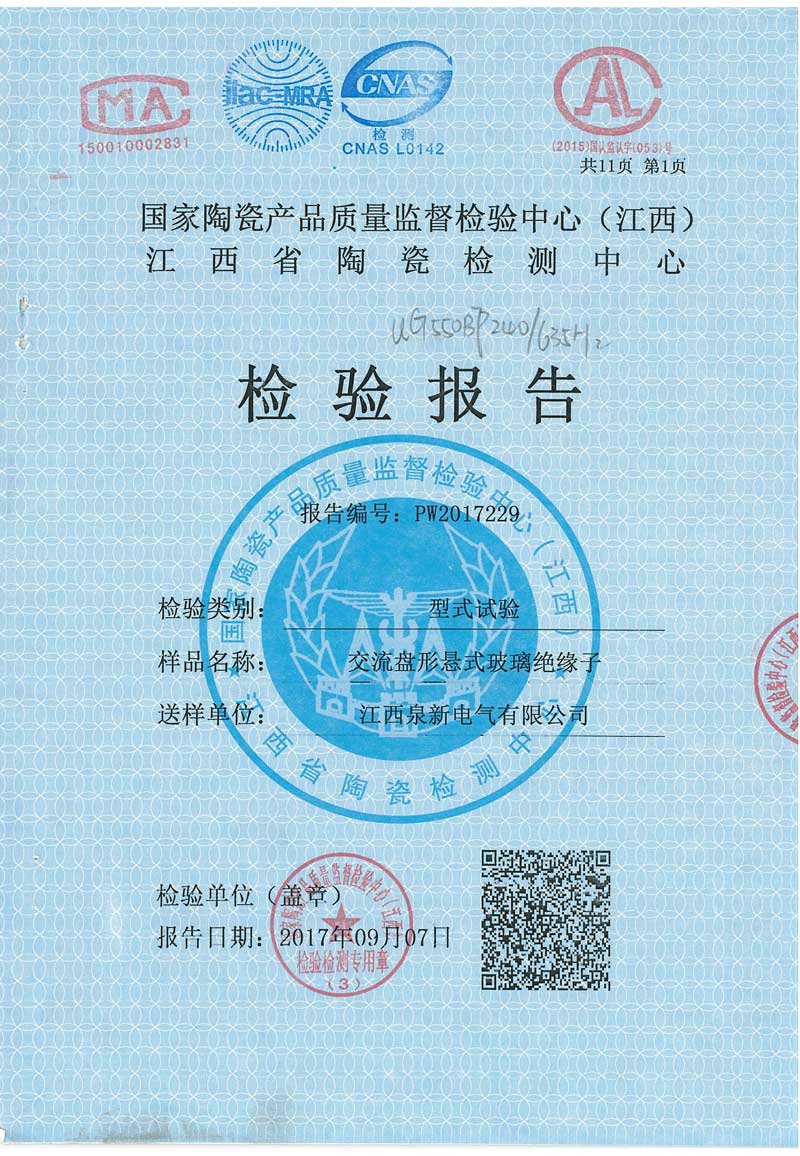
Jiangxi QOCI Electric Co. Ltd, founded in 2002 with 508 million Yuan capital, exemplifies the "Experience, Expertise, Authoritativeness, and Trustworthiness" required for world-class grid construction.
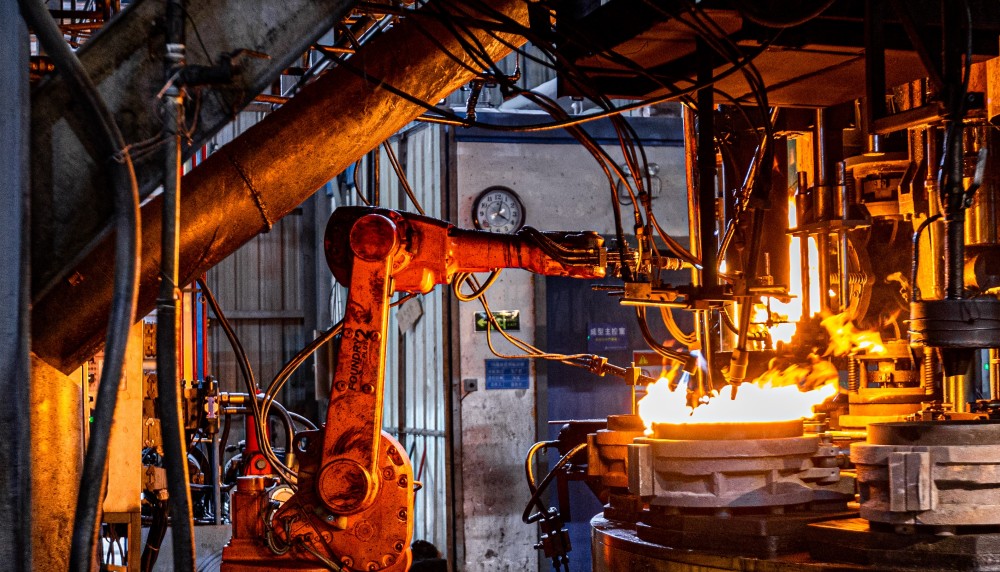
Located in the Industrial Park of Luxi County, Jiangxi Province, our facility spans over 70,000 square meters. We have dedicated our efforts to serving the world-class power grid with green energy construction and high-performance toughened glass components.
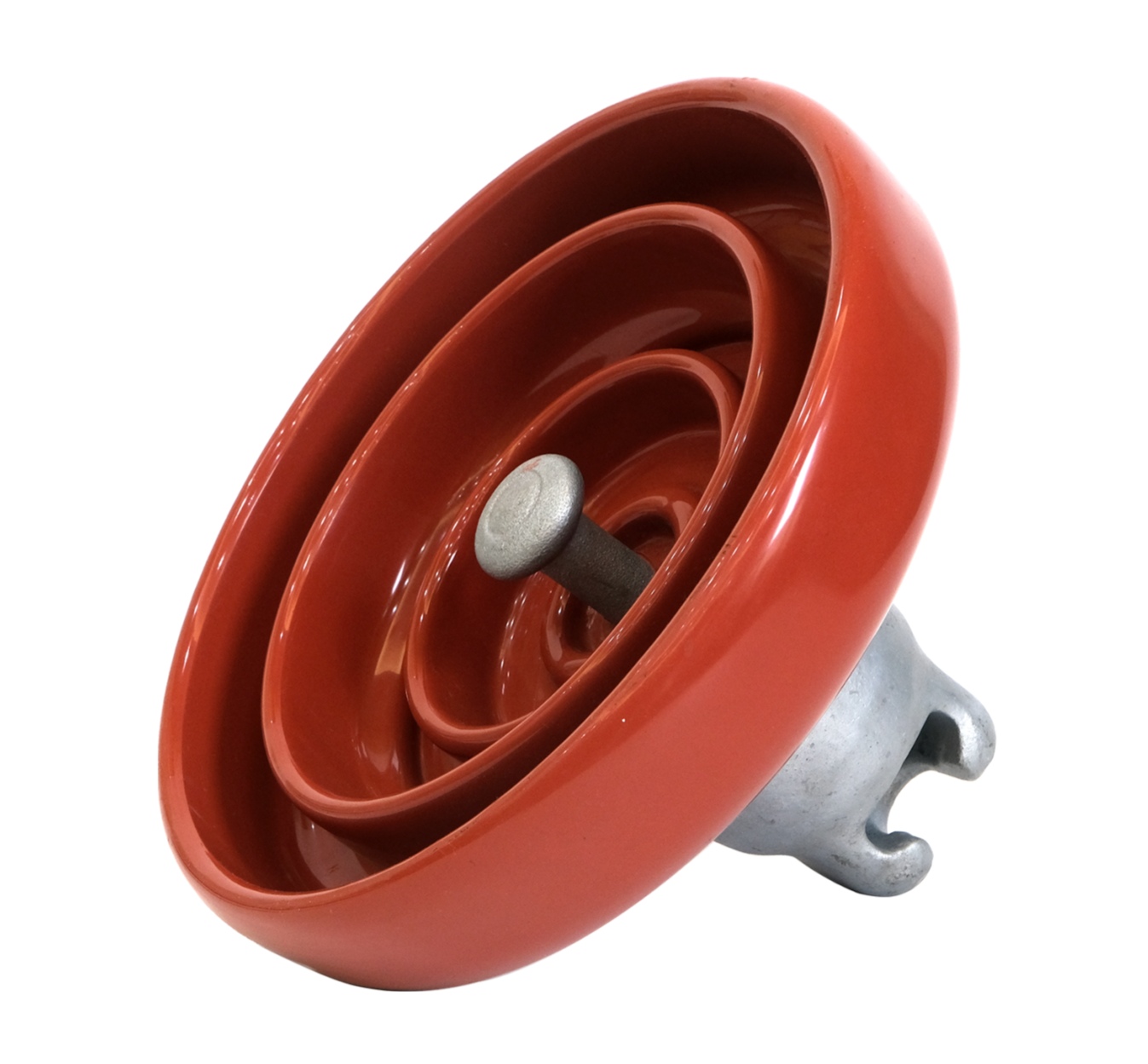
Minimizes leaking currents and maintenance costs in heavily polluted areas. The hydrophobic nature improves performance in salt-fog coastal regions.
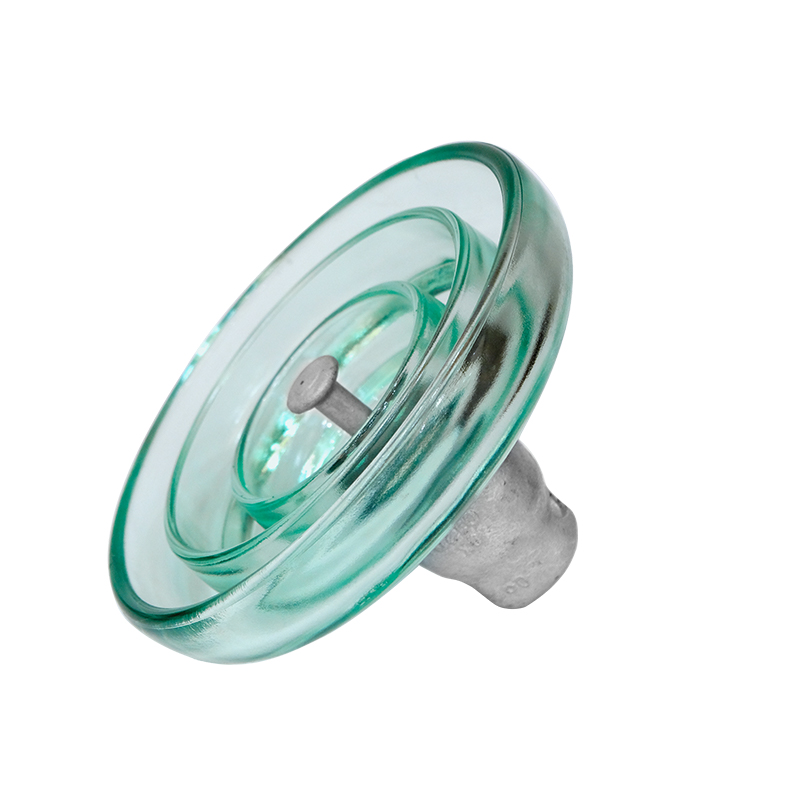
Characterized by long, widely-spaced under-ribs. Crucial for coastal regions where salt fog presents a constant pollution flashover risk.
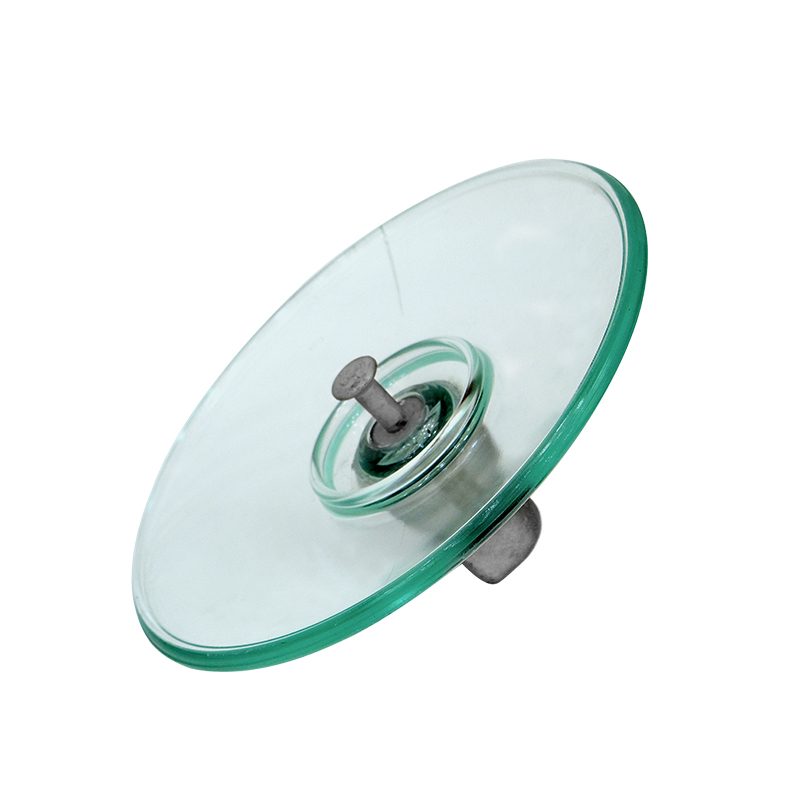
Designed for desert areas. The absence of under-ribs prevents sand and dust accumulation, utilizing wind for self-cleaning.
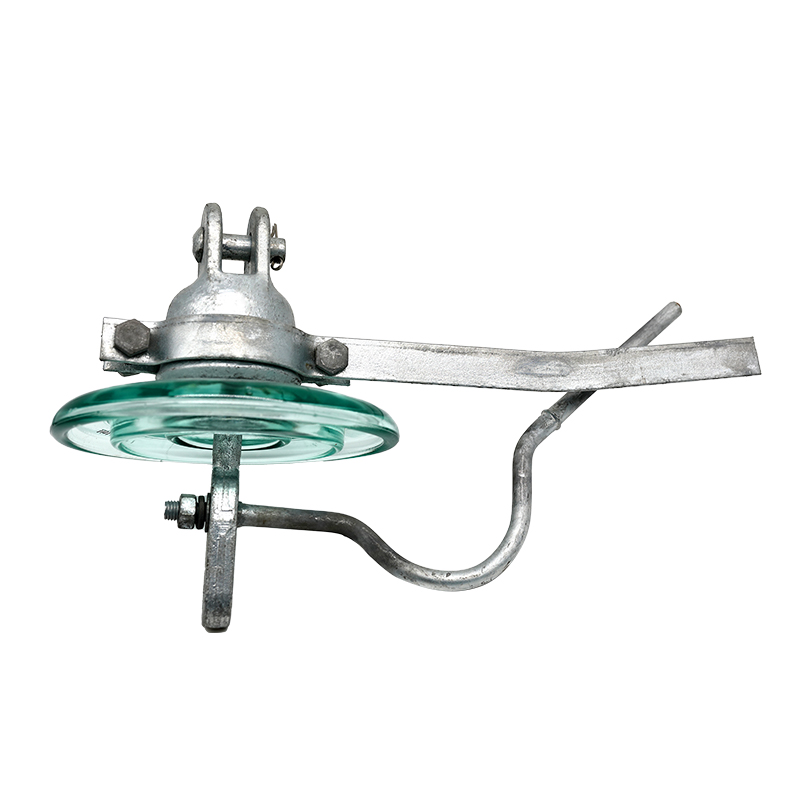
Connects metal accessories to the grounding wire, guiding lightning current and reducing equipment damage. Essential for HVDC and UHV lines.
Triple-shed Type glass insulators are key for UHV projects. With three layers of umbrella discs, they provide a significantly longer creepage distance and superior pollution flashover resistance. This "Information Gain" in design translates to 40% higher reliability in humid, high-altitude environments.
Ensuring Quality Through Responsibility and Technology
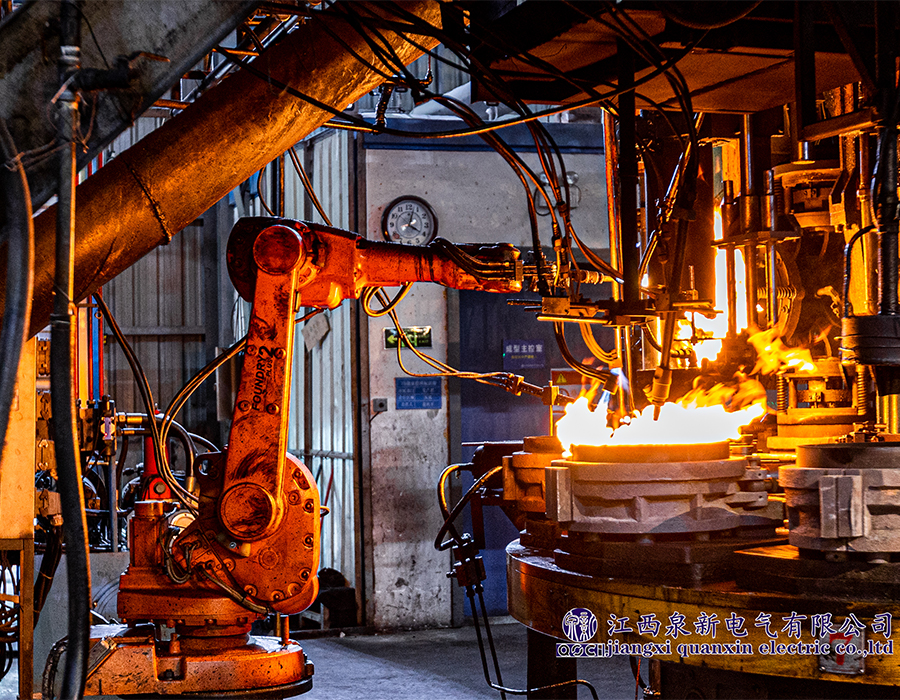
Forming Press Precision
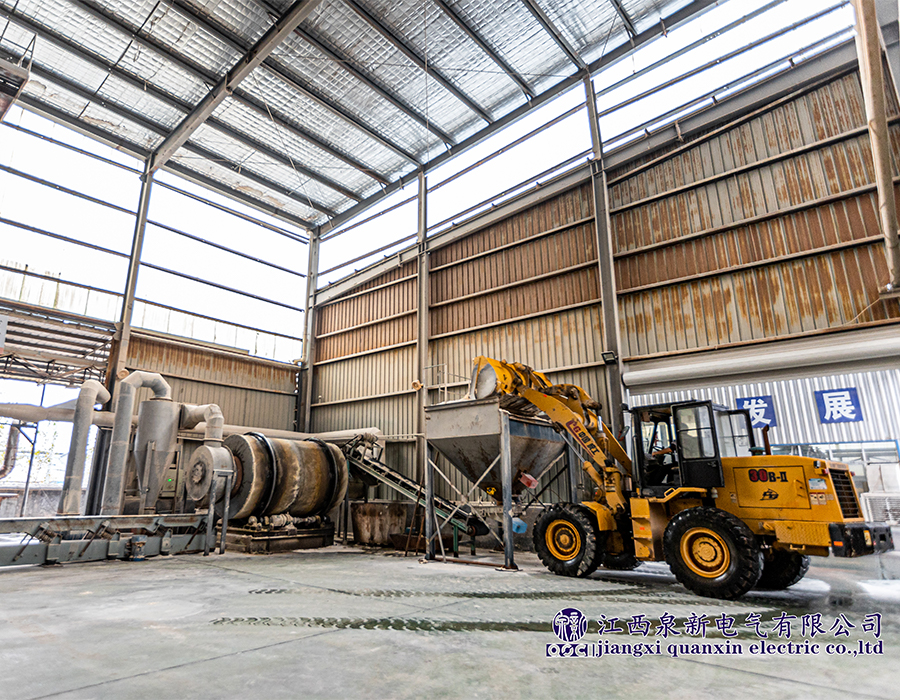
Advanced Raw Material Mixing
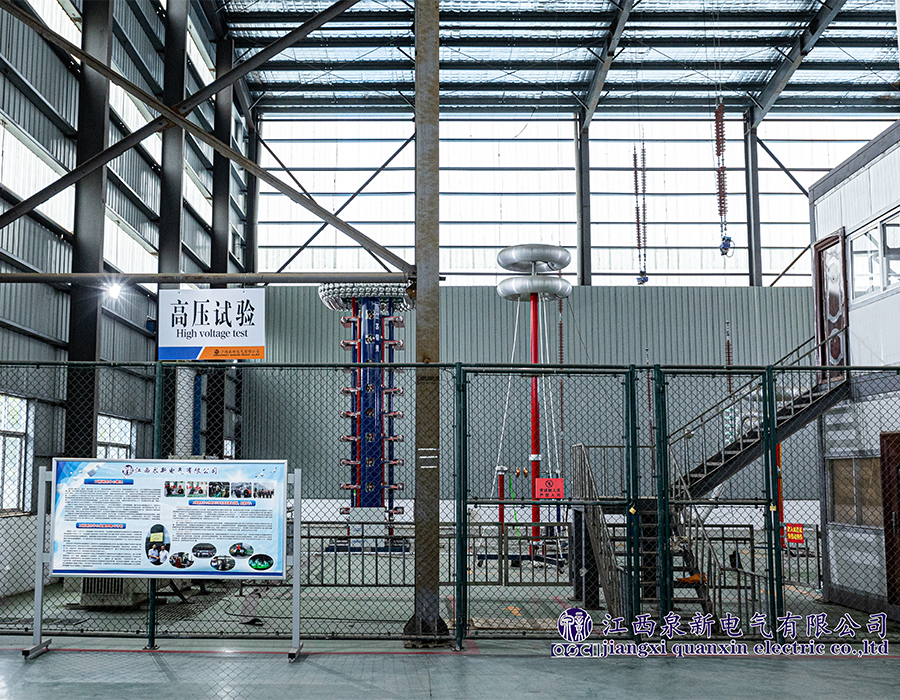
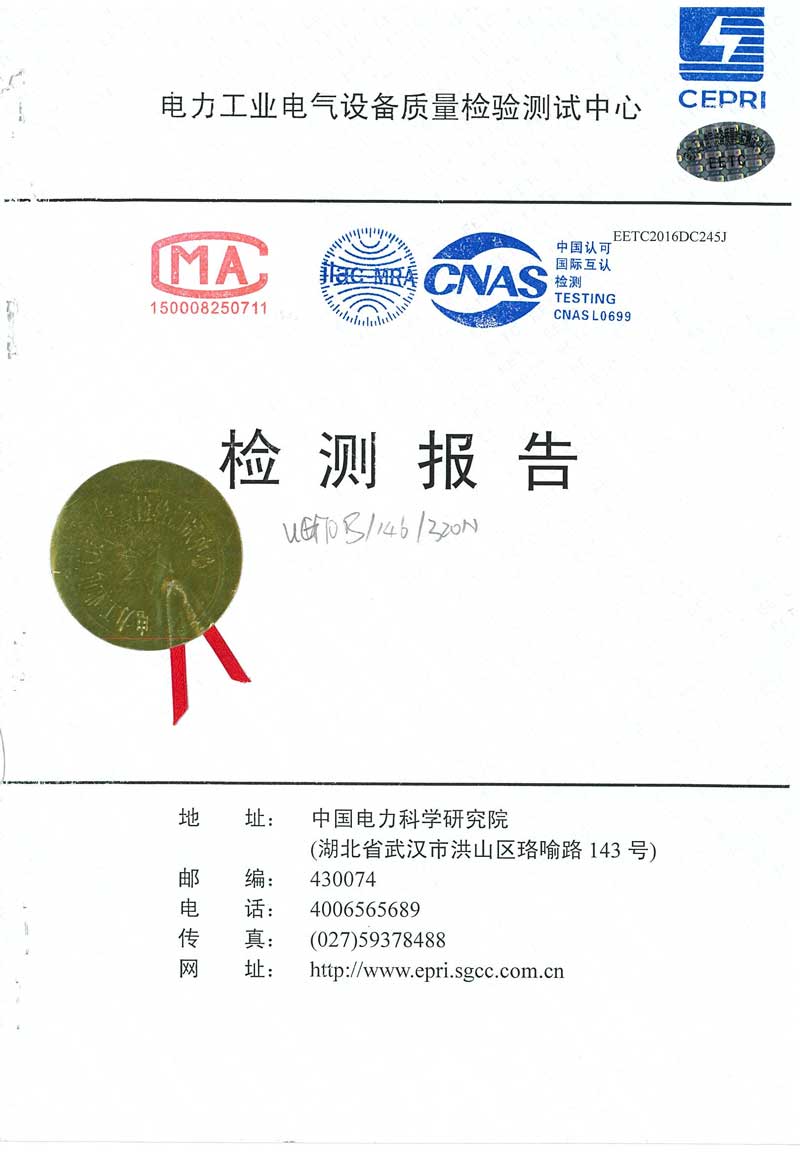
High Voltage Quality Testing
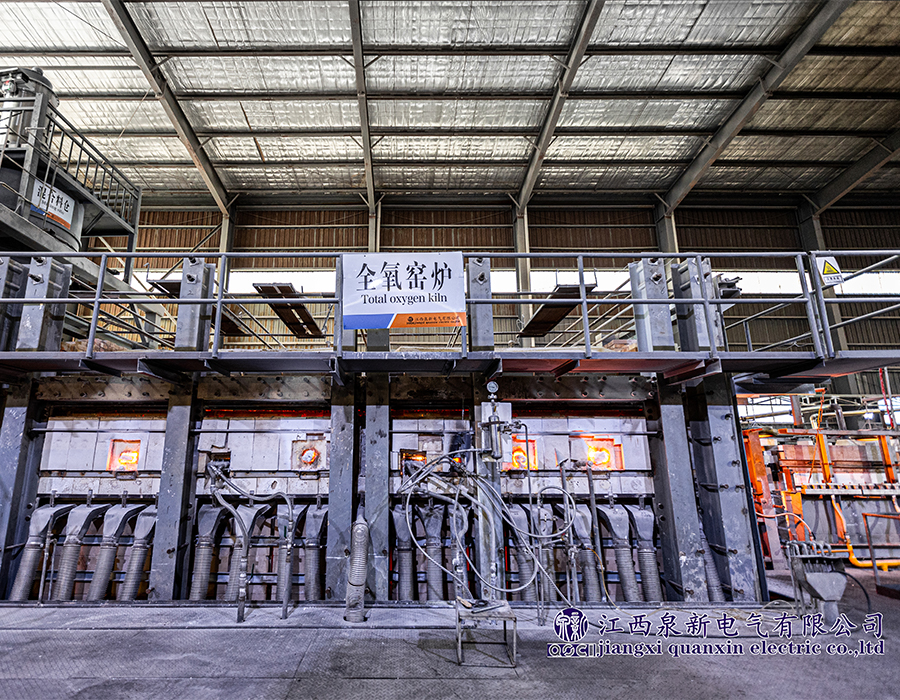
High-Efficiency Total Oxygen Kiln
Our factory processes emphasize zero-defect production. From the total oxygen kiln that ensures glass purity to the rigorous high-voltage tests, every insulator is built to withstand extreme environmental stress, including earthquakes, typhoons, and heavy icing.
As the world pivots toward renewable energy, power transmission projects are moving into increasingly remote and harsh environments. The 2024 trend shows a 25% increase in the procurement of Toughened Glass Insulators for Ultra-High Voltage (UHV) corridors. Global enterprises are now prioritizing suppliers with localized application knowledge—specifically those who can provide data-backed performance in "Geographic Adaptability Scenarios."