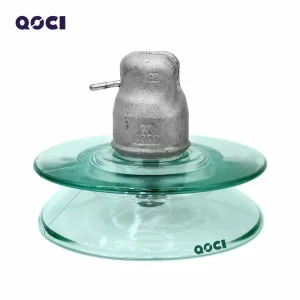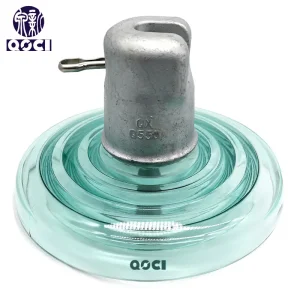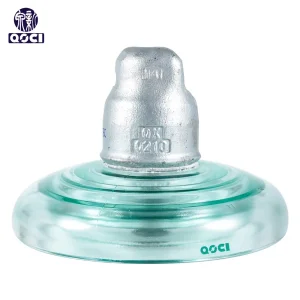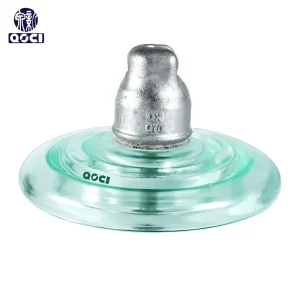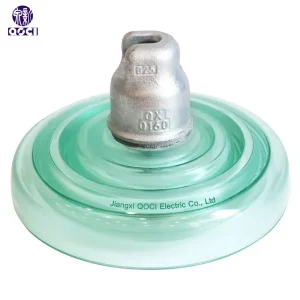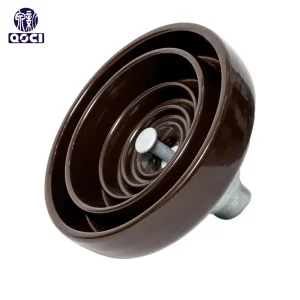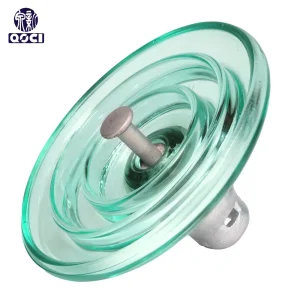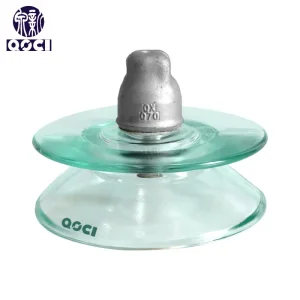
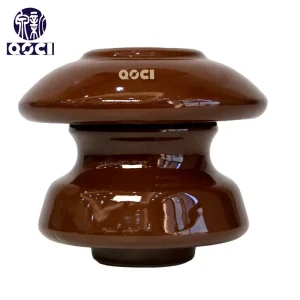
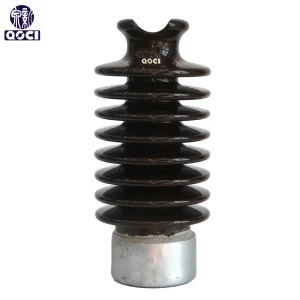
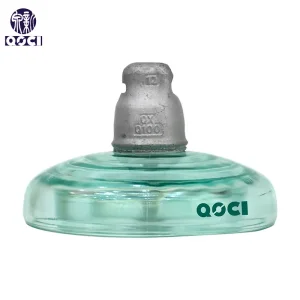
In high-voltage power transmission networks, reliability is the paramount metric. The Glass Isolator U120BS represents a highly engineered component designed to withstand mechanical stress, dynamic environmental variables, and extreme electrical field potentials. As a key structural element in suspension strings, the U120BS toughened glass insulator performs the dual role of physical conductor support and complete dielectric isolation. In this whitepaper, we dissect the material characteristics, mechanical configurations, manufacturing parameters, and system-level benefits of this component class.
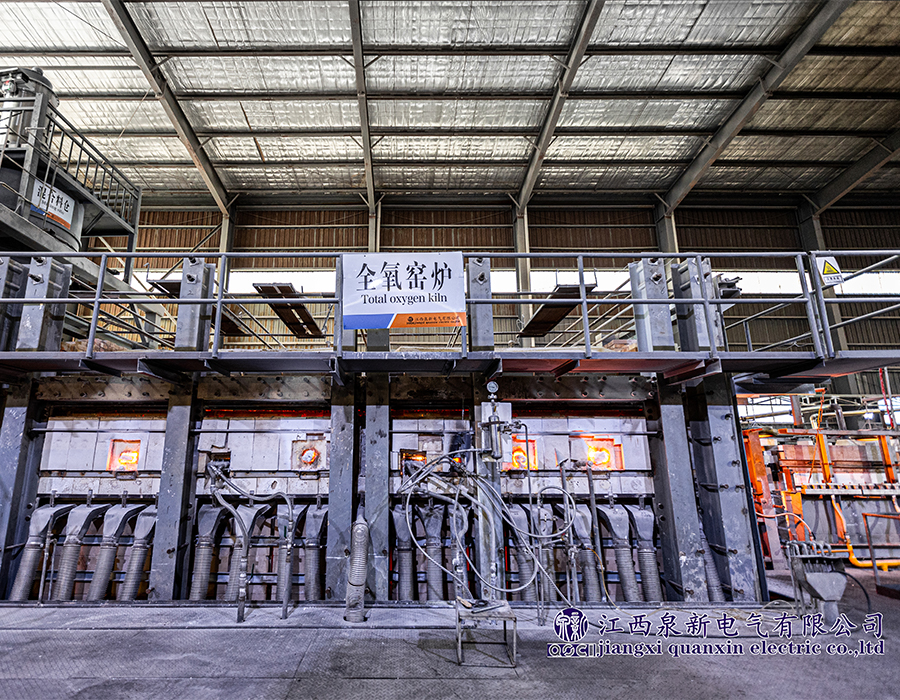
The glass body of the U120BS is synthesized through controlled melting of high-purity raw materials. Our state-of-the-art oxygen kilns ensure precise thermal curves to achieve a glass chemistry that yields superior dielectric strength, low expansion parameters, and high thermal stability.
Rapid surface quenching via controlled airflow induces intense compression layers on the outer boundary of the glass disc. This mechanical pre-stressing shields the inner tension zone from external micro-cracks, elevating the tensile tolerance of the U120BS to a nominal rating of 120 kN.
A key advantage of toughened glass over porcelain is its binary state behavior: if damaged electrically or mechanically, it shatters completely. This "stub" effect allows line crews to visually identify faulty units from the ground without diagnostic instruments.
Below are the typical parameters for the U120BS Glass Isolator system configuration. Standardizing under the IEC 60305 guidelines, this unit utilizes standard socket and ball coupling sizing for ease of modular deployment in existing grid networks.
| Parameter Description | Standard Reference Value | Technical Measurement Units |
|---|---|---|
| Mechanical Failing Load (Nominal Rating) | 120 | kN (kilonewtons) |
| Nominal Disc Diameter (D) | 255 | mm |
| Nominal Spacing Height (H) | 127 / 146 | mm |
| Creepage Distance (Standard Configuration) | 320 | mm |
| Power Frequency Withstand Voltage (Wet / Dry) | 45 / 75 | kV |
| Lightning Impulse Withstand Voltage (Peak Value) | 110 | kV (positive / negative) |
| Connection Standard (Ball & Socket Profile) | 16 / 20 / 24 | IEC Coupling Type Reference |
As countries transition to renewable energy sources, the distance between power generation nodes (such as offshore wind farms or massive solar fields in deserts) and major industrial hubs is increasing. This expansion requires long-distance Ultra-High Voltage (UHV) and Extra-High Voltage (EHV) overhead lines. These networks demand components that operate under mechanical stress while resisting environmental wear.
The U120BS glass isolator helps address these transmission needs. Designed to resist corrosion and chemical pollution, it prevents tracking and leakage currents that lead to power outages. Its 120 kN mechanical rating supports heavy conductor bundles and withstands dynamic aerodynamic forces from high-velocity wind loads.
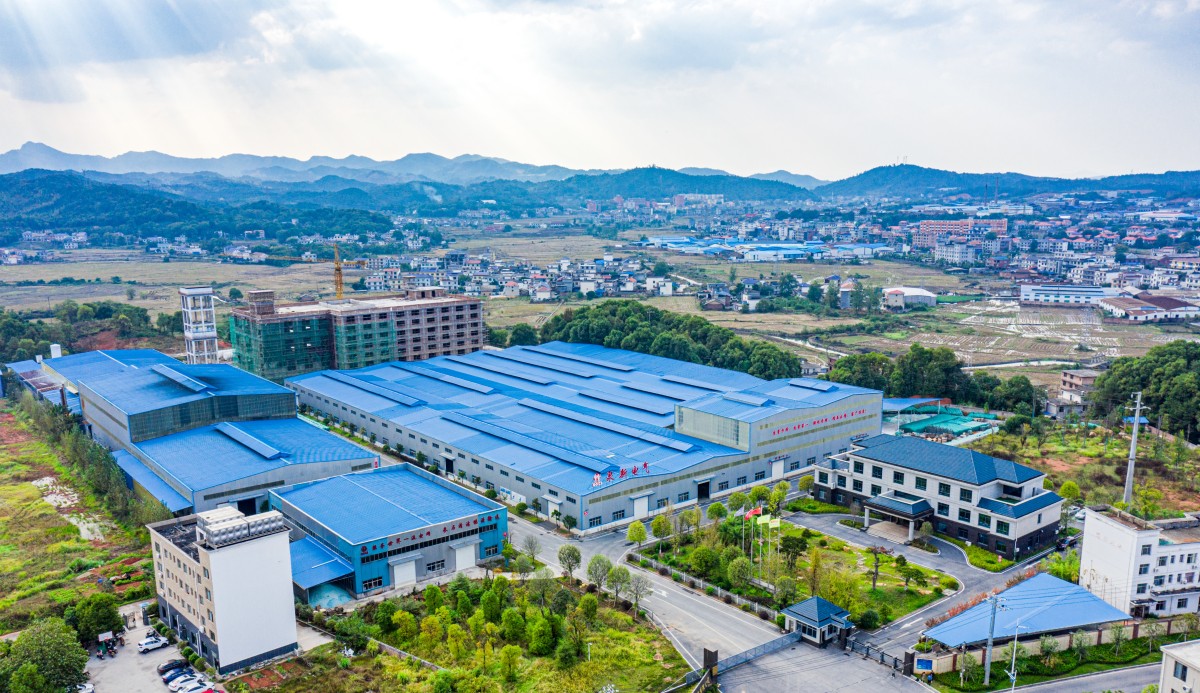
Jiangxi QOCI Electric Co. Ltd was founded in Dec. 2002, with a registered capital of 508 million Yuan. The Corporation is located at Industrial Park, Luxi County, Pingxiang, Jiangxi Province, covering an area of 100 mu.
We actively participate in the construction of green energy grid networks globally. Grounded in the principles of Innovation, Quality, and Service, our company serves the electric power industry to help ensure the safety and longevity of power grids. Our technical design and manufacturing capabilities deliver reliable components optimized for high-pollution and high-stress overhead lines.
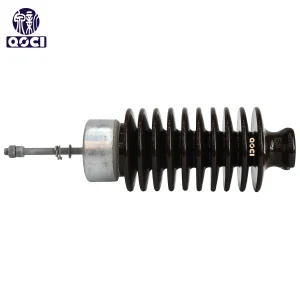
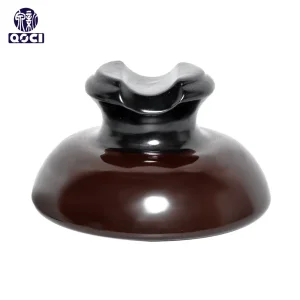
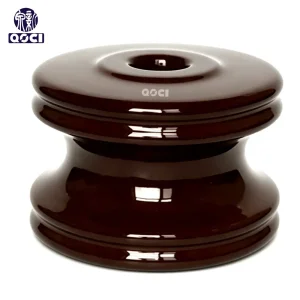
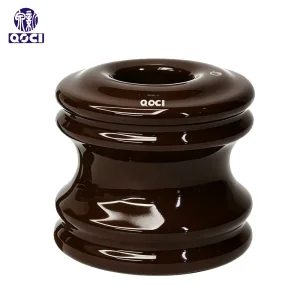
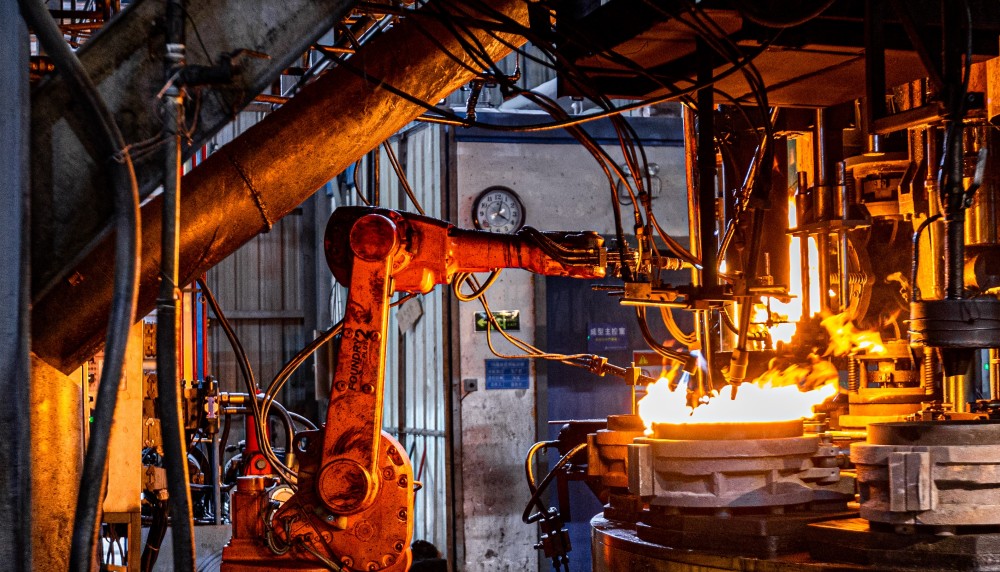
Our facilities features advanced machinery, including automatic batching mixers, forming presses, continuous tempering systems, and high-voltage test testing rigs. We ensure that every U120BS glass insulator and auxiliary porcelain line post conforms to rigorous international standards (IEC, ANSI, BS, AS).
Power transmission conditions vary by geography. A glass isolator system operating in a coastal salt-spray environment must meet different operational criteria than one in a dry, sandy desert. At Jiangxi QOCI Electric, we adapt U120BS applications based on localized environments:
Marine salt-fog contains chloride particles that settle on isolators, creating conductive paths. For these coastal conditions, our Anti-pollution or Double-Shed configurations increase the path length to help mitigate the risk of voltage flashovers.
Deserts present issues with sand deposits. Standard ribs on glass isolators can trap dust beneath the disc. Our open profile design utilizes natural wind forces to self-clean the surface and reduce maintenance visits.
Where soot, sulfur dioxide, and industrial particles settle on equipment, we apply Room Temperature Vulcanized (RTV) silicone coatings. These coatings maintain surface hydrophobicity to help prevent leakage currents.
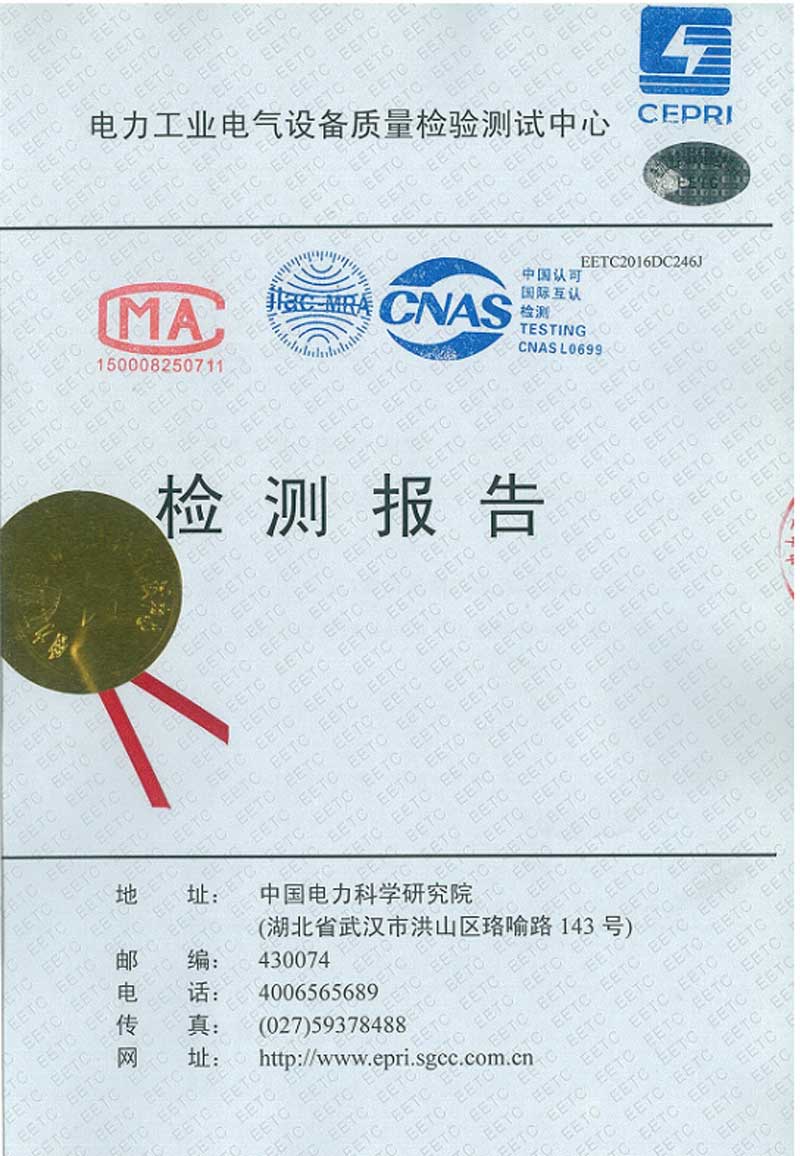
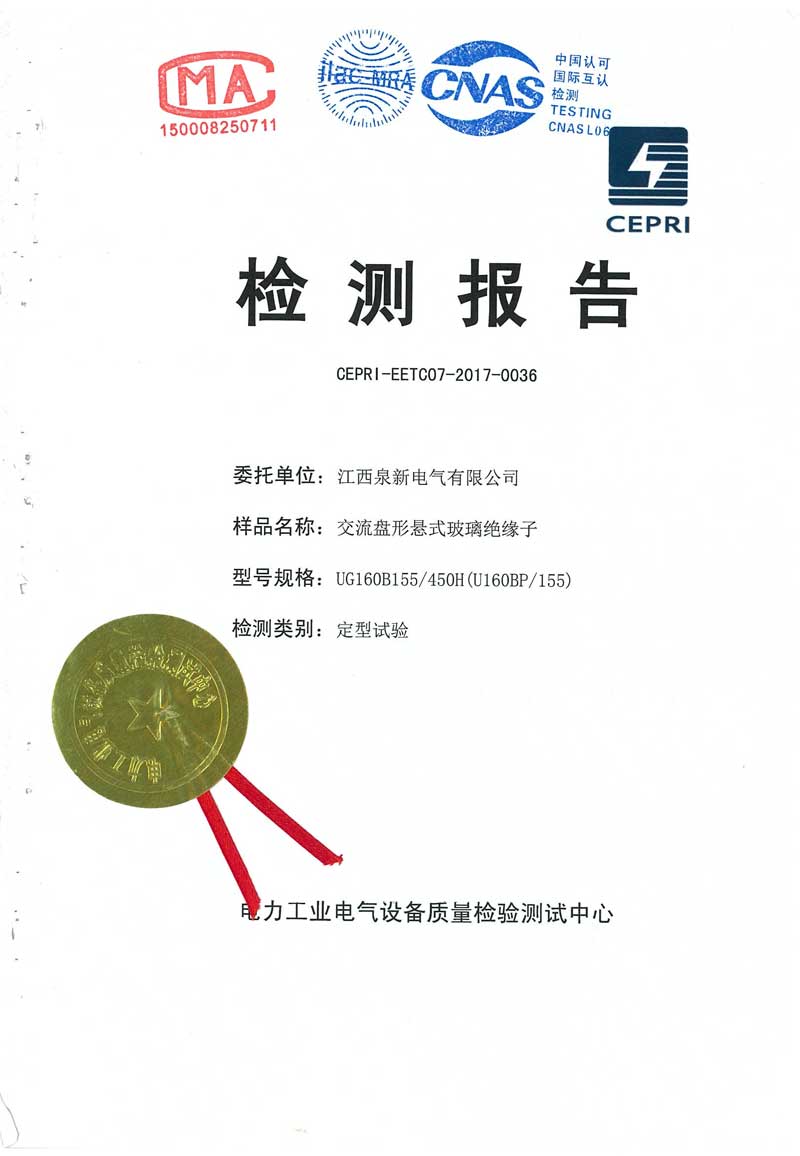
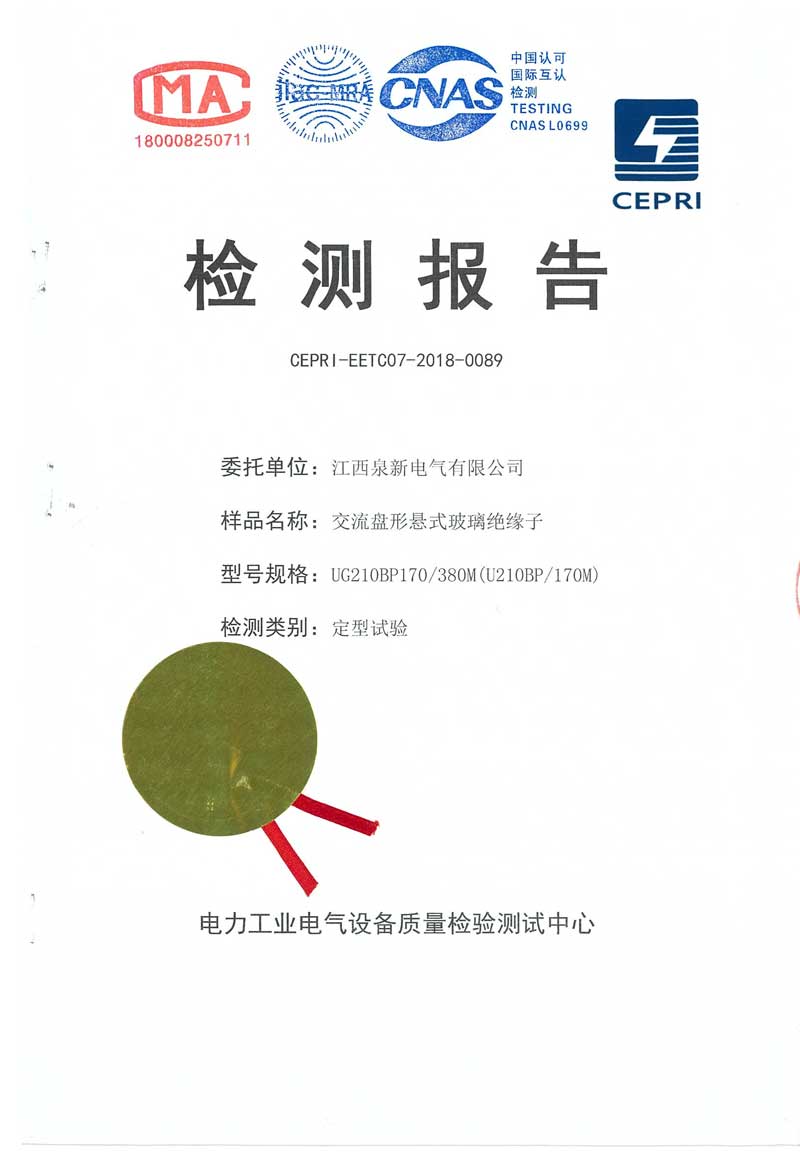
Every U120BS glass isolator model is tested in third-party labs to ensure product quality and electrical safety. We comply with IEC, ANSI, BS, and AS standards to integrate with different regional utility networks.
Explore our distinct engineering glass profiles engineered for diverse geographical and electrical performance challenges.
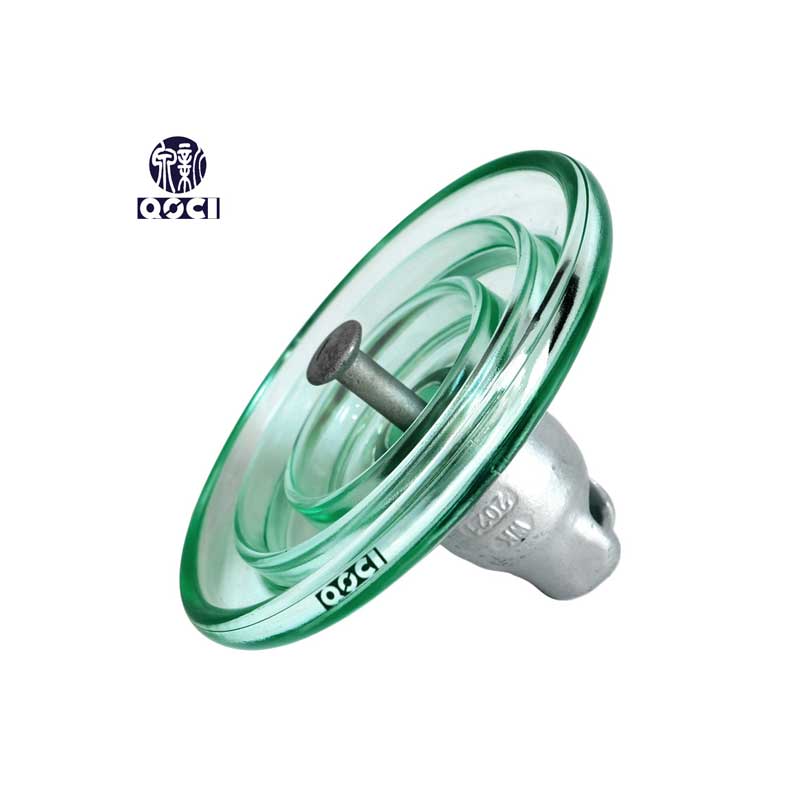
The characteristic of the standard profile is that the leakage distance is higher than the value indicated for standard insulators in IEC 60305. The insulation part is designed with shallow and well spaced small ribs, which can be effectively self-cleaning by wind or rain.
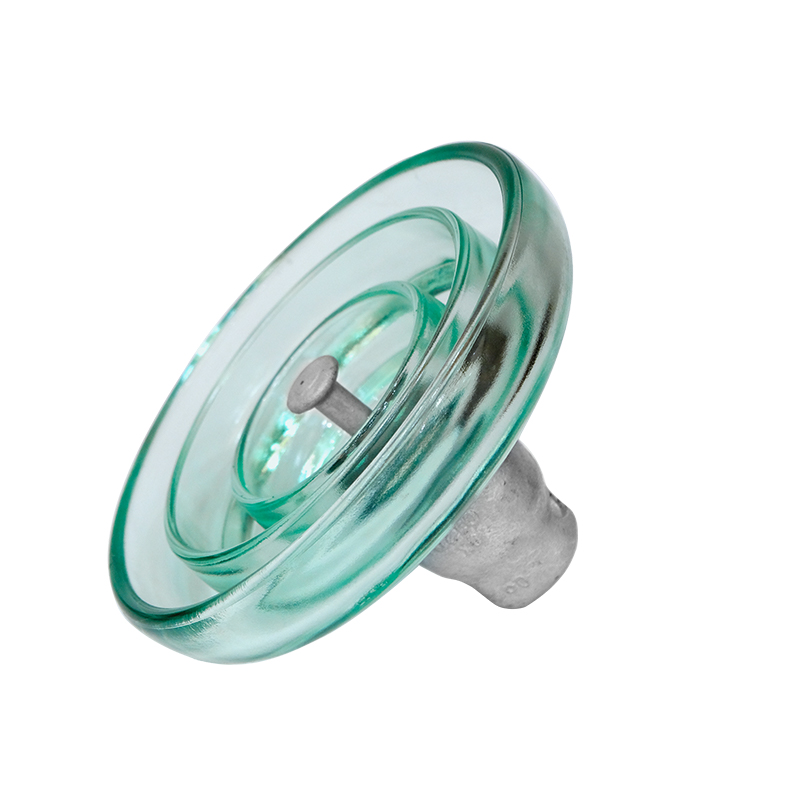
The fog type profile is characterized by long and widely-spaced under-ribs so as to avoid arc bridging between adjacent ribs. It features a leakage distance/spacing ratio of around 3.2 and is particularly effective in coastal areas (Salt fog) as well as in polluted areas where a higher specific leakage distance is required.
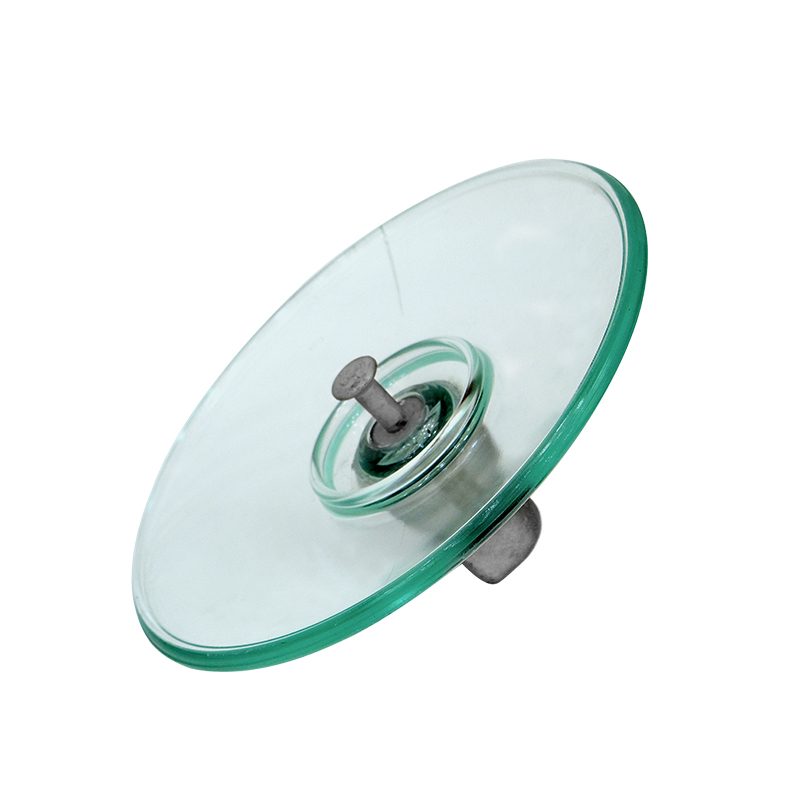
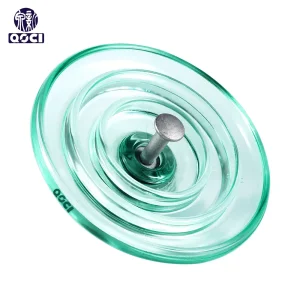
Design of insulating part with open profile is marked by absence of under-ribs and extended diameter of disk, with no under-ribs so as to avoid the accumulation of solid pollution deposits (dust, sand) on its lower surface. This design is effective in desert areas with wind and sand storms and can solve ice-bridging problems.
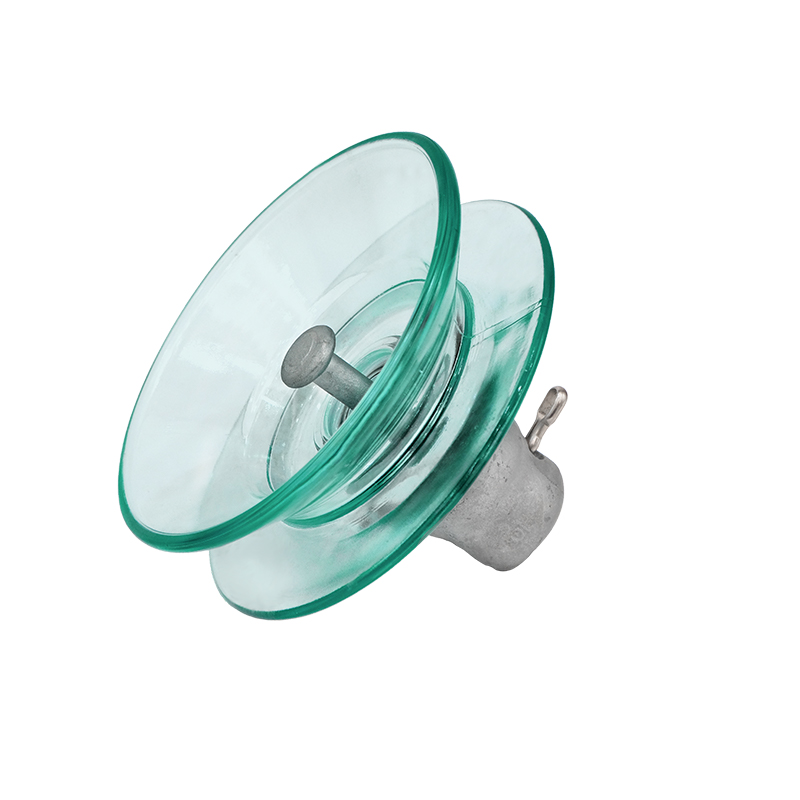
The design of the insulation part has two external ribs. The elimination of the under-ribs reduces pollution build-up, and the surface of the insulator can self clean by strong winds, and facilitate manual cleaning when necessary. This profile provides a leakage distance equivalent to the anti pollution profile.
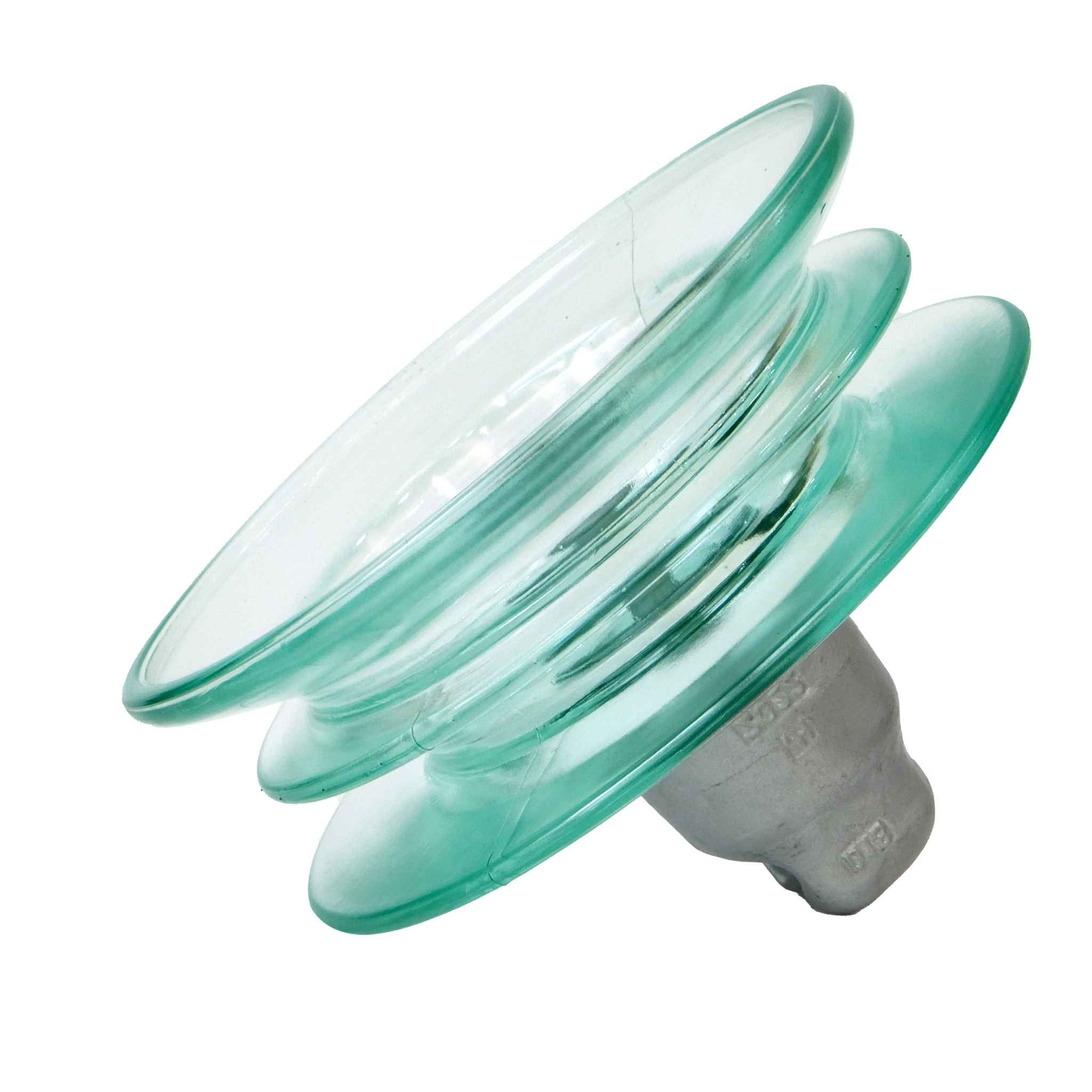
Triple-shed Type glass insulator is characterized by three layers of umbrella discs separated from each other on the insulation body. Thanks to this open shed design, they achieve self-cleaning during wind and rain, making it difficult for contaminants to adhere, and provide a longer creepage distance.
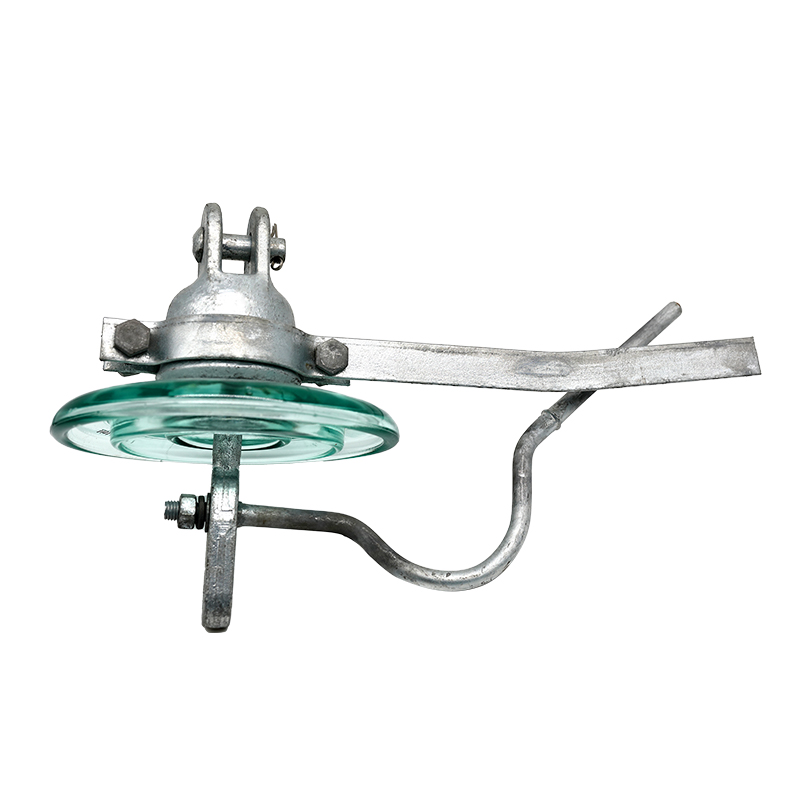
By connecting internal or external metal accessories (such as steel feet and flanges) to the grounding wire, reliable grounding can be achieved. The grounding function effectively guides lightning current, reduces line lightning damage, and protects the safety of lines and equipment.
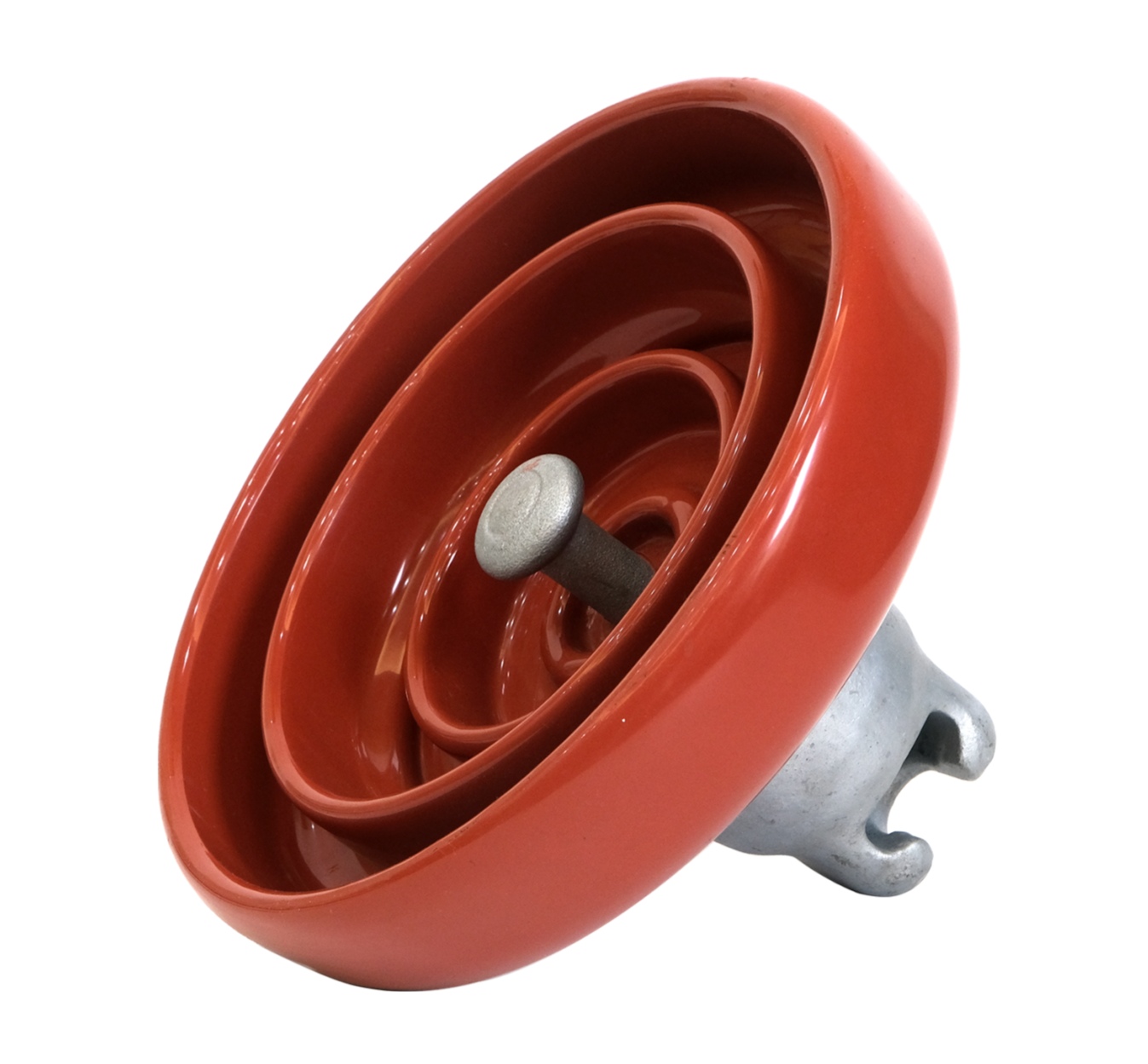
Silicone-coated insulators offer an excellent alternative which guarantees optimum performance for high voltage overhead lines in areas with heavy pollution. The product used to coat the insulators is Room Temperature Vulcanization (RTV) silicone which contains mineral fillers embedded in the silicone itself. This silicone increases the hydrophobic nature of the insulator’s surface, thereby improving its performance in polluted areas. Furthermore, the fillers absorb the energy of any possible electric arcs and serve to protect the integrity of the coating. They eliminate the need to regularly clean glass insulators while maintaining high mechanical reliability.
In heavy industrial areas, agricultural operations, and regions with extreme dust concentration, standard disc components are prone to flashover faults. The following catalog demonstrates the dimensioning parameters of our primary high-grade anti-pollution designs.
Designed for heavy-pollution corridors. 100 kN mechanical strength, 146mm height, 320mm diameter, providing 550mm creepage distance.
A compact anti-pollution layout. Nominal 100 kN rating with 146mm height, 280mm diameter, and a 450mm creepage boundary.
Utilizes a shorter spacing profile (127mm) to maintain creepage specifications of 450mm in compact structures.
Combining 120 kN mechanical rating with 146mm height, 280mm disc diameter, and 450mm creepage path.
120 kN structural capability in a compact 127mm space depth profile, featuring 450mm pollution path distance.
70 kN strength rating featuring a large 320mm shell. Provides 550mm creepage protection for high salt-fog conditions.
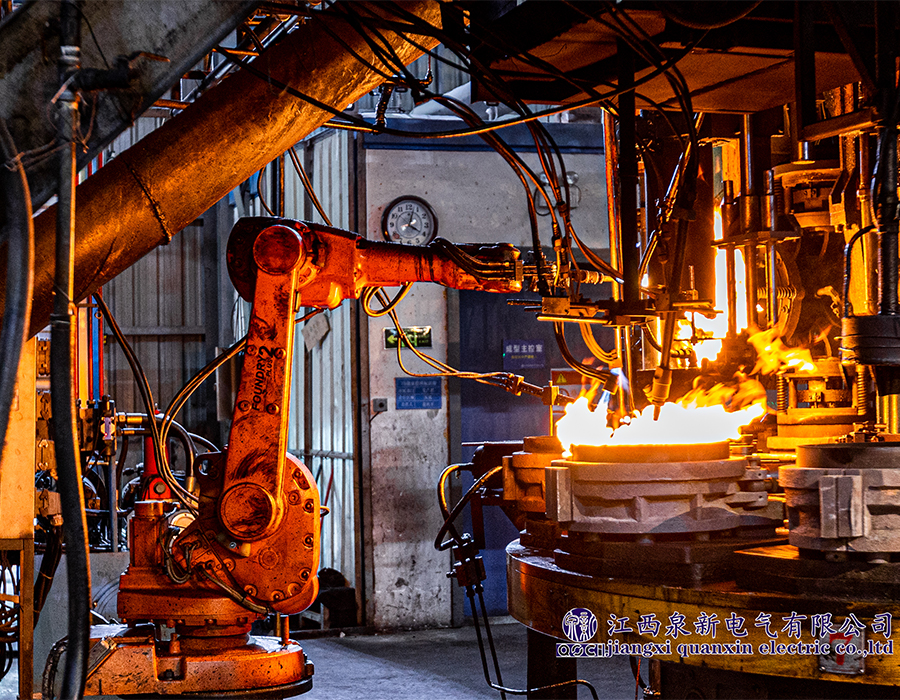
Our automated production lines are designed to minimize manual handling risks and maintain tight dimensional tolerances for high-voltage glass and porcelain insulators.
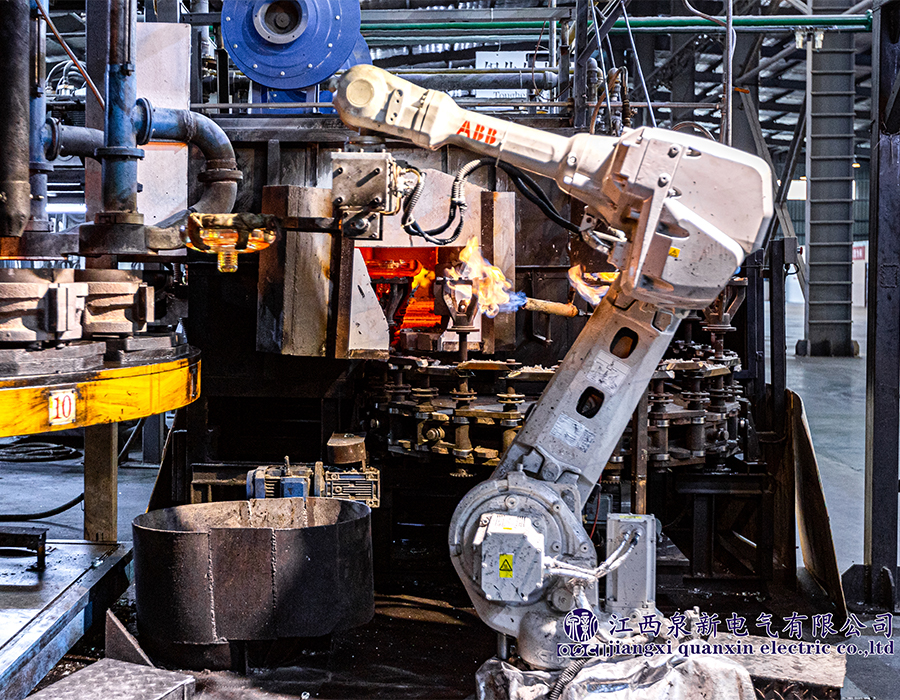
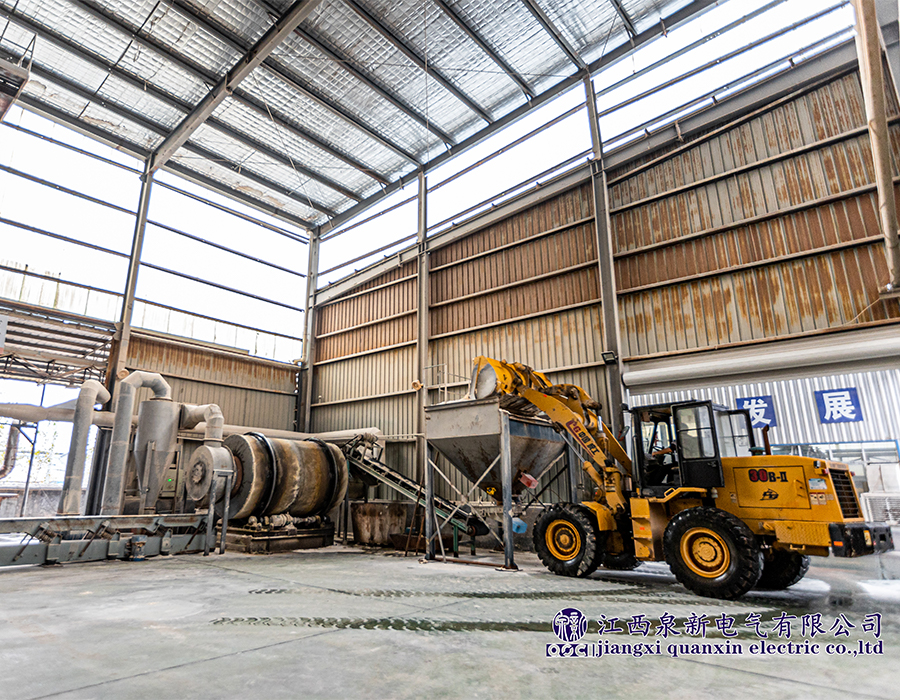
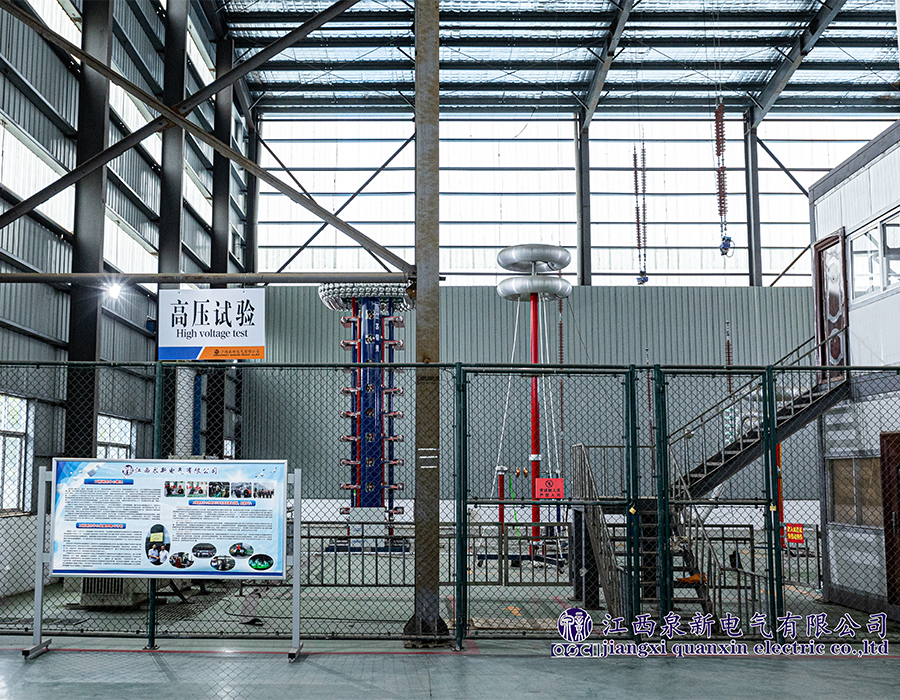
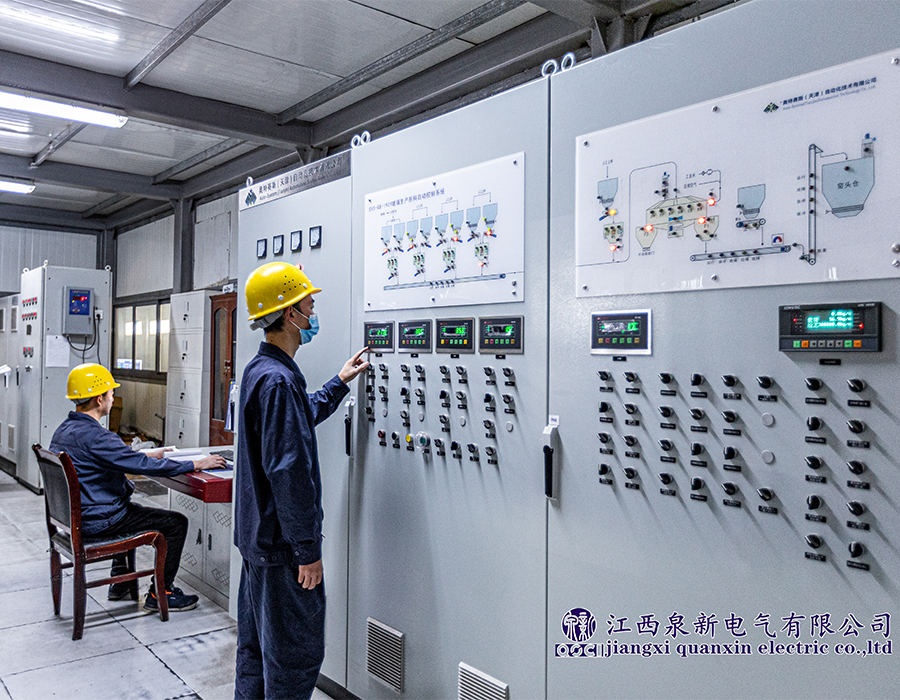
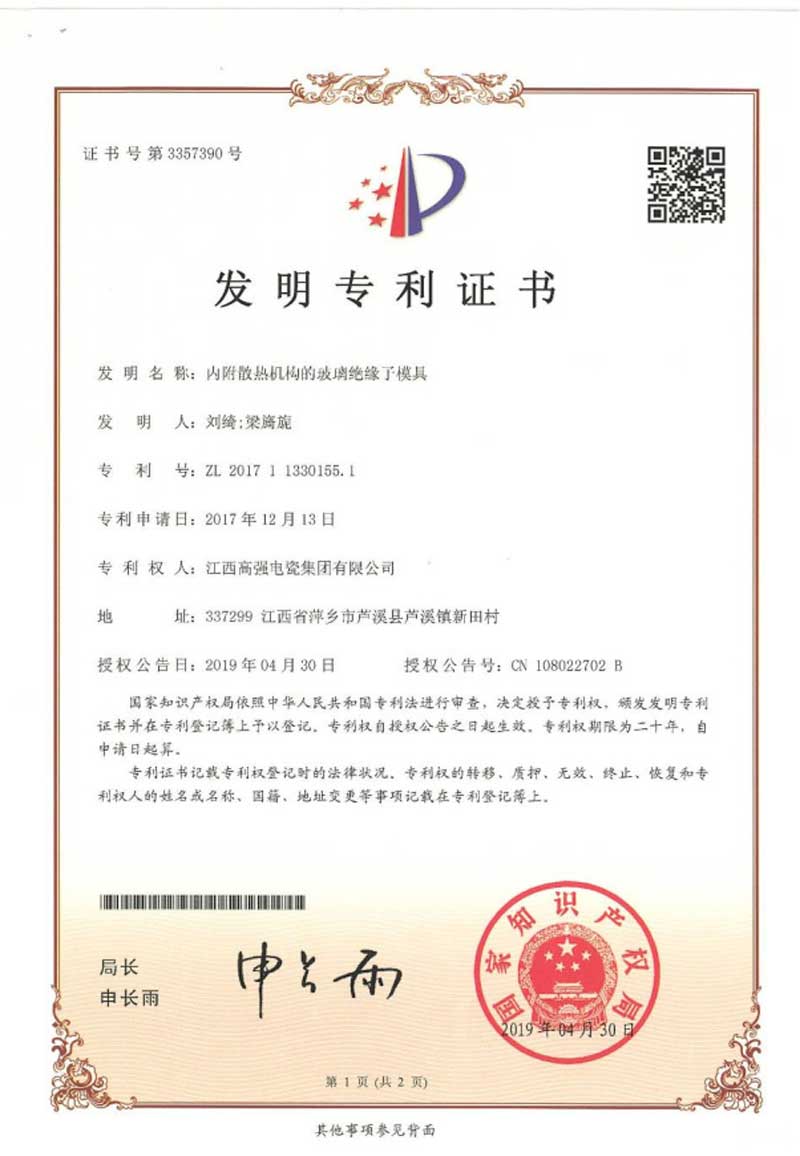
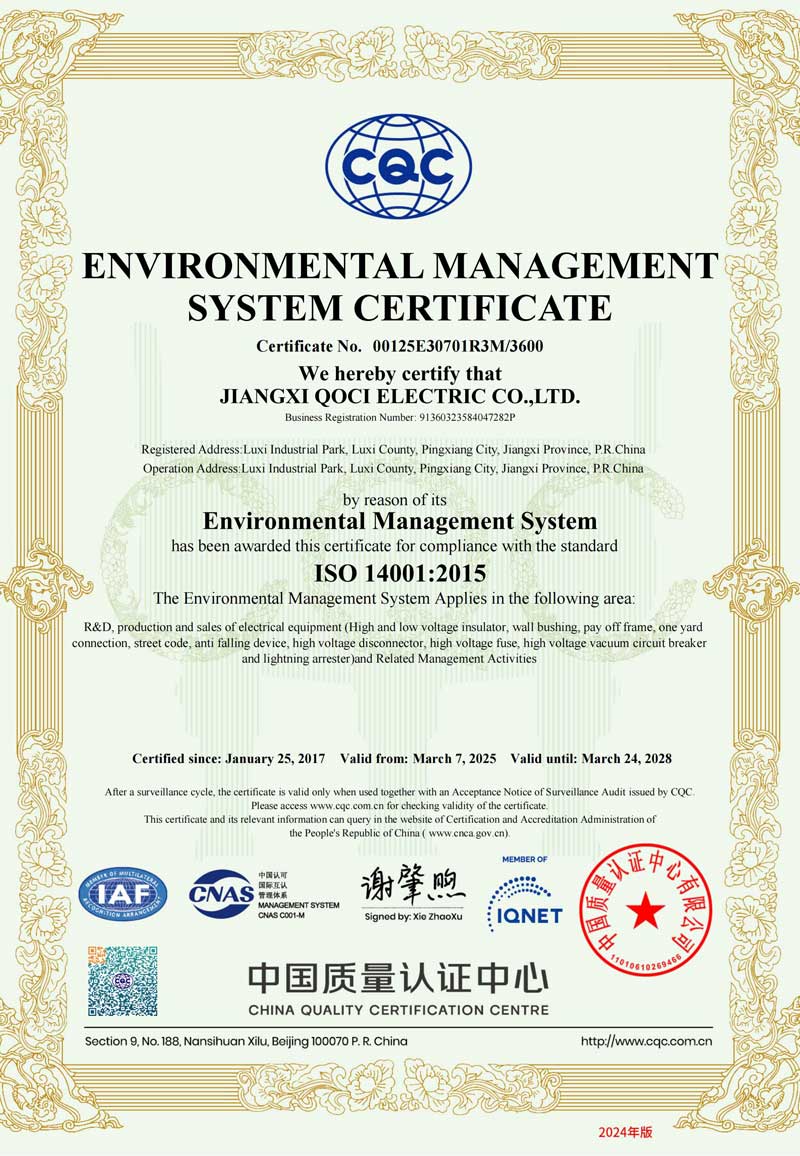
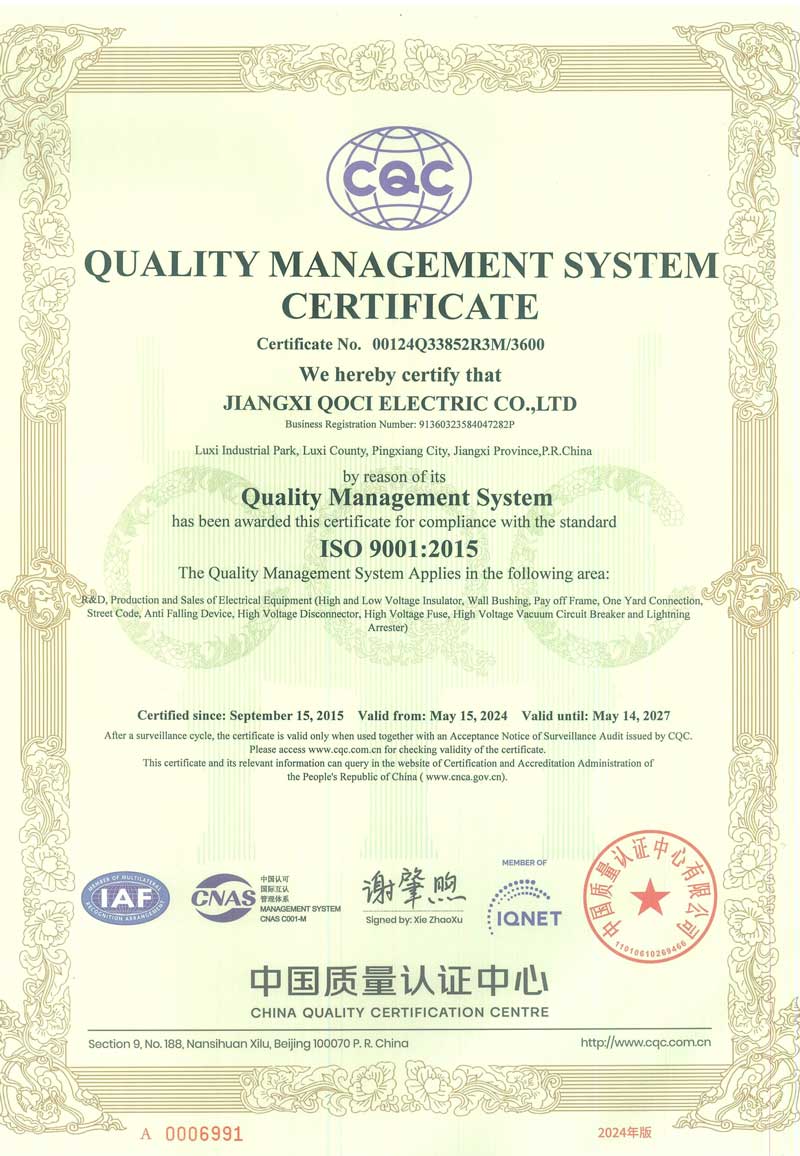
Quality management certifications ISO 9001, ISO 14001, ISO 45001. Test reports in accordance with IEC 60305, IEC 60383, and ANSI C29.2.
In order to support clean energy grids, Jiangxi QOCI Electric Co. Ltd maintains a technical roadmap focused on safety, carbon reduction, and grid reliability:
We are working to transition our total oxygen kilns to clean-burning green hydrogen and hybrid electrical heating profiles. This initiative aims to reduce carbon emissions in the glass melting process, lowering the overall footprint of our components.
We are researching passive sensor integrations within the metallic pin structure of the U120BS. These sensor concepts aim to collect diagnostic data on leakage currents, providing operators with predictive maintenance insights before a flashover occurs.
We continue to test chemical formulations for Room Temperature Vulcanized (RTV) silicone coatings. Our research focuses on maintaining the hydrophobicity of glass disc surfaces over longer operational lifespans in high-pollution environments.
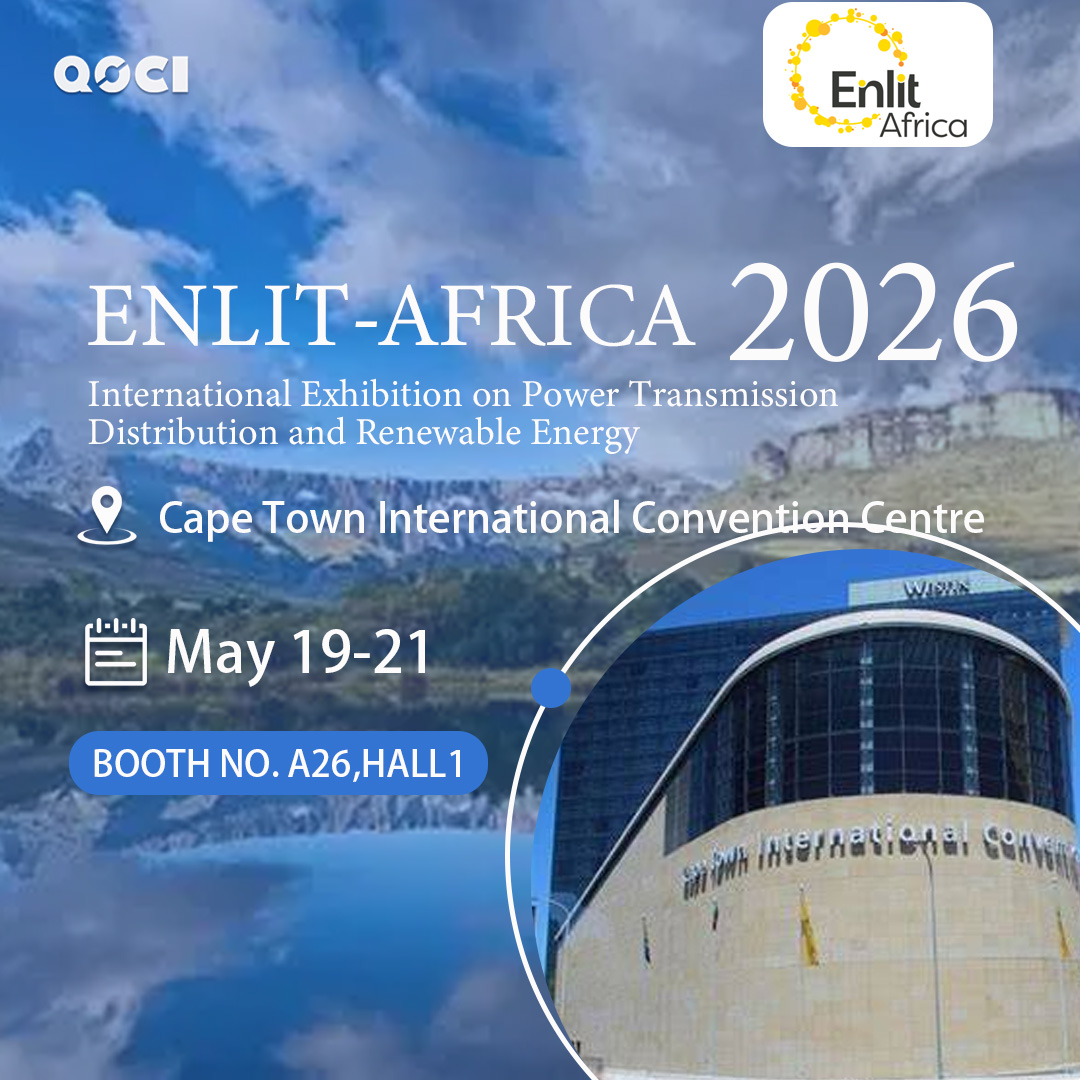
As the global energy transition accelerates, the importance of electricity, renewable energy, and energy storage technologies is becoming increasingly critical. QOCI highlights clean energy transmission grid components.
Having withstood extreme environmental conditions including icing, high altitude, pollution, earthquakes and typhoons, China’s insulator manufacturing has established global support.
On behalf of our team at JIANGXI QOCI ELECTRIC CO., LTD, we encourage you to join us at IEEE PES T&D Conference & Exposition 2026, the powerhouse of power industry developments.
We collaborate with utility operators, transmission line contractors, and engineering firms globally to supply insulation equipment for national power grids.